


Every plywood buyer from Vietnam eventually faces the same fork in the road: your supplier sends two price lines — one FOB, one CIF — and the difference looks significant. Before you pick the lower number, you need to understand what each term actually covers, where risk transfers, and which structure saves money for your specific situation.
This guide cuts through the definitions and gives you a practical decision framework based on real export experience from Hai Phong port.
📋 TL;DR — CIF vs FOB at a Glance
| Factor | FOB (Free On Board) | CIF (Cost, Insurance, Freight) |
|---|---|---|
| Who pays ocean freight | Buyer | Seller |
| Who arranges insurance | Buyer | Seller (minimum coverage) |
| Risk transfer point | When goods loaded on vessel | When goods loaded on vessel |
| Price transparency | Higher — you see freight separately | Lower — freight bundled in |
| Cost for experienced importers | Usually cheaper | Usually higher |
| Cost for new importers | Can be costly if freight is uncompetitive | More predictable |
| Best for | Buyers with established forwarders | First-time or low-volume buyers |
| Vietnam port | FOB Hai Phong | CIF [Destination Port] |
⚠️ Important: Risk transfer is the SAME under both terms — at the vessel’s rail when goods are loaded. CIF does NOT give you protection until your port. The difference is only who pays and arranges freight and insurance.
📦 What Is FOB Pricing for Vietnam Plywood?
FOB (Free On Board) is the standard trade term for Vietnam plywood exports. Under FOB terms, the seller’s responsibility ends when the goods are loaded on board the vessel at the named port — almost always Hai Phong for Northern Vietnam suppliers.
Your responsibilities begin from that moment:
- Nominate your freight forwarder (they book the vessel slot)
- Pay ocean freight directly to your forwarder or carrier
- Arrange marine insurance for the voyage
- Handle customs clearance at the destination port
- Manage inland transport to your warehouse
FOB Hai Phong is the standard quote format from Vietnamese manufacturers. The port serves 80%+ of Vietnam’s plywood export volume (Vietnam Customs, 2025), with direct services to India, the Middle East, Europe, and Southeast Asia.
The main advantage of FOB is cost visibility. You see the product price and freight price separately. If you have a strong freight forwarder relationship — which most experienced importers do — your own freight rate will almost always beat what a supplier bundles into a CIF quote.
“For buyers placing regular container orders, FOB gives you direct control over your logistics costs. We always recommend our repeat clients compare their own freight quotes with any CIF offer before accepting.” — Lucy, International Sales Manager, HCPLY (6+ years Vietnam export experience)
💎 What Is CIF Pricing for Vietnam Plywood?
CIF (Cost, Insurance, and Freight) means the seller quotes a single price that includes the product cost, ocean freight to your named destination port, and minimum marine insurance.
Under CIF terms:
- Seller books the ocean freight and pays the carrier
- Seller provides minimum insurance (Institute Cargo Clauses C)
- You receive a single all-in price to your port
- You still handle customs clearance and inland delivery
CIF pricing is common for buyers who are:
- Placing their first order from Vietnam
- Operating without an established freight forwarder
- Looking for a simplified, single-number landed cost
The critical point most buyers miss: CIF price ≠ landed cost. You still pay destination-side customs, import duties, and local transport. CIF only covers the sea leg.
📊 Cost Breakdown: FOB vs CIF Real Numbers
To understand the real cost difference, you need to see all components separately. Here is a practical breakdown for a standard 40HC container of Vietnam plywood shipped from Hai Phong to common destinations (HCPLY production data, 2026):
| Cost Component | FOB Scenario | CIF Scenario |
|---|---|---|
| Product cost (plywood) | $12,000 | $12,000 |
| Ocean freight (Hai Phong → India) | $800–1,200 (your rate) | Bundled by seller |
| Marine insurance | $80–150 (your policy) | Bundled by seller |
| Total sea-leg cost | $12,880–13,350 | CIF quote typically $13,500–14,500 |
| Destination customs clearance | Buyer | Buyer |
| Inland delivery | Buyer | Buyer |
The seller’s CIF markup on freight ranges from 5–20% above market rates, depending on their shipping arrangements. Experienced importers with a good freight forwarder reliably save $200–600 per container by choosing FOB.
💡 Tip: Always request both FOB and CIF quotes from your supplier simultaneously. Then get an independent freight quote from your forwarder for the same route. The math will tell you which option is better.
🔧 Risk Transfer — The Misunderstood Part
Most buyers assume CIF means “the seller is responsible until goods reach my port.” This is incorrect under Incoterms 2020 rules (International Chamber of Commerce, 2020).
Under both FOB and CIF:
- Risk transfers when goods are loaded on board the vessel at the port of origin
- If goods are damaged during the sea voyage, it is the buyer’s problem — even under CIF
- The only difference under CIF is that the seller has arranged (and paid for) the minimum insurance policy
This means: if your plywood is damaged at sea under CIF terms, you must file the insurance claim yourself — using the insurance certificate the seller provides. Under FOB, you use your own policy.
Practical implication: CIF’s minimum insurance (Clauses C) covers only major catastrophic losses — fire, sinking, collision. It does NOT cover theft, damage from rough handling, or water ingress in most cases. Many experienced buyers under CIF terms request the seller upgrade to Clauses A (all-risk) and absorb that cost themselves, or they switch to FOB and buy their own all-risk policy.
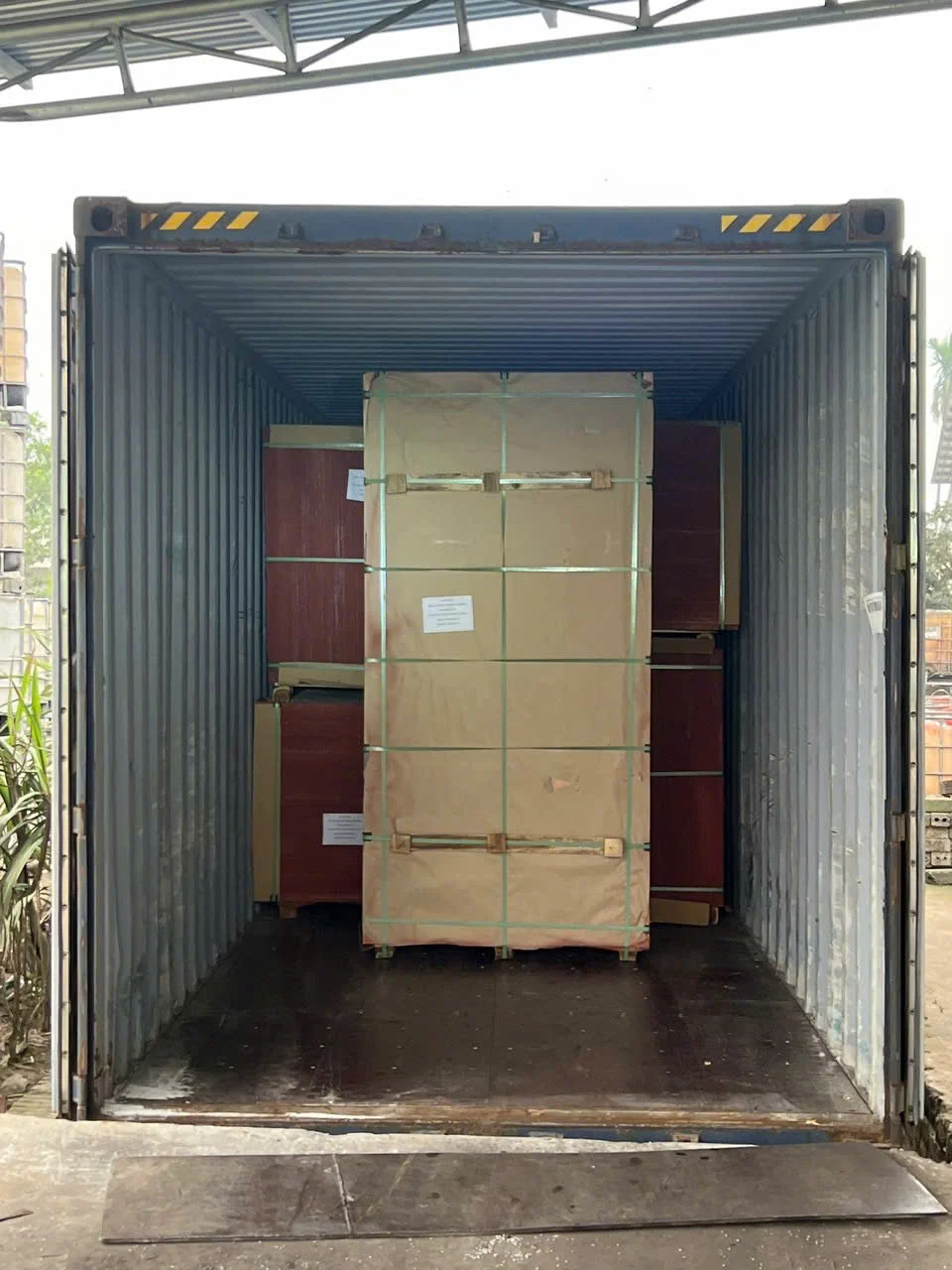
🏭 Why FOB Is the Industry Standard in Vietnam
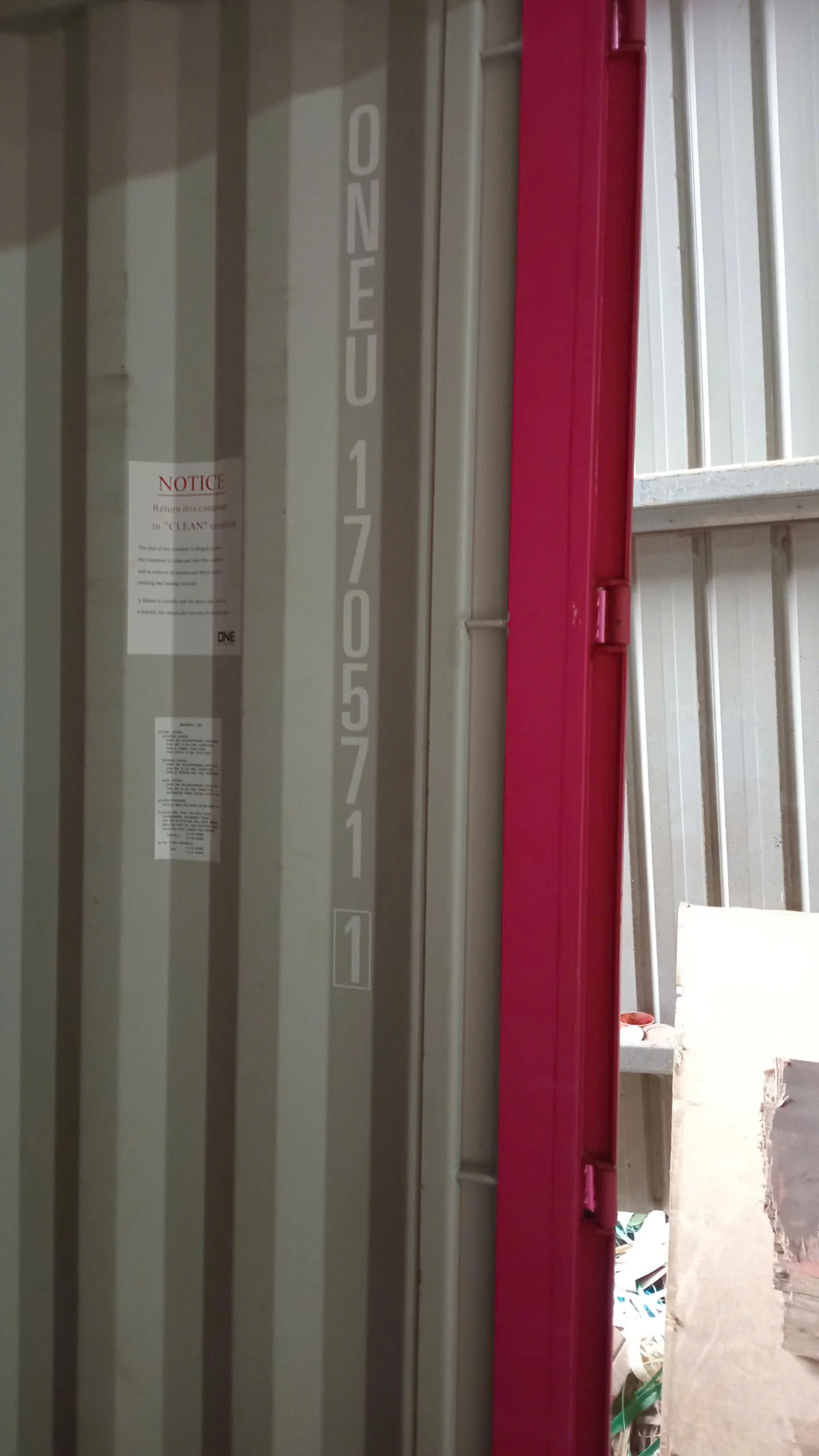
Over 90% of professional plywood importers from Vietnam operate on FOB terms after their first few shipments (HCPLY export records, 2026). The reasons are consistent:
1. Freight bargaining power. Importers buying 5–10 containers per month have serious negotiating power with carriers. A supplier buying individual container slots cannot match those rates.
2. Forwarder control. Your freight forwarder knows your customs preferences, documentation formats, and delivery windows. They handle everything from booking to delivery notification. You lose this relationship control under CIF.
3. Price transparency. Under FOB, you can benchmark the product price directly against other Vietnamese suppliers with identical terms. CIF quotes mix product cost and freight, making comparison much harder.
4. Insurance quality. You choose your insurer, your coverage level, and your claims handler. You are not dependent on whatever minimum-coverage policy the seller bought.
The exception: for buyers under 3 containers per year total, or first-time importers without a forwarder relationship, CIF reduces friction enough to justify the added cost.
📐 Which Term Affects Container Packing?
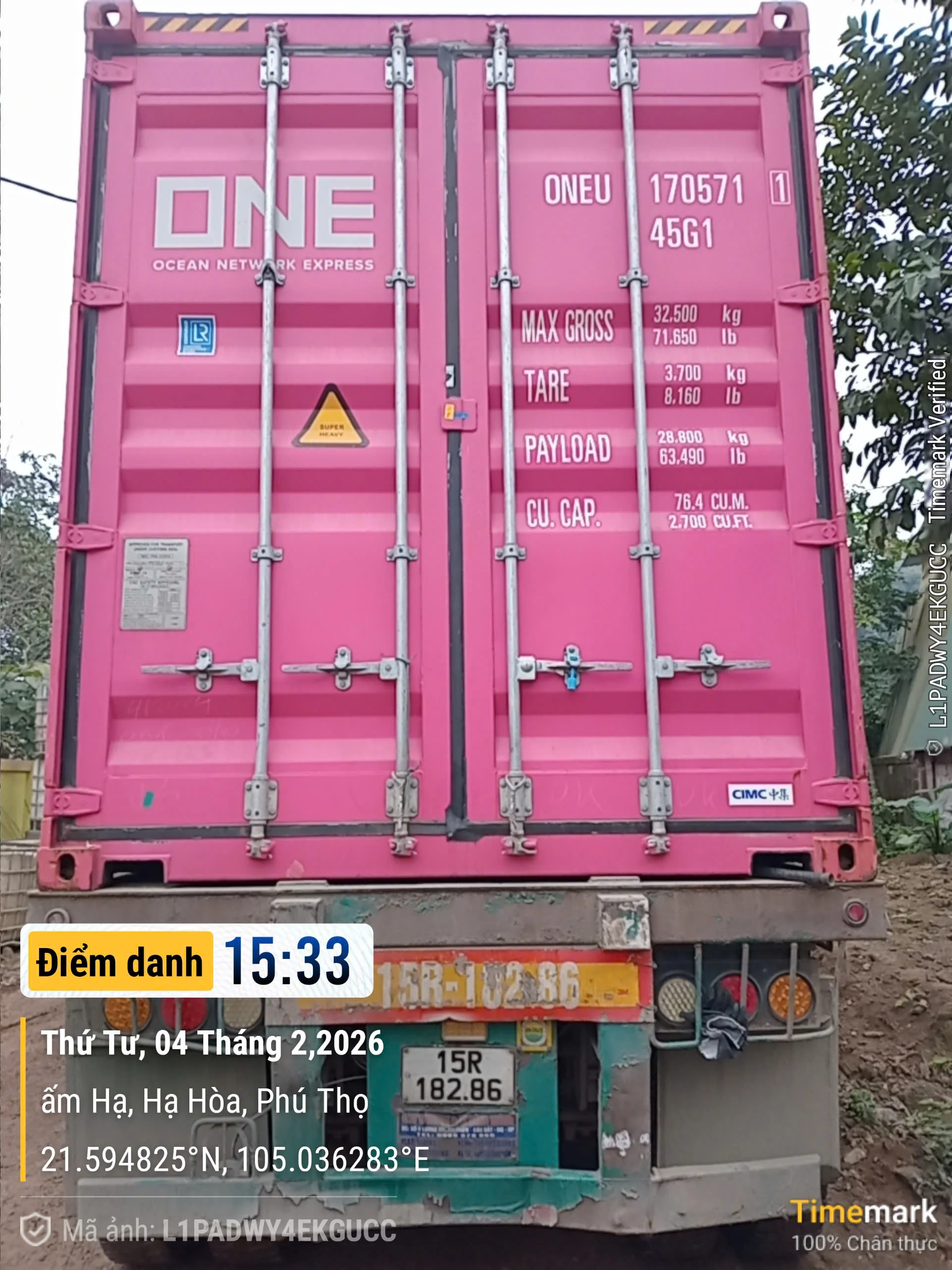
This is a detail most guides miss. How your plywood is packed in the 40HC container affects your landed cost per sheet — and the packing method is agreed before price terms.
For context: a styrax-core container holds 18 pallets and approximately 53 CBM. An acacia-core container holds 16 pallets (~47.5 CBM). An eucalyptus-core container holds 15 pallets (~44.5 CBM) due to weight limits (maximum payload 28.5 MT per 40HC).
Under FOB, you have more flexibility to negotiate packing efficiency — because you’re paying the freight yourself. Every additional CBM packed efficiently lowers your freight cost per sheet.
Under CIF, the seller controls packing and freight. If they pack conservatively to reduce their freight risk, your effective per-sheet cost rises.
For a detailed breakdown of container packing calculations by core type, see our plywood container packing calculation guide.
🔍 Decision Framework: Which Term to Choose?
Use this framework to determine the right Incoterm for your situation:
Choose FOB if:
- You have an established freight forwarder
- You import 3+ containers per year from any source
- You want full transparency in pricing
- You want to control insurance quality
- You are comparing multiple Vietnamese suppliers
Choose CIF if:
- This is your first 1–2 orders from Vietnam
- You don’t yet have a freight forwarder relationship
- You want a single all-in price to budget against
- Your order volume is too low to negotiate competitive freight rates
Transition point: Most buyers should move to FOB by their third shipment. By then, you understand the Vietnam–to–destination freight market, have an established forwarder, and can benchmark freight quotes. The cost savings over a full year of buying easily exceed $1,000–3,000 depending on volume.
🌏 FOB Pricing from Hai Phong — What to Expect
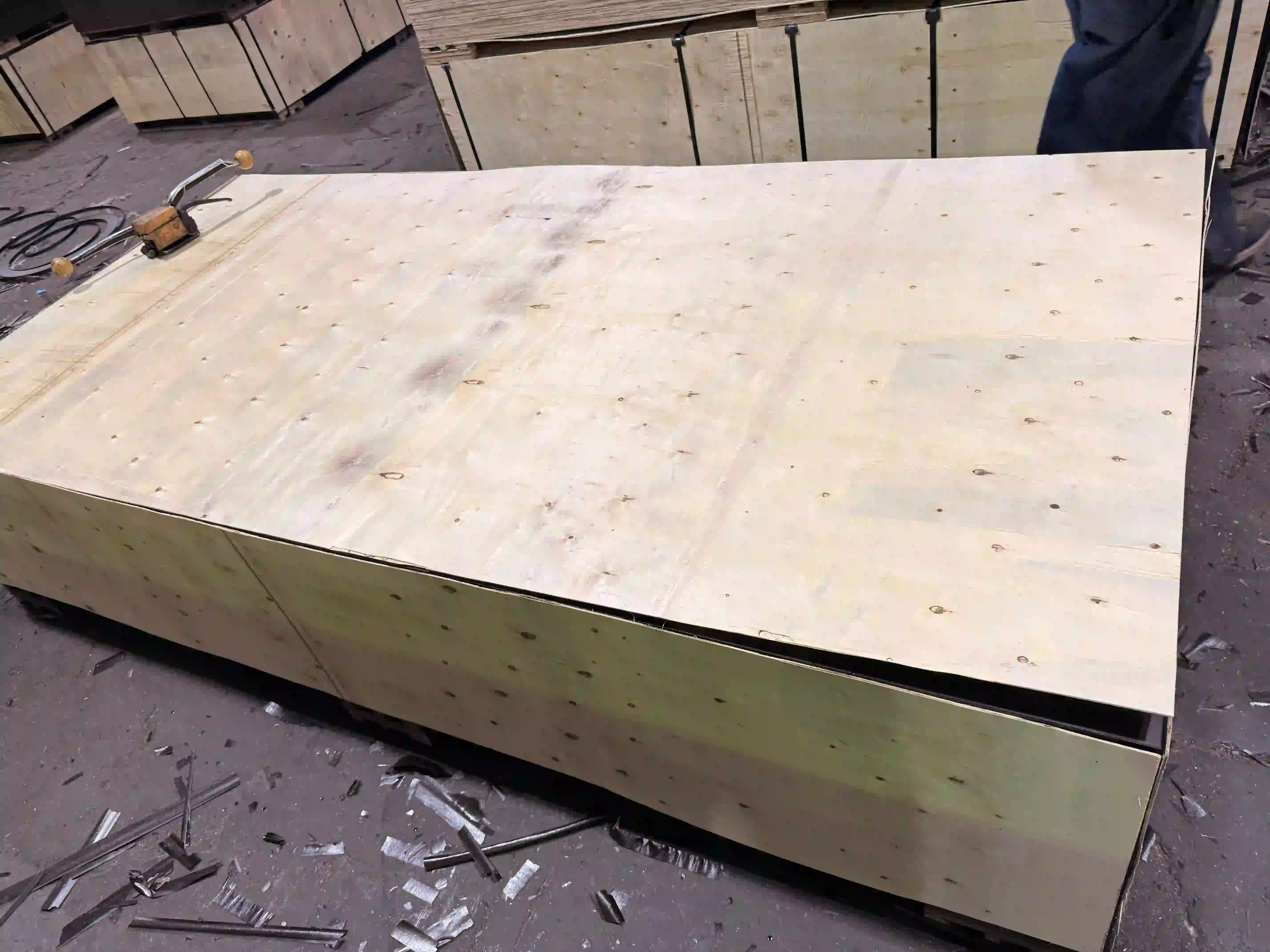
As of 2026, Vietnam plywood FOB prices from Hai Phong range across a wide spectrum based on product type, core, glue, and emission grade (HCPLY export data, 2026):
| Product Category | FOB Price Range (USD/CBM) |
|---|---|
| Commercial/packing plywood (acacia core) | $170–240 |
| Standard furniture plywood (styrax/eucalyptus) | $240–320 |
| Film-faced plywood (phenolic WBP) | $280–380 |
| Premium birch/okoume face (E0, full stitched) | $340–480 |
For the full breakdown by product type and thickness, see our 2025 updated FOB price list. These are starting benchmarks. Final price depends on thickness, face grade, emission standard, core construction, and order volume. For accurate pricing against your specification, request a formal FOB quote.
For deeper context on what determines FOB price, see our plywood quotation guide.
✅ What Qualified Exporters Offer on Both Terms
We quote both FOB and CIF for all shipments:
- FOB Hai Phong — standard for experienced buyers
- CIF [your port] — available for buyers who prefer simplified logistics
- Full export documentation: CO, FSC certificate, Phyto, Fumigation certificate, Bill of Lading, Insurance (CIF orders)
- Mixed specifications in one container: available (subject to weight recalculation)
For buyers new to Vietnam sourcing, we recommend starting with CIF for your first order, then transitioning to FOB once you’ve established your freight relationship. Our team provides freight rate guidance either way.
Get FOB and CIF Quotes from HCPLY — Compare and Decide
No commitment. We’ll provide both price options so you can run the numbers yourself.
Related reading:
- Compare rates in our plywood freight rate guide from Vietnam to major ports.
- For negotiation tips, see how to negotiate plywood prices with Vietnam suppliers.
- Understand the full picture in our Vietnam plywood export cost breakdown.
Disclosure: This article is published by HCPLY, a Vietnam-based plywood manufacturer and export operator. While we aim to provide objective industry guidance, readers should consider our perspective as a market participant when evaluating recommendations.
🔗 Related Guides
- Plywood Container Packing Calculation — Factory-Level 40HC Guide
- Plywood Quotation Guide — What to Know Before Requesting a Price
- How to Buy Plywood from Vietnam — Complete Buyer Journey Guide
- Plywood Shipping Cost per CBM Vietnam — Packing Efficiency Analysis
- Vietnam Plywood Export Markets — Country Buyer Guide