
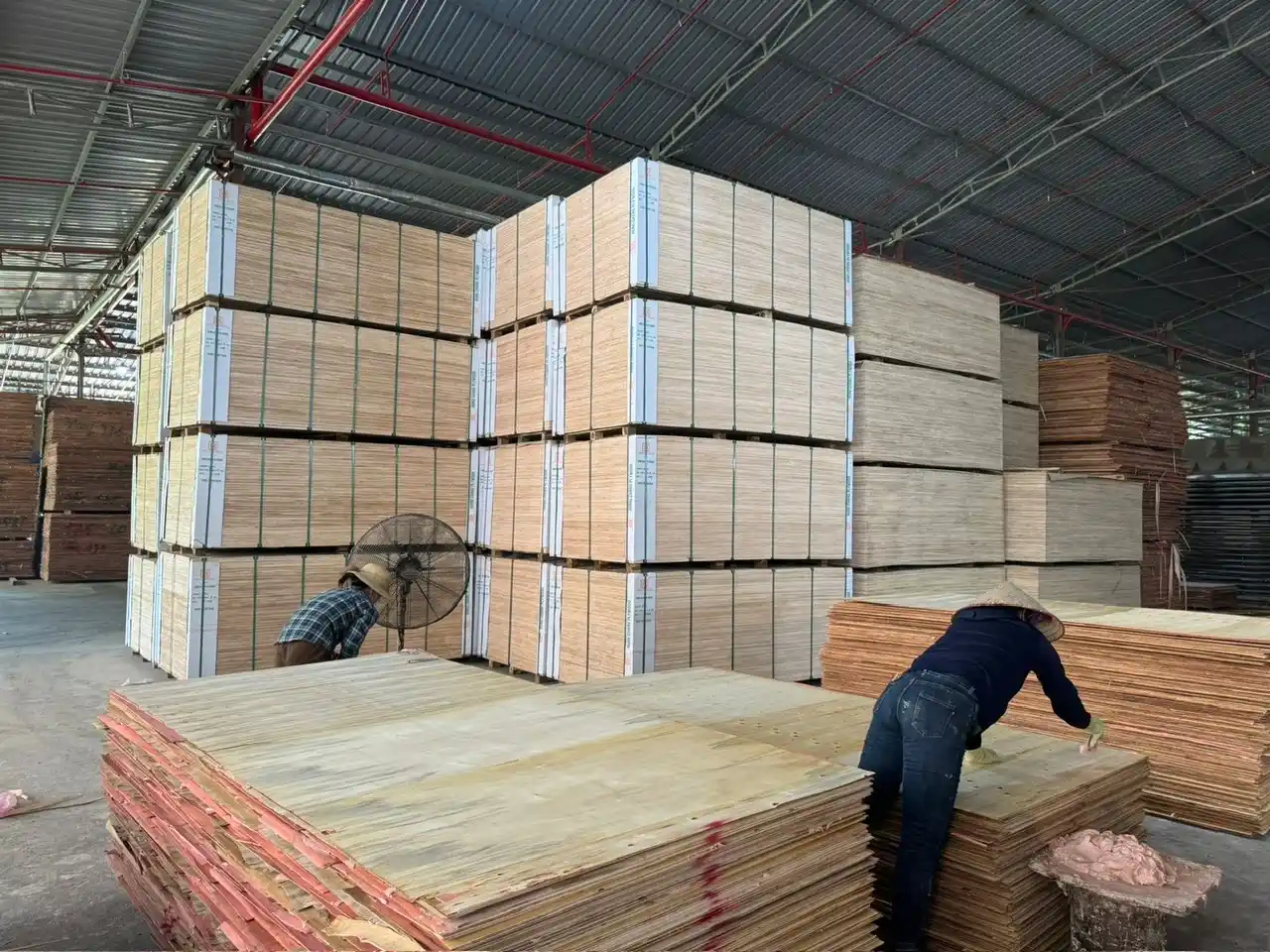
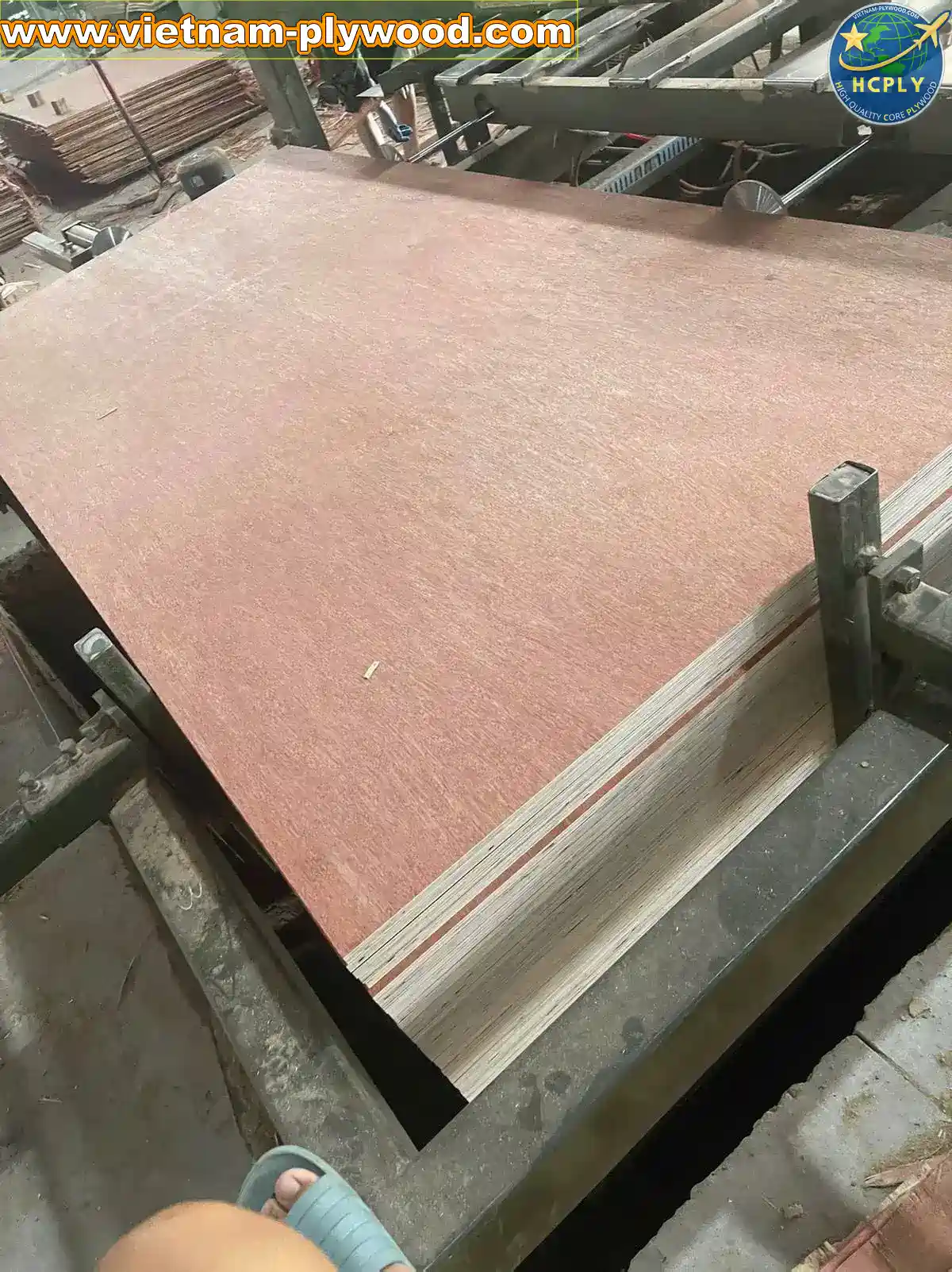

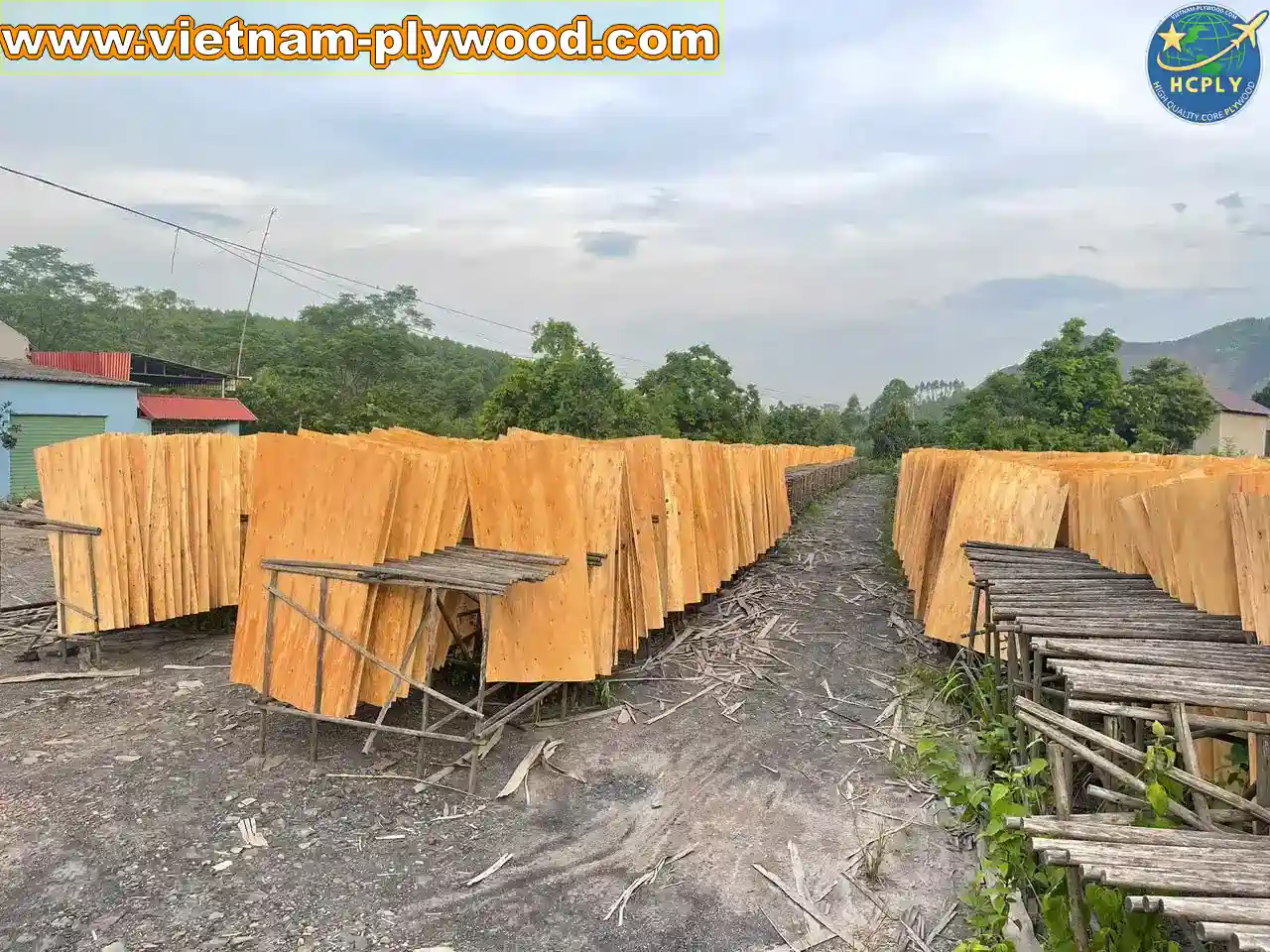


“We switched from China and the first thing we noticed was the paperwork was actually correct.” That comment, from an Italian importer who moved to us, captures why this question keeps coming up. The choice between Vietnam and China is rarely about a single factory price — it is about landed cost, compliance, and how much re-checking a buyer has to do after the container arrives.
This guide compares the two origins on the points that change a European buyer’s total cost. For the wider picture across origins, see our Vietnam, China and Indonesia sourcing comparison and the export-market buyer guide.
Price: compare landed cost, not factory price
China still wins some headline factory quotes through sheer scale. But for EU and US buyers, anti-dumping duties on Chinese hardwood plywood can erase that gap entirely. A fair comparison adds duty, certification cost, and the risk of a re-inspection at destination. When an importer rebuilds the number that way, a factory-direct Vietnam plywood manufacturer often lands lower or level — without the duty exposure.
Core species and grade honesty
The most common pricing mistake is comparing two panels that only share a name. Vietnamese cores come from acacia (about 580 kg/m³), eucalyptus (about 650 kg/m³), and styrax (about 500 kg/m³), each with a different weight and cost. A premium furniture panel — sanded, E0, full core — cannot be priced against a loose-lay commercial panel just because both are called “18mm plywood”. Ask any supplier in either country to state core species and emission grade in writing. Our core veneer page explains the species choices.
Certification and EUDR readiness
This is where the gap has widened. From 30 December 2025, the EU Deforestation Regulation requires geolocation and due-diligence data for timber products entering Europe. Vietnamese exporters serving Europe have largely organised around FSC, CARB P2, CE and EUDR documentation as a standard package. HCPLY supplies these ready rather than pending — see our certifications page. A buyer’s job is to confirm the certificate scope covers finished panels, whichever origin they choose.
Quality is a factory question, not a country question
It is a mistake to assume “China = lower quality” or “Vietnam = higher quality”. Both countries have excellent and poor factories. What protects you is batch-level evidence: thickness logs, moisture readings, and glue bondline notes for your order. A supplier that rejects defects on the floor keeps claims low; ours stays below 2%. Read how that process runs on our quality control page.
Flexibility on mixed and smaller runs
Large Chinese factories are built for volume and can be inflexible on mixed specifications or smaller trial orders. Vietnamese factories, including ours, frequently run mixed loads — film-faced for formwork plus furniture panels in the same relationship — because the production base is organised across specialized facilities rather than one giant line. For formwork buyers specifically, our film-faced plywood is built for repeated concrete pours.
Lead time and communication
A genuine manufacturer in either country needs roughly 15 to 25 days from confirmed order to a loaded container. The practical difference EU buyers report is response speed and language clarity — same-day replies and a single point of contact across product types reduce the small misunderstandings that turn into shipment problems.
Logistics and tariff exposure
For European and North American buyers, duty is often the deciding line. Anti-dumping and countervailing duties on Chinese hardwood plywood have been in force across several markets, and the rates can be large enough to swamp any factory-price advantage. Vietnamese plywood has faced its own scrutiny — including checks on whether Chinese material is being trans-shipped — which is exactly why a credible Vietnamese exporter keeps clear origin, EUDR and chain-of-custody documentation. When you compare origins, model the duty for your destination on both, because it changes the landed number more than a few dollars of factory price.
Switching suppliers without disruption
Moving an order from China to Vietnam does not have to be a leap. The Italian importer who switched to us started with a single trial container against a written specification, compared the panels and the documents to the previous supplier, and only then moved the main program. A sensible switch follows the same path: agree the full specification, run a trial order with a video walkthrough or third-party inspection, and check the documents arrive correct before scaling. A factory-direct exporter that runs its own lines can support that staged approach, because it controls production rather than relaying your order to someone else.
How to run the comparison fairly
Put both suppliers on the same sheet: core species, emission grade, glue type, thickness tolerance, certification scope, duty exposure, and delivered cost. Origin is one row, not the whole decision. When the row-by-row picture is built honestly, many European buyers find the Vietnam option lower on landed cost and lower on compliance risk. To test it on your own specification, send it through our contact page for a like-for-like quote.