

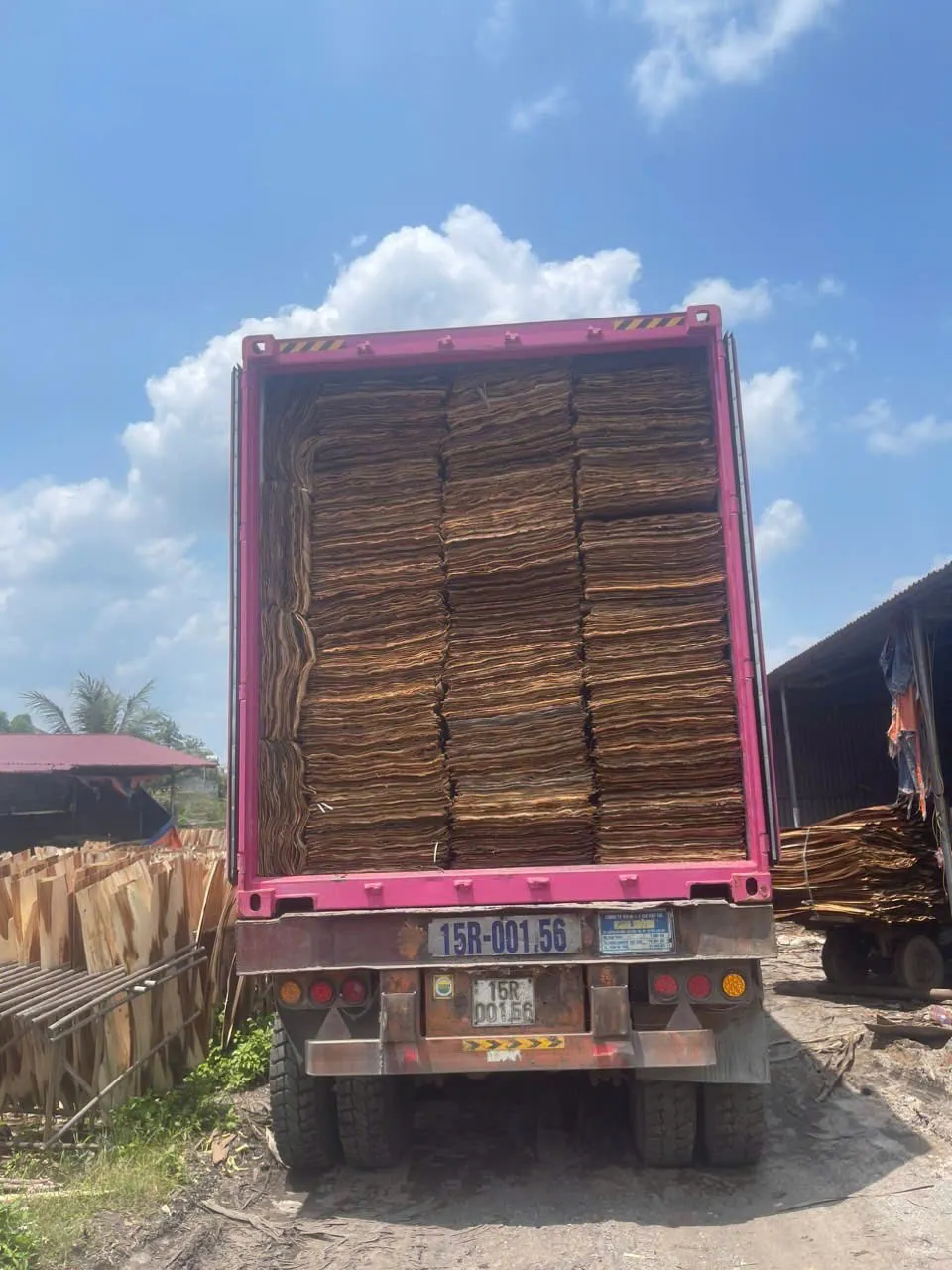
Vietnam and Malaysia rank among the top five plywood exporters globally, yet they serve fundamentally different buyer segments. Vietnam ships $1.3 billion in wood products annually with +18.5% growth from 2013–2024 (ITTO, 2025). Malaysia recorded RM22.9 billion in timber exports in 2024, driven by hardwood panel production centered in Sarawak (MTIB, 2024). Buyers who treat these two origins as interchangeable leave significant cost or performance on the table.
This guide compares Vietnam plywood and Malaysia plywood on price, species, quality systems, certifications, export markets, and best-fit applications — giving importers a practical decision framework for 2026 sourcing.
📊 TL;DR: Vietnam vs Malaysia Plywood at a Glance
| Factor | Vietnam | Malaysia |
|---|---|---|
| FOB price range | $250–$350/m³ | $350–$450/m³ |
| Price trend (2013–2024) | +18.5% growth | −13.9% decline |
| Core species | Acacia, eucalyptus, styrax | Meranti, keruing (hardwood) |
| Face veneer options | 10+ species (birch, okoume, bintangor, gurjan, EV, film-faced, etc.) | Meranti, lauan, limited tropical faces |
| Primary markets | India, Korea, UAE, Europe | Japan (55% share), USA, South Korea |
| FSC availability | Yes — growing rapidly | Yes — established, especially hardwood |
| Marine-grade BS1088 | Limited | Strong specialization |
| Lead time | 15–20 days | 20–35 days (stricter certification cycles) |
| MOQ (typical) | 1 × 40HC container | 1 × 40HC container |
| EUDR alignment | Advanced (early adopters) | Improving (complex forest traceability) |
Key Insight: Vietnam’s price-to-specification flexibility makes it the dominant choice for furniture, commercial, and packing applications. Malaysia’s meranti-based hardwood panels hold a defensible niche in marine, structural, and Japanese JAS-compliant markets.
💰 Price Comparison: Why Vietnam Holds a Structural Cost Advantage
Vietnam plywood costs $50–$100/m³ less than equivalent Malaysian grades. This is not a temporary market condition — it reflects structural differences in raw material sourcing, manufacturing model, and export tax treatment.
Vietnam’s cost drivers:
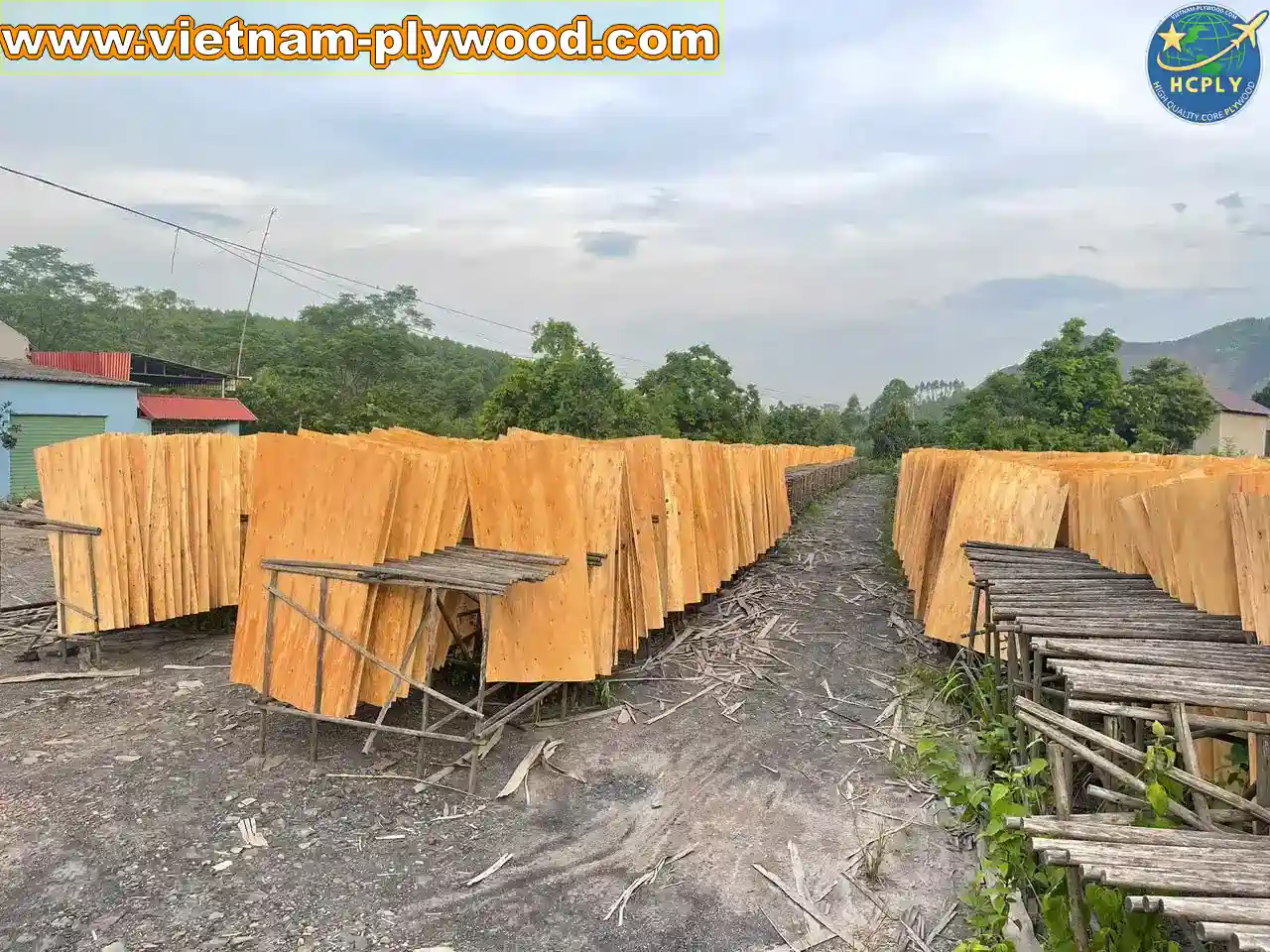
- Plantation timber at scale. Vietnam’s Northern provinces (Phu Tho, Yen Bai, Bac Giang) supply acacia, eucalyptus, and styrax from managed plantations at predictable cost. No dependency on old-growth logging, no forest royalty premiums.
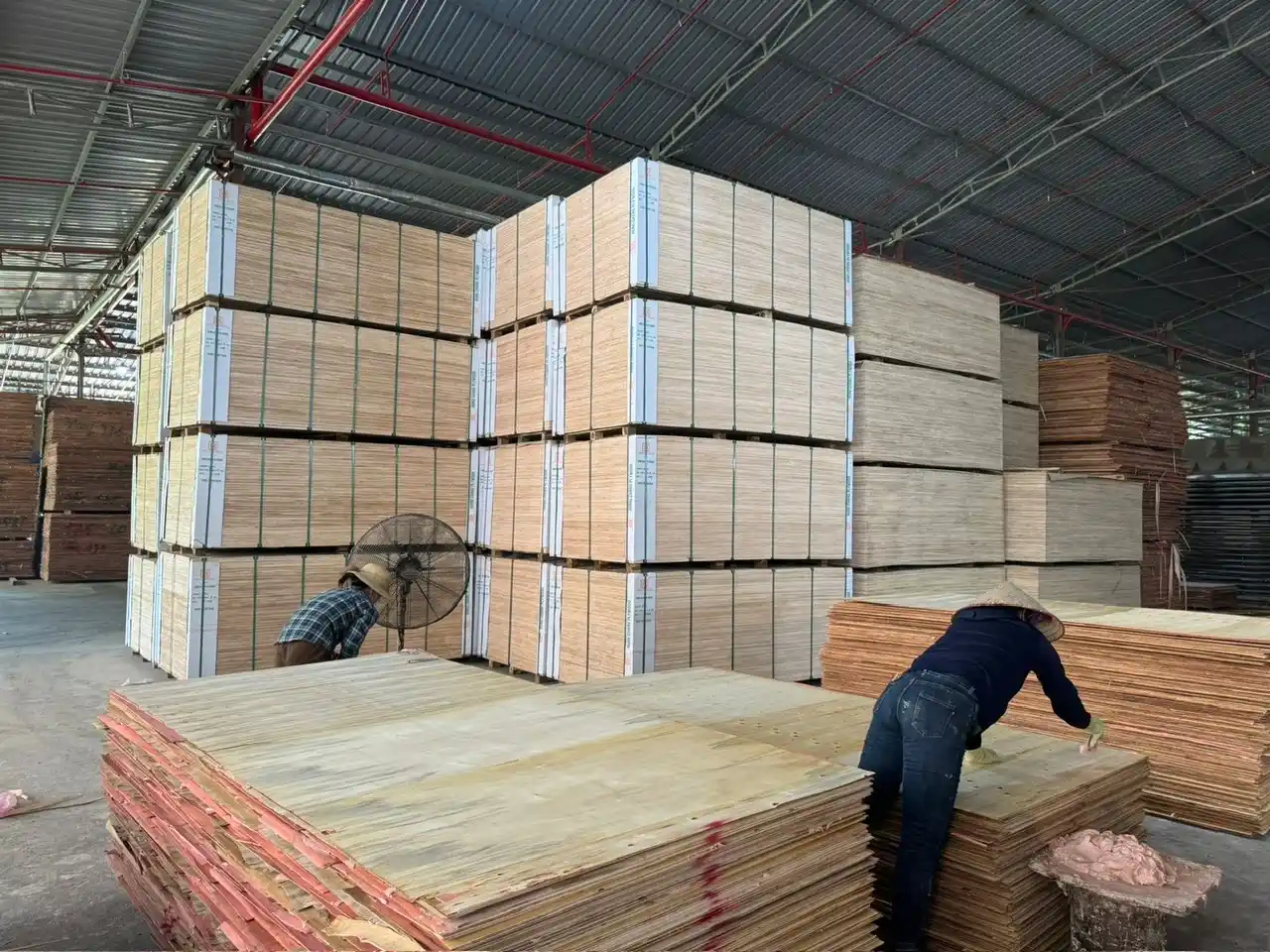
- Factory-direct export. Suppliers operating as direct exporters — rather than trading companies — avoid Vietnam’s 8% domestic VAT, passing the savings to buyers. HCPLY operates this way across 3 specialized production facilities.
- Lower overhead per cubic meter. Large-format production lines running thousands of CBM/month achieve economies of scale unavailable to smaller Malaysian operations.
Malaysia’s cost structure:
Malaysia’s hardwood supply comes primarily from regulated forestry in Sarawak and Sabah (approximately 70% and 20% of output respectively per MTIB, 2024). Meranti and keruing harvest is controlled by state forest departments, meaning raw material costs include royalties and extraction fees absent in plantation timber. Stricter FSC chain-of-custody audits add compliance overhead. The result: structurally higher production costs that translate directly to FOB prices.
For bulk buyers in India, the UAE, and Southeast Asia ordering 50+ containers annually, the $50–$100/m³ difference compounds significantly. On a 300-container program at 45 CBM/container, that spread equals $675,000–$1,350,000 in landed cost savings — before freight differences.
Request a detailed FOB price comparison from HCPLY
🌳 Species & Core: Plantation Versatility vs Hardwood Specialty
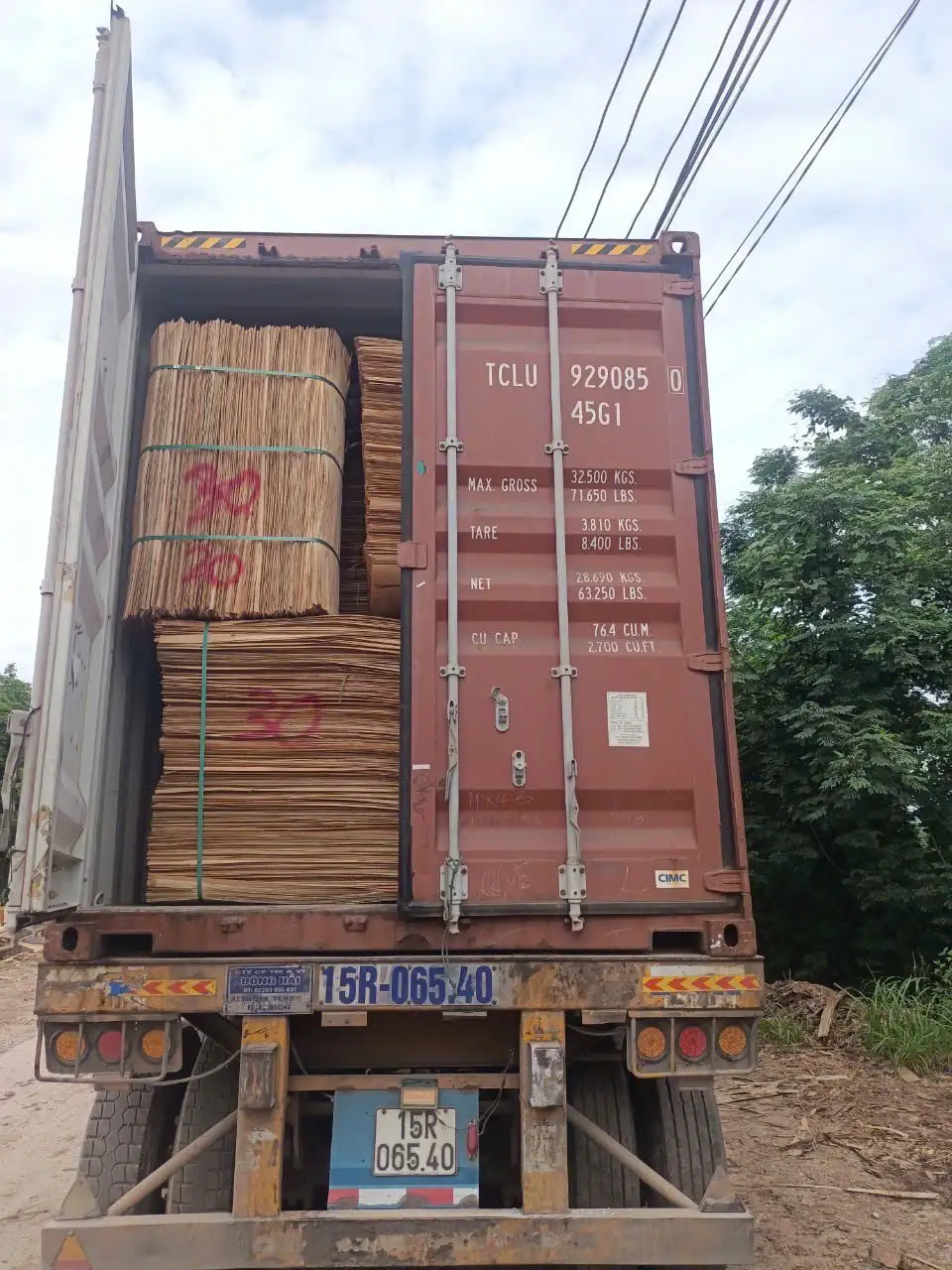
The core species difference between Vietnam and Malaysia defines the performance envelope of each origin.
📌 Vietnam: Three Plantation Core Species
Vietnam’s export plywood draws exclusively from three plantation cores, each with distinct properties:
- Acacia core (~580 kg/m³): Most affordable, dark-colored, suitable for commercial and packing grades. Dominant in budget-tier furniture and packing applications.
- Eucalyptus core (650–750 kg/m³): Heaviest and strongest Vietnamese core. Used for construction-grade panels, film-faced formwork boards, and applications requiring high density.
- Styrax core (480–500 kg/m³): Lightweight, pale-colored, grown exclusively in Northern Vietnam. The preferred birch-core substitute for premium furniture panels. Enables 18-pallet loading per 40HC versus 15 pallets for eucalyptus — a meaningful logistics advantage.
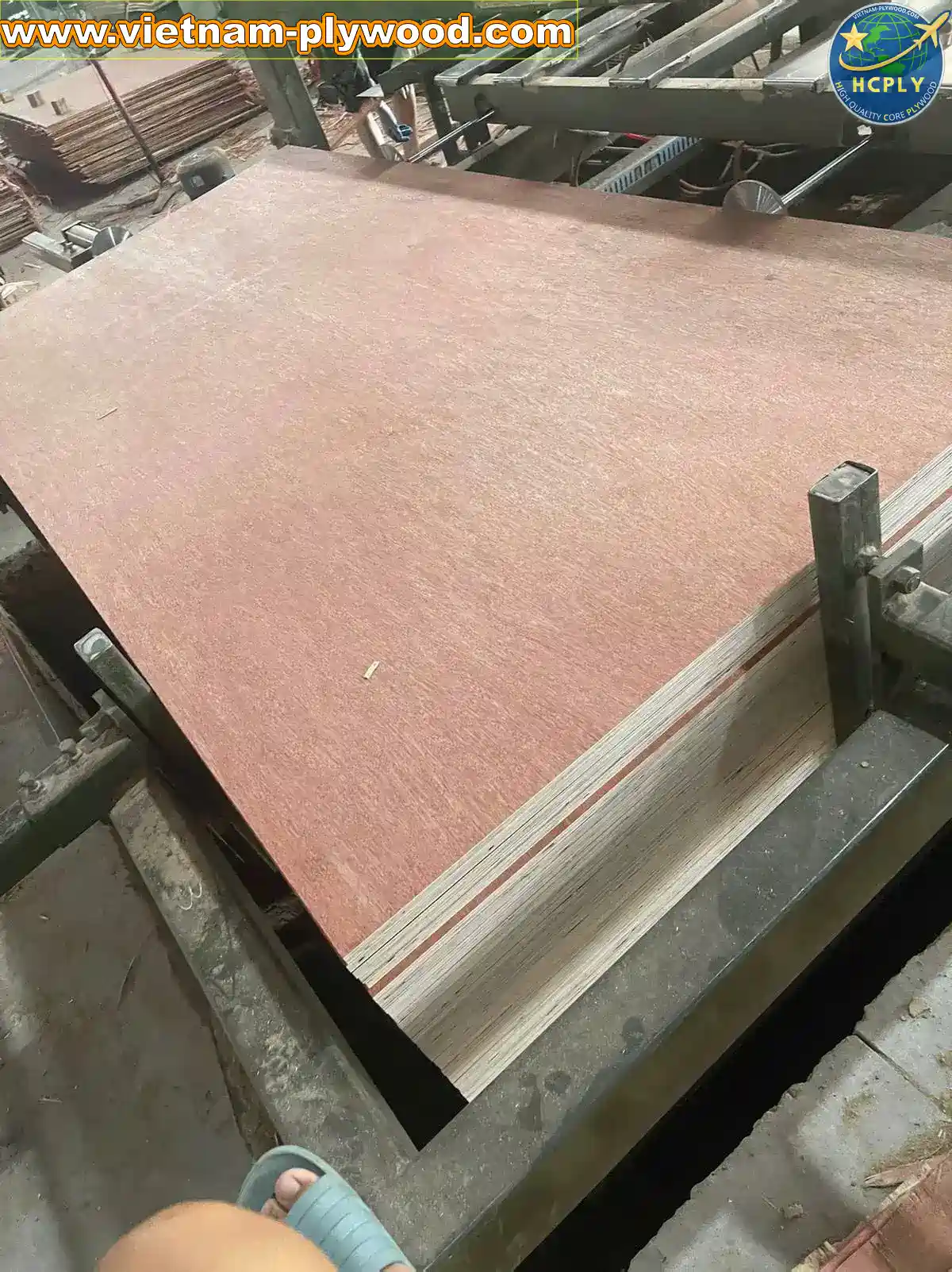
Vietnam’s face veneer selection spans 10+ options: birch (imported, D/E/F grade), okoume, bintangor, gurjan, EV engineered veneer, pine, poplar, eucalyptus, film-faced phenolic, anti-slip, and unfaced matt substrate. This breadth gives importers the ability to source multiple product lines from a single Vietnamese supplier, consolidating certificates, documentation, and relationships.
Read the full breakdown in our plywood face veneer types guide and core types comparison.
📌 Malaysia: Tropical Hardwood Density
Malaysia’s plywood core is predominantly meranti (Shorea spp.) with some keruing (Dipterocarpus spp.) in premium grades. These dense tropical hardwoods — harvested from natural or sustainably managed forests in Sarawak — deliver higher inherent density and hardness than plantation species.
The advantage is real for specific applications: marine-grade BS1088 plywood (tightly controlled void-free core, WBP phenolic glue) and high-specification structural panels for Japan’s JAS market. For these applications, Malaysian meranti-core panels command premium prices and acceptance certificates not easily replicated elsewhere.
The constraint: Malaysia cannot supply the breadth of face veneers or core configurations Vietnam offers. Malaysian production is concentrated on a narrower product range optimized for hardwood-specific end markets.
🏆 Quality Systems: Flexibility vs Specialized Precision
Vietnam plywood export quality is defined primarily by factory tier, not by origin-level standards. A premium Vietnamese furniture-grade panel (full stitched core, E0 emission, calibrated to ±0.3mm) and a budget packing panel are both “Vietnam plywood” — but they come from entirely different factory segments with incompatible QC processes.
Understanding which factory segment you are buying from matters more than comparing Vietnam versus Malaysia at a country level. Vietnam’s factory segmentation guide explains this in full — there are four distinct factory tiers, and confusing pricing between them is the most common sourcing error international buyers make.
HCPLY manages 3 specialized production facilities:
- Premium furniture — styrax/eucalyptus core, E0, full stitched, sanded
- Commercial/packing — acacia core, MR glue, competitive pricing
- Premium film-faced — AICA film, phenolic WBP, 15+ reuses
Malaysian plywood quality is more homogeneous within each product category because the industry is narrower. Meranti-core producers in Sarawak follow established protocols for their specific end markets (JAS, BS1088). Quality variance exists, but the narrower product range means fewer variables to manage.
“The biggest mistake buyers make when comparing Vietnam and Malaysia is treating price as the primary variable. The real question is specification alignment — what core, what glue, what emission standard, what certification does your market require? Once that’s defined, the origin choice becomes straightforward.” — Lucy, International Sales Manager, HCPLY
📜 Certifications: Vietnam Closing the Gap
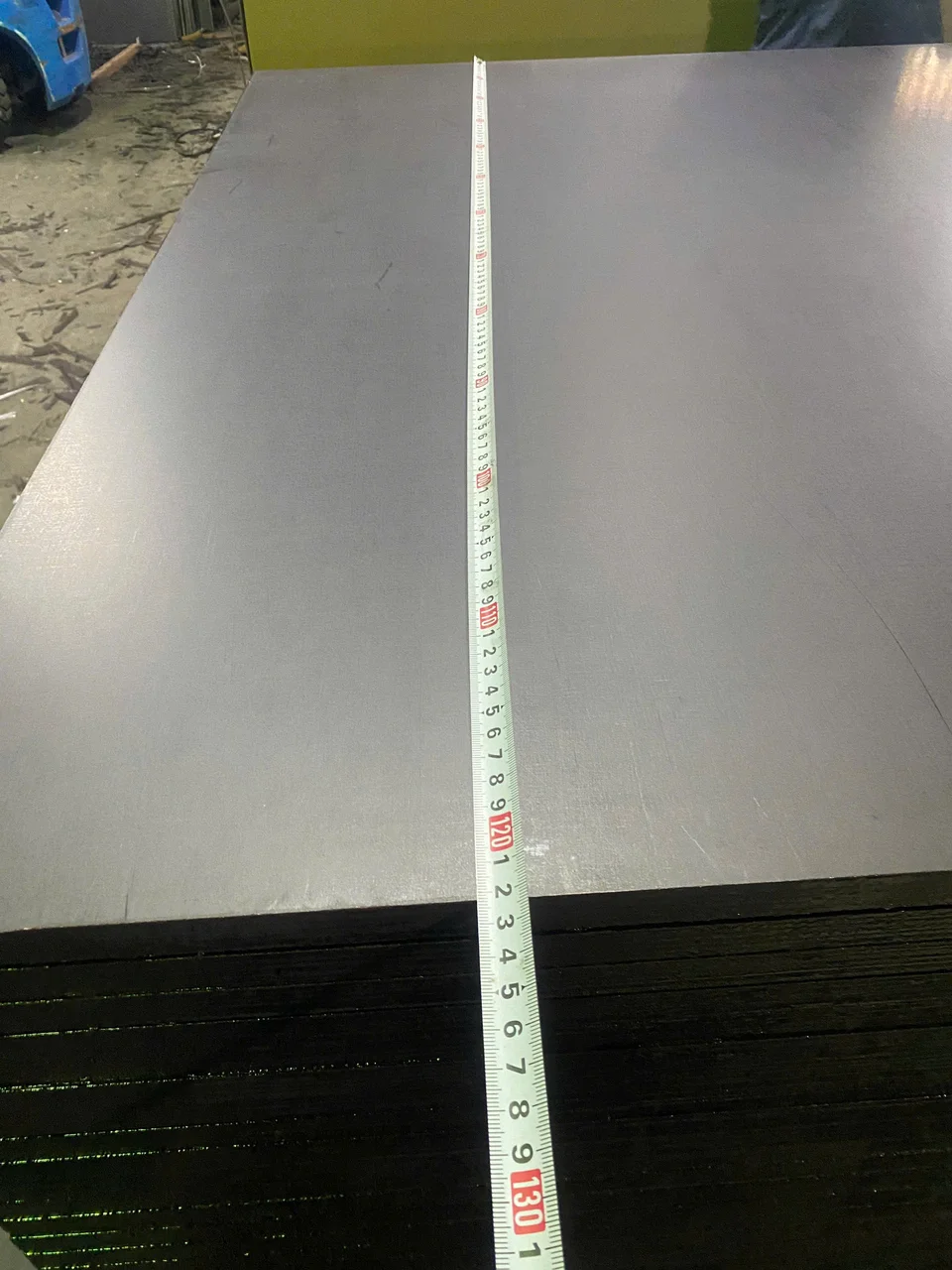
Certification has historically been Malaysia’s competitive edge. Japanese buyers, in particular, have built procurement systems around Malaysian JAS-certified panels. That advantage is narrowing in 2026.
Vietnam certifications available:
- FSC — Chain-of-custody certification, available from multiple Vietnamese factories including HCPLY
- CARB P2 — California Air Resources Board Phase 2 formaldehyde standard (mandatory for US market)
- CE — Mandatory for construction plywood entering the European Economic Area
- EUDR — EU Deforestation Regulation compliance. Vietnam is positioned ahead of Malaysia here, since plantation timber traceability is structurally simpler than natural forest chain-of-custody
- ISO 9001 — Factory quality management
- Phytosanitary + Fumigation — Standard export certificates
Malaysia certifications:
- FSC + PEFC — Established forest certification, particularly for meranti supply chains
- MTCC (Malaysian Timber Certification Council) — National sustainable forestry scheme
- JAS — Japanese Agricultural Standards compliance, deeply embedded in Japanese procurement
- BS1088 — Marine plywood standard
For European buyers, Vietnam’s early EUDR compliance alignment gives it a structural advantage over Malaysian hardwood supply chains, which face more complex forest traceability requirements from natural forestry operations.
The full certification and documentation breakdown is covered in our plywood certifications export documentation guide.
Contact HCPLY for FSC, CARB P2, and CE certification documentation
🌍 Export Markets: Where Each Origin Dominates
Market dominance is the clearest way to understand how each origin has positioned itself in global trade.
Vietnam export market strongholds:
- India — Largest single market. India’s furniture and packaging industry demands high-volume, cost-effective panels (bintangor, okoume, gurjan face with acacia core). Vietnam’s price advantage and Hai Phong–JNPT shipping lane proximity make it the dominant supplier.
- South Korea — Vietnam is a top-3 plywood supplier to Korea. Film-faced panels for construction and birch/EV panels for furniture are the primary volumes.
- UAE and Middle East — Construction boom continues to drive film-faced formwork panel demand. Vietnam’s competitive pricing and fast lead times win against Malaysian suppliers in this segment.
- Europe (Germany, Poland, France) — Furniture-grade panels with E0 emission and FSC certification. Vietnam’s EUDR-compliant supply chain is increasingly competitive here.
Vietnam also exports to Malaysia itself: $66.73 million in 2024, a +20.1% volume increase year-on-year (Vietnam Timber Association, 2025). Malaysian buyers import lower-cost Vietnamese commercial-grade panels for downstream processing.
Malaysia export market strongholds:
- Japan — 55% of Malaysia’s plywood exports go to Japan (MTIB, 2024). JAS certification, strict quality tolerances, and established long-term relationships create a durable competitive moat.
- United States — 13% of Malaysian plywood exports. TSCA/Lacey Act compliance with traceability documentation.
- Australia and New Zealand — Structural and construction-grade panels with AS/NZS certification recognition.
The 2026 outlook: Vietnam is gaining share in Europe and Canada as EUDR compliance becomes a buying criterion. Malaysia’s Japan franchise remains durable but depends on maintaining JAS audit relationships that take years to establish.
For a full breakdown of where Vietnamese plywood goes by market, see our Vietnam plywood export markets country guide.
⚖️ Application Performance: Side-by-Side
| Application | Vietnam | Malaysia |
|---|---|---|
| Furniture production | Best fit — cost-effective, 10+ face options, E0 available | Capable, higher cost, fewer face options |
| Kitchen cabinets (E0/CARB) | Best fit — CARB P2 and E0 at competitive price | Available but premium-priced |
| Concrete formwork | Best fit — AICA film-faced, 15+ reuses, WBP phenolic | Available but fewer specialists |
| Marine/BS1088 | Limited — WBP phenolic available but not BS1088 certified | Best fit — meranti core, established certification |
| Japan JAS-compliant | Not established | Best fit — deep JAS track record |
| Industrial packing/crating | Best fit — lowest cost, acacia core, mixed face | Higher cost, not specialized |
| EU/US certified interiors | Competitive — FSC + CARB P2 available | Competitive — FSC + PEFC established |
| Large-volume orders (200+ CBM) | Best fit — 2,500-5,000 CBM/month capacity | Smaller scale, longer lead times |
📈 2026 Market Trends Affecting Sourcing Decisions
Three structural shifts are reshaping the Vietnam vs Malaysia calculus for importers in 2026:
-
EUDR compliance as a buying filter. The EU Deforestation Regulation applies to timber products from December 2024. Vietnam’s plantation-based supply chain has simpler traceability than Malaysian natural forest operations. For European buyers, this means Vietnamese suppliers can provide EUDR due-diligence statements more cleanly.
-
Anti-dumping watch on Vietnamese panels to the US. US buyers should monitor AD/CVD petition activity on Vietnamese hardwood plywood. This uncertainty is pushing some US buyers toward Malaysian or other origins for certified furniture panels. For construction and film-faced panels, Vietnam remains clear.
-
Freight cost normalization. 2024–2025 freight volatility reduced the effective price advantage of lower-cost origins. As rates normalize in 2026, Vietnam’s $50–$100/m³ FOB advantage translates more directly to landed cost savings again.
Understanding how to structure Vietnam plywood specifications to optimize total landed cost is covered in detail in our plywood quotation guide.
✅ Which Origin Should You Choose?
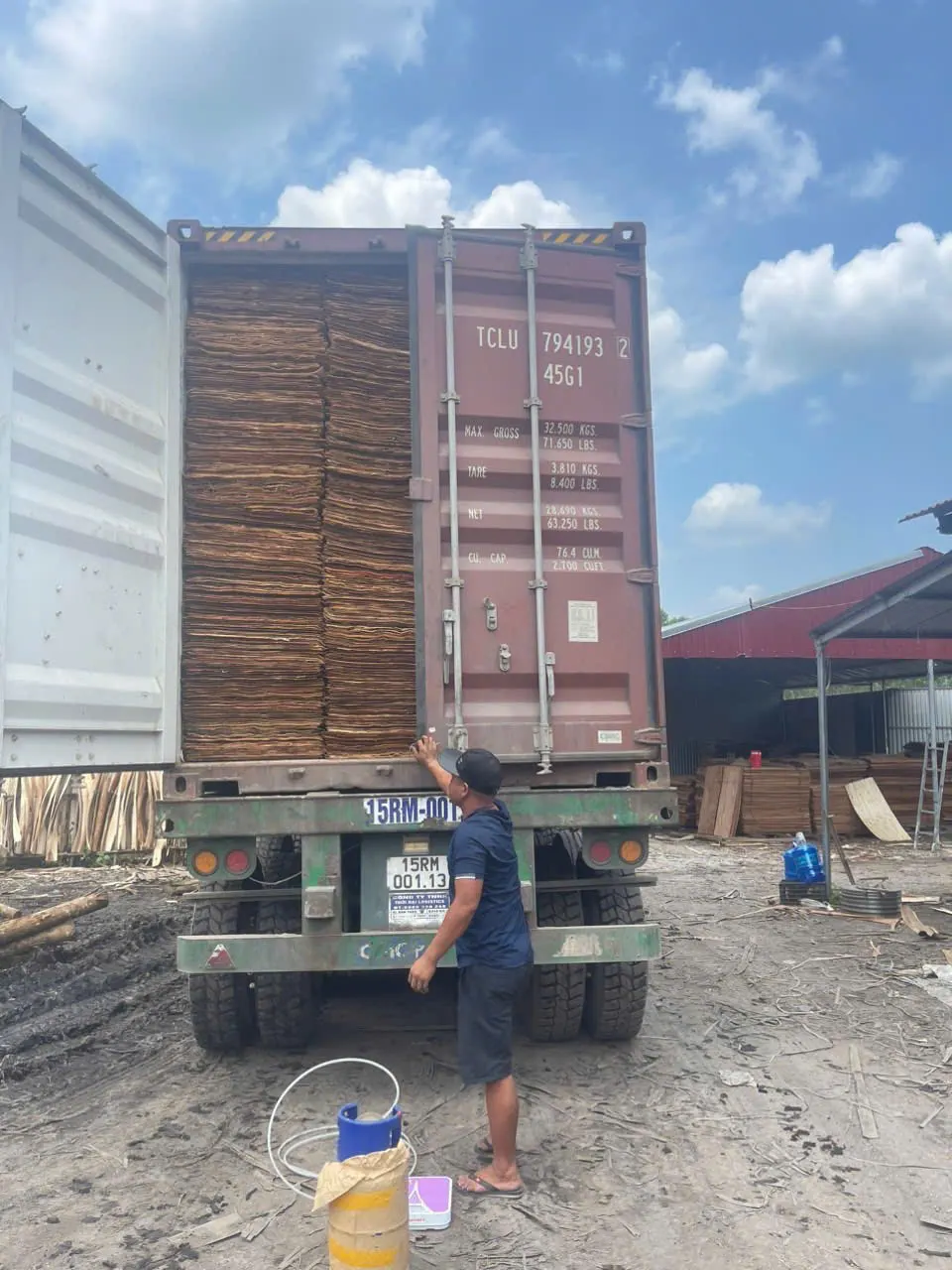
!Vietnam plywood export packing strapping pallets ready for 40HC container loading at HCPLY
Choose Vietnam plywood export when:
- Price competitiveness is a primary sourcing criterion for furniture, commercial, or packing applications
- You need specification flexibility: custom face, core, glue, emission standard, size, or thickness
- Your markets are India, Middle East, Korea, or Europe (non-JAS)
- You need high-volume capacity (100–500 CBM/month and above)
- EUDR compliance is a purchasing requirement
Choose Malaysia plywood export when:
- Your application requires BS1088 marine-grade certification
- Your market is Japan with JAS procurement requirements
- You specifically need meranti-core panel density and species character
- PEFC + MTCC certification is a procurement standard in your supply chain
Consider dual-origin sourcing when:
- Your product line spans furniture (Vietnam) and marine/structural (Malaysia)
- Your buyers in different markets have different certification requirements that cannot be met from one origin
📋 Conclusion
Vietnam and Malaysia are not in direct competition for the same buyers — they serve different application segments with different price and certification profiles. Vietnam plywood’s structural cost advantage, plantation timber versatility, and rapidly expanding certification coverage make it the preferred origin for the majority of global plywood applications. Malaysia holds a durable niche in marine-grade, JAS-compliant, and PEFC-certified hardwood panels where its meranti supply chain is not easily replicated.
For importers working across multiple applications, understanding both origins’ strengths allows smarter procurement — not choosing one over the other, but knowing precisely when each is the right fit.
As of Q1 2026, HCPLY supplies export-grade plywood from Vietnam to 20+ countries with FSC, CARB P2, CE, and EUDR documentation. Lead time is 15–20 days from order confirmation with FOB Hai Phong pricing.
Disclosure: This article is published by HCPLY, a Vietnam-based plywood manufacturer and export operator. While we aim to provide objective industry guidance, readers should consider our perspective as a market participant when evaluating recommendations.
Request a Free Quote from HCPLY — compare specifications, pricing, and certification options with no commitment.