



Every plywood importer from Vietnam starts the same calculation: take FOB price, add freight, add duty — and that final number decides whether the order makes sense. The problem is that most buyers use freight estimates that are 6–12 months out of date, missing surcharges, or based on 20ft containers rather than the 40HC that virtually all plywood moves in.
This guide documents the plywood freight rate from Vietnam’s main export port — Hai Phong — to the eight major destination regions, with transit times, standard surcharges, and the single variable most buyers forget: how your core species choice directly changes your effective freight cost per CBM. Vietnam plywood shipping cost calculations require all four components — not just the FOB number — to produce a reliable landed cost figure.
📦 Why Freight Rate Matters More Than FOB Price Alone
FOB price is what most plywood negotiations focus on. But for buyers receiving goods at destination port, the landed cost equation has four components: FOB + Ocean Freight + Insurance + Duty. Ocean freight routinely represents 8–18% of total landed cost for the India corridor, and up to 25–30% for the Europe and US corridors.
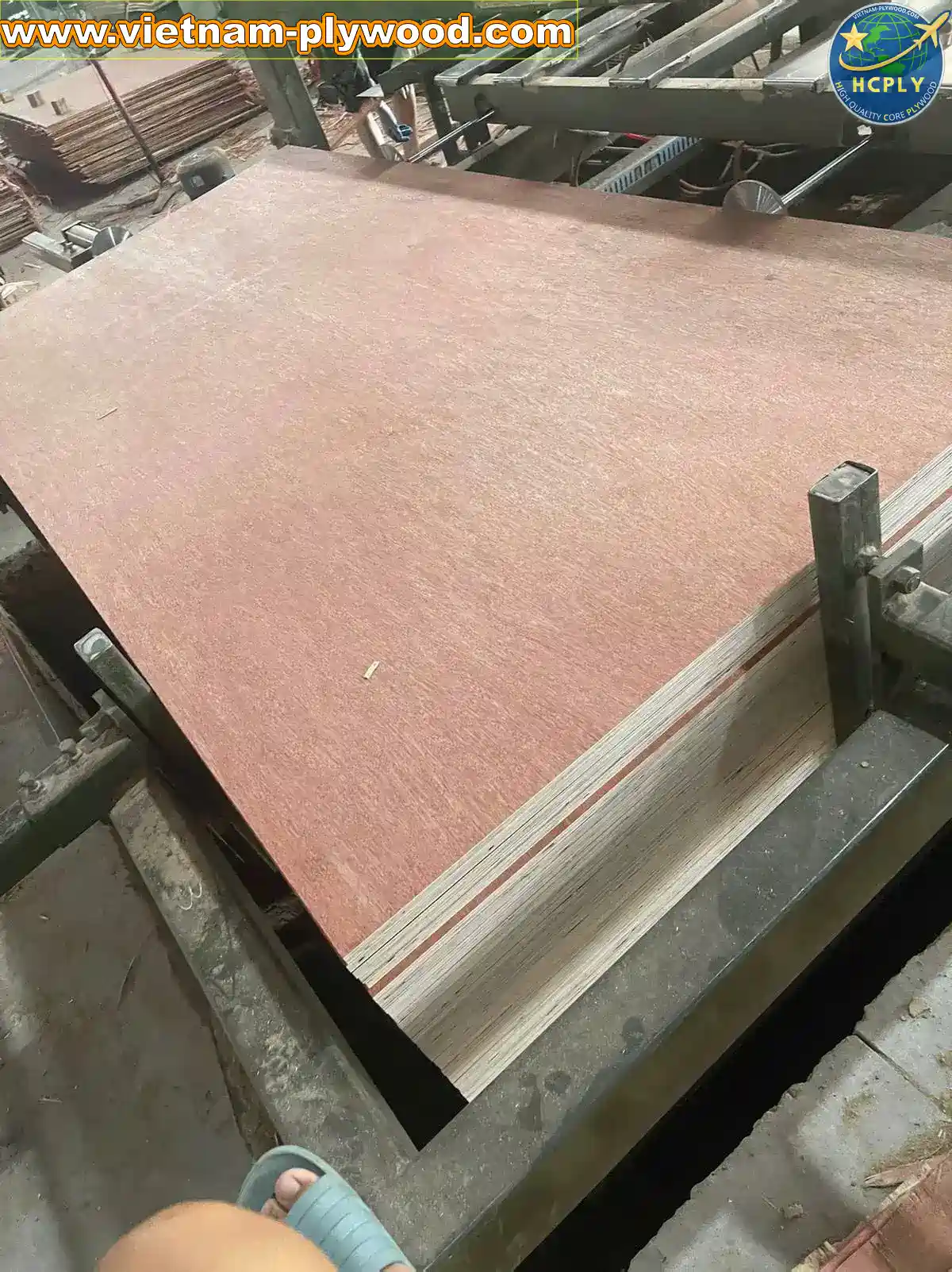
That proportion is not fixed — it shifts with packing efficiency. A buyer ordering 18mm styrax-core birch plywood can load approximately 53 CBM per 40HC. A buyer ordering 18mm eucalyptus-core film-faced plywood is capped at roughly 44.5 CBM by the 28.5 MT payload limit (HCPLY production data, 2026). The same ocean freight invoice, divided across fewer CBM, means your per-unit freight cost rises even if the rate itself did not change.
Key Insight: 8–15% of your plywood landed cost in most Asian corridors is ocean freight. In the US and European corridors, this rises to 18–28%. Optimizing packing efficiency is often worth more per container than haggling on FOB price.
🗺️ Hai Phong Port: The Origin Point for 80%+ of Vietnam Plywood
HCPLY ships exclusively from Hai Phong, the main container port of Northern Vietnam. Understanding the port matters because it shapes transit times, feeder options, and available carriers.
Hai Phong port fast facts (2026):
- Location: 100 km east of Hanoi, Northern Vietnam
- Main terminals: Lach Huyen deep-sea port (post-Panamax capable), Nam Dinh Vu, Green Port
- Direct services: MSC, Evergreen, COSCO, Hapag-Lloyd, Yang Ming, One via regional feeders
- Weekly sailings to India: 5–6 voyages. To Europe: 2–3 direct/transhipment. To US: 2–3
Most cargo transships at Singapore, Port Klang (Malaysia), or Colombo (Sri Lanka) depending on destination and carrier. Direct calls from Hai Phong to major European or US ports are rare — plan for one transshipment leg in most schedules.
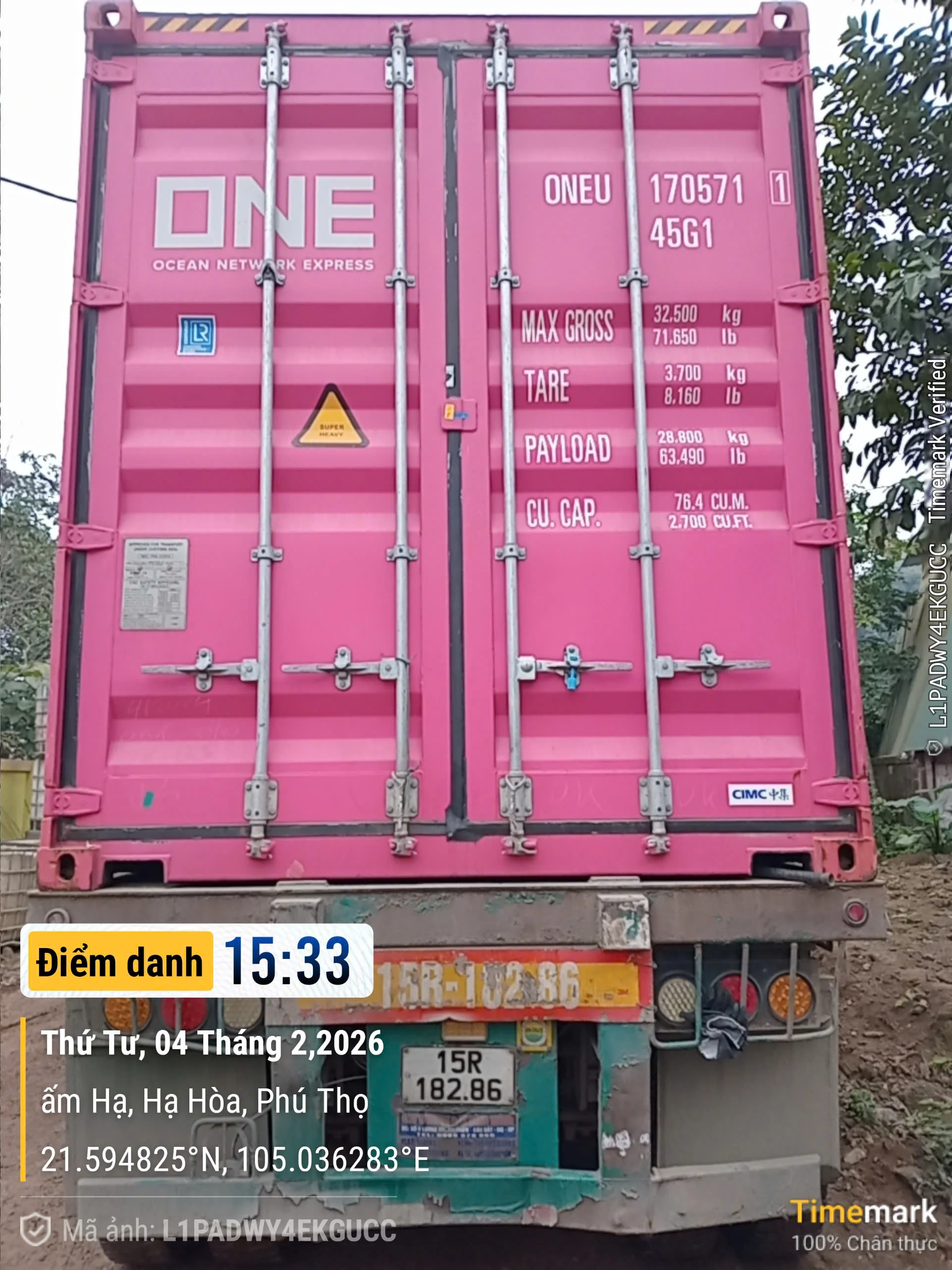
HCPLY note: We load 40HC containers directly at our Phu Tho facility, trucked to Hai Phong under our logistics partner network. Typical inland haulage is included in FOB pricing — no additional truck cost to your quote.
📊 Plywood Freight Rate Table: Hai Phong to Major Ports
The rates below are indicative ranges based on published freight benchmarks, industry sources, and forwarder data current to early 2026. Ocean freight rates are volatile — treat these as planning ranges, not booking quotes.
⚠️ Important: Always request a current all-in quote from your freight forwarder. Rates below are base ocean freight only and exclude surcharges detailed in the next section.
📌 India
| Destination Port | 40HC Base Freight | Transit Time | Common Transship |
|---|---|---|---|
| Nhava Sheva (Mumbai) | $800–$1,400 | 12–18 days | Colombo / Singapore |
| Mundra (Gujarat) | $900–$1,500 | 14–20 days | Colombo / Singapore |
| Kolkata (Kolkata) | $700–$1,200 | 10–15 days | Colombo |
| Chennai | $850–$1,350 | 14–18 days | Colombo / Singapore |
India is the largest single-country market for Vietnamese plywood exports (ITTO Tropical Timber Market Report, 2024). The Colombo transshipment hub handles the majority of Hai Phong-India cargo. Transit times are among the shortest of any major destination.
📌 Middle East / UAE
| Destination Port | 40HC Base Freight | Transit Time | Common Transship |
|---|---|---|---|
| Jebel Ali (Dubai, UAE) | $1,200–$2,000 | 18–24 days | Singapore / Port Klang |
| Dammam (Saudi Arabia) | $1,400–$2,200 | 22–28 days | Singapore / Colombo |
| Khalifa Port (Abu Dhabi) | $1,200–$2,000 | 20–26 days | Singapore |
| Salalah (Oman) | $1,300–$2,100 | 20–25 days | Singapore |
Jebel Ali is the dominant gateway for GCC construction plywood — film-faced and anti-slip products move heavily on this lane. The Middle East corridor carries a moderate freight premium over India due to longer transit and higher bunker costs through the Strait of Malacca.
📌 Europe
| Destination Port | 40HC Base Freight | Transit Time | Common Transship |
|---|---|---|---|
| Rotterdam (Netherlands) | $1,500–$3,000 | 25–35 days | Singapore or Suez |
| Hamburg (Germany) | $1,600–$3,000 | 28–35 days | Singapore or direct |
| Antwerp (Belgium) | $1,500–$2,900 | 26–35 days | Singapore or Suez |
| Felixstowe (UK) | $1,700–$3,200 | 28–36 days | Singapore or direct |
| Piraeus (Greece) | $1,800–$3,500 | 25–32 days | Singapore or Port Said |
The Asia–Northern Europe lane is one of the most closely tracked freight corridors globally. The Freightos Baltic Index Asia-N.Europe benchmark (FBX11) was $2,707/FEU in early 2026, up 11% from the prior week due to seasonal demand recovery (Freightos Baltic Index, February 2026). Note that Vietnam-origin rates from Hai Phong may differ from the FBX benchmark which tracks primarily China origins.
💡 Tip: European buyers requiring EUDR-compliant shipments should allow 3–5 extra days in port for document verification. This does not affect ocean transit time but adds to total delivery timeline.
📌 North America
| Destination Port | 40HC Base Freight | Transit Time | Common Transship |
|---|---|---|---|
| Los Angeles / Long Beach | $2,200–$3,200 | 14–20 days | Direct or Singapore |
| Seattle / Tacoma | $2,400–$3,500 | 16–22 days | Direct |
| New York / Newark | $2,000–$3,000 | 22–32 days | Suez or Panama |
| Savannah (Georgia) | $2,000–$3,000 | 24–32 days | Suez or Panama |
The US West Coast corridor benefits from direct Asia-Pacific services. East Coast routing via Suez adds 8–10 days versus the West Coast option (Dantful Logistics, 2025). For US buyers, remember that AD/CVD duties on hardwood plywood from Vietnam apply in addition to standard import duty — verify with a customs broker before finalizing landed cost calculations.
💡 How Core Density Shifts Your Effective Freight Rate per CBM
This is the variable most freight conversations miss entirely.
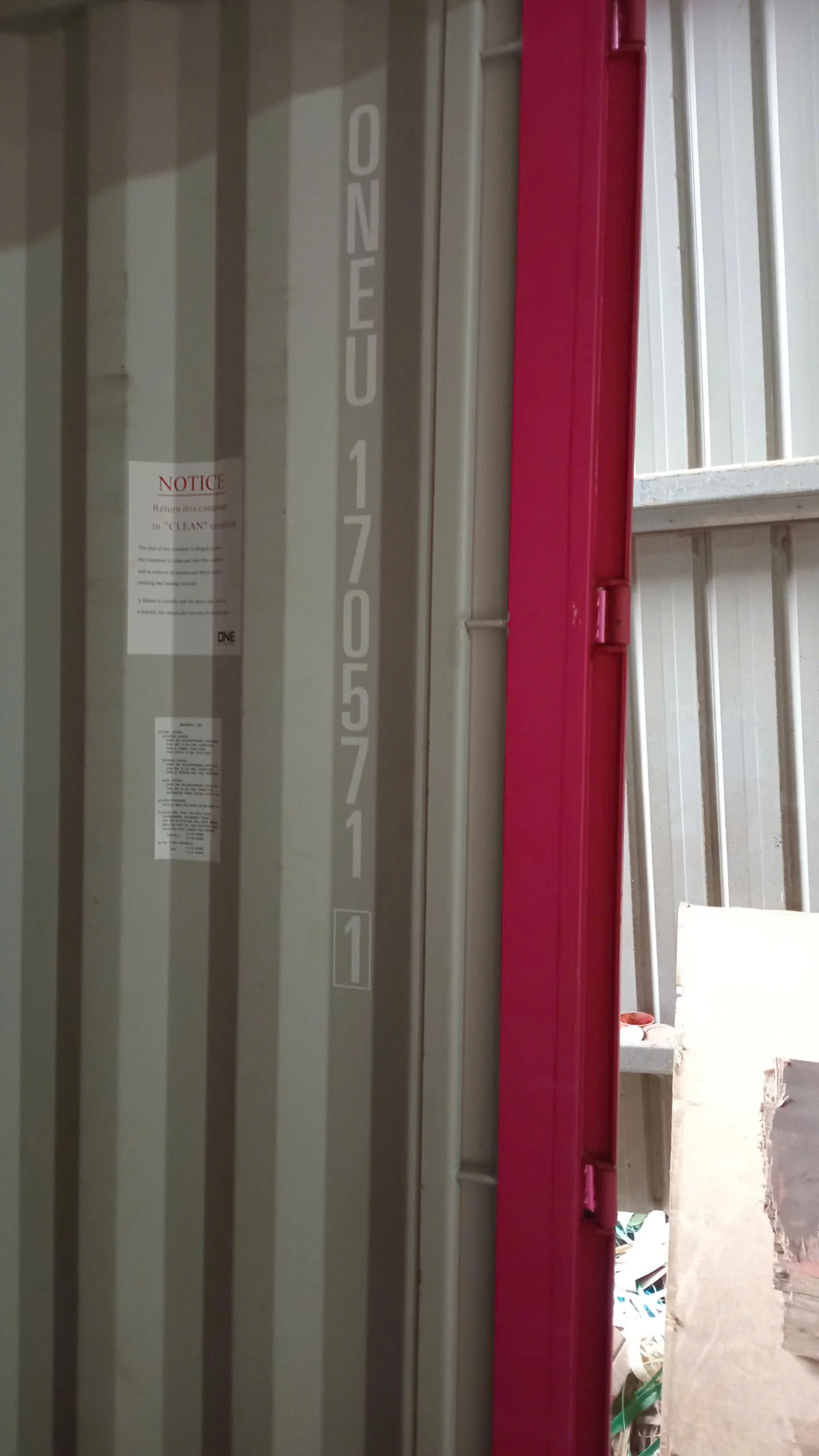
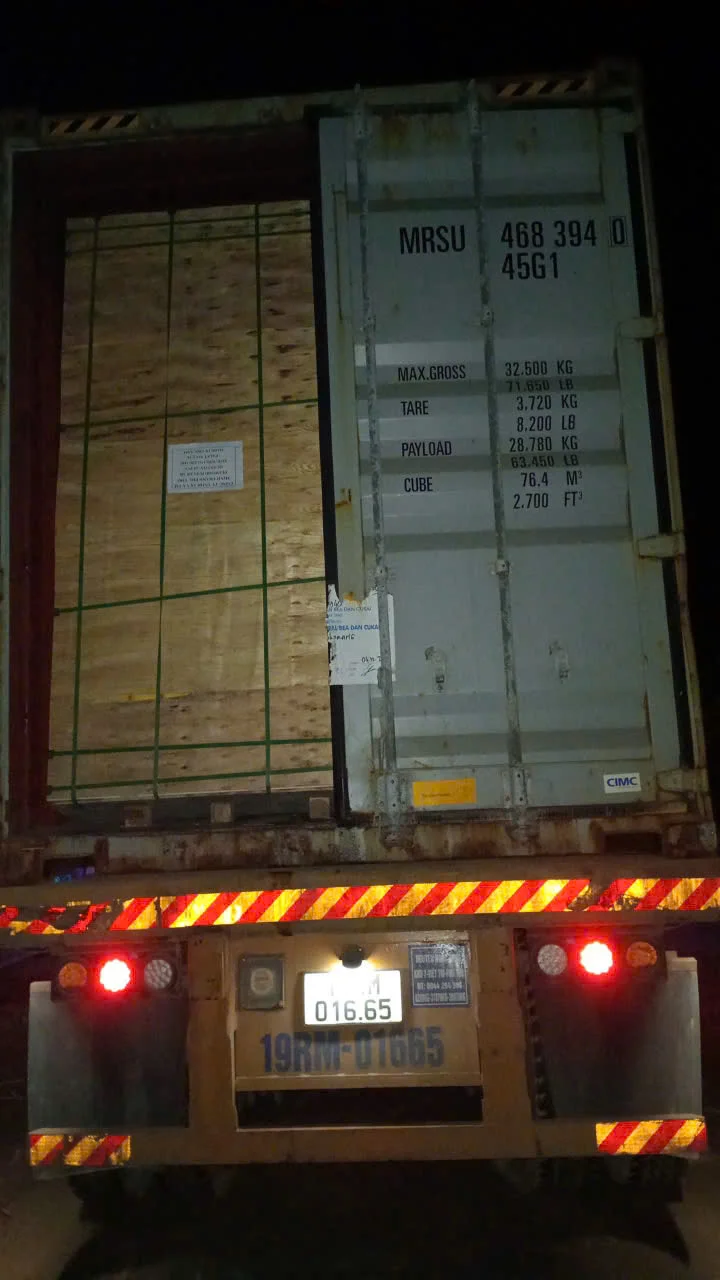
Your 40HC container has two hard limits: volume (the physical space, roughly 76 CBM internal) and payload (28.5 MT gross weight). For plywood, the payload limit almost always triggers first. Here is what that means for your freight math:
| Core Species | Density | Pallets/40HC | Loaded CBM | Ocean Freight (example $2,000) | Effective $/CBM freight |
|---|---|---|---|---|---|
| Styrax | 480–500 kg/CBM | 18 | ~53 CBM | $2,000 | $37.7/CBM |
| Acacia | ~580 kg/CBM | 16 | ~47.5 CBM | $2,000 | $42.1/CBM |
| Eucalyptus | 650–750 kg/CBM | 15 | ~44.5 CBM | $2,000 | $45.0/CBM |
Source: HCPLY container packing data, 2026. Assumes 1220×2440mm sheet size, standard 1000mm pallet stack height.
The same freight invoice of $2,000 produces a $37.7/CBM freight cost with styrax, versus $45.0/CBM with eucalyptus. That is a 19.4% difference in landed freight cost per unit — purely from core selection, not rate negotiation.
“When buyers ask how to cut their freight cost, the first question we ask is: what core are you specifying?” — Lucy, International Sales Manager, HCPLY
For more on the packing mathematics behind these numbers, see the plywood container packing calculation guide and the styrax core container loading breakdown.
⚙️ Surcharges: What Gets Added on Top of Base Freight
Base ocean freight is only the starting point. The following surcharges are standard across all major shipping lines and routes:
| Surcharge | Typical Range | Notes |
|---|---|---|
| THC (Terminal Handling Charge) — Origin | $100–$180 | Fixed by port/terminal, not carrier |
| Documentation / Bill of Lading fee | $50–$80 | Per B/L |
| BAF / EBS (Bunker/Fuel Adjustment) | $100–$350 | Highest on long-haul routes (Europe/US) |
| PSS (Peak Season Surcharge) | $100–$250 | Q3–Q4 demand peaks, not always applied |
| THC — Destination | $150–$400 | Varies significantly by destination port |
| Inland haulage (origin) | $150–$300 | Phu Tho to Hai Phong, included in HCPLY FOB |
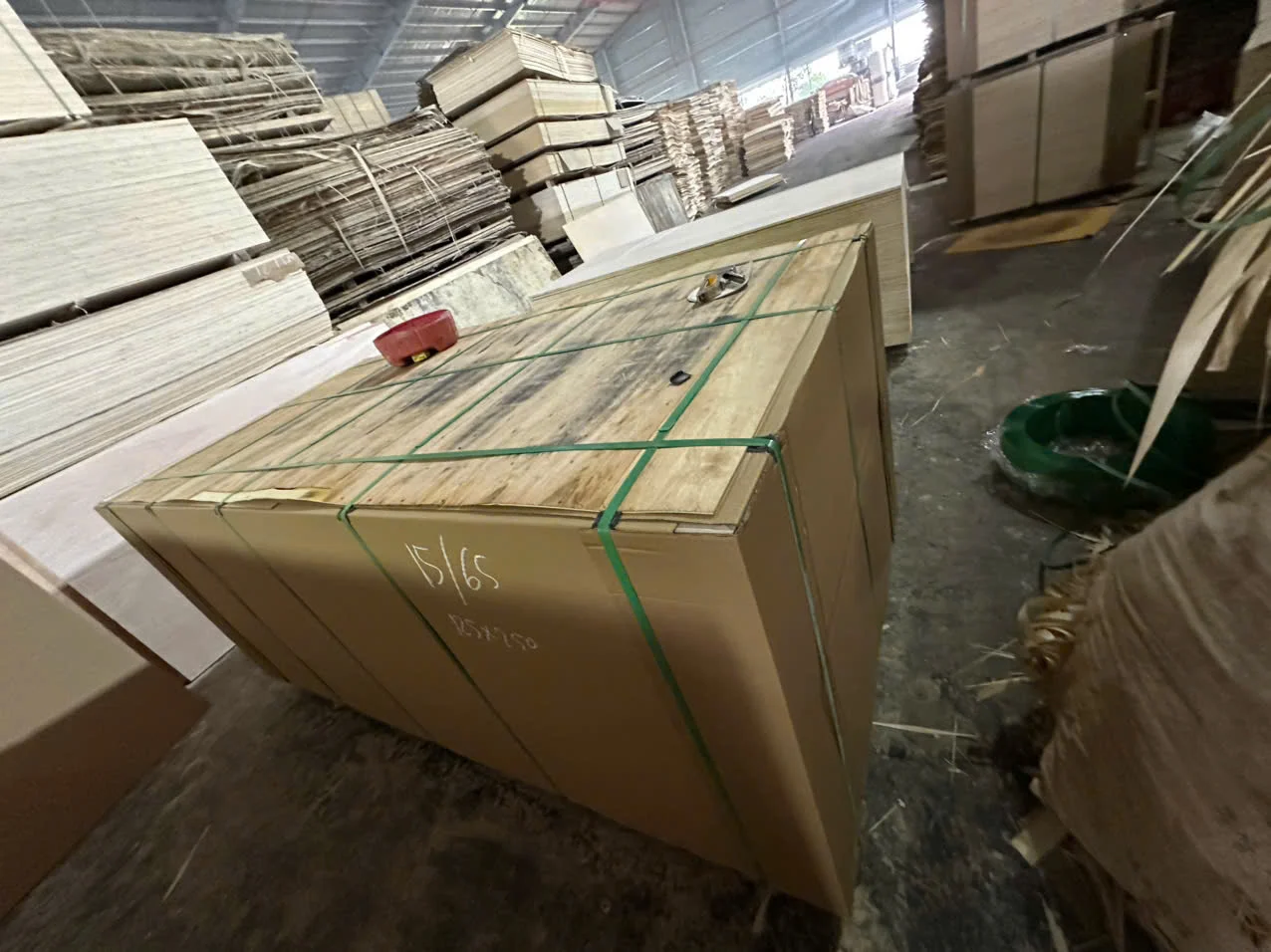
A realistic all-in freight cost from Hai Phong to Nhava Sheva, for example, might be $800 base + $150 THC origin + $65 doc fee + $150 BAF = $1,165 all-in. Compare this to the $800 base rate when negotiating, and the total represents a 46% premium over the headline number.
⚠️ Note: Always ask for the all-in rate (base + surcharges) when requesting freight quotes. Comparing base rates across carriers without surcharges produces misleading cost comparisons.
🔧 FOB vs CIF: Which Works Better for Plywood Importers?
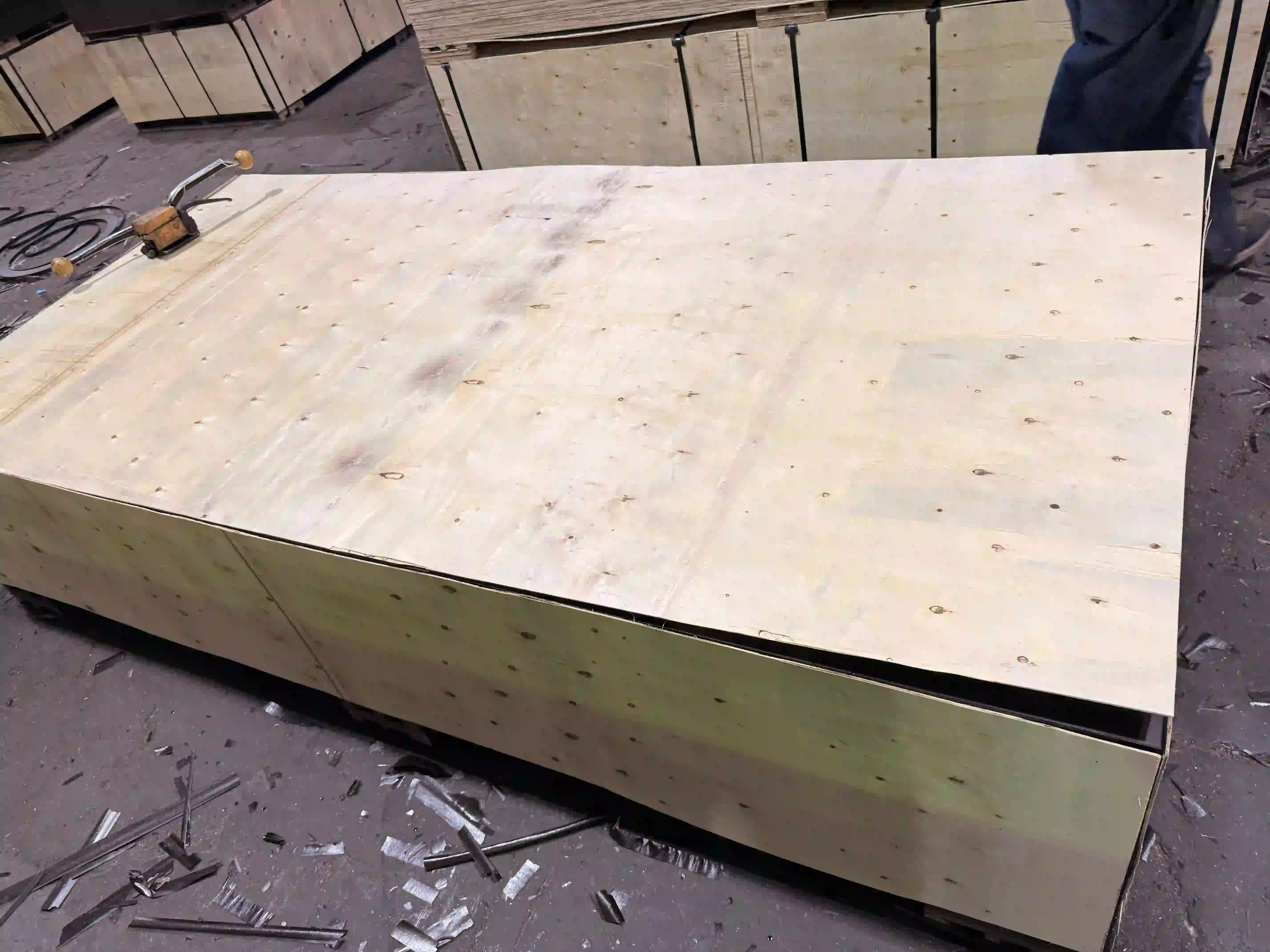
HCPLY quotes in FOB Hai Phong by default, though CIF is available. The choice depends on your logistics maturity:
Choose FOB if:
- You have an established freight forwarder who can negotiate competitive rates
- You want full control over carrier selection and transit routing
- You plan to consolidate multiple Vietnamese suppliers into a single container
- You are doing regular volume (3+ containers per year) from Vietnam
Choose CIF if:
- You are a first-time importer from Vietnam without freight contacts
- You want a single predictable landed-cost number for budgeting
- Your order volume does not justify building a direct forwarder relationship
- You prefer the supplier to manage transshipment complexity
For a detailed breakdown of the cost implications of each choice, see the CIF vs FOB Vietnam plywood guide.
📐 Transit Time Summary by Region
Transit time affects your inventory cycle and working capital requirements — not just your delivery date.
| Region | Fastest Route | Typical Transit | Key Variable |
|---|---|---|---|
| India (West Coast) | Hai Phong → Colombo → Nhava Sheva | 12–18 days | Feeder frequency |
| India (East Coast) | Hai Phong → Colombo → Chennai | 14–18 days | Transhipment wait |
| UAE / Jebel Ali | Hai Phong → Singapore → Jebel Ali | 18–24 days | Carrier selection |
| Saudi Arabia | Hai Phong → Singapore → Dammam | 22–28 days | Routing via Red Sea |
| North Europe | Hai Phong → Singapore → Rotterdam | 25–35 days | Suez availability |
| US West Coast | Hai Phong → Los Angeles | 14–20 days | Direct service |
| US East Coast | Hai Phong → Suez → New York | 22–32 days | Suez passage |
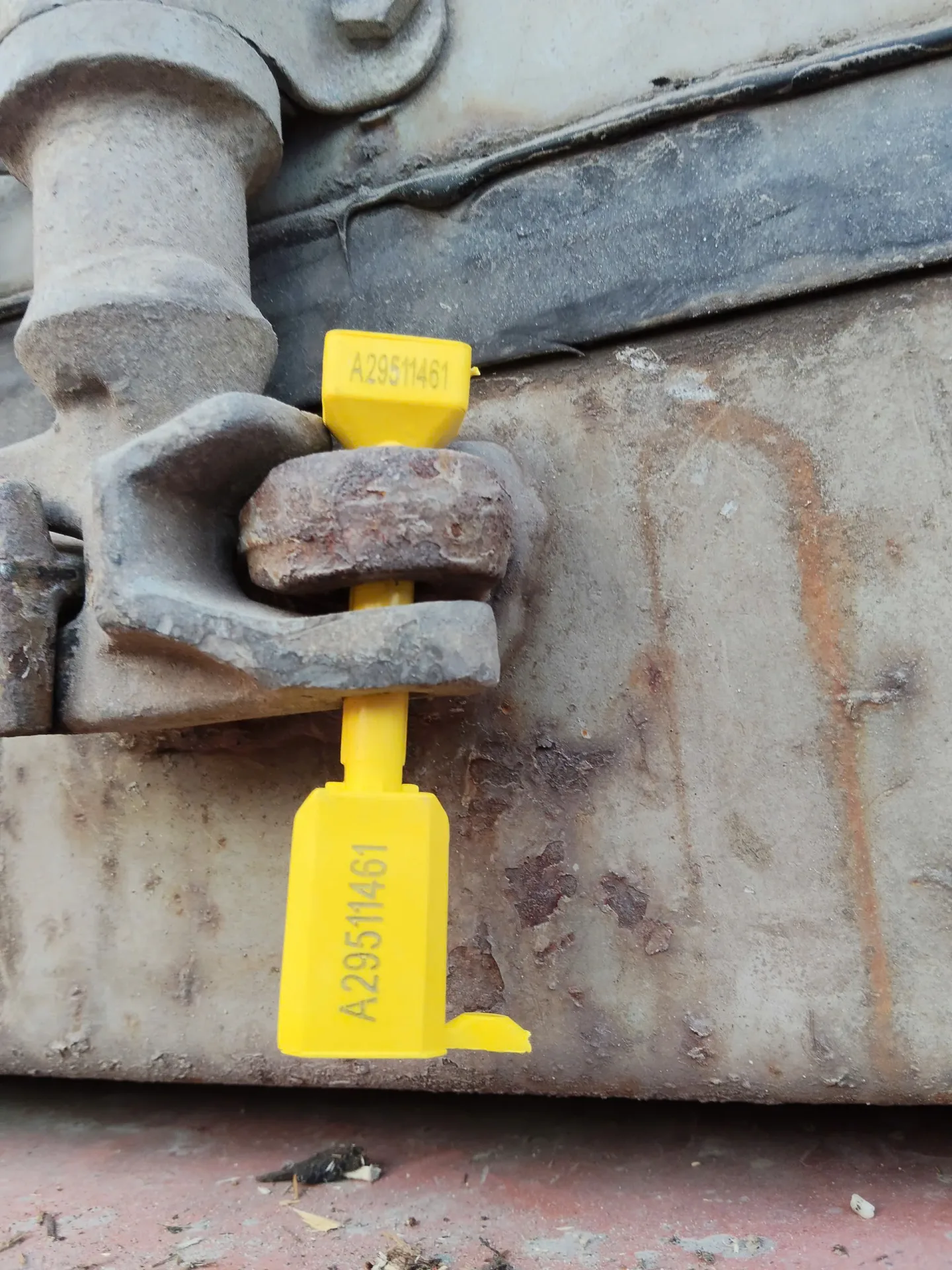
Planning note: Add 3–7 days at both ends for booking lead time and port clearance. Most HCPLY buyers in India plan a 30-day total cycle (order confirmation → goods at Indian port). European buyers plan 45–50 days. US buyers plan 35–45 days depending on coast.
📋 How to Calculate Your Total Landed Cost
Use this framework to build a reliable landed cost estimate before confirming any order:
Landed Cost per CBM = FOB price/CBM
                    + Ocean freight/loaded CBM
                    + Marine insurance (0.3–0.5% of CIF value)
                    + Destination THC/loaded CBM
                    + Import duty % × (FOB + freight + insurance)
                    + Customs clearance fee/loaded CBM
Example: 18mm styrax birch plywood, Hai Phong → Nhava Sheva
| Component | Amount | Per CBM (53 CBM loaded) |
|---|---|---|
| FOB price (example) | $15,900 | $300/CBM |
| Ocean freight (base + surcharges) | $1,165 | $22/CBM |
| Marine insurance (0.4%) | $68 | $1.3/CBM |
| Destination THC | $200 | $3.8/CBM |
| India import duty (10% example) | ~$1,713 | $32/CBM |
| Customs clearance | $250 | $4.7/CBM |
| Total landed | ~$19,296 | ~$364/CBM |
Ocean freight accounts for 6% of landed cost in this example. At the same freight invoice with eucalyptus core (44.5 CBM loaded), the freight component rises to $26/CBM — and fewer CBM means fewer units to spread all fixed costs across.
For the CBM calculation formulas and pallet tables in detail, see the plywood CBM calculation guide.
🔗 Related Resources
- Plywood Container Packing Calculation — 40HC Factory Tables
- Plywood Shipping Cost per CBM: How to Cut Landed Cost
- CIF vs FOB Pricing for Vietnam Plywood
- Plywood CBM Calculation Formula
- Plywood Quotation Guide — What to Know Before Pricing
✅ Key Takeaways
Vietnam plywood shipping cost is not a single number — it is a combination of origin port (Hai Phong), destination region, core-driven packing efficiency, and surcharge stack. The buyers who manage landed cost most effectively do three things: request all-in quotes (not base rates), specify lighter core where application permits, and align their inventory cycle with realistic transit times rather than headline sailing days.
HCPLY ships to 50+ countries from Hai Phong, with FOB and CIF options available on all routes. Every quote includes current freight estimates at your request.
Get a Free FOB and CIF Quote from HCPLY
No commitment required. We provide a full cost breakdown by route so you can compare options before placing any order.