


European buyers sourcing plywood in 2026 face a regulatory environment that changed on December 30, 2025, when EUDR formally replaced EUTR as the governing regulation for timber imports into the EU. The question for importers is no longer whether regulations exist — it is whether a specific Vietnamese supplier has the systems to support them, shipment after shipment.
This guide explains EUDR and EUTR compliance requirements for Vietnam plywood imports — from plantation-based raw material sourcing to the shipment documentation package EU buyers should expect at clearance.
💡 Compliance insight: EUDR enforcement for large/medium operators begins December 30, 2026. The transition window is closing. Sourcing decisions made today determine which suppliers can scale into 2027 without compliance gaps.
📋 What EU Buyers Actually Require From a Supplier
Effective EUDR EUTR compliance for plywood is built around one observation: experienced European importers are no longer satisfied with certificate folders. They want to know whether a supplier’s internal systems — sourcing, production, documentation — can support real compliance rather than reactive paperwork.
What EU buyers consistently ask before selecting a long-term Vietnamese plywood supplier:
- Does the factory source from legal, traceable plantations?
- Can the supplier map core veneer and face veneer back to origin?
- Will documentation be ready before customs clearance, not rushed after?
- Can the supplier support an importer during audits or third-party reviews?
- Is the pricing structure transparent, factory-direct rather than built on trading margins?
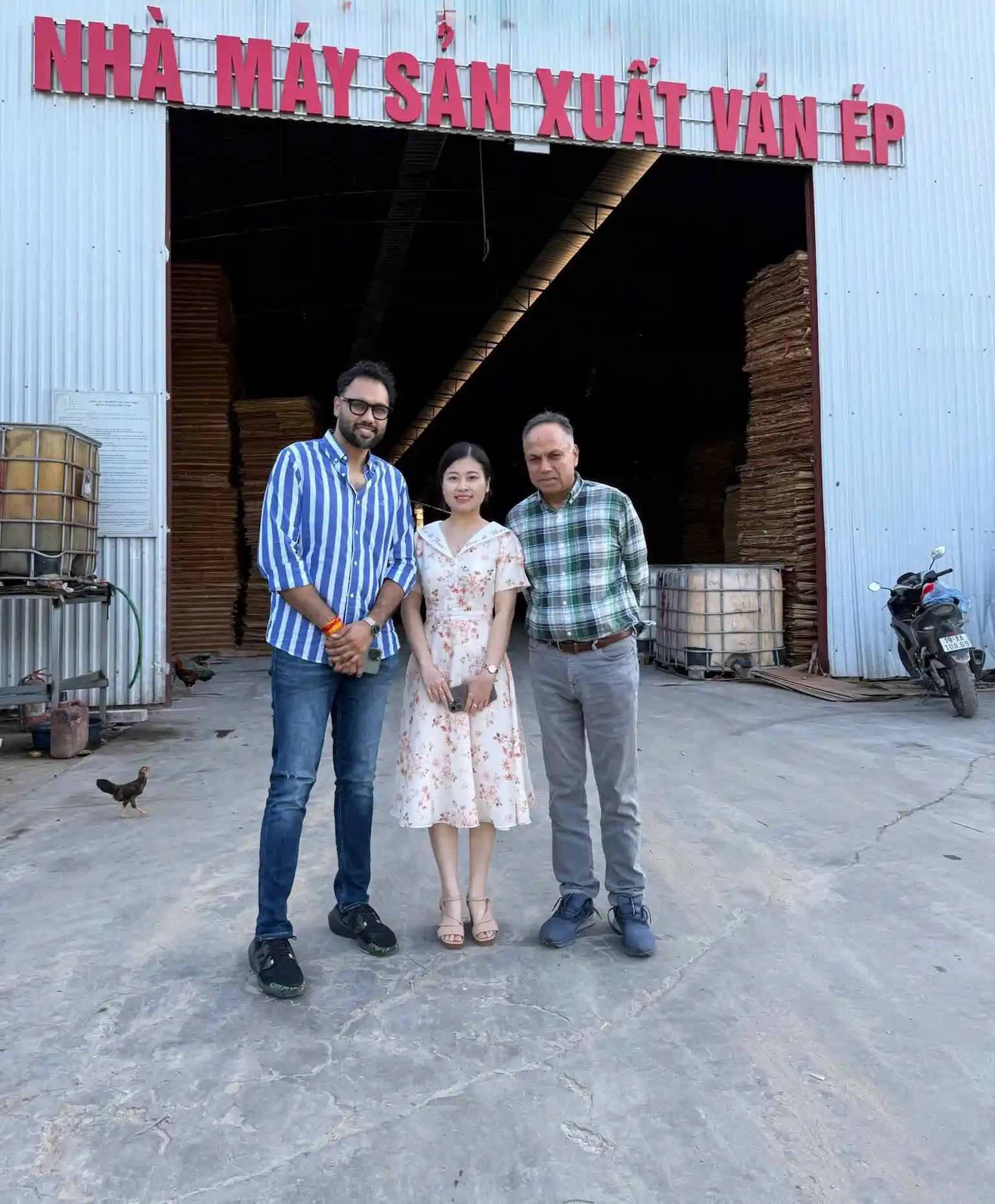
A factory-direct exporter with on-site quality control teams and direct sourcing relationships with licensed plantation suppliers eliminates the documentation gaps that appear in supply chains where a trading intermediary sits between the EU buyer and the actual production facility.
Explore our production model and certifications
📦 Why FSC Certification Alone Is Not Enough
Many European buyers still enter negotiations assuming that an FSC certificate solves the EUDR question. This is a costly misunderstanding.
FSC chain-of-custody certification covers forest management standards and the chain of custody from certified forest to finished product. It is rigorous and valuable — for a deeper look at what FSC means for Vietnam plywood buyers, see our FSC certification guide. But EUDR adds requirements that FSC CoC does not automatically fulfill:
| Requirement | FSC CoC | EUDR Due Diligence |
|---|---|---|
| Legal harvest confirmation | Partial | Required |
| GPS plot-level geolocation | Not required | Mandatory |
| Due Diligence Statement (DDS) | Not produced | Required per shipment |
| Deforestation-free verification after Dec 31, 2020 | Not scope | Mandatory |
| Risk assessment documentation | Not scope | Required |
As “EUDR requires operators to collect GPS coordinates of the plot of land where the wood was harvested and conduct due diligence verifying that wood is deforestation-free” (European Commission, 2023/1115), FSC functions as a strong supporting document within a broader due diligence system — not as a standalone compliance solution.
The correct approach: FSC documentation is integrated inside an EUDR-ready due diligence framework, not treated as a substitute for it.
🏭 Plantation-Based Sourcing for EU Compliance
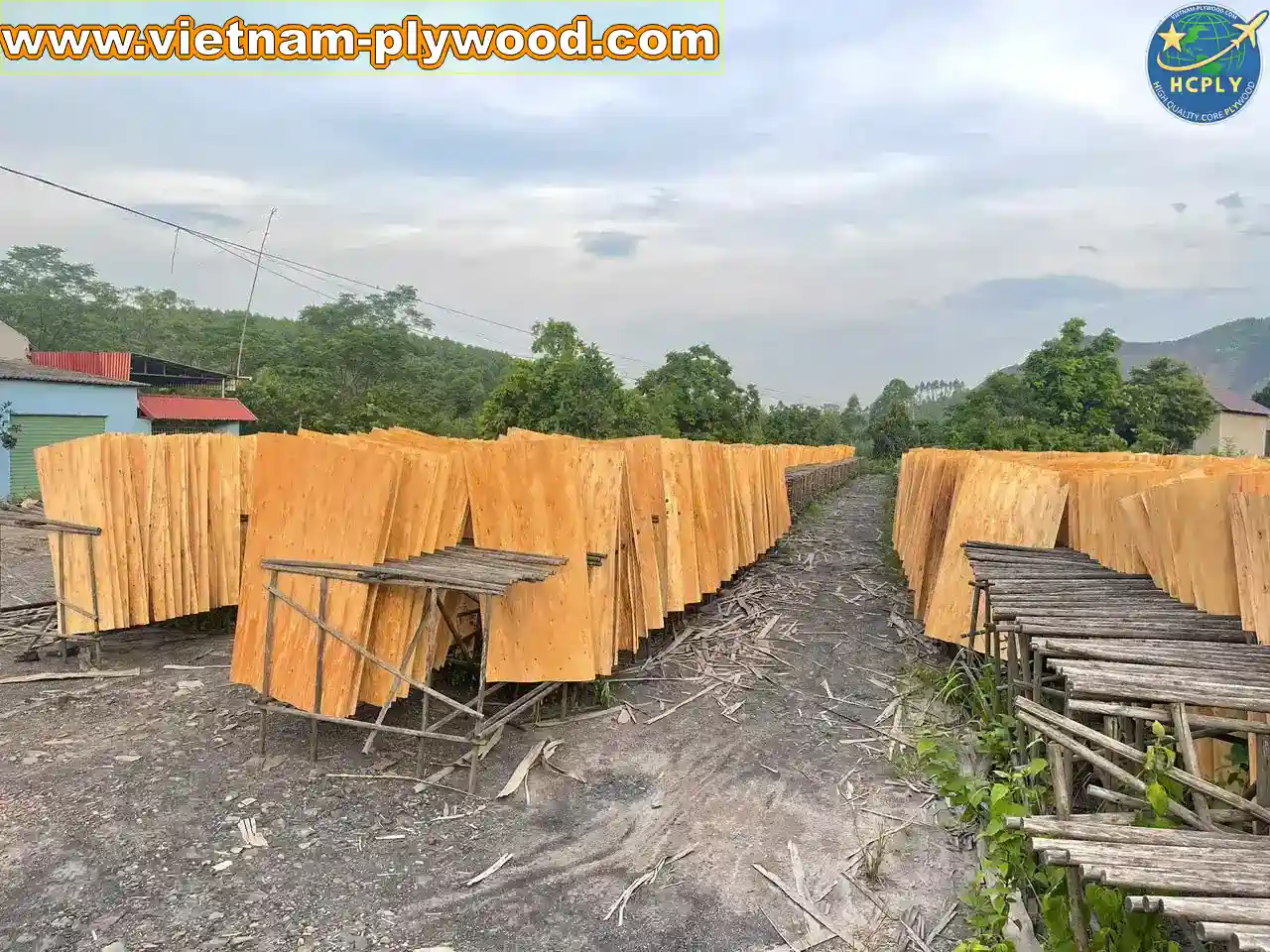
Compliance starts before production begins — at the timber sourcing level. Vietnam plywood for EU markets draws primarily from three core species, all plantation-grown in Northern Vietnam:
- Acacia (density ~580 kg/m³) — sourced from Phú Thọ, Hà Nội, Bắc Ninh provinces
- Eucalyptus (density 650–750 kg/m³) — Northern Vietnam plantation forests
- Styrax (density 480–500 kg/m³) — exclusive to Northern Vietnam, lighter alternative to birch core
Plantation-grown timber is the structural advantage Vietnam holds under EUDR. Unlike tropical hardwood logs sourced from natural forests, plantation acacia and eucalyptus grown on purpose-built forestry land does not trigger deforestation concerns under the December 31, 2020 cut-off date. Vietnam’s plantation system predates EUDR by decades (Vietnam Forestry Protection and Development Law, 2004, revised 2017).
⚠️ Important: Vietnam is classified as standard risk under the EUDR benchmarking published May 2025. Standard risk means full due diligence applies to every shipment — no simplified procedures. The plantation origin reduces actual deforestation risk but does not reduce documentation requirements.
A compliant sourcing system includes:
- Long-term contracts with licensed plantation operations
- Provincial-level origin tracking per veneer batch
- Separation of domestic plantation timber from any imported face veneer materials
- Documented harvest permits and transport licenses per consignment
- Supplier risk classification by province and species
📊 Legal Harvest vs Traceable Harvest: The EUDR Distinction
The shift from EUTR to EUDR is best understood through one key distinction: legality versus traceability.
Legal harvest (EUTR standard): The wood was harvested in accordance with Vietnamese national laws — forestry permits, transport documentation, species identification.
Traceable harvest (EUDR standard): The wood can be traced from the finished plywood panel back through the supply chain to the specific plot of land where it was harvested, with GPS coordinates verifiable against deforestation maps.
EUDR does not replace EUTR legality requirements. It adds traceability on top of them.
For compliant Vietnam plywood exports, this means maintaining separate origin records for:
- Core veneer (acacia, eucalyptus, or styrax) — origin mapped to province, supplier, harvest permit reference, and production batch
- Face veneer (birch, okoume, bintangor, gurjan, and others) — supplier declarations and import documentation where face species are sourced internationally
This two-layer origin mapping — core and face tracked separately — is the foundation of credible EUDR EUTR compliance documentation that EU buyers can submit directly to their compliance systems.
“The traceability question is the one we hear most from new European buyers: not ‘do you have FSC?’ but ‘can you trace this batch back to the forest?’ Systems answer that question. Documents prove those systems exist.” — Lucy, International Sales Manager, HCPLY
View certifications and compliance documentation overview
📋 Chain of Custody in Real Production
Chain of custody is often described in general terms. For EU buyers evaluating a Vietnamese supplier, the practical reality matters more than the theory.
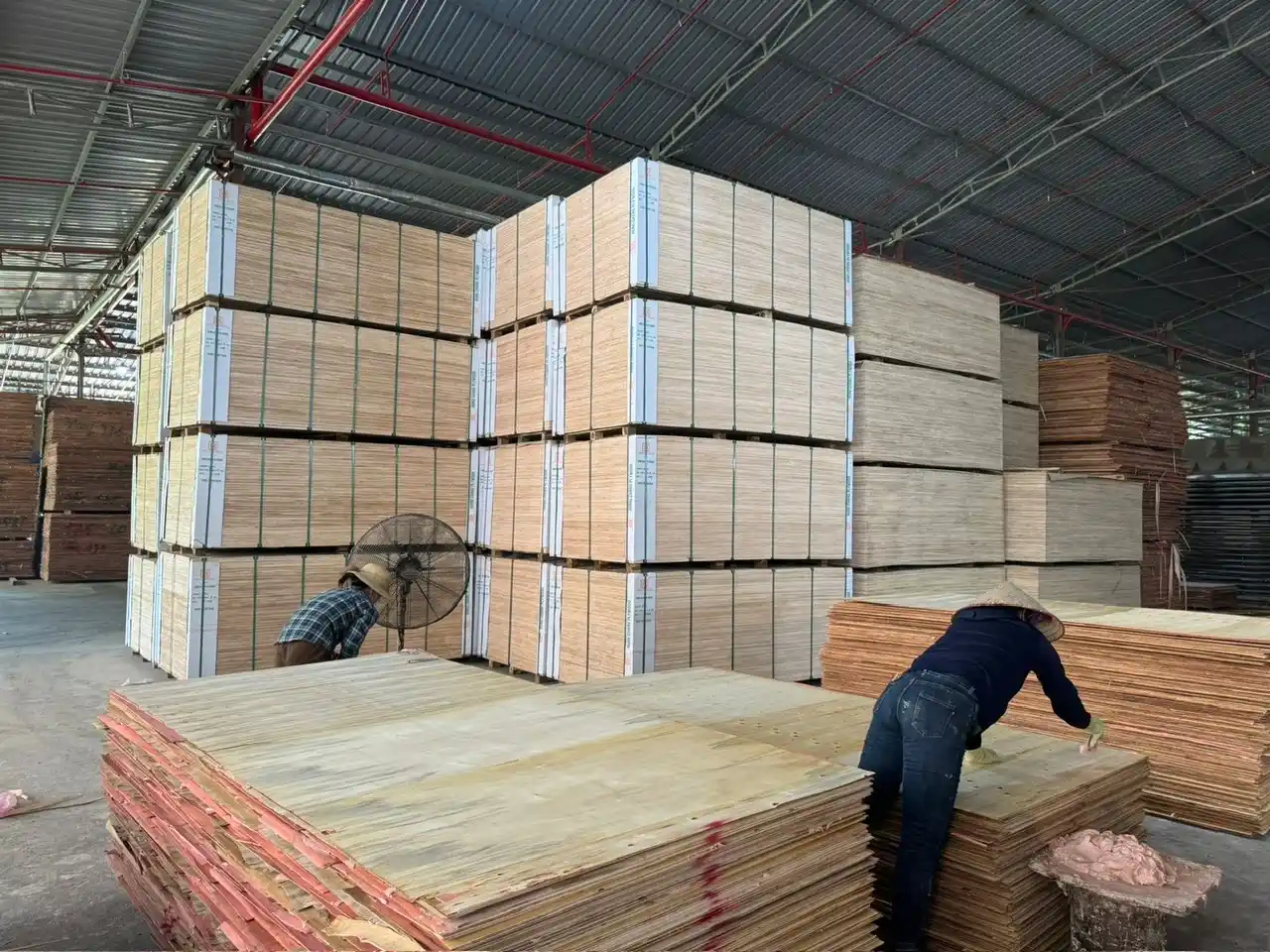
At a well-managed production facility in Northern Vietnam, chain of custody operates as physical control within the factory floor:
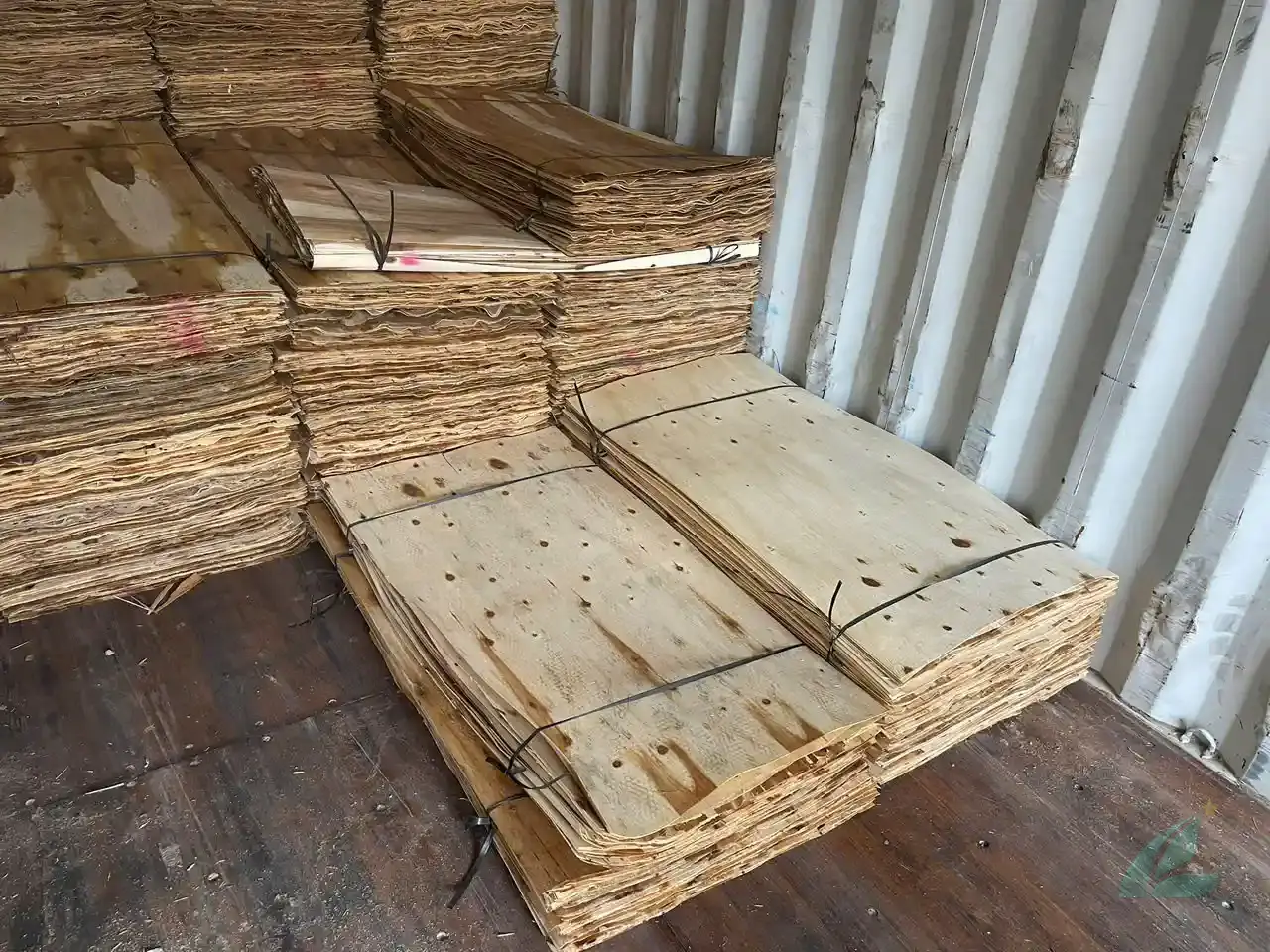
Veneer storage: Core veneer batches are stored by species and provincial origin with lot codes. Face veneer is stored separately with supplier declarations attached.
Production batch tracking: Each order is tagged from veneer allocation through glue application, hot press, sanding, and inspection. The batch code links production records to the shipment documentation.
FSC segregation: FSC-certified materials are physically separated from non-FSC materials throughout production. FSC CoC documentation is issued per batch, not per month.
Shipment linking: Internal production records are linked to the final Bill of Lading, so EU importers can trace from container number back to production batch and veneer origin.
This structure means that when a European buyer receives a EUDR due diligence file from a qualified supplier, every document referenced in it connects to a real production record — not a generic template.
📄 What European Buyers Receive Per Shipment
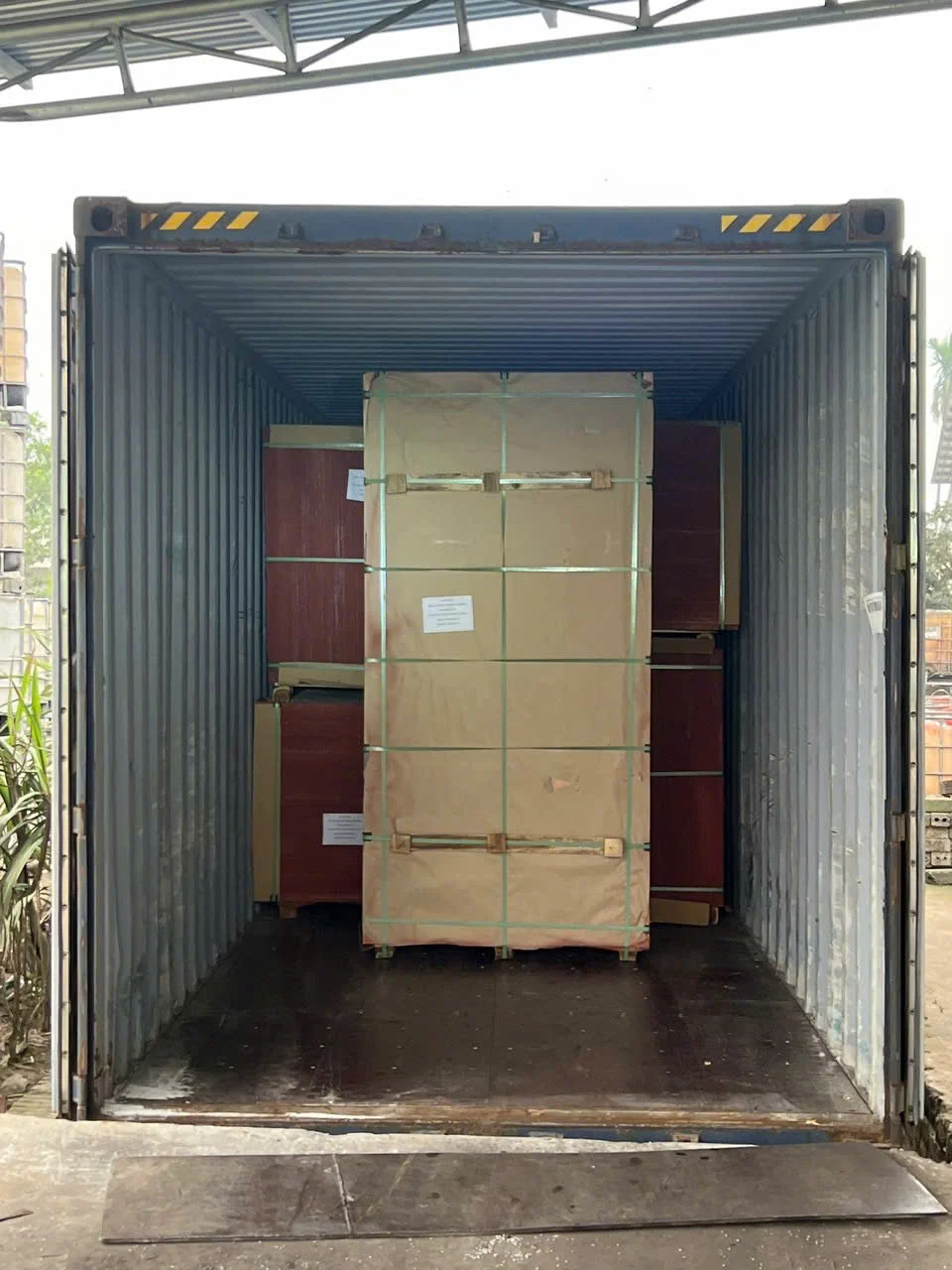
For every EU-bound container, a compliant exporter prepares a complete, shipment-specific documentation package. Standard documents include:
| Document | Purpose |
|---|---|
| Commercial Invoice & Packing List | Linked to production batch, not generic |
| Bill of Lading | Traceable exporter reference and container seal |
| Vietnamese Forestry Harvest Records | Legal harvest verification per EUTR/EUDR |
| Core Veneer Origin Declaration | Province, supplier, harvest permit reference |
| Face Veneer Supplier Declaration | Species, origin, import documentation |
| Risk Assessment Summary | Supplier-level risk classification per EUDR requirements |
| FSC CoC Documents | Where FSC-certified material is used (not optional if specified) |
| Due Diligence Summary | Structured for upload into EU internal compliance systems |
These documents are prepared before shipment departs Hải Phòng port — not assembled reactively after customs clearance is requested.
EU buyers working with a consistent Vietnamese supplier typically integrate this documentation package into their EUDR Due Diligence Statement filed in EU TRACES, the official platform for operators placing regulated commodities on the EU market.
Request EUDR-compliant plywood documentation and samples
🔧 What Compliant Suppliers Commit — and Their Limits
Responsible factory-direct exporters are transparent about what they commit to and what falls outside their control.
What a compliant supplier commits:
- Legal timber sourcing under Vietnamese Forestry Law, fully documented
- Plantation-based core veneer sourcing (acacia, eucalyptus, styrax) with provincial-level traceability
- Separate origin tracking for face and core veneer per production batch
- Shipment-specific documentation packages, ready before cargo departure
- Support for importer compliance reviews — clarifying sourcing data, reissuing traceability summaries, explaining Vietnamese forestry documents to EU auditors
What honest suppliers do not claim:
- “Zero risk” beyond what documentation and plantation origin provide
- That FSC certification alone satisfies EUDR (it does not)
- That Vietnam’s standard-risk classification will change without updated EU benchmarking
This transparency is what experienced European importers look for when selecting a long-term supplier rather than chasing the cheapest mill price each quarter.
🔗 EUDR-Aligned Plywood Products from Vietnam
Not all plywood product categories carry the same compliance complexity. Here is how major product lines rank for EU compliance:
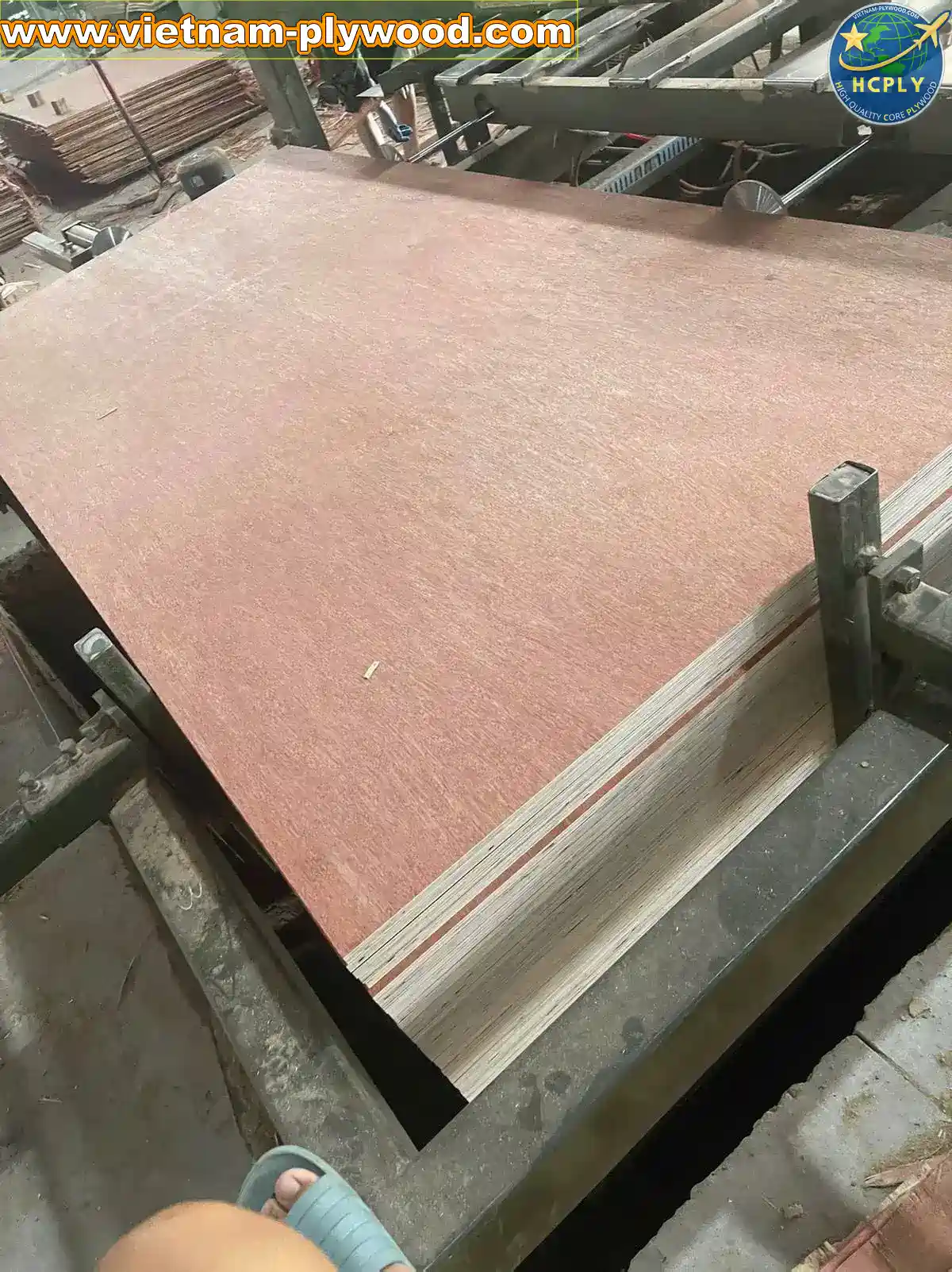
Film Faced Plywood — eucalyptus or acacia core from controlled plantation sources, documented per EUDR requirements. Low deforestation risk, full documentation available. Used for concrete formwork across EU construction markets.
Commercial Hardwood Plywood — multi-layer panels with bintangor, okoume, or EV face veneer on acacia or styrax core. Core veneer origin documented to province level.
Furniture-Grade Plywood — styrax or eucalyptus core with separated face and core veneer traceability. Styrax core from Northern Vietnam is exclusively plantation-grown with no deforestation exposure. European furniture buyers can find market-specific sourcing guidance for product selection and compliance documentation.
Packing and Industrial Plywood — acacia core, lowest compliance complexity. Plantation acacia is the baseline raw material with long-established legal harvesting documentation.
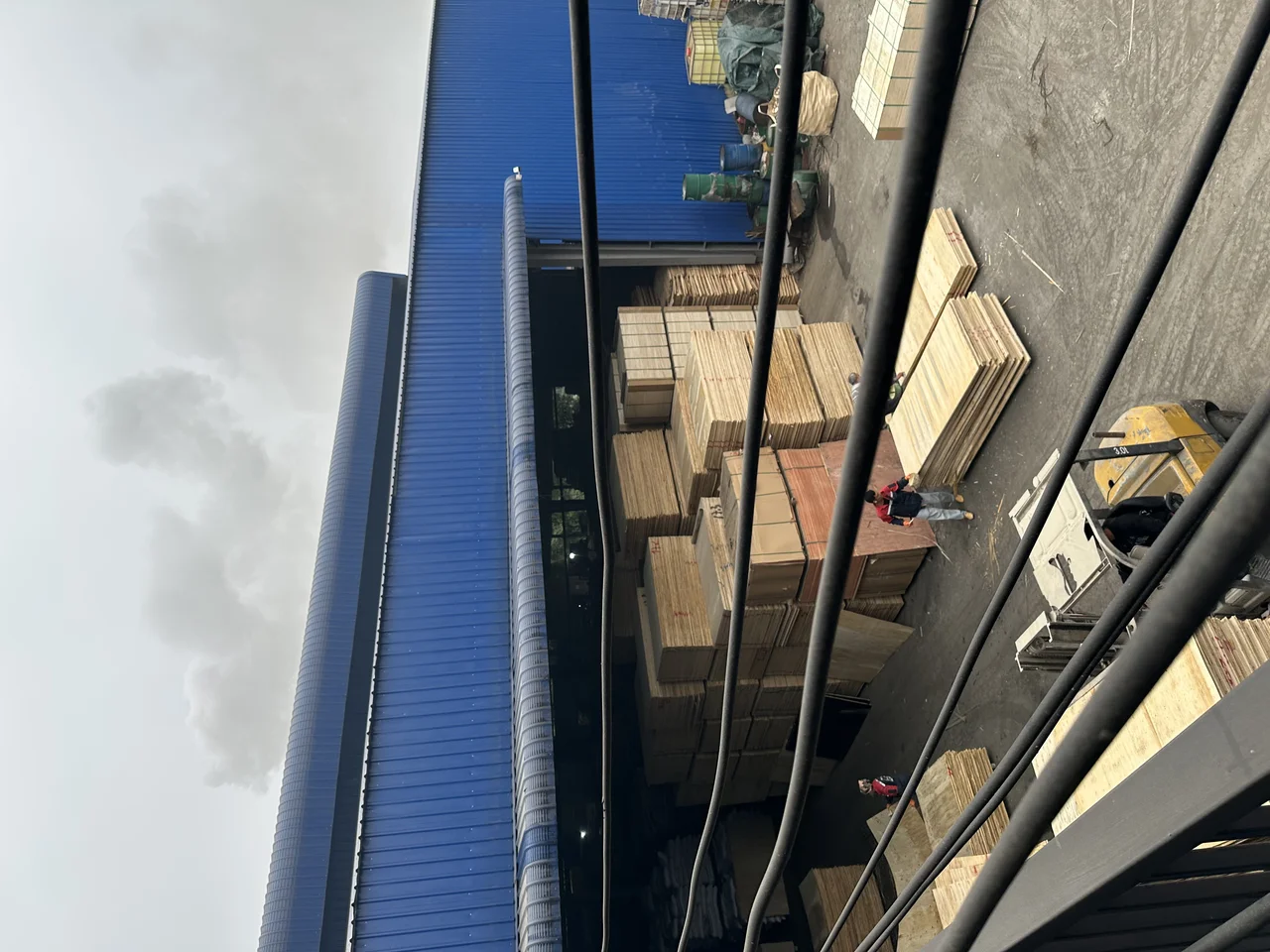
Each product line ships from specialized facilities in Phú Thọ, with on-site QC and factory-direct documentation. No trading intermediary, no VAT overhead on export pricing.
View plywood products for EU markets
🏭 Why EU Buyers Choose Documented Suppliers Over Unknown Mills
Price comparison between Vietnamese suppliers frequently ignores compliance cost. An unknown mill quoting $15/CBM less may generate $80–150 in additional compliance cost per container — documentation preparation, risk mitigation time, importer legal exposure.
“Experienced importers calculate total cost of compliance, not just FOB price. A factory that provides complete, accurate, shipment-specific documentation saves importers more than the price gap with low-cost alternatives.” — David, Export Project Leader, HCPLY
What a documented supplier provides beyond FOB price:
- Factory-direct documentation eliminating trading chain gaps
- Consistent batch-to-batch traceability enabling long-term contracts
- Audit support reducing importer exposure during EU customs reviews
- Sufficient production capacity supporting high-volume EU buyers
- Multi-country export experience with active EU market accounts
The EU-Vietnam Free Trade Agreement (EVFTA) further supports Vietnamese plywood — 0% tariff applies when accompanied by valid EUR.1 origin certificate, making Vietnamese plywood cost-competitive against other origins even with full EUDR compliance documentation (European Commission, EVFTA trade statistics, 2025).
✅ EUDR & EUTR Compliance: Summary for EU Buyers
Effective EUDR EUTR compliance for plywood is not a marketing claim. It is a structured sourcing and documentation system built around three pillars:
- Plantation-based raw materials — acacia, eucalyptus, and styrax from Northern Vietnam’s established plantation forestry sector, with no deforestation exposure under the December 31, 2020 cut-off
- Batch-level traceability — core and face veneer tracked separately from provincial origin through production to container
- Shipment-specific documentation — complete due diligence files prepared before departure, structured for EU TRACES submission
Vietnam plywood EUDR compliance is achievable. The variable is which supplier has built the systems to support it consistently — not just for the first container, but for every container across a long-term supply relationship.
Ready to evaluate a Vietnam supplier for your EU supply chain? We provide EUDR-ready documentation as standard on every EU-bound shipment.
Request EUDR-Compliant Plywood Samples and Documentation — No commitment required. Review actual documentation before confirming your first order.
Disclosure: This article is published by HCPLY, a Vietnam-based plywood manufacturer and export operator. While we aim to provide objective industry guidance, readers should consider our perspective as a market participant when evaluating recommendations.
🔗 Related Articles
- Plywood Certifications & Export Documentation — FSC, CARB, CE, EUDR Guide — Full overview of the certification stack and what each document covers
- EUDR vs EUTR: EU Timber Regulation Guide for Plywood Buyers — Detailed comparison of what changed when EUDR replaced EUTR
- Vietnam Plywood Export Markets — Country-by-Country Buyer Guide — EU market requirements by country including Germany, Poland, Spain, and France
- EUDR Plywood: How Vietnam Exporters Comply in 2026 — Enforcement timelines, HS 4412 coverage, Vietnam’s risk classification