



Every plywood quote from Vietnam comes with an Incoterm attached — usually FOB or CIF. Most buyers accept whichever term the supplier quotes first without questioning whether it’s optimal for their situation. That decision alone can cost or save hundreds of dollars per container.
This guide breaks down exactly what FOB and CIF mean in the context of Vietnam plywood exports, where risk transfers under each term, and which one gives you better control over total landed cost. The short answer: FOB wins for experienced importers with established freight partners. CIF makes sense when you’re placing your first order and need simplicity over savings.
📋 TL;DR — FOB vs CIF Comparison Table
| Factor | FOB (Free On Board) | CIF (Cost, Insurance, Freight) |
|---|---|---|
| Who arranges freight | Buyer | Seller |
| Who pays ocean freight | Buyer | Seller (built into price) |
| Who arranges insurance | Buyer | Seller (minimum coverage) |
| Risk transfer point | When goods are on board at origin port | When goods are on board at origin port |
| Cost visibility | High — buyer sees freight cost directly | Low — freight is bundled into seller’s price |
| Buyer control | High — choose your carrier and forwarder | Low — seller selects carrier |
| Best for | Experienced importers with freight partners | First-time buyers, smaller companies |
| Typical use in Vietnam plywood | Standard for repeat buyers | Common for first orders |
Key Insight: Under both FOB and CIF, risk transfers to the buyer when the plywood is loaded on board the vessel at Hai Phong. The difference is who pays for the ocean journey — not who bears the risk during it. (Incoterms 2020, ICC)
📦 What FOB Means for Vietnam Plywood
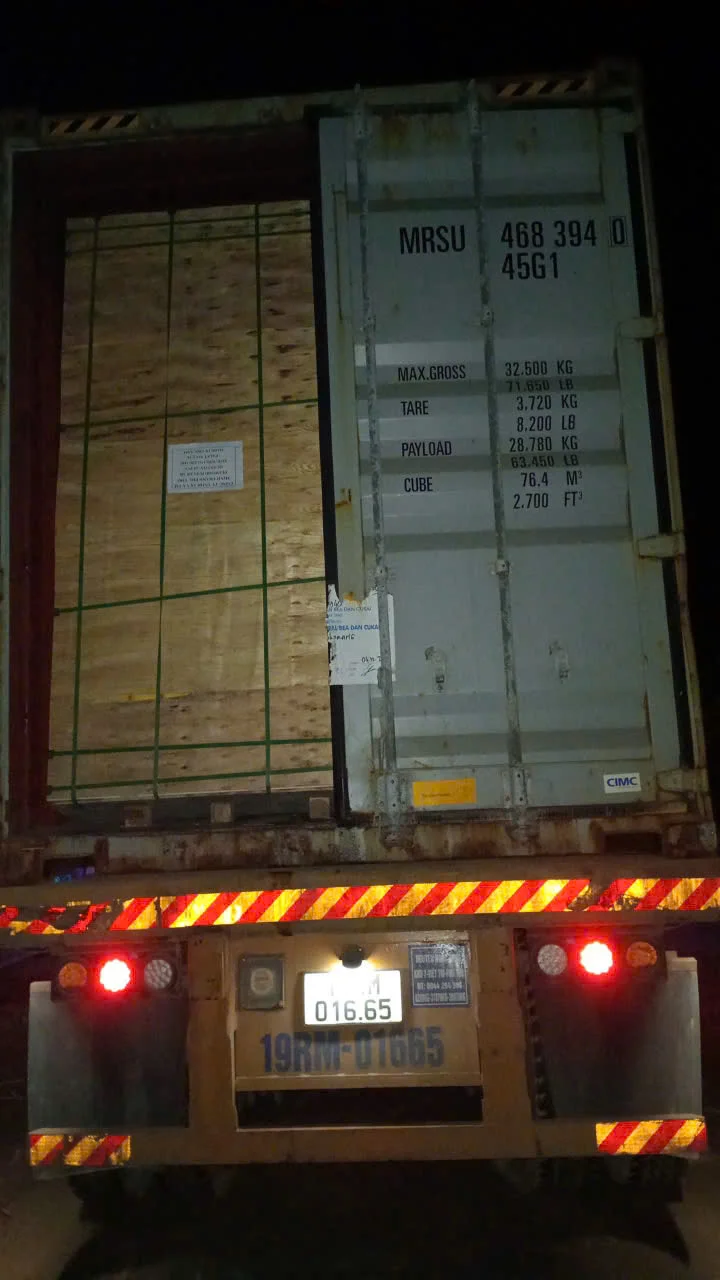
FOB (Free On Board) means HCPLY delivers your plywood to the vessel at Hai Phong port — fully loaded, documented, and cleared for export. Your responsibility starts the moment the goods cross the ship’s rail.
Under FOB, you pay separately for:
- Ocean freight (booked through your freight forwarder)
- Marine cargo insurance (arranged through your insurer or forwarder)
- Destination port charges, customs clearance, inland delivery
The main advantage is cost transparency. You see exactly what your freight costs. If rates drop, you benefit directly. If you have a preferred carrier or consolidated shipments with other suppliers, FOB lets you optimize that consolidation.
For buyers purchasing 2–3 containers per month from Vietnam, FOB is standard. You know the freight market, you have a forwarder who handles everything, and you won’t pay a supplier markup on freight.
“Most experienced importers move to FOB after their first or second order. Once you have a freight partner you trust, you’re paying less and seeing more — two things that matter at scale.” — Lucy, International Sales Manager, HCPLY
FOB Hai Phong is the specific point of delivery for HCPLY orders. Hai Phong is Vietnam’s primary northern export port, handling the majority of plywood exports from Phu Tho province where HCPLY’s production facilities operate. (HCPLY production data, 2026)
📦 What CIF Means for Vietnam Plywood
CIF (Cost, Insurance, Freight) means HCPLY arranges and pays for ocean freight and insurance to your named destination port — typically Nhava Sheva (India), Jebel Ali (UAE), Hamburg (Germany), Busan (South Korea), or whichever port you specify.
Under CIF, you receive one all-in price that includes:
- FOB price (production + inland trucking + port charges + loading)
- Ocean freight to your destination port
- Minimum marine cargo insurance (110% of cargo value per Incoterms 2020 standard)
You still pay destination charges — port handling, customs clearance, inland delivery — but the ocean leg is the seller’s problem.
The convenience trade-off: CIF simplifies budgeting for your first order. You know the delivered price before you book a freight forwarder. For buyers without established freight relationships, this removes a significant operational burden.
The hidden cost: Sellers who quote CIF often select the cheapest available carrier, not the fastest or most reliable. They may also add a margin on freight. You won’t see the actual freight rate — only the bundled CIF price.
For a 40HC container from Hai Phong to common destinations, ocean freight typically runs:
- India (Nhava Sheva): USD 800–1,400
- UAE (Jebel Ali): USD 1,000–1,600
- Germany (Hamburg): USD 1,600–2,500
- South Korea (Busan): USD 400–800
- Australia (Sydney): USD 1,200–2,000
These are market rate estimates as of Q1 2026. Request both FOB and CIF quotes to compare whether the supplier’s CIF rate is competitive versus arranging your own freight.
📊 Risk Transfer — The Misunderstood Part
The most common misconception about FOB vs CIF: many buyers think CIF means the seller bears risk during the ocean voyage. That is incorrect.
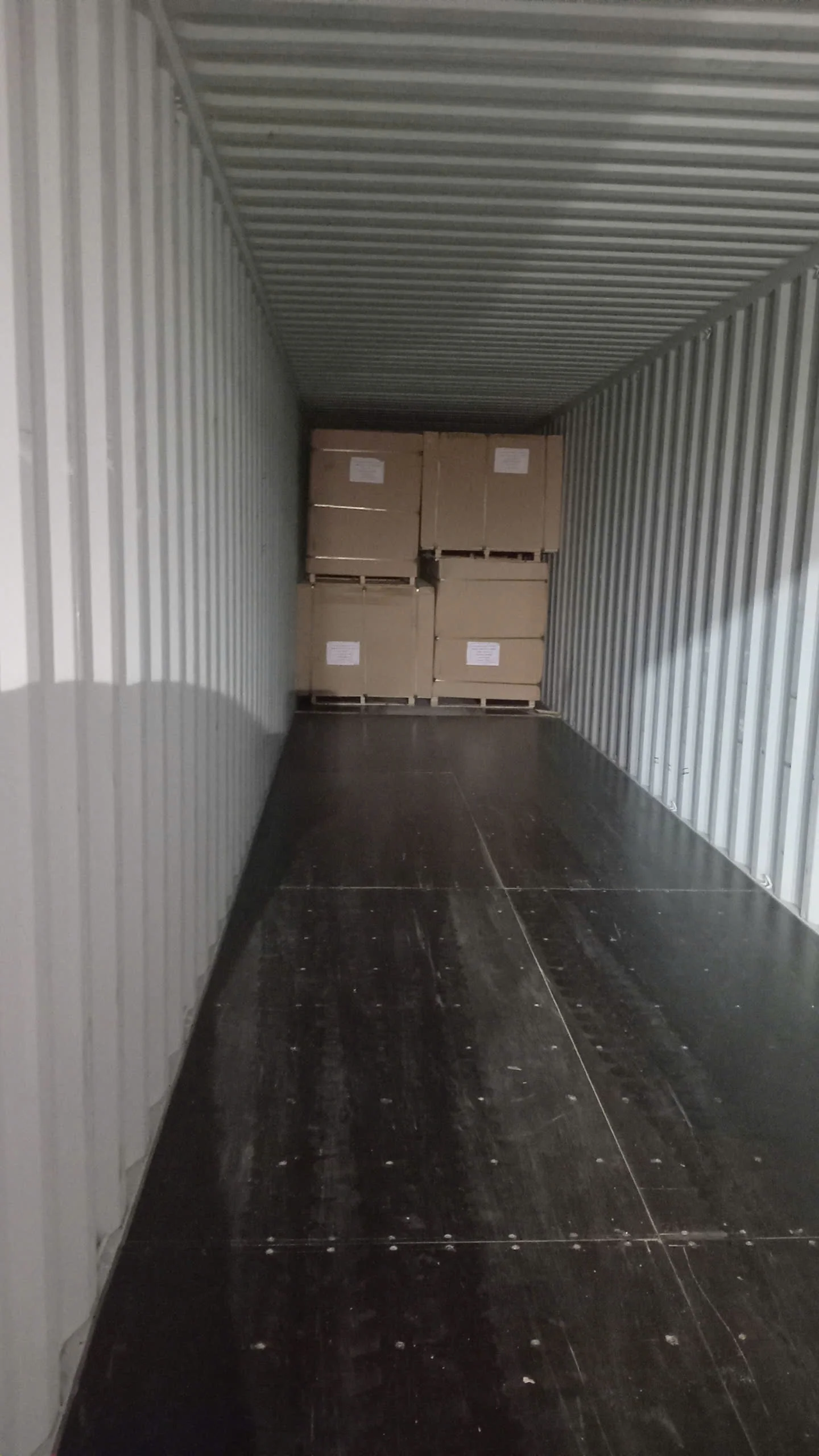
Under both FOB and CIF (Incoterms 2020), risk transfers to the buyer when the goods are placed on board the vessel at the port of shipment — Hai Phong in this case. (ICC Incoterms 2020)
The difference is only who pays for the ocean freight and insurance — not who assumes risk during transit.
Under CIF, the seller arranges minimum insurance (110% of invoice value, Institute Cargo Clauses C — the weakest coverage). If you want comprehensive cargo insurance covering theft, all weather damage, and handling losses, you need to arrange additional coverage yourself — even on CIF terms.
This matters for plywood shipments. A 40HC container of furniture-grade plywood can carry USD 30,000–80,000+ in cargo value depending on specification. Minimum insurance may not fully cover your exposure.
Practical implication: Whether you choose FOB or CIF, consider arranging your own marine insurance through your freight forwarder or insurer. On FOB, you control the coverage from the start. On CIF, you supplement the seller’s minimum policy.
🔧 FOB vs CIF — Practical Decision Guide
📌 Choose FOB if:
- You have an established freight forwarder who handles Vietnam routes
- You’re ordering 2+ containers and want to consolidate freight
- You want to benchmark the seller’s actual FOB price without freight bundled in
- You’re comparing prices from multiple Vietnam suppliers (FOB makes comparison clean)
- You want flexibility to choose transit time and carrier based on your delivery window
📌 Choose CIF if:
- This is your first order from Vietnam and you haven’t set up a freight relationship
- Your company’s procurement process requires a single landed price for approval
- The order quantity is smaller and the overhead of managing freight isn’t worthwhile
- You’re importing to a destination where you lack local port handling knowledge
⚠️ Important: If a supplier insists on CIF only and refuses FOB, ask for the freight rate breakdown. Reputable suppliers accommodate both terms. A supplier who won’t quote FOB may be adding significant freight margin.
For your first order from HCPLY, both FOB and CIF are available. New buyers often start CIF for simplicity, then request FOB pricing from the second order once they’ve established a freight forwarder. Contact HCPLY for both FOB and CIF quotes — comparing the two directly is the fastest way to understand the freight component.
📐 How Incoterms Affect Your Total Landed Cost
Total landed cost is the number that actually matters — not just the invoice price. Both FOB and CIF feed into it differently.
FOB landed cost formula:
FOB price + Ocean freight + Insurance + Destination port charges + Customs duty + Inland delivery = Landed cost
CIF landed cost formula:
CIF price + Destination port charges + Customs duty + Inland delivery = Landed cost
The math should be equivalent if the seller’s CIF freight rate matches market. In practice, get both quotes and calculate:
CIF price - FOB price = Seller's freight + insurance charge
Compare with: Your forwarder's freight quote + your insurance quote
If the difference is close, CIF convenience may be worth it. If the seller’s freight + insurance exceeds your forwarder’s rate by more than USD 200–300, FOB saves money.
Customs implications: Some destinations calculate import duty on CIF value (EU, India, Australia), not FOB. This means higher freight increases your duty base. Buyers importing to duty-paying markets may strategically prefer FOB to minimize the dutiable value. Consult your customs broker on this point.
For a detailed breakdown of how container packing efficiency affects landed cost per CBM, read our guide on plywood shipping cost per CBM from Vietnam.
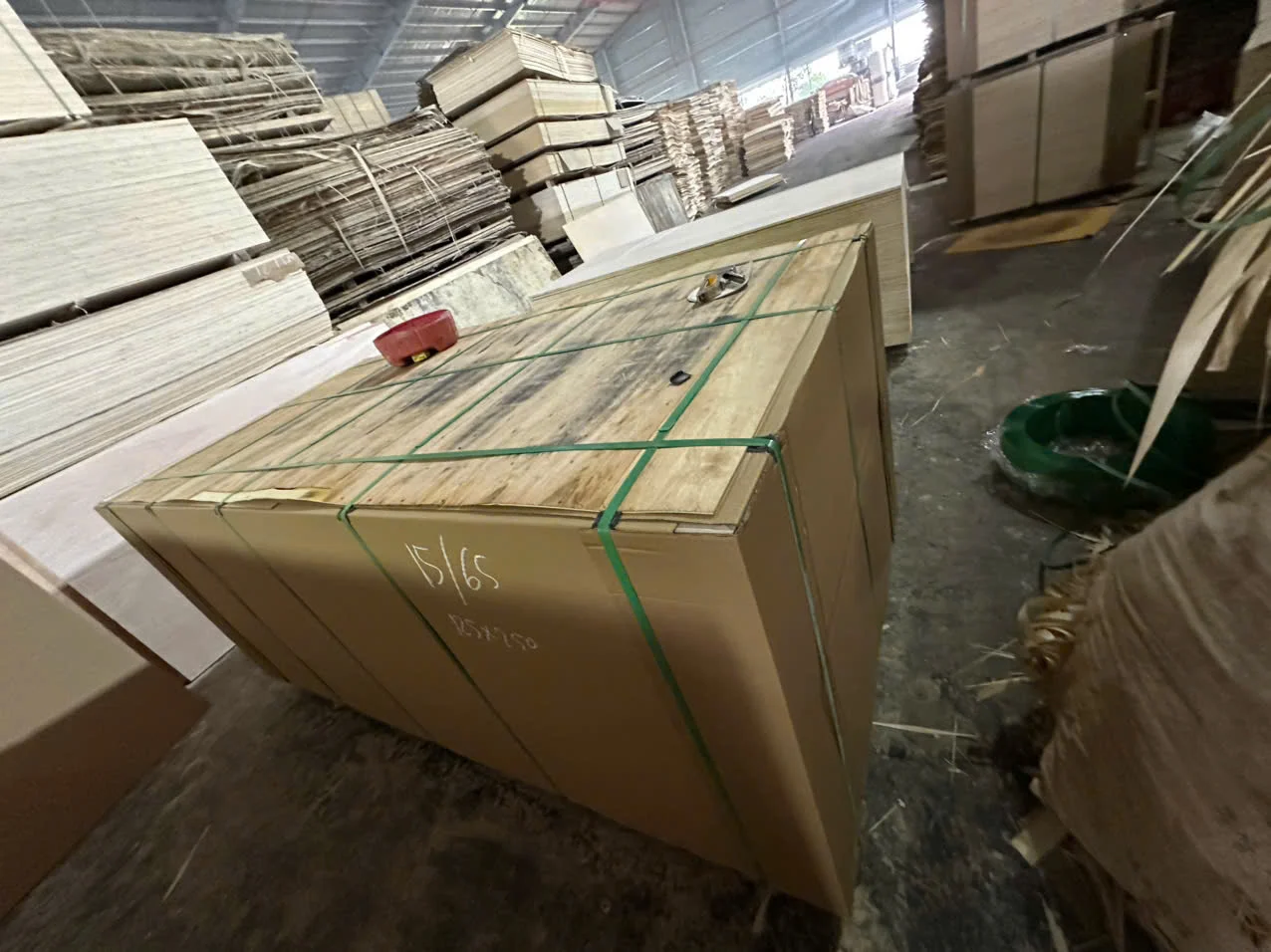
🏭 Other Incoterms You May Encounter
FOB and CIF cover most Vietnam plywood transactions, but you’ll occasionally see these alternatives:
EXW (Ex Works): Buyer collects from the factory gate. You handle all inland trucking, port charges, loading, freight, and insurance. Rarely used for plywood because of the complexity — not recommended unless you have a local agent in Vietnam.
CFR (Cost and Freight): Same as CIF but without insurance. Seller pays freight; buyer arranges own insurance. Less common than CIF but occasionally offered.
DAP (Delivered at Place): Seller delivers to named destination — typically your warehouse. Rare in Vietnam plywood trade except for very large buyers with significant purchasing power.
DDP (Delivered Duty Paid): Seller handles everything including import duty at destination. Unusual for plywood trade; significantly higher price and complex for the seller to execute.
For practical Vietnam plywood purchasing, FOB is the dominant term for experienced buyers. CIF is a common entry point. The others are edge cases.
Understanding the full import process — beyond just the Incoterm — requires working through documentation, HS codes, and customs procedures. See our complete guide on how to import plywood from Vietnam step by step for the full workflow.
✅ Requesting Quotes — What to Ask HCPLY
When contacting HCPLY for pricing, provide:
- Product specification: Face species, core, glue/emission, thickness, sheet size
- Quantity: Number of sheets or CBM (1 × 40HC as minimum order)
- Destination port: Required for CIF quote
- Incoterm preference: FOB Hai Phong or CIF [destination port]
Request both FOB and CIF in the same inquiry. This lets you compare the freight component directly and decide which term works better for your logistics setup.
For new buyers who haven’t assembled a specification yet, our plywood quotation guide covers everything you need before requesting a price — species, core, glue, emission standards, certifications, and container packing. Getting the spec right first means faster, more accurate quotes.
For container loading data — how many sheets fit in a 40HC by thickness and core species — see our container packing calculation guide.
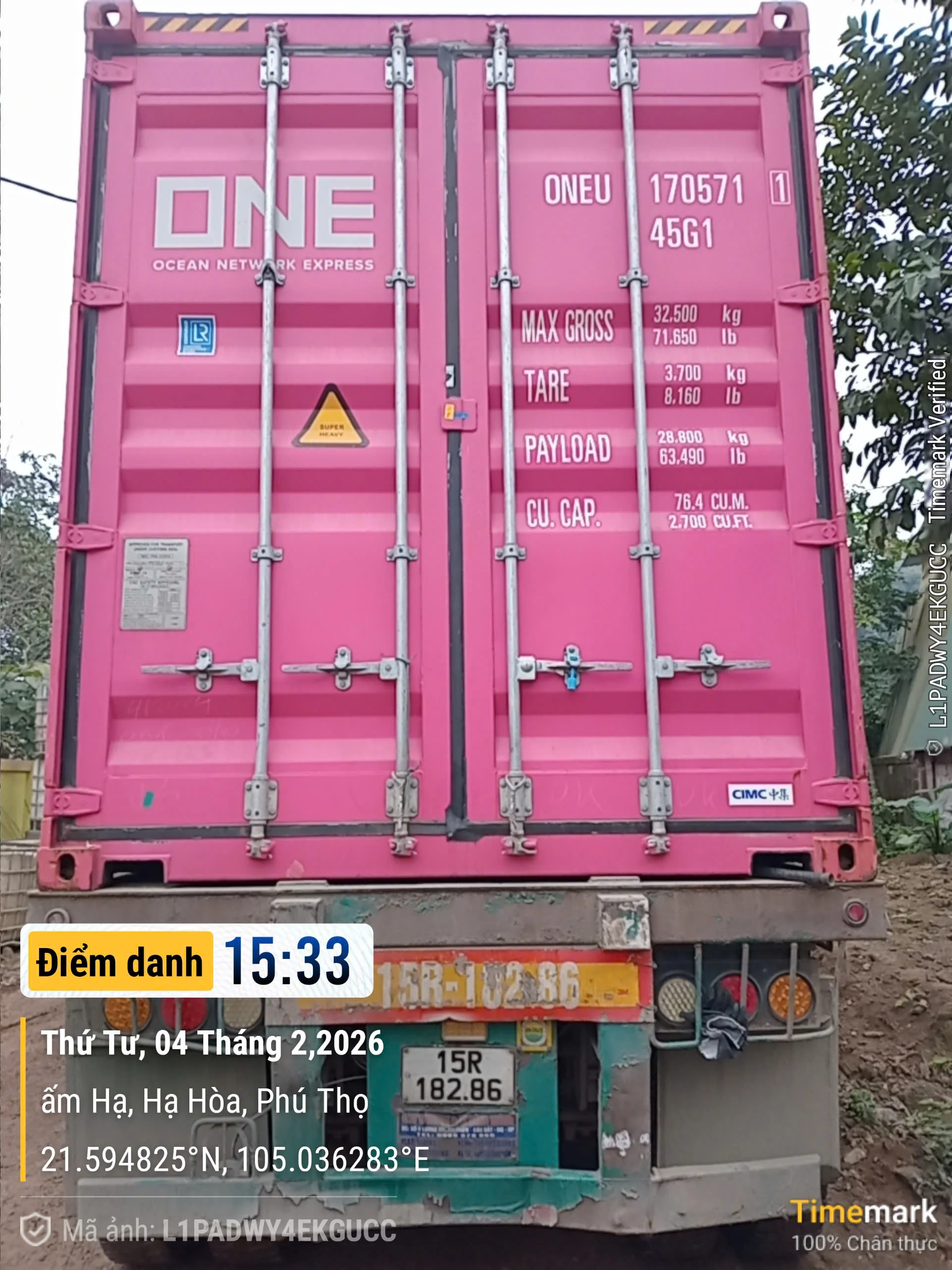
Request FOB and CIF quotes from HCPLY — factory-direct pricing, full export documentation
✅ Conclusion
FOB and CIF are not interchangeable — they represent two different approaches to who manages the ocean freight leg of your plywood import.
FOB gives you cost transparency, freight control, and direct carrier relationships. It is the right choice for any buyer who places regular orders and has a freight forwarder.
CIF offers convenience at a price premium. It is the right entry point for first-time buyers who need a single quoted price and haven’t yet built a freight network.
The practical recommendation: start CIF on your first order to keep the logistics simple. Use that order to establish a relationship with a freight forwarder familiar with Vietnam-origin shipments. From the second order, switch to FOB and compare the full cost picture.
HCPLY quotes both Incoterms on every order. Contact our team to receive a comparative FOB and CIF quote — no commitment required.