
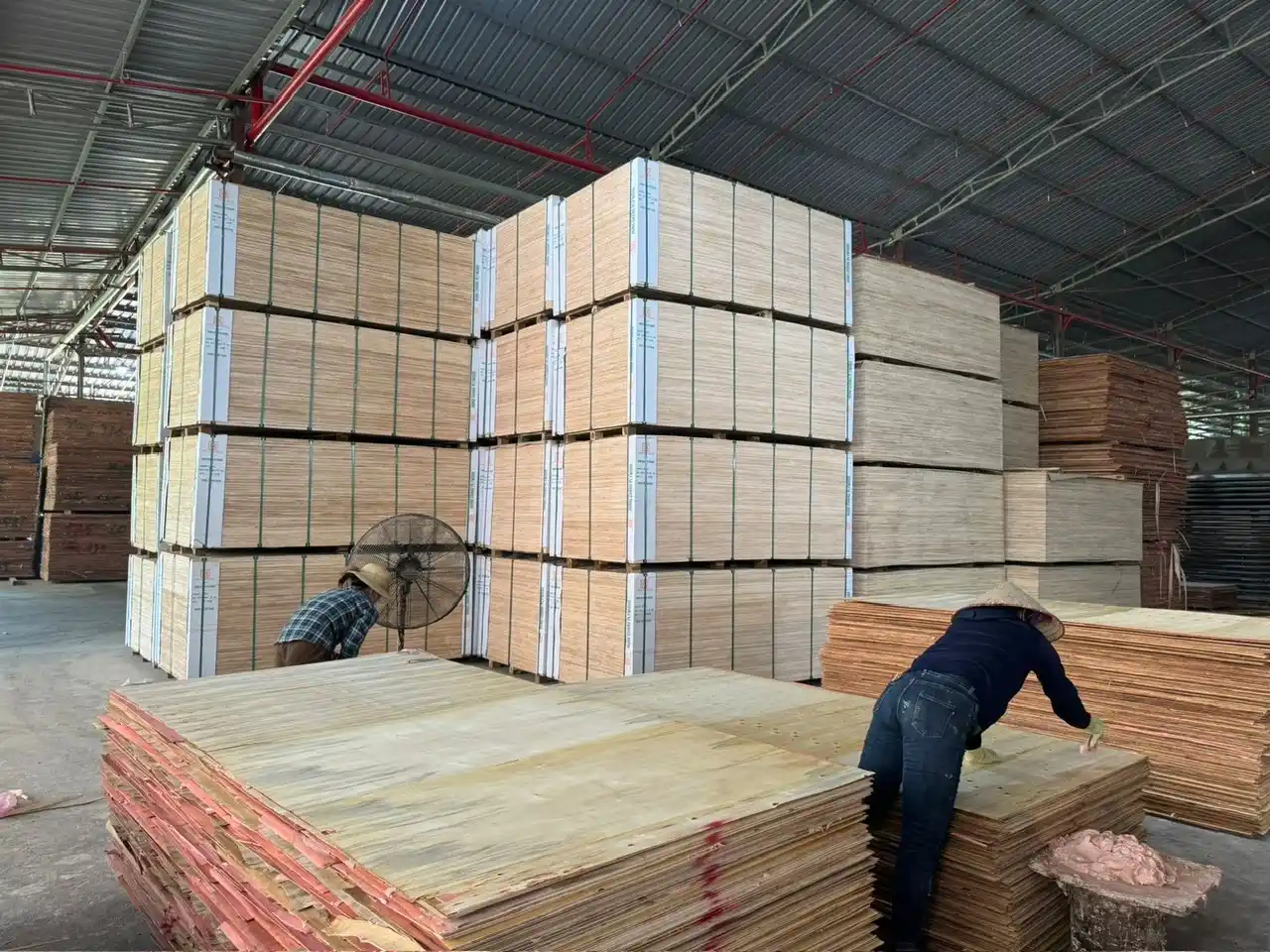
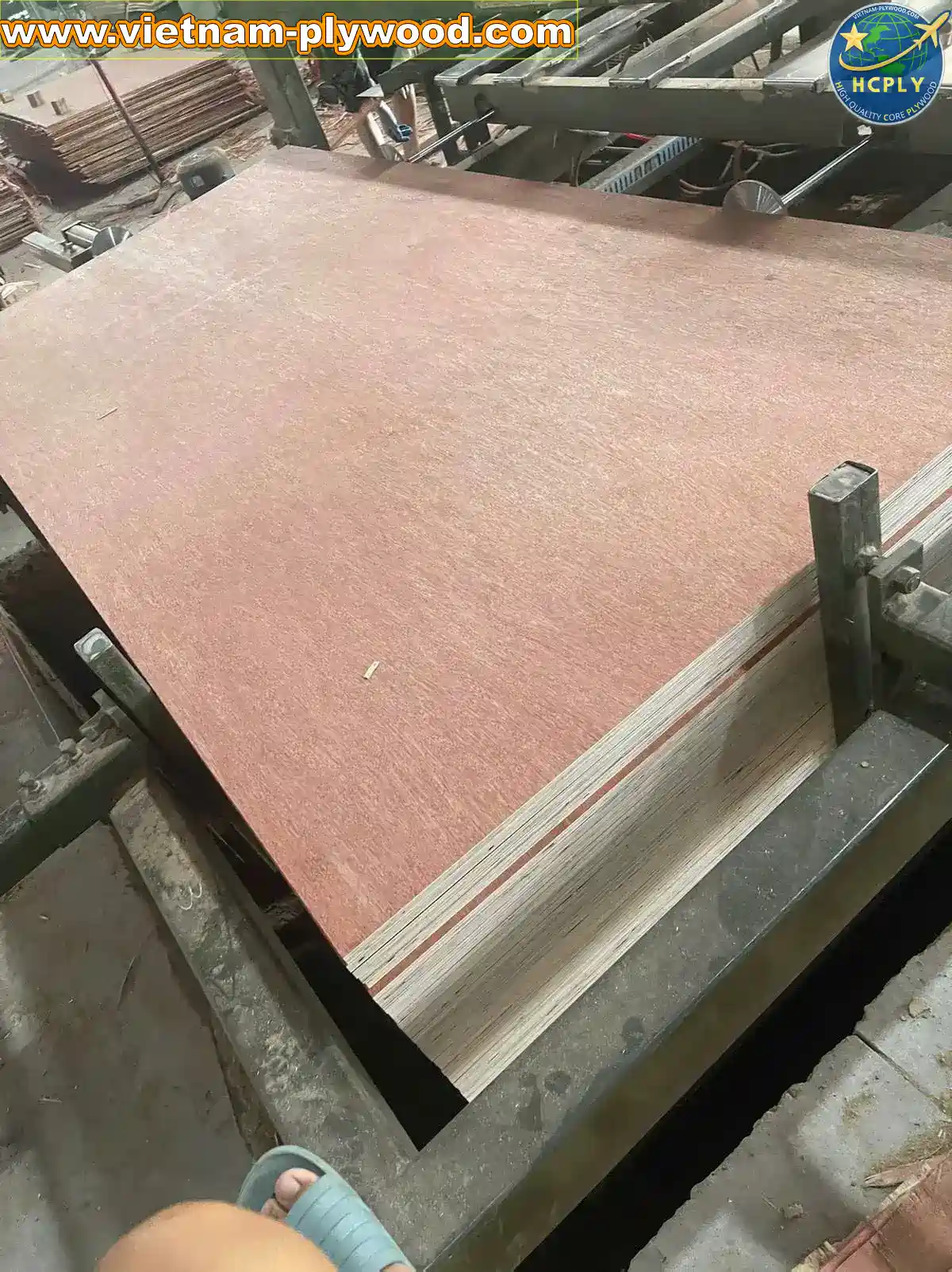
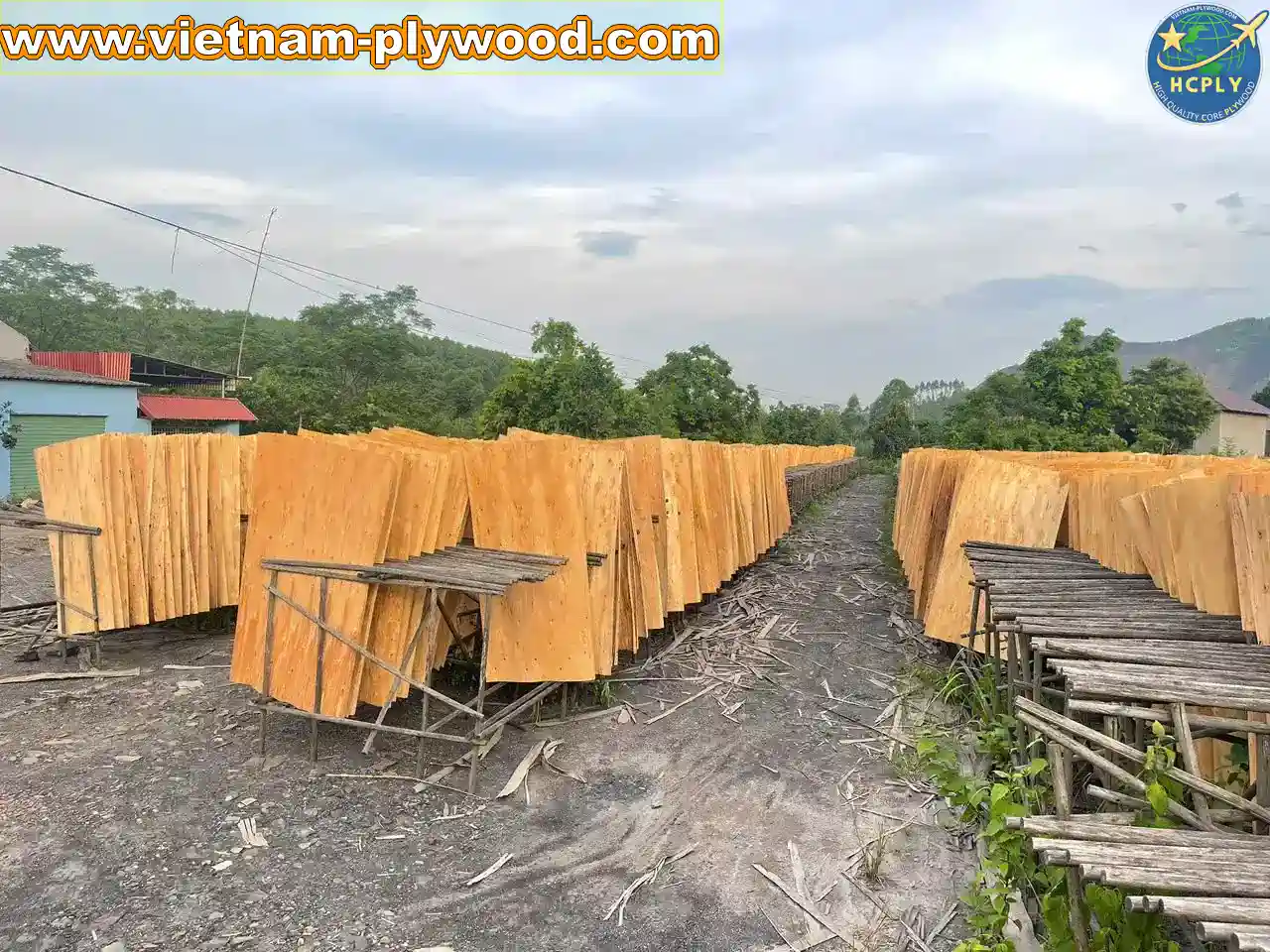

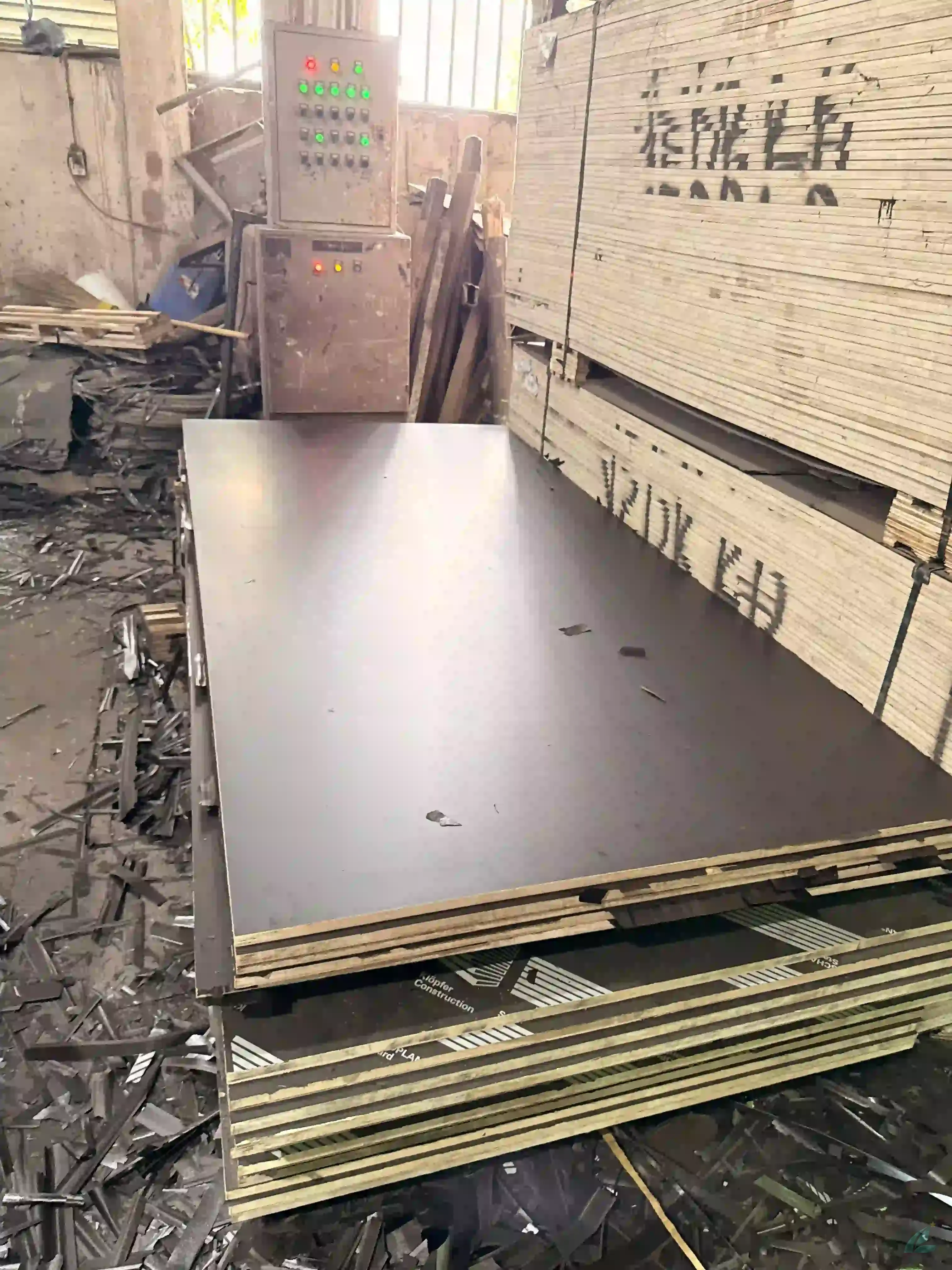
Film faced plywood from Vietnam ships to construction sites in the Middle East, Europe, Korea and Southeast Asia. Northern Vietnam’s plantation eucalyptus and acacia give a dense core, and the mills can build panels to a buyer’s film, glue and reuse target at competitive FOB prices.
But Vietnamese film-faced suppliers are not all equal. This guide explains what separates premium construction panels from budget ones, what to write into your purchase order, what European buyers now ask for, and how to evaluate an exporter.
2026 Update: What Formwork Buyers Now Specify
Two things changed for film-faced buyers this year: the paperwork around the panel, and how detailed European specifications have become.
Rules that apply in 2026
| Market | Rule | What it means for a film-faced order |
|---|---|---|
| EU | EUDR applies from 30 December 2026 to plywood importers; only other micro/small operators have until 30 June 2027. | Film-faced plywood is plywood (ex 4412). The mills supply a dossier with plot geolocation (GeoJSON) for the core species; Vietnam is low risk under Implementing Reg. (EU) 2025/1093. See EUDR for Vietnam plywood exporters. |
| EU | CE marking under EN 13986 for construction products | Ask for the CE / DoP documents where the panel is sold as a construction product in Europe. |
| EU | PPWR (Reg. (EU) 2025/40) applies from 12 August 2026 | Concerns the packaging, not the panel. SGS reports exist for the packaging materials tested. |
| US | AD/CVD case on hardwood and decorative plywood from Vietnam: final determinations 21 July 2026; ITC injury vote 9 September 2026; order not published as of 2 October 2026 | Phenolic film-faced plyform and structural PS 1/PS 2 panels were listed outside the case scope. Confirm the final scope with your customs broker. |
| All | ISPM 15 | Plywood is processed wood and outside ISPM 15. Solid-wood pallets, battens or dunnage shipped with it are inside ISPM 15. |
The detailed European spec sheet
Polish and other European formwork buyers now ask for far more than “18 mm black film”. Expect, and prepare, answers on:
- ply count per thickness, and core veneer thickness before pressing;
- core density;
- film manufacturer and film weight (g/m²);
- bending strength and stiffness (MOR/MOE) to EN 310;
- slip resistance by pendulum test (EN 16165), for anti-slip panels;
- CE marking and factory production control under EN 13986;
- Taber abrasion results;
- edge sealing (paint) colour and method;
- maximum container weight — some buyers cap a 40HC at, for example, 26 tonnes.
⚠️ Important: Questions to clear before quoting: a “premium phenolic” request on an AB or loose-laid core; a boil-test hour figure with no method; and a fixed reuse guarantee with no site conditions. Each of these signals a mismatch that should be resolved before production.
What Is Film Faced Plywood?
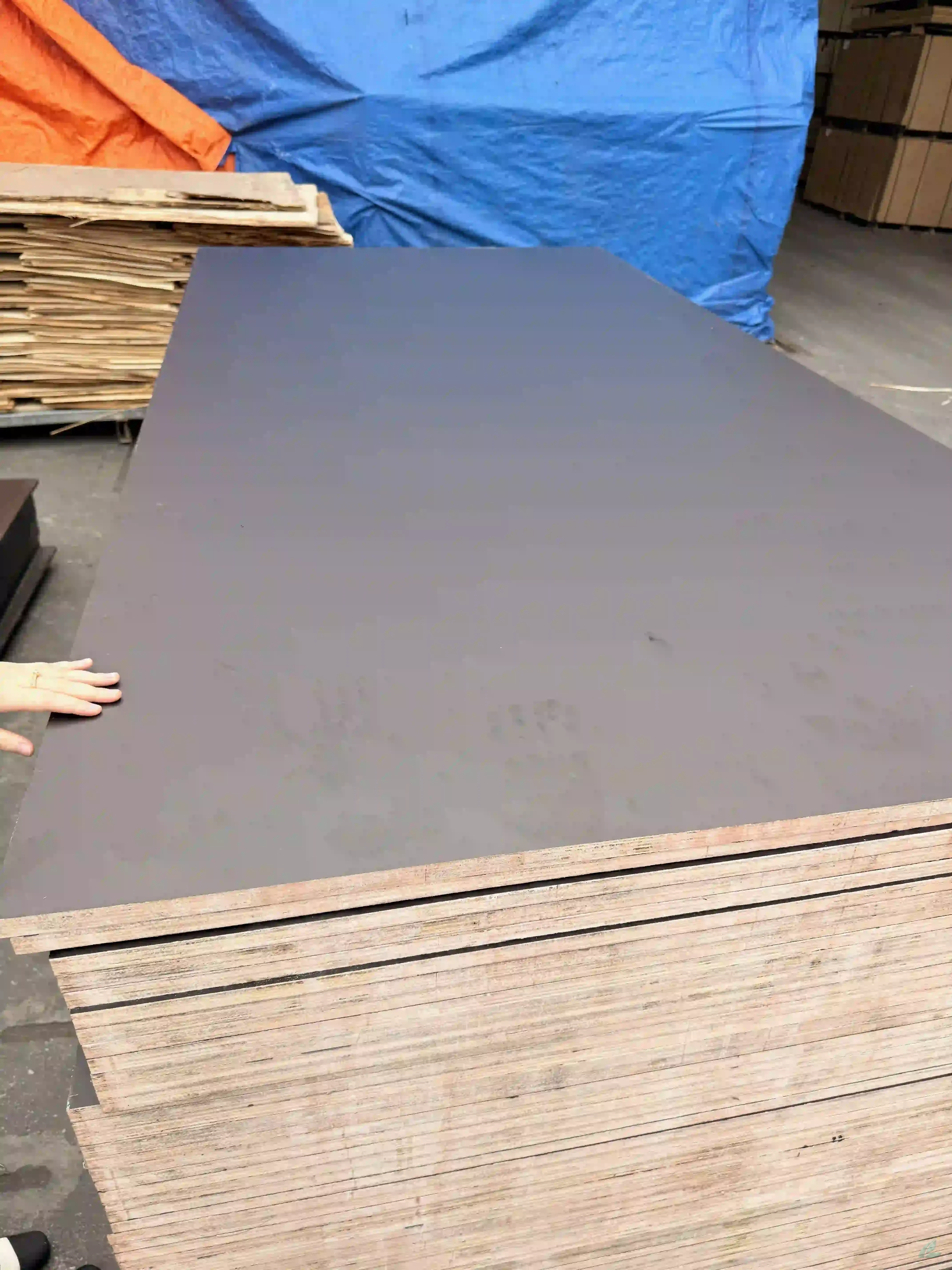
Film faced plywood is a panel with a resin-impregnated film bonded to both faces under heat and pressure. The film gives a sealed, non-absorbent surface that resists moisture, concrete alkali and abrasion.
The core is plantation hardwood from northern Vietnam — only acacia or eucalyptus is used for film-faced and anti-slip panels. The glue is either phenolic (WBP) or melamine, depending on the reuse target and budget. Phenolic glue is the traditional choice for the 72-hour boil test; melamine glue in a well-run process also gives good reuse at a lower price. A 72-hour boil is a traditional test (IS 710, BS WBP), and on its own it does not prove marine grade or EN 314-2 Class 3. See the guide to plywood glue types and emission standards for the WBP vs MR comparison.
The result is a panel that can be stripped from concrete, cleaned and reused many times on a project — how many depends on configuration and handling, as the next section explains.
Film Faced Plywood Specifications — What to Specify in Your PO
Specifying correctly prevents the most common import problem: panels that meet a loose “film-faced” description but fail on site after a few pours.
Film Weight, Glue and Reuse
Film weight matters, but reuse comes from the whole build: core grade, joining, glue, pressing and film.
| Configuration | Film weight | Typical reuse (correct site use) |
|---|---|---|
| Budget: acacia AB core, not stitched | ~120 g/m² | about 6 |
| Standard: grade A core, melamine glue | 120–135 g/m² | about 12–15 |
| Premium: grade A core, phenolic glue | from 135 g/m² | up to about 25 |
| Anti-slip overlay (flooring, decks) | ~220 g/m², patterned | — (graded by slip resistance) |
Film brand, weight and colour are order specifications. A buyer who asks for a high melamine percentage to reach a reuse target is focusing on one input; mills reach the same target through the full process — core quality, pressing and a 135 g/m² film — often at a better price. Reuse is always a target tied to site conditions: transport, storage, release agent and edge sealing.
For a film-brand comparison, see Dynea vs AICA film plywood.
Core Species and Density
The core sets panel weight, stiffness and container load.
- Eucalyptus core (650–750 kg/m³): heaviest and stiffest. Preferred for high-load formwork and slab shuttering. A 40HC takes 15 pallets — about 43 m³ of premium film-faced panels.
- Acacia core (~580 kg/m³): lighter and more cost-effective. Suited to standard wall formwork. A 40HC takes 16 pallets — about 47 m³.
⚠️ Important: Film faced plywood is named after its overlay, not the wood underneath. The core is always a plantation hardwood — eucalyptus or acacia — never a decorative face species.
Thickness Range
| Thickness | Primary Application |
|---|---|
| 12 mm | Light-duty shuttering, secondary formwork |
| 15 mm | Slab formwork (close joist spacing) |
| 18 mm | Standard wall and column formwork |
| 21 mm | High-load, heavy construction |
Thickness tolerance for film-faced panels is ±0.5 mm; length and width ±2 mm. Film-faced panels are not sanded.
Sheet Size
- 1220 × 2440 mm (4 × 8 ft) — standard for most construction markets
- 1250 × 2500 mm — metric size preferred in Europe and Korea
- Custom sizes up to 1250 × 2500 mm (for example 1220 × 2500); larger panels such as 1500 × 3000 mm are not produced — cut from standard sheets instead
Black Film vs Brown Film — Which Should You Order?
This is the most common question from first-time buyers.
Film colour is an order specification, chosen alongside the film brand and weight. Black film is widely used in Korea, Japan and many European projects; brown film is common in the Middle East, Southeast Asia and general commercial projects.
In practice, at the same film weight and on the same core and glue, colour is not what decides performance. The critical variables are film weight, glue system, core grade and pressing.
💡 Tip: If your contractor specifies “black film”, confirm whether they mean the colour or a particular film product and weight. Many site managers say “black” because that is what they have used before.
Top Applications for Film Faced Plywood from Vietnam
Concrete Formwork (Primary Use)
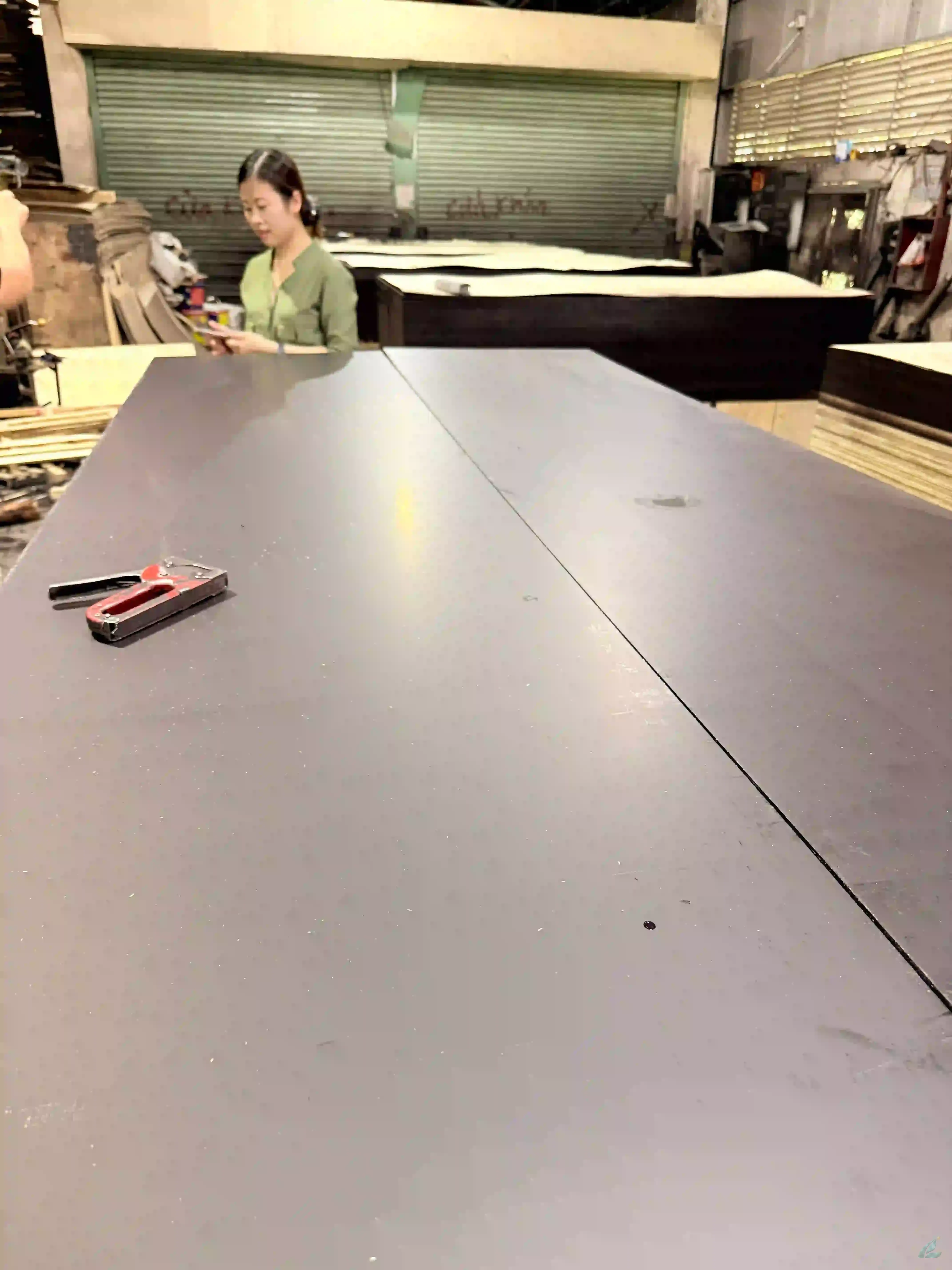
Concrete formwork is the dominant use. Film-faced panels form the mould for poured concrete in:
- walls and columns (vertical formwork);
- floor slabs and beams (horizontal/soffit formwork);
- tunnel and bridge shuttering (heavy civil);
- precast concrete element production.
For full formwork specifications, see the concrete formwork plywood specification guide.
Truck and Trailer Flooring
Truck bed flooring needs a high-density core, a smooth surface and a water-resistant glue. Eucalyptus-core 18 mm or 21 mm panels are the usual specification. The film surface resists moisture and wear from loading equipment.
Container Flooring Base
Film-faced plywood is used as a base layer in shipping container floors, beneath the top decking. A water-resistant glue prevents delamination in the humid conditions of ocean transit.
Scaffolding Platforms and Work Decks
Where grip matters more than smooth concrete release, anti-slip plywood is the standard choice: a ~220 g/m² patterned overlay on an acacia or eucalyptus core. In some markets smooth film-faced panels are used as decking with grip added separately.
Agricultural and Marine-Adjacent Applications
Humid environments — fish farming structures, coastal construction — need water-resistant glue and a cleanable surface. Seal cut edges on site, because the edge is where moisture enters.
Vietnam vs China Film Faced Plywood — A Buyer’s Comparison
Buyers often compare Vietnamese and Chinese film-faced plywood. The fair comparison is specification by specification, not country by country.
| Factor | Vietnam | China (typical export grade) |
|---|---|---|
| Core species | Eucalyptus or acacia only | Often poplar or mixed hardwood — verify per supplier |
| Core density | ~580 (acacia) to 650–750 kg/m³ (eucalyptus) | Verify per supplier |
| Glue | Phenolic (WBP) or melamine, stated per order | Varies — verify per supplier |
| Film weight | ~120–135 g/m² standard, from 135 g/m² premium | Verify per supplier |
| Production time | 15–45 days after deposit | Verify per supplier |
| EU anti-dumping duty | Not applicable to Vietnamese-origin panels | Reg. (EU) 2025/2333 imposes 86.8% on most exporters of hardwood plywood within its Article 1(1) scope — check whether your product falls inside it |
The density difference matters for structural use. A denser eucalyptus core gives more stiffness — important for slab and heavy formwork, where panel deflection affects the concrete surface.
When European contractors specify formwork plywood, they ask for density and film weight first, not country of origin. That is the right order: compare the build, then the price.
For the wider comparison, see Vietnam vs China vs Indonesia plywood sourcing.
How to Evaluate Film Faced Plywood Vietnam Suppliers
Vietnam has several hundred plywood exporters, many of them trading companies rather than mills. Here is how to check what you are buying.
Ask for a video from the mill
A genuine film-faced mill can show you:
- the hot press with film being laid up;
- your brand or specification being marked on panels in production;
- the QC area with thickness gauges and boil-test samples.
Check certificates with the issuing bodies
- FSC certificate: check the certificate code via fsc.org.
- ISO 9001: check the certification body’s online registry.
- CE / DoP (EN 13986): where the panel is sold as a construction product in Europe.
⚠️ Note: Certificates belong to the mill that produces the panel. Check that the certificate holder is the mill making your order, and that any FSC claim appears on the sales documents for your shipment.
Understand the pricing structure
Mill-direct exporters do not carry the 8% domestic VAT that applies when a trading company buys from a mill and resells. A genuine mill-direct FOB price is typically USD 8–15/m³ lower than a trading company’s FOB price for the same specification. If a supplier cannot explain its price structure, look further.
Get mill-direct pricing for film faced plywood
Container Loading — Film Faced Plywood 40HC
Knowing how film-faced plywood loads into a 40HC helps you calculate landed cost before requesting a quote.
For premium film-faced panels, 1220 × 2440 mm:
| Core | Pallets per 40HC | Volume per 40HC |
|---|---|---|
| Eucalyptus | 15 | ~43 m³ |
| Acacia | 16 | ~47 m³ |
Pallet stacks are about 1,000 mm high (970 mm for eucalyptus), and the 28.5 MT payload limit is reached before the container is full by volume. If your market caps container weight lower, tell the supplier at quotation stage. For the method by thickness and core, see the plywood container packing calculation guide, or use the packing calculator.
What to Look for in a Film Faced Plywood Supplier
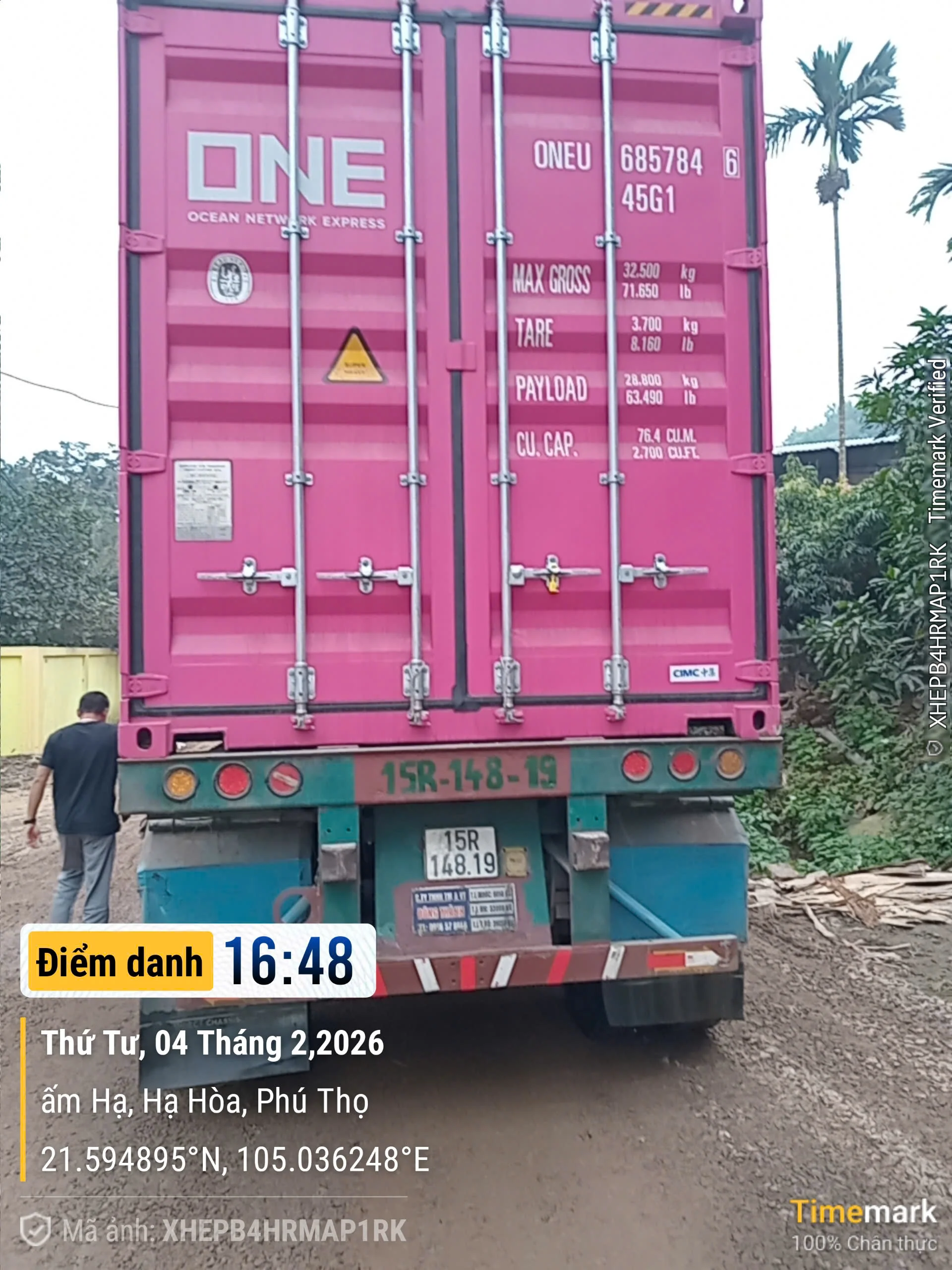
HCPLY works with a specialised premium film-faced mill in northern Vietnam that builds construction panels with:
- grade-A eucalyptus or acacia core from plantation forests in Phu Tho province;
- film from 135 g/m² for premium grades, with brand, weight and colour per order;
- phenolic or melamine glue, chosen against the buyer’s reuse target;
- on-site QC with thickness and film-adhesion checks before every container load.
Each shipment carries the standard document set: commercial invoice, packing list, bill of lading, certificate of origin (EUR.1 for EU lots), fumigation, insurance on CIF terms, and the certificate documents for the order — FSC claim, ISO 9001, CE / DoP where applicable, test reports for the agreed configuration — plus the EUDR dossier for EU lots. Certificates are issued to the producing mill. Certificate files are sent before the order is confirmed; draft shipping documents follow packing for approval.
Standard commercial terms: MOQ one 40HC; 15–45 days of production after the deposit; 30% deposit and 70% against a B/L scan by T/T, or irrevocable L/C at sight; FOB Haiphong, CFR or CIF.
Request a sample and FOB price quote
Related reading:
- For specs, see film-faced plywood technical specifications.
- For pricing, read the film-faced plywood price guide.
- For the build, see the film-faced plywood manufacturing process.
Disclosure: This article is published by HCPLY, a Vietnam-based plywood export operator working with specialised partner mills. While we aim to provide objective industry guidance, readers should consider our perspective as a market participant when evaluating recommendations.
Related Resources
- Film Faced Plywood Vietnam — Product Page & Full Specifications
- Concrete Formwork Plywood: Complete Specification Guide
- Plywood Glue Types & Emission Standards — WBP vs MR Explained
- Types of Plywood from Vietnam — Complete Classification Guide
- Plywood Container Packing Calculation — 40HC Factory Tables