
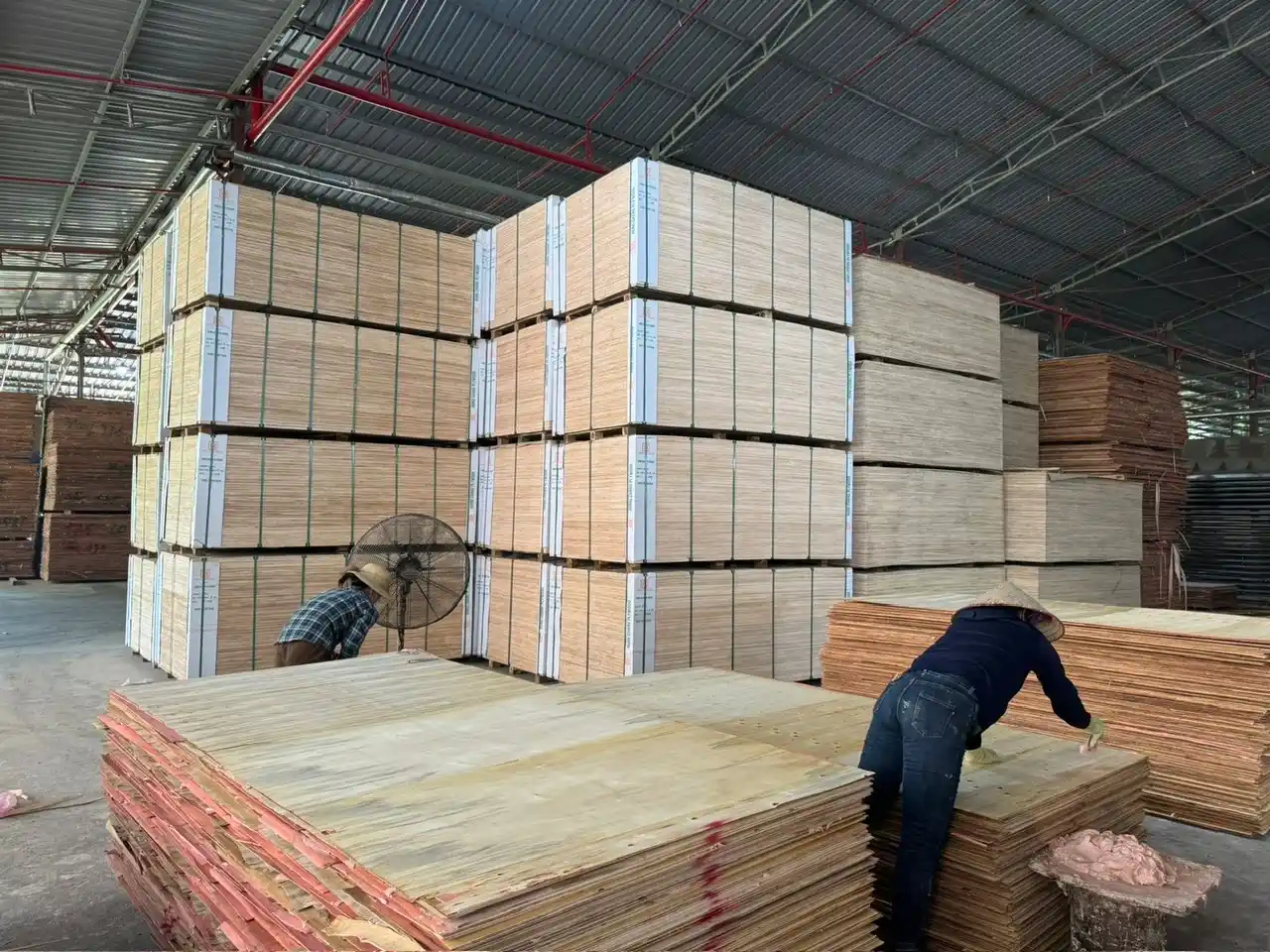
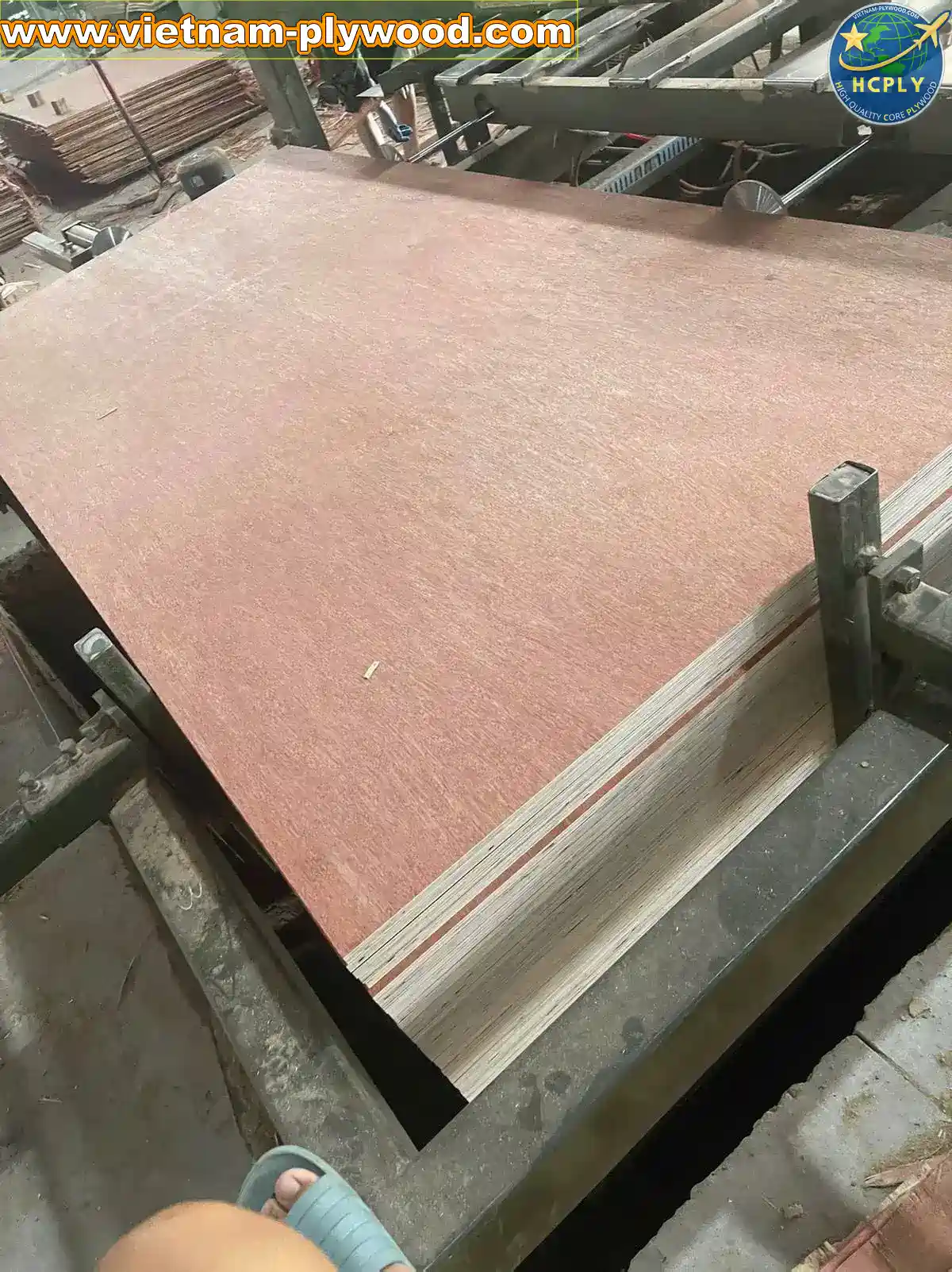

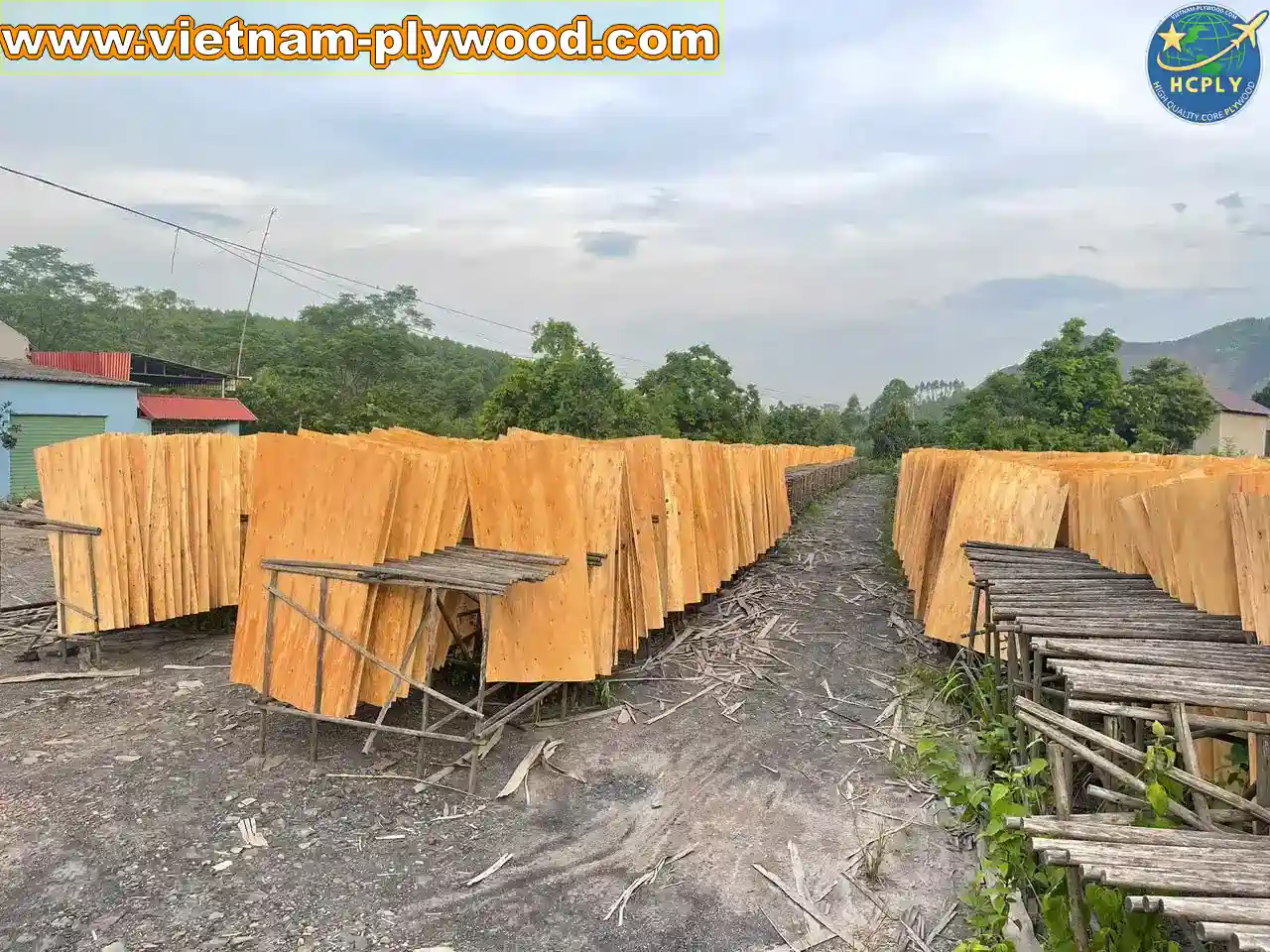


“WBP” gets typed onto a lot of quotes and proven on very few. It is a meaningful claim — Water Boil Proof points to a phenolic glue line built for wet and exterior use — but the word alone protects no one. For construction, formwork and marine applications, the value is in the boil-test report behind the label, not the label itself.
This guide sets out what a WBP certificate covers and what to request. Read it with our phenolic WBP waterproof plywood explainer and the glue types and emission standards guide.
The cost of getting this wrong is on the job site, not the invoice. A panel that delaminates mid-pour ruins the concrete finish and the schedule, and the saving on a cheaper “WBP” sheet disappears in a single failure. That is why a buyer specifying waterproof plywood should treat the certificate as a test result to verify, not a box to tick.
What WBP actually means
WBP stands for Water Boil Proof. It points to a phenolic (WBP) glue line designed to survive prolonged exposure to water and heat. The standard proof is a boil test: panels are boiled — commonly for 72 hours — and then checked for delamination at the glue line. A WBP certificate documents that test and its result.
WBP is a glue class, not an emission grade
A frequent mix-up: WBP and E0/E1/E2 describe different things. WBP (phenolic) and MR (melamine) are glue classes — they describe water resistance and bonding. E0, E1 and E2 are emission grades — they describe formaldehyde release. A construction panel can be WBP with no emission grade quoted, because emission grades are mainly relevant to indoor furniture. Keep the two fields separate on the specification.
Where WBP belongs
Phenolic WBP glue is the right call for construction plywood, concrete formwork, marine and any application exposed to moisture. It is also the bond used under film-faced panels, where eucalyptus and acacia cores carry repeated concrete pours. For furniture and indoor cabinetry, melamine (MR) is normally sufficient, and the emission grade (E0/E1) becomes the more important field. Our film-faced plywood page covers the construction range.
What to request instead of just “WBP”
Ask for the evidence, not the abbreviation:
- Glue confirmation — phenolic (WBP), stated explicitly.
- Boil-test report — the hours tested and the delamination result.
- Application — what the panel is rated for.
- For film-faced — film type and expected reuse count.
A factory-direct Vietnam plywood manufacturer produces these from its own records; a reseller usually cannot.
Pair WBP with the right build
A WBP bond on the wrong core or face still disappoints. For formwork, the core species and face film decide reuse life as much as the glue. Confirm the full build — face, core species, glue class (WBP), thickness and tolerance — so the boil-test result reflects the panel you will actually receive. See how we check builds on the quality control page.
How the boil test actually works
Understanding the test makes the certificate easier to read. Samples cut from the panel are submerged in boiling water for a set period — commonly 72 hours in the demanding version, with shorter cycles used for less critical grades — then examined at the glue line for delamination. A genuine phenolic (WBP) bond holds; a weaker bond opens up. The report should state the hours tested and the result plainly. If a supplier offers “WBP” but cannot say how many hours the panel was boiled or show the result, the claim is unverified. The number of hours is the detail that separates a real WBP panel from a panel simply labelled one.
Why factory-direct WBP is more reliable
A WBP bond is made on the press, so it is only as consistent as the line that produced it. Phenolic bonding needs the right resin, the right press temperature and steady throughput; cut any of those and the bond can fail the boil test even under a WBP label. A factory-direct Vietnam plywood manufacturer that runs its own press can hold those conditions and produce the boil-test report from its own records. A reseller buying finished panels cannot vouch for a press it does not operate, which is why WBP claims from middle layers deserve extra scrutiny. For construction and formwork, where a failed bond means a failed pour, that difference is worth paying attention to.
A clean WBP request
Put it on the proforma: phenolic (WBP) glue, boil-test report reference, application rating, core species, and — for film-faced — film type and reuse expectation. The certificate should describe the panel you ordered, not a generic sample. To request a WBP boil-test report for your specification, send it through our contact page.