

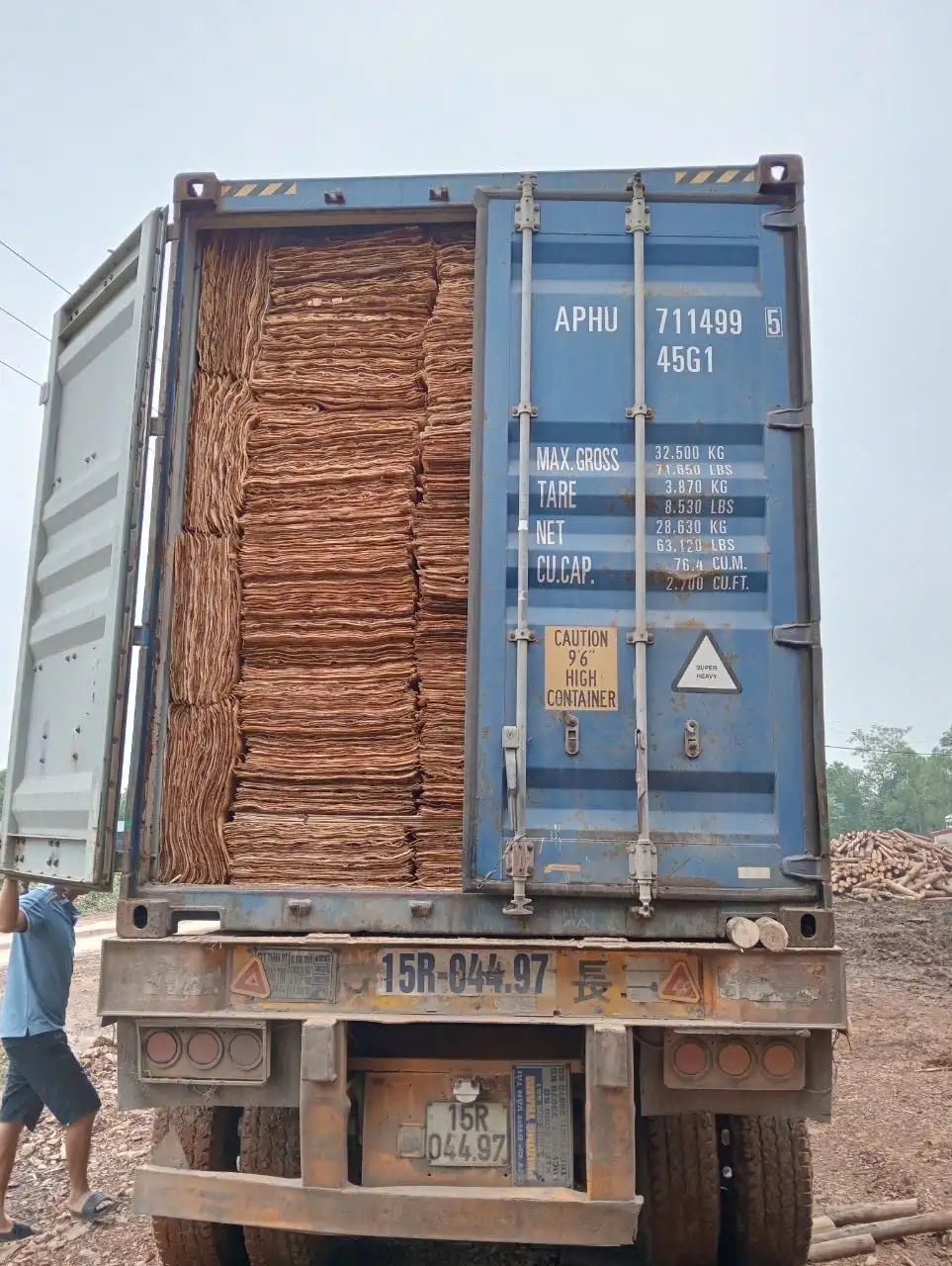
Only one in five plywood factories in Vietnam is genuinely equipped to produce CARB P2 certified panels. The rest export to price-sensitive markets where emission standards are lower — and some will claim CARB P2 compliance without the TPC audit that makes it legally verifiable. For US-bound plywood buyers, choosing the wrong factory means detained shipments, EPA enforcement exposure, and the cost of reworking or destroying non-compliant stock.
This guide cuts through the factory market in Vietnam to explain what separates a credible CARB P2 facility from a paper-certified one, which product types are actually certifiable, and what documentation to require before signing a purchase order.
📋 Why CARB P2 Certification Separates Factories by Segment
CARB P2 — the California Air Resources Board Phase 2 standard — sets a maximum formaldehyde emission of 0.05 ppm for hardwood plywood, tested under ASTM E1333 or D6007 (US EPA, 2019). Since March 2019, TSCA Title VI extended this limit to all US states, not just California. Every hardwood plywood sold or imported into the United States must now comply.
Meeting 0.05 ppm is not a paperwork exercise. It requires:
- Low-emission adhesives: Standard urea-formaldehyde (UF) resins used in commercial and packing-grade factories typically produce emissions above E1 (1.5 mg/L). CARB P2 production requires melamine-urea-formaldehyde (MUF) or low-mole-ratio UF — more expensive adhesives with tighter formulation control.
- Precision hot-press management: Temperature, pressure, and press time must be calibrated to fully cure the adhesive. Incomplete curing raises post-press formaldehyde release. This requires automated control systems and continuous monitoring logs — not manual press operations.
- Moisture control across the production line: Core veneer moisture must stay at 6–8% before pressing. Excess moisture delays adhesive cure and increases long-term formaldehyde migration. Factories without industrial dryers and real-time moisture monitoring cannot reliably produce CARB P2 panels.
- Quarterly TPC audits: Third-Party Certifiers recognized by CARB and the US EPA conduct quarterly facility inspections and oversee routine QC testing. This is an ongoing cost and operational discipline, not a one-time certification.
Commercial-grade and packing-grade factories — which produce the majority of Vietnam’s plywood volume — do not invest in these inputs. Their production is optimized for E1/E2 markets in Southeast Asia, Africa, and the Indian subcontinent.
⚠️ Important: A factory offering “CARB P2-equivalent” or “low-emission” plywood without a TPC number is not CARB P2 certified. TSCA Title VI requires factory-level TPC certification, not product-level self-declaration. “Equivalent” claims have no regulatory standing for US customs purposes.
🏭 What Production Segment Achieves CARB P2 in Vietnam
Vietnam’s plywood industry divides into four factory types based on product segment and market target (see the Vietnam plywood factory types guide for full segmentation detail). Only one segment reliably achieves CARB P2:
| Factory Type | Core | Glue | Emission | CARB P2 Possible? |
|---|---|---|---|---|
| Premium Furniture | Styrax / Eucalyptus | MUF / Melamine | E0 / CARB P2 | Yes |
| Commercial / Packing | Acacia | Standard UF | E1 / E2 | No |
| Premium Film-Faced | Eucalyptus / Acacia | Phenolic WBP | WBP (construction) | Conditional |
| Budget Film-Faced | Acacia | Melamine blend | E2 | No |
The premium furniture segment is the only category in Vietnam consistently capable of CARB P2 production. These factories use styrax core (480–500 kg/m³) — the lightweight Vietnamese equivalent of birch core used in European production — or eucalyptus core (650–750 kg/m³) for denser, higher-strength applications.
Film-faced plywood (phenolic WBP) is a special case. Phenolic resin is inherently low in free formaldehyde, and film-faced panels tested under ASTM E1333 typically fall well below 0.05 ppm. However, film-faced plywood is construction-use, and US importers rarely need formal CARB P2 TPC documentation for it — the material application exempts it from the ATCM scope in most cases. Verify with your customs broker.
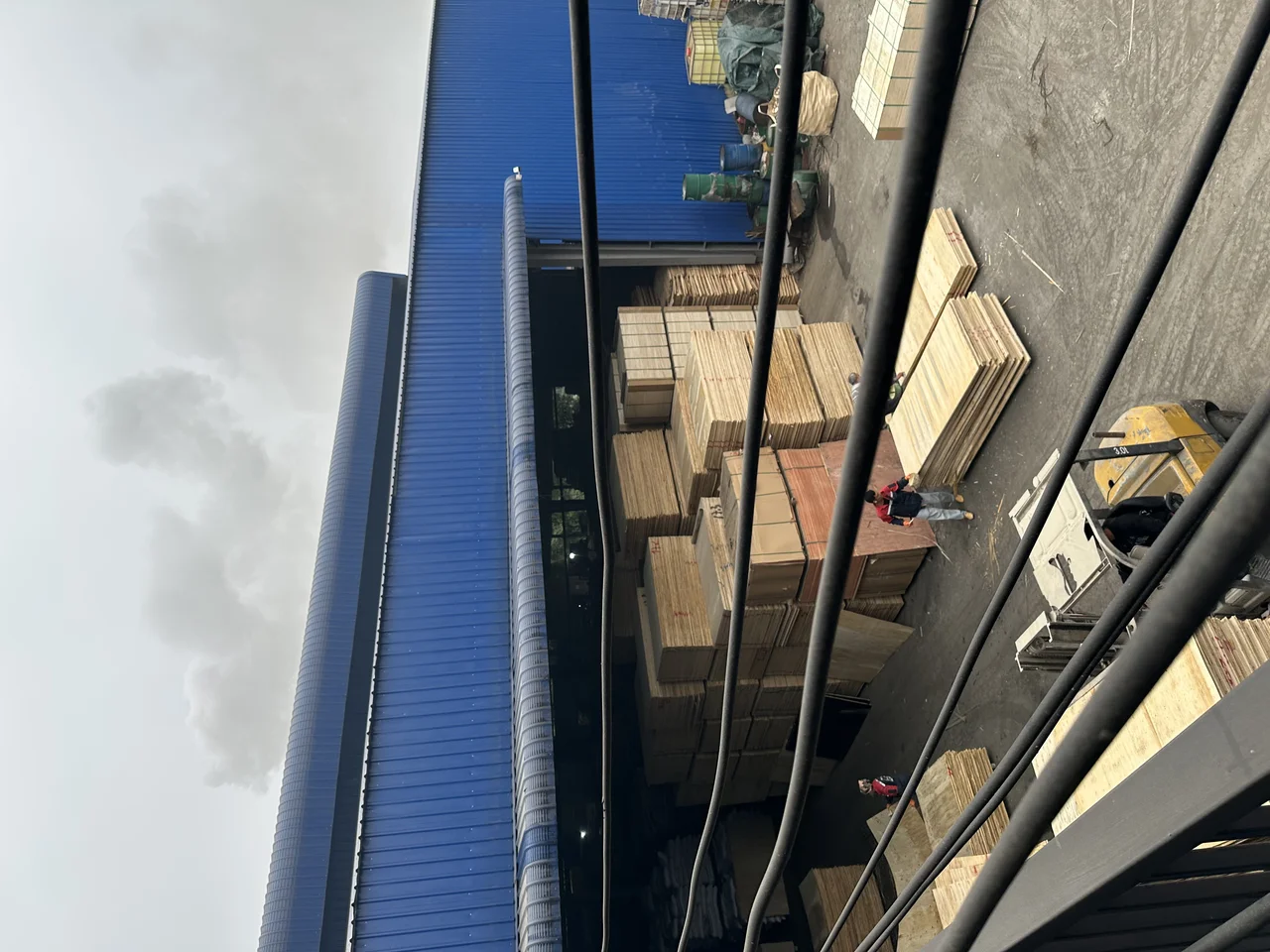
The premium furniture segment also has a distinct core construction standard. CARB P2 factories use full-stitched core construction — all veneer layers sewn together with no gaps, no overlaps, and no loose-laid sections. This affects not only structural performance but adhesive distribution consistency, which directly impacts formaldehyde emission uniformity across the panel (HCPLY production data, 2026).
📊 How to Evaluate a Vietnam Factory’s CARB P2 Credentials
The most common mistake buyers make is accepting a factory’s CARB P2 claim at face value. Vietnam has hundreds of factories that describe themselves as CARB P2 capable. Verifying the claim takes four documents — and only four.
- TPC Certificate
Ask for the certificate from their Third-Party Certifier. The document must show:
- The TPC’s name (SGS, UL Solutions, Intertek — these are the three main TPCs with operations in Vietnam)
- The factory’s legal name and address matching the exporting entity
- A certificate number and an explicit validity period (certificates require renewal with continued quarterly audits)
If the certificate shows a consultancy, a local testing lab, or an organization you cannot find on the CARB or EPA TPC registry, it is not a valid CARB certification.
- Lab Test Report
The test report must specify:
- Testing laboratory name, with ISO 17025 accreditation status
- Test method: ASTM E1333 (large chamber, primary method) or ASTM D6007 (small chamber, accepted with E1333 correlation)
- Result: ≤0.05 ppm formaldehyde
- Test date within the last 12 months
Do not accept a test report without the lab name or accreditation details. A factory can commission any lab — accreditation confirms the result is verifiable.
- Panel Labels
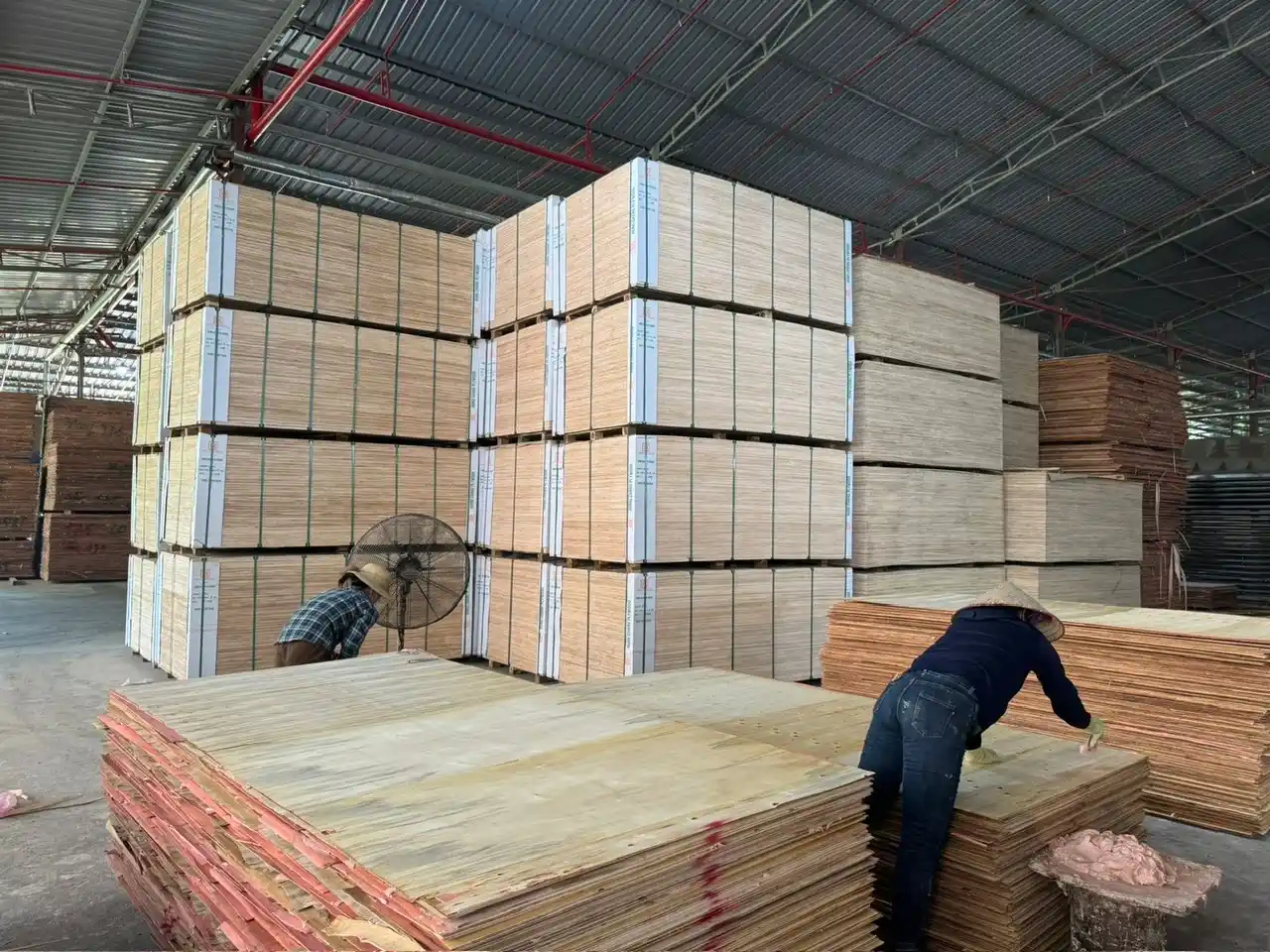
Request photographs of bundled panels ready for shipping. Each bundle or panel must carry the TPC number printed or stamped directly on the wood or the wrapping label. This physical label is what US customs inspectors look for — and what an importer must produce if compliance is challenged.
- TSCA Title VI Compliance Statement
The commercial invoice template the factory provides for US orders must include the statement: “These products are TSCA Title VI compliant.” This is the importer’s legal declaration to US customs. A factory unfamiliar with this statement has not shipped to the US before.
“When buyers ask me for CARB P2 documentation, I send the TPC certificate, the latest quarterly test report, and a sample invoice with the TSCA statement. If a supplier cannot produce all three within 24 hours, that is your answer.” — Lucy, International Sales Manager, HCPLY
🪵 Which Plywood Products Are CARB P2 Certifiable from Vietnam
Not all plywood types exported from Vietnam can carry CARB P2 certification. Certification applies to the panel — meaning the adhesive chemistry, core construction, and production process — not just the face veneer.
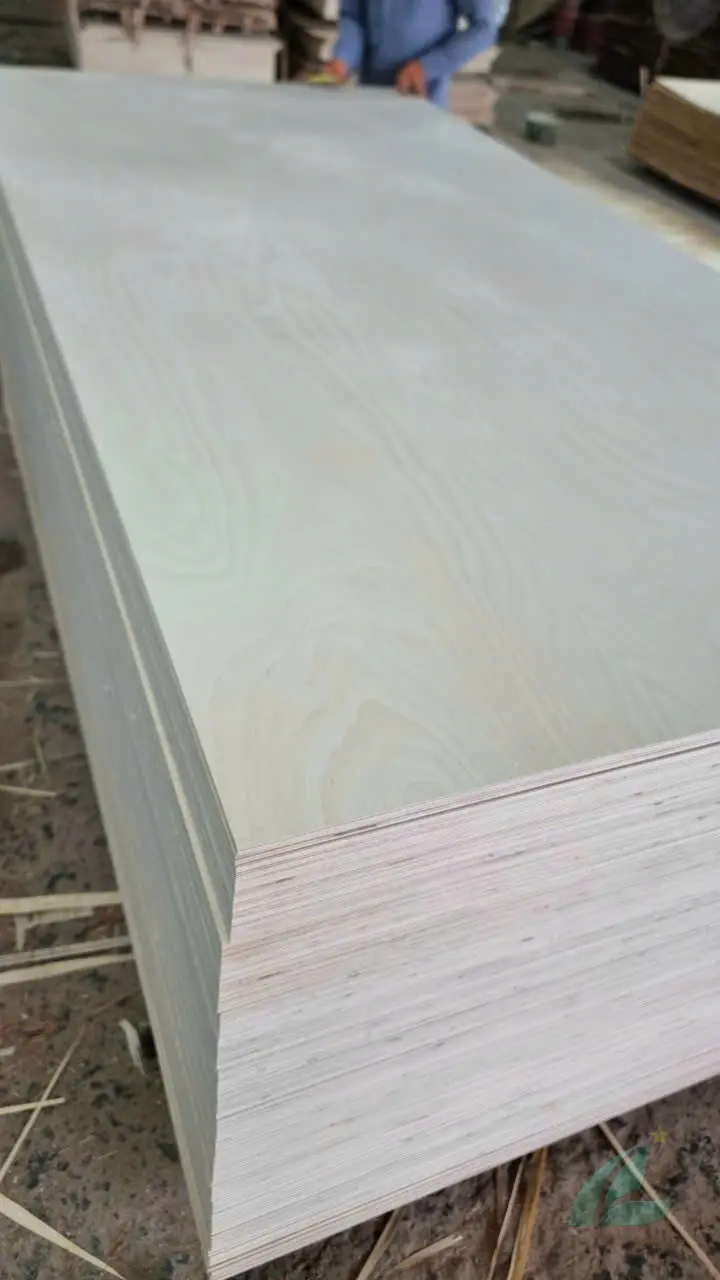
Face veneer options available with CARB P2 certification from premium Vietnam factories:
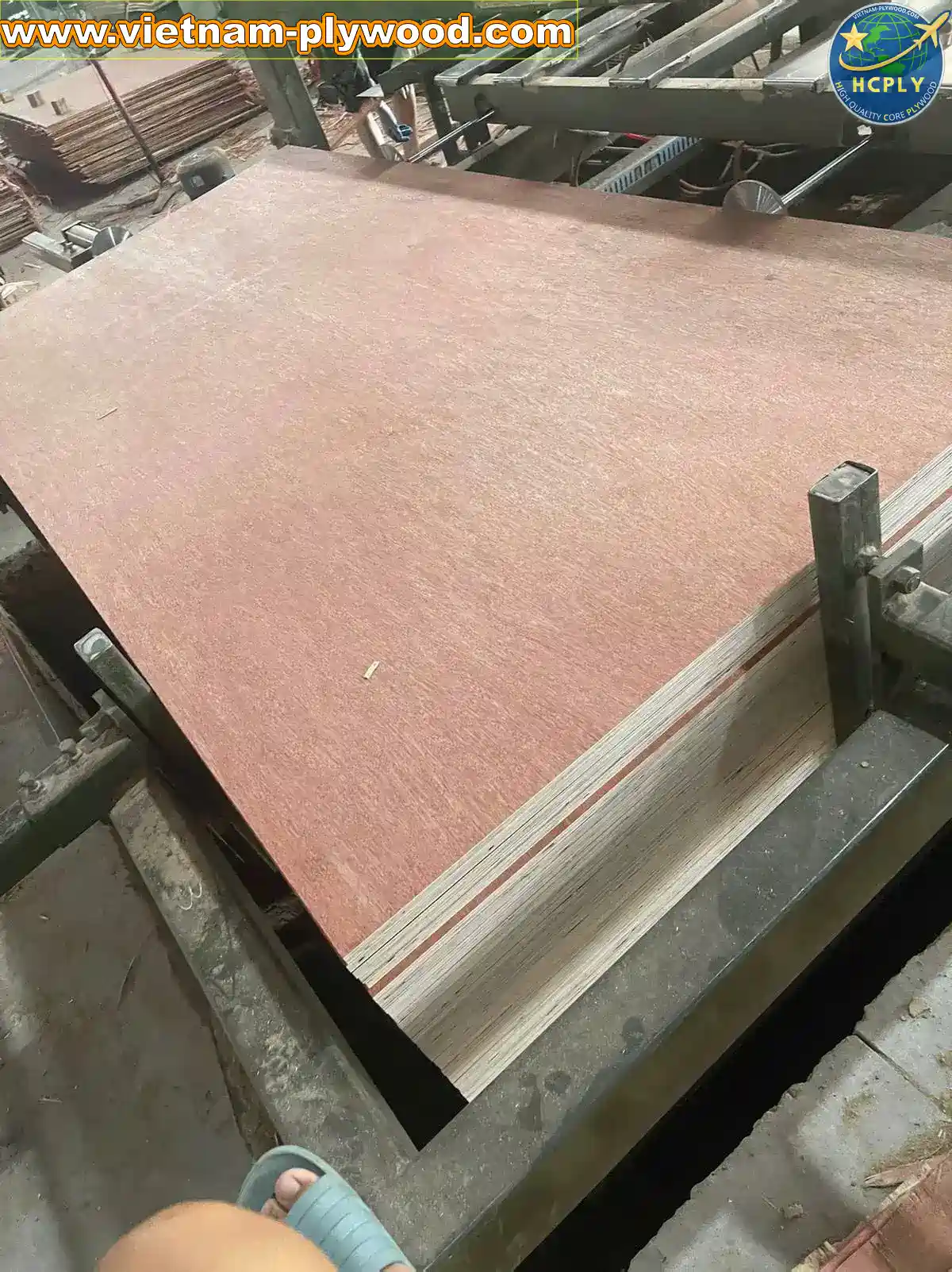
- Birch (D/E/F grade): The most specified face for US cabinet and furniture buyers. Birch veneer is imported — D grade is the best quality available from Vietnamese production lines. CARB P2 birch plywood with styrax core is the primary product for US residential kitchen cabinet manufacturing.
- EV (Engineered Veneer): Reconstituted veneer with consistent grain and appearance. Cost-effective alternative to birch for furniture manufacturers who prioritize surface uniformity over natural wood character.
- Okoume: Light pink, consistent grain, preferred for European markets but also exported to the US. CARB P2 okoume on eucalyptus core is used for drawer boxes and interior carcassing.
- Pine face: Knotty pine appearance for decorative furniture and paneling. Available with E0/CARB P2 from certified facilities.
- Poplar face: Light color, minimal grain variation. Used for interior furniture components and secondary surfaces.
- Eucalyptus face on eucalyptus core: Dense, heavy panel for structural furniture applications. Higher weight per CBM means fewer pallets per 40HC container — factor this into landed cost calculation.
Core species in CARB P2 production:
- Styrax core (480–500 kg/m³): The standard choice for CARB P2 furniture plywood. Lightweight, white, full-stitched construction. Optimizes CBM per container — 18 pallets per 40HC vs 15 for eucalyptus (see the plywood container packing calculation guide for detailed CBM tables).
- Eucalyptus core (650–750 kg/m³): Higher density, higher strength. Used where structural performance matters over weight. More common for flooring substrate and heavy-duty shelving applications.
What is NOT CARB P2 certifiable from Vietnam:
- Bintangor-faced plywood — produced in the commercial segment with acacia core and E1/E2 emission. Not suitable for US market.
- Packing-grade plywood — commercial segment, E2 emission standard.
- Budget film-faced plywood — melamine blend adhesive, E2. Not for US market.
🔧 Inside a CARB P2 Factory: What the Production Line Actually Looks Like
Understanding the physical production differences between CARB P2 and non-certified factories helps buyers ask better questions during factory visit or virtual audits.
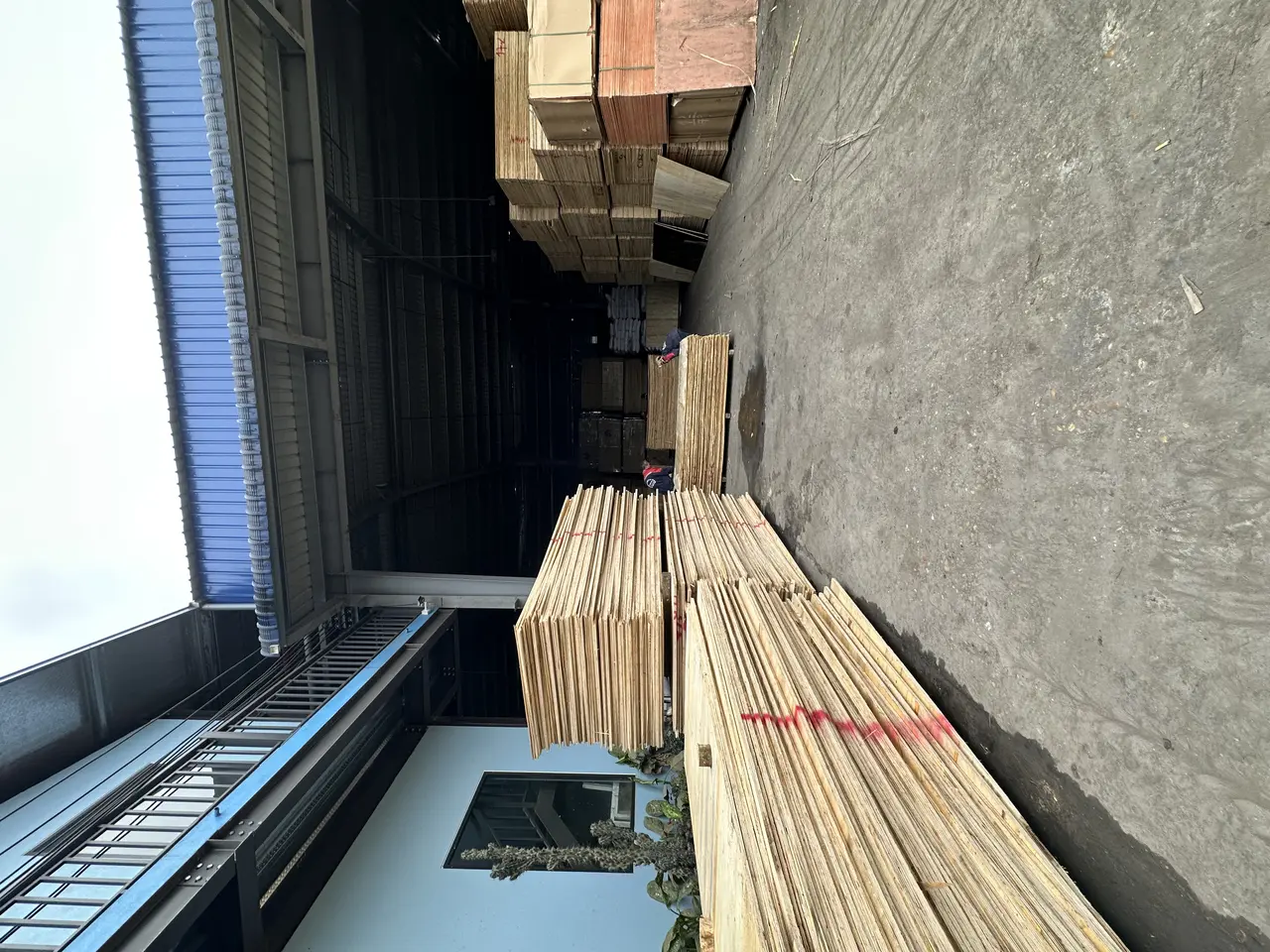
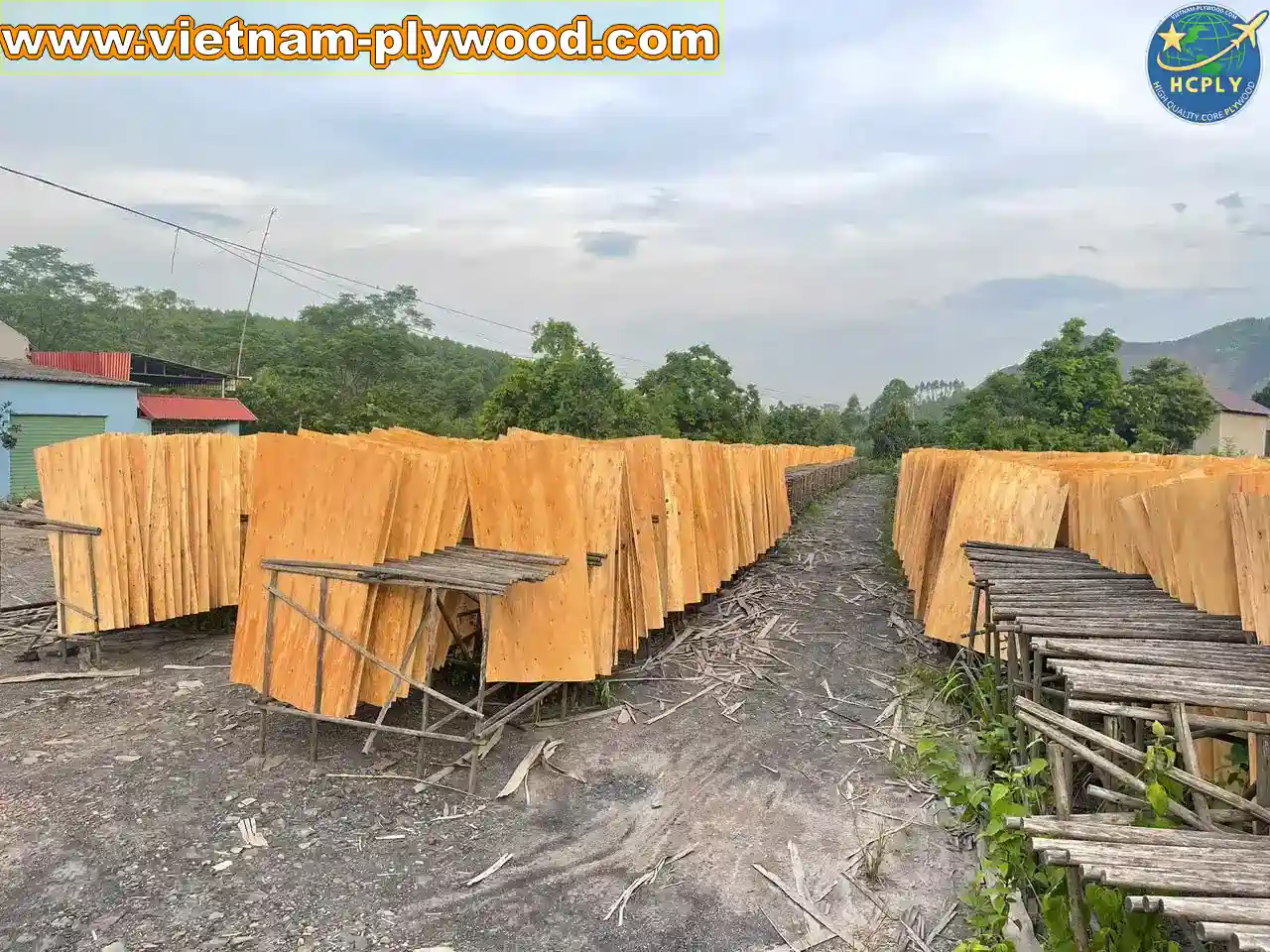
Veneer preparation: Raw veneer sheets are dried to 6–8% moisture content using industrial hot-air dryers with moisture sensors at the exit. In commercial factories, drying is often manual and measured only by touch or visual assessment.
Adhesive mixing: MUF adhesive is mixed in controlled ratios with hardener and water. In CARB P2 facilities, adhesive batch records are kept and submitted to the TPC quarterly. In non-certified factories, the adhesive supplier is typically standard UF with no batch documentation.
Core assembly and stitching: Full-stitched core construction means each veneer piece is joined edge-to-edge with stitching thread before glue application. Gaps or overlaps in the core create areas of inconsistent adhesive coverage — which can create localized high-emission zones that fail ASTM E1333 testing.
Hot press: Certified facilities use multi-daylight hot presses with automated temperature and pressure control. Press cycle data — temperature curve, pressure log, press time — is recorded per batch and is part of the TPC audit record.
Post-press conditioning: Panels are stacked on spacers in a ventilated conditioning area for 48–72 hours minimum before sanding. This controlled off-gassing period reduces residual surface formaldehyde.
QC and TPC sampling: During the TPC’s quarterly visit, the inspector selects panels from production — typically without advance notice of exact timing. Samples go to the designated ISO 17025-accredited lab. If results exceed 0.05 ppm, the TPC can suspend certification until root cause is resolved and retesting confirms compliance.
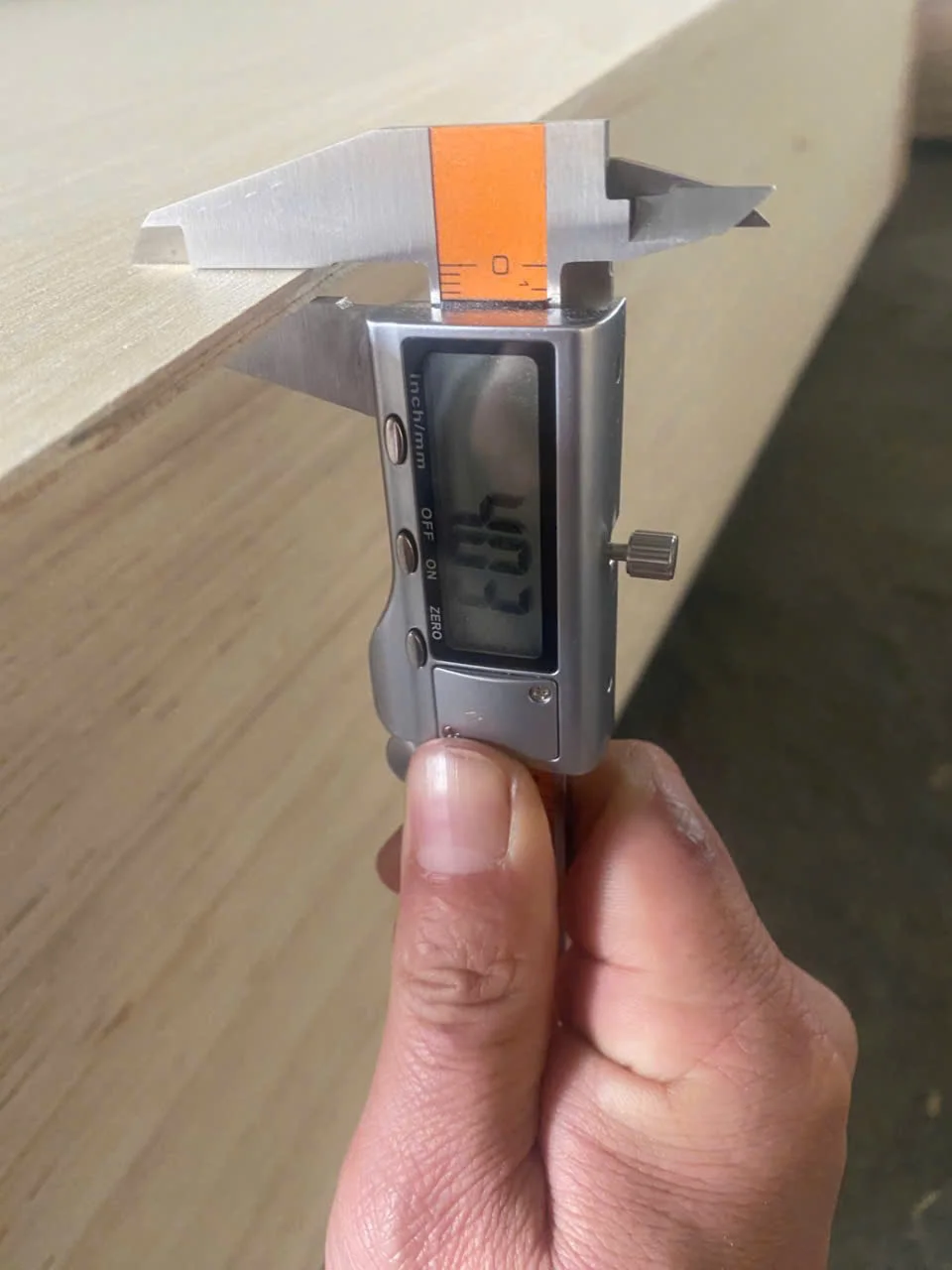
The sanding line at a CARB P2 facility runs to a tolerance of ±0.3mm on panel thickness. This serves two purposes: it satisfies US cabinet manufacturer specification requirements, and it removes the outer surface layer where residual adhesive migration is highest, which marginally reduces measured formaldehyde in the final product.
📐 Pricing Structure for CARB P2 Plywood from Vietnam
CARB P2 certified plywood from Vietnam commands a measurable price premium over standard commercial grades. This premium reflects three real cost inputs — not arbitrary supplier pricing.
Adhesive cost differential: MUF adhesive formulations cost approximately 15–25% more per kilogram than standard UF used in commercial production. Adhesive accounts for roughly 15–20% of the total material cost in plywood manufacturing. The net adhesive premium adds approximately $10–18 per CBM to production cost.
Quarterly TPC audit fees: CARB/EPA-recognized TPCs charge factories ongoing certification maintenance fees — including quarterly visit costs and lab testing expenses. Industry estimates put annual TPC certification costs for a mid-size Vietnamese factory at USD 8,000–15,000 per year (HCPLY internal procurement data, 2026). This is amortized across certified volume.
Premium adhesive access: Achieving consistent E0/CARB P2 results requires stable adhesive supply from qualified resin manufacturers. Premium facilities source from reputable resin producers — not lowest-bid commodity suppliers.
The combined result: expect a 15–20% price premium over E1-grade commercial plywood of comparable face veneer and thickness. For context:
| Product | E1 grade (FOB Hai Phong) | CARB P2 / E0 premium | Typical CARB P2 range |
|---|---|---|---|
| 18mm Birch face / Styrax core | ~$340–380/CBM | +15–20% | ~$395–460/CBM |
| 12mm EV face / Styrax core | ~$300–340/CBM | +15–20% | ~$345–410/CBM |
| 18mm Okoume face / Eucalyptus core | ~$320–360/CBM | +15–20% | ~$370–435/CBM |
Note: These ranges reflect market conditions as of Q1 2026. Specific pricing depends on order quantity, specification, and current raw material costs. Always request a formal quotation.
The premium is typically fully absorbed in the US market, where cabinet and furniture manufacturers price CARB P2 compliance into their product margin as a standard cost of market access.
Request a CARB P2 plywood quotation with full specification sheet
✅ Red Flags When Evaluating Vietnam Suppliers
Six warning signs that a factory’s CARB P2 claim does not hold up to scrutiny:
-
No TPC number on quotation. A legitimate CARB P2 certified factory will include the TPC name and certificate number in their standard quotation template. If you have to ask for it, and the answer takes more than 24 hours, the certification may not be current.
-
Test report from a non-ISO 17025 lab. Some factories will show emission test reports from local Vietnamese testing labs. Verify the lab’s ISO 17025 accreditation for the specific test method (ASTM E1333 or D6007). An accredited lab will carry its accreditation number on the test report header.
-
Price significantly below CARB P2 range. If a supplier quotes CARB P2 certified birch plywood at E1 commercial prices, either the specification is different than you think, or the certification is not genuine. MUF adhesive and quarterly audits are real costs that cannot be priced away.
-
Willingness to certify bintangor or packing grade as CARB P2. These products are produced in the commercial segment with acacia core and standard UF adhesive. No credible factory will certify them to CARB P2. If a supplier offers this, they are either misrepresenting the product or the certification.
-
TSCA Title VI statement missing from invoice. US importers who have worked with regulated markets include this statement as standard on their invoice template. A supplier unfamiliar with TSCA Title VI has not handled US compliance before.
-
No panel-level labeling. Ask specifically: “Will the TPC number be stamped on each panel or bundle?” A certified factory will confirm this immediately. If the answer is vague or the supplier suggests attaching a separate document instead, the physical compliance chain is broken.
Understanding these red flags is part of broader supplier due diligence — for a full 20-point supplier evaluation framework, see the vendor assessment and certification guide.
🔗 Multi-Facility CARB P2 Structure and Certification
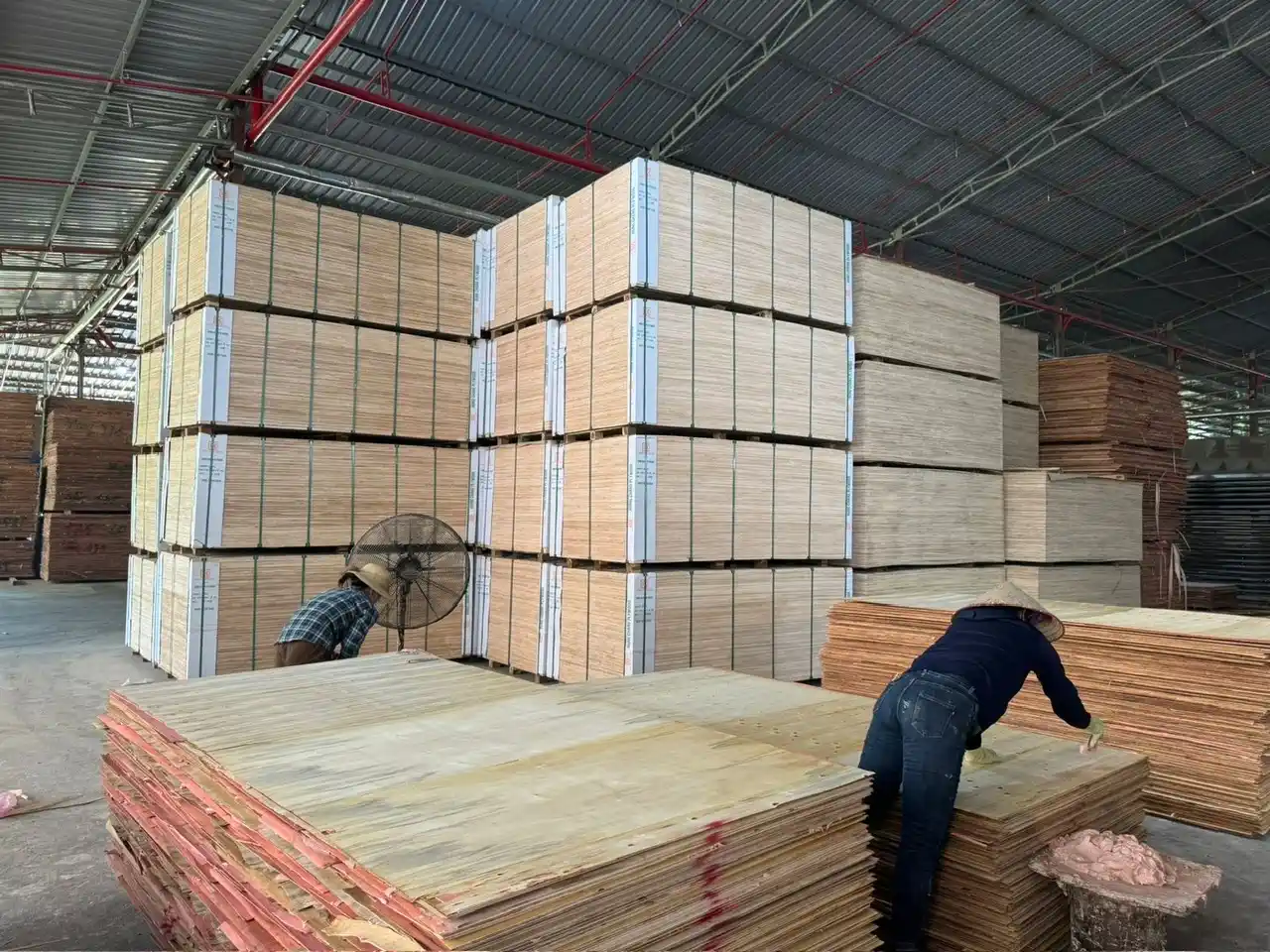
Facility 1 — Premium Furniture (CARB P2 certified):
| Parameter | Specification |
|---|---|
| Face veneer | Birch (D/E/F), EV, Okoume, Pine, Poplar, Eucalyptus |
| Core species | Styrax (480–500 kg/m³) or Eucalyptus (650–750 kg/m³) |
| Core construction | Full stitched — no gaps, no overlaps |
| Adhesive | Melamine (MR) / MUF |
| Emission | E0 / CARB P2 (≤0.05 ppm) |
| Surface | Sanded, ±0.3mm thickness tolerance |
| TPC | Recognized TPC — certificate number on request |
| Certifications | FSC, CARB P2, CE, ISO 9001, EUDR |
Facility 2 — Commercial & Packing (E1/E2 — not CARB P2):
- Face: bintangor, packing grade. Core: acacia. Emission: E1/E2. Markets: Southeast Asia, Africa, general commercial. Not suitable for US.
Facility 3 — Premium Film-Faced (Phenolic WBP):
- Face: phenolic or melamine film. Glue: Phenolic WBP. Construction use. CARB P2 documentation available where specified.
When requesting a quotation for US-bound orders, specify “CARB P2 / TSCA Title VI compliant” explicitly. HCPLY routes US orders to the certified furniture facility — mixing specifications between facilities is not possible since each facility is a distinct production line.
For a detailed breakdown of how the CARB P2 limit of 0.05 ppm is achieved in production — including adhesive chemistry, press parameters, and post-press conditioning — see the CARB P2 plywood US market compliance guide.
📦 Logistics Considerations for CARB P2 Plywood Shipments
CARB P2 plywood from Vietnam’s premium furniture segment ships FOB Hai Phong. Lead time from purchase order to container loading is 15–20 days for standard specifications.
Container packing for CARB P2 products:
CARB P2 certified plywood from HCPLY is produced in the 1220×2440mm (4×8ft) standard size as well as the 1250×2500mm metric EU size. Per 40HC container:
- Styrax core panels: 18 pallets per 40HC (lightest core, maximum sheet count)
- Eucalyptus core panels: 15 pallets per 40HC (dense core, payload approaches 28 MT limit)
Pallet height is 1000mm (forklift-safe). Bundles are wrapped in polyethylene film with CARB-compliant labeling on each bundle.
Documentation checklist for US customs:
Every HCPLY CARB P2 shipment includes the complete documentation package: TPC certificate, ASTM E1333 test report, TSCA Title VI compliance statement on commercial invoice, phytosanitary certificate, fumigation certificate, bill of lading, packing list, and CO (Certificate of Origin).
For US importers who also source from European or Asian markets, understanding how CARB P2 aligns with E0 across different test methods is covered in the plywood emission standards market guide.
Contact HCPLY to receive CARB P2 samples and full documentation package
✅ Conclusion: Choose the Factory Type, Not Just the Certification Claim
Vietnam has the production capacity to supply CARB P2 certified plywood at competitive pricings for the US market. The critical filter is understanding which factory segment is genuinely equipped to produce it — and applying the four-document verification protocol before committing to a supplier.
Factories in Vietnam’s premium furniture segment — operating full-stitched production lines with MUF adhesive, TPC-audited QC, and ISO 17025-verified test results — can reliably deliver panels that pass US customs TSCA inspection. Commercial and packing-grade facilities cannot, regardless of what their quotation documents say.
For US buyers specifying CARB P2 plywood from Vietnam:
- Verify TPC certificate with certifier name and number
- Confirm panel-level labeling with the TPC reference
- Request ASTM E1333 test report from an ISO 17025-accredited lab
- Expect a 15–20% premium over E1 commercial grade — this is a real cost difference, not margin inflation
- Specify “CARB P2 / TSCA Title VI compliant” in your purchase order, not just “E0”
HCPLY’s premium furniture production facility meets all of these requirements. Our export team provides the full documentation package as standard for US-bound orders.
Disclosure: This article is published by HCPLY, a Vietnam-based plywood manufacturer and export operator. While we aim to provide objective industry guidance, readers should consider our perspective as a market participant when evaluating recommendations.
Request CARB P2 certified samples and quotation from HCPLY — or view our full plywood product range to find the right specification for your application.