

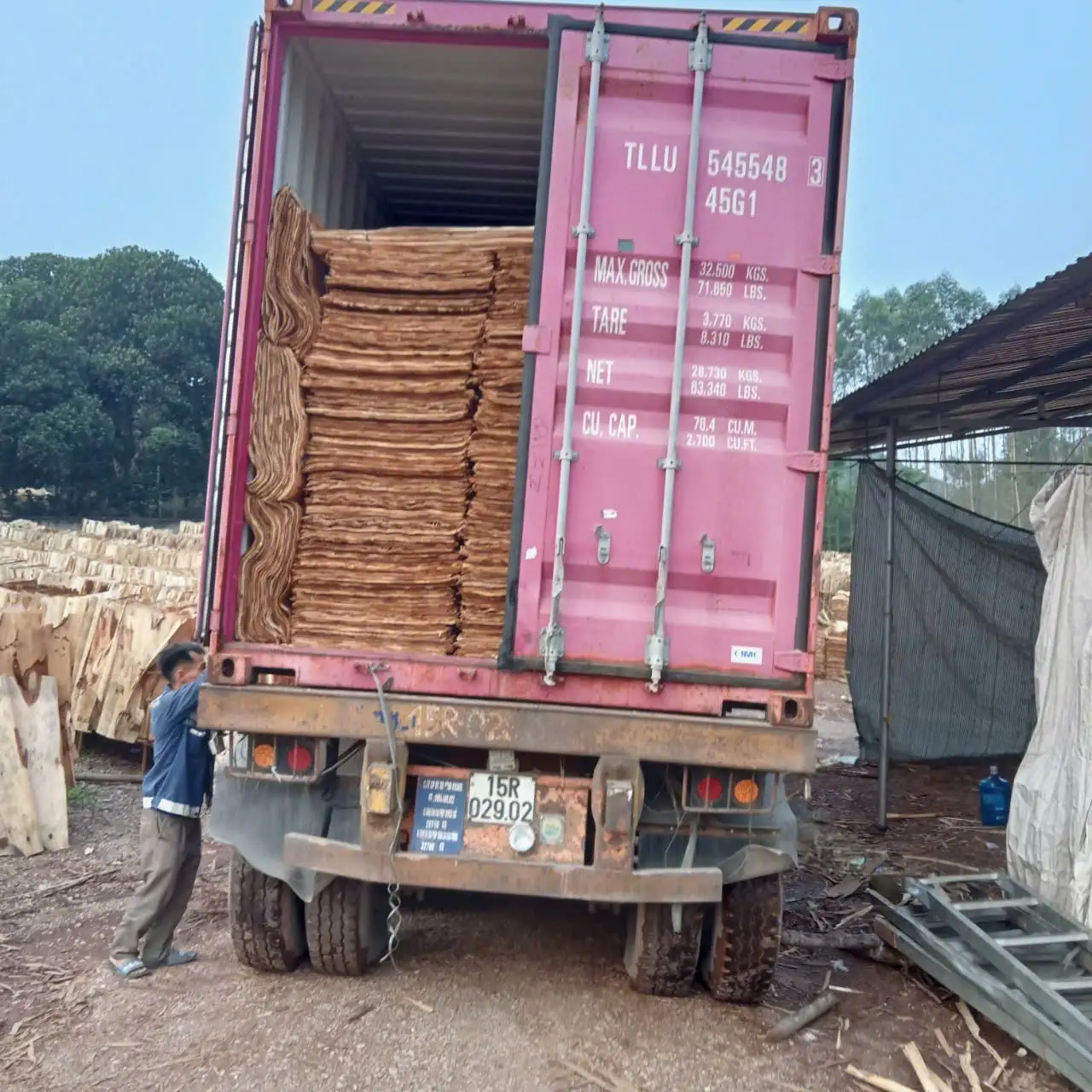
The question every serious plywood importer asks in 2026: Vietnam or China?
Both countries export millions of cubic meters of plywood annually. Both offer wide product ranges at competitive FOB prices. But the gap between them — on quality, certifications, trade tariffs, and supply chain transparency — has widened dramatically. Importers who ran China-first sourcing three years ago are now running Vietnam-first sourcing, not because of sentiment, but because of numbers.
This guide gives you a structured, side-by-side comparison across every factor that matters for export buyers. No filler. No sales pitch. Just the data you need to make the right call for your market.
📊 TL;DR: Vietnam vs China Plywood — Head-to-Head Summary
| Factor | Vietnam Plywood | China Plywood |
|---|---|---|
| FOB Price (2026) | Benchmark | 5–12% higher (same grade) |
| EU Import Duty | 0% (EVFTA) | Up to 86.8% (anti-dumping) |
| US Import Duty | Under investigation | 200%+ effective tariff |
| FSC Certification | Widely available | Available, but fraud risk |
| CARB P2 | Available from certified factories | Available, compliance risk |
| EUDR Compliance | Plantation-based — low risk | High risk (illegal timber) |
| Core Species | Acacia, eucalyptus, styrax | Poplar, eucalyptus, mixed |
| Core Construction | Full stitched (premium) | Loose-laid (standard) |
| Emission Traceability | Factory-auditable | Often hard to verify |
| Lead Time FOB | 15–20 days | 15–25 days |
Verdict for most markets: Vietnam wins on landed cost, certification integrity, and regulatory compliance. China remains competitive only where anti-dumping duties do not apply and where buyers can verify supply chain claims independently.
💰 Price Comparison: FOB vs Landed Cost
At the FOB level, Vietnam and China export similar plywood grades at comparable prices. In 2025–2026, Vietnam FOB prices run approximately 5–12% below equivalent Chinese grades for commercial and furniture plywood (HCPLY production data, 2026). The reason is simpler than most importers realize: Vietnam’s plantation acacia and eucalyptus supply chain is largely domestic, while Chinese manufacturers increasingly import raw materials — adding cost and currency exposure.
The landed cost picture is completely different.
European Union: Since November 2025, the EU has imposed definitive anti-dumping duties of up to 86.8% on Chinese hardwood plywood imports (European Commission, 2025). Under the EU-Vietnam Free Trade Agreement (EVFTA), Vietnamese plywood enters at 0% duty with a valid Certificate of Origin. That swing of up to 87 percentage points in duty makes Chinese plywood functionally uncompetitive in the EU market at any FOB price.
United States: Chinese plywood faces effective tariffs exceeding 200% from existing anti-dumping and countervailing duty orders. The US Department of Commerce initiated a new investigation into Vietnamese plywood in June 2025 (U.S. Department of Commerce, 2025), but as of early 2026, no definitive duties have been assessed on Vietnamese product. Vietnam maintains a significant landed cost advantage in the US market.
India, South Korea, Southeast Asia: Duty structures vary. For price-sensitive commercial grades, Vietnam’s FOB cost advantage of 5–12% translates directly to buyer savings. India, one of the world’s largest plywood importers, sources heavily from Vietnam due to competitive pricing on bintangor and gurjan face grades.
Get a free factory-direct quote from Vietnam to compare your current China landed cost with a Vietnam FOB offer, factoring in your actual destination duties.
🏭 Quality Comparison: Core, Construction, and Consistency
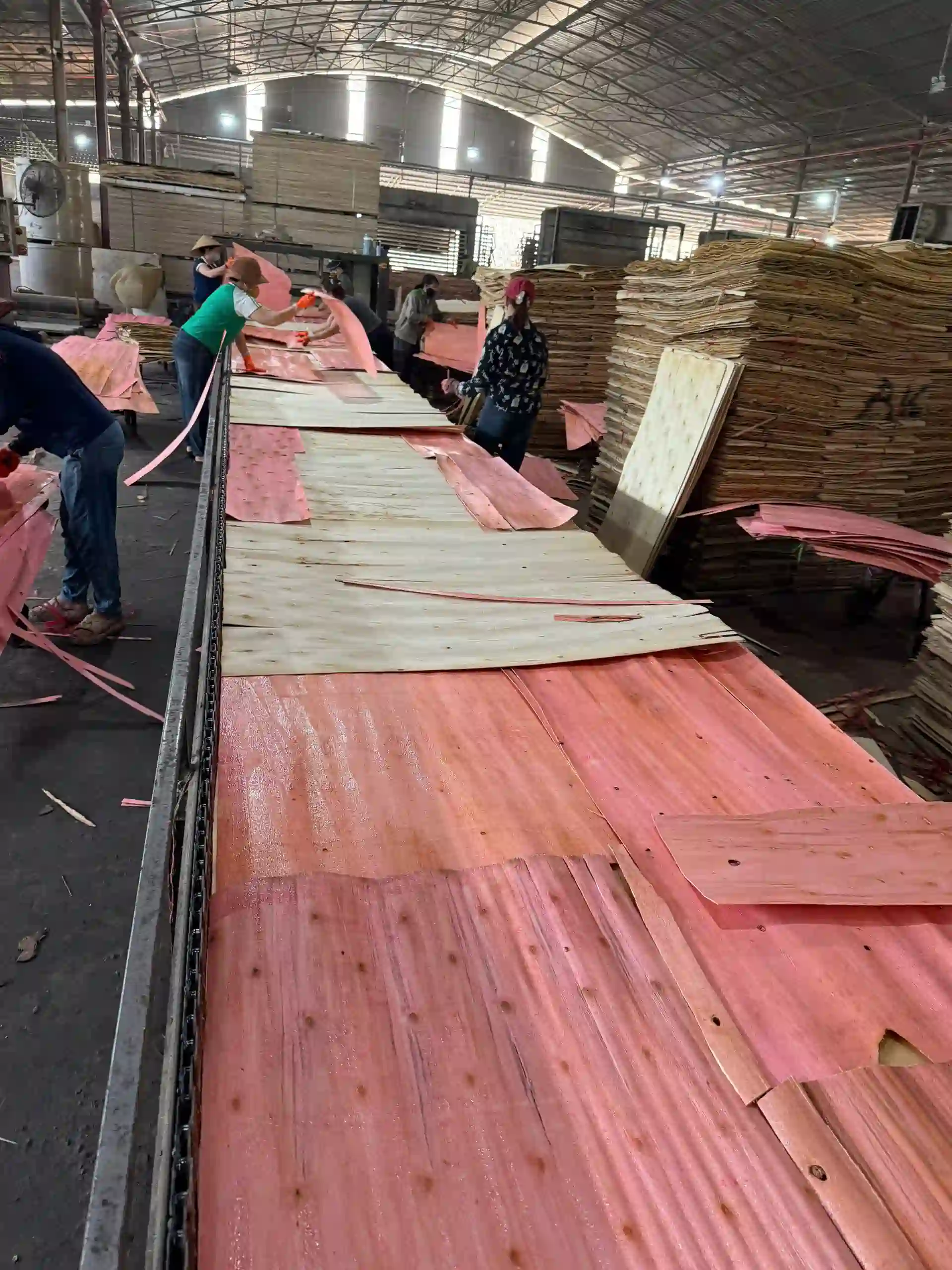
Quality is where the comparison gets technical — and where many buyers discover they’ve been comparing apples to oranges.
📌 Core Species and Density
Vietnam produces plywood using three domestic plantation core species: acacia (~580 kg/m³), eucalyptus (650–750 kg/m³), and styrax (480–500 kg/m³). Each is a known, consistent species from managed plantations with traceable sourcing.
Chinese commercial plywood predominantly uses poplar core, which is lighter (typically 400–450 kg/m³) and softer than Vietnamese species. This affects structural performance, screw-holding, and durability. Chinese manufacturers also use eucalyptus, but the plantation conditions and quality control vary significantly between provinces.
“When a buyer asks why Vietnamese bintangor plywood outperforms Chinese bintangor of the same nominal thickness, the answer is almost always the core. Acacia core at ~580 kg/m³ is simply denser and stronger than the typical Chinese poplar core.” — Lucy, International Sales Manager, HCPLY
📌 Core Construction: Stitched vs Loose-Laid
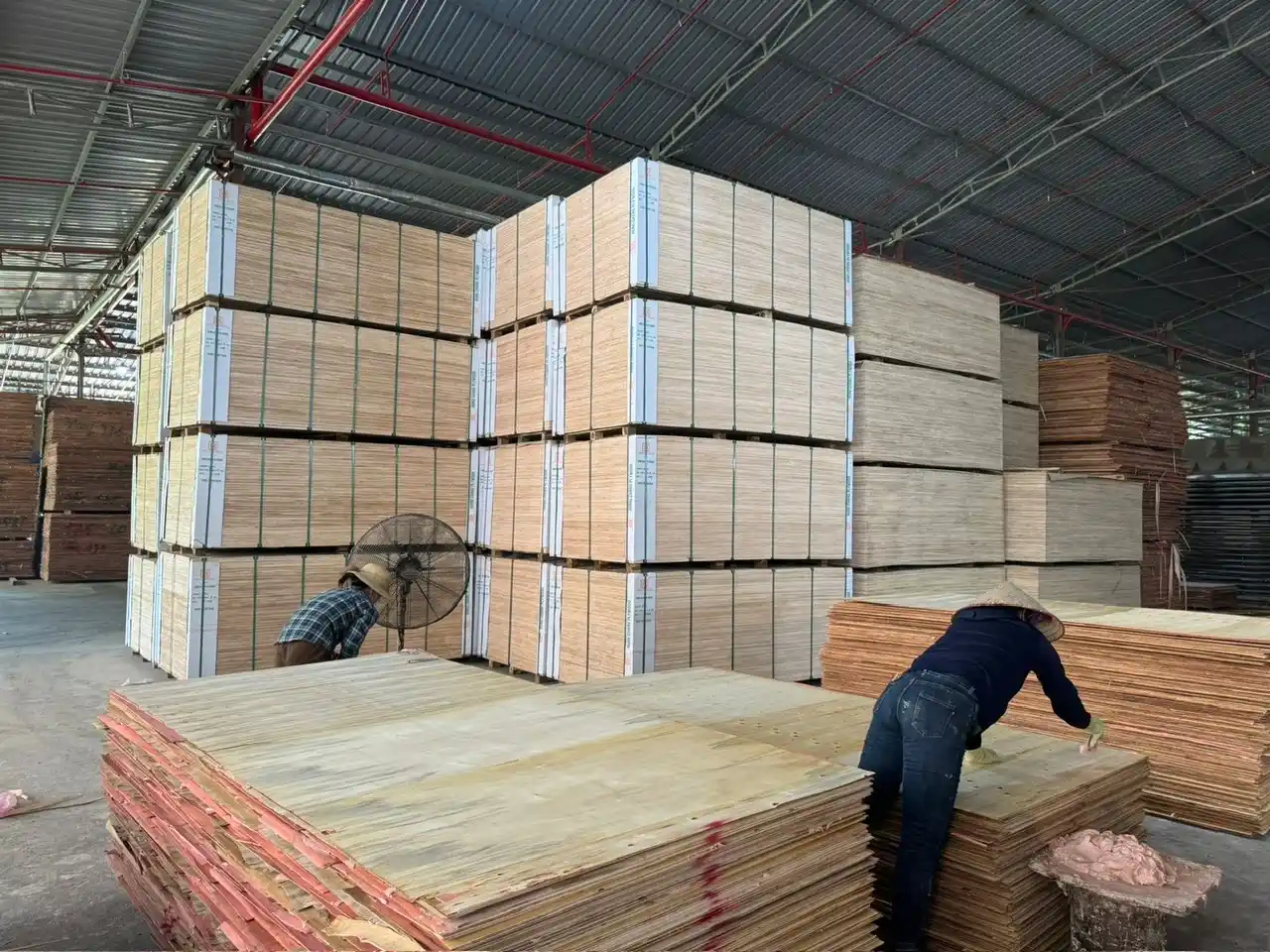
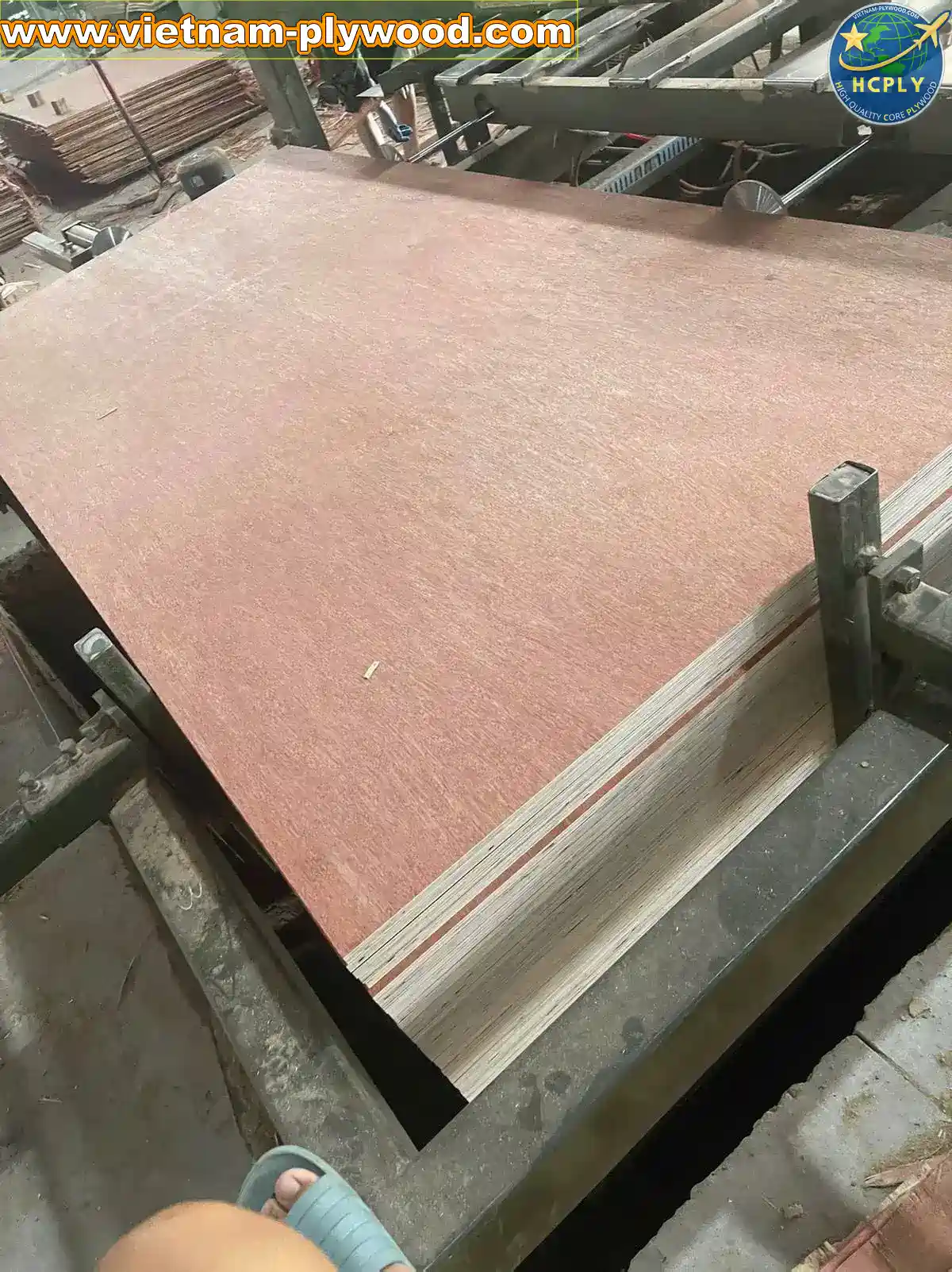
Premium Vietnamese factories produce full-stitched cores — veneer pieces sewn together for gap-free layers with no internal voids. This construction method is standard for furniture-grade plywood from northern Vietnam.
Chinese commodity-grade plywood commonly uses loose-laid cores, where veneer strips are simply placed side by side without stitching. This creates internal gaps, reduces flatness, and lowers the glue bond area — directly affecting delamination resistance.
For buyers sourcing furniture components, cabinetry, or any application where internal voids cause problems, this construction difference is material.
📌 Thickness Tolerance and Surface Quality
Vietnamese factories certified to ISO 9001 hold thickness tolerance to ±0.3mm, with three-stage QC: after pressing, after sanding, and before container loading. Sanded furniture grades are calibrated to target thickness, then fine-sanded.
Chinese plywood at commercial grades frequently shows wider thickness variation — a known issue for furniture manufacturers who run automated CNC processes requiring precise input dimensions.
📋 Certifications: What Vietnam Has, What China Cannot Guarantee
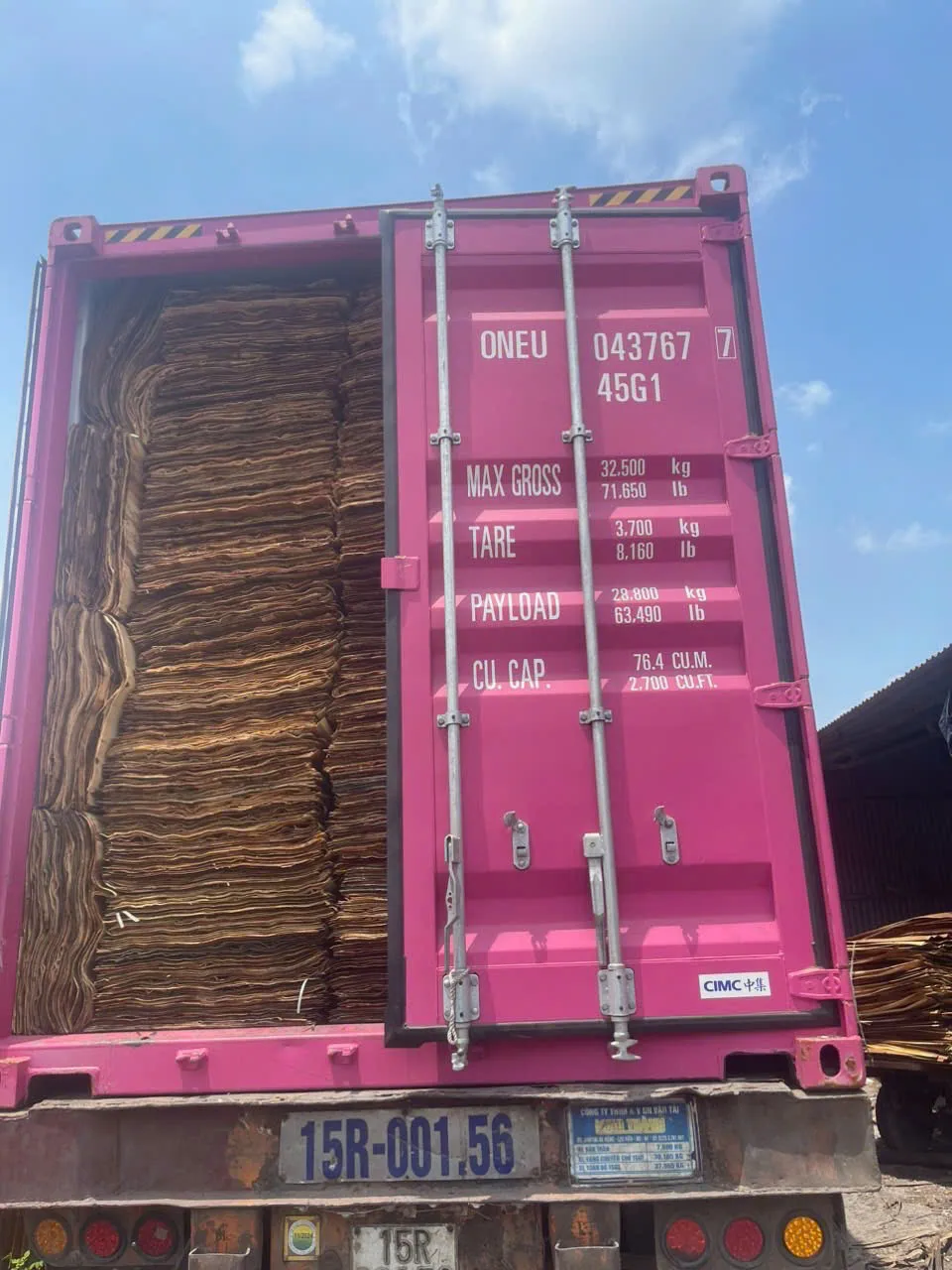
Certifications separate commodity suppliers from export-grade suppliers. Here, the difference between Vietnam and China is not just about which certificates exist — it’s about whether you can trust the ones that do.
FSC and EUDR
Vietnam’s plywood industry is built on plantation timber — acacia, eucalyptus, and styrax grown on managed, registered land. This makes FSC chain-of-custody certification meaningful: the timber origin is traceable from registered plantations to finished product.
The EU Deforestation Regulation (EUDR), which requires full deforestation-free traceability for timber entering the EU market, is achievable for Vietnamese manufacturers. Several major Vietnamese producers now supply GPS batch data and legality declarations as standard export documentation.
China’s plywood industry draws from a more complex timber supply chain, including imports from Russia and other high-risk jurisdictions. A 2025 analysis found that 46% of birch plywood samples labeled FSC/PEFC certified from certain export channels were potentially misidentified — likely sourced from sanctioned Russian or Belarusian forests (Global Wood Markets Info, 2025). EUDR compliance for Chinese birch plywood is an active risk for EU importers.
CARB P2 and Emission Standards
CARB Phase 2 compliance requires ultra-low formaldehyde emissions (≤0.05 ppm for hardwood plywood), verified through third-party testing under an approved TPC (Third Party Certifier). Both Vietnam and China have CARB P2 certified factories, but enforcement and audit quality differ.
Vietnamese factories with CARB P2 certification hold ongoing audits with recognized TPCs. The emission standard applies separately from glue type — a point that is frequently misunderstood. Melamine (MR) glue can achieve E0 emission levels; phenolic (WBP) glue achieves waterproof performance. These are independent specifications.
Learn more about plywood glue types and emission standards — the distinction between glue type and emission class is critical for specification accuracy.
🔧 Product Range: What Each Country Actually Makes Well
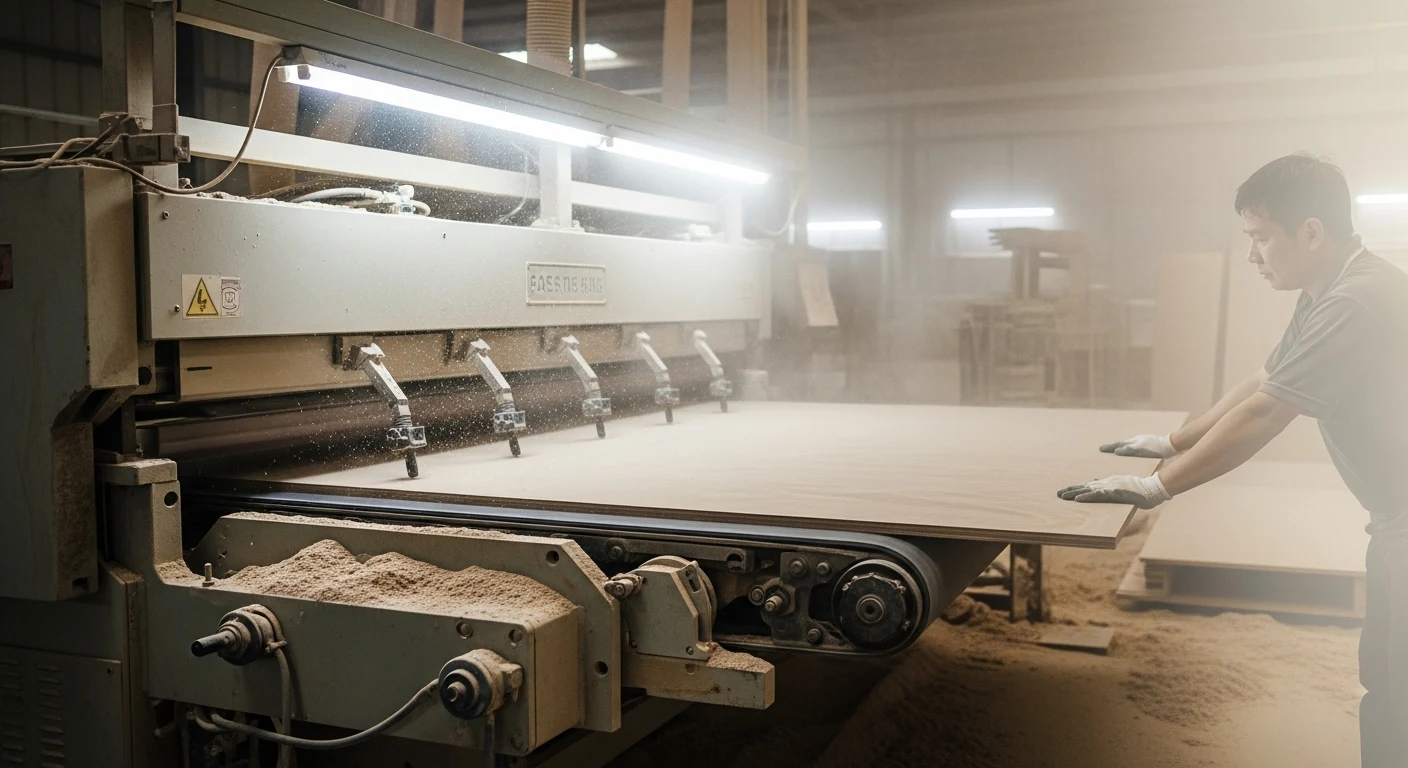
Neither Vietnam nor China makes everything well at equal quality. Understanding each country’s genuine strengths helps you allocate your sourcing correctly.
Vietnam’s genuine strengths:
- Furniture-grade plywood — styrax and eucalyptus core, full stitched, E0, sanded face veneer. Premium birch, okoume, EV faces. Northern Vietnam leads Asia for this segment.
- Film-faced construction plywood — AICA film (135+ gsm), phenolic WBP, eucalyptus/acacia core. 15+ reuse cycles standard from quality-certified factories.
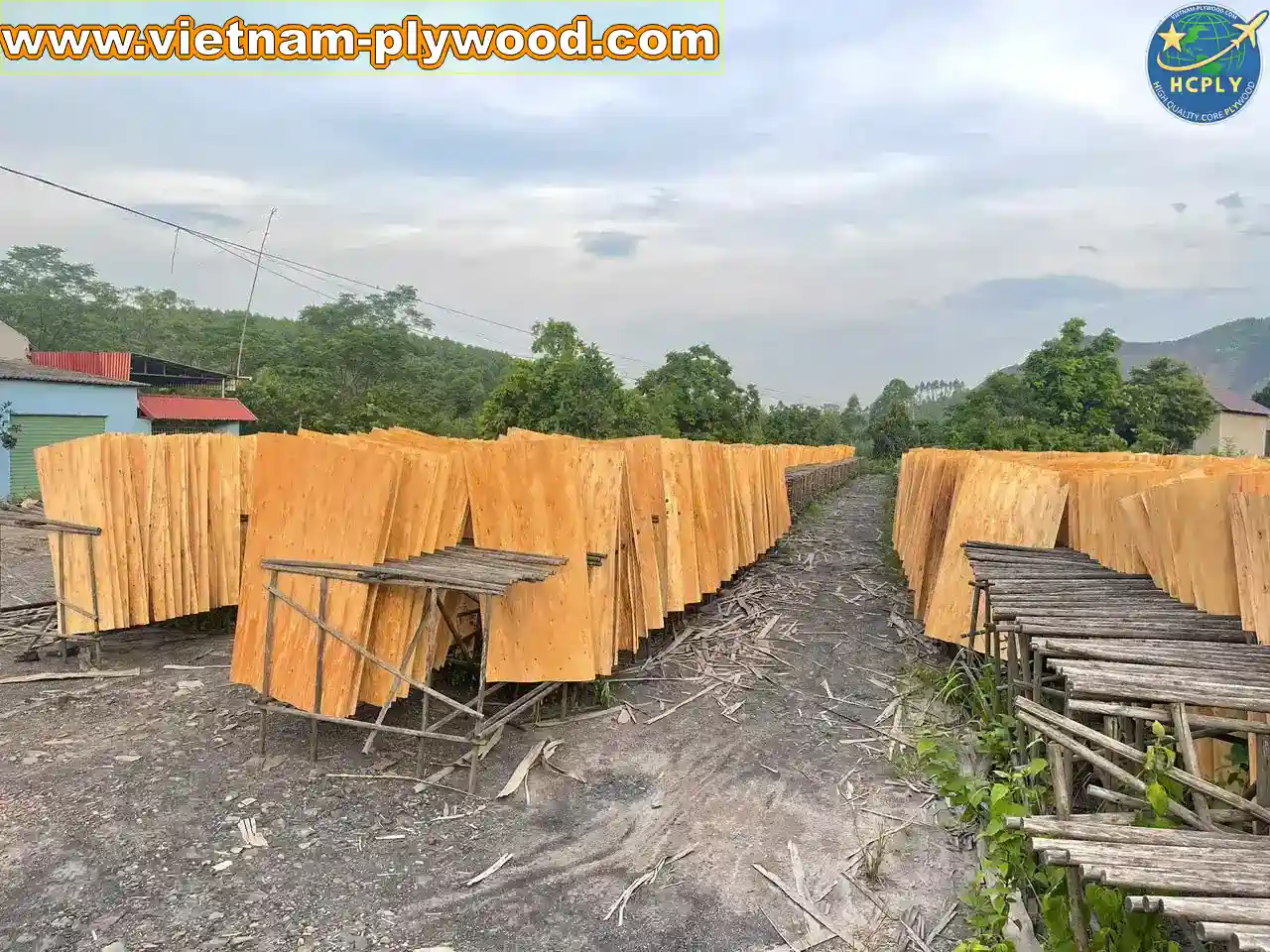
- Core veneer — 1.2–2.0mm eucalyptus and acacia core strips for global plywood manufacturers.
- Export diversity — bintangor, okoume, birch, gurjan, EV, pine, poplar faces all available from one supplier.
China’s genuine strengths:
- Poplar-core commercial plywood — wide production base, lowest FOB pricing where tariffs allow.
- Specialty engineered products — laminated beams, structural composites, architectural plywood grades.
- Domestic market depth — China’s domestic plywood market exceeds its export volume, sustaining large-scale production.
For importers targeting EU, US, India, Korea, or Australia, the tariff and certification picture currently favors Vietnam across most product categories.
🌍 Market Suitability by Destination
| Destination | Vietnam Advantage | China Disadvantage | Recommendation |
|---|---|---|---|
| European Union | 0% EVFTA duty, EUDR-compliant | Up to 86.8% anti-dumping duty | Vietnam — clear winner |
| United States | Lower tariff risk (2026) | 200%+ effective tariff | Vietnam — significant advantage |
| India | Competitive FOB, gurjan/bintangor range | Duty structures apply | Vietnam — price and range |
| South Korea | E0, FSC available | E0 compliance risk | Vietnam — certification reliability |
| Australia | FSC plantation, E0/E1 available | EUDR-adjacent traceability concerns | Vietnam — preferred |
| Southeast Asia | Commercial grades competitive | Price competitive where duty-free | Case-by-case |
| Middle East | Film-faced, commercial grades strong | Competitive on commodity | Evaluate by grade |
📦 Supply Chain and Lead Times
Both countries operate on similar FOB lead times: 15–20 days from order confirmation for standard specifications in Vietnam, 15–25 days for comparable Chinese suppliers.
Where Vietnam has a structural advantage: supply chain stability. Vietnam’s domestic plantation species (acacia, eucalyptus, styrax) reduce dependence on imported raw materials. Chinese plywood manufacturers face periodic raw material shortages tied to Russian timber export restrictions, international sanctions, and growing import tariffs.
For buyers placing consistent monthly orders, Vietnam offers more predictable pricing and availability. Vietnam exported approximately 2 million cubic meters of plywood in 2024 and is tracking 9–12% growth in 2025–2026 (Vietnam Timber and Forest Product Association, 2025), with growing investment in processing capacity.
Contact HCPLY for monthly delivery schedules, MOQ (1 × 40HC), and mixed-specification container options.
✅ Buyer Decision Framework: When to Choose Vietnam
Choose Vietnam plywood when:
- Your destination market has anti-dumping duties on Chinese imports (EU, US, South Korea, Turkey, Morocco)
- You require FSC, CARB P2, CE, or EUDR-compliant documentation with auditable traceability
- Your application demands full-stitched cores, sanded faces, and calibrated thickness tolerance
- You need multiple face veneer species (birch, okoume, gurjan, EV, bintangor) from a single export partner
- Your furniture or cabinet specs require E0 emission with Melamine (MR) glue — a combination Vietnam produces consistently
Choose China plywood when:
- You import to markets with no applicable anti-dumping tariffs AND price is the sole decision criterion
- You can independently verify certification claims through your own auditing
- Your specification requires domestic Chinese engineered wood products not available from Vietnam
For most B2B importers in 2026, Vietnam represents the better risk-adjusted sourcing decision. The tariff environment, certification reliability, and core quality gap have converged to make this the dominant view among procurement teams that have evaluated both origins rigorously.
Disclosure: This article is published by HCPLY, a Vietnam-based plywood manufacturer and export operator. While we aim to provide objective industry guidance, readers should consider our perspective as a market participant when evaluating recommendations.
🔗 Related Articles
- Vietnam Plywood Supplier Types — Buyer’s Due Diligence Guide
- Plywood Certifications & Export Documentation — FSC, CARB, CE, EUDR Guide
- How to Buy Plywood from Vietnam — Complete Buyer Journey Guide
- Vietnam Plywood Regional Map — Why 80% of Exports Come from the North
- Types of Plywood — Complete Classification Guide by Vietnam Manufacturer