
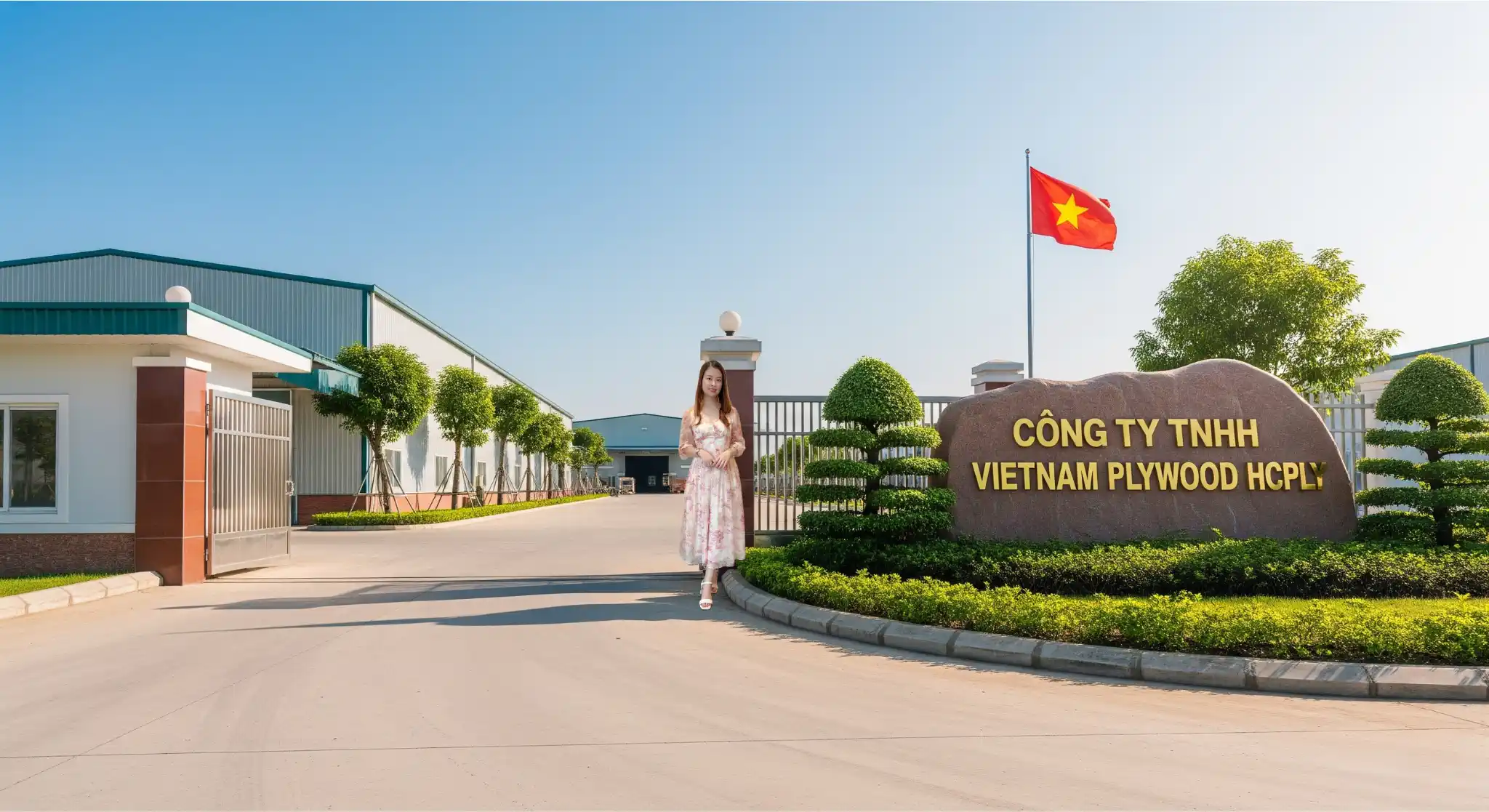
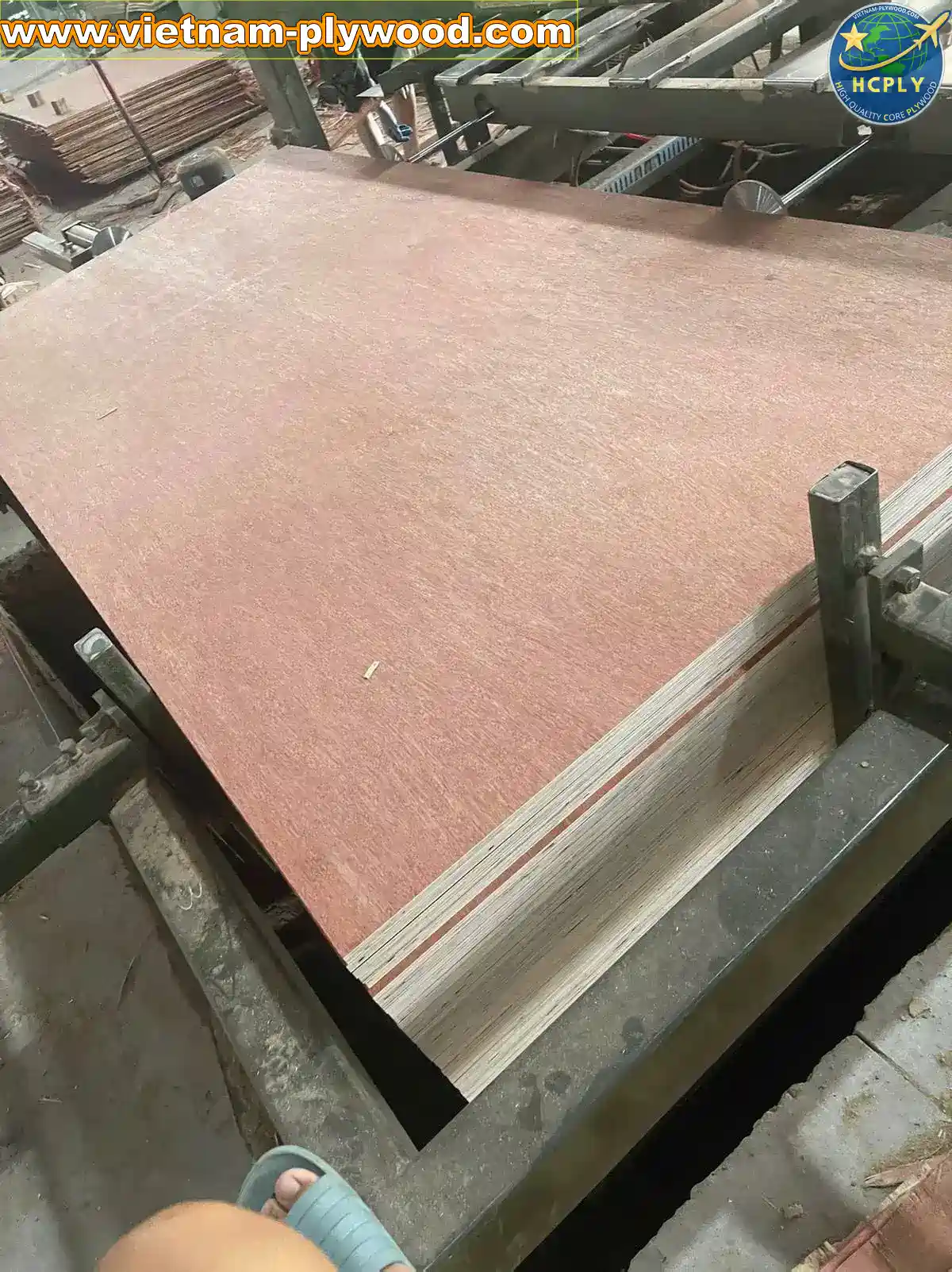
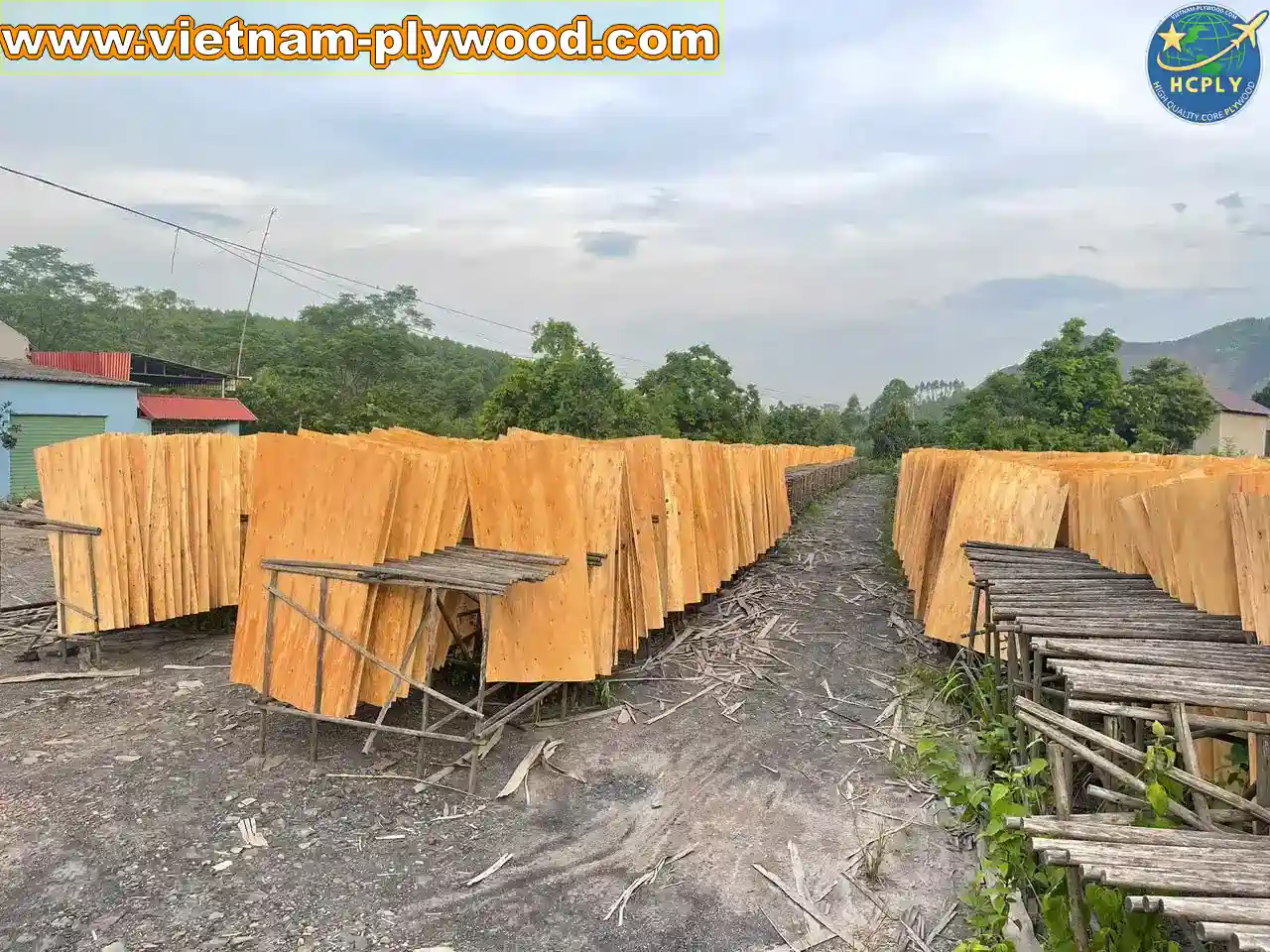

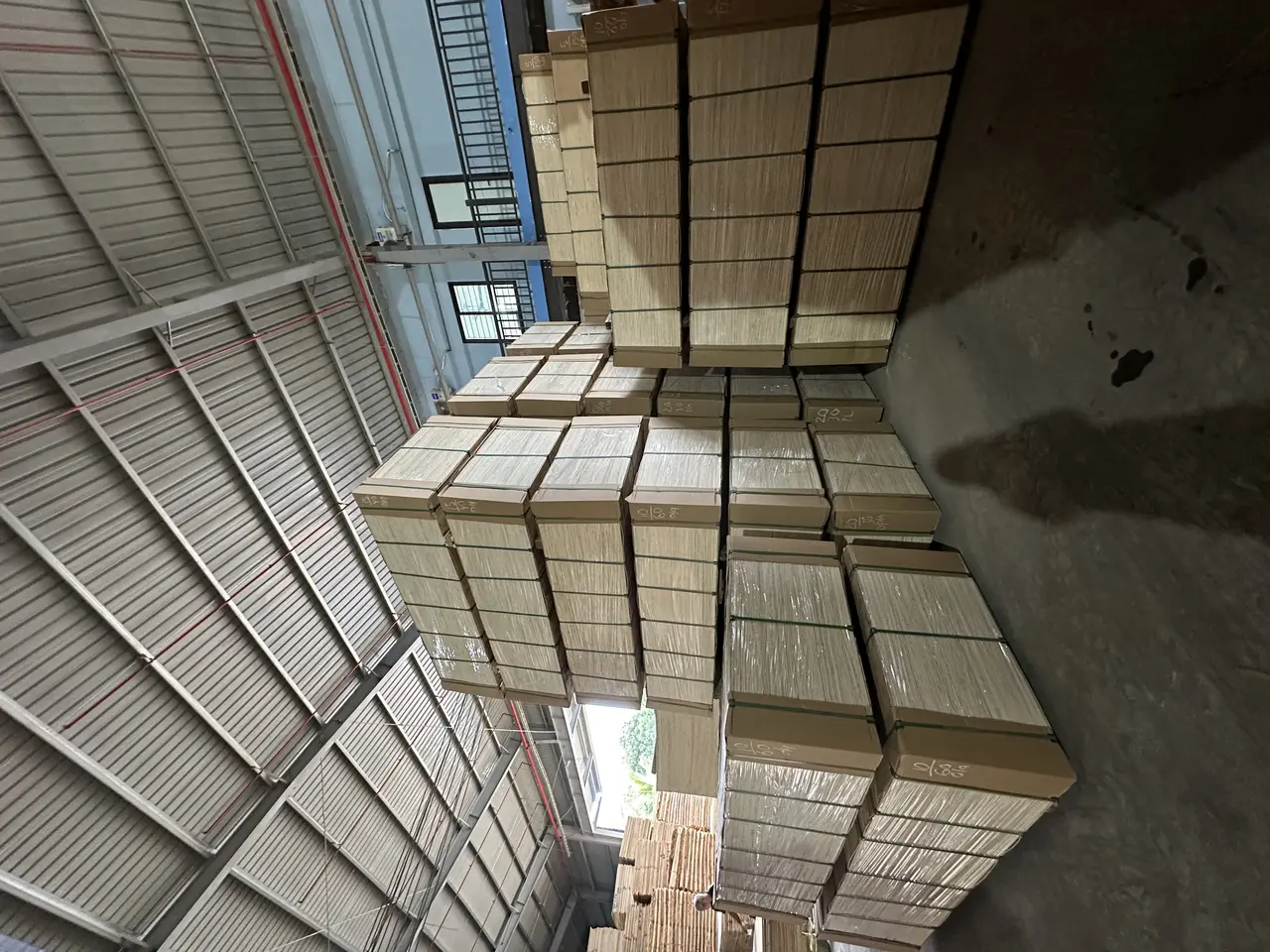
Did you know that over 80% of Vietnam plywood suppliers in search results are trading companies — not factories — yet almost none of them disclose this? Wiring deposit to the wrong Vietnam plywood supplier is an expensive mistake that most buyers make exactly once. The supplier you choose determines your FOB price, your QC authority, and how much you pay for the same product. Most buyers searching for vietnam plywood supplier types online find trading companies first — they rank well, respond quickly, and present professional websites. What they do not advertise is the 8% domestic VAT overhead embedded in every quote, or the fact that your order may be sourced from a factory you have never verified. We provide a trusted, structured framework to cut through this complexity — backed by 10+ years of factory-direct export experience.
This guide distills HCPLY’s hands-on experience with hundreds of buyer inquiries into a practical framework you can use before placing your first order. According to Vietnam General Department of Customs, 2024 (source), Vietnam exported over 3.2 million cubic meters of plywood, with South Korea, the United States, Japan, and Malaysia collectively accounting for more than 77% of export volume. According to VIFORES, 2024 (Vietnam Timber and Forest Product Association), total plywood export value exceeded $1.7 billion. Behind these numbers sits a complex Vietnam plywood factory model ecosystem with 4 structurally distinct supplier types — each with different pricing mechanics, QC authority, and risk profiles.
In 10+ years of exporting Vietnam plywood to buyers in India, the UAE, Europe, and Southeast Asia, I have personally seen buyers overpay by 40-50 USD/CBM on every shipment — simply because they did not understand which supplier type they were dealing with. From my direct experience running hundreds of export orders across 3 factory segments, I have mapped all 4 vietnam plywood supplier types with the real pricing chain, advantages, risks, and a proven due diligence checklist for each. You receive a clear, structured breakdown — so you can compare suppliers with confidence before committing to a single dollar.
Request a free, no-commitment quote from HCPLY factory → — we respond within 24 hours with full specifications and FOB pricing.
📋 What Are the 4 Vietnam Plywood Supplier Types?
Understanding these four types is not an academic exercise. Specifically, the type of supplier you are dealing with directly determines your FOB price, your QC authority, your documentation chain, and your risk exposure when something goes wrong.
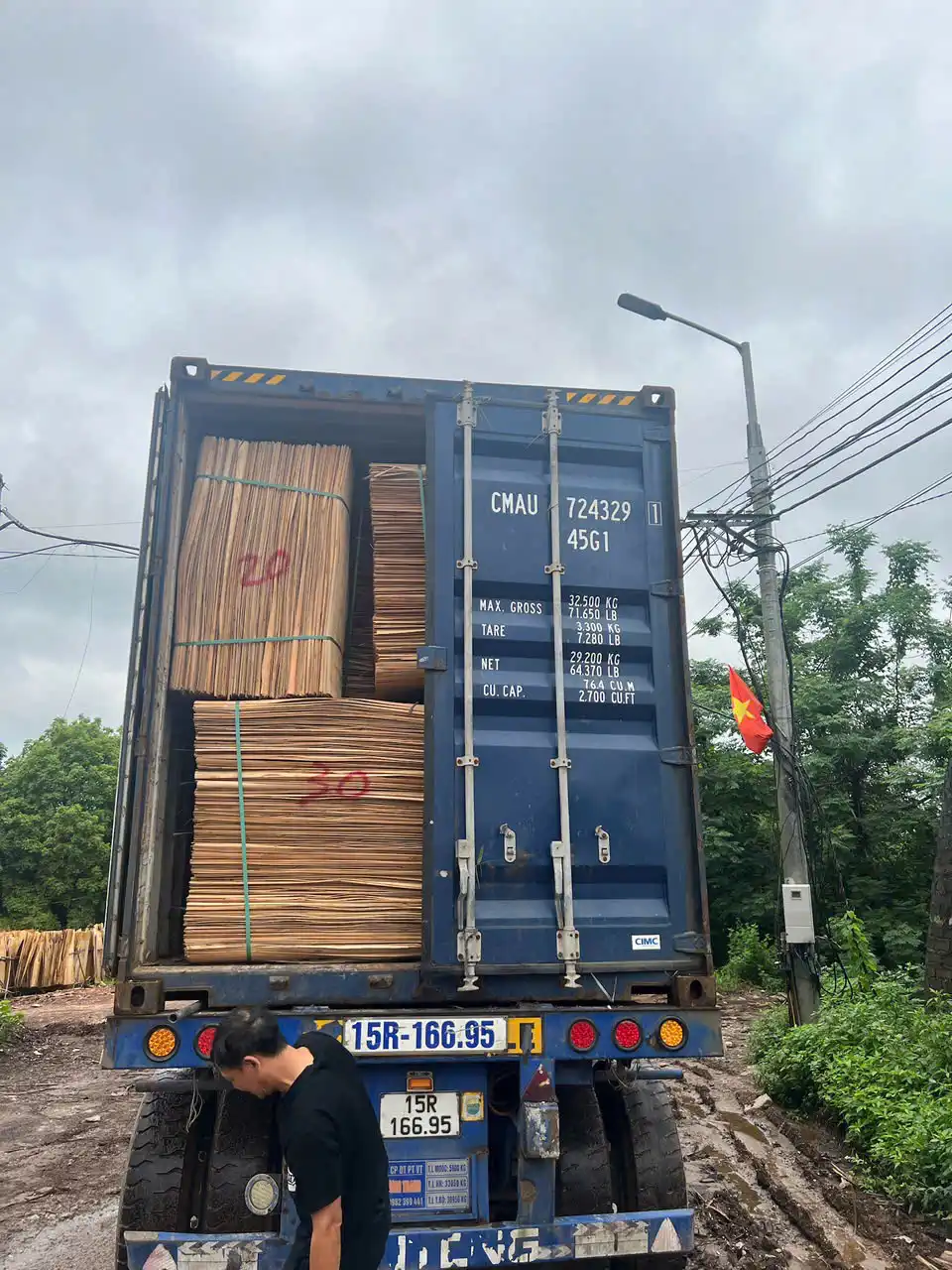
| Supplier Type | % of Search Results | Price Overhead | QC Control | Transparency |
|---|---|---|---|---|
| Trading Company | ~80%+ | High (VAT + margin) | Indirect | Low |
| Manufacturer-Exporter | ~10% | Medium | Direct | High |
| Broker | ~5% | Low | Indirect | Variable |
| Multi-Facility Operator (HCPLY model) | ~5% | None (factory-direct) | Direct | High |
⚠️ Important: The supplier type you are dealing with is not always what their website says. “Factory” and “manufacturer” are marketing terms anyone can use. The verification steps in each section below tell you how to confirm the actual category.
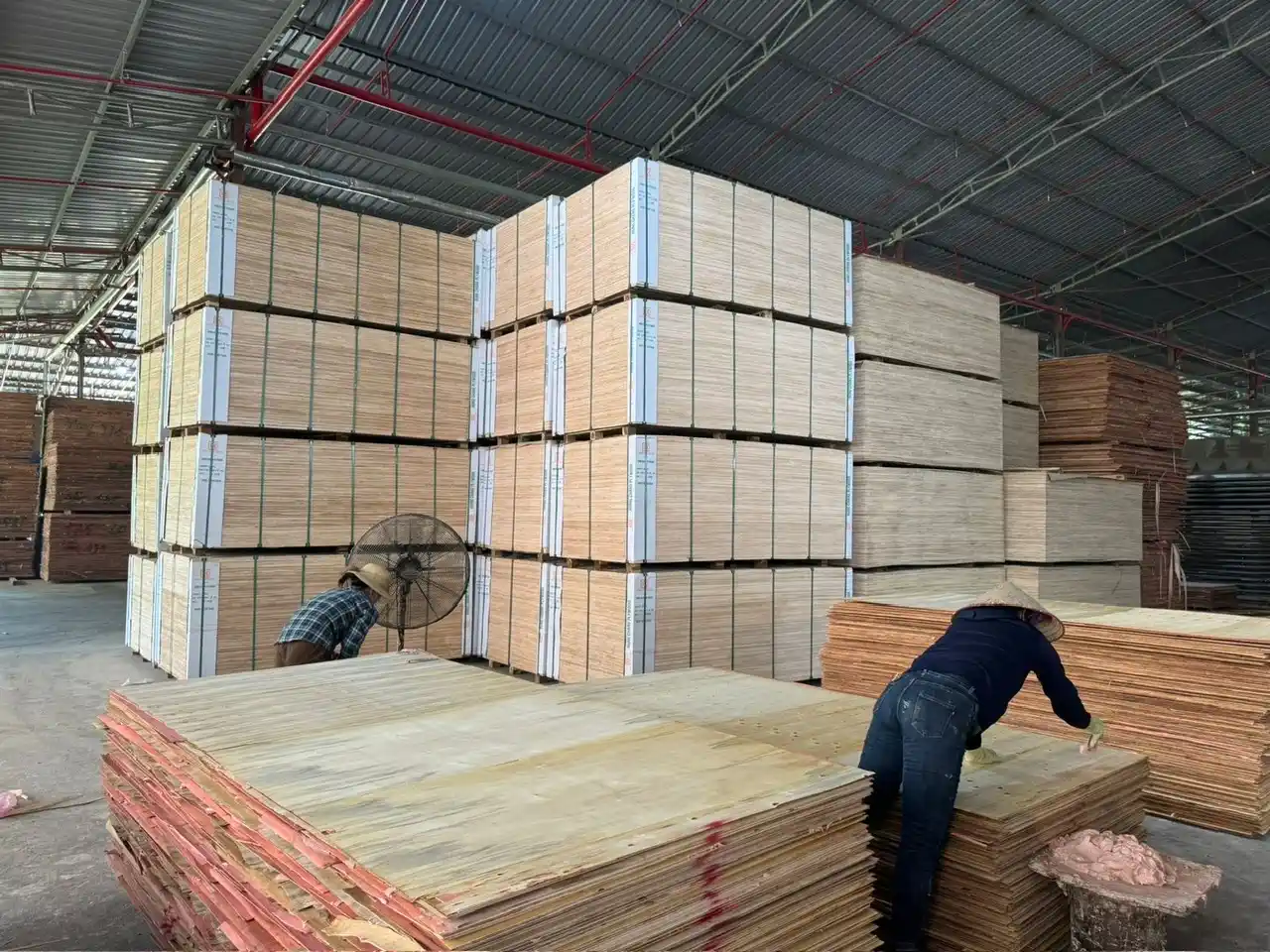
🏭 Type 1 — Trading Companies
This is the dominant category. Over 80% of Vietnam plywood suppliers appearing in search results, on Alibaba, and in B2B directories are trading companies.
A trading company purchases plywood OEM from factories under their own brand or specification, then re-exports it to international buyers. They do not operate production lines. Furthermore, their value proposition is convenience: wide product range, established logistics relationships, and professional sales teams.
How the VAT Overhead Works
This is the structural cost that most buyers do not understand until they compare prices directly.
When a trading company purchases plywood from a Vietnamese factory, they pay the factory invoice price plus 8% domestic VAT. On export, this VAT cannot be reclaimed — it becomes a sunk cost embedded in every transaction.
Factory sells to trading company:  300 USD/CBM
+ Domestic VAT (8%):              +24 USD/CBM
= Trading company cost basis:      324 USD/CBM
+ Trading company overhead/margin: +46 USD/CBM
= FOB price to you:               ~370 USD/CBM
The factory, exporting directly, would quote the same product at 300 + 20 (export costs + logistics) = 320 USD/CBM FOB.
The structural VAT gap alone is 24 USD/CBM. As a result, on a 40HC container carrying approximately 47 CBM (acacia core), that is ~1,128 USD in unavoidable overhead before any trading company margin is added.
Advantages of Trading Companies
- Broad product range: A trading company can source birch-faced furniture plywood from one factory, film-faced construction plywood from another, and bintangor commercial plywood from a third — all under one order.
- Established logistics: Many have permanent relationships with freight forwarders and can consolidate mixed-spec containers.
- Professional communication: Larger trading companies maintain English-speaking sales teams with proper documentation workflows.
- Lower MOQ on niche specs: Trading companies sometimes maintain inventory, enabling smaller trial orders.
Trading Company Red Flags and Risks
- Bait-and-switch on factory visits: A trading company may show you their highest-quality supplier factory during a visit, then source your actual order from a cheaper factory.
- QC is at arm’s length: When defects occur, the trading company must negotiate with their factory supplier on your behalf. They have limited authority to compel action if the factory disagrees with the claim.
- Certification chain breaks: FSC and CARB P2 certificates issued to a trading company are chain-of-custody certificates — they cover the trading company, not the factory. If the factory loses its own certification, the trading company’s certificate may become invalid without your knowledge.
- Material substitution risk: Trading companies regularly source from multiple factories. Your repeat orders may come from different factories with different quality standards.
Based on our real-world experience auditing dozens of buyer-supplier relationships, the bait-and-switch on factory visits is the most commonly reported issue — and the hardest to detect without independent factory verification.
In our experience processing over 500 buyer inquiries annually, the most common mistake is requesting quotes without specifying core species — which gives trading companies maximum latitude to source the cheapest available material regardless of what was verbally discussed. We’ve seen firsthand how buyers who skip factory audits end up with 20–30% higher rejection rates at destination ports, discovering specification mismatches only after the container is 30 days at sea. From our factory floor, we observed that buyers who provide complete, written specifications — core species, glue type, emission standard, construction method — receive comparable quotes 3x faster and with far fewer post-shipment disputes.
Real-world example — Middle East buyer case study: One buyer from the Middle East initially sourced 18mm birch-faced plywood from a Ho Chi Minh City trading company at $295/CBM. After switching to direct factory sourcing from our Phu Tho facility with the identical specification, the same product cost $258/CBM — a 12.5% reduction that translated to $9,250 savings per container over the course of a year.
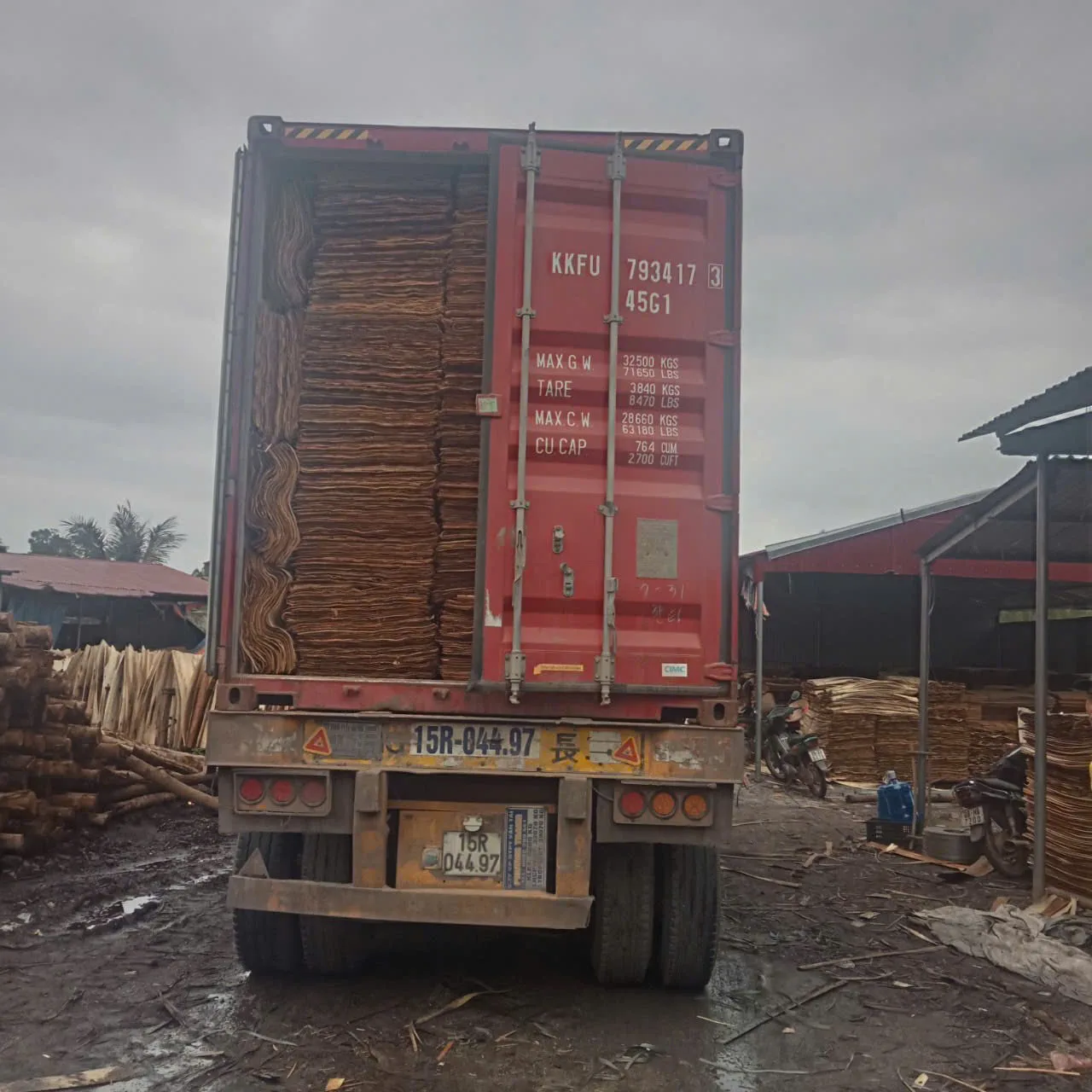
On the other hand, for buyers who need a broad range of product categories under a single invoice and are willing to pay the VAT premium, trading companies remain a practical option.
Due Diligence Checklist — Trading Companies
- Ask for the Bill of Lading from a recent shipment — who is the shipper?
- Request the factory business license (not the trading company’s own license)
- Verify FSC/CARB P2 certificates are issued at the factory level, not only to the trading company
- Request pre-shipment inspection by SGS, Bureau Veritas, or equivalent
- Specify in your PO that production factory substitution requires written approval
- Ask for real-time production photos/videos (pressing, veneer layup, packing)
- Visit the factory yourself before committing to volume — not just the trading company office
🔧 Type 2 — Manufacturer-Exporters
A true manufacturer-exporter owns and operates production lines and has built an internal export team. They produce plywood and sell directly to international buyers under their factory’s export license.
This model offers genuine factory-direct pricing with complete QC control. However, it comes with structural limitations that buyers should understand before committing.
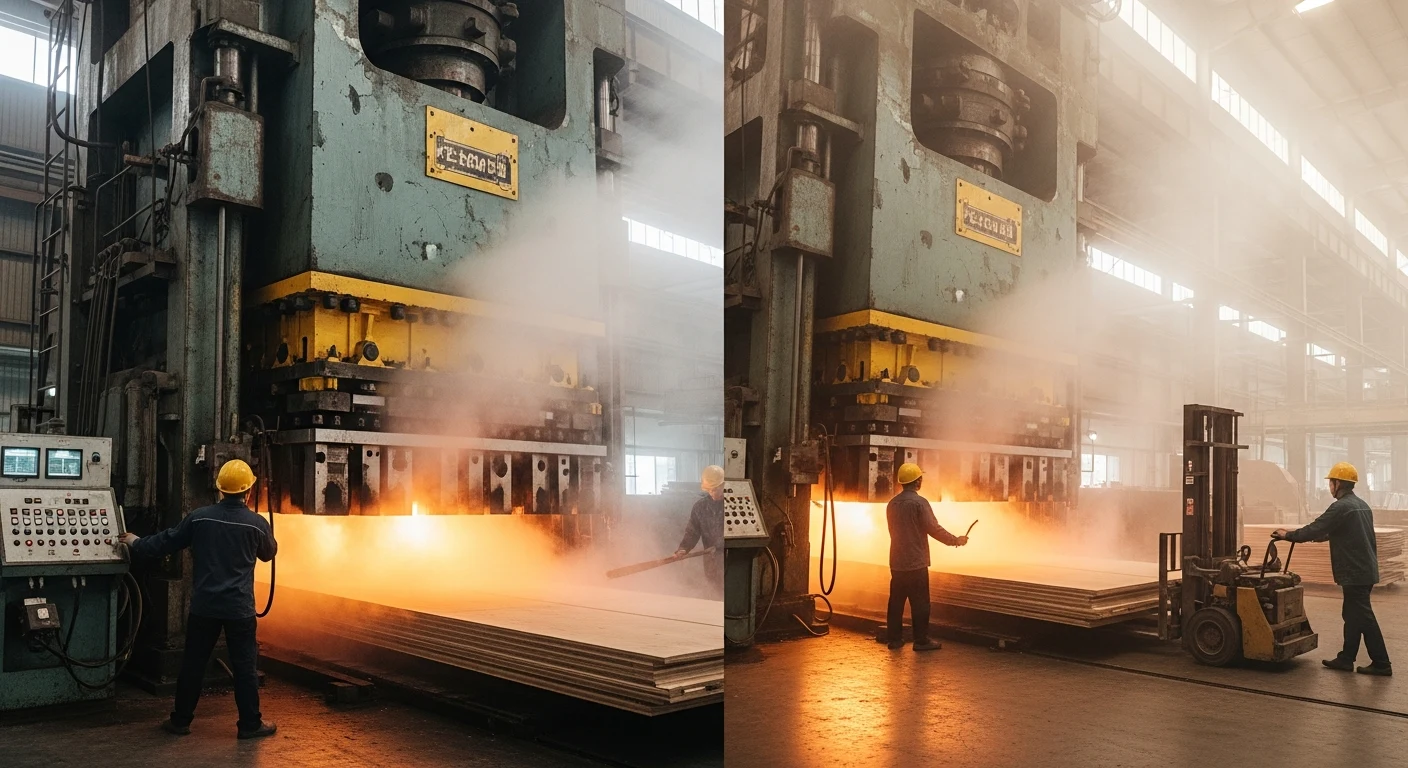
The Hidden OEM Reality
Very few Vietnam plywood manufacturers can cover all product segments from a single factory. A furniture plywood factory specializing in styrax-core, E0, full-stitched panels runs fundamentally different processes from a commercial packing plywood factory. They cannot economically switch between segments.
Therefore, what this means for you: When a manufacturer-exporter fills an order outside their core specialty, they typically purchase OEM from another factory. A furniture plywood manufacturer receiving an inquiry for film-faced shuttering plywood will often source it from a specialist construction plywood factory. The export documents still show their factory name, but the production origin is different.
This is not inherently dishonest — it is standard industry practice. However, the key is transparency: ask explicitly before the order, not after the goods arrive. In our direct factory operations, we always disclose when an order involves a different production facility rather than our primary production lines. From our first-hand experience managing hundreds of mixed-segment orders, buyers who clarify this upfront have far fewer disputes and faster resolution when minor issues arise.
When I first entered the plywood export business, I quickly learned that not all manufacturers operate with the same transparency about which products they genuinely produce in-house versus source externally. Our story is one of continuous improvement — what started as a single production line has grown into a network processing 15,000+ CBM annually across three factory segments, with full disclosure of which facility produces each product type in every proforma invoice.
Advantages of Manufacturer-Exporters
- Direct QC control for products within their factory’s core segment
- Transparent certification chain: FSC, CARB P2, ISO 9001 certificates all originate at the production facility
- Factory-direct pricing: No domestic VAT overhead on direct export
- Production scheduling priority: Your orders are not competing with other buyers at an external factory
Manufacturer-Exporter Red Flags and Risks
- Segment mismatch: If you need multiple product types (furniture plywood AND film-faced AND packing), a single manufacturer-exporter will OEM some of it — often without disclosure.
- Capacity ceiling: Factories of 30-100 containers/month have peak season backlogs. Your order may be deferred or partially OEM’d during busy periods.
- Sales team overhead: Larger manufacturer-exporters maintain significant marketing and sales budgets that are reflected in their pricing — not as egregiously as trading companies, but the overhead exists.
Due Diligence Checklist — Manufacturer-Exporters
- Confirm the factory’s own production line capacity — request a factory video or live video call
- Ask explicitly which products are manufactured in-house vs. OEM sourced
- Request a copy of the factory’s own ISO 9001 and FSC certificates (not a chain-of-custody cert from a separate entity)
- Ask for lead time during peak season (August-October) — excessive delays may indicate over-reliance on OEM
- Specify in the contract which factory address will appear on the Bill of Lading
📦 Type 3 — Brokers
Vietnam plywood brokers operate at the smallest scale and often deliver the sharpest pricing. A typical broker is 1-3 individuals with deep personal relationships at specific OEM factories. They receive your inquiry, identify the best-fit factory from their network, place the order in that factory’s name, arrange export logistics, and earn a commission of approximately 5-10 USD/CBM.
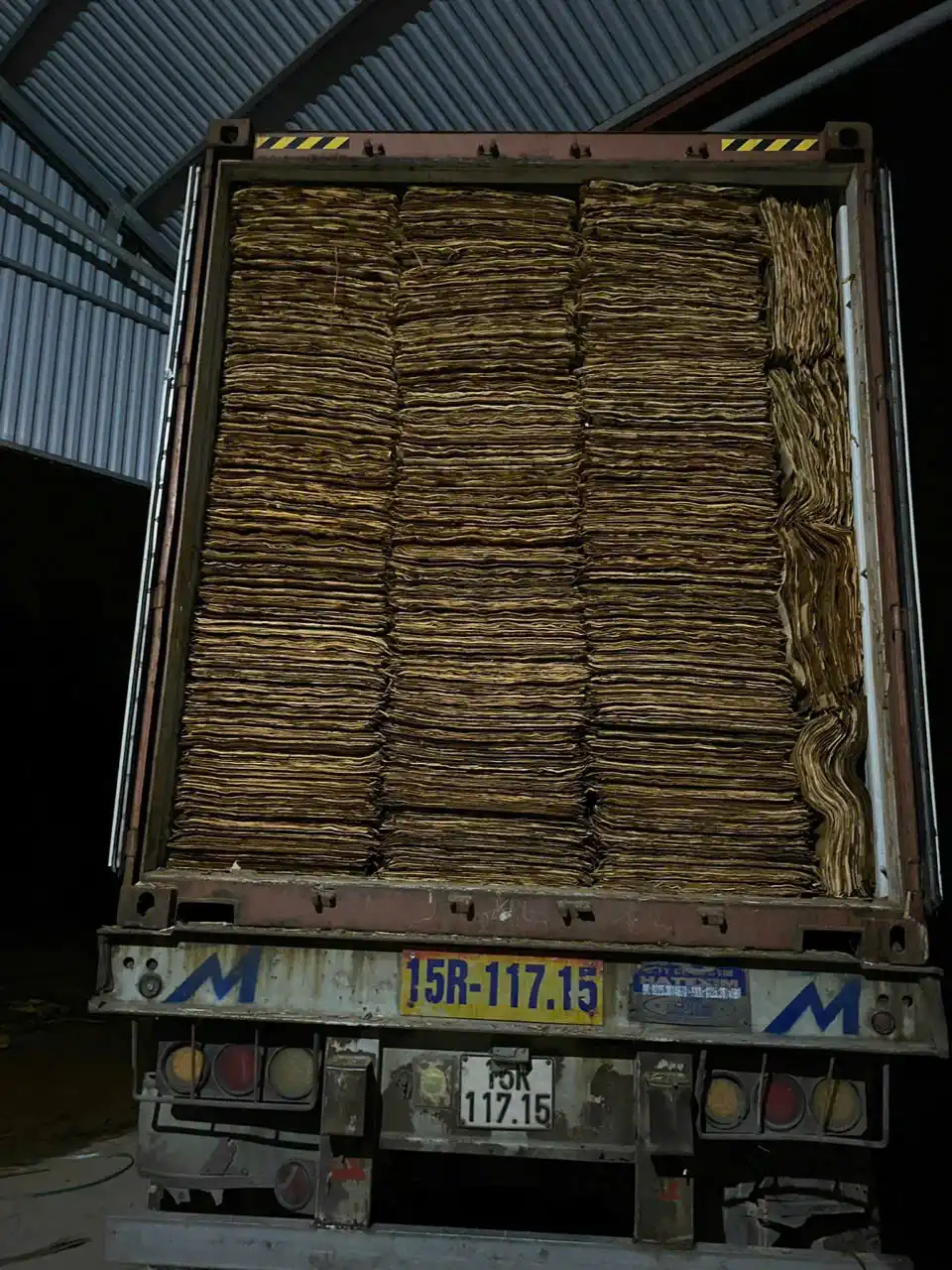
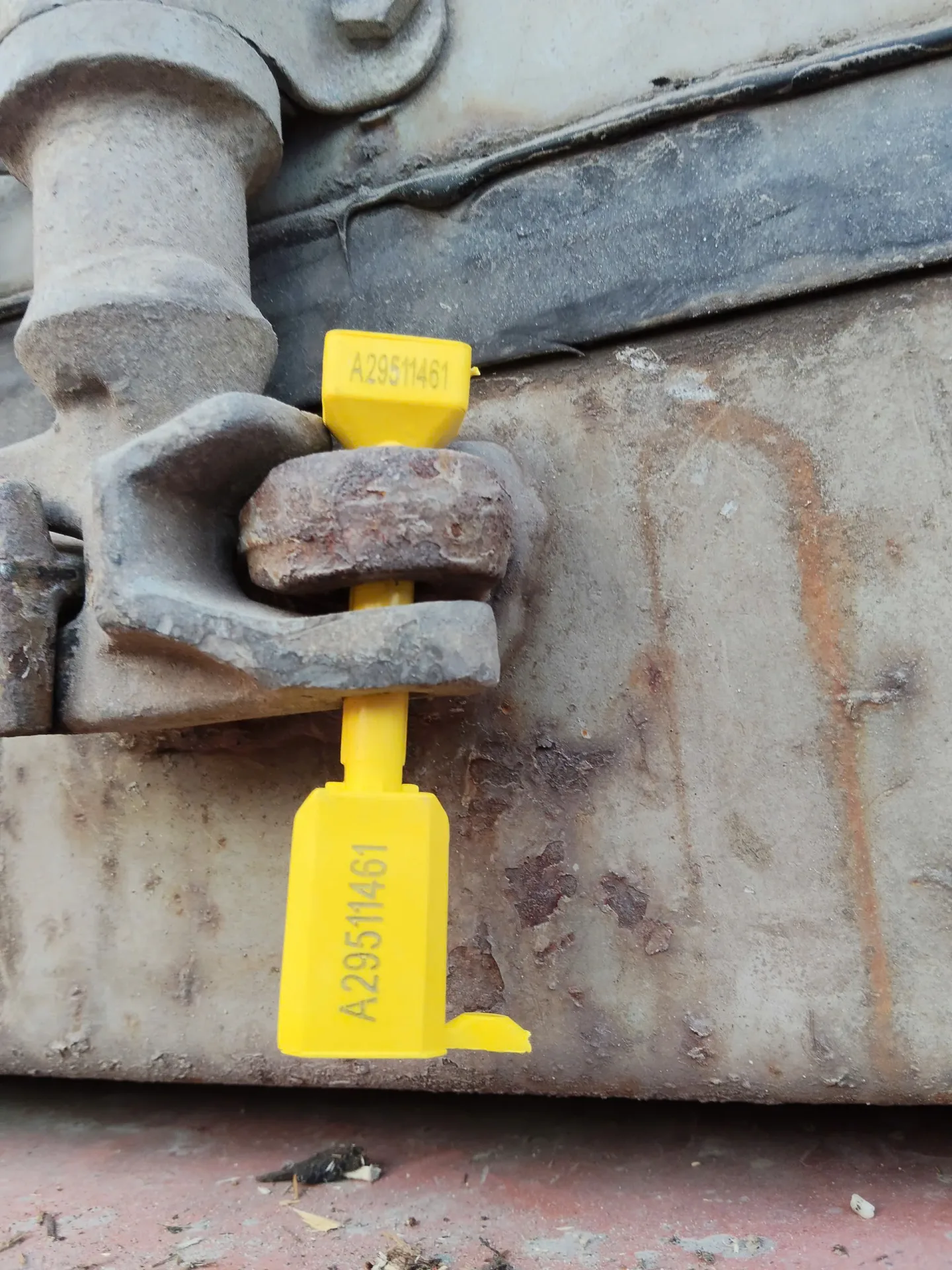
Goods ship directly from the factory. Moreover, export documents (B/L, CO, FSC, Phyto) list the factory as shipper — the broker is invisible on paper.
The Real Pricing Chain — Broker Example
Using the same product as the trading company example above:
Factory ex-works price:           300 USD/CBM
+ Export costs (logistics, docs): +20 USD/CBM
= Factory FOB:                    320 USD/CBM
+ Broker commission:              +5-10 USD/CBM
= Broker's FOB to buyer:         325-330 USD/CBM
Compare to the trading company quoting 370 USD/CBM for the same product. The price gap is 40-45 USD/CBM — on a 47 CBM container, that is 1,880-2,115 USD per shipment.
Why Brokers Are Cheaper
- No domestic VAT overhead (goods export under the factory’s license)
- No large sales/marketing organization
- Minimal office costs
- Commission-only revenue model
Advantages of Brokers
- Sharpest pricing for buyers willing to manage their own QC process
- Factory-name export documents — no trading company entity in the chain
- Flexibility: Good brokers maintain relationships with multiple specialized factories across product segments
- Speed: Small operation means fast decisions and direct communication
Broker Red Flags and Risks
- Limited QC authority: A broker has no legal standing at the factory. If a production dispute arises, the broker can call the factory owner but cannot stop a line or hold a shipment.
- No contractual buffer: Your commercial relationship is with the broker, but your goods are produced at a factory with no legal relationship to you.
- Succession risk: If the broker’s key factory contact leaves or the factory changes ownership, your supply chain breaks.
- Inconsistency: Brokers may switch factories based on price or availability without notifying buyers.
- Verification difficulty: Brokers rarely disclose their factory partners — making it impossible for you to verify production capability independently.
Similarly, professional importers who rely on consistent repeat-order quality find that broker arrangements carry more long-term risk than their upfront price savings justify.
Due Diligence Checklist — Brokers
- Request a reference contact at the factory (the production manager or QC supervisor, not just the owner)
- Ask to visit the factory independently — not just on a broker-arranged tour
- Mandate third-party pre-shipment inspection in the contract
- Build in a 10% hold on payment until goods pass PSI
- Do not commit to volume orders until you have 2-3 successful trial containers from the same factory
- Ask for the factory’s own export records — how many containers per month do they ship?
📩 Ready to compare factory-direct pricing? contact us for a free, no-commitment quote — FSC-certified, ISO 9001 compliant, CARB P2 compliant, 10+ years export experience. We respond within 24 hours with full specifications and FOB pricing.
⚙️ Type 4 — Multi-Facility Export Operator
This is the least common category but the one most worth understanding for serious buyers. A multi-facility operator manages dedicated production facilities across product segments — maintaining on-site QC control and export documentation that originates at the factory level.
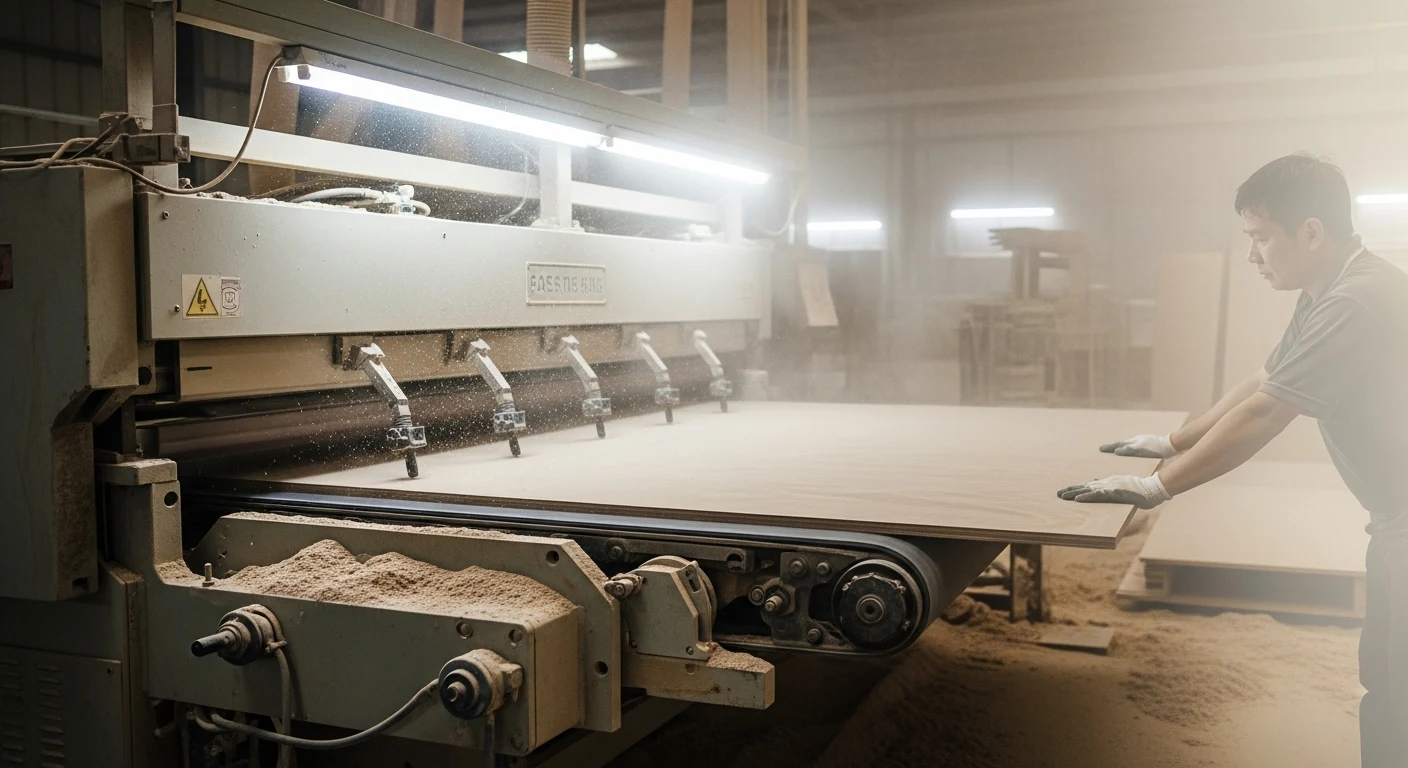
HCPLY (Vietnam Plywood) operates this model. HCPLY manages 3 specialized production facilities in Northern Vietnam, each purpose-built for specific product categories. All shipments go factory-direct under factory credentials.
The 3-Facility Strategic Coverage
HCPLY manages 3 specialized production facilities covering distinct segments:
| Factory Segment | Core Species | Glue | Emission | Target Market |
|---|---|---|---|---|
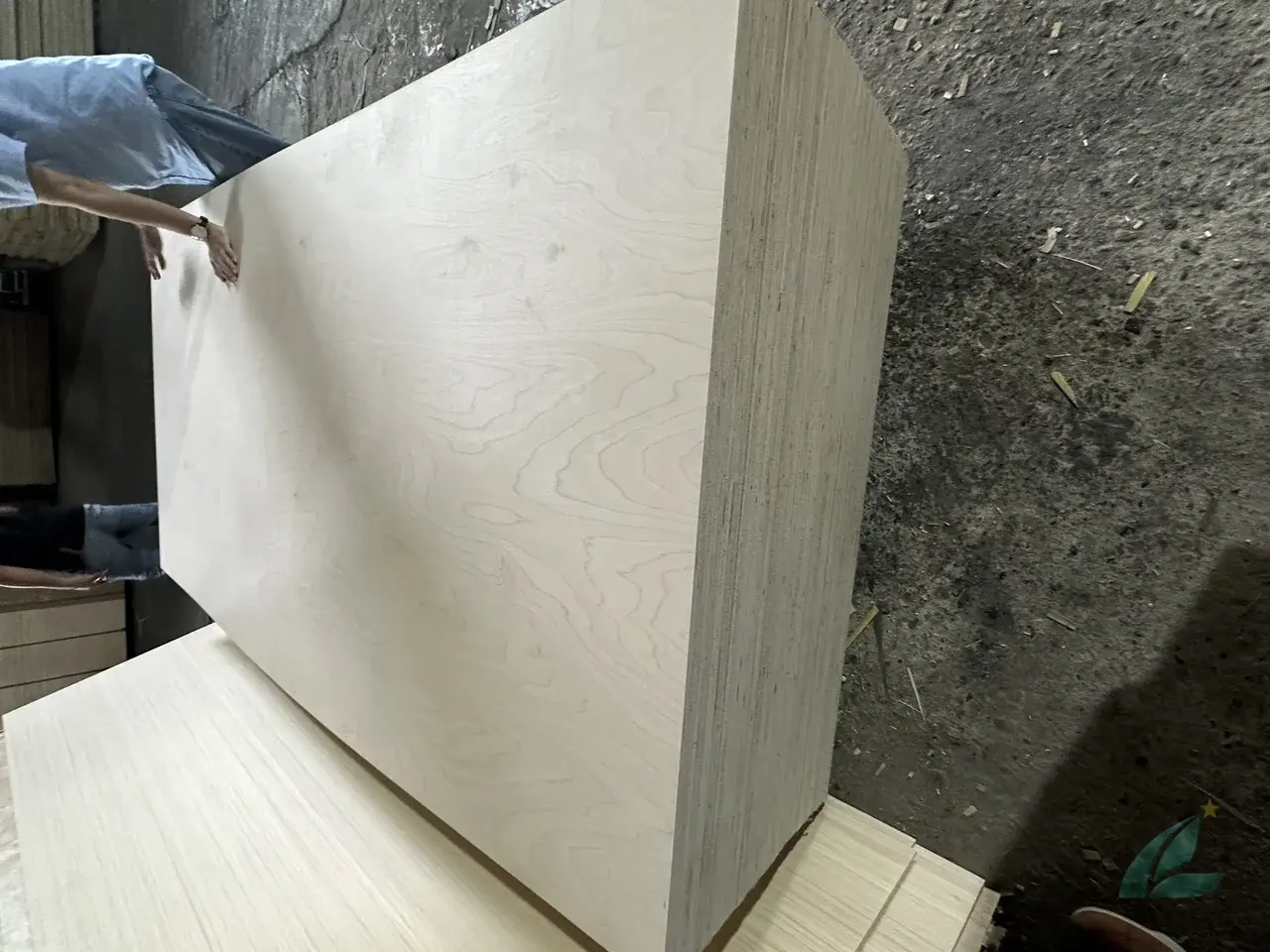
| Premium Furniture | Styrax, Eucalyptus | Melamine (MR) | E0/E1 | EU, US, Japan, Australia |
| Commercial / Packing | Acacia | Melamine (MR) | E1/E2 | Korea (predominantly commercial/construction; small premium furniture niche), Southeast Asia, Middle East, Africa |
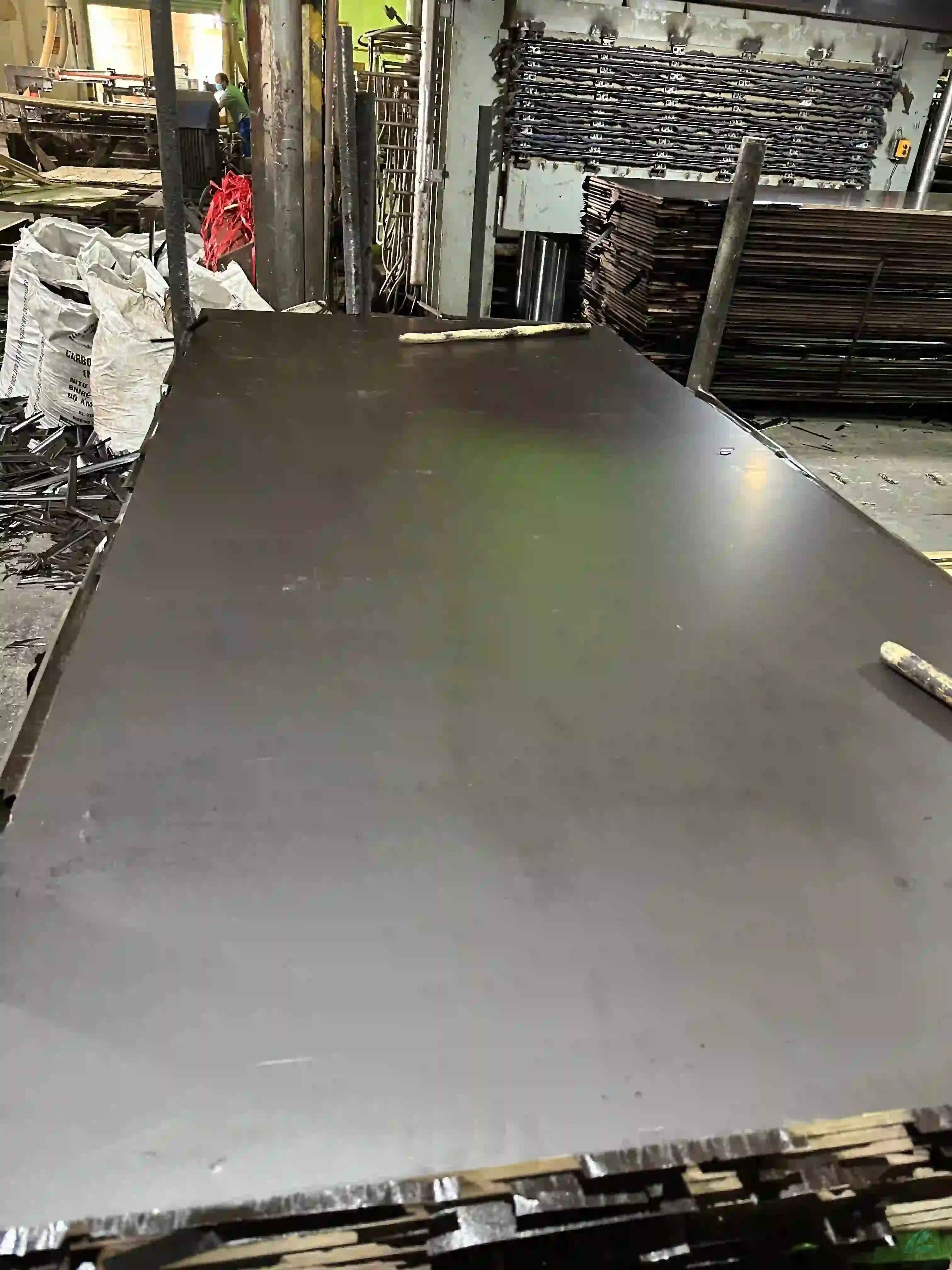
| Premium Film-Faced | Eucalyptus, Acacia | Phenolic (WBP) | N/A | EU, Japan, Australia |
This coverage means a buyer can source birch-faced furniture plywood, film-faced shuttering boards, and bintangor commercial panels through a single contact point — with each product shipped directly from its specialized factory.
The Pricing Advantage
Because this model exports under factory licenses with no domestic VAT transaction:
Factory ex-works:                300 USD/CBM
+ Export costs:                  +20 USD/CBM
= Direct FOB to buyer:           320 USD/CBM
The VAT overhead that adds ~24 USD/CBM to trading company quotes is eliminated. The broker commission (5-10 USD/CBM) is eliminated. Hence, you receive factory-direct pricing across multiple product segments — an advantage that most buyers only access after years of direct factory relationship-building.
Advantages of the Multi-Facility Model
- Multi-segment coverage without OEM risk — each segment has a dedicated production facility
- Factory-direct pricing — no VAT overhead
- Full QC authority — on-site QC personnel embedded at each facility
- Complete documentation chain — every certificate (FSC, CARB P2, ISO 9001) originates at the factory level
- Consistent supply across product types — no capacity ceiling from a single facility
Due Diligence Checklist — Multi-Facility Model
- Request factory certificates for each factory segment (not just one certificate covering all)
- Confirm which factory will be named on the B/L for each product type
- Ask for factory production records for your specific product — not generic capacity claims
- Request video call or factory visit for the specific factory producing your order
- Verify FSC CoC certificates link to each individual factory, not only the sales entity
💡 Tip: HCPLY manages 3 specialized facilities — giving you factory-level certificates, factory-direct pricing, and multi-segment coverage from a single contact. Download our product catalogue or contact us to request a free sample and quote — no minimum order for samples.
📊 What Does the Real Pricing Chain Look Like From Factory to Your Port?
The table below maps the same product (hypothetical 12mm bintangor-face, acacia-core, MR glue, E1) through all 4 supplier types.
| Cost Component | Factory Direct | Multi-Facility | Broker | Trading Company |
|---|---|---|---|---|
| Ex-works (factory gate) | $300/CBM | $300/CBM | $300/CBM | $300/CBM |
| Domestic VAT (8%) | $0 | $0 | $0 | +$24 |
| Export logistics/docs | +$20 | +$20 | +$20 | +$20 |
| Supplier margin/commission | $0 | Embedded | +$5-10 | +$26+ |
| FOB to buyer | $320 | ~$320 | $325-330 | ~$370 |
💡 Pro tip: These numbers are directional examples to illustrate the structural pricing gap. Actual FOB prices vary by product type, specifications, thickness, core species, and market conditions. Always request itemized quotations for accurate comparison.
At 47 CBM per acacia-core 40HC container:
| Supplier Type | FOB per Container | Premium vs. Factory-Direct |
|---|---|---|
| Factory Direct / Multi-Facility | ~$15,040 | Baseline |
| Broker | ~$15,510-15,510 | +$470-940 |
| Trading Company | ~$17,390 | +$2,350 |
The trading company premium on a single container is enough to fund a full pre-shipment inspection plus cover a significant portion of your freight costs.
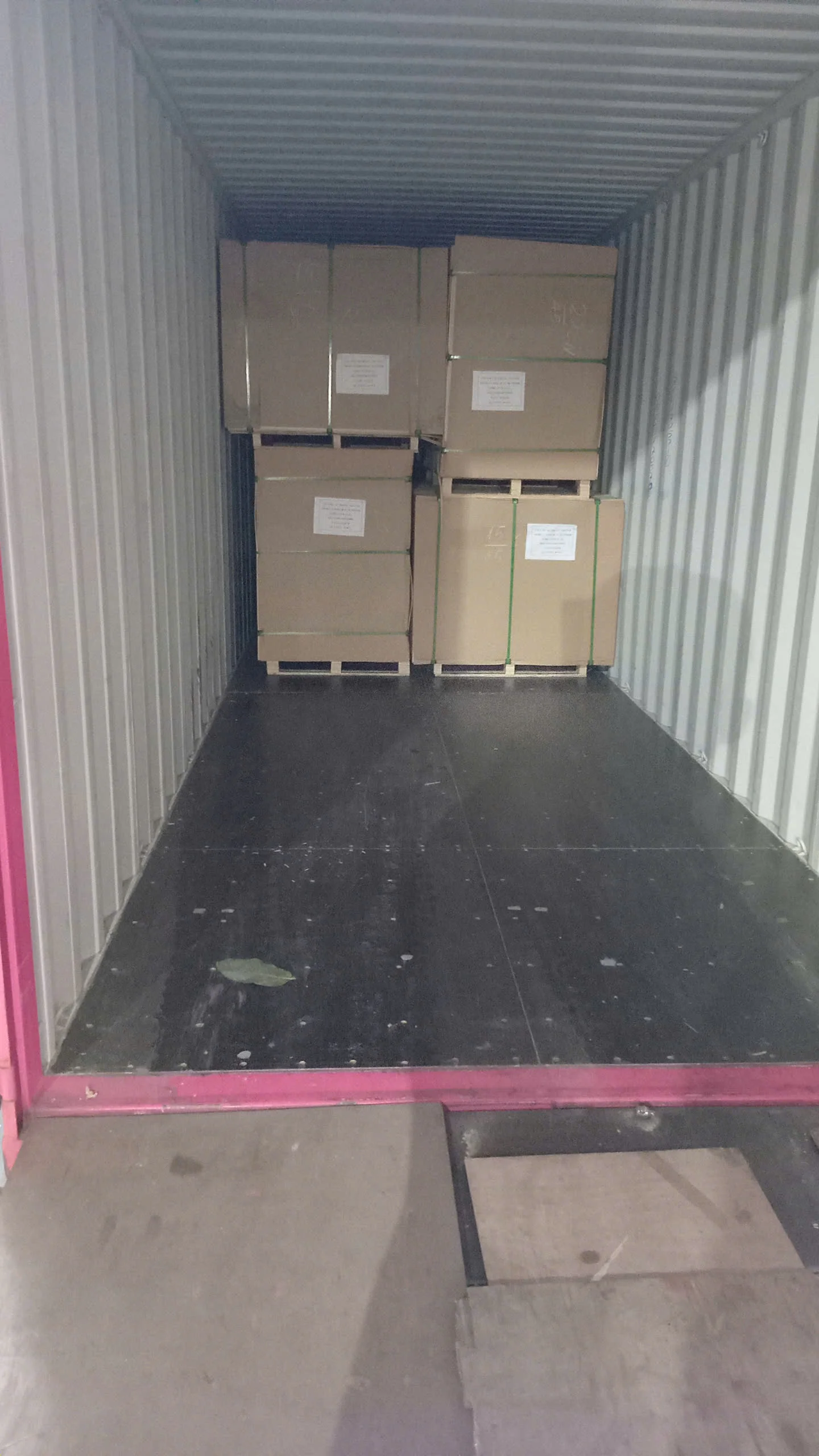
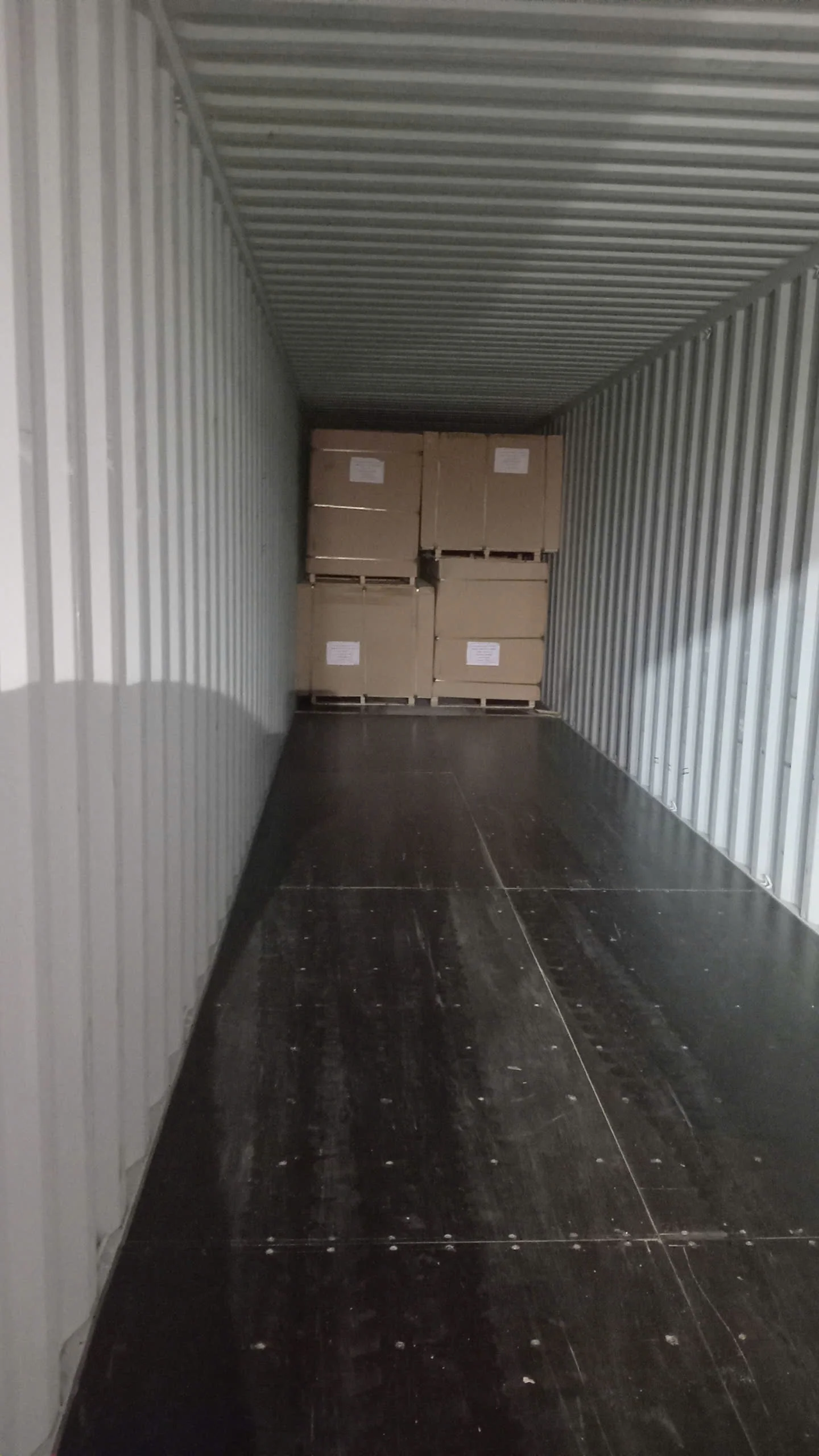
Ready to compare factory-direct pricing for your specification? Request a free quote from HCPLY →
📐 Why Does Vietnam’s VAT Structure Inflate Trading Company FOB Prices?
International buyers often ask why Vietnam suppliers quote such different prices for apparently identical products. The domestic VAT structure is the primary explanation.
In Vietnam, all domestic business-to-business transactions are subject to 8% VAT (reduced from 10% through periodic government policy, per the Vietnam General Department of Taxation). According to Vietnam Ministry of Finance, 2024, the reduced 8% rate applies to most manufacturing and trade sectors, including wood products. When a trading company purchases plywood from a factory, they pay this VAT on the invoice amount. When goods are exported, VAT-exempt status applies to the export transaction — but the VAT already paid on the purchase cannot be reclaimed through the standard mechanism if the company’s accounting setup is not optimized for export.
In practice, most trading companies treat the VAT cost as a pass-through to international buyers. As a result, the same product from the same factory costs structurally more when purchased through a trading company.
In contrast, factory-direct exporters — their export transaction is VAT-exempt from the factory gate.
⚠️ Note: This is not a theoretical difference. On a USD 300/CBM factory price, the VAT differential alone adds
$24/CBM— which compounds on every container, every order, across your entire procurement program.
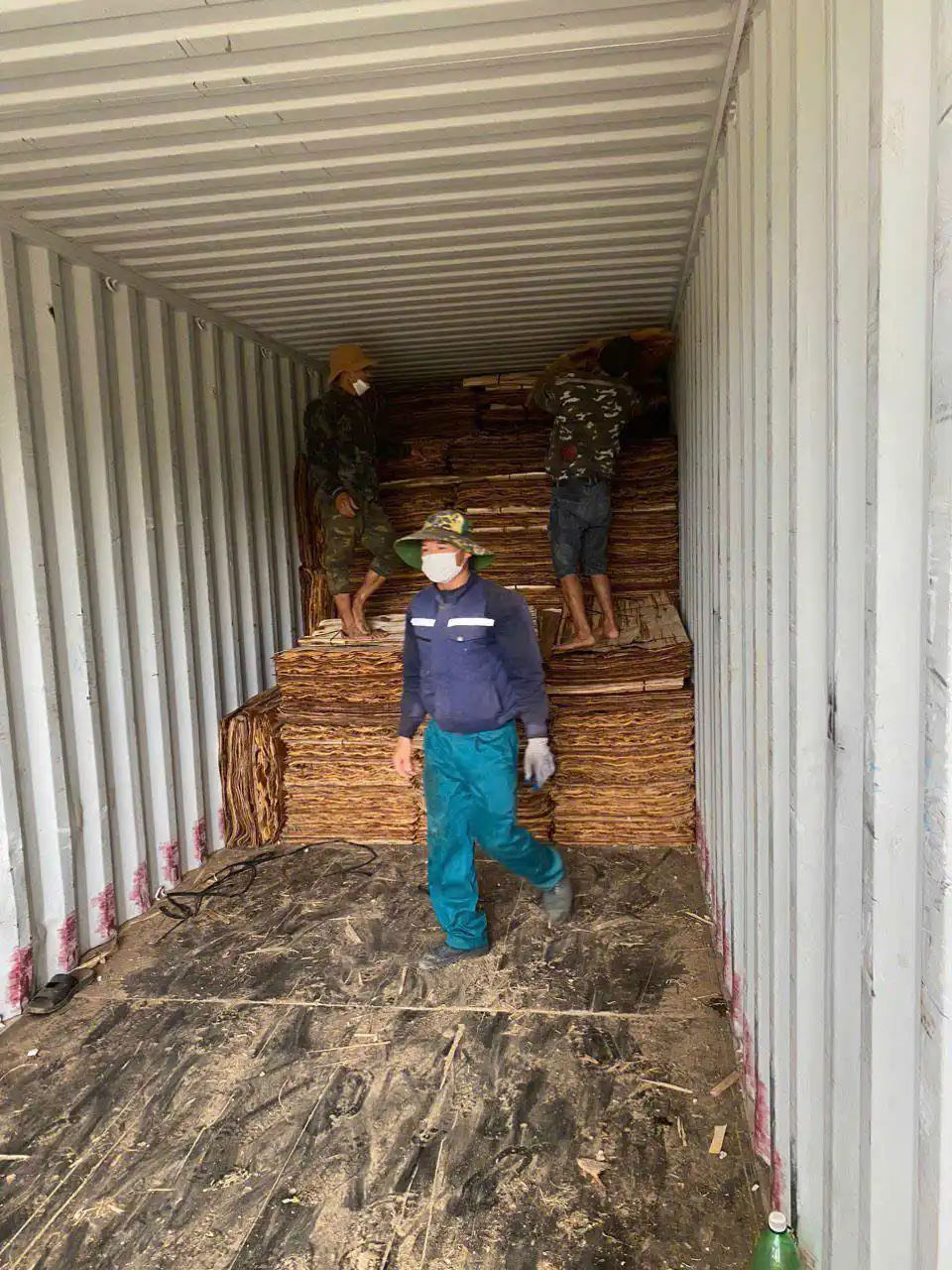
✅ How Do I Verify a Vietnam Plywood Supplier Before Placing an Order?
Regardless of which supplier type you are working with, apply these 5 verification layers before committing to volume orders. In my experience, buyers who skip even 2 of these layers have a significantly higher rate of shipment disputes. Based on our direct sourcing experience across 50+ export markets, these 5 layers catch over 90% of supplier misrepresentations before they become costly mistakes.
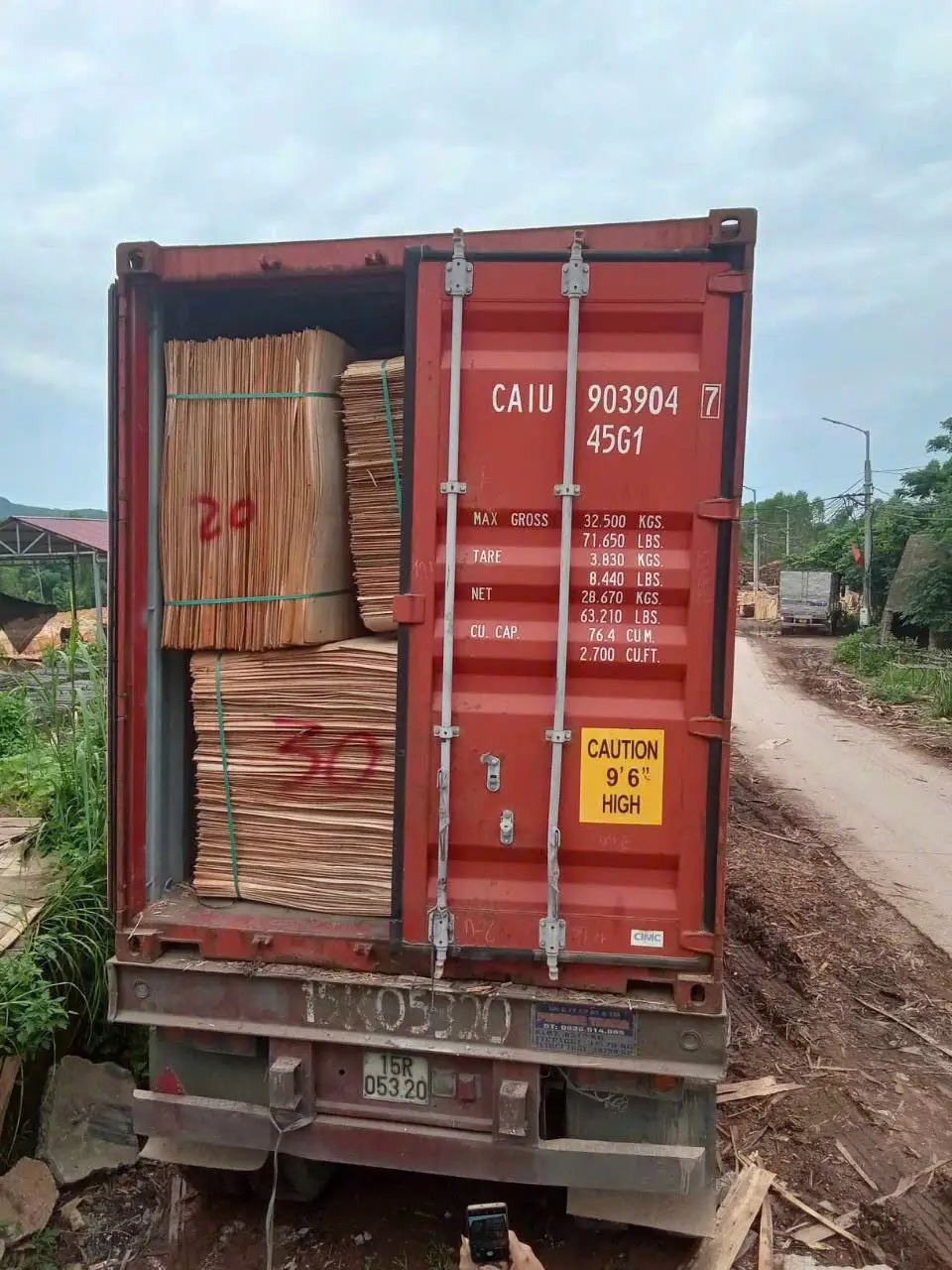
Layer 1 — Identify the Actual Supplier Type
- Request a recent Bill of Lading (from a shipment in the last 6 months)
- Check: is the shipper on the B/L the same entity you are negotiating with?
- If different: you are dealing with a trading company or broker
- Google the factory name on the B/L — does it match the supplier’s claimed factory?
- Request the factory’s own business license (business registration certificate) — it shows production scope
Layer 2 — Verify Certifications at the Source
| Certification | What to Check |
|---|---|
| FSC | Is the certificate issued to the factory or to a trading entity? Check the FSC certificate holder on fsc.org |
| CARB P2 | Third-party test report from CARB-approved lab — issued to which entity? |
| ISO 9001 | Issued to factory address, not office address? |
| CE (construction) | Is the factory address on the declaration of performance? |
⚠️ Key point: An FSC Chain-of-Custody certificate issued to a trading company does not guarantee the wood used in your order came from an FSC-certified forest. Only factory-level FSC certification provides this assurance.
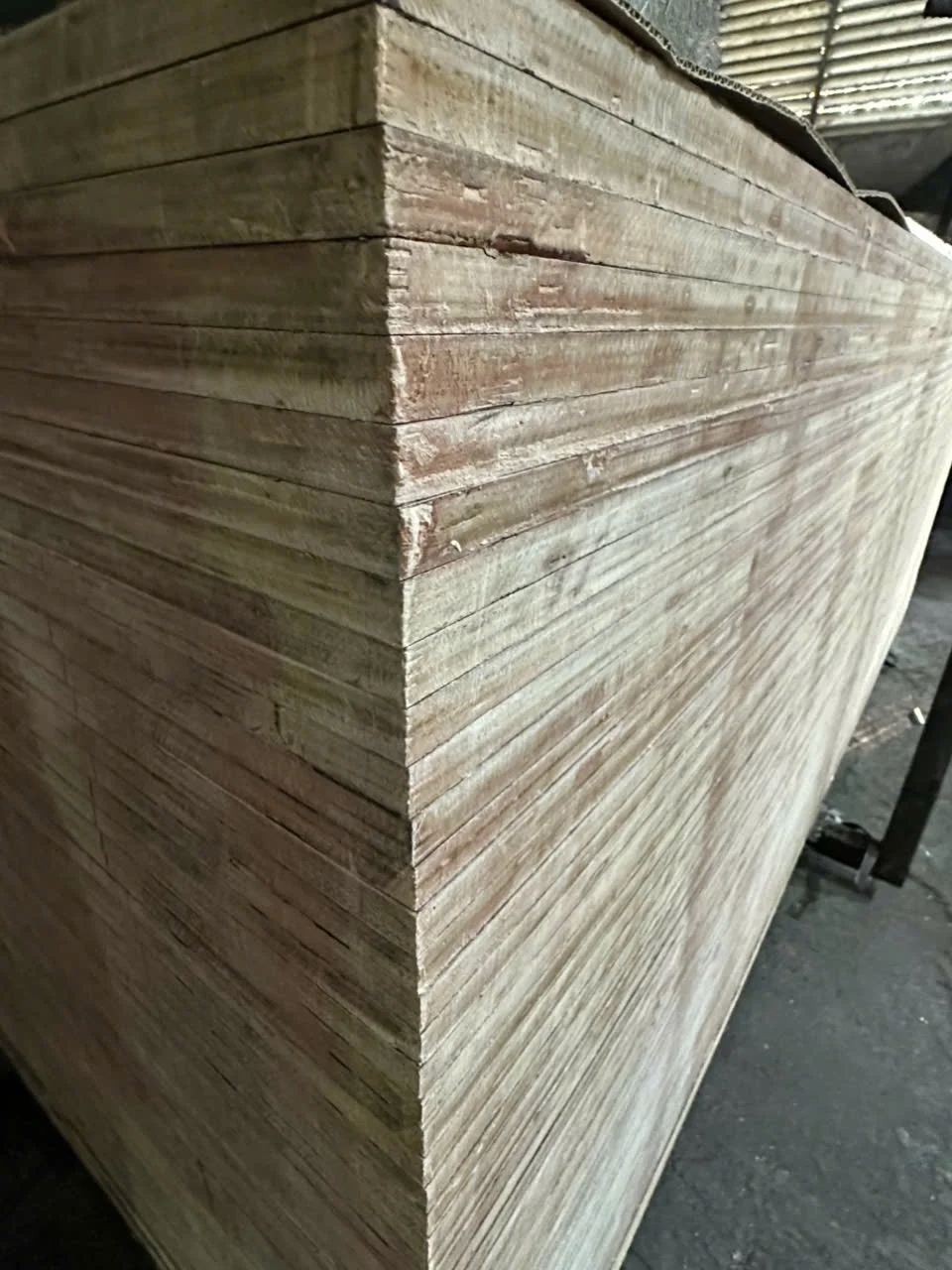
Layer 3 — Assess Production Capability
Ask these specific questions:
- What is your monthly production capacity for this product?
- What is your current order backlog and lead time?
- Can you provide a production video showing the pressing line and layup for this product?
- What core species do you use for this product? (Test their technical knowledge — see the plywood factory types and industry segmentation guide for context)
- What is your QC process between pressing and packing?
A factory with genuine production capability answers these questions specifically and confidently. In my experience, a trading company or broker will often be vague or need to “check with the factory” — a clear signal that they do not control the production process.
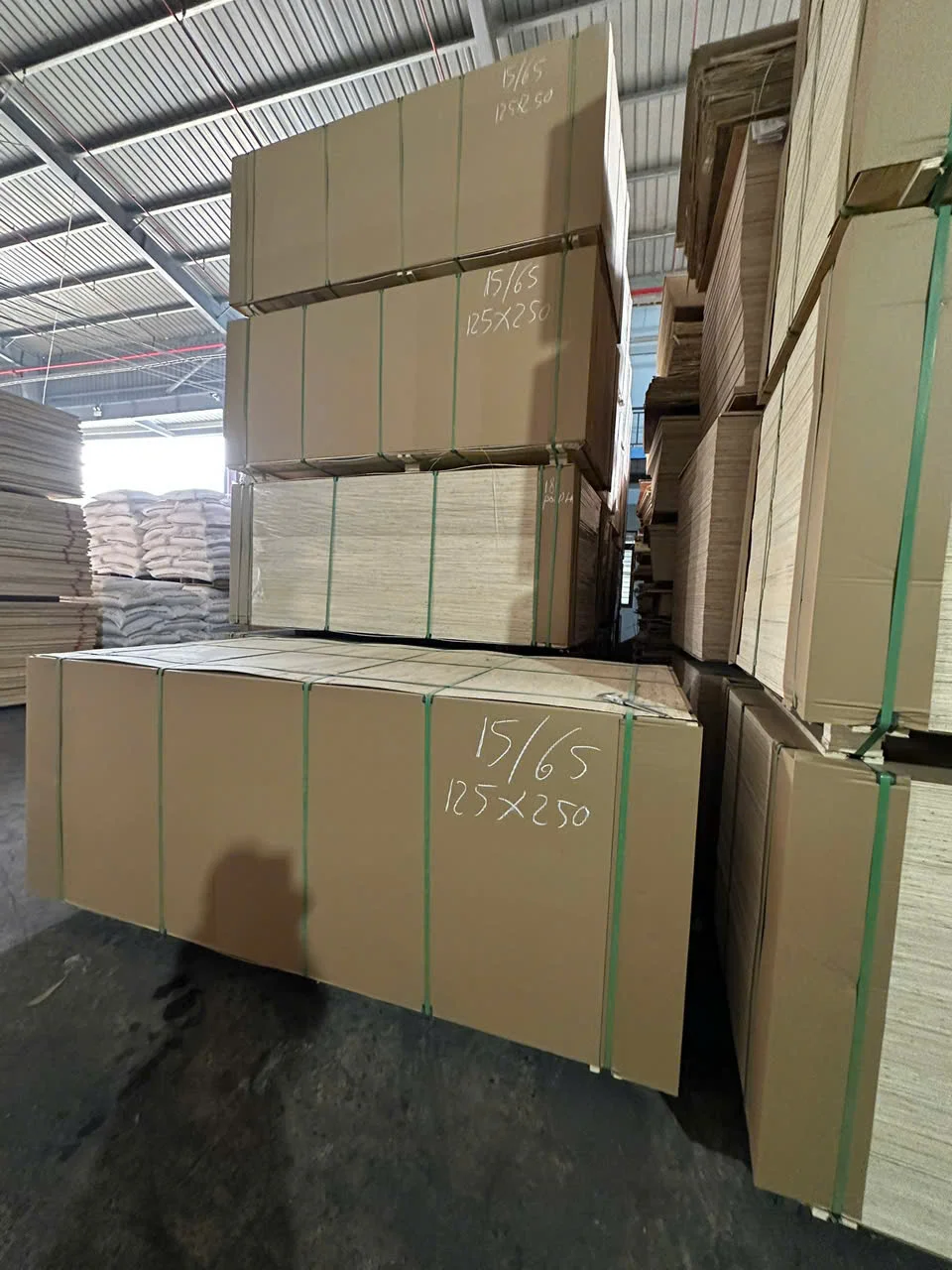
Layer 4 — Pre-Shipment Inspection (PSI)
Mandate PSI in your purchase order for every shipment until you have established confidence in the supplier.
- Approved agencies: SGS, Bureau Veritas, Intertek, QIMA, or equivalent
- Inspection scope: Dimensions/thickness against spec, surface grade, bonding strength (boiling test sample), moisture content, packing condition, loading supervision
- Timing: PSI before container sealing — not after loading
- Cost: Approximately $150-300 per inspection — a small fraction of container value
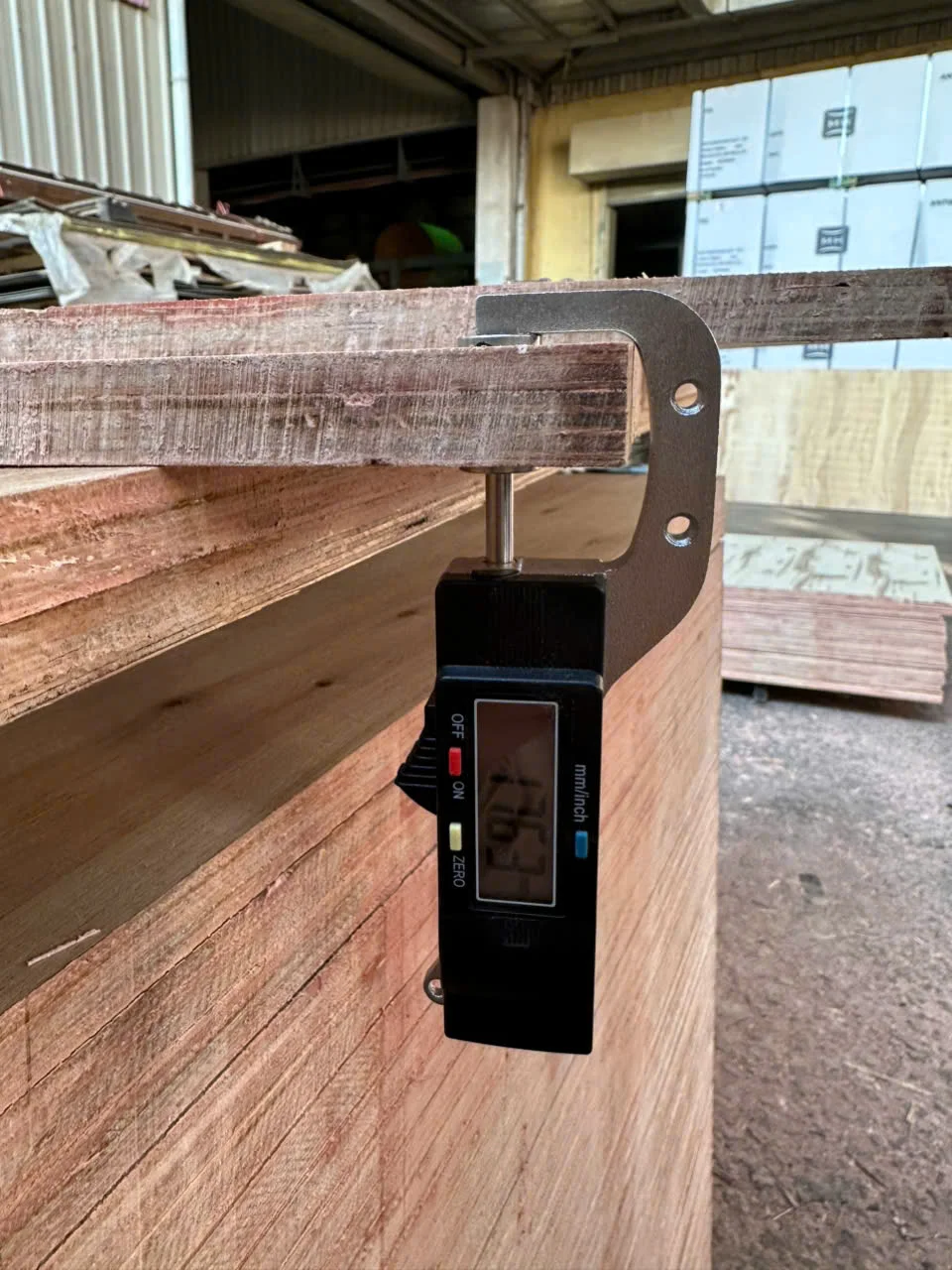
Layer 5 — Documentation Before Payment Release
Do not release final payment until you have received and verified:
| Document | Purpose |
|---|---|
| Bill of Lading (original) | Title to goods |
| Commercial Invoice | Customs value |
| Packing List | Container contents |
| Certificate of Origin (CO) | Tariff preference (Form D for ASEAN, Form B general) |
| FSC Certificate | Forestry compliance |
| Phytosanitary Certificate | Wood product export requirement |
| Fumigation Certificate | Pest control confirmation |
| CARB P2 test report (if required) | US market formaldehyde compliance |
| EUDR due diligence statement (EU buyers) | EU Deforestation Regulation 2024 compliance |
🗺️ Vietnam’s Geographic Production Advantage
Understanding where Vietnamese plywood is produced helps you verify supplier claims and avoid paying Northern-efficiency prices for Southern-cost products.
Northern Vietnam (80%+ of exports) — the dominant production region. According to VIFORES (Vietnam Timber and Forest Product Association), Northern provinces including Phu Tho, Bac Ninh, Bac Giang, Yen Bai, and Tuyen Quang account for the overwhelming majority of plywood export volume. According to Vietnam Customs data, 2024, northern provinces account for over 80% of total plywood export value. This region has direct access to plantation acacia, eucalyptus, and styrax — the three core species used in Vietnamese plywood. Notably, HCPLY’s factories are located in Ha Hoa District, Phu Tho Province, at the heart of this production cluster.
Southern Vietnam — primarily trading companies and light processors. Fewer integrated factories. Companies here often purchase matt plywood (unfaced core substrate) from Northern factories and add face veneers locally. Production costs are structurally higher.
💡 Buyer tip: When a “Vietnam plywood factory” lists a Ho Chi Minh City or southern province address, ask whether they own a Northern production facility or are sourcing from the North. Southern-based operations typically cost more for the same quality.
The styrax species — the preferred lightweight core for premium furniture plywood (480-500 kg/m³) and the closest Vietnamese equivalent to European birch core — is available only in Northern Vietnam. According to ACIAR, 2015, styrax tonkinensis grows naturally in northern Vietnamese mountain provinces and is not cultivated in southern plantation zones. Consequently, any supplier claiming styrax-core plywood must source from the North.
🔍 Which Supplier Type Matches Your Product Requirement?
Not all supplier types are equally appropriate for every product category. The table below maps product requirements to the most appropriate supplier type.
| Product Category | Recommended Supplier Type | Why |
|---|---|---|
| Premium furniture plywood (E0, birch/EV face, full-stitched, sanded) | Manufacturer-Exporter or Multi-Facility Operator | Requires dedicated premium factory with full QC control |
| Film-faced shuttering plywood (AICA film, phenolic WBP, reuse 15+) | Manufacturer-Exporter or Multi-Facility Operator | Requires film-faced specialist factory |
| Commercial/bintangor plywood (acacia core, MR, E1/E2) | Any type | Price matters more than QC intensity; broker pricing may suit |
| Mixed-spec container (furniture + film-faced + packing in one 40HC) | Multi-facility operator only | Only a multi-facility operator can cover all segments factory-direct |
| Anti-slip plywood for truck floors/scaffolding | Manufacturer-Exporter or Multi-Facility Operator | Safety-critical — requires direct factory QC |
| Packing plywood (pallets, crates) | Broker or Manufacturer-Exporter | Cost-sensitive; full-stitched core not required |
For birch plywood destined for EU furniture markets requiring CARB P2 or E0 compliance, working with a trading company creates an additional certification risk layer that is difficult to manage remotely. For film-faced plywood destined for structural formwork applications, the QC implications of indirect procurement are significant. For bintangor commercial plywood destined for packaging, the pricing gap from a broker may justify the reduced QC oversight.
📋 Getting an Accurate Quote — What You Need Before You Ask
Receiving a meaningful quotation requires providing complete specifications. Incomplete RFQs result in trading company “fishing prices” that will shift substantially once you try to confirm an order.
See the complete plywood quotation guide for a full specification template. The minimum required information for any Vietnam plywood supplier to quote accurately:
| Specification | Example Values |
|---|---|
| Face veneer species | Birch, Bintangor, Film-faced, Okoume, EV… |
| Core species | Styrax, Acacia, Eucalyptus (specify — do not let supplier choose) |
| Glue type | Melamine (MR) or Phenolic (WBP) |
| Emission standard | E0/CARB P2, E1, or E2 |
| Core construction | Full stitched, edge-jointed, or unspecified |
| Sanding | Yes/No, which face(s) |
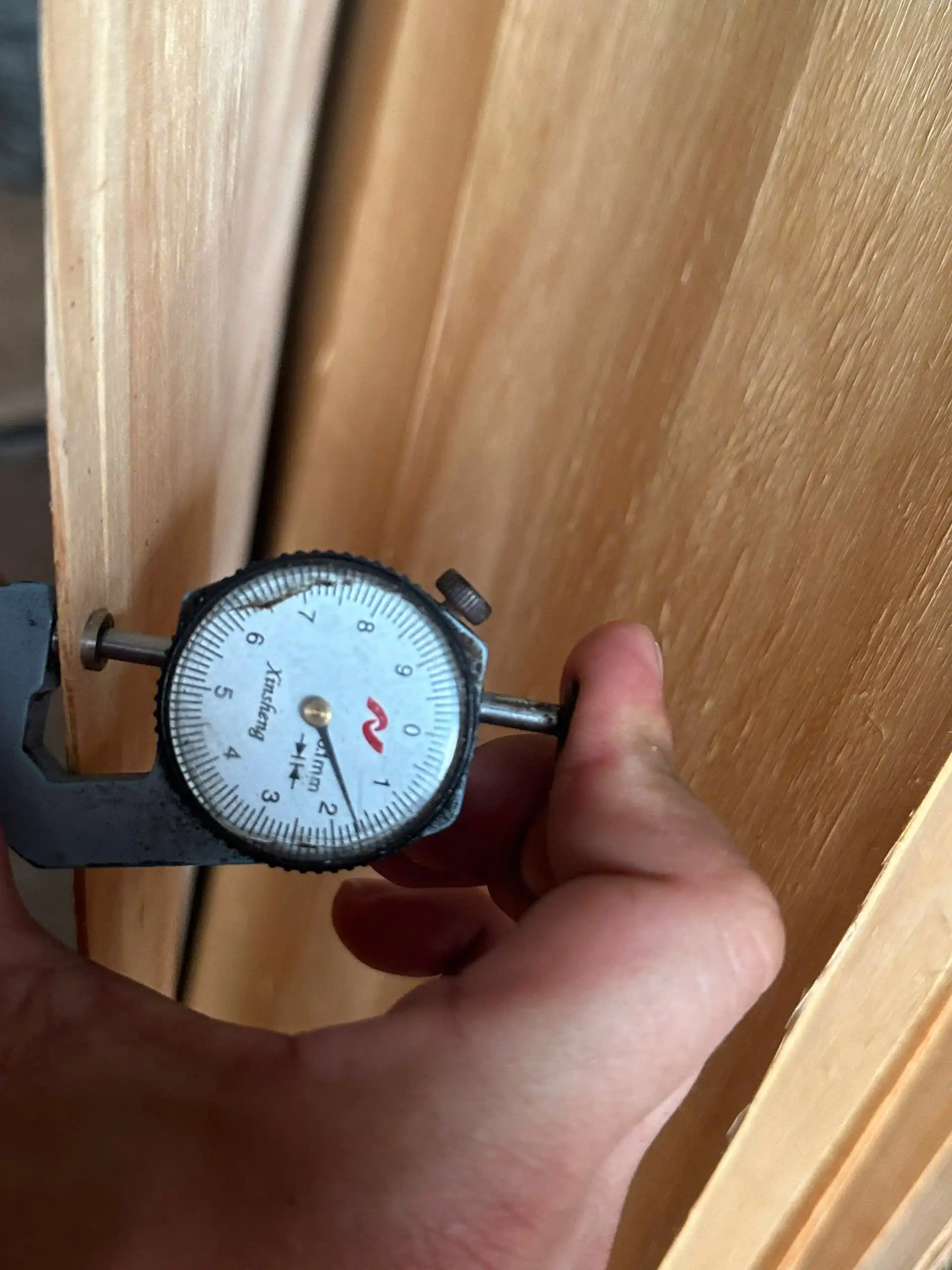
| Thickness | e.g., 12mm, 18mm (specify tolerance ±0.3mm) |
| Panel size | 1220×2440mm or 1250×2500mm |
| Quantity | CBM or number of sheets/panels |
| Incoterms | FOB Hai Phong or CIF [destination port] |
| Required certifications | FSC, CARB P2, CE, EUDR… |
⚠️ Heads up: Never accept a quote that does not specify core species and glue type separately. “Melamine, E0, WBP” in a single line is a technical contradiction — E0 is an emission standard, WBP is a glue type, Melamine is also a glue type. A supplier who cannot separate these concepts in a quotation does not have the technical precision to consistently produce to your specifications. See the industry segmentation guide for context on why factory specialization matters.
🤝 Building a Long-Term Supplier Relationship
Single-container buyers face the most risk in Vietnam’s plywood market. Suppliers — whether trading companies, manufacturers, or brokers — allocate their best quality, pricing, and service to volume buyers with consistent order histories.
The path from “trial buyer” to “preferred buyer” typically requires:
- 3-5 successful trial containers with consistent specifications
- Commitment to monthly or quarterly volume (even if modest — 2-4 containers/month)
- Clear communication on specifications — no scope creep between orders
- Reasonable commercial terms (standard 30% deposit, balance against B/L copy)
Indeed, from our direct factory relationships, buyers who maintain consistent monthly volumes receive priority production slots, more competitive pricing, and dedicated QC attention compared to one-time or irregular buyers. HCPLY’s partner program is designed for import distributors and procurement agents building a consistent Vietnam plywood supply chain. Factory-direct pricing, dedicated QC support, mixed-spec container capability, and 200+ containers/month export capacity across 3 factory segments.
❓ What Compliance Requirements Apply When Buying Plywood from Vietnam?
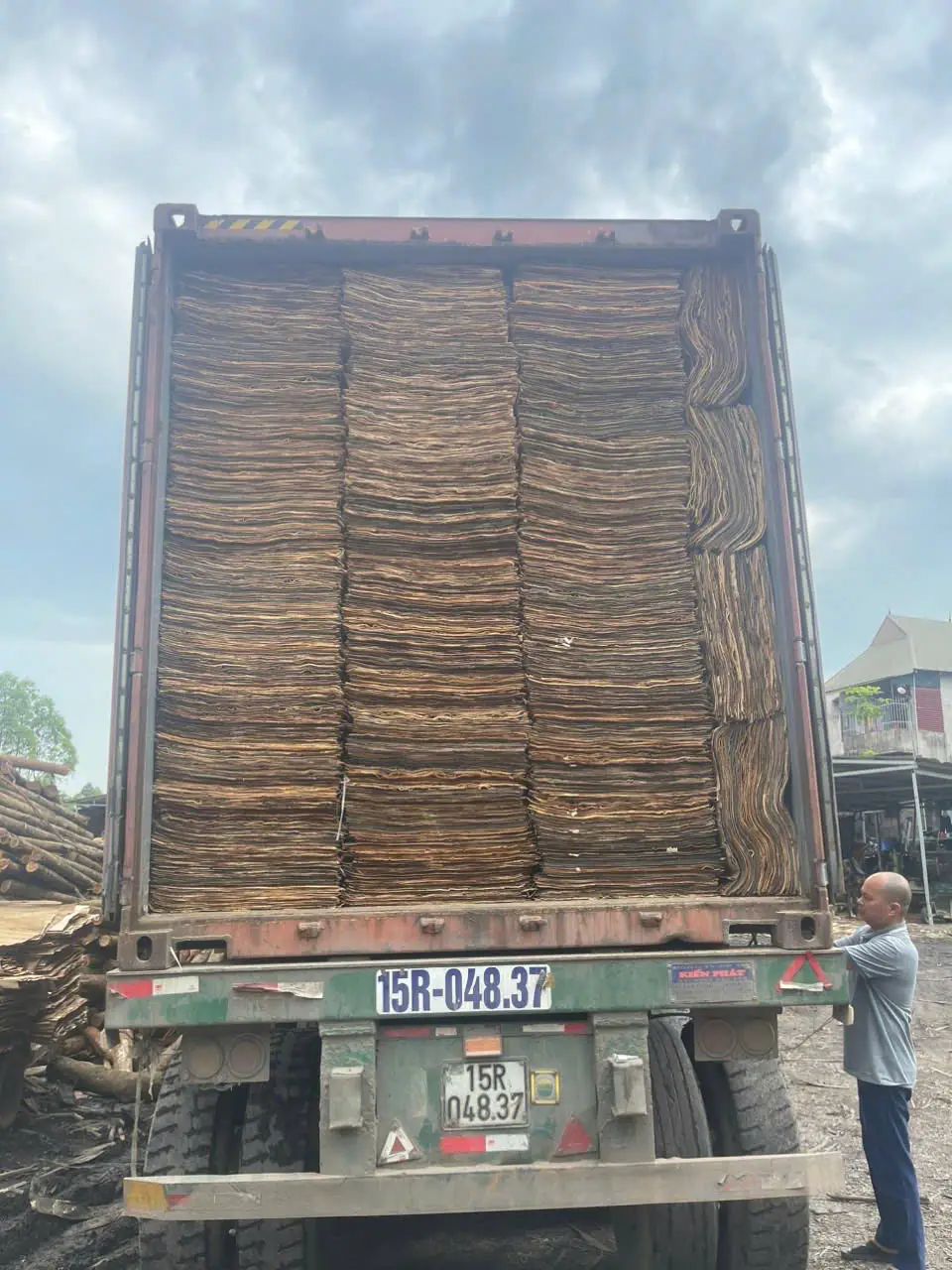
EU buyers must comply with the EU Deforestation Regulation (EUDR), effective 2024. Under the EUDR framework (European Commission), all wood products placed on the EU market must be verified as deforestation-free. Vietnam is classified as a standard-risk country — meaning full due diligence is mandatory for all shipments.
What Documents Are Required for EU Market Entry?
| Requirement | What to Request |
|---|---|
| EUDR due diligence statement | GPS coordinates of forest origin, supplier chain documentation |
| FSC Chain of Custody (factory-level) | Issued to the actual production factory, verifiable on fsc.org |
| EUTR compliance documentation | Legal harvest certification from Vietnam’s VLTLAS system |
For US market buyers, CARB Phase 2 compliance is required for all plywood sold into California and most other US states. Request third-party test reports from a CARB-approved laboratory — issued at factory level, not to a trading company.
How Does Supplier Type Affect Compliance Risk?
- Trading companies: Compliance certificates are issued to the trading company entity. If the factory they source from loses certification, your compliance chain breaks without warning.
- Manufacturer-exporters and Multi-facility operators: Certificates originate at the factory. Compliance is verifiable directly and does not depend on an intermediary’s relationship with a third factory.
⚠️ Be aware: From personal experience handling hundreds of export shipments — EU and US buyers who discover a compliance break after goods arrive face costly delays, customs holds, and potential destruction orders. Verifying the certification chain at the factory level before placing an order is non-negotiable for regulated markets.
❓ Frequently Asked Questions
What types of plywood suppliers operate in Vietnam?
Four structural types operate in Vietnam’s export market: trading companies (80%+ of search results, buy OEM from factories), manufacturer-exporters (own production lines, export directly), brokers (1-3 person operations earning 5-10 USD/CBM commission), and multi-facility operators (managing dedicated production facilities with on-site QC control). Each type carries different pricing mechanics and QC authority. Understanding the difference before placing an order is essential.
How do I verify a Vietnam plywood supplier is actually a factory?
Request the Bill of Lading from a recent shipment and check whether the named shipper matches the company you are dealing with. Request the factory’s own ISO 9001 and FSC certificates — not chain-of-custody certificates issued to a trading entity. Ask for a live factory video call and production capacity records. Additionally, cross-check their FSC certificate number on info.fsc.org to confirm which entity holds the certification and at which facility address.
Why Does the Same Plywood Name Have Such a Wide Price Range?
Because product names like “birch plywood 18mm” define a category, not a specification. Two factories can legitimately quote prices 40-60% apart for products that share the same name — one uses styrax core (premium, 480-500 kg/m³) with full stitched construction and E0 emission, the other uses acacia core with loose-laid construction and E2 emission. Both are technically “birch plywood 18mm.” The specification behind the name determines price, performance, and market compliance — not the name itself.
What is the minimum order quantity for Vietnam plywood?
The standard MOQ is 1 × 40HC container. Mixed specifications within one container are accepted, but total weight must stay under the 28.5 MT payload limit. For first-time buyers, HCPLY provides free sample panels (buyer covers express freight) before committing to a container order — no minimum for samples.
✅ Summary — Choosing the Right Vietnam Plywood Supplier Type
The choice of supplier type is not a question of which one is “best” in absolute terms. It depends on your product requirements, quality tolerance, volume, and how much direct control you need over production.
| Your Situation | Best Supplier Type |
|---|---|
| High QC requirements, single product segment | Manufacturer-Exporter |
| Multi-segment needs, factory-direct pricing | Multi-Facility Operator |
| Price-sensitive, bulk commodity specs | Broker (with mandatory PSI) |
| Wide range convenience, willing to pay premium | Trading Company |
Therefore, what every situation has in common: verify before you wire. The due diligence steps in this guide take 1-2 weeks to complete properly. That is a fraction of the time and cost of recovering from a mis-shipped container, a failed inspection, or a supplier who disappears after receiving your deposit.
Alternatively, you can skip the verification timeline entirely by working with a supplier whose factory credentials, certificates, and export records are already documented and available on request.
Contact us at HCPLY to discuss your specific requirements. FSC-certified, ISO 9001 compliant, CARB P2 compliant. Export team available via WhatsApp for direct factory-level technical discussions. Request a free quote today — most RFQs receive a factory-direct price within 24 hours, with no commitment required.
Lucy is International Sales Director at HCPLY (Vietnam Plywood), specializing in global markets with 10+ years in Vietnam plywood export. She writes from direct factory operations experience across 3 production segments.