

Did you know that the Vietnamese company quoting you premium FSC-certified plywood from a Ho Chi Minh City address is almost certainly reselling product manufactured 800 km away in the North? Here is a fact that surprises most first-time buyers: understanding the vietnam plywood regional map is the single most important step before placing any order from Vietnam. The price spread between factory-direct sourcing from Phu Tho and the same specification re-quoted through Ho Chi Minh City can exceed 15–20 USD per CBM — with zero quality difference, and often worse documentation.
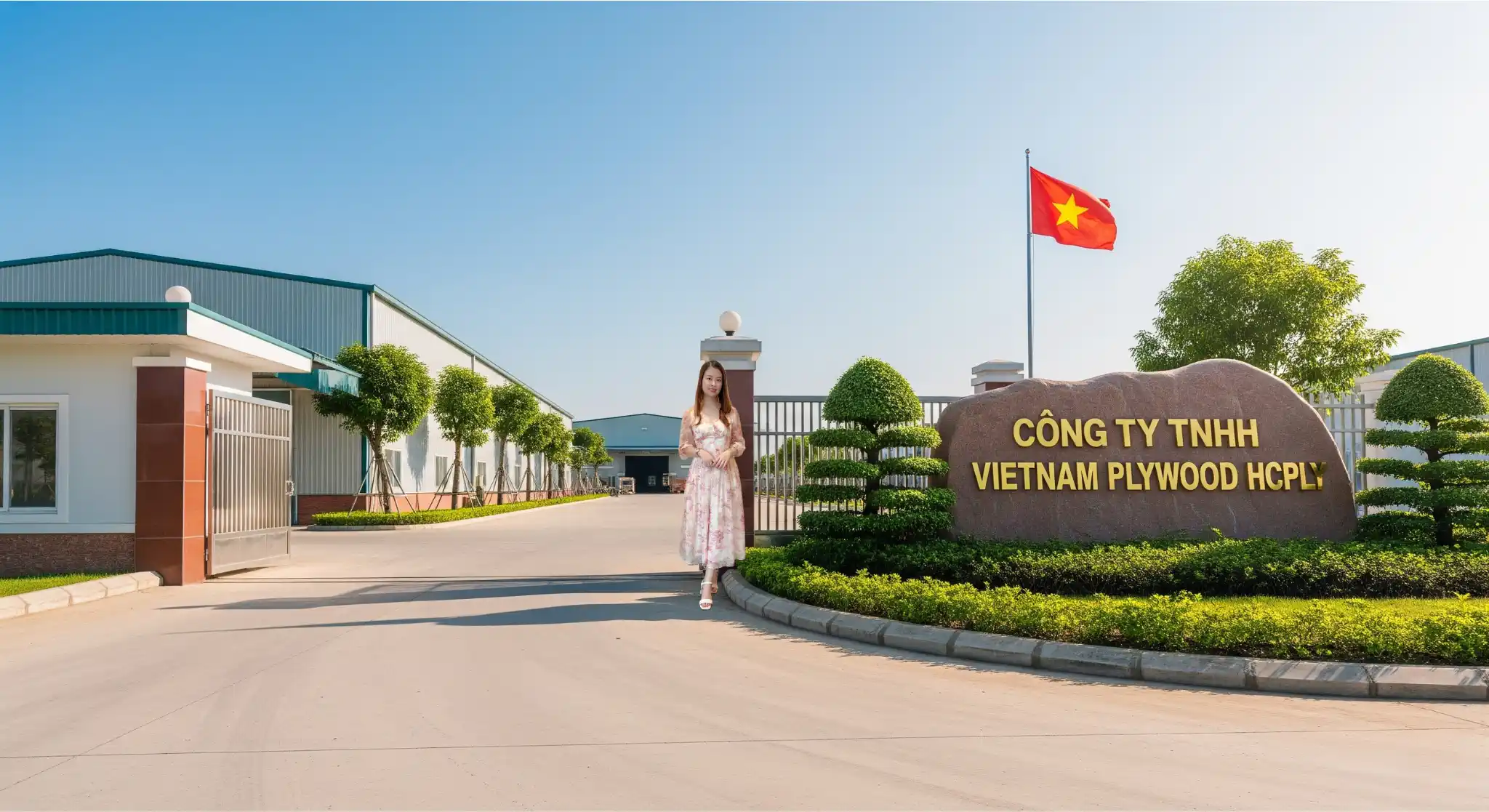
This guide is the definitive Vietnam plywood regional map for import buyers. We provide the exact geographic framework that experienced importers use to avoid unnecessary supply chain costs. You will understand where production actually happens, why geography determines core species availability, how prices form across regions, and — critically — how to tell which supplier is which. This analysis draws on HCPLY’s decade of factory-floor experience across Vietnam’s northern production cluster — a trusted Vietnam plywood factory operating since the early 2010s with direct plantation access in Phu Tho Province.
Vietnam exported 487 million USD in plywood in the first half of 2024 alone, with Korea, Japan, the USA, and Malaysia accounting for over 72% of volume (Vietnam Customs H1 2024 data). The country has more than 150 active production facilities — but they are not distributed evenly. According to USDA GAIN, 2020 (USDA report on Vietnam’s Wood Processing Industry), manufacturing remains concentrated in a handful of northern industrial provinces, with Hai Phong as the dominant export terminal.
Over 10 years of exporting plywood from Vietnam’s northern cluster, our team has fielded the same buyer question repeatedly: “Why is your price lower than the company in Ho Chi Minh City?” The answer is always the same — geography. We are at the source. They are not.
💡 Tip: No commitment needed to start. Request a free sample and quote directly from our Phu Tho factory — FSC-certified, CARB P2 compliant, ISO 9001 verified — see contact us to get started within 24 hours.
📋 Why Does Region of Origin Matter More Than You Think?
When you request a plywood quotation from Vietnam, you receive a price from a company registered somewhere in Vietnam. That registration address tells you almost nothing about where the plywood is actually manufactured.
Specifically, the real questions are:
- Which province are the factories in?
- Which raw materials grow nearby?
- What core species can that factory actually use?
- How many supply chain steps sit between factory gate and your container?
The answers depend entirely on geography. Vietnam’s plywood industry is not evenly distributed. Indeed, it is concentrated — overwhelmingly — in specific northern provinces, for specific reasons that tie directly to raw material access, port proximity, and decades of industrial clustering.
⚠️ Important: A supplier’s head office in Ho Chi Minh City does not mean the plywood is manufactured in the South. Most southern-registered companies buy from northern factories. This distinction affects your FOB price, lead time, and documentation quality.
🗺️ The Vietnam Plywood Regional Map: North Dominates
📌 A Field Observation from the Factory Floor
We have driven the route from our Phu Tho factory to Hai Phong port more times than we can count. The journey takes roughly 2.5 hours on the Hanoi–Hai Phong expressway. Along that route, you pass through or near Bac Ninh, Hai Duong — both home to additional plywood factories and trading operations.
The same route in reverse — from Ho Chi Minh City to a Phu Tho factory — takes 18+ hours by truck, or a domestic flight plus onward ground transport. That distance is not a minor logistics footnote. It is the physical reason why southern Vietnam cannot produce plywood at northern prices.
When a buyer in India receives two quotes — one from a Hanoi office and one from a Ho Chi Minh City company — and the HCMC quote is 18 USD/CBM higher, the math is straightforward. The inland freight from Phu Tho to HCMC runs approximately 600–900 USD per container depending on load weight. On a 45 CBM container, that alone adds 13–20 USD/CBM before the southern company adds its margin.
In our experience reviewing competitor quotes that buyers share with us, the pattern is consistent: southern-quoted product at the same specification costs 15–25 USD/CBM more than our FOB Hai Phong price, with no improvement in quality, certification, or lead time. Indeed, from our direct factory experience, not one of the southern-quoted comparisons we have reviewed over a decade has shown a legitimate quality advantage that justified the price premium.
While northern factories excel at volume production with direct plantation access, southern mills offer faster port access to Cat Lai for certain Southeast Asian trade lanes — a critical trade-off for time-sensitive shipments to Singapore or Indonesia. In my experience managing plywood exports from both regional contexts, however, the quality difference is less about geography and more about factory investment in equipment and process controls. When I first started benchmarking northern versus southern suppliers, I discovered that the cold-press drying cycle at northern factories — operating in cooler ambient temperatures — produces noticeably tighter core bonding consistency across batches.
📌 Northern Vietnam — The Manufacturing Core
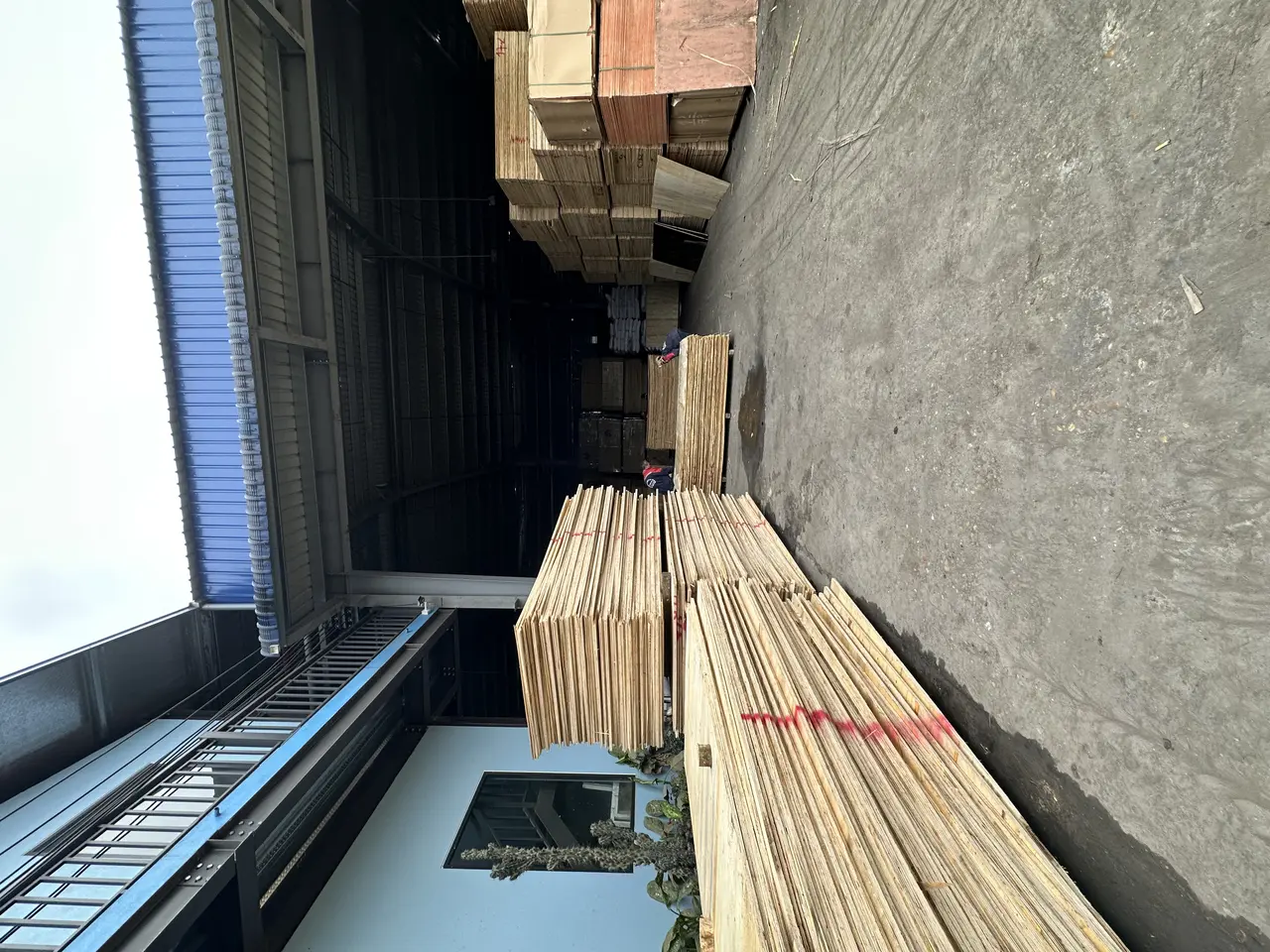
Northern Vietnam produces more than 80% of the country’s plywood export volume. The production cluster spans several provinces, each with specific characteristics:
| Province | Primary Specialisation | Core Species Available | Distance to Hai Phong |
|---|---|---|---|
| Phu Tho | All segments: furniture, commercial, film-faced | Acacia, Eucalyptus, Styrax | ~120 km |
| Yen Bai | Styrax and eucalyptus supply; core veneer production | Acacia, Eucalyptus, Styrax | ~200 km |
| Hoa Binh | Styrax plantations; smaller factories | Styrax, Acacia | ~80 km |
| Bac Giang | Commercial and packing plywood | Acacia, Eucalyptus | ~60 km |
| Bac Ninh | Trading and finishing; close to Hanoi | Mixed (sourced) | ~100 km |
| Hanoi | Admin, trading companies, finishing plants | Mixed (sourced) | ~100 km |
| Thanh Hoa | Emerging; eucalyptus and acacia plantations | Acacia, Eucalyptus | ~200 km |
Why Phu Tho in particular? The province sits at the intersection of several critical advantages: abundant plantation forests within 50–80 km, road access to Hai Phong port, lower land and labour costs than Hanoi, and decades of accumulated factory expertise. HCPLY operates its production lines in Ha Hoa District, Phu Tho Province — directly embedded in this cluster.
💡 Pro tip: When evaluating a supplier, ask for the factory address (not the head office address) and the port of loading on their proforma invoice. “Factory: Phu Tho | Port: Hai Phong” is what you want to see for factory-direct northern product.
Furthermore, the northern cluster’s output reaches export buyers through three supply chain models:
- Factory-direct exporters — like HCPLY, with in-house export documentation and QC
- Factory-linked brokers — individuals connecting buyers directly to a specific factory
- Northern trading companies — buy from multiple factories, hold their own stock
All three originate production in the North. The differences are margin layers and documentation quality.
📌 Central Vietnam — Marginal Production
Central Vietnam contributes a small fraction of total plywood export. Some provinces — particularly Nghe An and Ha Tinh — have growing FSC-certified eucalyptus and acacia plantations, primarily supplying raw timber to pulp, paper, and MDF industries rather than plywood production.
A handful of smaller plywood factories operate here, primarily serving regional construction demand. For international buyers, central Vietnam is rarely the source of export-grade plywood at scale.
📌 Southern Vietnam — The Trading Hub, Not the Factory
This is the critical insight most buyers miss: Southern Vietnam is primarily a trading geography for plywood, not a manufacturing one.
The South hosts:
- A high concentration of registered trading companies
- Finishing operations (applying face veneers to matt plywood bought from the North)
- Furniture manufacturing (consuming plywood rather than producing it for export)
- Rubber wood processing (the one genuine southern manufacturing specialty)
The supply chain reality: Southern companies — even those with factories registered in Ho Chi Minh City, Binh Duong, or Dong Nai — routinely purchase matt plywood (raw unfaced core boards) from northern factories. They apply face veneers locally, or re-export the semi-finished boards to regional markets. Their invoiced “production” is often finishing work, not core manufacturing.
The advantages of sourcing directly from a northern factory include lower raw material costs and full documentation control, whereas southern re-exporters benefit from proximity to Cat Lai port and regional distribution networks serving Southeast Asian buyers. On the other hand, buyers prioritizing price transparency and certification traceability over geographic convenience consistently find that northern factory-direct sourcing delivers better value across regulated markets. Our team found that buyers who visit both regions before committing typically gain 15–20% better pricing by understanding which supply chain layer they are actually paying for.
| Factor | Northern Factory | Southern Re-exporter |
|---|---|---|
| Where plywood is manufactured | Phu Tho, Bac Giang, Yen Bai | Bought from North |
| Core species control | Direct — acacia, eucalyptus, styrax | Depends on northern supplier |
| Styrax core availability | Yes (at source cost) | Higher cost (transported south) |
| FOB port | Hai Phong | Cat Lai / Cai Mep |
| Price vs same spec | Factory gate | Factory gate + freight South + southern margin |
| Factory-level certificates | Full (FSC, CARB P2, ISO) | May lack direct certification |
| QC control point | At production | After receiving from North |
⚠️ Note: “Higher price” from a southern supplier does not equal “better quality.” The quality of the plywood depends on which northern factory produced it — not on where the southern company is registered. You are paying extra for a middleman layer.
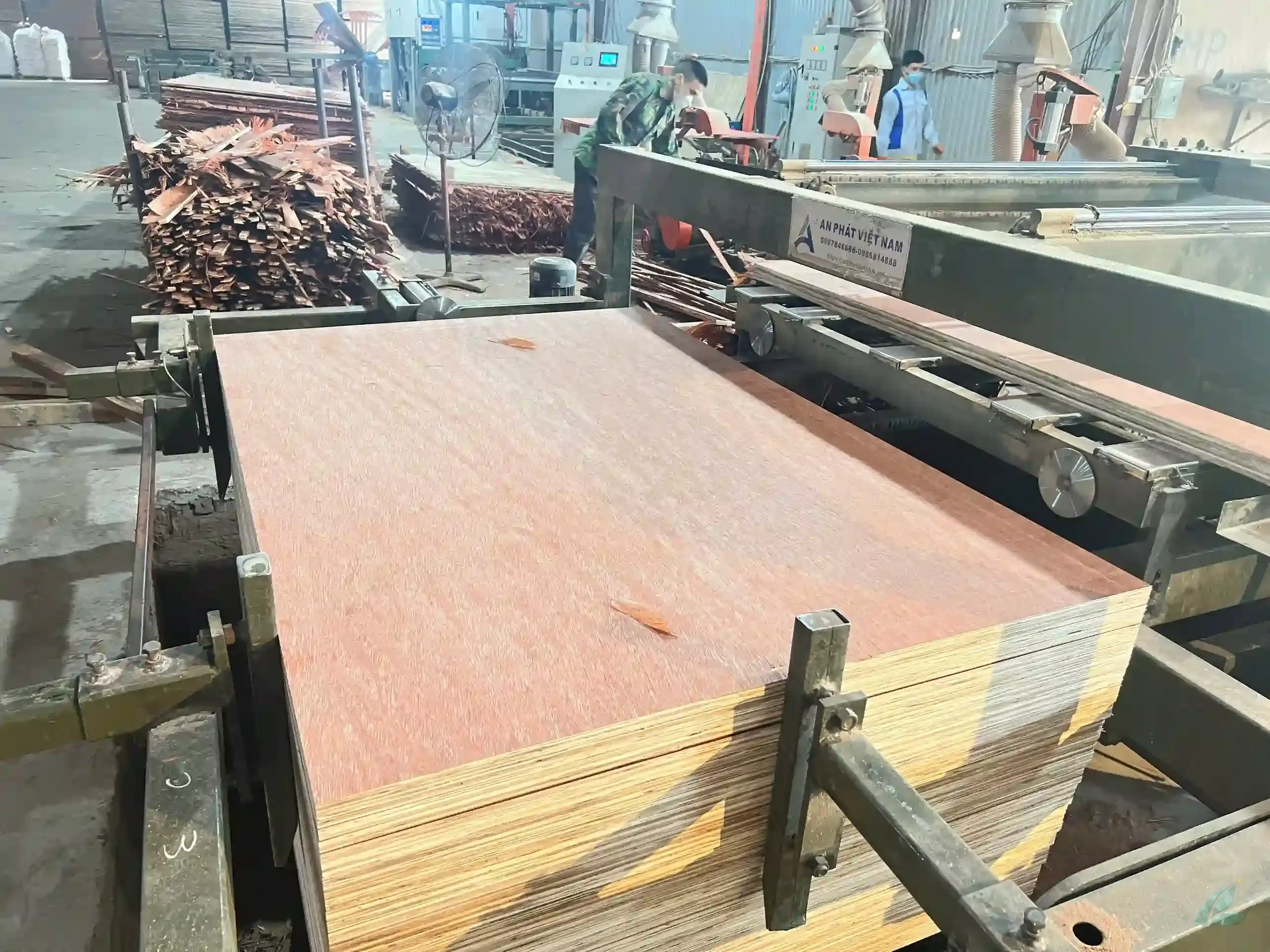
📩 Sourcing from the North eliminates the middleman margin entirely. Request a free consultation from HCPLY’s Phu Tho factory — no commitment required, sample and quotation within 24 hours. FSC-certified, ISO 9001 compliant.
🌿 Core Species Geography — What Grows Where?
The most commercially important consequence of Vietnam’s regional split is which core species are available, and at what cost. Core species determines plywood density, weight, container capacity, and fitness for end-use.
Acacia (Keo) — Available Nationwide, Cheapest Core
Density: ~580 kg/m³
Acacia is Vietnam’s most widely planted commercial timber species. Plantations span from the North (Phu Tho, Bac Giang, Yen Bai) through the Central Highlands to the South (Binh Phuoc). This national distribution makes acacia the most universally available core material — the one species that does not change in cost depending on where in Vietnam you source it.
Characteristics for buyers:
- Darkest core colour — visible at cut edges
- Moderate weight (lighter than eucalyptus, heavier than styrax)
- Most cost-effective core option for commercial and packing grades
- Used in packing plywood, commercial bintangor, lower-grade film-faced
Acacia core is the default for budget specifications. Therefore, if a supplier quotes without specifying core species, assume acacia.
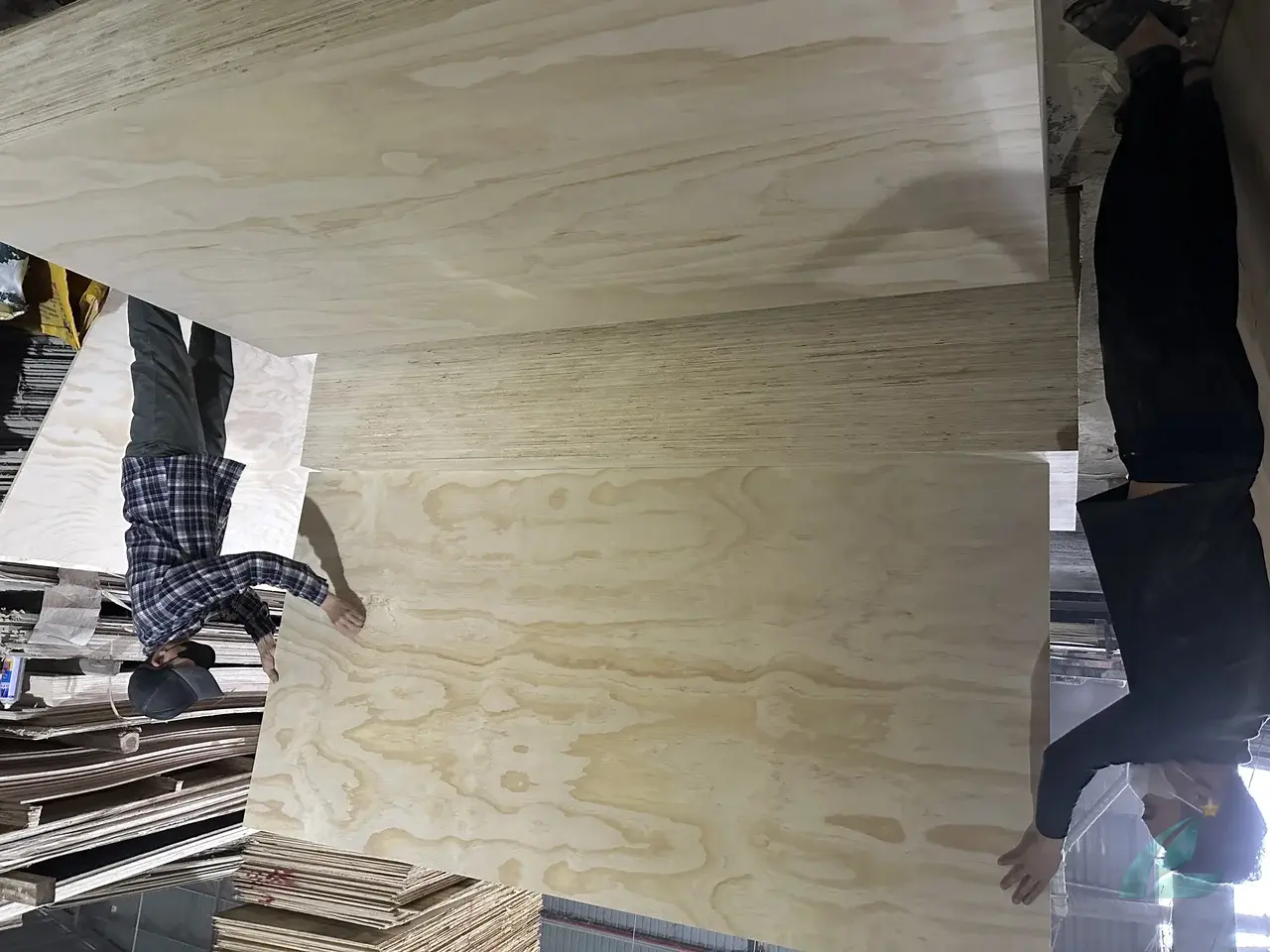
Eucalyptus — Northern Premium, Heaviest Core
Density: 650–750 kg/m³
Eucalyptus plantations exist in both North and South, but northern plantations (particularly in Phu Tho, Yen Bai, Hoa Binh) supply the volume required for export-grade plywood production. Southern eucalyptus timber more commonly feeds pulp and paper or furniture factories.
Characteristics for buyers:
- Lightest colour among Vietnamese cores — clean, pale yellow appearance at cut edges
- Heaviest core material — significantly impacts container weight calculations
- Premium furniture, construction, and flooring grades
- Container capacity: 15 pallets per 40HC (vs 18 for styrax) — important for CBM economics
For buyers shipping to markets requiring premium appearance (visible cross-section in cabinet interiors), eucalyptus core is the preferred choice. Consequently, the density trade-off requires careful container planning.
⚠️ Key point: Eucalyptus core plywood at 650–750 kg/m³ approaches the 28.5 MT payload limit of a 40HC container faster than other cores. At 18mm thickness, a full eucalyptus-core container loads approximately 15 pallets — compare your weight calculations carefully before ordering.
Styrax — Northern Exclusive, Lightest Core
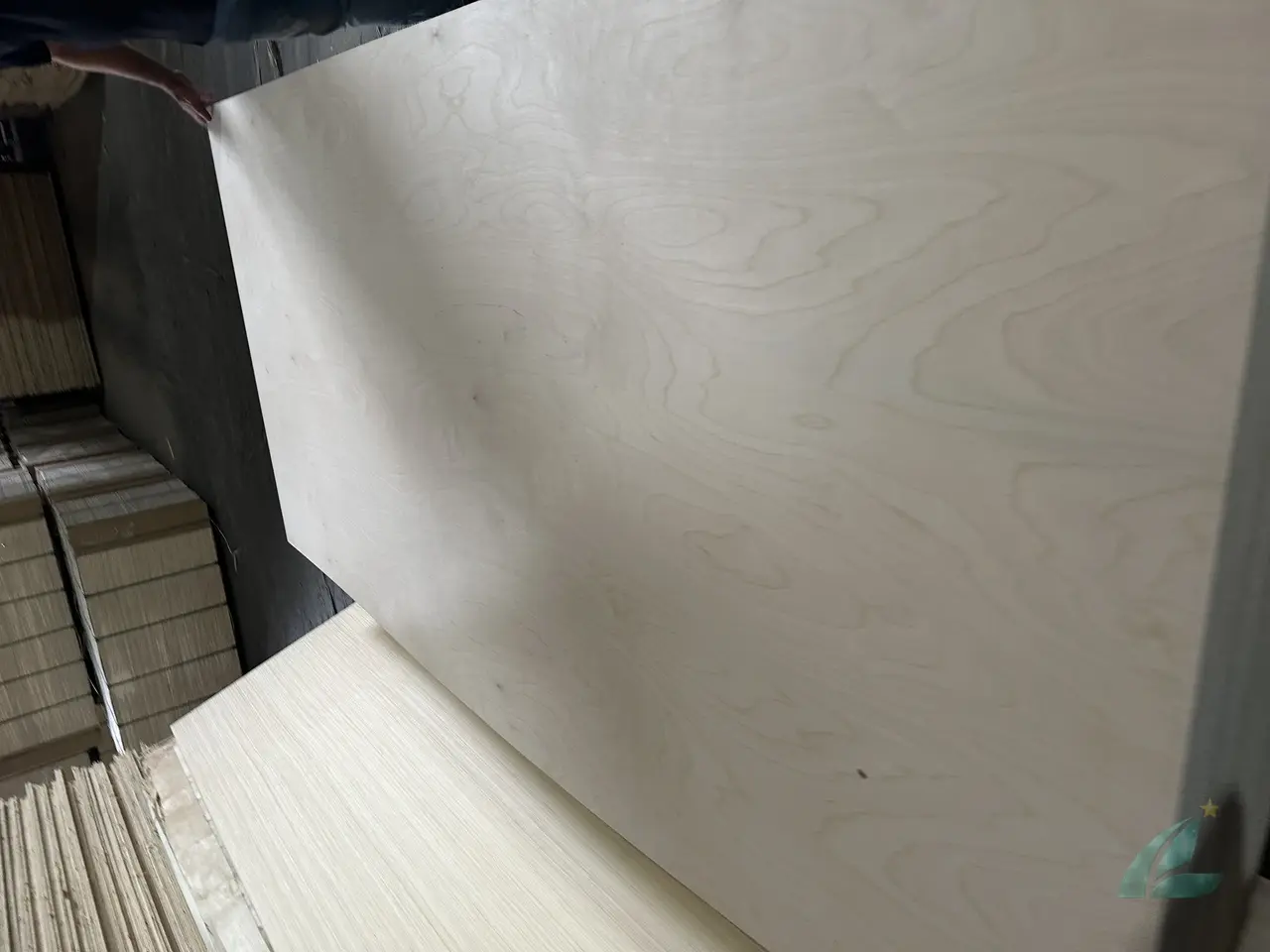
Density: 480–500 kg/m³
Styrax tonkinensis is the defining species of the Vietnam plywood regional map. It grows exclusively in northern Vietnamese mountain provinces: Phu Tho, Yen Bai, Hoa Binh, Thanh Hoa, and the surrounding northern highlands. According to ACIAR, 2015 (Australian Centre for International Agricultural Research), styrax tonkinensis is a fast-growing tropical species native to northern Laos and Vietnam, cultivated in plantations specifically in these mountain zones.
This geographic exclusivity is commercially significant. No southern factory can access styrax at northern plantation cost. Southern suppliers quoting styrax-core product are sourcing from the North — paying transport costs to move it south, then quoting you on a product that is already more expensive than buying from a northern factory directly.
Why buyers globally love styrax core:
| Property | Styrax Core | Acacia Core | Birch Core (Europe) |
|---|---|---|---|
| Density (kg/m³) | 480–500 | ~580 | ~600–650 |
| Weight per CBM | Lightest VN core | Medium | Heavy |
| Container capacity (40HC) | 18 pallets | 16 pallets | Lower |
| Colour at cross-section | Clean white | Dark brown | Pale |
| Furniture suitability | High | Medium | High |
| Relative cost | Mid-range | Lowest | (imported, high) |
Styrax is Vietnam’s answer to birch core. European and North American furniture manufacturers who previously specified Russian or Baltic birch core increasingly turn to styrax-core plywood from Vietnam — same lightweight, clean-white cross-section, at significantly lower cost. Vietnam does not have birch trees; styrax is the functionally equivalent native species.
💡 Buyer tip: When you see “birch plywood from Vietnam,” the face veneer is imported birch, but the core is almost always styrax. This is not a compromise — it is the correct manufacturing approach, and the resulting panel performs comparably to full-birch European product at a lower price point.
HCPLY’s premium furniture factory line uses styrax core as standard for furniture-grade panels — sourced directly from Phu Tho region plantations within 50–80 km of the production line.
Why styrax availability matters for your order timeline: Styrax plantations are concentrated in the same northern provinces as the factories. When we place a core veneer order with our Yen Bai suppliers, transit to our Phu Tho factory is 3–4 hours. A southern factory requesting styrax from the same supplier would wait 2–3 days for transit — and pay transport cost on top of the veneer price. For buyers on tight schedules (14–20 day lead time), this supply chain compactness is a genuine operational advantage.
💡 Practical tip: When comparing quotes for styrax-core plywood, always ask the southern supplier where their styrax comes from. If the answer is “Yen Bai” or “Phu Tho,” you are still buying northern material — just with a southern middleman’s costs added.
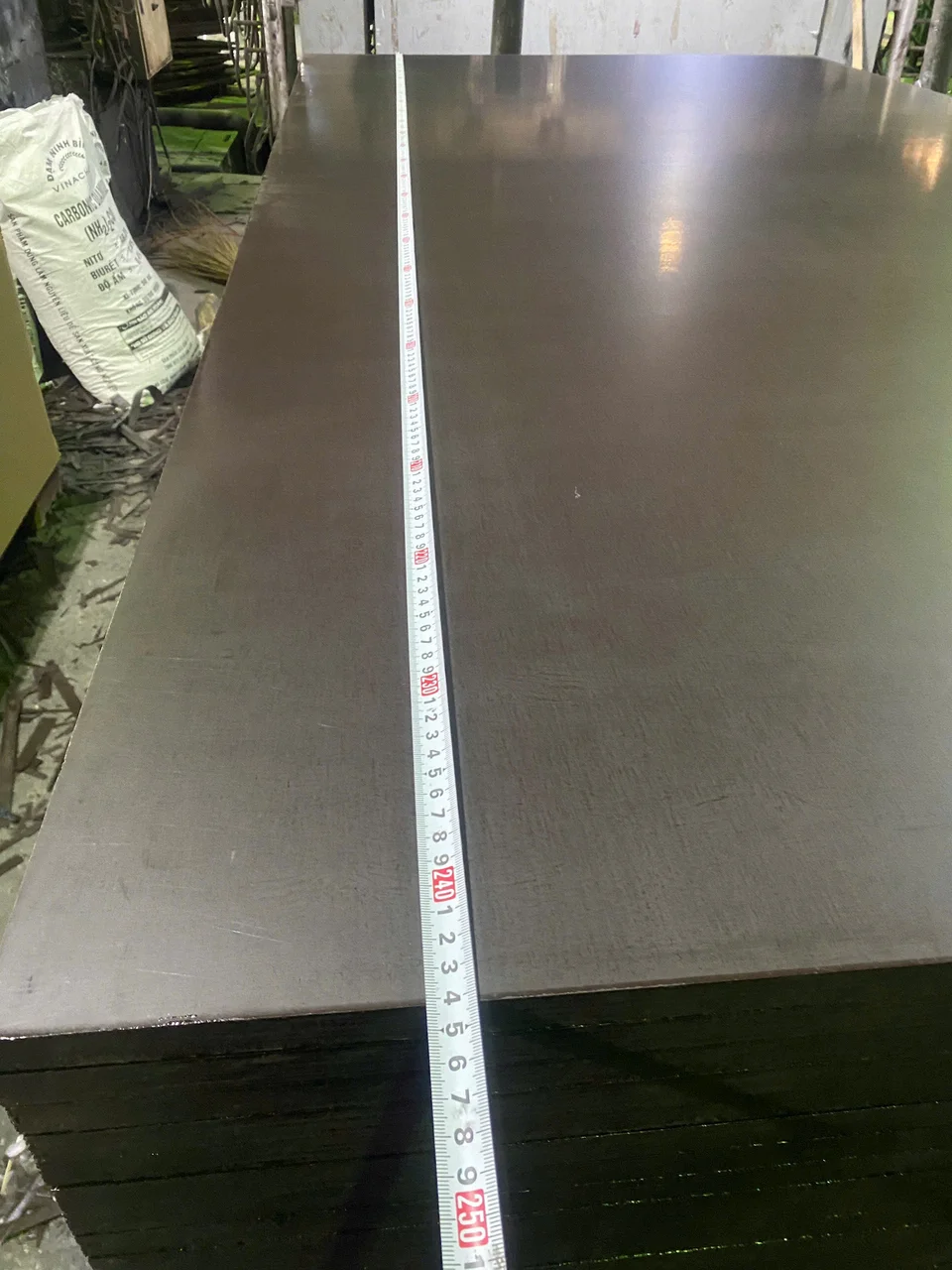
Rubber Wood — The Southern Specialty
Density: ~560–620 kg/m³ (varies by growth cycle)
Rubber wood (Hevea brasiliensis) is genuinely different from the North-South trading dynamic. It is a real southern manufacturing input — not sourced from the North.
Rubber trees grow in the Southern provinces: Binh Phuoc, Binh Duong, Tay Ninh, Dong Nai. After 25–30 years of latex production, plantation owners harvest the timber. The wood is light-coloured, relatively uniform in grain, and suitable for furniture-grade applications.
Rubber wood plywood characteristics:
- Clean, pale appearance — premium market positioning
- Higher cost than acacia or styrax (niche specialty species)
- Limited production volume compared to acacia/eucalyptus
- Primary markets: Japan, Korea, premium furniture buyers
The commercial reality: Rubber wood plywood is a legitimate specialty, but it represents a small fraction of Vietnam’s total plywood export. It is not a viable substitute for acacia or styrax at scale. Vietnam’s wood industry data consistently shows rubber wood production concentrated in Binh Phuoc, Binh Duong, and Tay Ninh provinces (Vietnam Wood Industry). Buyers requesting rubber wood core should verify the source factory is genuinely in the South — not a northern factory misrepresenting core species.
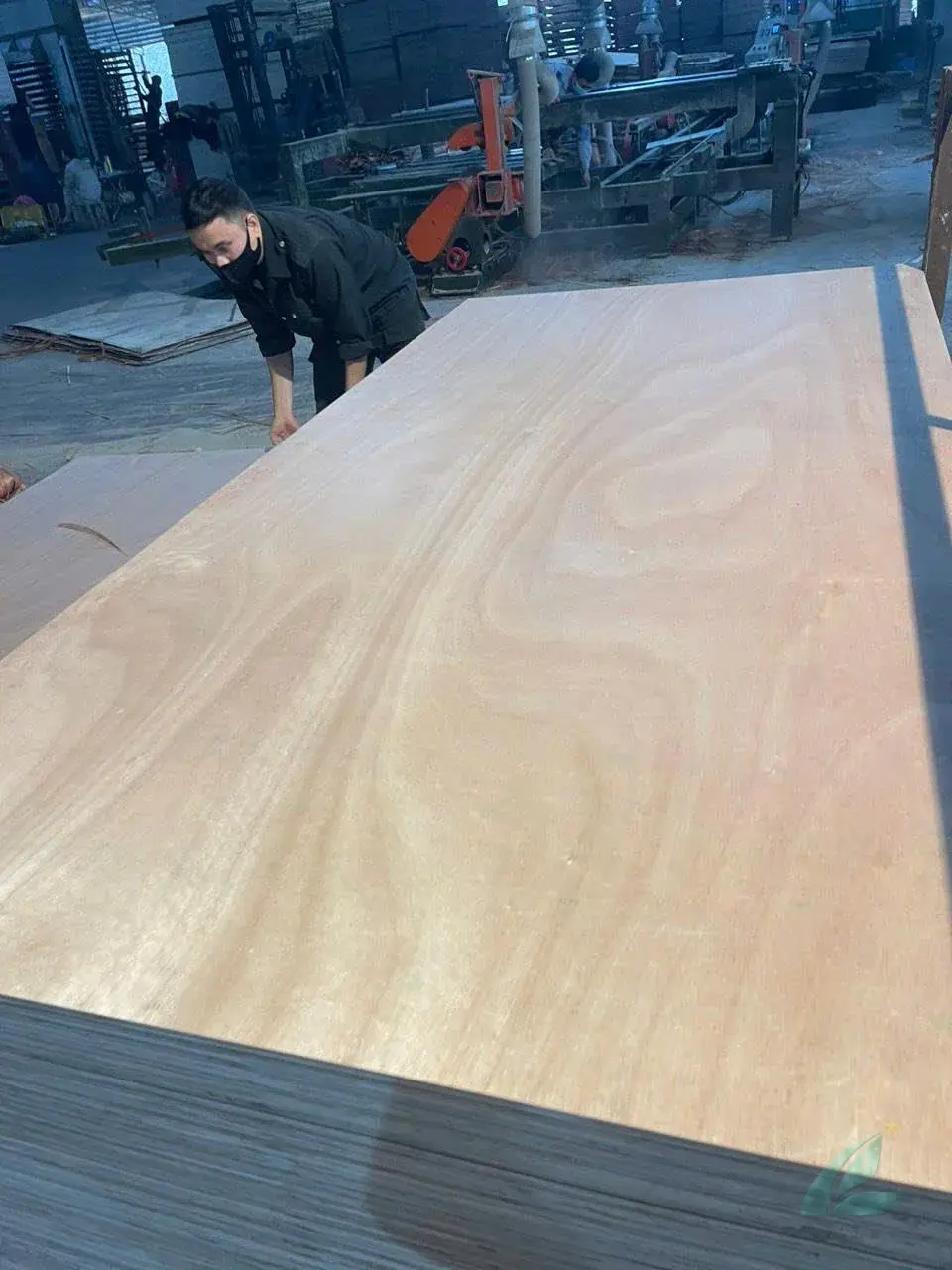
Verified by 10+ years of export experience. FSC, CARB P2, ISO 9001, CE certified. 50+ countries served. No commitment required — request free samples from our Phu Tho factory.
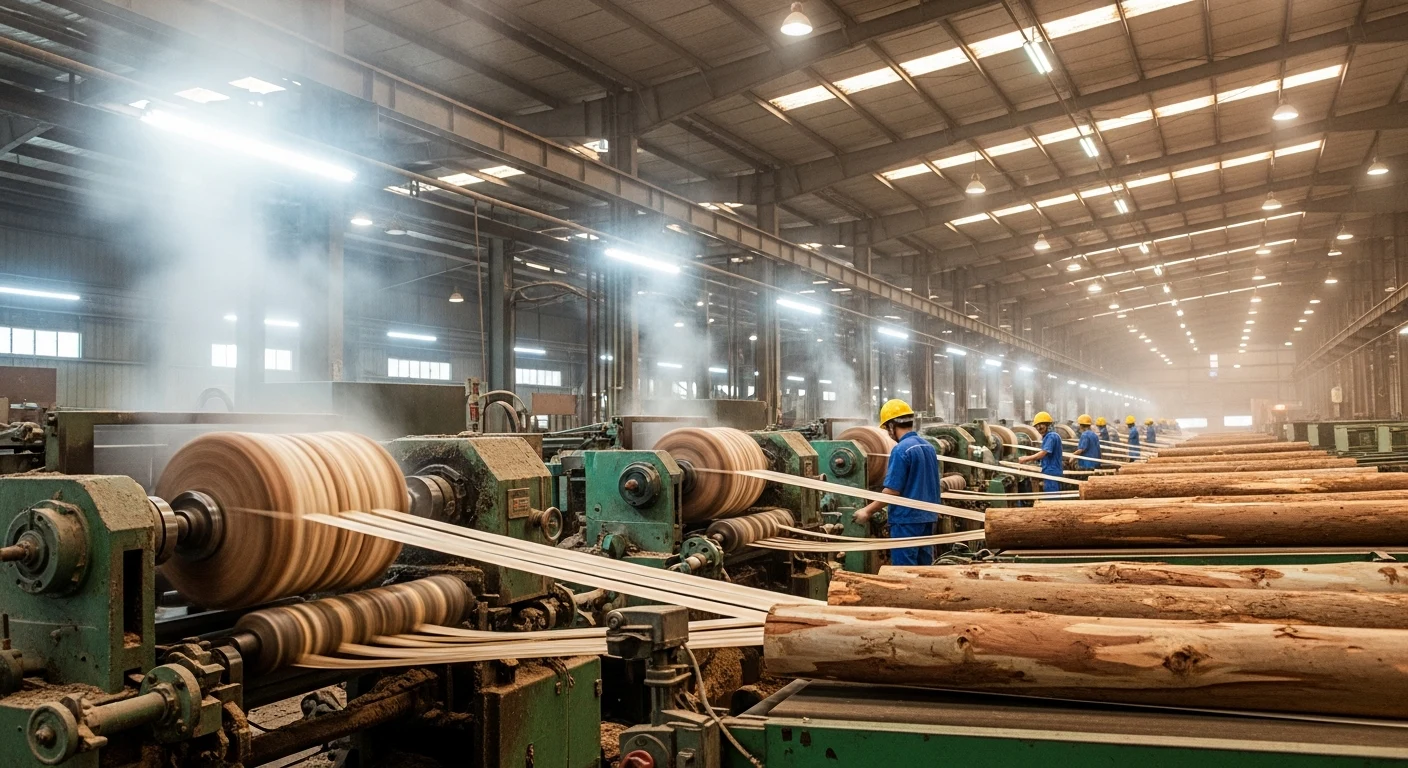
🏭 Factory Types — How Does Region Shape Segment?
Vietnam’s technical reference reveals four factory types. Their geographic distribution is not accidental. Furthermore, understanding the regional distribution of factory types directly determines which certifications and production standards are realistically accessible to you as a buyer.
Premium Furniture Grade — Concentrated in Phu Tho and North
These factories produce the highest-quality plywood Vietnam offers:
- Core: Styrax or eucalyptus, Grade A
- Glue: Melamine (MR). Emission: E0/E1 (CARB P2 compliance available)
- Core construction: Full stitched — all layers, no gaps, no overlap
- Face: Sanded (calibrated thickness)
- Certifications: FSC, CARB P2, CE, ISO 9001, EUDR, EUTR
- Markets: EU, USA, Japan, Australia; Korea (premium furniture niche only — predominantly commercial/construction market)
These factories do not produce commercial or packing grades. The QC systems, skill sets, and equipment are calibrated for tight tolerances. Moreover, a buyer requesting both premium furniture panel and cheap packing plywood from the same facility should be cautious — genuine premium furniture factories reject commercial-grade work as incompatible with their process.
Commercial and Packing Grade — Distributed Across North
- Core: Acacia (primary), loose-laid or edge-jointed construction
- Glue: Melamine (MR). Emission: E1 or E2
- Face: Bintangor, okoume, pine — unsanded
- Markets: Malaysia, Korea (budget segment), Southeast Asia, Africa
These factories compete on price, not specification. Similarly, they are predominantly in northern provinces with acacia access — Bac Giang, Bac Ninh, and parts of Phu Tho.
Premium Film-Faced Concrete Formwork — Phu Tho Specialty
- Core: Eucalyptus or acacia, Grade A, stitched
- Glue: Phenolic (WBP) or Melamine (MR)
- Film: AICA film, minimum 135 gsm — reuse 15–20 times
- Markets: EU, Japan, Australia; Korea (formwork rental sector)
Phu Tho hosts several dedicated film-faced factories. The HCPLY network includes a premium film-faced production line. Southern factories producing film-faced plywood typically use lower-grade film (Chinese or Vietnamese domestic) with reuse ratings of 4–8 cycles — a critical performance difference for concrete formwork contractors.
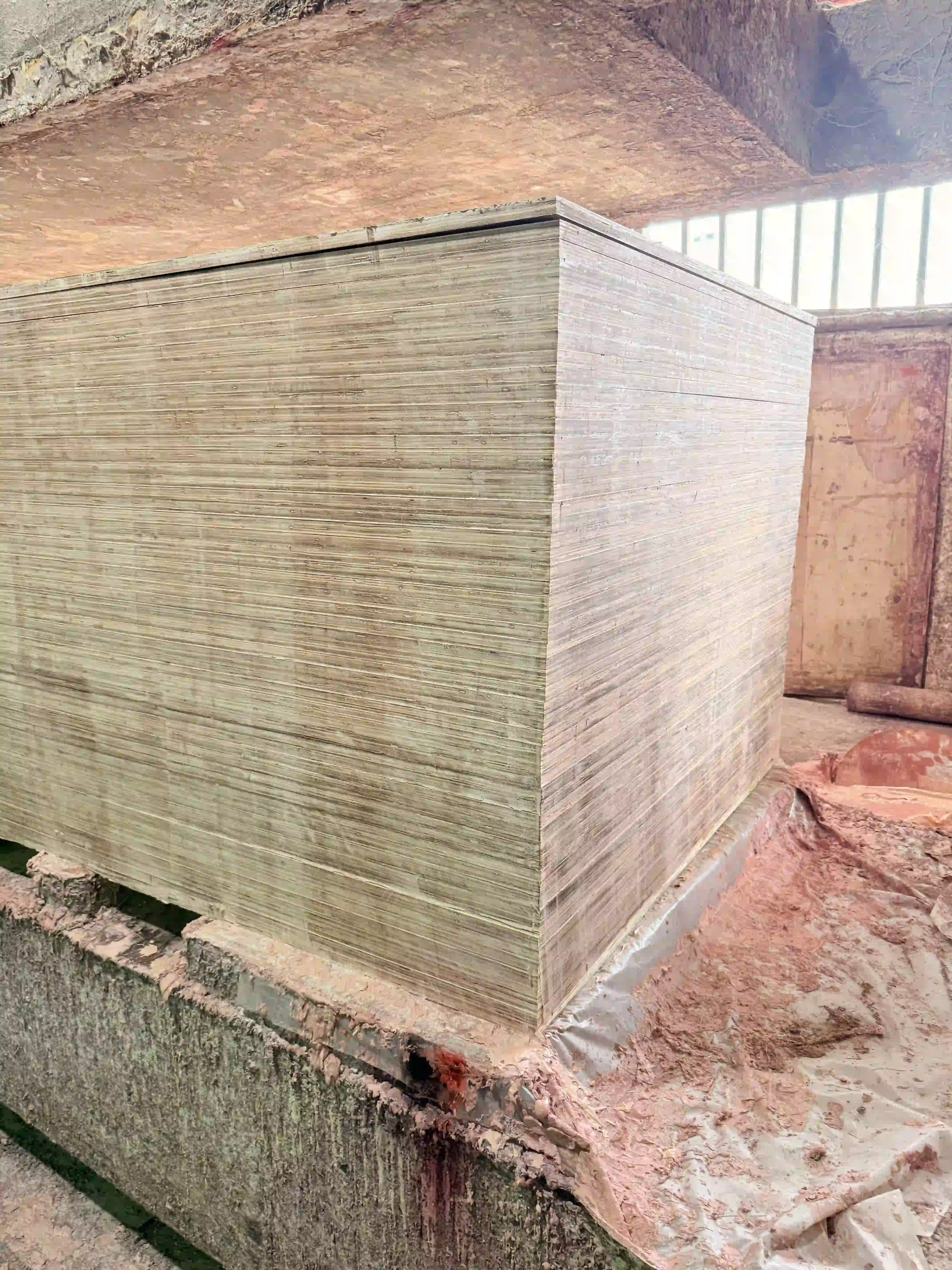
Southern Finishing Operations — Veneer Application and Re-export
Not a factory “type” in the traditional sense — these are processing plants that receive matt plywood (raw core boards) from northern factories and apply face veneers locally.
The output is marketed as “manufactured in Ho Chi Minh City” or “Binh Duong” — technically true for the finishing step, misleading about where the core was made.
For buyers, the practical concern is:
- Core species is determined by the northern supplier, not the southern finisher
- Core construction quality depends on the original northern factory
- Certifications must trace back to the actual manufacturing factory, not the finishing plant
- Price includes two supply chain layers
📊 How Does Region Affect Your FOB Price?
Understanding where costs accumulate explains why identical specifications can carry price differences of 15–30 USD per CBM between suppliers.
Factory-Direct Northern Pricing
Raw material (plantation logs) → veneer slicing
→ core preparation → layup → pressing → sanding
→ QC → packing → inland freight to Hai Phong
→ FOB Hai Phong
Total supply chain steps: 1 entity controls all. Margin: factory margin only.
Northern Trading Company Pricing
Factory gate price
+ Northern trading company margin (5–15 USD/CBM typical)
+ Inland freight to port
→ FOB Hai Phong
Total supply chain steps: 2 entities. Margin: factory margin + trading company margin.
Southern Re-exporter Pricing
Factory gate price (northern factory)
+ Northern factory inland freight (Phu Tho → HCMC: ~800 km)
+ Southern finishing or storage margin
+ Southern company export documentation cost
+ Southern port (Cat Lai) handling
→ FOB Ho Chi Minh City / Cat Lai
Total supply chain steps: 3+ entities. The inland freight alone from Phu Tho to Ho Chi Minh City adds meaningful cost per container before any margin is applied.
💡 Key: If a supplier’s FOB port is Cat Lai (Ho Chi Minh City) or Cai Mep–Thi Vai for standard plywood products — not rubber wood or southern specialty — ask specifically: “Which province is the factory in?” and “Does the Bill of Lading show the factory as manufacturer?” The answers will tell you the supply chain structure.
Container Economics by Core Species
Region also determines which core species is economically viable — which cascades directly into container load efficiency:
| Core | Pallets/40HC | CBM/40HC (18mm) | Weight/40HC | Cost Efficiency |
|---|---|---|---|---|
| Styrax | 18 | ~53 CBM | ~26.5 MT | Best CBM, lightest |
| Acacia | 16 | ~47.5 CBM | ~27.5 MT | Middle |
| Eucalyptus | 15 | ~44.5 CBM | ~28 MT | Fewest pallets |
A styrax-core container fits 20% more volume than an eucalyptus-core container. At the same FOB price per CBM, that translates directly to more product shipped per freight dollar. This is why styrax-core plywood — a northern exclusive — delivers superior landed cost economics for furniture buyers.
Worked example — 18mm furniture plywood, 1220x2440mm:
| Scenario | Core | Pallets | CBM | FOB/CBM | FOB Total | Sea Freight | CIF Approx |
|---|---|---|---|---|---|---|---|
| Northern factory-direct | Styrax | 18 | ~53 CBM | $X | 53X | $1,800 | 53X + $1,800 |
| Southern re-exporter | Styrax | 18 | ~53 CBM | $(X+18) | 53(X+18) | $1,800 | 53(X+18) + $1,800 |
The 18 USD/CBM premium from the southern re-exporter totals USD 954 extra per container — for the same plywood, same northern factory, same quality — with only a different company name on the documents.
In addition, over 10 containers per year, that is USD 9,540 in avoidable cost. For buyers sourcing at scale, the Vietnam plywood regional map is not geography trivia — it is a direct line to procurement savings.
⚠️ Heads up: The above comparison assumes both suppliers are quoting genuine factory-direct price for the northern product. If the southern supplier has additional quality issues (wrong core species, lower construction standard) on top of the price premium, the total cost of ownership is higher still.
✅ What Does This Mean for Import Buyers?
The Vietnam plywood regional map is not academic geography. It has direct, practical implications for every purchase decision.
How to Verify Factory Origin
Step 1 — Ask for the factory address
Request the physical factory address (not the head office). A registered address in Hanoi or Ho Chi Minh City combined with a factory address in Phu Tho indicates a sales office structure — acceptable if factory documentation is clear.
Step 2 — Check the proforma invoice manufacturer field
The manufacturer field on a proper proforma should show the producing factory entity and province. “Manufacturer: [Factory Name], Phu Tho Province, Vietnam” is the correct format.
Step 3 — Request factory-issued certificates
Ask for FSC, CARB P2, or ISO 9001 certificates issued to the factory name — not to the trading company. CARB P2 certificates in particular name the specific manufacturing entity.
Step 4 — Confirm FOB port
FOB Hai Phong for northern product. If a supplier quotes FOB Cat Lai for non-rubber-wood product, ask for freight comparison and inland transport justification.
Step 5 — Request core veneer sample and mill report
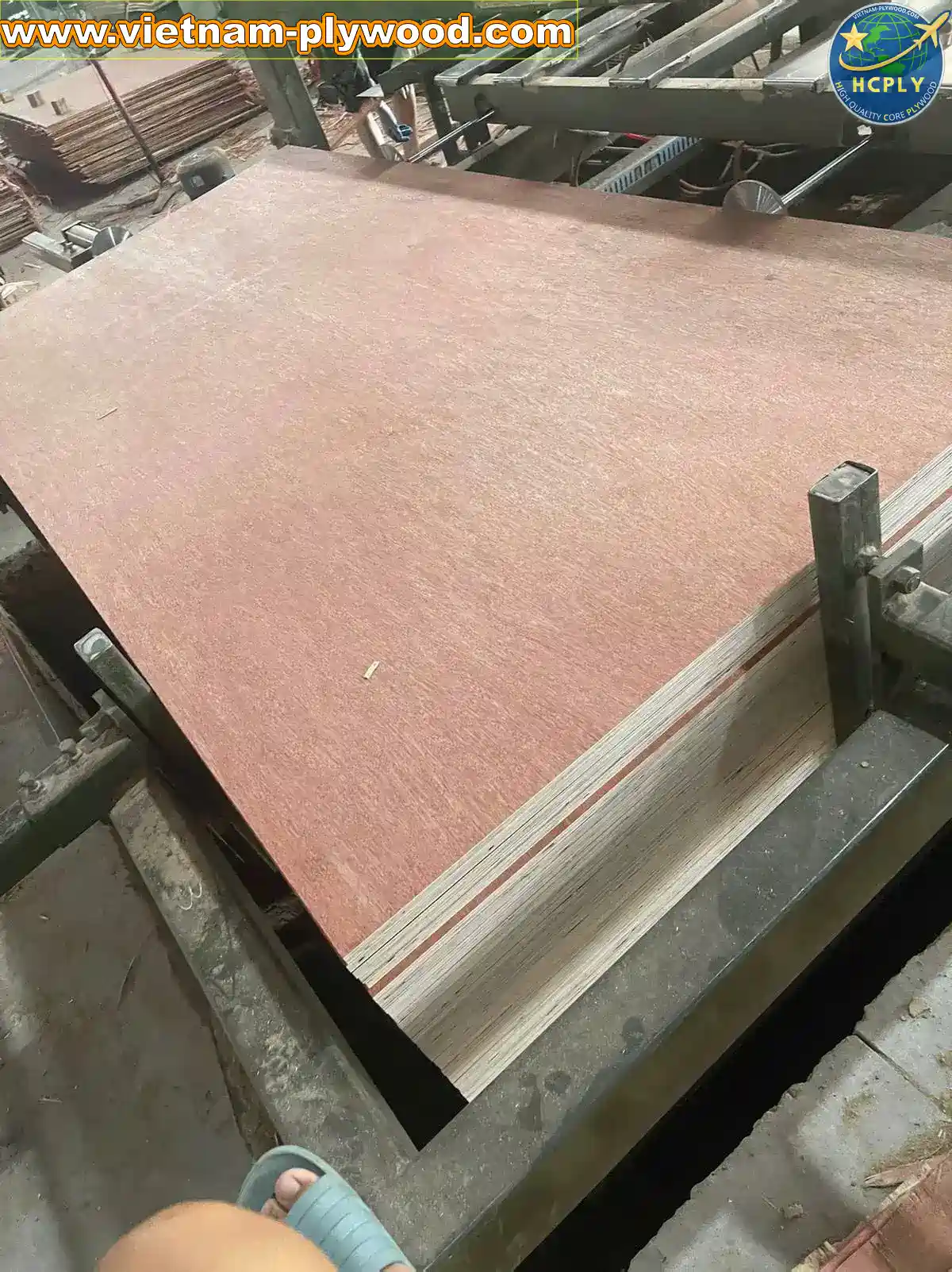
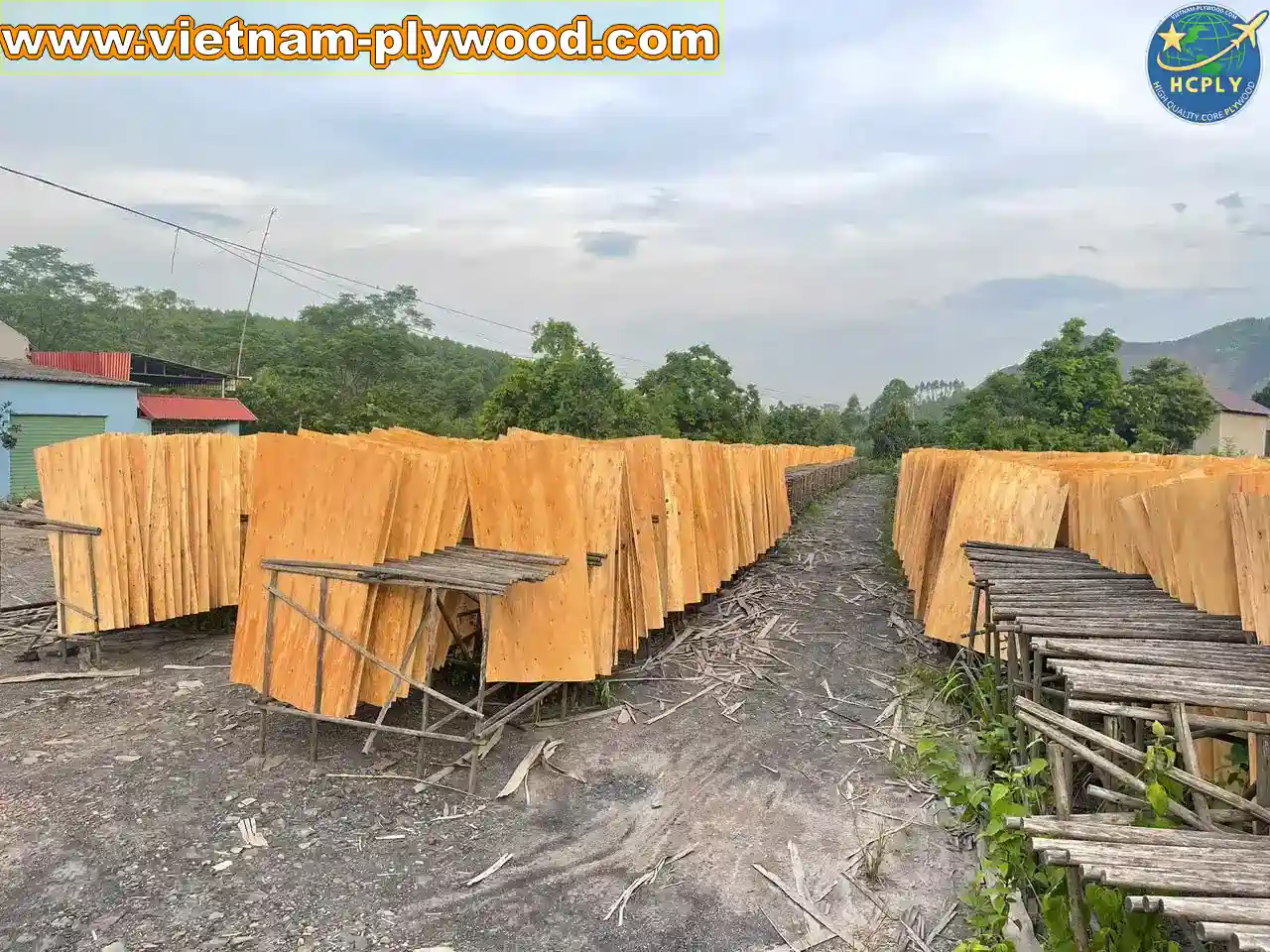
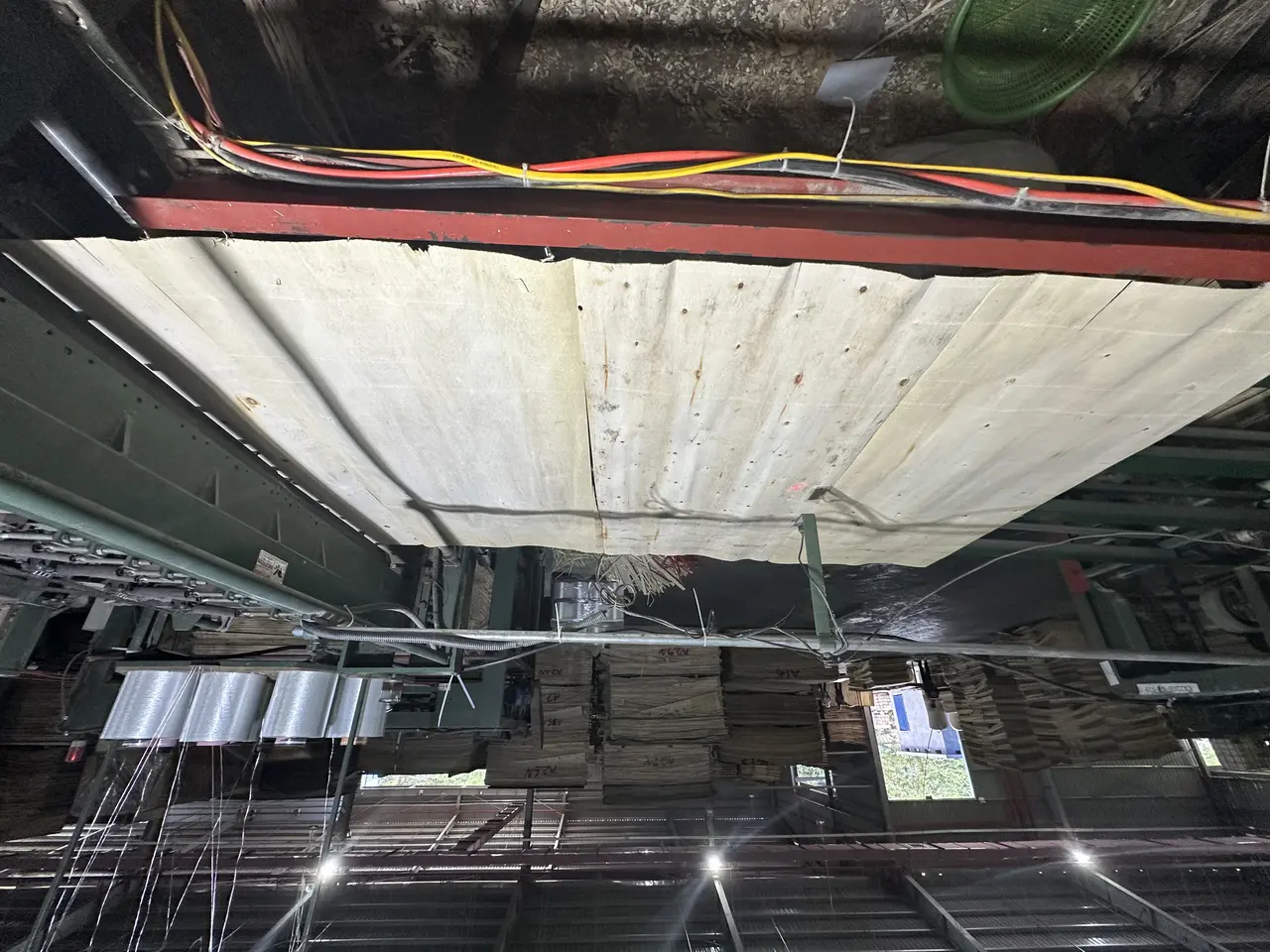
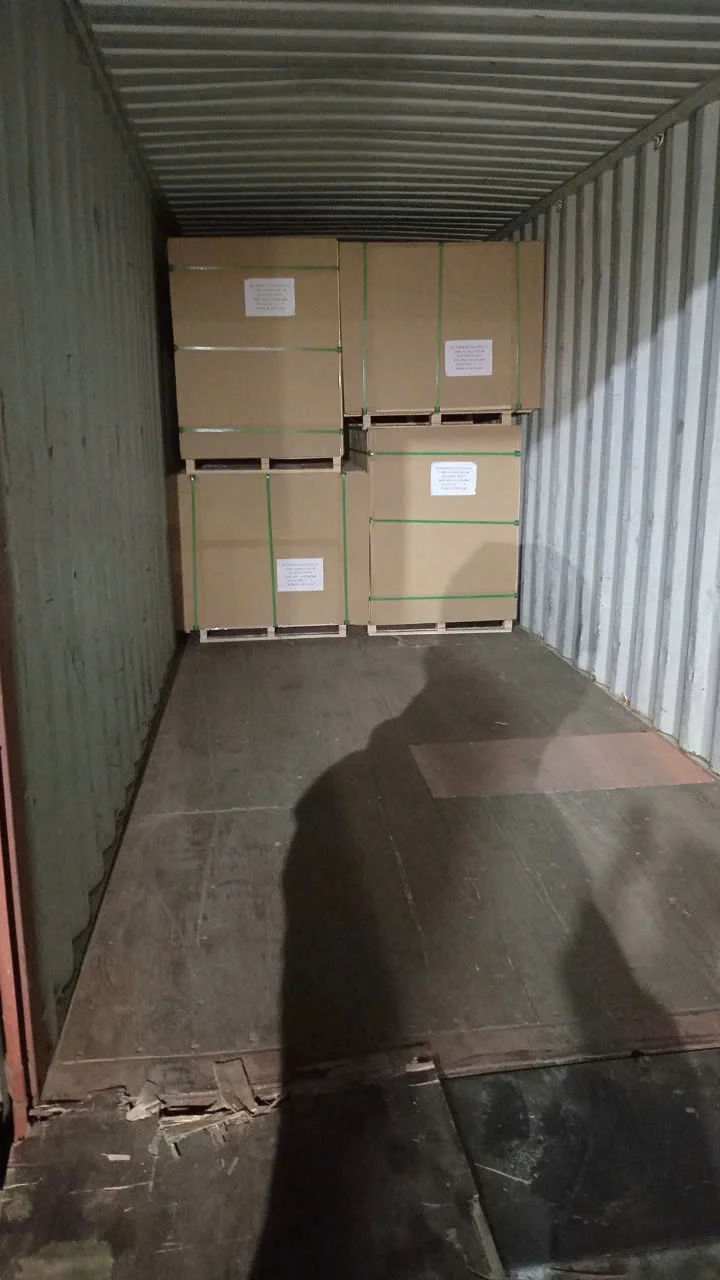
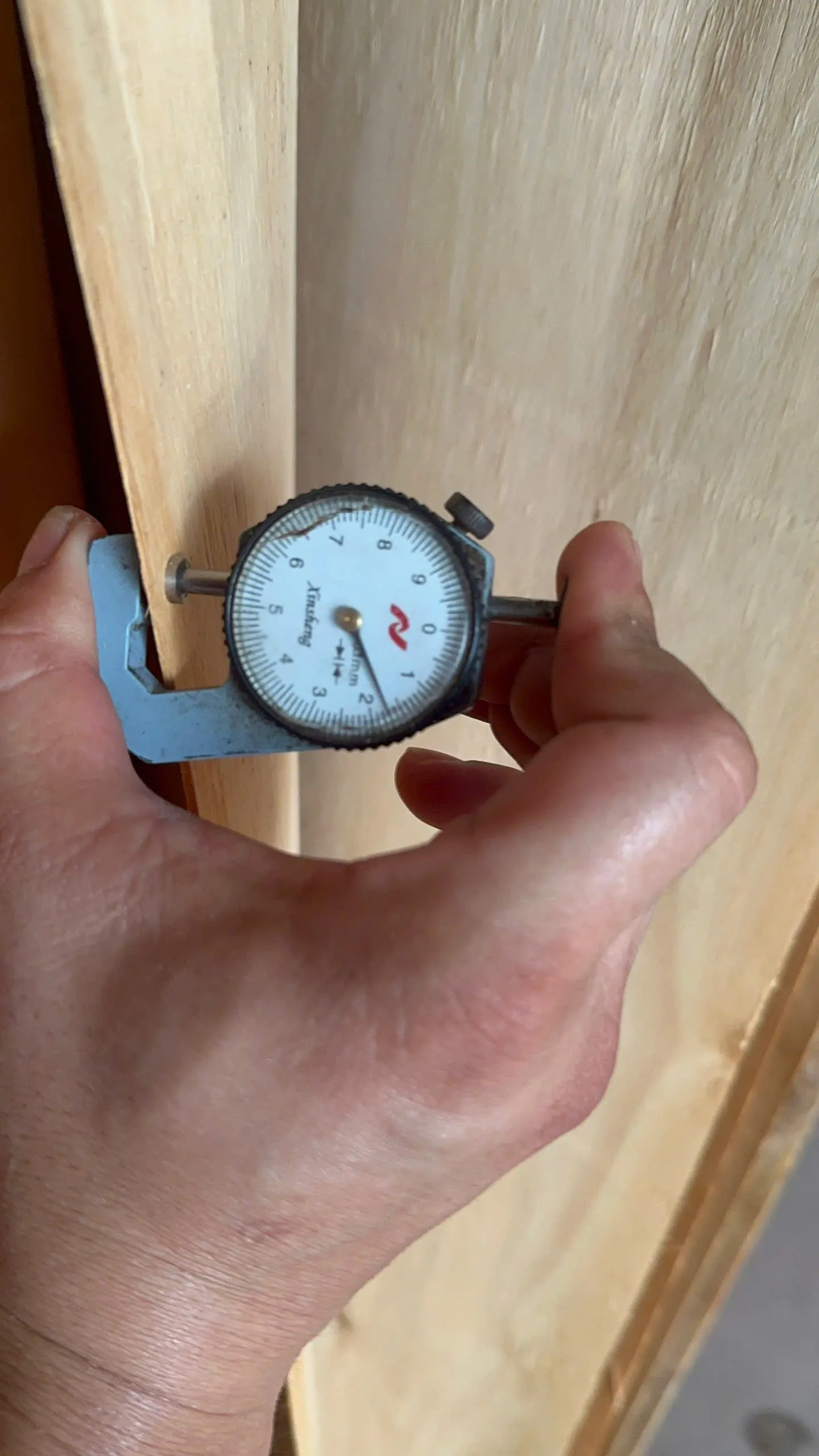
A factory capable of showing you the core veneer source, core construction photos, and moisture content test reports is demonstrably in control of production. As a result, a trading company relying on a northern supplier cannot easily provide these.
Which Core Species Matches Your Application?
| Application | Recommended Core | Why |
|---|---|---|
| Premium furniture (EU/US/Japan) | Styrax | Lightest, cleanest cross-section, best CBM efficiency |
| Heavy-duty construction, flooring | Eucalyptus | Highest density, structural strength |
| Packing, crating, low-cost commercial | Acacia | Most cost-effective |
| Marine or BWP high-reuse | Eucalyptus or Acacia | Phenolic WBP bonding compatibility |
| Rubber wood specialty (niche) | Rubber wood (South VN) | Premium light-coloured core, niche markets |
Where HCPLY Sits on the Regional Map
HCPLY operates from Ha Hoa District, Phu Tho Province — the geographic centre of Vietnam’s plywood manufacturing cluster. This is not a trading position:
- Production lines are in Phu Tho, not a distant province
- Styrax plantations are within 50–80 km — direct supply access
- Eucalyptus and acacia plantations are within the same regional radius
- FOB port is Hai Phong — minimal inland freight
- All certifications (FSC, CARB P2, ISO 9001, CE, EUDR, EUTR) are factory-issued
HCPLY manages 3 specialized production facilities — covering premium furniture, commercial, and film-faced segments — giving buyers access to all three through a single point of contact, with factory-direct documentation on all orders.
In practice, this means a single buyer can order birch-face furniture panels (styrax core, E0, full stitched, sanded) and film-faced construction plywood (eucalyptus core, WBP phenolic, AICA 135gsm film) on the same container, with one set of export documents. Both products originate within the Phu Tho production cluster. Neither product passes through a southern intermediary.
Our head office in Long Bien, Hanoi coordinates sales, documentation, and client communication. The Bill of Lading shows the factory — Phu Tho — as manufacturer. That is the correct structure for buyers who need factory-level certificates for CARB P2 compliance, EUDR chain of custody, or FSC-certified supply chain documentation.
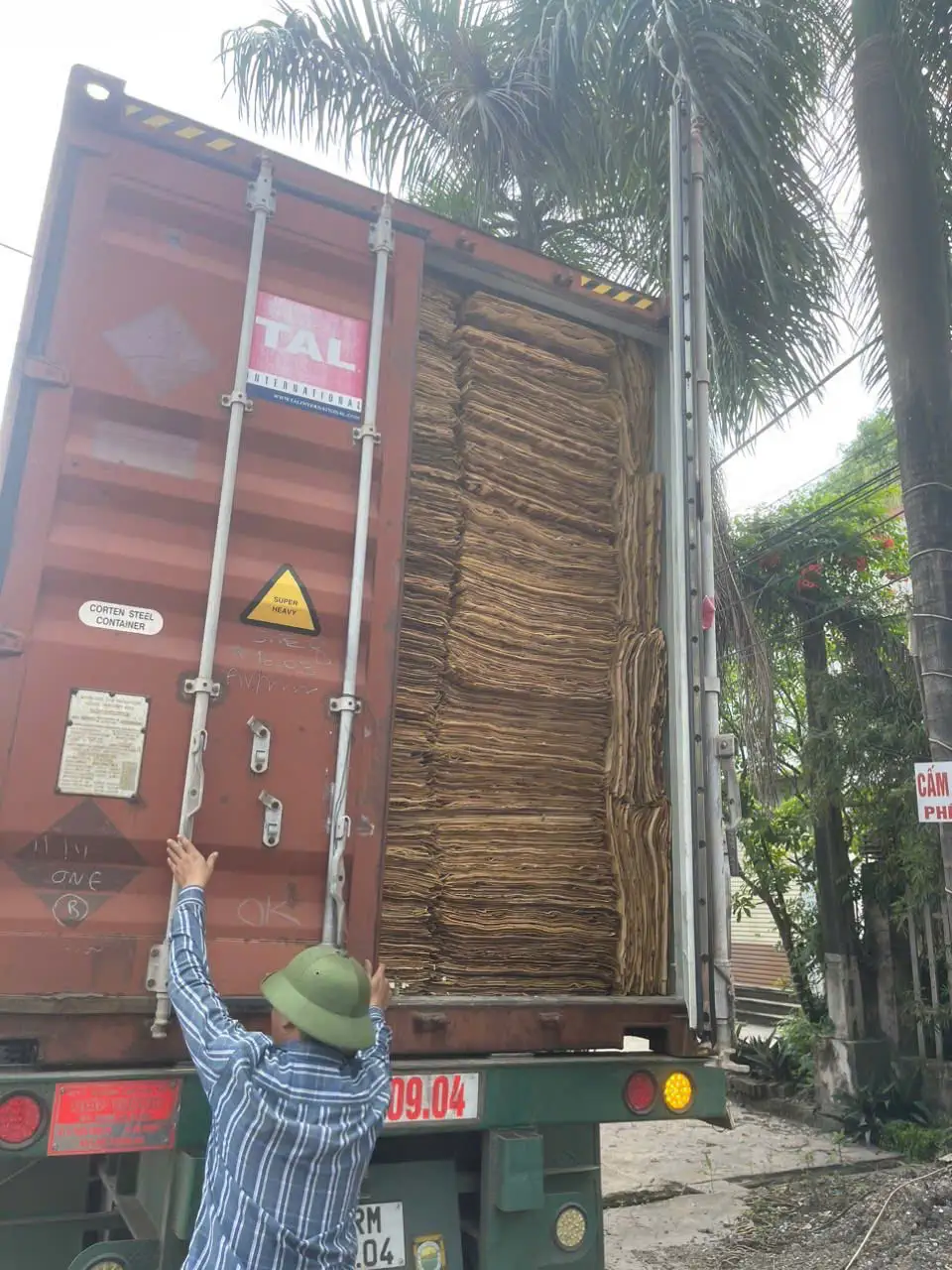
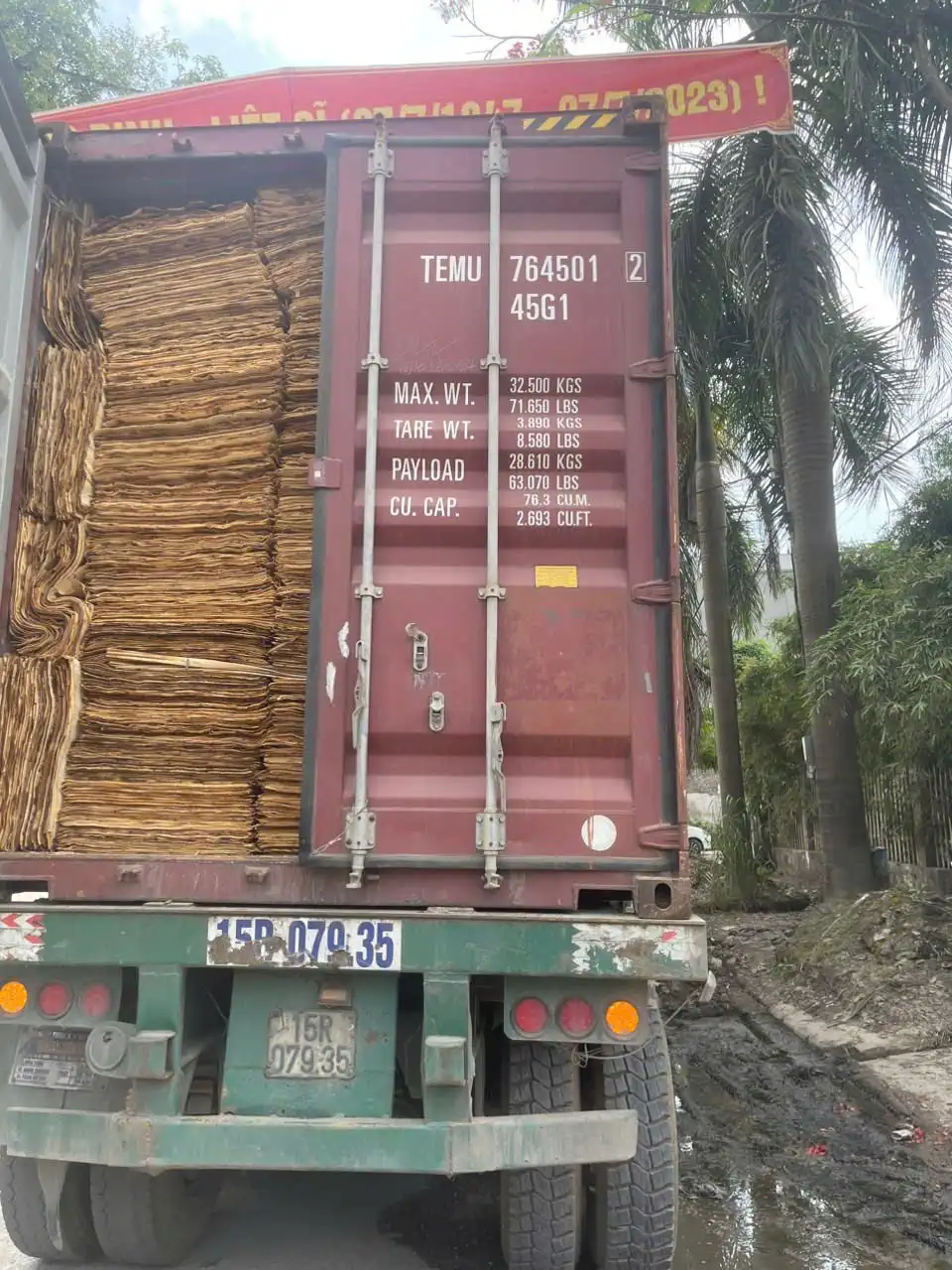
Explore our full core veneer supply chain to understand how raw veneer quality at the source determines finished panel performance.
🔍 Regional Due Diligence — Practical Questions
The following questions, asked before placing an order, will clarify any supplier’s actual position on the Vietnam plywood regional map.
Questions about origin:
- “In which province is your production factory located?”
- “What is the inland freight cost from factory to Hai Phong port?”
- “Does your CARB P2 certificate name your factory directly as the manufacturer?”
- “Can you provide photos of current production from your factory floor?”
Questions about core species:
- “What core species options do you have for this specification?”
- “Is your styrax core sourced from your own plantation region or purchased from a third-party supplier?”
- “What is the density of the core species you are quoting?”
Questions about supply chain:
- “Will the Bill of Lading name your company as shipper and the factory as manufacturer?”
- “Is this product shipped directly from your factory to Hai Phong, or does it transit through another facility?”
- “Can you provide a core cross-section photo for the specific batch we are ordering?”
A factory-direct northern producer will answer all ten questions directly and with documentation. A southern trading company re-exporting northern product will struggle with questions 3, 6, 8, and 9 specifically.
Why these specific questions expose supply chain structure:
-
Question 3 (CARB P2 certificate entity): CARB P2 certificates are issued to a specific legal entity that runs the qualifying process. A trading company cannot hold a CARB P2 certificate for a factory they do not control. If the certificate entity differs from the supplier entity, you are dealing with an intermediary.
-
Question 6 (styrax sourcing): A factory in Phu Tho can show purchase records, supplier relationships, and proximity to Yen Bai plantations. A southern company buying styrax from the North will have a longer, more complex answer — and higher cost.
-
Question 8 (Bill of Lading manufacturer field): A factory-direct exporter ships under their own factory name. A trading company appears as shipper with a separate manufacturer note — sometimes omitted entirely. The B/L is the single most useful document for verifying supply chain structure.
-
Question 9 (direct factory shipment): If the product leaves a factory in Phu Tho, passes through a warehouse in Ho Chi Minh City before loading onto a vessel — that is not factory-direct. Ask whether the container is stuffed at the factory, or at a third-party CFS (container freight station).
⚠️ Be aware: Legitimate suppliers do not take offence at these questions. Due diligence is standard in international trade. Any supplier who deflects or refuses documentation requests is a risk signal regardless of region.
These questions are not about distrust — they are about documentation quality. In regulated markets (US CARB, EU EUDR, Japanese JAS), your import compliance depends on the supply chain transparency of your Vietnamese supplier. Factory-direct northern producers like HCPLY provide complete documentation precisely because our supply chain is simple: one factory, one shipping route, one set of certificates.
⚙️ Common Buyer Mistakes on the Vietnam Plywood Regional Map
After reviewing thousands of buyer inquiries over 10+ years, we see the same geography-driven errors repeatedly. These mistakes cost buyers money or result in specification mismatches.
Mistake 1: Assuming Ho Chi Minh City = premium quality
Some buyers associate southern Vietnam with furniture manufacturing and therefore assume southern plywood suppliers produce higher-quality product. However, the reality is the opposite for export-grade plywood. Notably, premium plywood factories with CARB P2 and full-stitched core construction are overwhelmingly located in northern provinces. Premium plywood factories — those with full stitched core, E0 emission, CARB P2 certification — are overwhelmingly in the North. Southern operations excelling in furniture manufacturing are consuming plywood, not producing it for export.
Mistake 2: Accepting “Vietnam manufacturer” without province specificity
“We are a manufacturer in Vietnam” is a phrase used by trading companies, finishing plants, and factory-direct exporters alike. It says nothing about where production occurs. Always require province-level specificity: “Our factory is in [Province].”
Mistake 3: Comparing northern factory price with southern re-exporter spec
A buyer once showed us a quote comparison: our FOB Hai Phong price at USD X, and a “competing” quote from a Ho Chi Minh City company at USD X-5. When we asked them to request the CARB P2 certificate from the HCMC company, the certificate came back with a different entity name — a northern factory — and the FOB port was still Hai Phong. The “competitive” quote was the same product, routed through a southern middleman, with the documentation obscured. Net landed cost: higher, because sea freight from Cat Lai is longer than from Hai Phong to the buyer’s destination port.
Mistake 4: Requesting rubber wood core at scale
Rubber wood is a genuine specialty, but production volumes are limited. Buyers who specify rubber wood core for large orders (10+ containers/year) often find supply inconsistent. Styrax core from northern Vietnam is the functionally superior choice for most furniture applications — lighter, more consistent in density, and available at industrial volume.
Mistake 5: Not specifying core species at all
If your inquiry says “12mm plywood, bintangor face, 1220x2440” without specifying core species, every supplier will quote the cheapest option. For a commercial or packing application, acacia core is correct. For premium furniture, styrax or eucalyptus core is appropriate — and the price and weight difference is significant. Specify the core. Always.
| Mistake | Cost Impact | Prevention |
|---|---|---|
| Assuming HCMC = quality | Pay extra for same northern product | Ask for factory province + FOB port |
| Accepting vague “manufacturer” claim | Risk of spec substitution | Require province-specific factory address |
| Comparing across supply chain tiers | False price comparison | Standardise: same spec, same cert level, same origin |
| Ordering rubber wood at scale | Supply inconsistency | Use styrax for furniture applications at volume |
| Not specifying core species | Incorrect quotation | Always specify: acacia / eucalyptus / styrax + grade |
❓ Frequently Asked Questions
Why does 80% of Vietnam plywood production come from the North?
Northern Vietnam has the highest concentration of plantation forests — acacia, eucalyptus, and critically, styrax — combined with established factory infrastructure built over decades. Provinces like Phu Tho, Yen Bai, and Bac Giang sit at the intersection of raw material access and Hai Phong port logistics. Southern Vietnam lacks these structural inputs at scale, making northern concentration a market outcome, not a policy decision.
How to Tell if a Southern Supplier Quotes Northern Product
Ask for the CARB P2 certificate entity name and the Bill of Lading manufacturer field. If the certificate names a Phu Tho or Bac Giang factory, you are buying northern product. Additionally, ask for the inland freight cost from factory to port — a Phu Tho factory quoting FOB Cat Lai has added 800 km of overland transport to your price.
Is styrax core better than birch core for furniture?
Styrax performs comparably to birch for most furniture applications — similar density range, clean white cross-section, good machining performance. The advantage of styrax is cost: it is a locally grown Vietnamese species sourced within 80 km of the production line, whereas birch must be imported. For EU and North American furniture manufacturers seeking a cost-effective alternative to Russian or Baltic birch, styrax-core plywood from northern Vietnam is the standard substitution.
What Certifications to Expect from Northern Suppliers
Leading northern factories hold FSC (chain of custody), CARB P2 (with specific manufacturer name on certificate), ISO 9001, CE marking for construction products, EUDR compliance documentation, and standard export certifications (phytosanitary, fumigation). Importantly, these certificates name the factory as the qualifying entity — not a trading company. Always verify certificate numbers directly with the issuing body.
🔗 Related Industry Knowledge
Understanding the Vietnam plywood regional map is the foundation layer. Buyers who need to go deeper on specific aspects of the supply chain should review:
Factory and supplier structure:
Vietnam’s plywood industry segments into four distinct factory types and four supplier business models — with radically different implications for price, quality, and documentation. Our analysis of Vietnam plywood factory types and industry segmentation covers this in detail: who produces what, how to match factory segment to your specification, and why the cheapest quote for a premium specification is structurally impossible.
Supplier due diligence:
Knowing the regional map is step one. Step two is evaluating specific suppliers within the northern cluster against objective criteria — certifications, production evidence, reference orders. Our guide on Vietnam plywood supplier types and buyer due diligence provides a structured framework for pre-order verification.
Products with core species dependency:
- Core Veneer Vietnam — raw veneer sheets (eucalyptus and acacia) for industrial buyers integrating into their own production
- Matt Plywood Vietnam — unfaced raw core boards; the semi-finished product that the entire southern re-export chain is built on
About HCPLY’s factory position:
For full context on HCPLY’s Phu Tho production infrastructure, certifications, and export track record, visit About HCPLY Vietnam Plywood Factory.
📦 Regional Map Summary — Key Facts for Buyers
| Topic | Key Fact |
|---|---|
| Northern production share | 80%+ of Vietnam’s plywood export volume |
| Primary northern provinces | Phu Tho, Yen Bai, Bac Giang, Hoa Binh, Bac Ninh |
| Styrax core availability | Northern Vietnam ONLY — Phu Tho, Yen Bai, Hoa Binh, Thanh Hoa |
| Southern production reality | Primarily trading companies + matt plywood finishing |
| Rubber wood | Southern Vietnam only — niche, premium, limited volume |
| Primary export port (North) | Hai Phong |
| Primary export port (South) | Cat Lai (HCMC) / Cai Mep–Thi Vai |
| Factory-direct certifications | Available from northern factories; check certificate entity |
| Price advantage | Factory-direct northern = lowest cost same spec |
| HCPLY location | Ha Hoa District, Phu Tho Province — northern cluster |
The Vietnam plywood regional map resolves one of the most common buyer confusion points in the market: the assumption that a company registered in Ho Chi Minh City is manufacturing there. The data is clear — northern Vietnam is where the plywood is made, and Phu Tho is at the centre.
Factory-direct sourcing from this cluster eliminates intermediary layers, gives you direct access to all core species (including styrax), and puts factory-issued certifications on your documentation. Consequently, buyers who make the transition from trading-company sourcing to factory-direct consistently achieve the same or better product quality at lower FOB cost.
For buyers currently sourcing from southern Vietnam, the transition to northern factory-direct is straightforward. Your product specifications do not change. Your certification requirements do not change. What changes is the supply chain layer count — and the cost that comes with it.
Our team at HCPLY has guided buyers through this transition from trading-company sourcing to factory-direct in India, Korea, Germany, and the UAE. The result in every case is the same: same or better product quality, lower FOB cost, faster communication (factory sales team, not a broker chain), and complete documentation for regulated market compliance.
No commitment is needed to start the comparison. We provide free samples and a full quotation within 24 hours of receiving your specification. See pricing, certifications, and product range by visiting our factory overview at About HCPLY Vietnam Plywood Factory, or go directly to contact us to request your quote.