

Did you know that the single most expensive mistake international plywood buyers make has nothing to do with price negotiation — it is treating Vietnam’s plywood industry as a single, homogenous market? It is not. Vietnam plywood factory types span four distinct production segments operating in parallel — and comparing prices or specifications across segments is the proven cause of specification failures, quality disputes, and wasted procurement cycles.
This guide provides an insider breakdown of vietnam plywood factory types that no competitor website explains. Our mission at HCPLY is to create complete transparency in Vietnam plywood sourcing, so that buyers make the right factory-segment decisions before the first container, not after. In our experience sourcing across 50+ countries over 10+ years, the factory segment gap is the single most consequential knowledge gap for first-time and repeat buyers alike. This guide draws on HCPLY’s decade of multi-segment factory experience to give you the exact framework that professional importers use. This is an operational reference for procurement managers, import officers, and trading companies who need to source correctly from the first container. For a broader overview of the supplier market, see our Vietnam plywood supplier due diligence guide.
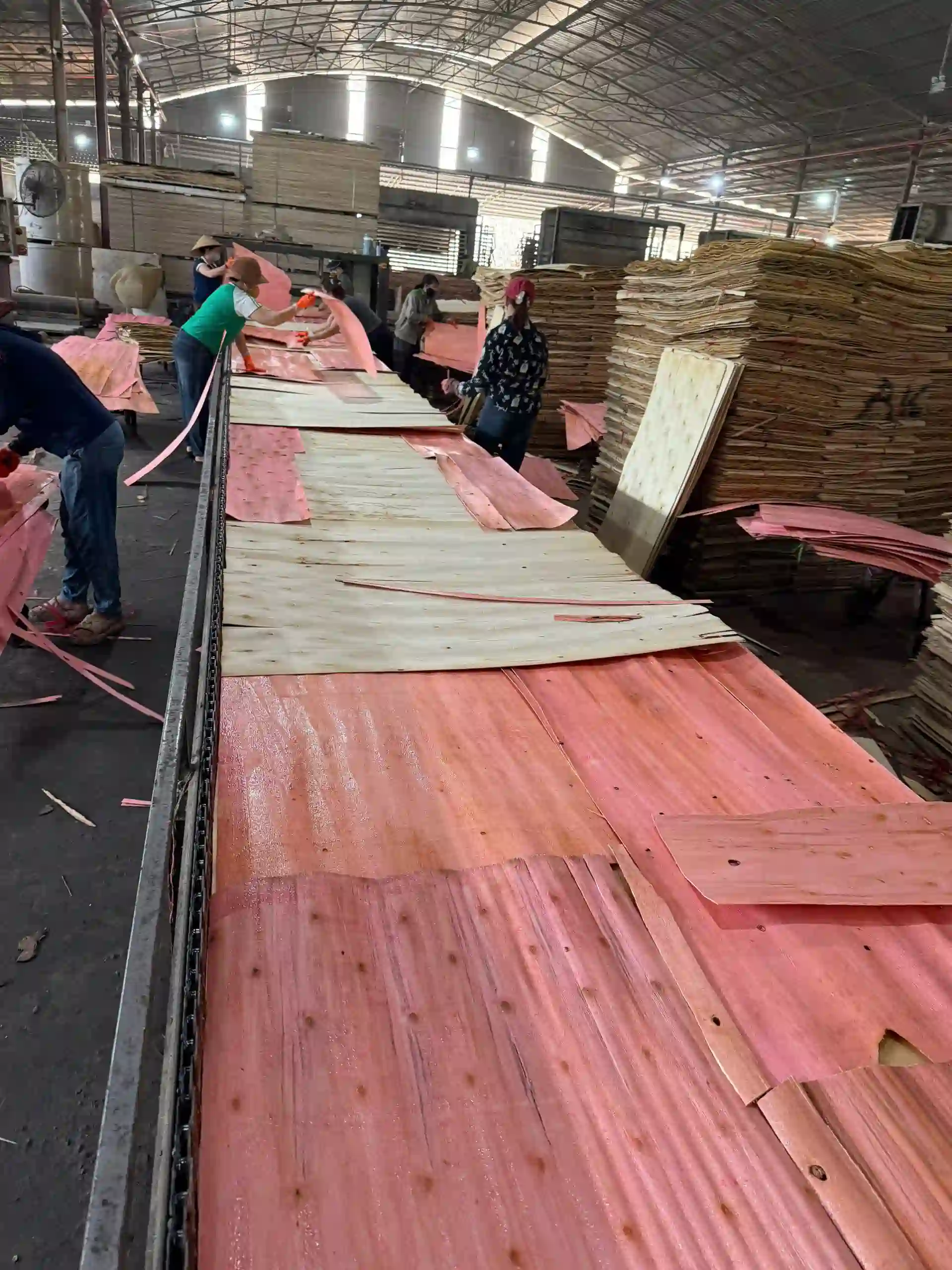
📊 Why Does Vietnam Plywood Factory Segmentation Matter?
Vietnam exported more than 1.5 million m³ of plywood in 2024, with export value in the first half of 2024 alone reaching $487.29 million USD — a 24.3% increase in value and 34.1% in volume year-on-year (Vietnam Customs H1 2024 data). Vietnam exports plywood to 77 countries and territories, with Korea, Japan, the USA, and Malaysia accounting for over 72% of volume.
Behind those aggregate numbers lies a fragmented supply base. Vietnam has 200+ active film-faced plywood factories alone, according to industry sources — not accounting for furniture and packing-grade producers separately. Vietnamese factories specialize by segment in a way that Chinese or Indonesian factories typically do not — a structural characteristic confirmed in industry analysis of the Vietnam Wood Manufacturing Industry and the core of the vietnam plywood factory types framework. One factory’s production system is optimized for premium furniture grade; another’s entire workflow — raw material sourcing, pressing equipment, quality controls — is calibrated for commercial/packing grade. Specifically, these two factories cannot economically swap roles. Furthermore, buyers who understand segmentation improve sourcing outcomes and avoid the cross-segment pricing errors that generate the industry’s most costly post-shipment disputes.
| Segment | Target Markets | Core Species | Core Construction | Emission Standard |
|---|---|---|---|---|
| A — Premium Furniture | EU, USA, Japan, Korea (premium furniture niche), Australia | Styrax, Eucalyptus | Full stitched (all layers) | E0 / CARB P2 |
| B — Commercial / Packing | SE Asia, Africa, Korea (predominantly commercial/construction) | Acacia | Loose-laid or edge-jointed | E1 / E2 |
| C — Premium Film-Faced | EU, Japan, Australia, Korea (formwork rental sector) | Eucalyptus / Acacia (Grade A) | Stitched outer layers | Phenolic WBP |
| D — Budget Film-Faced | SE Asia, Africa, Korea (budget construction), price-sensitive markets | Acacia (Grade AB) | No stitching | Melamine blend |
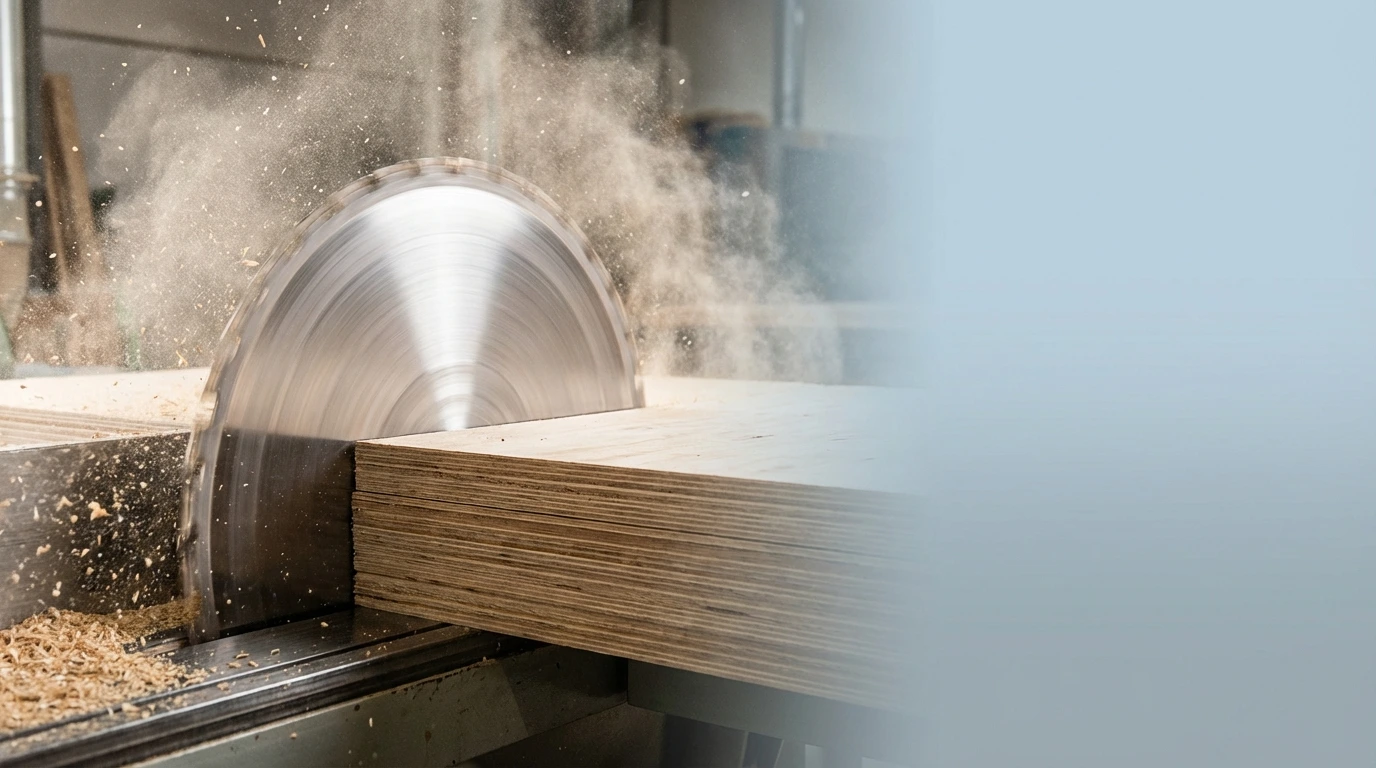
⚠️ Important: The table above is not a quality ranking — it is a market-fit map. Segment B factories are not “worse”; they are correctly optimized for their buyers’ specifications and price targets. The mistake is when buyers attempt to apply Segment A specifications to a Segment B price quote.
📩 Need help identifying the right factory segment for your requirements? Contact us for a free consultation — we’ll match your specifications to the correct factory type within 24 hours. No commitment required, no minimum order for initial samples.
🏭 Segment A — Premium Furniture Plywood Factories
📌 Segment A: Factory Profile
Premium furniture plywood factories represent the highest manufacturing tier in Vietnam’s plywood industry. They supply directly to EU and US furniture manufacturers, cabinet makers, kitchen suppliers, and retailers with strict formaldehyde emission requirements. Indeed, selecting the correct segment from the outset helps buyers eliminate rework costs, reduce shipment rejections, and protect downstream supply contracts.
On one hand, Segment A factories deliver unmatched specification compliance. On the other hand, their higher cost structure means they are not the right choice for buyers whose end markets do not require E0 emission or FSC certification. Understanding this trade-off is the starting point for segment selection.
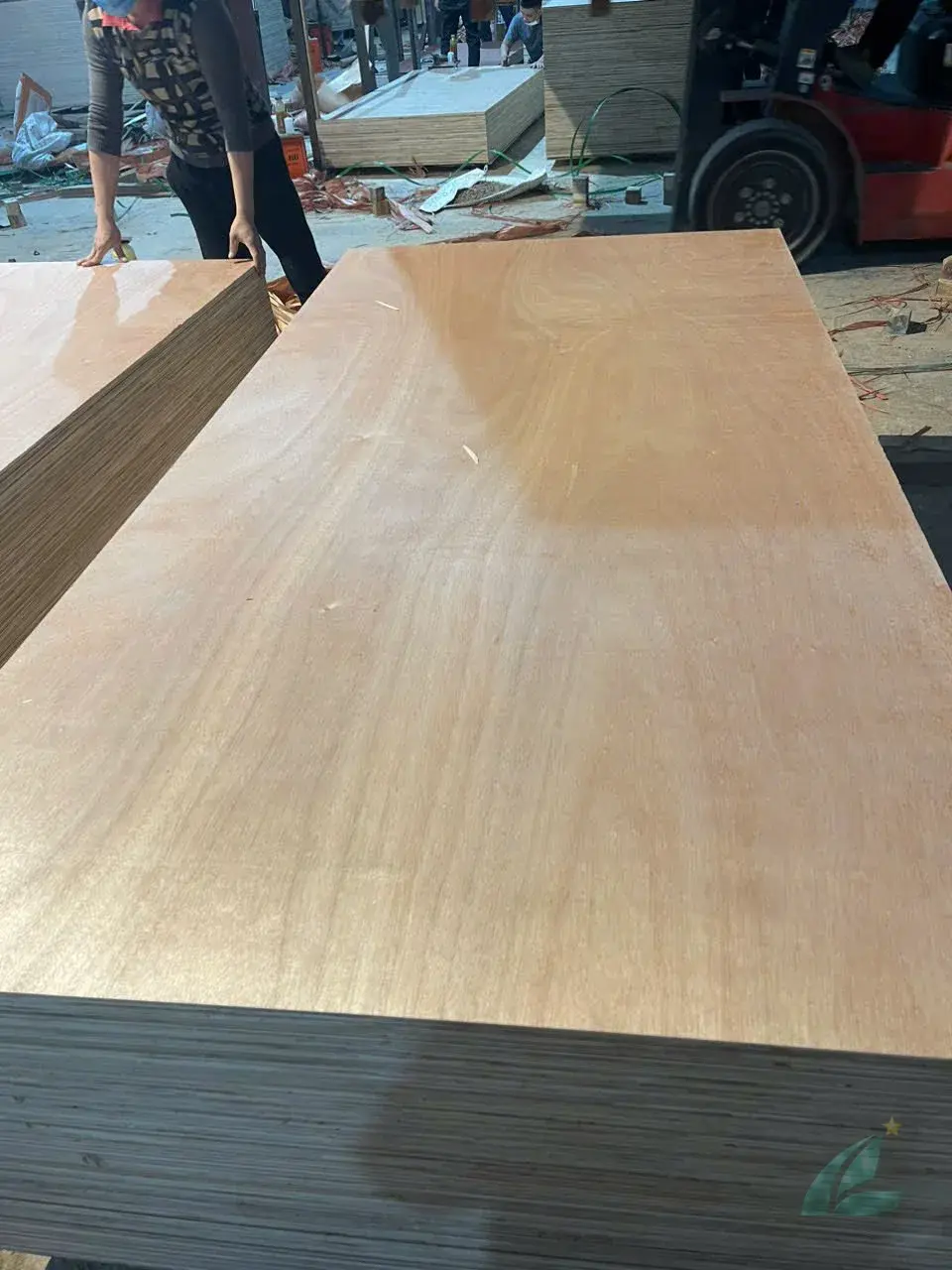
Core species: Styrax (480–500 kg/m³) and/or eucalyptus (650–750 kg/m³). Styrax is Vietnam’s premium choice for furniture cores — lighter than eucalyptus, whiter in color, structurally stable, and the closest domestic equivalent to European birch core (which Vietnam does not produce). Eucalyptus offers higher density and is preferred when structural strength is the primary requirement (flooring substrate, structural panels).
Core construction method: Full stitched across all veneer layers. “Stitching” refers to edge-joining individual veneer strips using glass-thread sewing machines, eliminating gaps and overlaps in the core assembly. Full stitching across all layers — including inner cross-band layers — is the hallmark of premium furniture grade. It produces a void-free, gap-free panel with superior screw-holding capacity, flatness, and machining performance. As a result, buyers gain measurably better downstream processing performance: reduced edge breakout during CNC routing, improved screw retention in assembly, and lower reject rates from surface defects.
Glue system: Melamine (MR) adhesive for standard moisture-resistant furniture grade. Glue type and emission standard are separate specifications. A Segment A factory uses E0 or CARB P2 emission standard — meaning the formaldehyde emissions from the cured panel are ≤0.05 ppm (CARB P2) or ≤0.05 mg/L (E0). This is mandatory for US, EU, Japanese, and Korean furniture market access.
Face veneers: Diverse — birch (grades D/E/F), okoume, eucalyptus, gurjan, pine, poplar, EV (engineered veneer). Bintangor face is not used in premium furniture segment — it is associated with commercial/packing grade. All faces are sanded to calibrated thickness tolerance, typically ±0.3mm across the panel.
Certifications held: FSC, CARB P2, CE, ISO 9001, EUDR, EUTR. These are not optional; EU market access for furniture requires FSC (chain of custody) and EUDR (deforestation regulation) compliance. US market access for interior furniture requires CARB P2.
What Segment A factories do NOT produce: Commercial packing grade, budget film-faced plywood. Their production systems — pressing temperatures, adhesive mixing ratios, sanding calibration, QC inspection stations — are engineered for premium specifications. Running a packing-grade order through a Segment A factory is both economically wasteful and operationally disruptive. However, for buyers supplying regulated markets, the benefit of working with Segment A is clear: you protect market access, avoid formaldehyde compliance failures, and accelerate approval cycles with downstream retailers who audit supply chains.
| Specification | Segment A Factory |
|---|---|
| Core species | Styrax (480–500 kg/m³) or Eucalyptus (650–750 kg/m³) |
| Core construction | Full stitched, all layers |
| Glue | Melamine (MR) |
| Emission | E0 or CARB P2 |
| Face options | Birch D/E/F, Okoume, EV, Gurjan, Pine, Poplar, Eucalyptus |
| Face sanding | Yes — calibrated ±0.3mm |
| Certifications | FSC, CARB P2, ISO 9001, EUDR, CE |
| MOQ | 1 × 40HC container |
| Typical thickness | 3–25mm (furniture applications) |
💡 Tip: If you source birch plywood from Vietnam, bintangor plywood for furniture, or EV plywood for cabinet interiors, confirm you are working with a Segment A factory. Request the CARB P2 certificate with the actual test report number — not just a claimed certification.
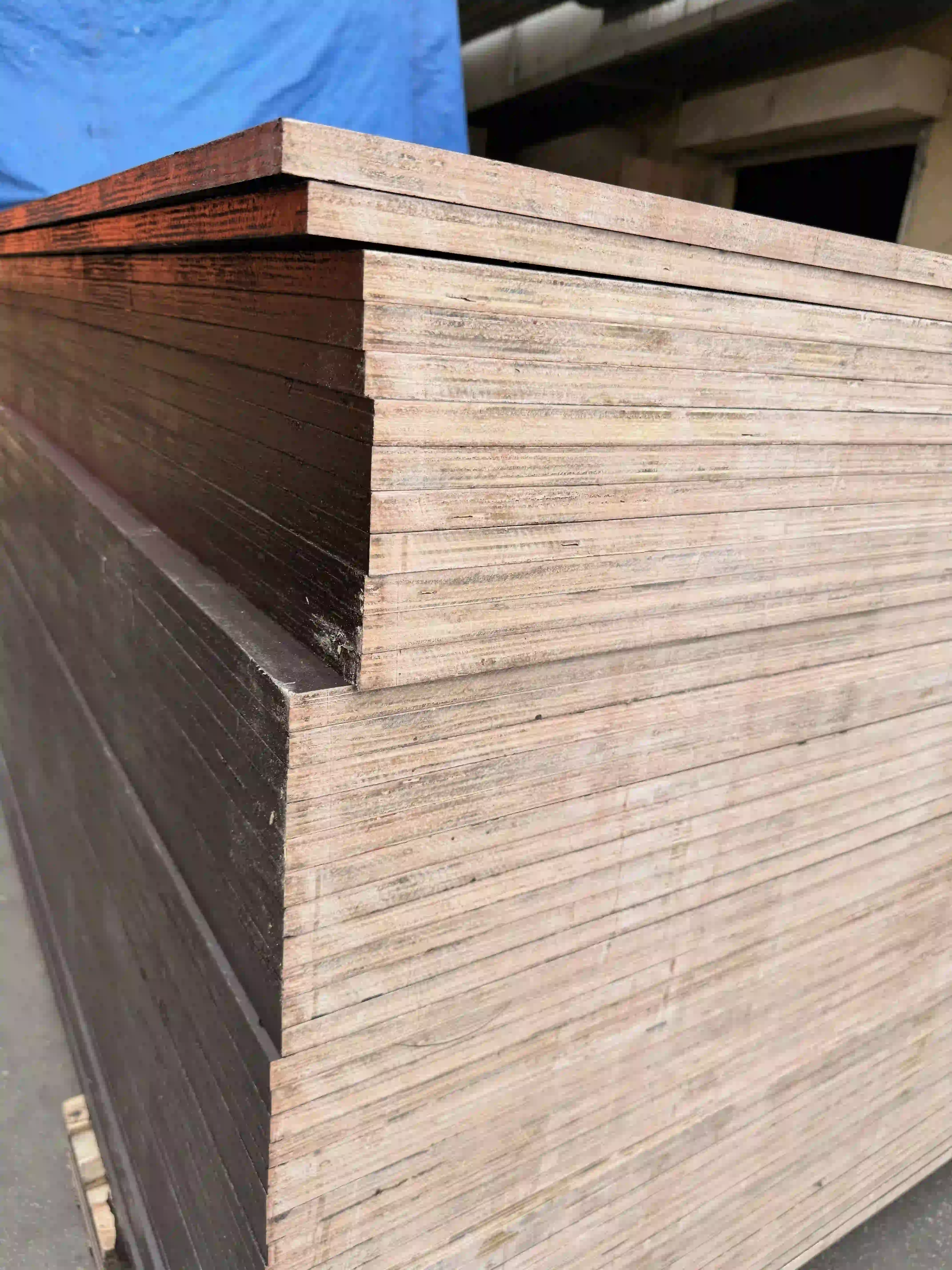
From our production floor observations, Segment A factories maintain separate QC inspection lines dedicated to furniture-grade output — a physical separation that commercial factories simply do not have. We’ve observed firsthand that the difference in sanding calibration equipment alone represents a capital investment that Segment B operations cannot replicate without fundamentally changing their business model.
📦 Segment B — Commercial and Packing Plywood Factories
Segment B: Factory Profile
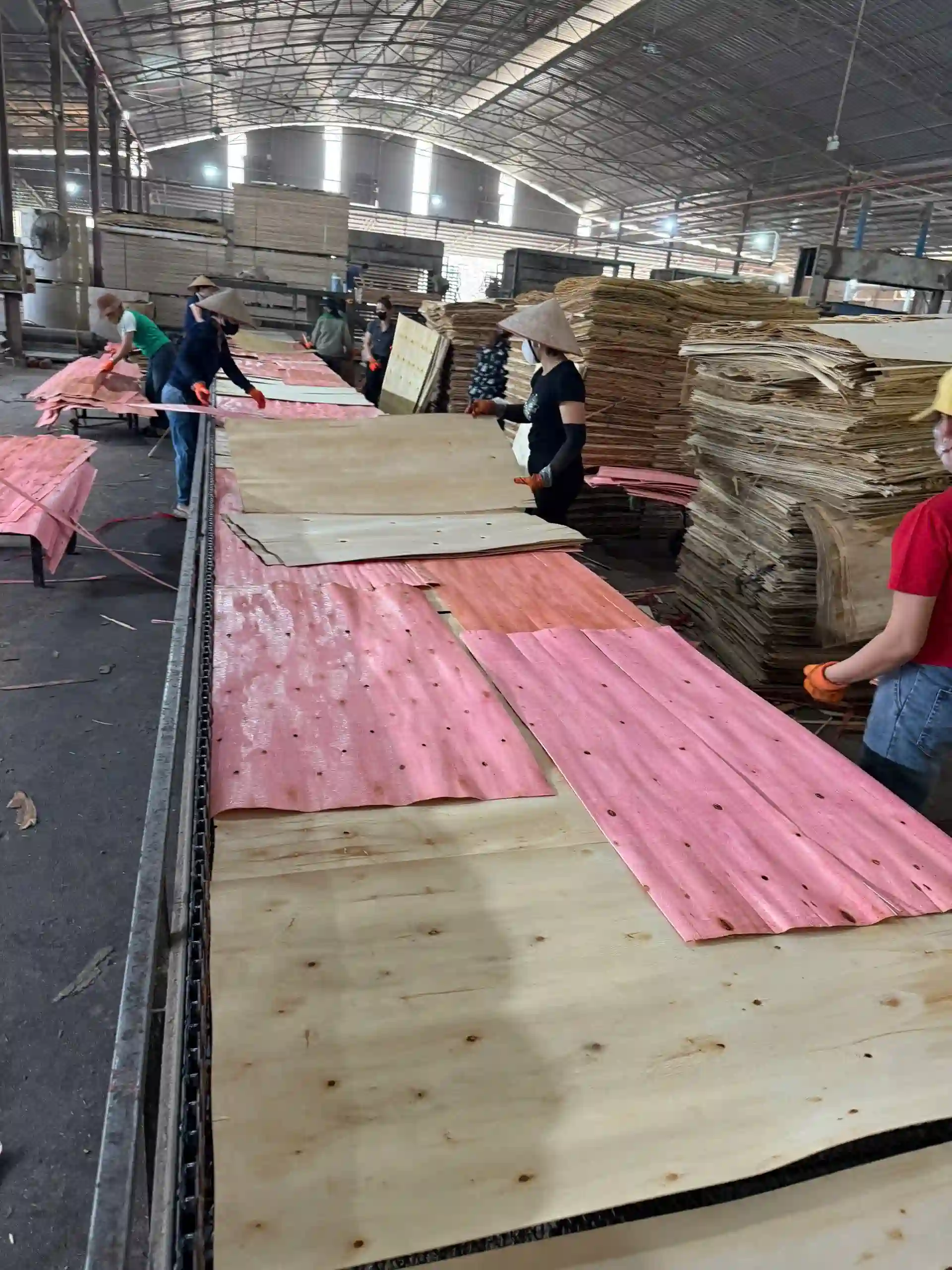
Commercial and packing plywood factories are the largest segment by volume in Vietnam. They produce the bulk of Vietnam’s export tonnage to price-sensitive markets: Southeast Asia, Africa, mid-tier Korean distributors, and general commercial distributors worldwide.
Core species: Acacia (~580 kg/m³) — Vietnam’s most abundant plantation species and lowest-cost core option. Acacia core has a darker brown color compared to styrax or eucalyptus, which can show through thin face veneers and is visible at panel edges. For packing plywood where aesthetics are irrelevant, acacia is the rational choice. For furniture where edge appearance matters, it is not.
Core construction method: Loose-laid or edge-jointed. Loose-laid means individual veneer strips are laid adjacent without mechanical joining — gaps and overlaps are common. Edge-jointed involves trimming veneer strips to butt against each other but without stitching. Both methods are significantly faster and cheaper than full stitching, but produce panels with more internal voids, lower screw-holding capacity, and reduced flatness. Consequently, Segment B panels are not suitable for precision furniture machining applications.
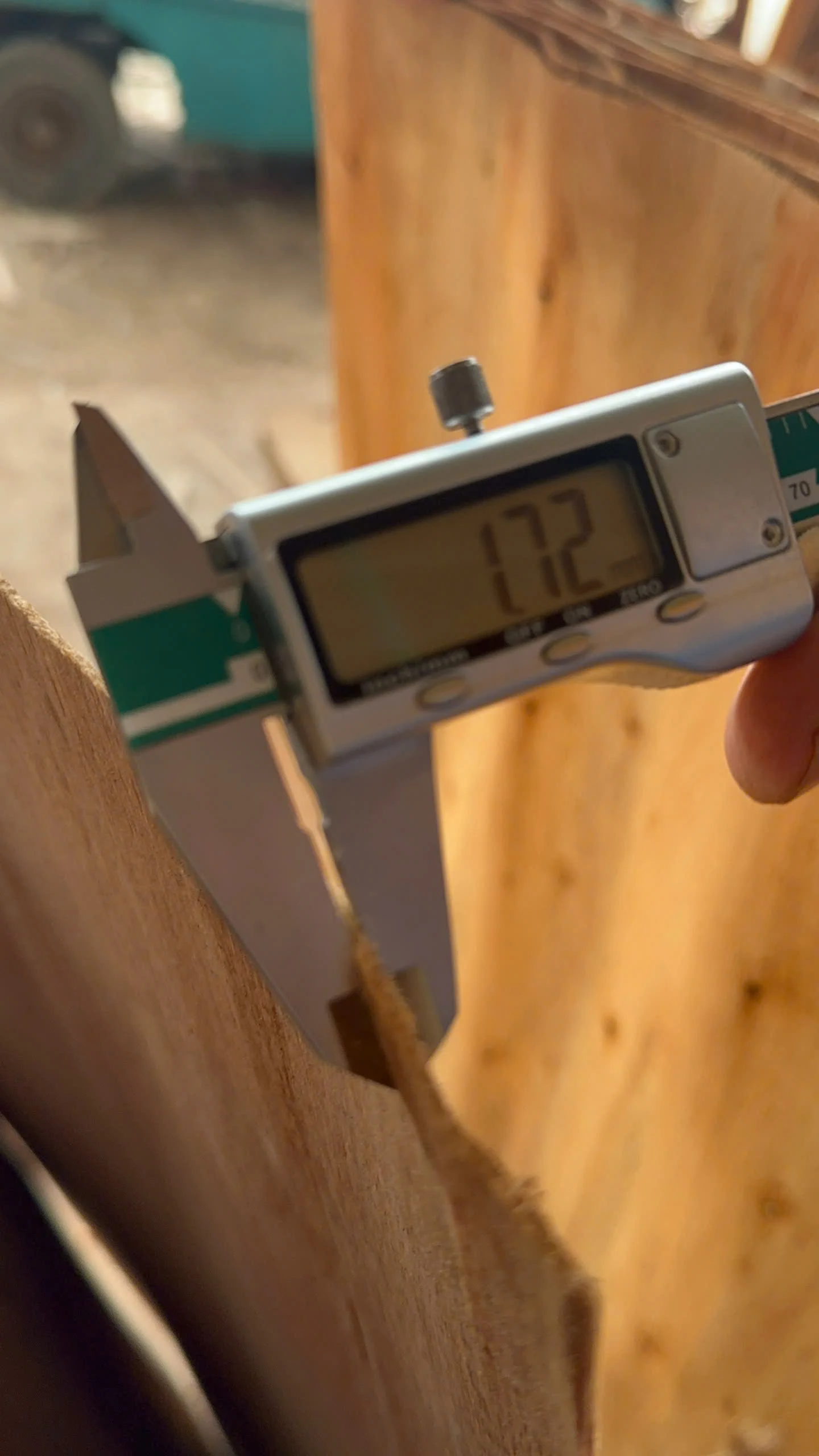
Glue and emission: Melamine (MR) adhesive. Emission standard: E1 or E2. E2 emission is not permitted for US or EU furniture market access. For packing applications (pallets, crates, export boxes) and commercial interior use in markets without strict formaldehyde regulations, E2 is acceptable and cost-effective.
Face veneers: Bintangor (C/D grade), lower-grade okoume, poplar. Faces are unsanded or lightly sanded. The primary function is surface coverage, not precision machining performance.
Certifications: Minimal or none. Some Segment B factories hold basic export certifications, but FSC and CARB P2 are rare. EUDR compliance is not typical. For buyers in regulated markets, this is a disqualifying characteristic.
The pros of Segment B: Buyers gain significant cost advantages — typically 30–60% lower acquisition cost versus Segment A — and reduce per-unit outlay for applications where premium certification adds no market value. The primary drawback is that Segment B products cannot be used in regulated markets (US, EU furniture), so buyers must be certain of their downstream application before selecting this segment.
What Segment B produces well: Packing plywood for export crating, pallets, and shipping applications. Core veneer for third-party plywood production. Commercial grade for interior non-regulated applications. High-volume, price-competitive sourcing where certification is not required.
| Specification | Segment B Factory |
|---|---|
| Core species | Acacia (~580 kg/m³) |
| Core construction | Loose-laid or edge-jointed |
| Glue | Melamine (MR) |
| Emission | E1 or E2 |
| Face options | Bintangor C/D, Okoume (lower grade), Poplar |
| Face sanding | No (or minimal) |
| Certifications | Minimal — typically no FSC, CARB P2 |
| MOQ | 1 × 40HC container |
| Typical thickness | 4–18mm (packing and commercial applications) |
⚠️ Note: Segment B prices are 30–60% lower than Segment A for nominally identical products. If a supplier quotes you Segment B price for a Segment A specification — E0, FSC, full stitched, sanded birch face — either they are misrepresenting the product or they will substitute at shipment. This is the single most common quality dispute mechanism in Vietnam plywood importing.
🔧 Segment C — Premium Film-Faced Plywood Factories (Construction)
Segment C: Factory Profile
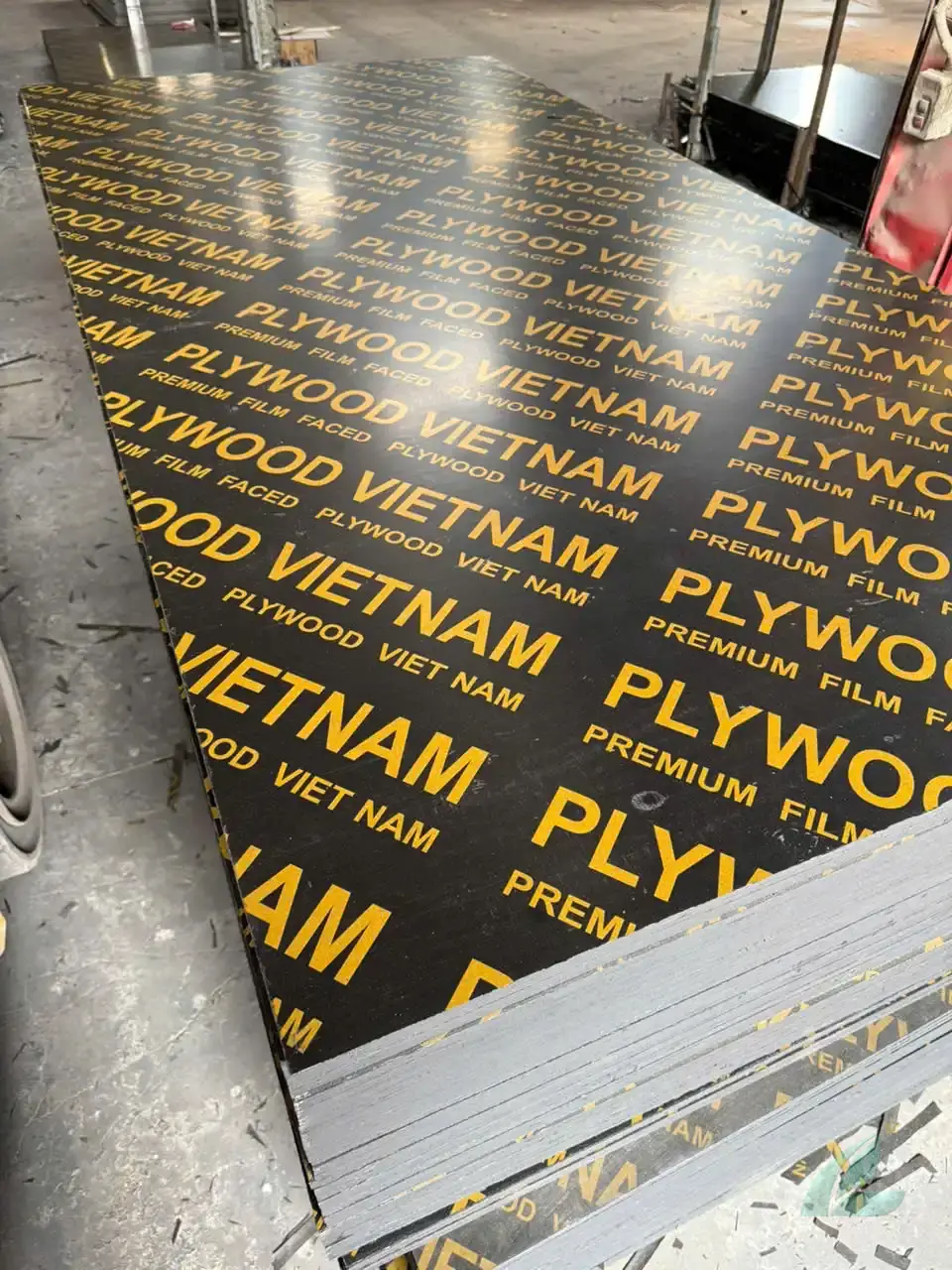
Premium film-faced plywood factories supply the construction industry worldwide: concrete formwork, scaffolding, structural shuttering, bridge decking, and tunnel lining. The defining characteristic is reuse count — premium film-faced panels must withstand 15–20 pour cycles without delamination, film peeling, or edge failure.
Core species: Eucalyptus or acacia, Grade A selection — not the full core mix. Eucalyptus at 650–750 kg/m³ provides the structural rigidity required for high-load concrete formwork. Core construction uses stitched outer layers to ensure dimensional stability under repeated wetting/drying cycles.
Glue system: Phenolic (WBP — Weather and Boil Proof) adhesive for the core bond. Phenolic adhesive withstands the 72-hour boiling test versus 12 hours for melamine. For film-faced plywood, glue type and film quality are independent specifications. The film bond to the face veneer uses a separate adhesive layer.
Film specification: AICA film (Japanese standard) at minimum 135 gsm is the premium benchmark. Some Segment C factories use 220 gsm film for heavy-duty applications. Higher film weight directly correlates with reuse count. Budget films from Vietnamese or Chinese suppliers run at 100–120 gsm with correspondingly lower reuse performance.
Reuse count: 15–20 cycles for Segment C factories versus 4–8 cycles for Segment D. This is not a minor difference — it changes the per-cycle cost economics of film-faced plywood procurement by a factor of 2–3×. Moreover, the benefit of improved reuse count extends beyond direct cost savings — contractors eliminate costly mid-project panel replacements that cause construction delays. The trade-off is higher upfront purchase price; the advantage is substantially lower total project cost.
Markets served: EU construction contractors, Korean and Japanese formwork rental companies, Australian and Middle East building projects. These buyers calculate lifetime cost per cycle, not purchase price per sheet.
| Specification | Segment C Factory |
|---|---|
| Core species | Eucalyptus or Acacia (Grade A) |
| Core construction | Stitched outer layers minimum |
| Glue (core bond) | Phenolic WBP |
| Film | AICA 135–220 gsm |
| Reuse count | 15–20 cycles |
| Certifications | CE, ISO 9001 — FSC where required |
| MOQ | 1 × 40HC container |
| Typical thickness | 12–21mm (formwork applications) |
💡 Pro tip: When evaluating film-faced plywood from Vietnam, always request the film weight specification (gsm) and the glue type (phenolic WBP vs. melamine). A supplier quoting 12mm film-faced plywood at $14/sheet is almost certainly Segment D. Segment C pricing for the same sheet runs $18–24/sheet depending on film specification and order volume.
⚙️ Segment D — Budget Film-Faced Plywood Factories
Segment D: Factory Profile
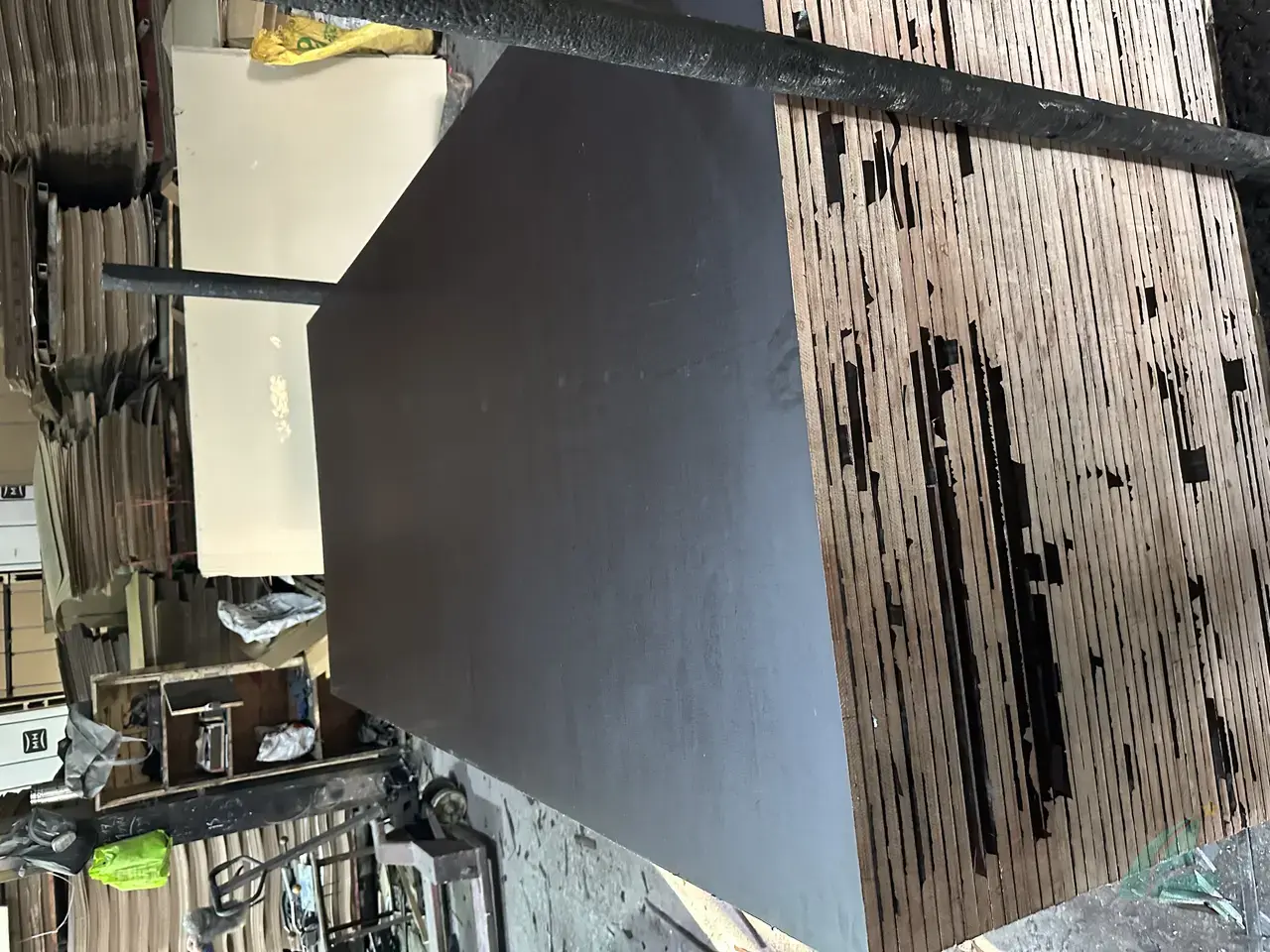
Budget film-faced factories supply price-sensitive construction markets in Southeast Asia, Africa, and regions where formwork panels are purchased on initial cost rather than lifecycle cost. Vietnam has significantly more Segment D than Segment C factories, making this the dominant category in film-faced production by factory count.
Core species: Acacia, typically Grade AB (lower selection than Segment C). No core stitching — veneer sheets are laid without mechanical joining, producing panels with more internal voids and reduced structural consistency.
Glue system: Melamine adhesive with 5–15% phenolic blend. This is not a WBP adhesive system. The marketing language around “phenolic glue” in budget products often refers to a phenolic additive rather than a pure phenolic adhesive. The 72-hour boiling test is not achievable with a melamine-dominant system.
Film specification: Vietnamese or Chinese-sourced film at 100–120 gsm. Lower film weight means reduced abrasion resistance, earlier peeling at panel edges, and lower pour-cycle performance.
Reuse count: 4–8 cycles in optimal conditions. In field conditions — edge damage, contact with alkaline concrete, incomplete drying between pours — performance may be lower. Similarly, edge sealing quality in Segment D panels is inferior to Segment C, accelerating moisture ingress at cut edges and reducing actual field reuse count below the laboratory-rated figure.
Certifications: None typically. CE marking is absent, FSC is absent, ISO 9001 is uncommon.
Value proposition: Segment D factories serve buyers who need bulk formwork panels at the lowest possible purchase price and are prepared to account for lower reuse count in their project budgeting. For short-duration projects, disposable formwork logic, or markets without contractor quality requirements, Segment D is the rational choice. In contrast, for buyers supplying regulated EU construction markets or long-duration projects where reuse count directly affects profitability, Segment D represents a false economy with clear drawbacks.
| Specification | Segment D Factory |
|---|---|
| Core species | Acacia (Grade AB) |
| Core construction | No stitching (loose-laid) |
| Glue (core bond) | Melamine + 5–15% phenolic blend |
| Film | Vietnamese/Chinese film, 100–120 gsm |
| Reuse count | 4–8 cycles |
| Certifications | Typically none |
| MOQ | 1 × 40HC container |
| Typical thickness | 12–21mm |
⚠️ Key point: Segment D factories regularly appear at the top of Alibaba and Google search results for “Vietnam film-faced plywood” because they invest more in digital marketing. Factory appearance, office quality, and website professionalism do not correlate with product segment. Always qualify by specification, not by presentation.
📋 The Fatal Cross-Segment Pricing Mistake
This is the most actionable insight in this guide. It is also the most consistently misunderstood aspect of Vietnam plywood sourcing.
First, understand the mechanism: cross-segment pricing is not a fraud — it is a specification mismatch enabled by incomplete RFQs. Therefore, the solution is always a better specification sheet, not more aggressive supplier vetting.
The mistake: An international buyer receives quotes from three Vietnam suppliers for “18mm birch face plywood, 1220×2440mm, WBP glue.” Quote A is $28/sheet. Quote B is $19/sheet. Quote C is $16/sheet. The buyer selects Quote C as the most competitive.
What actually happened: Quote A is from a Segment A factory — styrax core, full stitched, E0 emission, FSC certified, AICA-grade adhesive, sanded B/C face. Quote B is from a Segment A factory with slightly lower-grade styrax selection and E1 emission. Quote C is from a Segment B factory — acacia core, loose-laid, E2 emission, no FSC, unsanded face with minimal quality control.
The product names in all three quotes are identical: “18mm birch face plywood.” The actual products are not comparable.
Why this happens:
-
Product naming in Vietnam plywood is based on face veneer, not on core construction or emission standard. “Birch plywood” means birch face — it specifies nothing about core species, construction method, or emission tier.
-
Suppliers in different segments quote into the same RFQ without disclosing segment differences, because buyers rarely ask the right qualification questions.
-
Price comparison software and procurement platforms treat these quotes as equivalent based on product name matching.
The financial consequence: A buyer who imports Segment B product at Segment A specification requirements will face delamination claims, formaldehyde compliance failures, thickness tolerance rejects, and loss of downstream supply contracts. The claimed savings of $9–12/sheet translate to total landed costs that can exceed the original Segment A price by 3–5× after rework, replacement, and relationship damage. Moreover, buyers who correctly match segment to specification from the first container save months of rework cycles and improve their reliability rating with end customers — a benefit that compounds over multi-year supply relationships.
| Comparison Point | Segment A | Segment B | Difference |
|---|---|---|---|
| Core species | Styrax 480–500 kg/m³ | Acacia ~580 kg/m³ | Different density, appearance |
| Core construction | Full stitched | Loose-laid | Structural gap difference |
| Emission | E0 / CARB P2 | E1 / E2 | EU/US compliance difference |
| Face sanding | Yes ±0.3mm | No | Machining performance |
| Certifications | FSC, CARB, ISO | None | Market access |
| Typical price (18mm) | $26–32/sheet | $14–19/sheet | 40–60% price gap |
💡 Buyer tip: See our quality certifications page for the exact certificates HCPLY holds for each factory segment, and our quality control documentation for the QC checkpoints applied to Segment A production.
Real-World Case: Indian Importer, 3 Suppliers, 1 Container
Case study — Indian furniture importer, 3 suppliers, 1 costly mistake: In a documented case from our export records (2024), an Indian furniture importer received three quotes for 18mm birch face plywood at $28, $19, and $14 per sheet. The $14 quote was 50% cheaper. After ordering from the lowest bidder and receiving the container, the buyer discovered: acacia core (instead of styrax), no calibration sanding, and E2 emission — incompatible with the end client’s European export destination. The cost of the replacement order, ocean freight, and lost client contract exceeded the total original savings by a factor of four.
In our 10+ years exporting from Phu Tho province, this pattern repeats consistently. We found that buyers who fail to qualify factory segment before comparing prices are the primary source of post-shipment quality disputes. The pattern is consistent enough that our pre-order process now includes a mandatory segment clarification form before any PI is issued. Our team personally visits each factory annually to verify segment capabilities — a practice we recommend to any buyer committing to sustained volume.
Contact us for a specification-matched quote — free consultation, no commitment required →
🔍 How Can You Identify Which Segment a Supplier Belongs To?
Five Diagnostic Questions
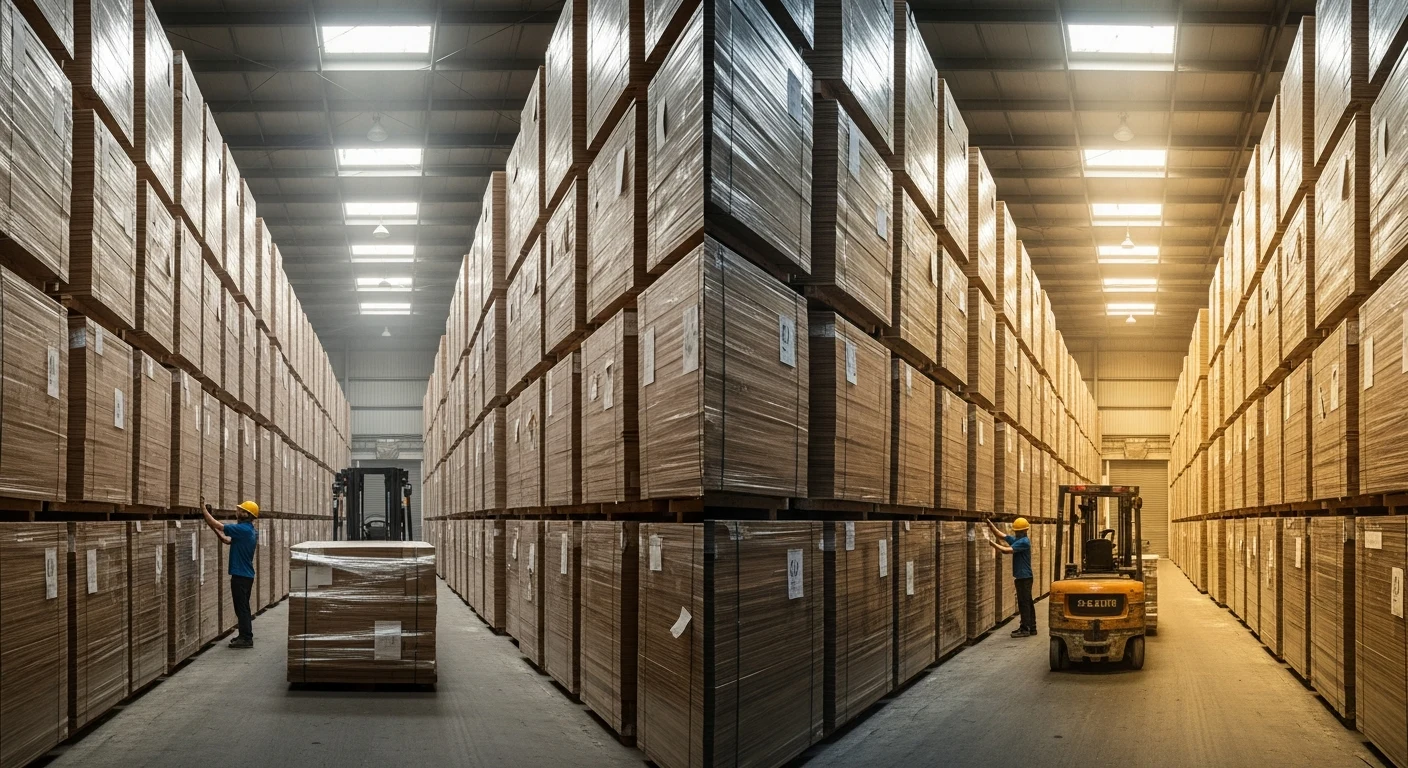
Every Vietnam plywood buyer should ask these five questions before placing a first order. Honest answers immediately reveal the factory segment. Additionally, documenting these answers in writing before placing any PI provides legal protection in the event of post-shipment disputes.
Question 1: What is the core species?
- Styrax → likely Segment A (premium furniture)
- Eucalyptus → Segment A or Segment C (premium film-faced)
- Acacia → Segment B or Segment D
Note: “Mixed hardwood” or “mixed tropical hardwood” is not a valid core specification for Vietnamese plywood. If a supplier gives this answer, they are either uninformed or evasive. Insist on specific core species: acacia, eucalyptus, or styrax. Notably, suppliers who answer this question clearly and without hesitation are demonstrating production transparency — a strong positive signal.
Question 2: What is the core construction method?
- Full stitched all layers → Segment A
- Stitched outer layers only → Segment A (mid) or Segment C
- Edge-jointed or loose-laid → Segment B or Segment D
Request photographic evidence of core construction during production. A Segment A factory will readily provide it. A Segment B factory may be evasive. Hence, the willingness to share core photos is itself a diagnostic signal.
Question 3: What emission standard can you certify?
- E0 with test report → Segment A
- E1 with test report → Segment A or Segment B (higher end)
- E2 or no certification → Segment B or Segment D
Ask to see the actual test report — not just a marketing claim. Test reports carry the testing laboratory name, date, panel specification tested, and result value. For example, a valid CARB P2 test report will show a result of ≤0.05 ppm measured at a recognized third-party laboratory — not a supplier-generated document.
Question 4: Do you hold FSC and CARB P2 certificates?
- FSC + CARB P2 + ISO 9001 → Segment A
- FSC only → possibly Segment A or B (lower)
- No FSC, no CARB → Segment B, C, or D
Request the certificate number and verify it directly on the FSC database (info.fsc.org) and the CARB ATCM database.
Question 5: Are faces sanded? What is the thickness tolerance?
- Sanded, ±0.3mm calibrated → Segment A
- Unsanded or “lightly sanded” → Segment B or D
- “Sanded” without tolerance specification → request clarification
| Question | Segment A Answer | Segment B Answer |
|---|---|---|
| Core species | Styrax or Eucalyptus | Acacia |
| Core construction | Full stitched | Loose-laid / edge-jointed |
| Emission standard | E0 / CARB P2 | E1 / E2 |
| FSC + CARB P2 | Yes, with verifiable numbers | No |
| Face sanding | Yes, ±0.3mm | No |
🗺️ How Are Vietnam Plywood Factories Distributed Geographically?
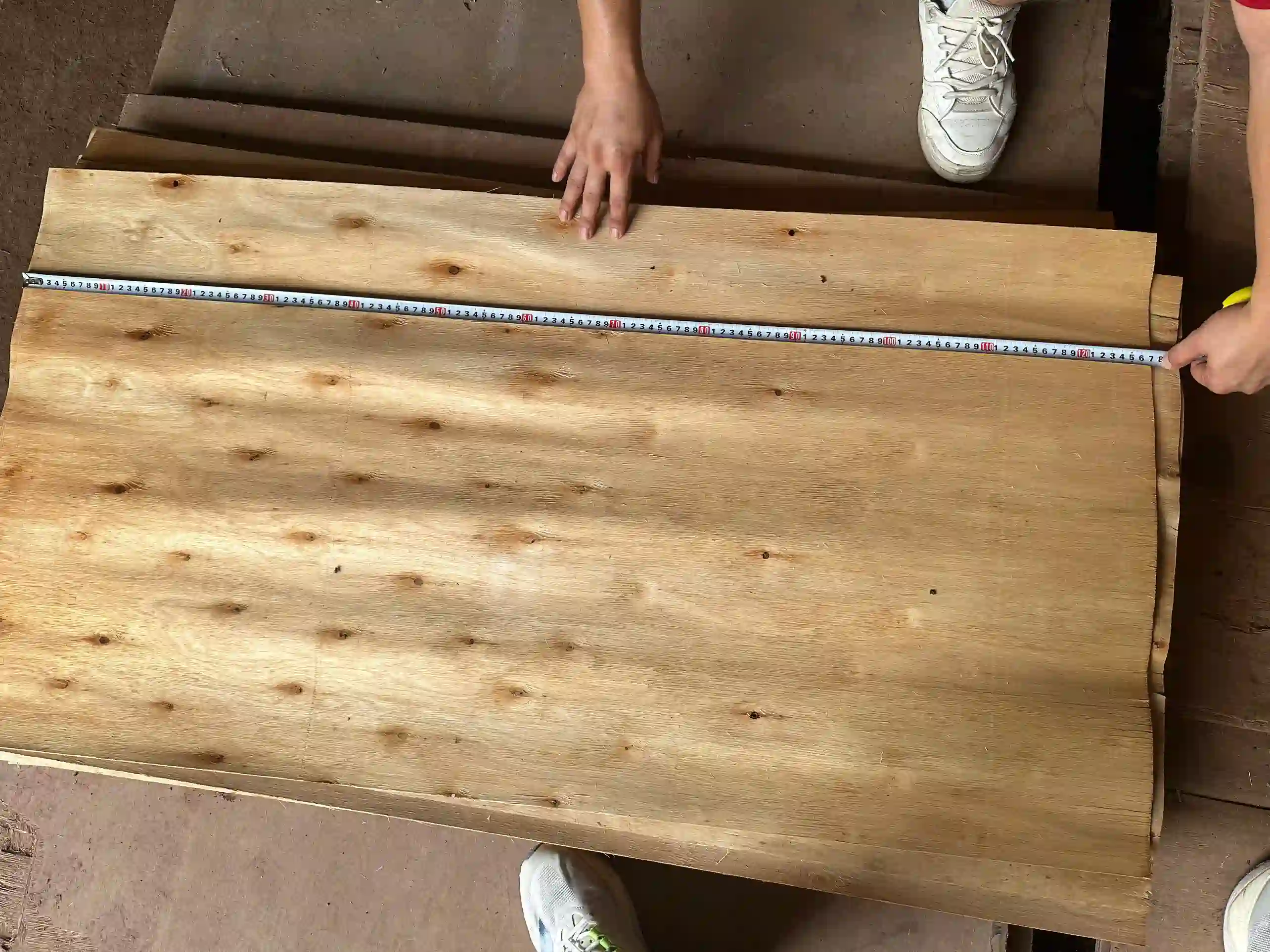
Vietnam’s plywood industry is geographically concentrated, and understanding the regional map is essential context for the segmentation framework. A full breakdown appears in the companion article on Vietnam plywood regional geography, but the key points are:
Northern Vietnam produces 80%+ of Vietnam’s plywood exports. According to USDA GAIN, 2020 (USDA report on Vietnam’s Wood Processing Industry), the northern cluster consistently dominates export volume — a pattern we observe firsthand from our Phu Tho factory network, where 95%+ of our container volume originates from northern production facilities. The cluster provinces are Phu Tho, Ha Noi, Bac Ninh, Bac Giang, Yen Bai, and Tuyen Quang. All four factory segments are represented in the North, which is also the exclusive source of styrax core — a species that grows only in northern plantation forests and is the foundation of Segment A furniture manufacturing. Therefore, buyers sourcing Segment A furniture-grade products should prioritize suppliers whose factories are physically located in northern Vietnam.
Phu Tho province is the highest-density factory zone. HCPLY’s manufacturing base is in Ha Hoa District, Phu Tho — at the center of Vietnam’s premium plywood production cluster. Proximity to raw material sources (styrax, eucalyptus, acacia plantations) and established logistics to Hai Phong port are the two structural advantages.
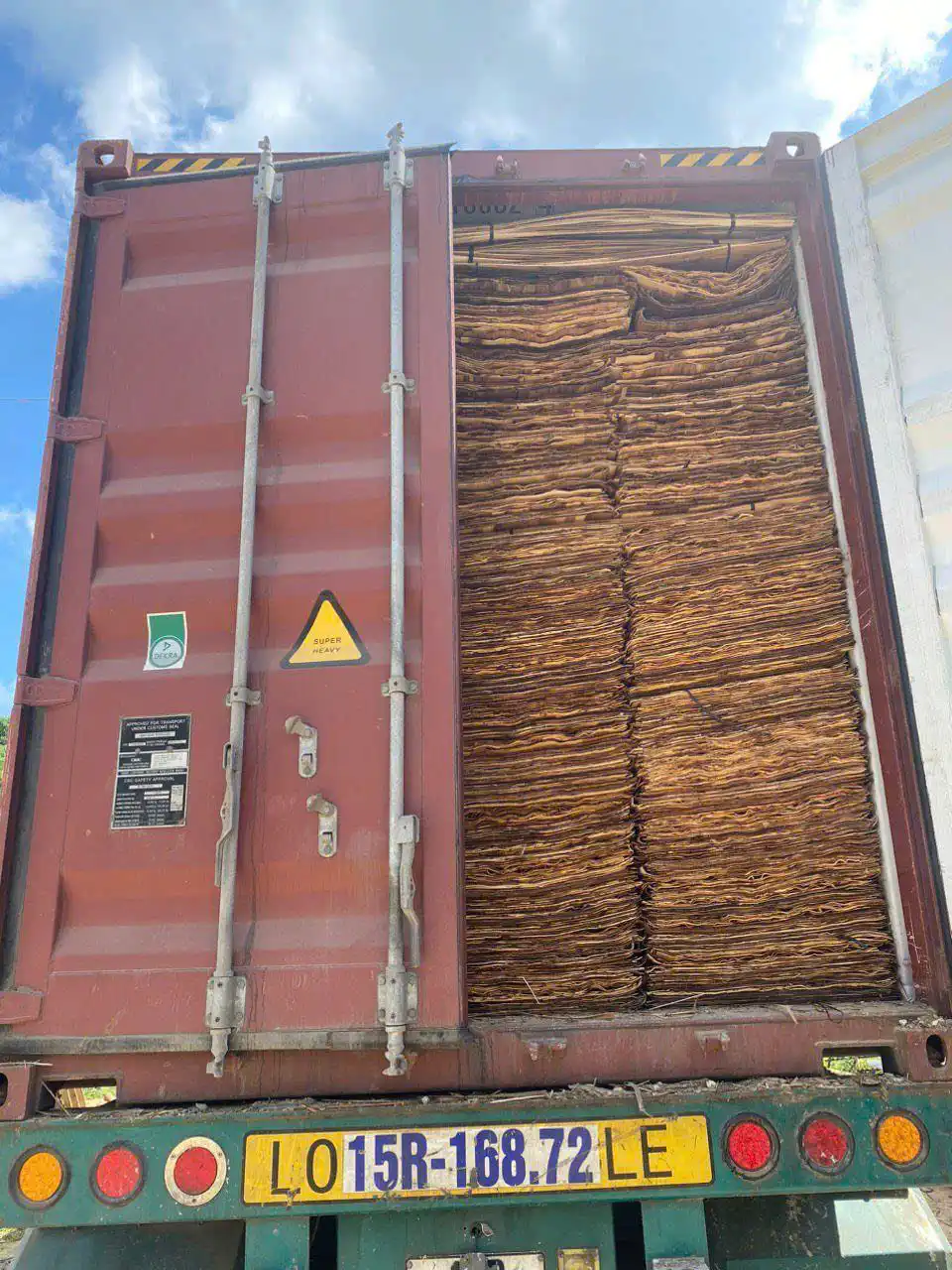
Southern Vietnam hosts primarily trading companies that purchase matt plywood (unfaced core substrate) from northern factories for local secondary processing. Southern factory prices are consistently higher than northern equivalents for comparable quality, due to higher operating costs and the re-procurement margin from northern sources. Furthermore, Southern Vietnam also produces rubber wood plywood — a niche premium category using plantation rubber trees harvested after their latex-producing lifespan. Rubber wood is comparable to styrax and eucalyptus for furniture applications but commands a higher price. In contrast, buyers who source factory-direct from northern Vietnam reduce procurement costs by eliminating the southern trading company markup — a benefit that typically translates to 5–12% lower FOB pricing for comparable specification.
💡 Practical tip: When a supplier is based in Ho Chi Minh City or southern Vietnam and quotes competitive prices for FSC-certified furniture-grade plywood, ask where the factory is located. The manufacturing is almost certainly northern Vietnam, and you are likely dealing with a trading company adding markup to northern factory output.
✅ HCPLY’s Multi-Facility Model — All Segments, One Contact
Understanding Vietnam plywood factory types clarifies why a single-factory supplier cannot serve the full range of international buyer requirements. A Segment A furniture factory cannot economically produce Segment B packing grade. A Segment D film-faced factory cannot produce Segment C premium construction panels.
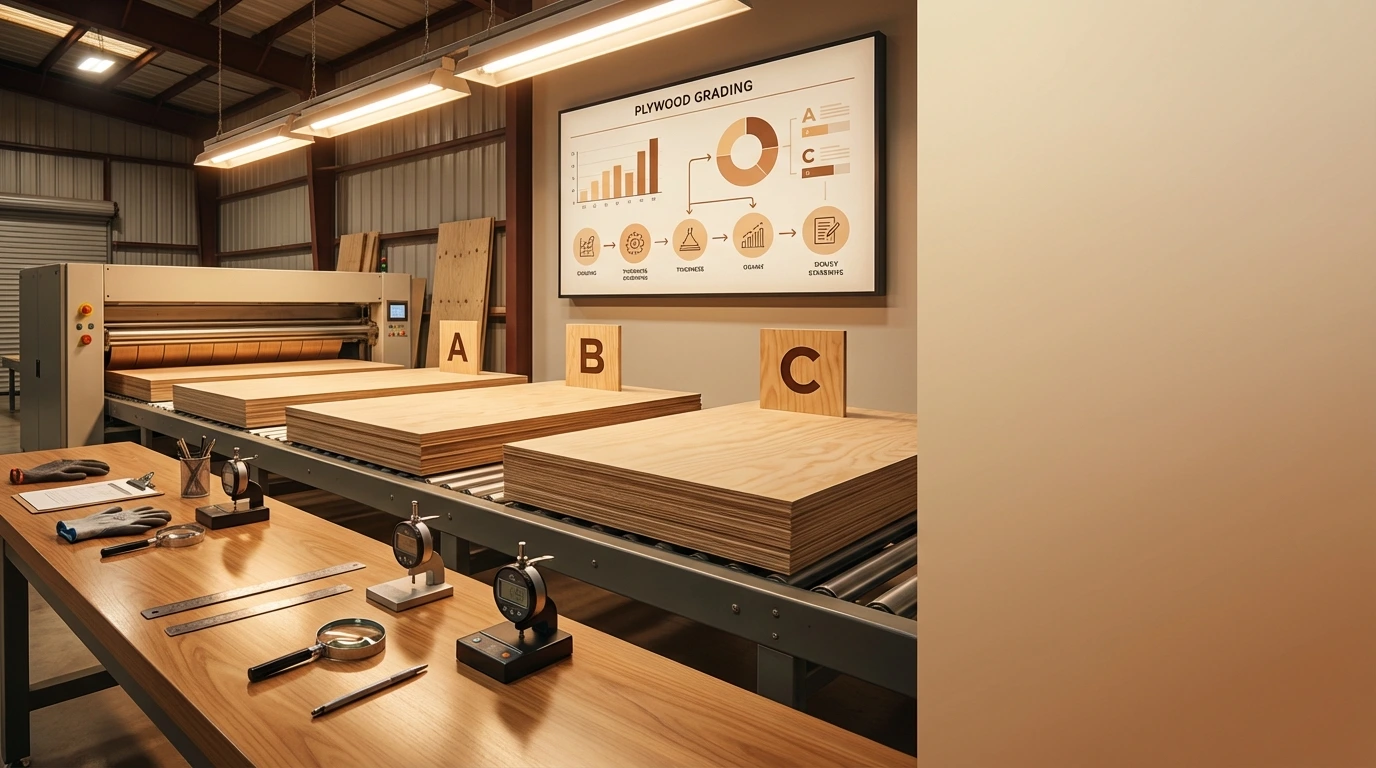
HCPLY manages 3 specialized production facilities — each purpose-built for specific product categories. You get access to all major factory segments through a single contact point, eliminating the need to negotiate with multiple suppliers, manage multiple sets of export documentation, or reconcile conflicting quality standards across separate vendor relationships. Similarly, buyers consolidating multi-grade orders under one contact reduce administrative overhead and improve shipment coordination efficiency.
The 3 production facilities:
-
Premium furniture facility (Segment A): Styrax and eucalyptus core, full stitched, E0/CARB P2, FSC certified, sanded faces. Supplies EU furniture manufacturers, US cabinet makers, Japanese importers, and Korea’s premium furniture niche. Products: birch plywood, bintangor plywood (Grade A furniture), okoume, EV, gurjan, poplar, pine, eucalyptus face options.
-
Commercial and packing facility (Segment B): Acacia core, competitive pricing, MR adhesive, E1/E2. Supplies Southeast Asia, Africa, general commercial distributors. Products: packing plywood, core veneer, commercial bintangor.
-
Premium film-faced facility (Segment C): AICA film 135–220 gsm, phenolic WBP bond, eucalyptus/acacia Grade A core, 15–20 reuse cycles. Supplies EU and Korean construction contractors. Products: film-faced plywood, anti-slip plywood.
Why factory-direct matters: HCPLY ships directly from each facility under that facility’s export documentation — FSC chain of custody, CARB P2 certificates, phytosanitary, fumigation, and bill of lading all originate from the production facility. There is no domestic VAT overhead (8% in Vietnam), and no information barrier between buyer specification and factory execution.
What this means for buyers: A single RFQ to HCPLY can be sourced across multiple segments simultaneously. A furniture importer needing Segment A birch plywood AND Segment B packing plywood for the same container can consolidate both under one contact, one set of export documents, and one shipping arrangement.
| Buyer Requirement | HCPLY Factory | Segment |
|---|---|---|
| E0 birch plywood, FSC, for EU furniture | Factory 1 | A |
| MR packing plywood, competitive price | Factory 2 | B |
| Film-faced WBP, 15+ reuse, CE certified | Factory 3 | C |
| Anti-slip phenolic film, truck floors | Factory 3 | C |
| Core veneer, eucalyptus, for own production | Factory 2 | B |
Visit our factory photo gallery for production-floor images of each factory segment, and review our quality control documentation for the QC checkpoints applied at each production stage.
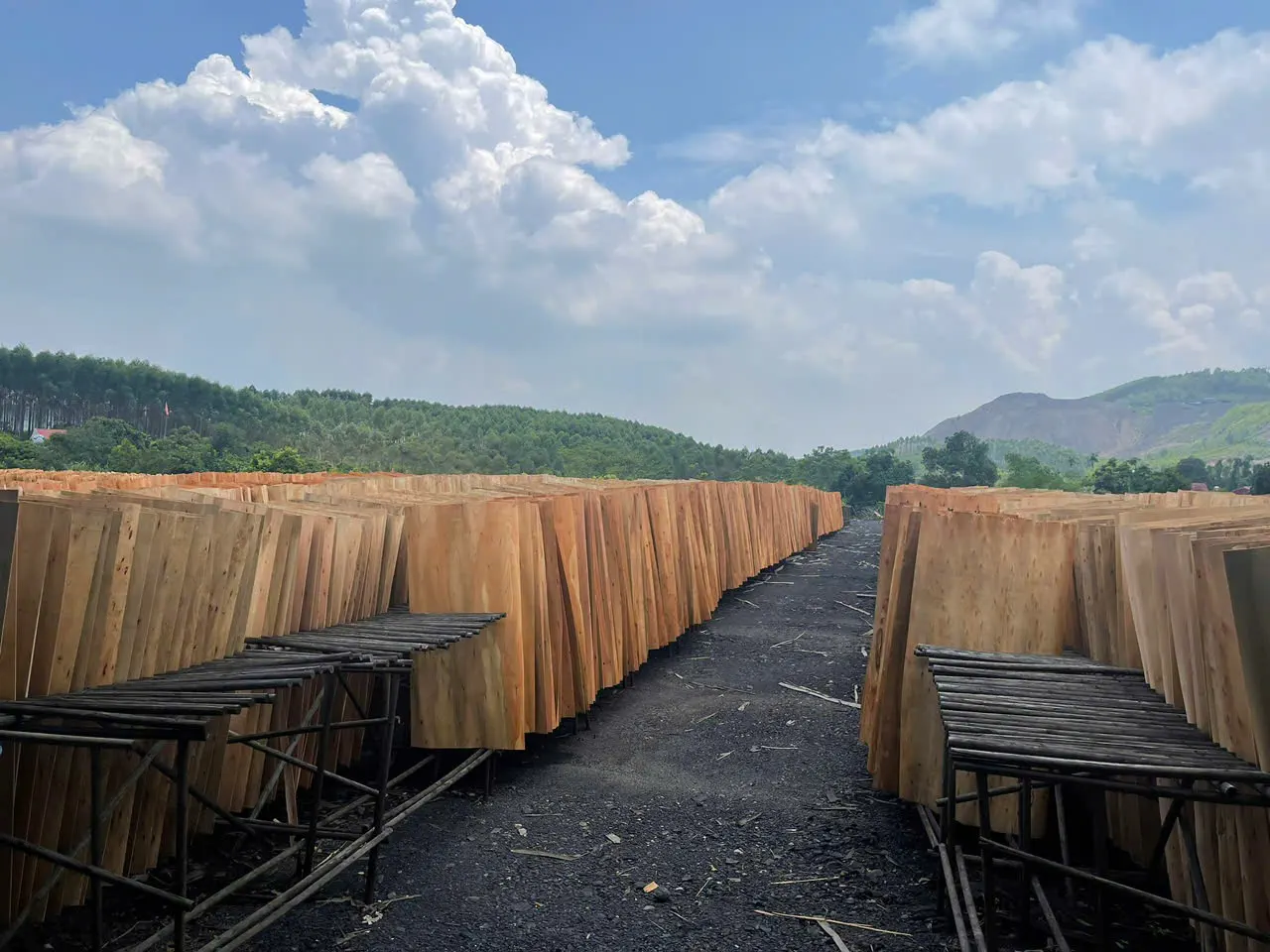
📐 Certifications by Factory Segment — Reference Table
Certification requirements vary dramatically by export market and factory segment. This table is a reference for procurement compliance officers.
| Certification | Segment A | Segment B | Segment C | Segment D | Purpose |
|---|---|---|---|---|---|
| FSC | ✅ Yes | ❌ No | Sometimes | ❌ No | Legal timber traceability |
| CARB P2 | ✅ Yes | ❌ No | N/A | ❌ No | US formaldehyde compliance |
| CE Marking | ✅ Yes | ❌ No | ✅ Yes | ❌ No | EU construction product compliance |
| ISO 9001 | ✅ Yes | Sometimes | ✅ Yes | ❌ No | Quality management system |
| EUDR | ✅ Yes | Rarely | Sometimes | ❌ No | EU deforestation regulation |
| Phytosanitary | ✅ All | ✅ All | ✅ All | ✅ All | Export mandatory |
| Fumigation | ✅ All | ✅ All | ✅ All | ✅ All | Export mandatory |
⚠️ Heads up: EUDR (EU Deforestation Regulation, effective December 2024) requires that plywood entering the EU market be produced from timber harvested legally from non-deforested land, with full supply chain documentation. Only Segment A and select Segment C factories with established FSC chain-of-custody can currently meet this requirement. Buyers sourcing for EU distribution channels must confirm EUDR compliance status before placing orders.
See our quality certifications page for HCPLY’s current certificate portfolio with verification numbers.
🔗 Segment Selection Framework — Matching Your Requirements
Use this decision framework to identify which Vietnam plywood factory segment matches your actual procurement requirements.
Step 1: Identify your end market regulatory environment
- US market (furniture, cabinets, flooring): CARB P2 mandatory → Segment A only
- EU market (furniture, panels for resale): FSC + EUDR + E0/E1 → Segment A only
- Japan (premium furniture): E0 + ISO → Segment A only
- Korea (predominantly commercial/construction; small premium furniture niche): E1/E2 acceptable for bulk → Segment B/D; premium niche → Segment A
- Southeast Asia / Africa (general commercial): E1/E2 acceptable → Segment B, C, or D
- Construction (formwork, scaffolding): Phenolic WBP mandatory → Segment C (premium) or D (budget)
Step 2: Calculate lifecycle cost, not purchase price
For film-faced plywood, the per-cycle cost calculation reveals the true economics:
- Segment C:
$22/sheet ÷ 18 reuse cycles = $1.22/cycle - Segment D:
$14/sheet ÷ 6 reuse cycles = $2.33/cycle
Segment C is 47% cheaper per cycle despite being 57% more expensive per sheet. For high-volume construction contractors, this difference is material across thousands of panels.
Step 3: Match specifications to supplier documentation
Request a pro forma invoice that specifies:
- Core species (acacia, eucalyptus, or styrax)
- Core construction method (full stitched / stitched outer / loose-laid)
- Glue type (melamine MR / phenolic WBP)
- Emission standard (E0 / E1 / E2) with test report number
- Face specification (sanded / unsanded, thickness tolerance)
- Certifications with verifiable certificate numbers
Any supplier unwilling to provide these specifications in writing before order placement is communicating something important about their production transparency.
💡 Key: For first-time sourcing from Vietnam, request samples from at least two suppliers — ideally from different factory segments — before committing to container volume. Physical sample comparison across segments is more informative than any written specification document.
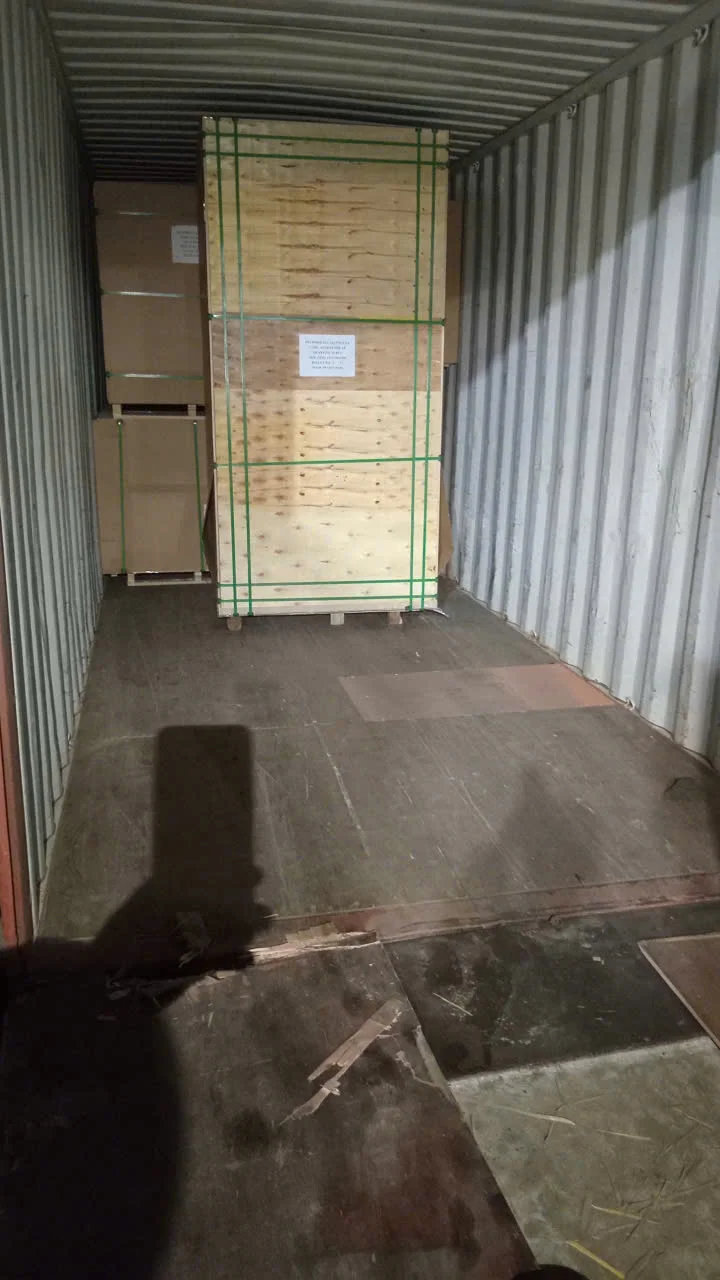
🏭 Factory Types vs. Supplier Types — An Important Distinction
Factory segment (A, B, C, D) describes the production capability and specialization of the manufacturing facility. Supplier type describes the business structure and market position of the company you are negotiating with. These are related but distinct dimensions of Vietnam plywood sourcing.
A detailed analysis of supplier types — trading companies, manufacturer-exporters, brokers, and multi-facility operators — appears in the companion article on Vietnam plywood supplier types and buyer due diligence.
The key intersection point: a trading company (Supplier Type 1) can access factories across all four segments, but charges a VAT margin and may substitute quality between quote and shipment. A manufacturer-exporter (Supplier Type 2) has deep production control over their specific segment but is limited to that segment’s product range. HCPLY manages multiple production facilities with factory-direct pricing and full production control across segments.
The combination that matters for buyers: Supplier type determines pricing transparency and quality control accountability. Factory segment determines what products can actually be produced at what quality level. A buyer who correctly identifies the factory segment but works with a trading company supplier still carries substitution risk. A buyer who works factory-direct with a multi-facility supplier like HCPLY eliminates both the cross-segment pricing confusion and the supply chain opacity.
Indeed, from our daily export operations we see the same pattern repeatedly: buyers who invest 30 minutes asking the right diagnostic questions before placing their first order avoid 90% of the quality disputes we observe in the broader market. The diagnostic questions in this guide are the exact questions our export team asks every new buyer during the first inquiry call.
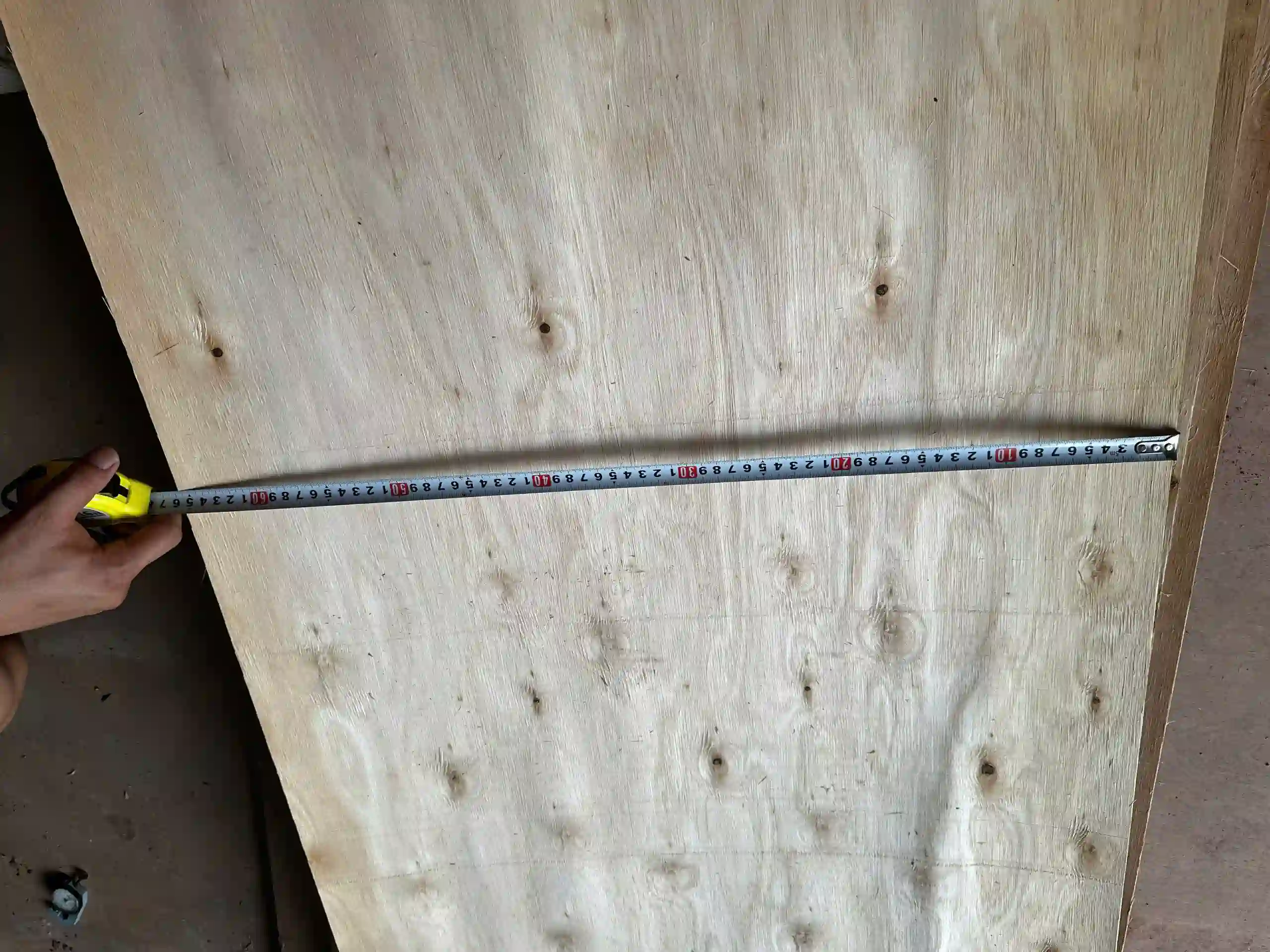
❓ Frequently Asked Questions
What are the main types of plywood factories in Vietnam?
Vietnam’s plywood industry segments into four distinct factory types: Segment A (premium furniture — styrax/eucalyptus core, E0/CARB P2, FSC certified), Segment B (commercial/packing — acacia core, E1/E2, no certifications), Segment C (premium film-faced — phenolic WBP, AICA film 135+ gsm, 15–20 reuse cycles), and Segment D (budget film-faced — melamine-blend adhesive, 100–120 gsm film, 4–8 reuse cycles). Each segment is optimized for different end markets and is not interchangeable with the others.
How do I identify which factory segment I’m dealing with?
Ask five diagnostic questions: (1) What core species? (2) What construction method — full stitched or loose-laid? (3) What emission standard with test report? (4) Do they hold FSC and CARB P2 with verifiable certificate numbers? (5) Are faces sanded to ±0.3mm calibrated tolerance? Segment A factories answer all five directly and with documentation. Segment B factories will struggle with questions 3, 4, and 5.
Why Is There a Large Price Gap Between Suppliers?
The price gap reflects factory segment differences, not negotiation strategy. A 30–60% price difference on “18mm birch plywood” from two suppliers almost always means they are quoting from different segments — different core species, different construction, different emission standard, different certifications. Comparing these quotes directly without matching specifications is the cross-segment pricing mistake that causes the majority of post-shipment disputes.
Can one supplier cover all four segments?
Generally no — single-factory suppliers are segment-specific by design. However, HCPLY manages 3 specialized production facilities covering Segments A, B, and C, with factory-direct pricing and documentation on all. This allows buyers to consolidate multi-grade orders under one contact point without sacrificing production transparency.
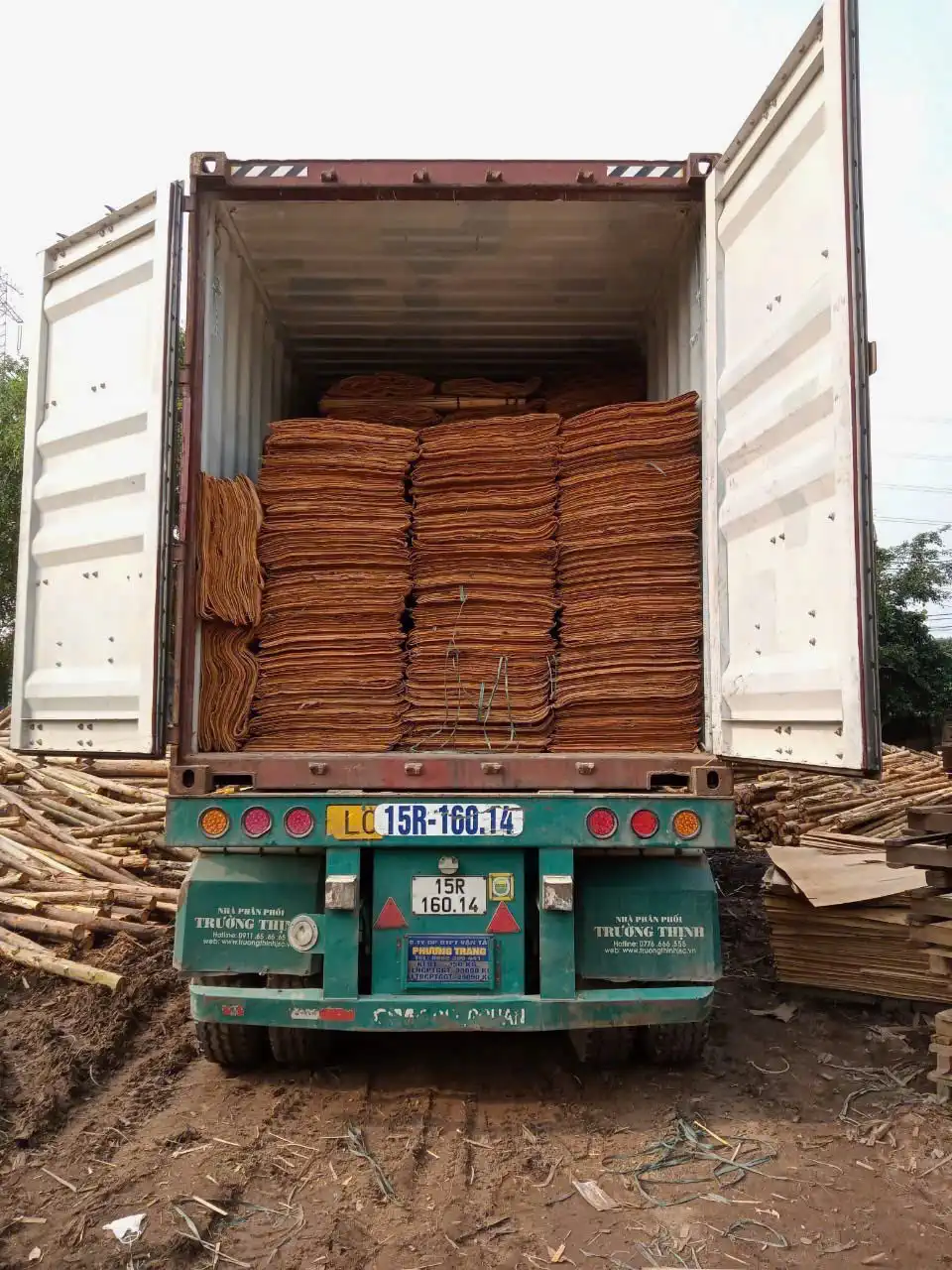
✅ Summary — Vietnam Plywood Factory Types: Key Takeaways
Vietnam’s plywood industry is organized into four distinct factory segments. Understanding which segment a factory belongs to is the fundamental prerequisite for accurate pricing, specification compliance, and supply chain reliability.
The 4 segments at a glance:
- Segment A (Premium Furniture): Styrax/eucalyptus core, full stitched, E0/CARB P2, FSC certified, sanded faces. Target markets: EU, USA, Japan, Australia; Korea (premium furniture niche only).
- Segment B (Commercial/Packing): Acacia core, loose-laid, E1/E2, minimal certifications, unsanded faces. Target markets: Southeast Asia, Africa, Korea (predominantly commercial/construction), price-sensitive commercial.
- Segment C (Premium Film-Faced): Grade A eucalyptus/acacia core, phenolic WBP, AICA film 135+ gsm, 15–20 reuse cycles, CE certified. Target markets: EU, Japan, Australia construction; Korea (formwork rental sector).
- Segment D (Budget Film-Faced): Acacia Grade AB, no stitching, melamine-blend adhesive, 100–120 gsm film, 4–8 reuse cycles, no certifications. Target markets: SE Asia, Africa, Korea (budget construction), price-sensitive construction.
The three rules for cross-segment pricing:
- Never compare prices across segments without matching all five specification dimensions: core species, core construction, glue type, emission standard, and certification status.
- Calculate lifecycle cost (per-cycle) for film-faced plywood, not purchase price per sheet.
- Verify certifications by certificate number through the issuing body — not through supplier documentation alone.
Next reading:
- Vietnam Plywood Supplier Types — Due Diligence Guide for B2B Buyers — the complement to this article on business structure rather than production segment
- Vietnam Plywood Regional Map — North vs. South Industry Geography — factory cluster locations, logistics implications, and styrax sourcing geography
For direct procurement inquiries across any factory segment, contact us to request a quote. HCPLY manages 3 specialized production facilities — FSC-certified, CARB P2 compliant, ISO 9001 verified — meaning a single inquiry covers Segment A furniture grade, Segment B commercial/packing, and Segment C premium film-faced — with factory-direct pricing and full export documentation from each facility. No commitment is required to start — we provide free samples and a full quotation within 24 hours.