

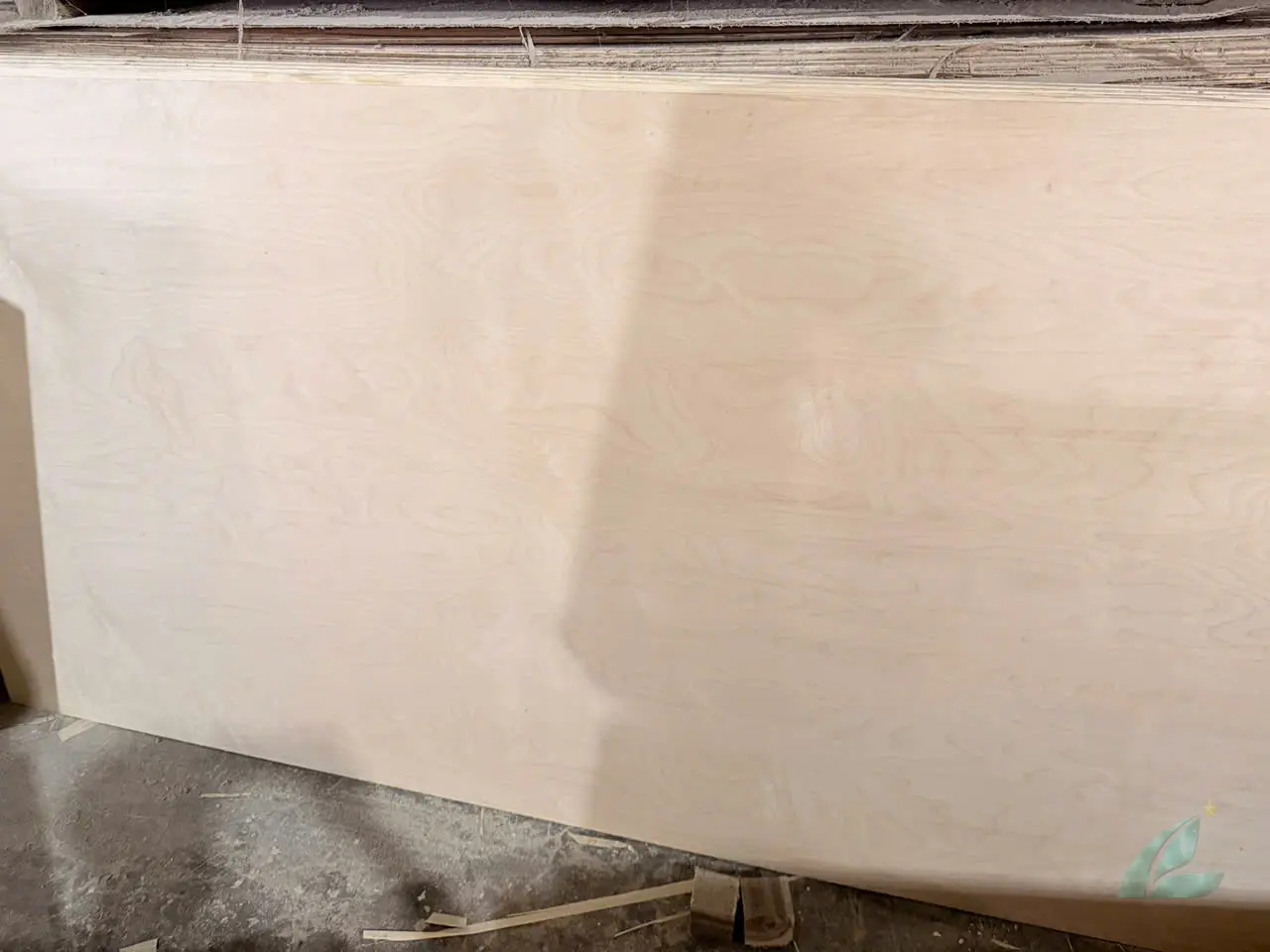
Russian birch plywood is no longer a reliable baseline. Since 2022, EU and US sanctions have disrupted Baltic birch supply chains, driving prices up 25-40% and creating persistent stockouts across European markets. Furniture manufacturers and importers who depended on consistent Russian-origin material are now evaluating Vietnam as a primary source — not just a backup.
This guide provides a direct technical and cost comparison between Vietnam birch faced plywood and Russian birch plywood, based on factory production data from HCPLY’s facilities in Phu Tho Province, Northern Vietnam.
📊 TL;DR — Quick Comparison Table
| Feature | Vietnam Birch Plywood | Russian / Baltic Birch |
|---|---|---|
| Face veneer | Imported birch (D/E/F grade) | Full birch throughout |
| Core | Styrax (480-500 kg/m³) or Eucalyptus | Solid birch core |
| Thickness range | 4–30mm | 4–30mm (Baltic: 3–24mm) |
| Glue | Melamine (MR) | Phenolic or Melamine |
| Emission | E0/E1/E2 available | E1/E0 standard |
| CARB P2 | Yes (available) | Yes |
| FSC | Yes | Yes (disputed post-2022) |
| EUDR compliance | Yes | High risk — sanctioned origin |
| FOB price (2026) | $340–420/m³ (18mm, E0) | $420–520/m³ (where available) |
| Supply reliability | High — weekly shipments | Disrupted since 2022 |
| Sheet size | 1220×2440, 1250×2500, custom | 1525×1525mm (Baltic) |
⚠️ Important: Russian birch entering EU and US markets since 2022 carries significant compliance risk. The EU has documented over €1.5 billion in sanctions-evasion imports routed through Turkey, Kazakhstan, and Egypt. Buyers sourcing “Baltic birch” today must verify origin carefully (Earthsight, 2025).
🔍 How Vietnam Birch Plywood Is Actually Made
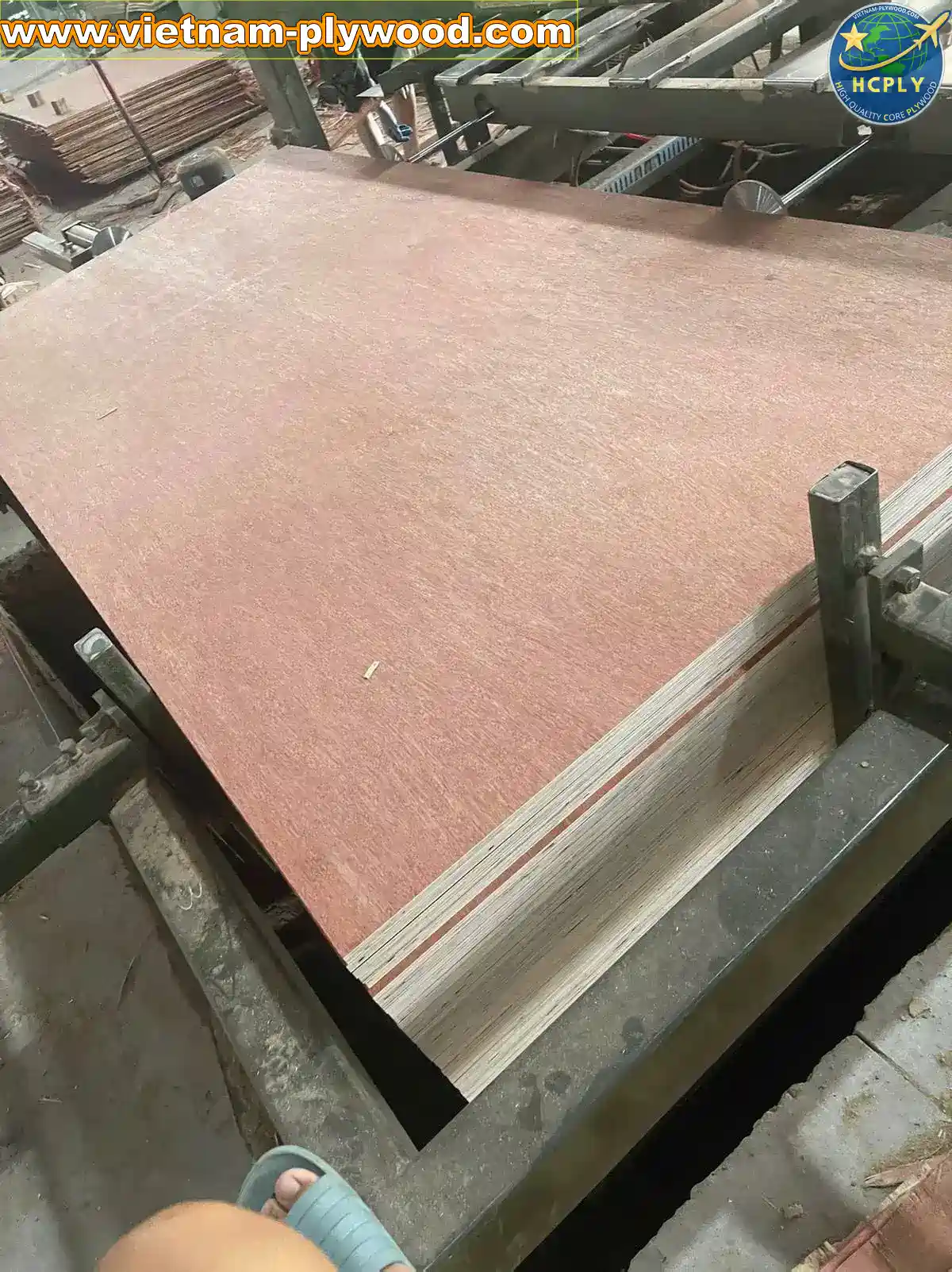
Vietnamese manufacturers do not have access to native birch trees. The product correctly called “Vietnam birch plywood” uses imported birch face veneer bonded to a domestic core — typically styrax or eucalyptus. Understanding this construction is essential before comparing it to Russian material.
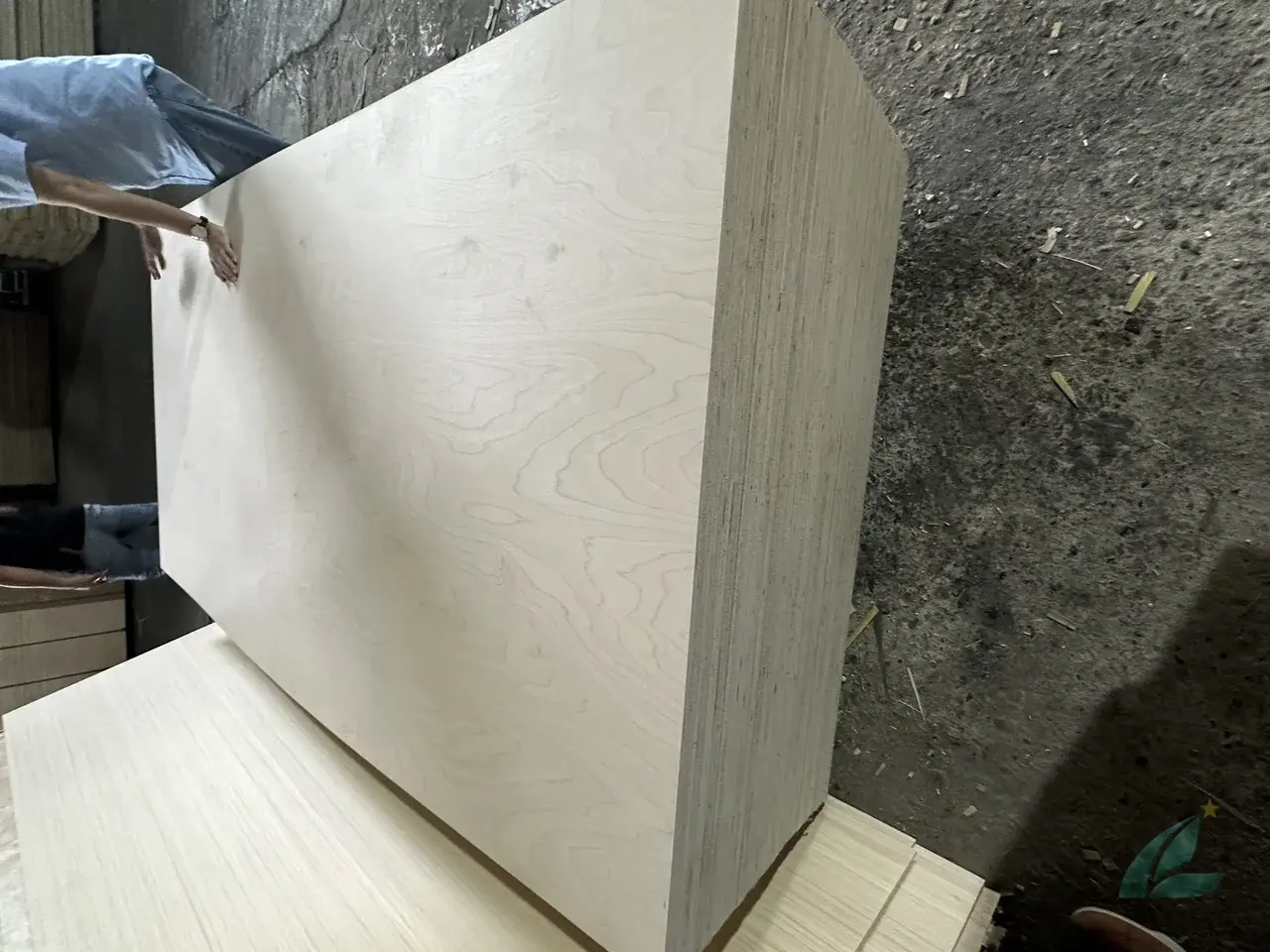
📌 Construction Breakdown
Face: Imported birch veneer, 0.2–0.4mm thick. Graded D/E/F — not A/B/C, which is a common misconception. Grade D is the cleanest face available in Vietnamese production: tight grain, minimal natural features, ready for staining or clear-coating.
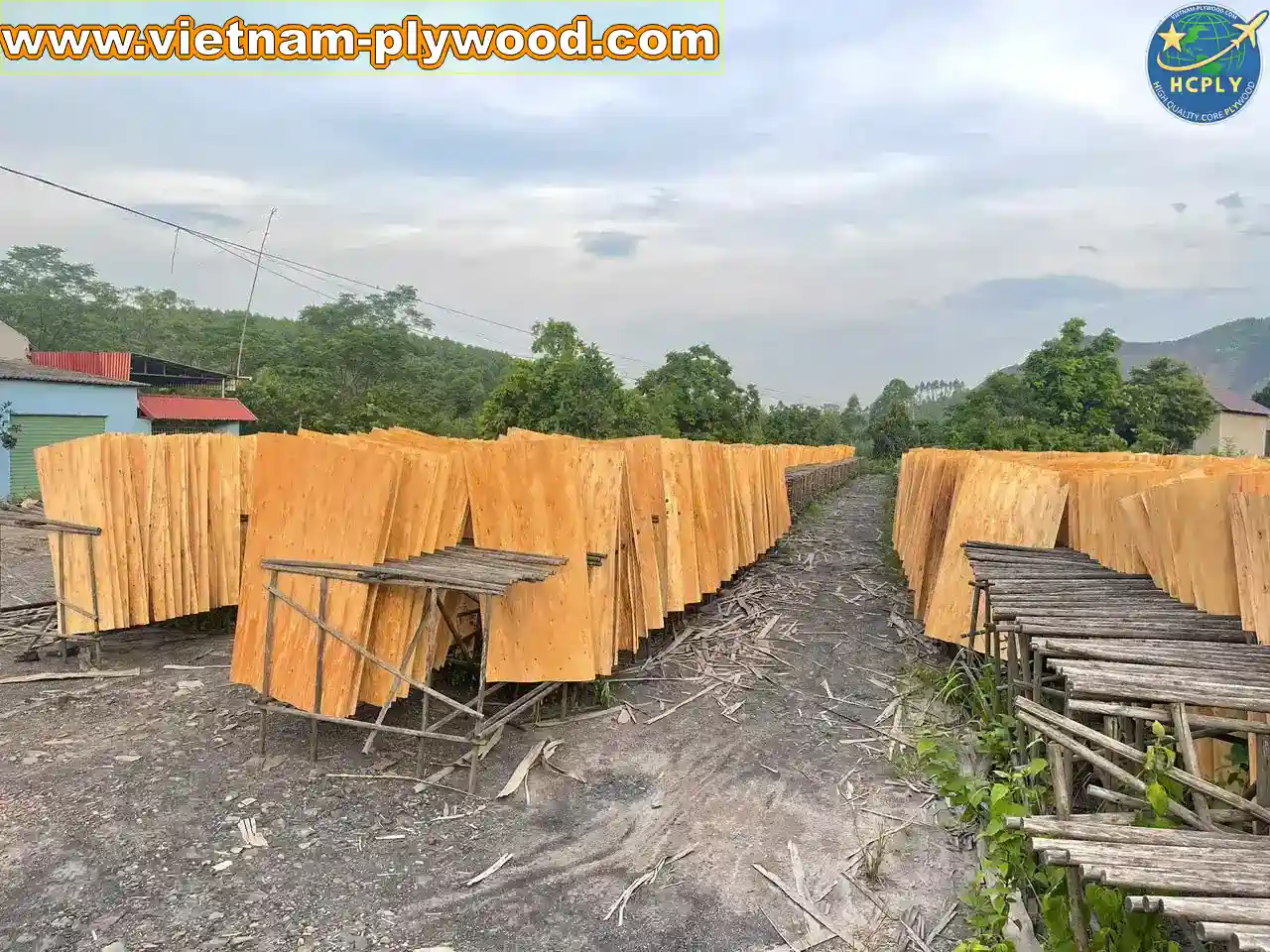
Core: Styrax (Styrax tonkinensis) is the preferred core for furniture-grade birch plywood from Northern Vietnam. At 480–500 kg/m³, styrax is the lightest Vietnamese plantation species — functionally the closest to birch core in terms of workability, screw-holding, and weight. Eucalyptus core (650–750 kg/m³) is available for applications requiring higher density.
Glue: Melamine (MR) is standard. Emission standard is selected separately — E0 (≤0.5 mg/L formaldehyde) for US/Japan/Korea markets, E1 for standard European supply.
HCPLY’s furniture facility uses full stitched core construction — all veneer layers sewn together with no gaps or overlaps. This produces a flat, stable panel with no internal voids, meeting the quality expectations of furniture manufacturers in Germany, Korea, and Japan.
For a complete technical breakdown of styrax as a birch core substitute, see styrax core plywood — birch alternatives for furniture manufacturers.
📋 Russian Birch Plywood — What You’re Actually Comparing Against
“Russian birch” or “Baltic birch” typically refers to plywood manufactured in Russia, Finland, Latvia, and Estonia using Betula pendula (silver birch) veneer throughout — face, core, and back are all birch. This construction gives Baltic birch its distinctive strength-to-weight ratio and its suitability for heavy router work, drawer boxes, and furniture components that need consistent grain throughout.
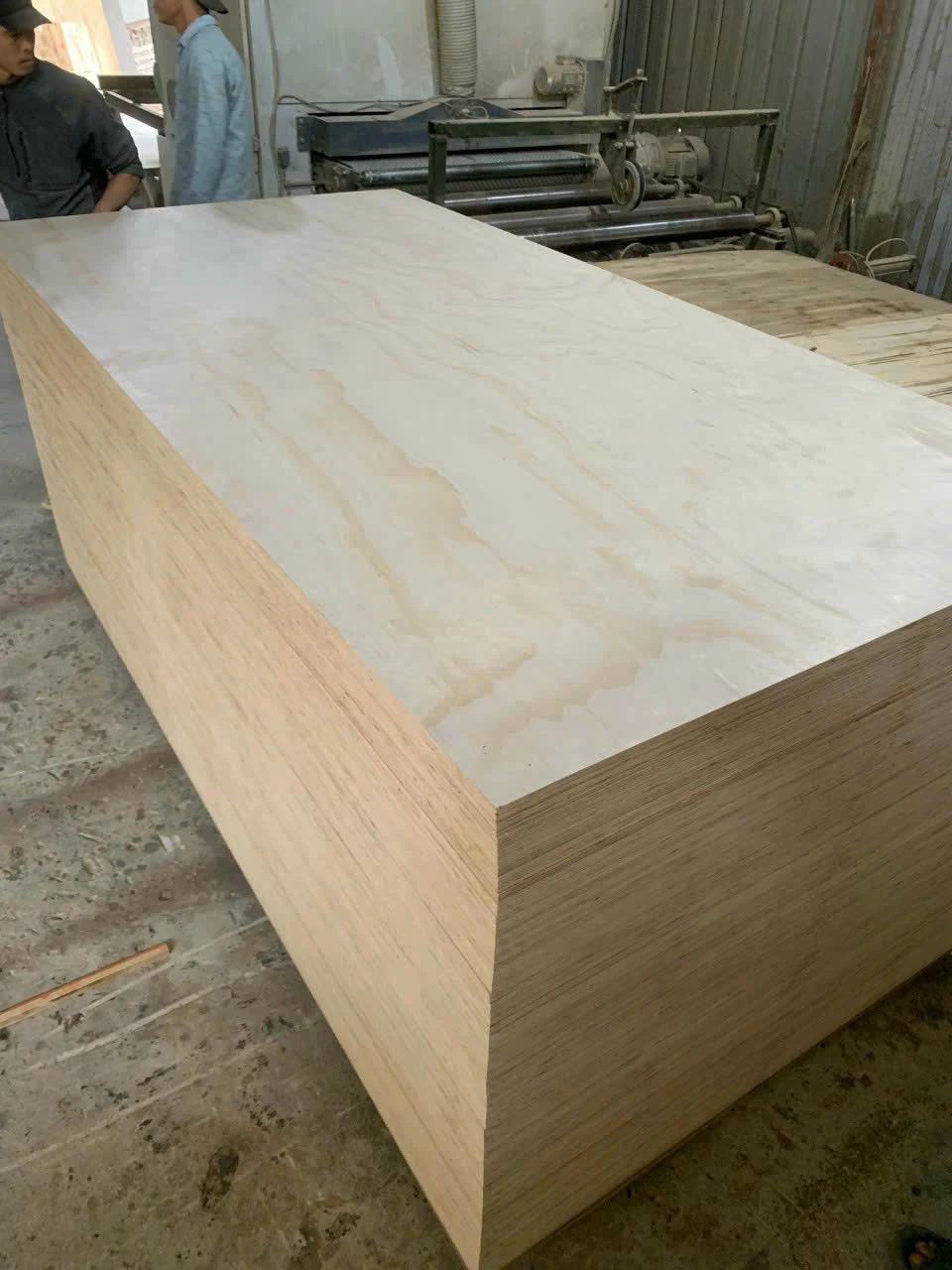
Baltic birch traditionally comes in 1525×1525mm sheets with 3-ply to 21-ply configurations — a non-standard size that many European woodworking workshops prefer precisely because it minimizes waste in cabinet cutting. Vietnamese product ships in standard 4×8ft (1220×2440mm) or metric (1250×2500mm) sheets.
Post-2022 reality: EU sanctions on Russian and Belarusian timber, including birch plywood, took effect in 2022. Production volumes dropped. Finnish and Latvian mills — which previously imported Russian birch logs — faced log shortages and raised prices significantly. Multiple investigative reports confirm widespread sanctions evasion through third-country relabeling (VSquare.org, 2024; Earthsight, 2025). Buyers sourcing “Baltic birch” should request full chain-of-custody documentation.
💰 Vietnam Birch Plywood vs Russian Birch Cost — 2026 Analysis
Cost comparison must account for all three components: product price, freight, and compliance risk.
📌 FOB Price Comparison (2026)
| Thickness | Vietnam Birch FOB Hai Phong | Russian/Baltic Birch (where available) |
|---|---|---|
| 9mm, E0, D/E grade | $280–320/m³ | $360–440/m³ |
| 12mm, E0, D/E grade | $310–360/m³ | $390–480/m³ |
| 18mm, E0, D/E grade | $340–420/m³ | $420–520/m³ |
Pricing: HCPLY production data, 2026. Russian/Baltic: market survey, February 2026.
The FOB gap of $30-100/m³ in favor of Vietnam is driven by:
- Core cost: Styrax core is significantly cheaper than solid birch core throughout. A full-birch 18mm sheet requires more expensive input material.
- Labor cost: Northern Vietnamese factory wages remain lower than Finnish or Latvian equivalents — by a factor of 3-5x.
- Supply pressure: Baltic birch supply disruption since 2022 has pushed remaining inventory pricing above historical norms.
💡 Tip: For a 40HC container of 18mm birch plywood with styrax core, the cost saving vs Baltic birch typically reaches $4,000–8,000 per container (HCPLY logistics data, 2026). Over 12 months of regular purchasing, this represents material procurement budget you can reallocate to value-added processing.
Get a Free Quote for Vietnam Birch Plywood — No Commitment Required
⚙️ Technical Performance Comparison
The furniture manufacturing performance of Vietnam birch plywood depends on the specific application. Here is an honest assessment by use case.
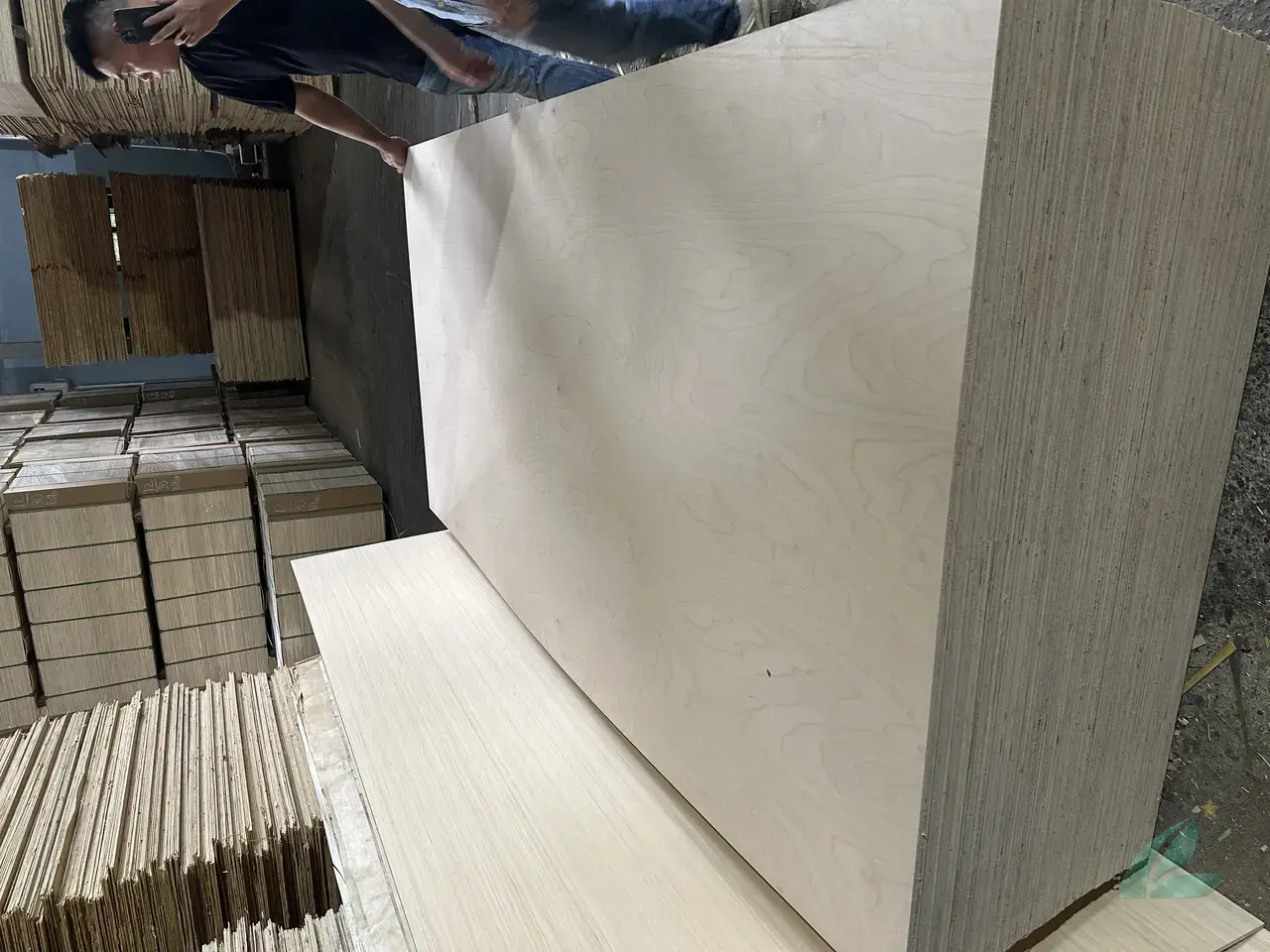
Applications Where Vietnam Birch Matches Russian
Cabinet carcasses and furniture panels — The birch face veneer performs identically for veneering, lacquering, and UV coating. Core strength for dado joinery and cabinet assembly is adequate with styrax core at standard furniture thicknesses (12-18mm). Thousands of European and Korean furniture manufacturers use Vietnam birch for these applications without performance compromise.
Drawer boxes and interior fittings — For drawer box production where the panel is cut, edged, and assembled but not heavily routed, Vietnam birch at E0/D-grade meets all requirements.
CNC-routed flat panels — Styrax core machines cleanly. Tear-out at router edges is comparable to Baltic birch for standard cabinet profiles. Full stitched core construction eliminates the void-related bit-catch issues that plague lower-grade alternatives.
Applications Where Russian/Baltic Birch Has Advantages
Heavy CNC routing depth (through-cuts, 3D profiling) — Baltic birch’s all-birch core provides more consistent density throughout the sheet. When routing complex profiles through 18-21mm sheets, the consistent grain of all-birch construction reduces tool wear and produces cleaner profiles. Styrax core performs adequately for most profiles, but all-birch is technically superior for high-frequency routing operations.
Structural applications requiring full-birch specification — Some structural furniture specifications, particularly in Scandinavian design, explicitly call for all-birch construction through-and-through. Vietnam birch (birch face, styrax core) does not meet this specification literally.
Woodworking shop use (hobbyist/craftsman) — Baltic birch’s 1525×1525mm sheet size is specifically preferred in workshops. Vietnam birch in 4×8ft format requires different cutting patterns.
“For volume furniture production — cabinets, panels, box components — Vietnam birch at E0 performs at 90%+ of Baltic birch specification while landing at 15-25% lower cost. The remaining 10% matters only in specialty routing or structural design-spec applications.” — Lucy, International Sales Manager, HCPLY
🏭 Supply Chain Reliability Comparison
Supply reliability has become as important as price in birch plywood sourcing decisions post-2022.
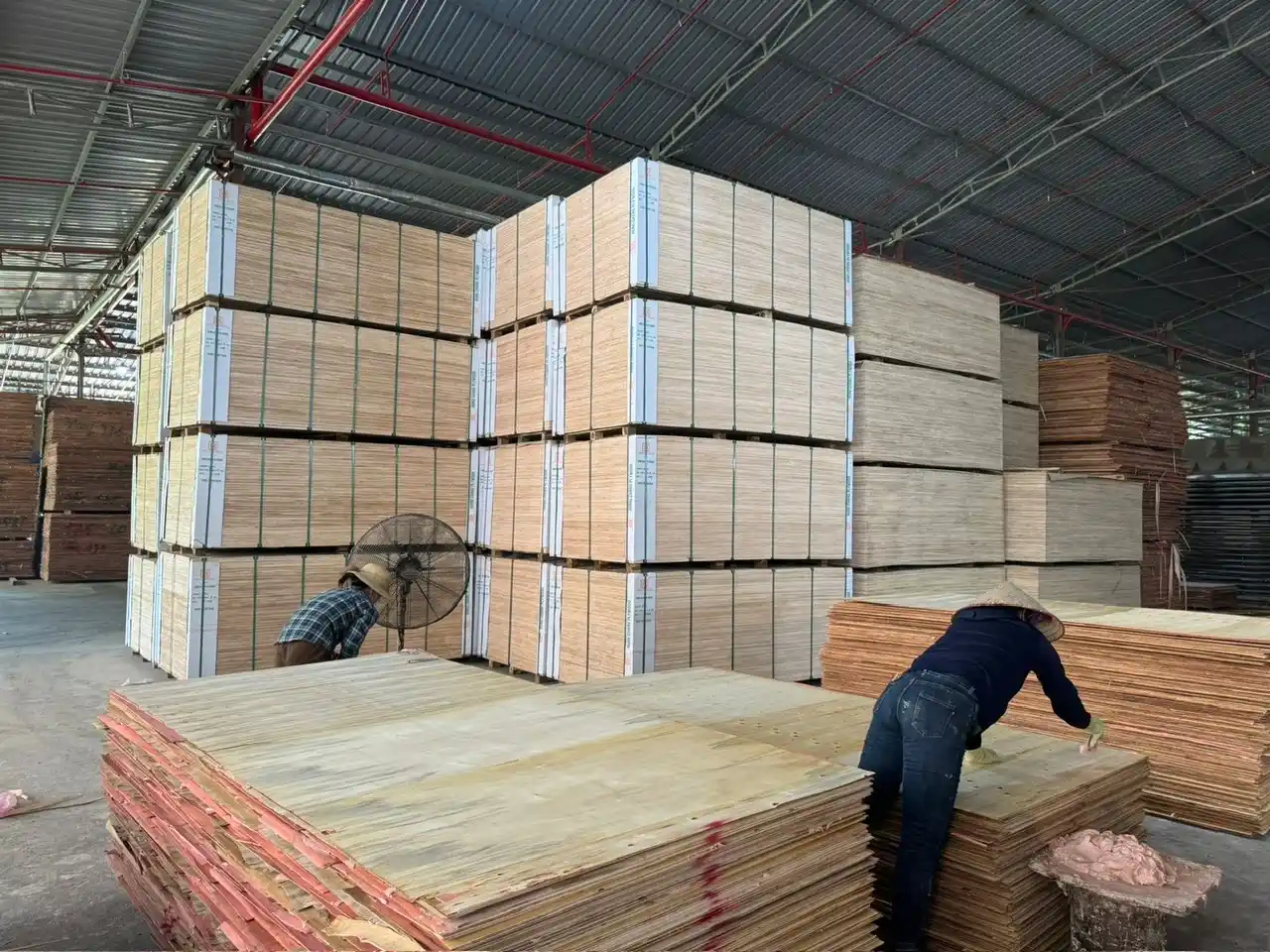
!HCPLY birch plywood export packing ready for container loading with full certification documentation
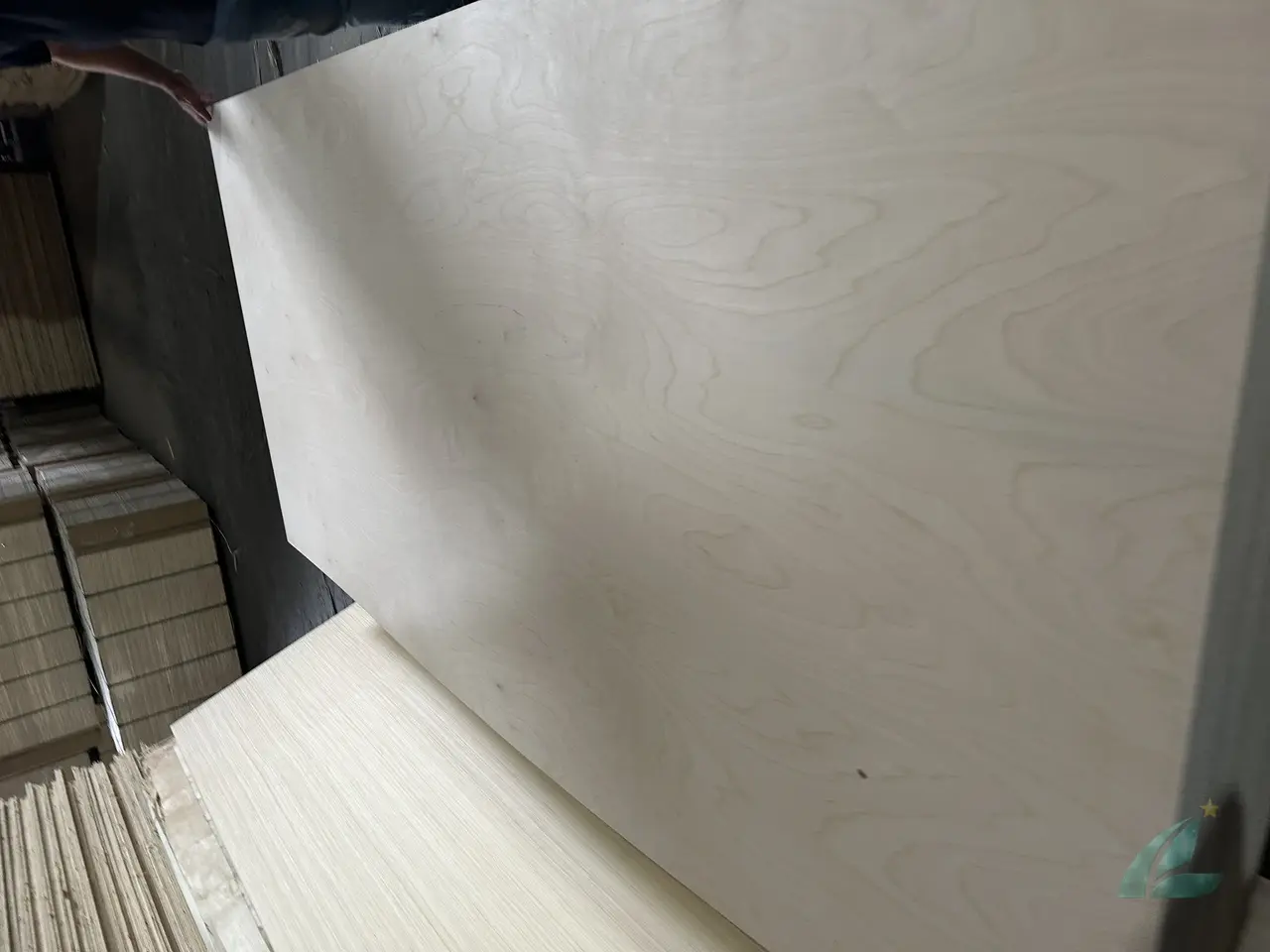
Vietnam supply chain (2026): Stable. HCPLY ships birch plywood weekly from Hai Phong port. Lead time from order to FOB is 15–20 working days. Raw birch face veneer is sourced from certified suppliers in Finland and Ukraine — not subject to the same trade restrictions affecting Russian raw timber. Full FSC chain-of-custody, EUDR documentation, CARB P2, and CE certification available with each shipment.
Russian/Baltic supply chain (2026): Disrupted. EU Regulation 833/2014 prohibits import of Russian timber products. Finnish and Latvian mills face raw material shortages as Russian birch log imports are blocked. Prices are elevated and supply is unpredictable. The EU Commission’s March 2025 sanctions alert specifically identified birch plywood as a high-risk category for sanctions evasion through third-country routing (European Commission, 2025).
For furniture manufacturers procuring at volume, supply chain predictability is a direct financial concern. Stockouts on a core material can halt production lines. Vietnam’s stable lead times and consistent pricing make forward planning significantly more reliable.
For more on sourcing context, read how to buy plywood from Vietnam — complete buyer journey guide.
📐 EUDR and Compliance in 2026
The EU Deforestation Regulation (EUDR) adds another dimension to the Russian vs Vietnam sourcing decision. By December 2025 (medium and large enterprises), all timber products entering the EU must demonstrate supply chain traceability to legal, non-deforested origin (European Commission, 2024).
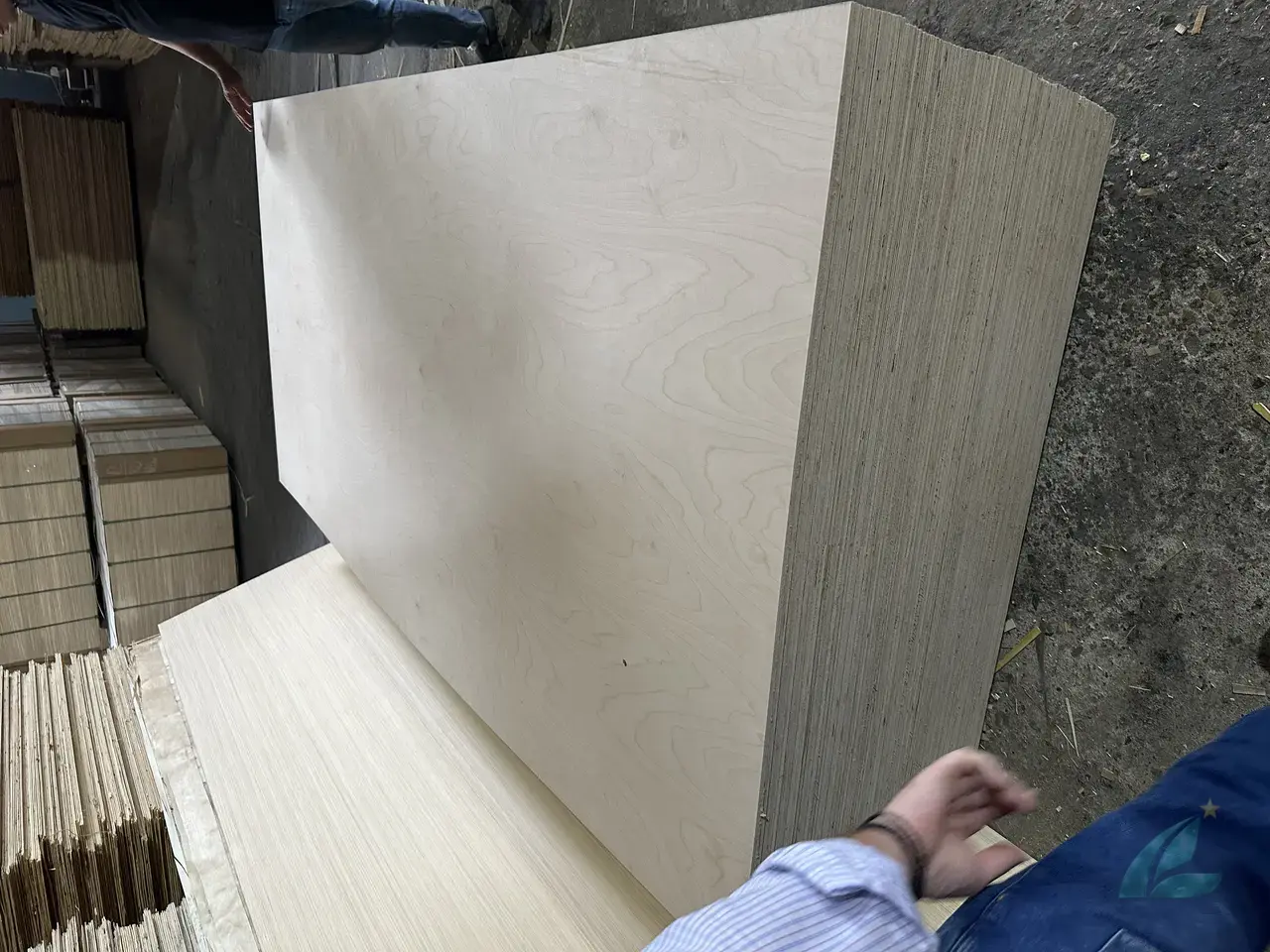
Vietnamese birch plywood from HCPLY satisfies EUDR requirements:
- Core species (styrax/eucalyptus): plantation-grown in Northern Vietnam, GPS-traceable to certified forestry sites
- Face veneer (birch): sourced from certified Finnish/European suppliers with full documentation
- FSC certification: chain-of-custody maintained through production
Russian-origin birch plywood carries prohibitive EUDR risk. EU sanctions on Russian timber mean that any material with Russian origin in the chain — even routed through third countries — constitutes sanctions evasion. Multiple enforcement actions in 2024-2025 have resulted in confiscated shipments and significant fines for EU importers (Earthsight, 2025).
✅ Which Should You Buy?
Choose Vietnam birch plywood if:
- You buy at container volume (1×40HC MOQ from HCPLY)
- Your applications are furniture, cabinets, panels, drawer boxes, or interior fitout
- You need E0/CARB P2 certification with full factory documentation
- You source for EU markets and need EUDR-clean supply chains
- Cost efficiency matters alongside quality
Choose Baltic/Russian birch (from FSC-certified Finnish/Latvian mills, not Russian-origin) if:
- Your applications require all-birch core construction by specification
- You work with 1525×1525mm sheet format in a workshop setting
- You have verified, compliant source and can absorb the current price premium
Explore Vietnam Birch Plywood Specifications — Contact HCPLY
Disclosure: This article is published by HCPLY, a Vietnam-based plywood manufacturer and export operator. While we aim to provide objective industry guidance, readers should consider our perspective as a market participant when evaluating recommendations.
🔗 Related Articles
- Birch plywood Vietnam — how Vietnam makes birch plywood with imported face and styrax core
- Styrax core plywood — why global furniture makers choose styrax as birch core alternative
- Plywood face veneer types — complete buyer guide from Vietnam factory
- Plywood core types — acacia vs eucalyptus vs styrax from Vietnam factory
- Vietnam birch plywood product page — specs, grades, and factory-direct pricing