
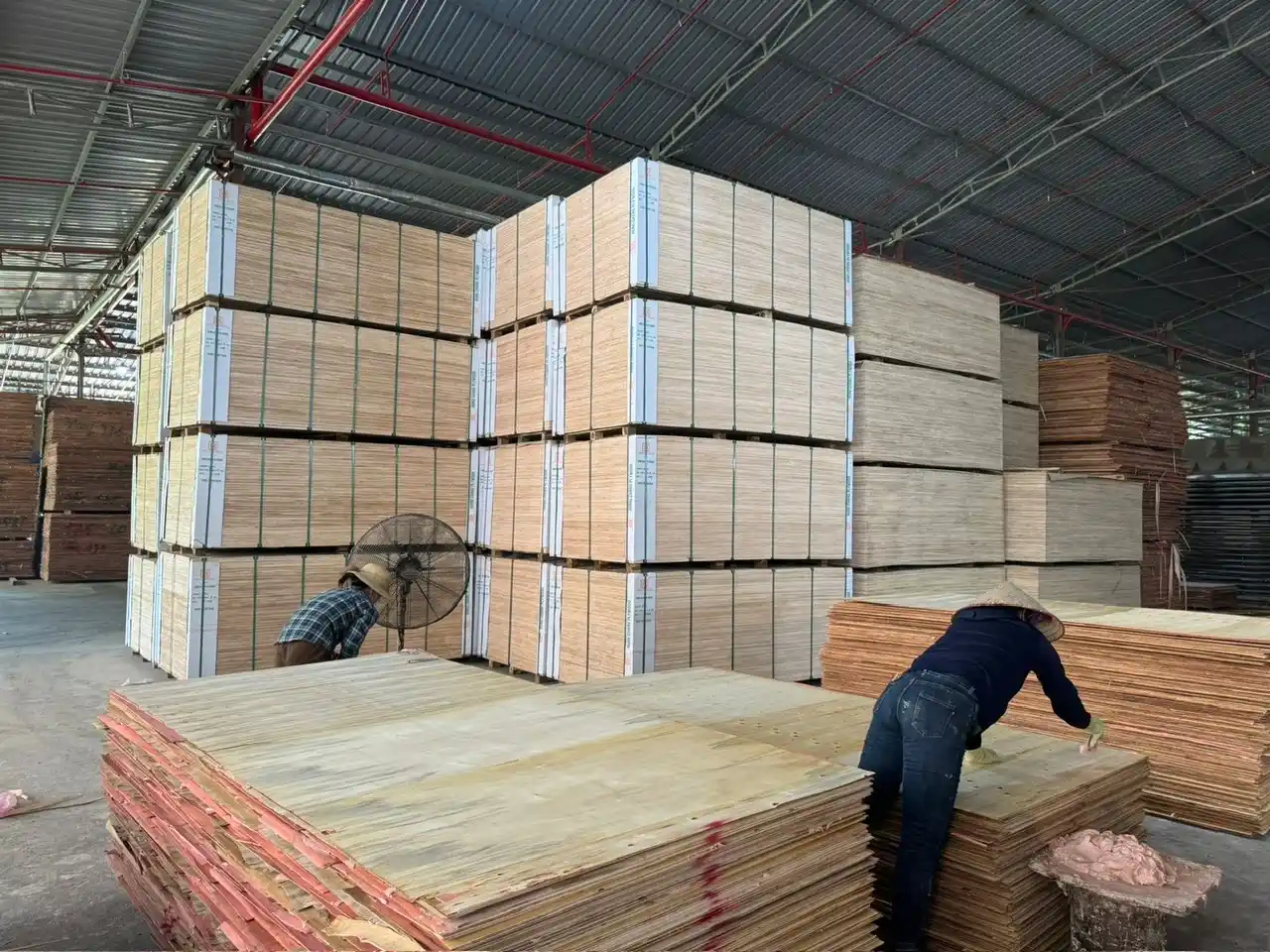
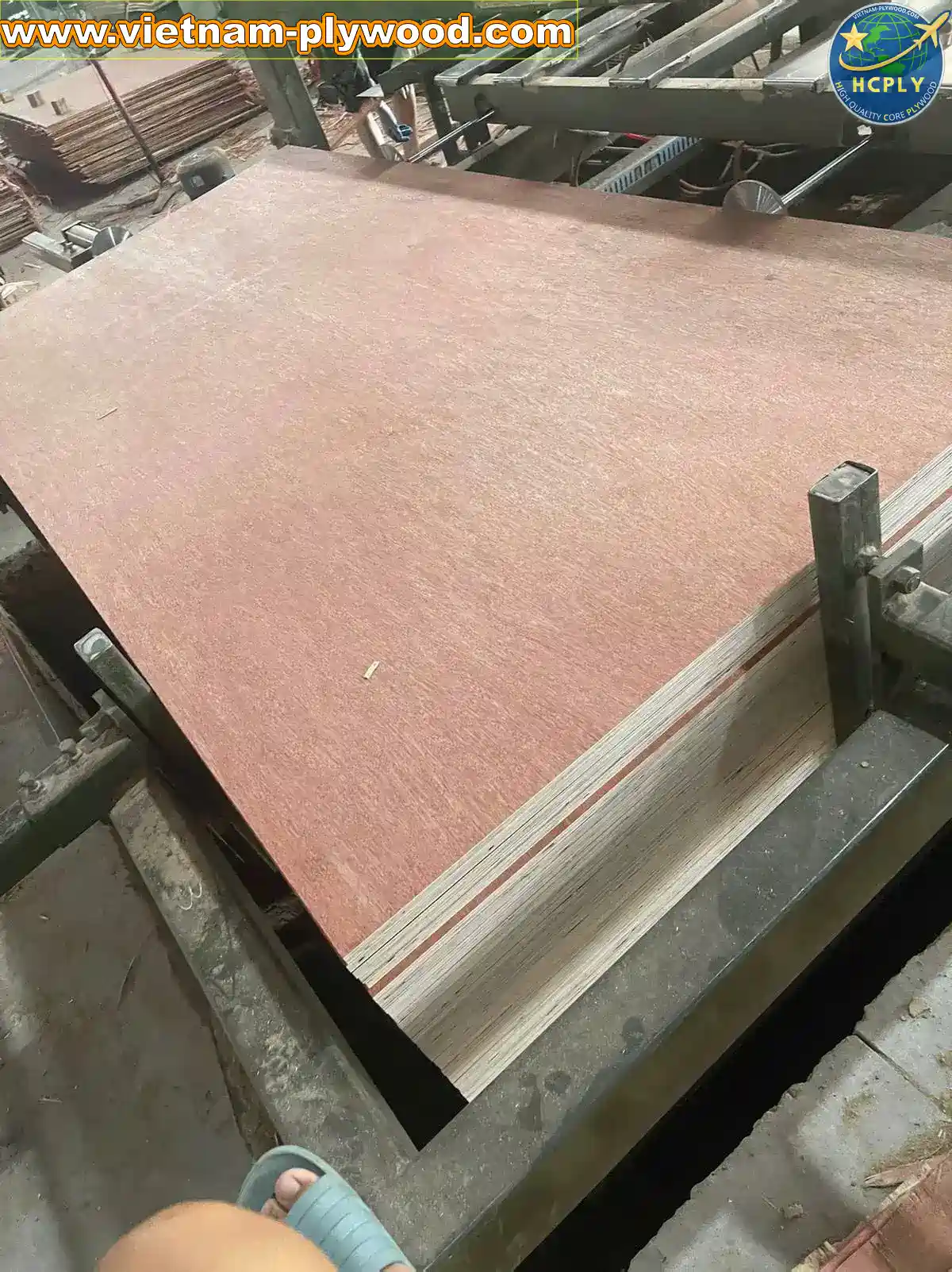
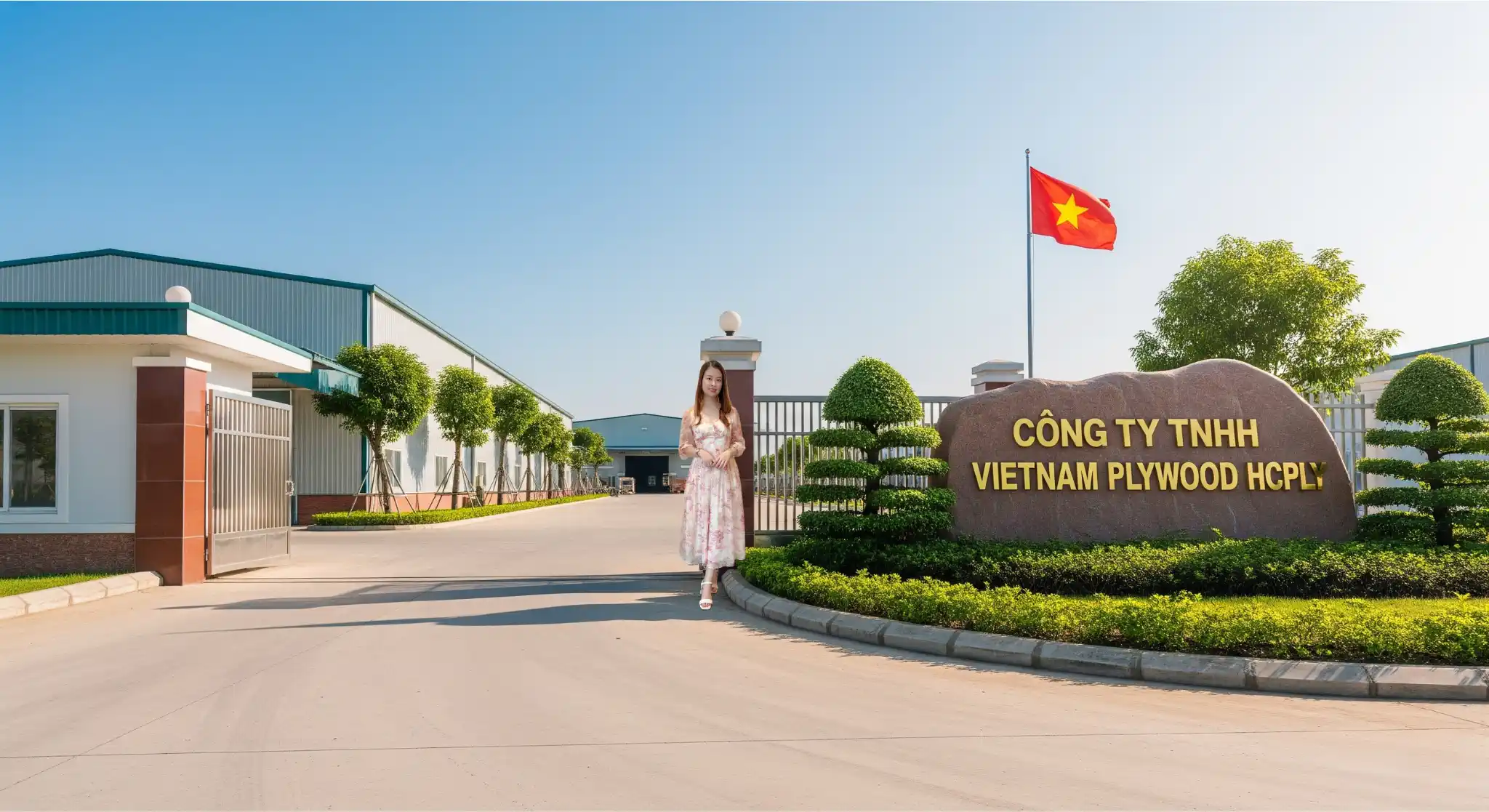
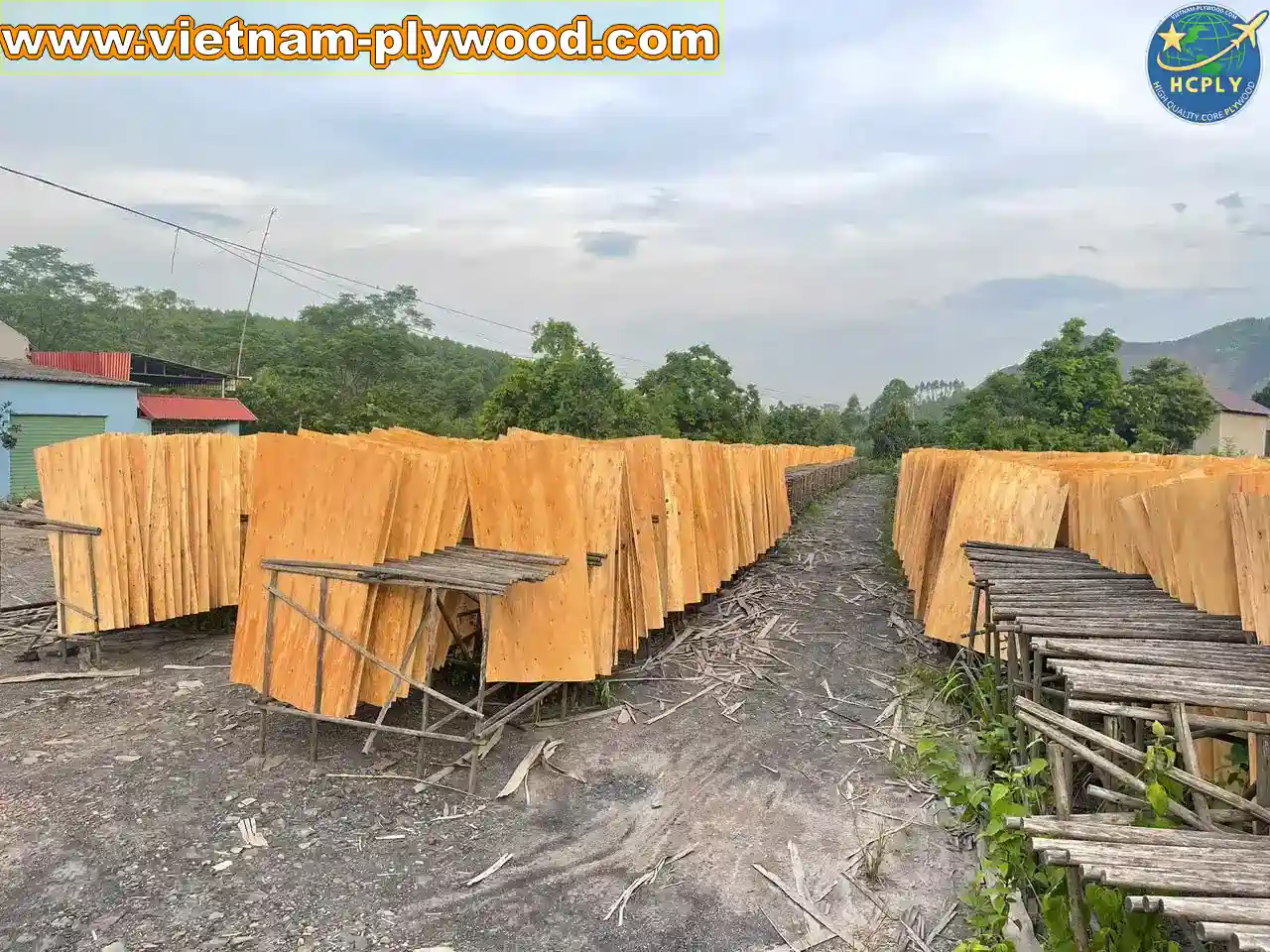

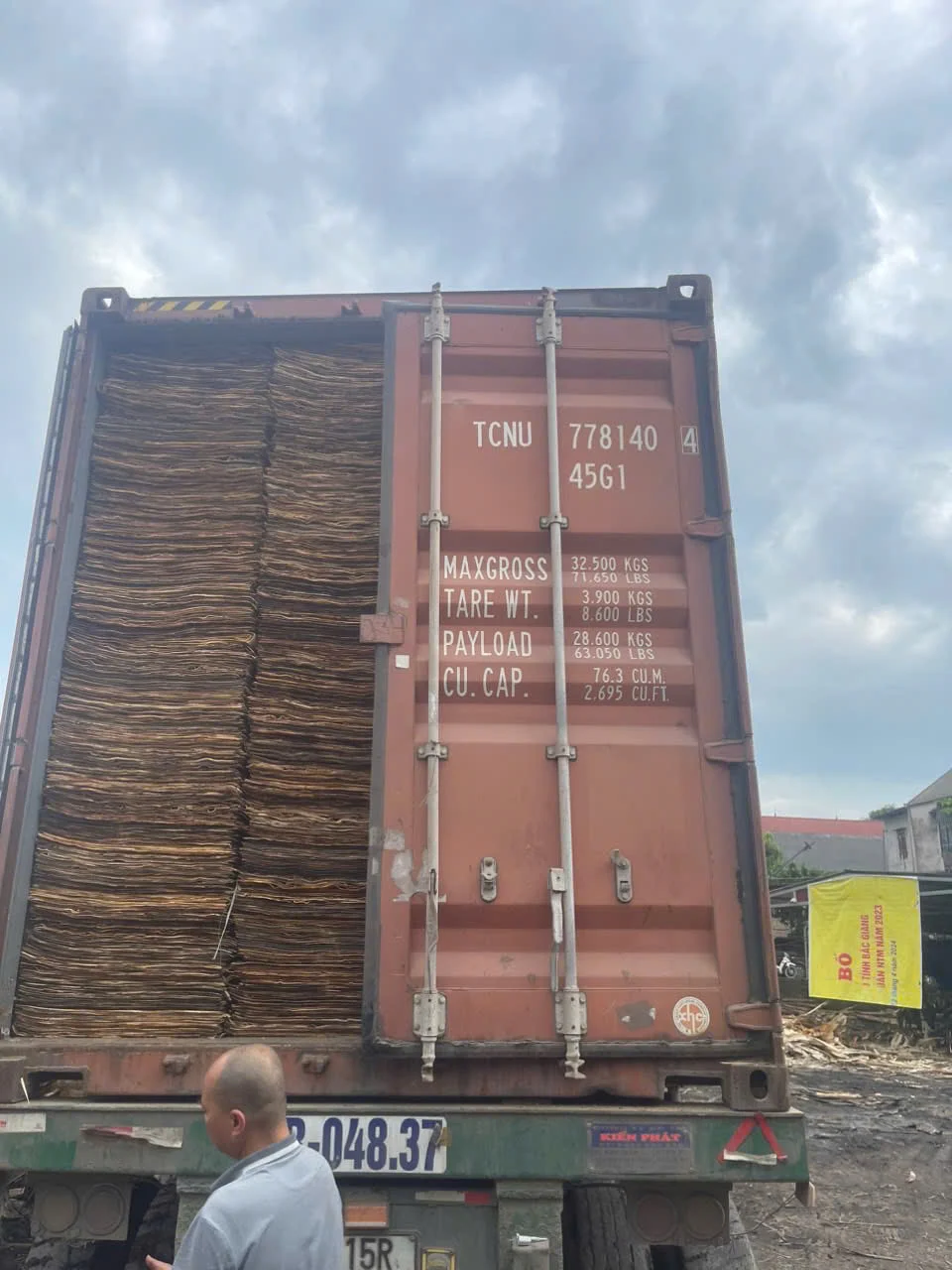
Vietnam’s plywood export sector grew past $1.7 billion in 2024 (Vietnam Customs, 2024), yet the majority of that volume moves through a surprisingly thin layer of well-known names. Behind them sits a larger ecosystem of small-scale plywood manufacturers in Vietnam — factories producing 30–120 containers per month — that most international buyers never reach directly.
This guide explains who these factories are, how they differ by segment, what to expect on MOQ and pricing, and the questions you must ask before committing to an order.
📋 Why Small-Scale Manufacturers Matter for Importers
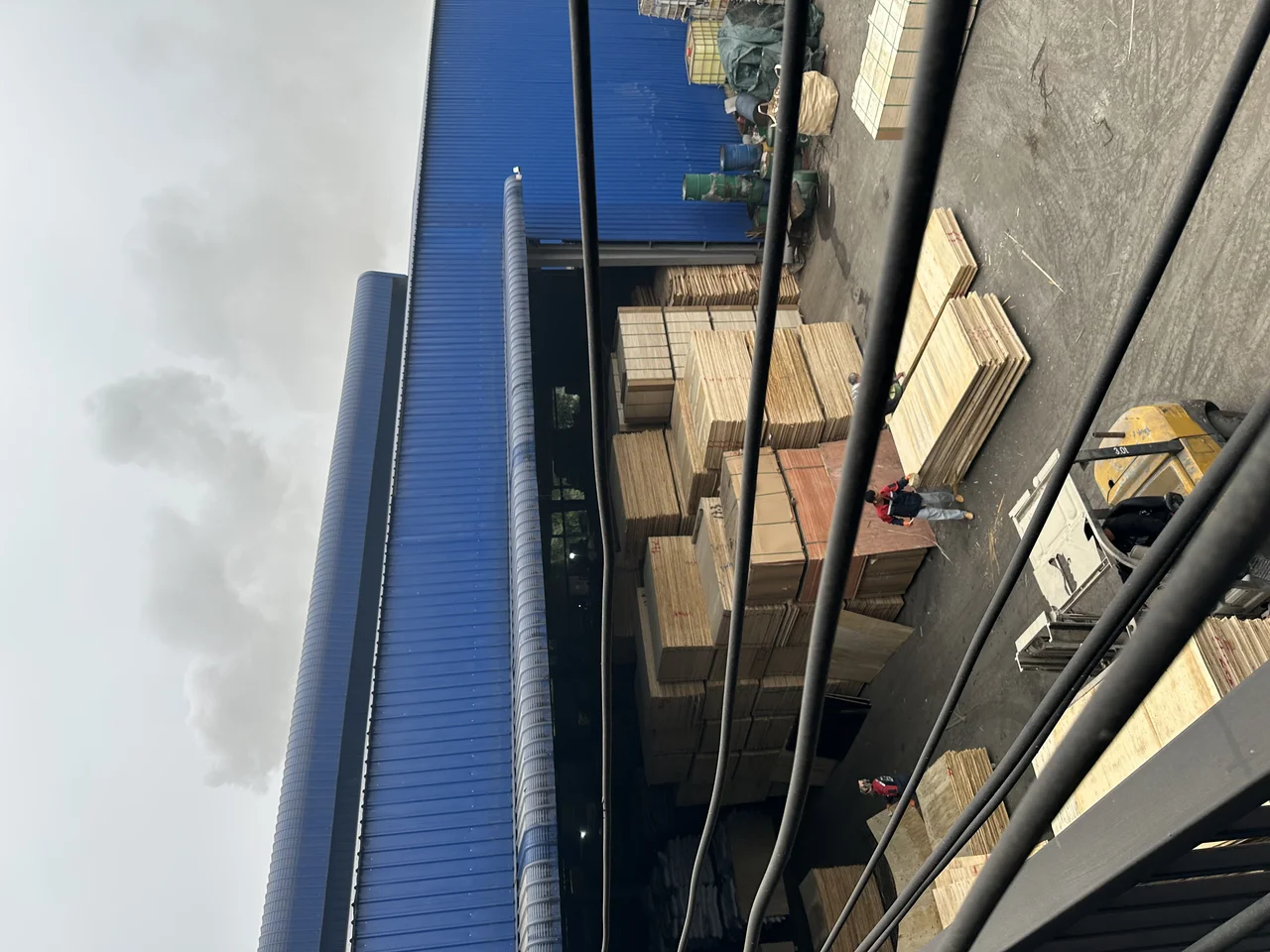
Large factories produce at scale — but scale comes with constraints. Lead times stretch. Sales teams handle dozens of markets simultaneously. Specifications lock around what moves fastest.
Small-scale plywood manufacturers in Vietnam work differently. Their entire operation often revolves around 5–15 repeat buyers. That concentration means:
- Faster response — decisions happen at factory owner level, not through a sales hierarchy
- Tighter specification control — the factory adjusts for your order, not for a commodity catalogue
- Lower MOQ — 1–3 x 40HC is standard; some operators start at a single container
- Price transparency — fewer layers between the press line and your purchase order
The trade-off is limited product range and, in many cases, fewer certifications. Understanding this trade-off is what separates buyers who find value from buyers who get disappointed.
💡 Tip: “Small-scale” in Vietnam’s plywood context typically means 30–120 containers per month output. This is not a marginal operation — it is a focused specialist. Compare this to the 50-100+ container monthly capacity of larger exporters.
🏭 Factory Segments — The Most Important Framework
Before evaluating any small plywood factory in Vietnam, identify which segment it belongs to. Prices between segments can differ by 30–50% for nominally identical products. Comparing quotes across segments is one of the most common and costly mistakes importers make.
📌 Segment A: Premium Furniture Factories
Core: Styrax or eucalyptus, Grade A Glue: Melamine (MR). Emission: E0 or E1 Core construction: Full stitched (all layers, no gaps) Face: Birch, okoume, EV, gurjan, pine, poplar, eucalyptus Sanding: Always Certifications: FSC, CARB P2, CE, ISO 9001, EUDR Markets: EU, US, Japan, Korea, Australia
These factories do not produce commercial or packing plywood. Their equipment, workforce skills, and QC systems are calibrated for furniture-grade output. Asking a Segment A factory for cheap bintangor packing board will either get a refusal or a price that makes no sense.
📌 Segment B: Commercial and Packing Factories
Core: Acacia (primarily), loose-lay or edge-jointed construction Glue: Melamine (MR). Emission: E1 or E2 Face: Bintangor, okoume, pine — unsanded Certifications: Minimal or none Markets: India, Malaysia, Southeast Asia, Middle East, Africa
These factories compete on price. Output quality is consistent within their segment but will not satisfy furniture-grade specifications. If your application is pallets, crates, packaging, or budget commercial fitout, this is the right segment.
📌 Segment C: Premium Film-Faced Factories
Core: Eucalyptus or acacia Grade A, stitched Film: AICA or equivalent premium phenolic film, 135gsm minimum Glue: Phenolic (WBP) or melamine (MR) — melamine at proper process parameters achieves 15+ reuses Reuse: 15–20 times Markets: EU, Korea, Japan, Australia
📌 Segment D: Budget Film-Faced Factories
Core: Acacia AB, no stitching Film: Vietnam or China-sourced, lower grade Reuse: 4–8 times Certifications: None Markets: Southeast Asia, Africa, budget construction
⚠️ Important: Two film-faced panels that look identical on a photo can perform 15 reuses versus 5 reuses depending on film quality and core construction. Never evaluate film-faced plywood on appearance alone — request a technical data sheet and reuse test data.
View the full factory segmentation guide →
📦 MOQ and Pricing — What to Expect in 2026
The standard MOQ from small-scale plywood manufacturers in Vietnam is 1 x 40HC container. At current specifications:
| Core Species | Pallets per 40HC | Approx. CBM |
|---|---|---|
| Styrax | 18 | ~53 CBM |
| Acacia | 16 | ~47.5 CBM |
| Eucalyptus | 15 | ~44.5 CBM |
(HCPLY production data, 2026)
For mixed specifications — different thicknesses, different face veneers within one container — most small factories accommodate this as long as the total weight does not exceed the 28.5 MT payload limit.
Pricing at small-scale factories sits between two reference points:
- Factory gate (xưởng): The price the factory quotes to a local trading buyer
- Trading company FOB: What buyers typically see when they search online
The gap between these two numbers is routinely 15–30 USD per CBM. Small-scale manufacturers that export directly — without a trading intermediary — price closer to the factory gate figure. That differential is the value proposition for buyers willing to do the due diligence required to source directly.
💡 Pro tip: Ask any supplier: “Does your price include Vietnamese VAT?” Genuine manufacturer-exporters that ship directly from their own facility do not charge VAT on export invoices. Trading companies that buy from factories and re-export pay 8% VAT internally, which compresses their margin or inflates their FOB price.
Understand the full pricing factors before requesting a quote →
📊 Regional Geography — Why Northern Vietnam Dominates
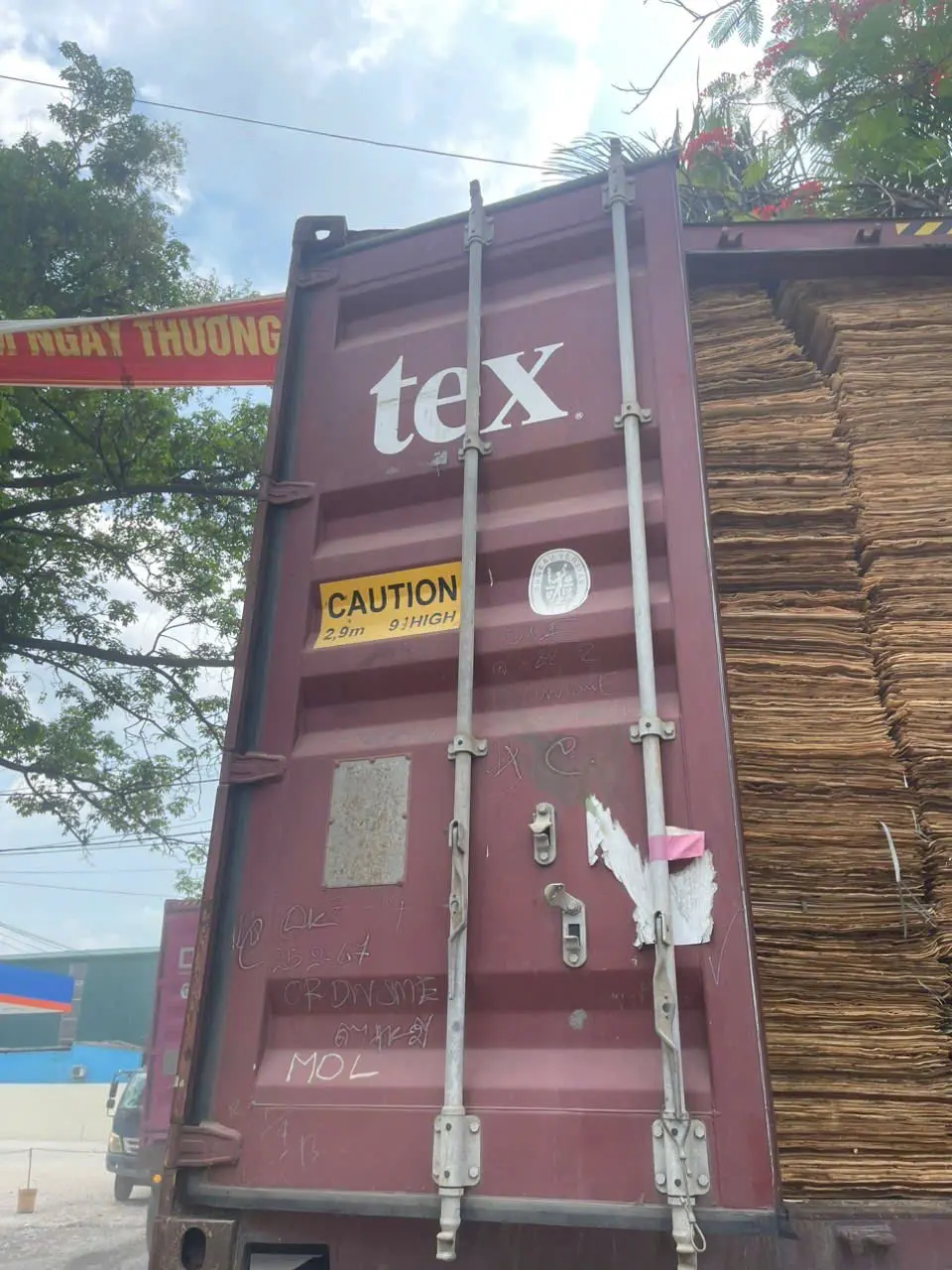
Over 80% of Vietnam’s plywood exports originate from Northern Vietnam — specifically Phu Tho, Bac Giang, Yen Bai, Bac Ninh, and Tuyen Quang provinces (Vietnam Forest Administration, 2024). Small-scale plywood manufacturers in Vietnam are concentrated in this corridor for three reasons:
- Raw material proximity — Acacia, eucalyptus, and styrax plantations are planted and harvested in Northern provinces. Trucking timber from source to mill costs a fraction of what Southern factories pay.
- Styrax availability — Styrax (bồ đề) grows exclusively in Northern Vietnam. It is the lightest commercially used core species (480–500 kg/m³), ideal for furniture-grade panels where weight matters.
- Export infrastructure — Hai Phong port handles the bulk of Vietnam’s wood product exports. Northern factories ship FOB Hai Phong with minimal inland transport cost.
Southern Vietnam has plywood factories, but most source semi-finished panels from the North and add processing locally. Their prices are structurally higher for equivalent products.
“When buyers ask why Northern factories price better, the answer is not lower quality — it is lower input cost and zero raw material logistics overhead.” — Lucy, International Sales Manager, HCPLY
Read the full regional breakdown →
🔧 How to Evaluate a Small-Scale Plywood Factory
📌 Step 1: Identify the Segment
Ask for a product list. If the factory offers birch plywood, okoume plywood, and film-faced in the same catalogue, they are either a trading company or a Segment A + C hybrid. Most small factories produce within one segment.
📌 Step 2: Request Technical Documentation
A credible small plywood manufacturer in Vietnam will provide without hesitation:
- Factory certification documents (FSC, CARB P2, ISO) with expiry dates
- Emission test reports from accredited third-party labs (not just a self-declaration)
- Production capacity documentation
- Previous customer references or B/L copies (redacted)
📌 Step 3: Verify via Pre-Shipment Inspection
For a first order, commission an independent third-party inspection. Inspectors check:
- Thickness tolerance (target ±0.3mm across the pallet)
- Moisture content (target 8–14% at time of loading)
- Face surface quality (open knots, delamination, patching)
- Core construction (pull one panel from the stack, inspect cross-section)
- Stacking and strapping integrity before container loading
The cost of a PSI (typically $150–350) is negligible against the risk of a container of off-spec material arriving at your warehouse 30 days later.
Step 4: Confirm Export Documentation Chain
For a genuine manufacturer-exporter, all documents should bear the factory’s name: Commercial Invoice, Packing List, Certificate of Origin, Phytosanitary Certificate, Fumigation Certificate, and Bill of Lading. If any document is issued by a different legal entity than the factory, ask why.
Full export documentation checklist →
✅ The Multi-Facility Model for Flexible Sourcing
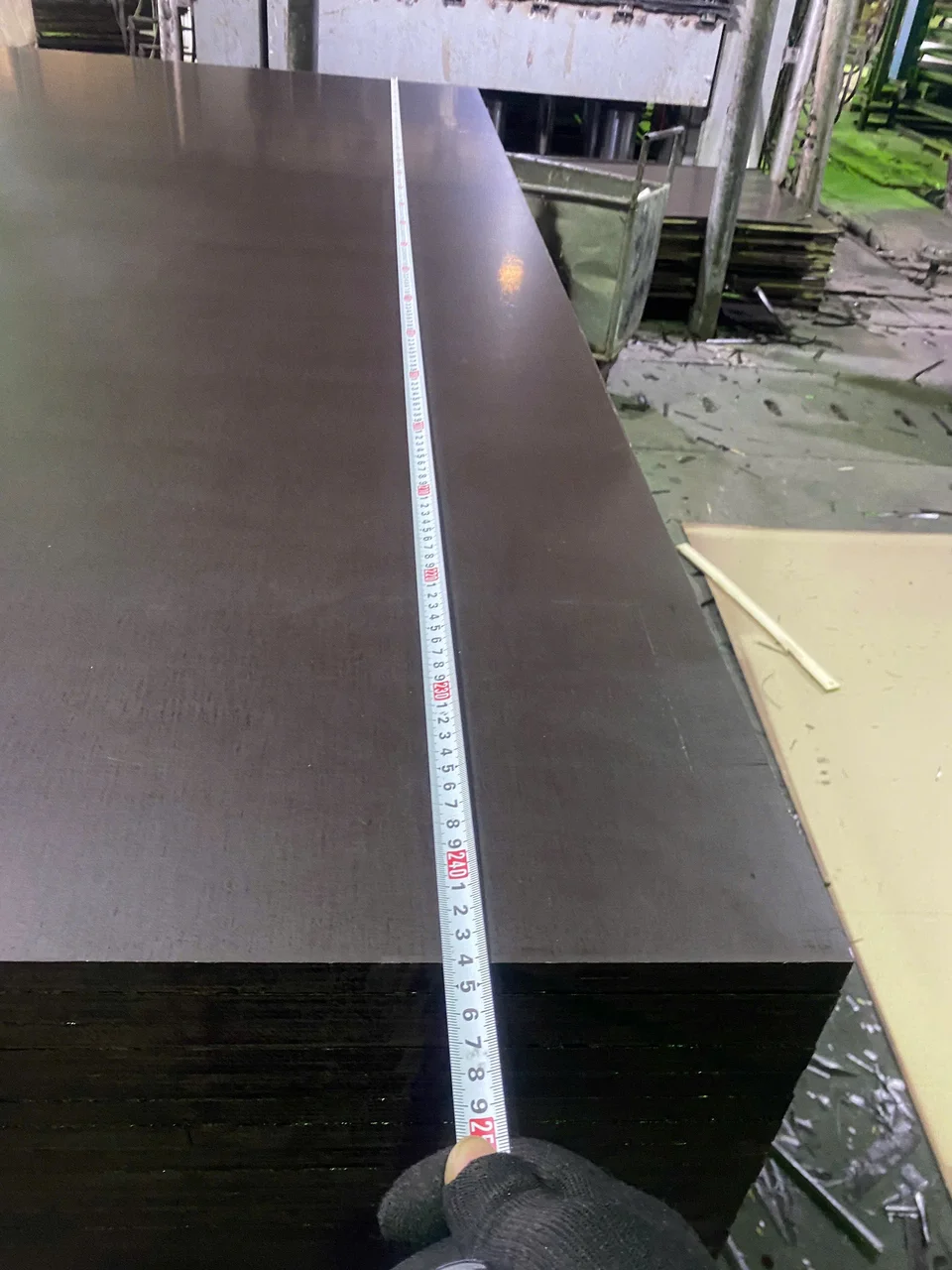
- Premium furniture facility — styrax/eucalyptus core, E0, full stitched, sanded. Covers Segment A.
- Commercial/packing facility — acacia core, MR, competitive pricing. Covers Segment B.
- Premium film-faced facility — AICA film, phenolic/melamine, 15+ reuses. Covers Segment C.
This structure means a buyer requiring both furniture-grade birch plywood and commercial bintangor packing board can place one purchase order, receive one set of export documents, and load one or more 40HC containers — without managing two separate factory relationships.
MOQ: 1 x 40HC. Lead time: 15–20 days from order confirmation. Mixed specifications within one container: supported.
“Most of our long-term clients started with a single container — one product, one grade, one destination. That first shipment is where we demonstrate what factory-direct actually means.” — Lucy, International Sales Manager, HCPLY
See full product range at HCPLY →
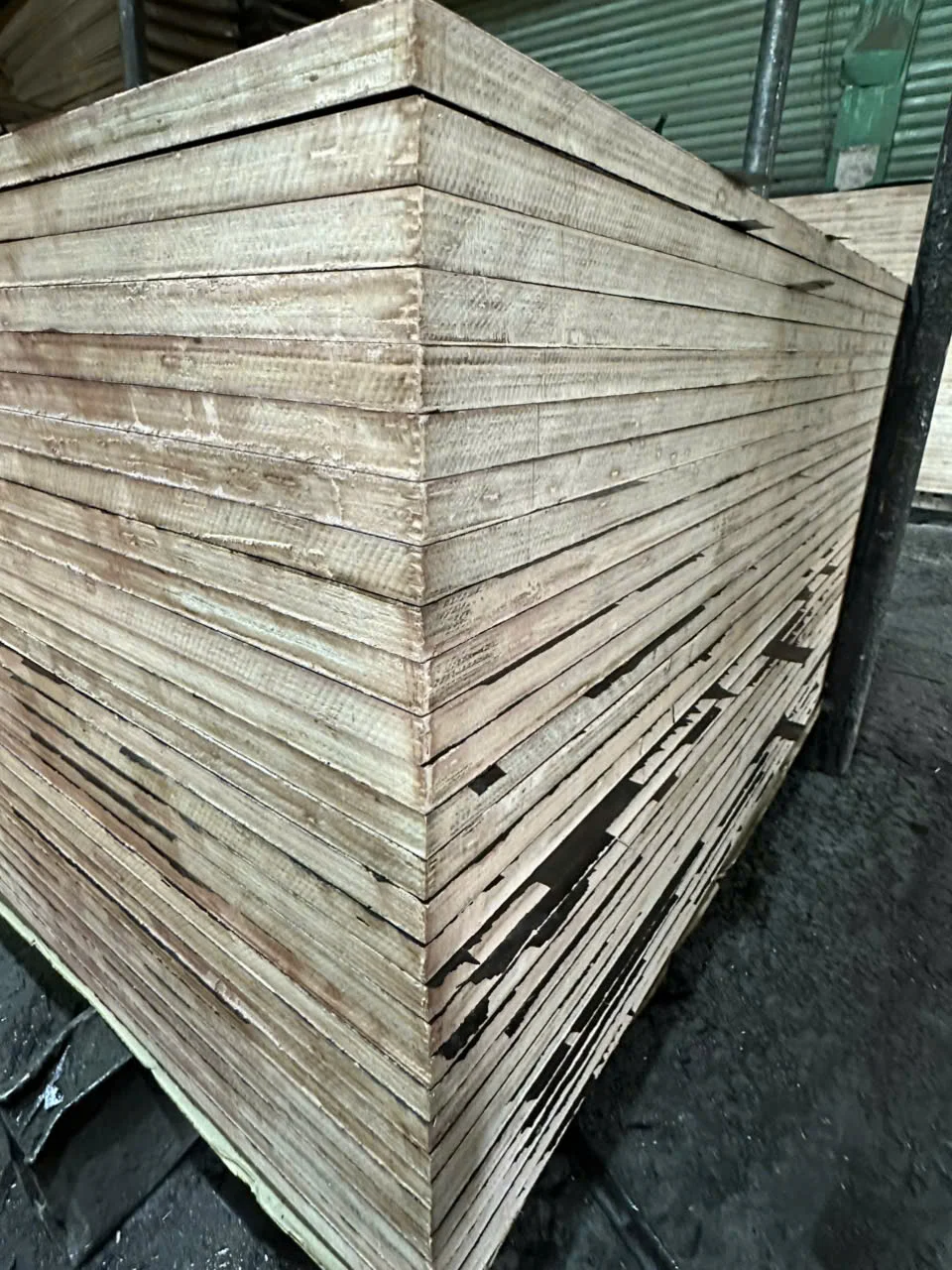
Disclosure: This article is published by HCPLY, a Vietnam-based plywood manufacturer and export operator. While we aim to provide objective industry guidance, readers should consider our perspective as a market participant when evaluating recommendations.
🔗 Related Sourcing Guides
Before placing an order with any small-scale plywood manufacturer in Vietnam, these guides address the most common questions that arise during due diligence:
- Top 10 plywood suppliers in Vietnam — ranked list of leading manufacturers
- How to buy plywood from Vietnam — complete purchasing guide
- Vietnam Plywood Supplier Types — Trading Company vs. Manufacturer — understand the four supplier models and how pricing differs between them
- Plywood Core Types — Acacia vs Eucalyptus vs Styrax — density, weight, and cost implications for your product
- Plywood Certifications & Export Documentation Guide — FSC, CARB P2, CE, EUDR explained for importers
📐 Conclusion
Small-scale plywood manufacturers in Vietnam offer genuine value — but that value is segment-specific and verification-dependent. A well-chosen small factory in Phu Tho Province can deliver better price, tighter specification control, and more responsive communication than a large exporter handling 500 accounts.
The work falls on the buyer: identify the correct segment for your product, verify the factory’s certification status, and commission a pre-shipment inspection on the first order. Buyers who do this consistently report lower defect rates and more predictable landed costs than those who select suppliers based on price alone.
HCPLY manages 3 dedicated production facilities covering all major segments — furniture, commercial, and film-faced. MOQ starts at 1 x 40HC.
Request a factory-direct quote from HCPLY →
No commitment required. Response within 24 hours.