
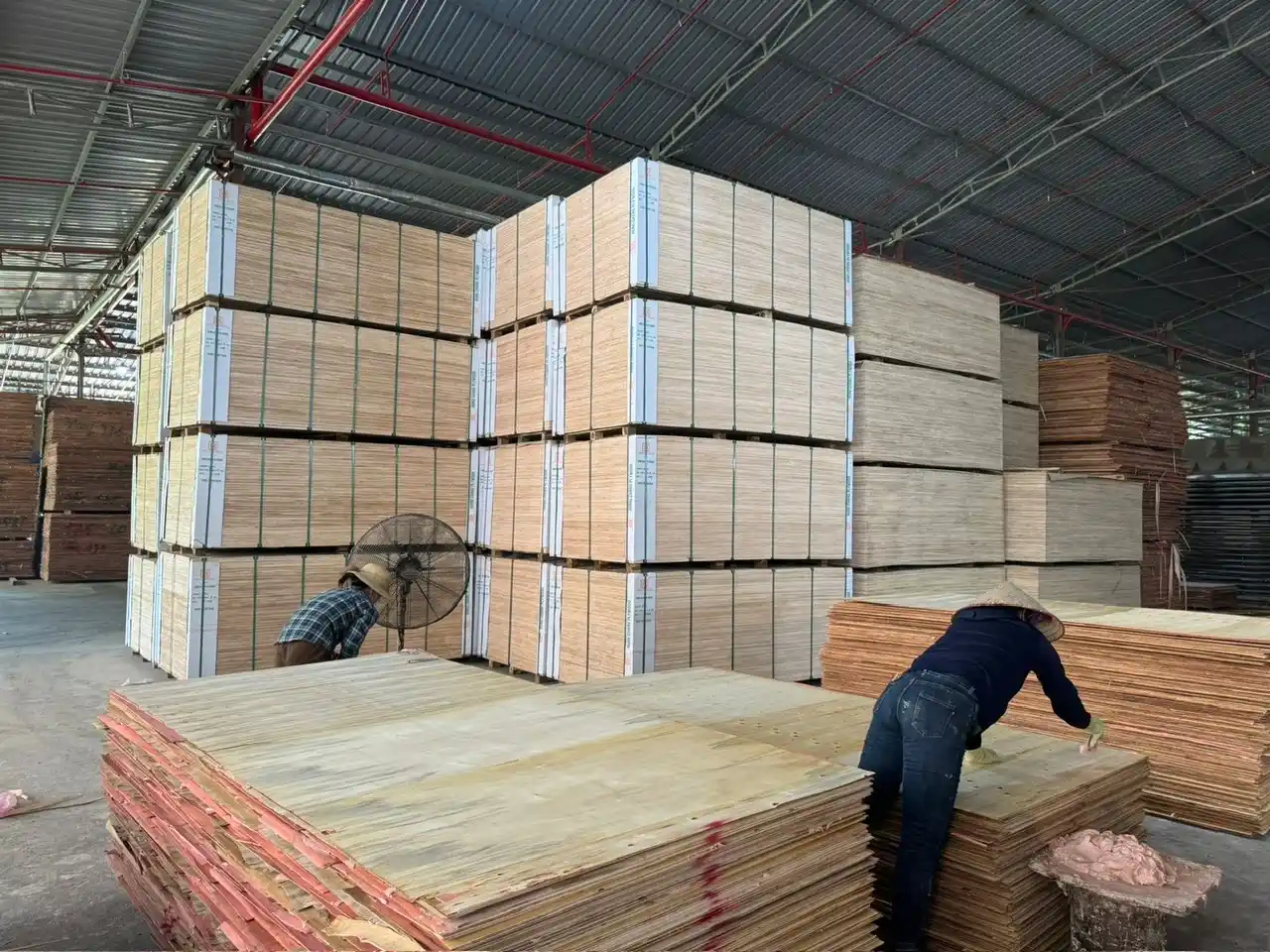
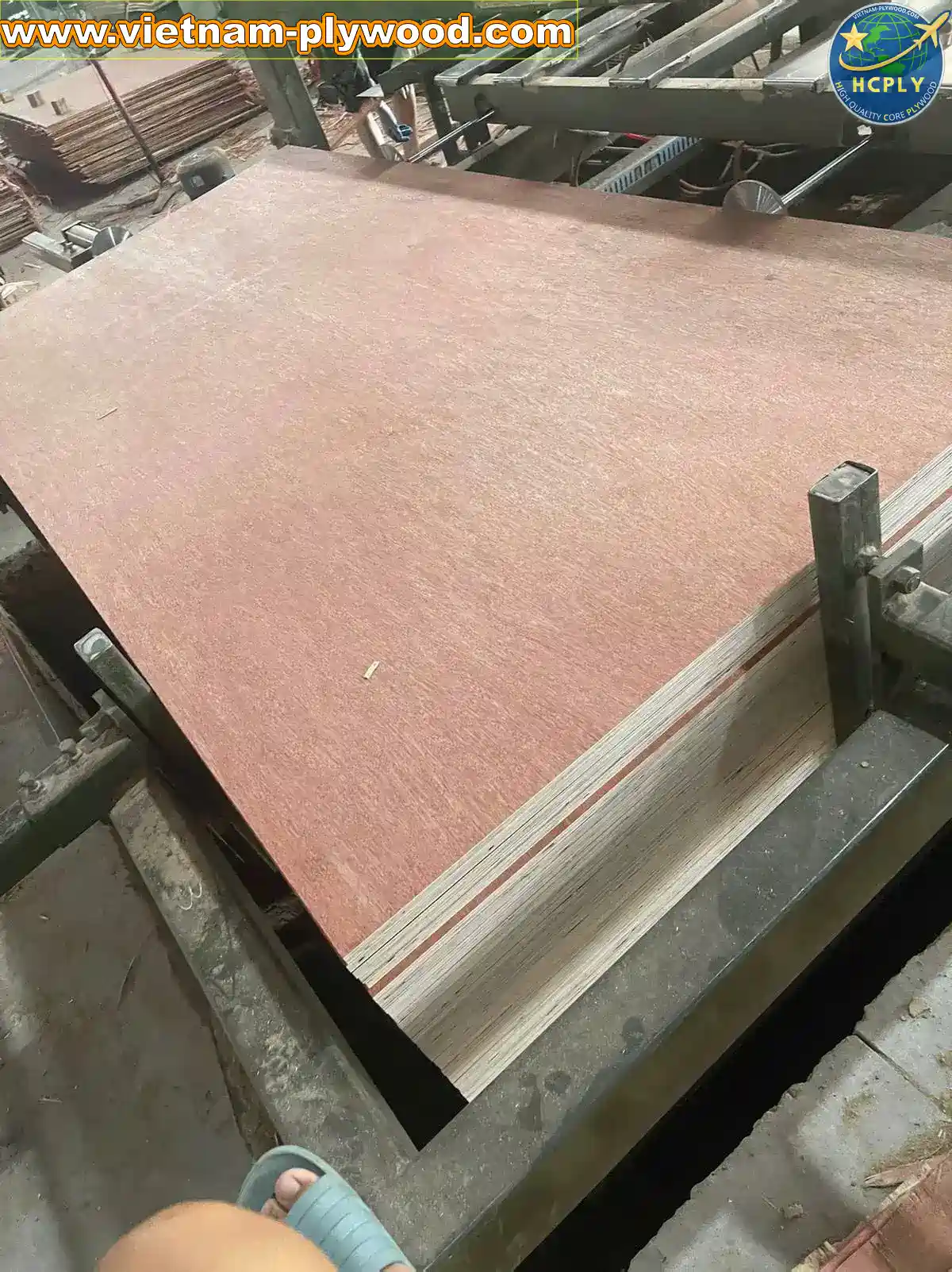
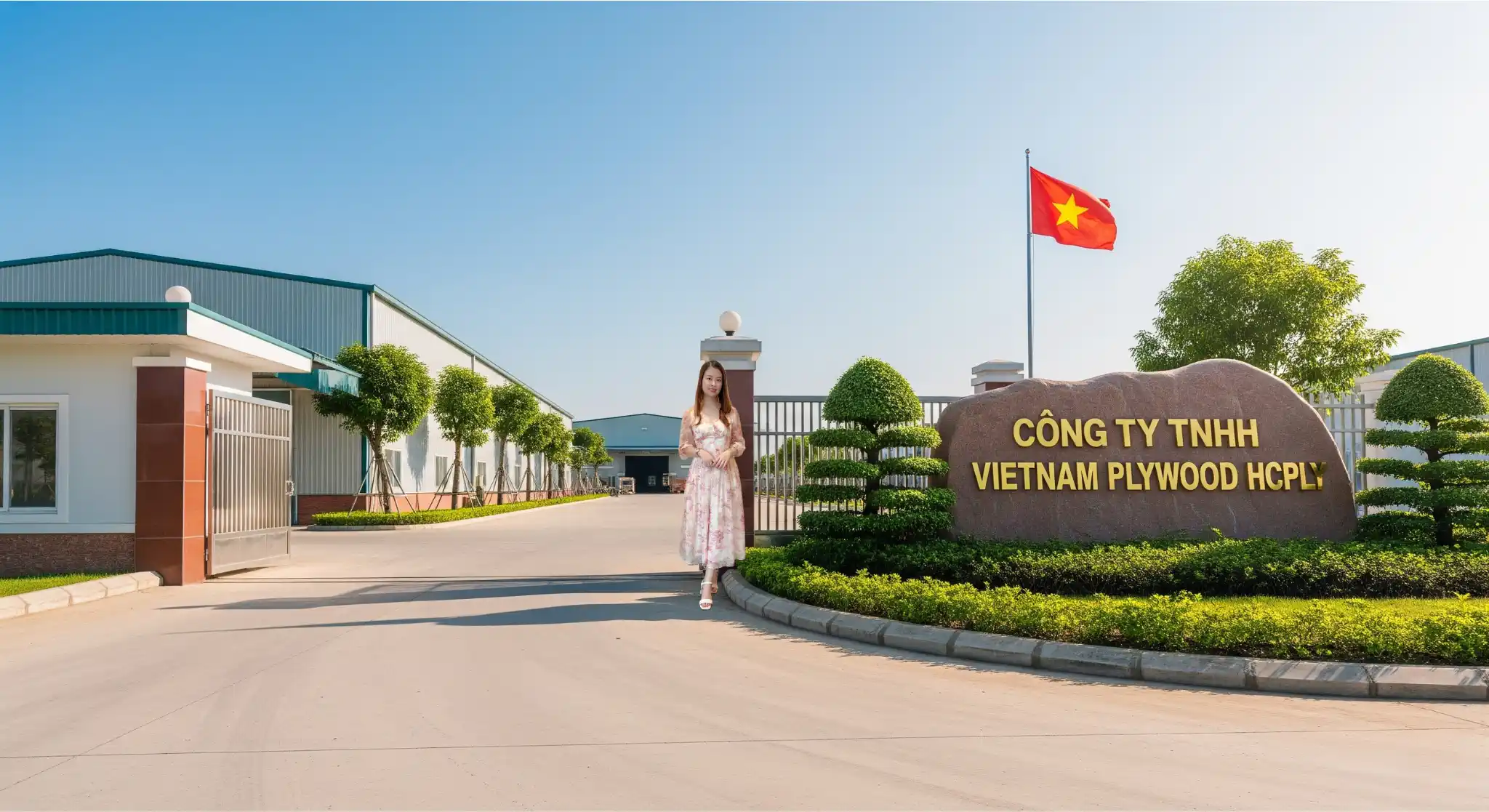
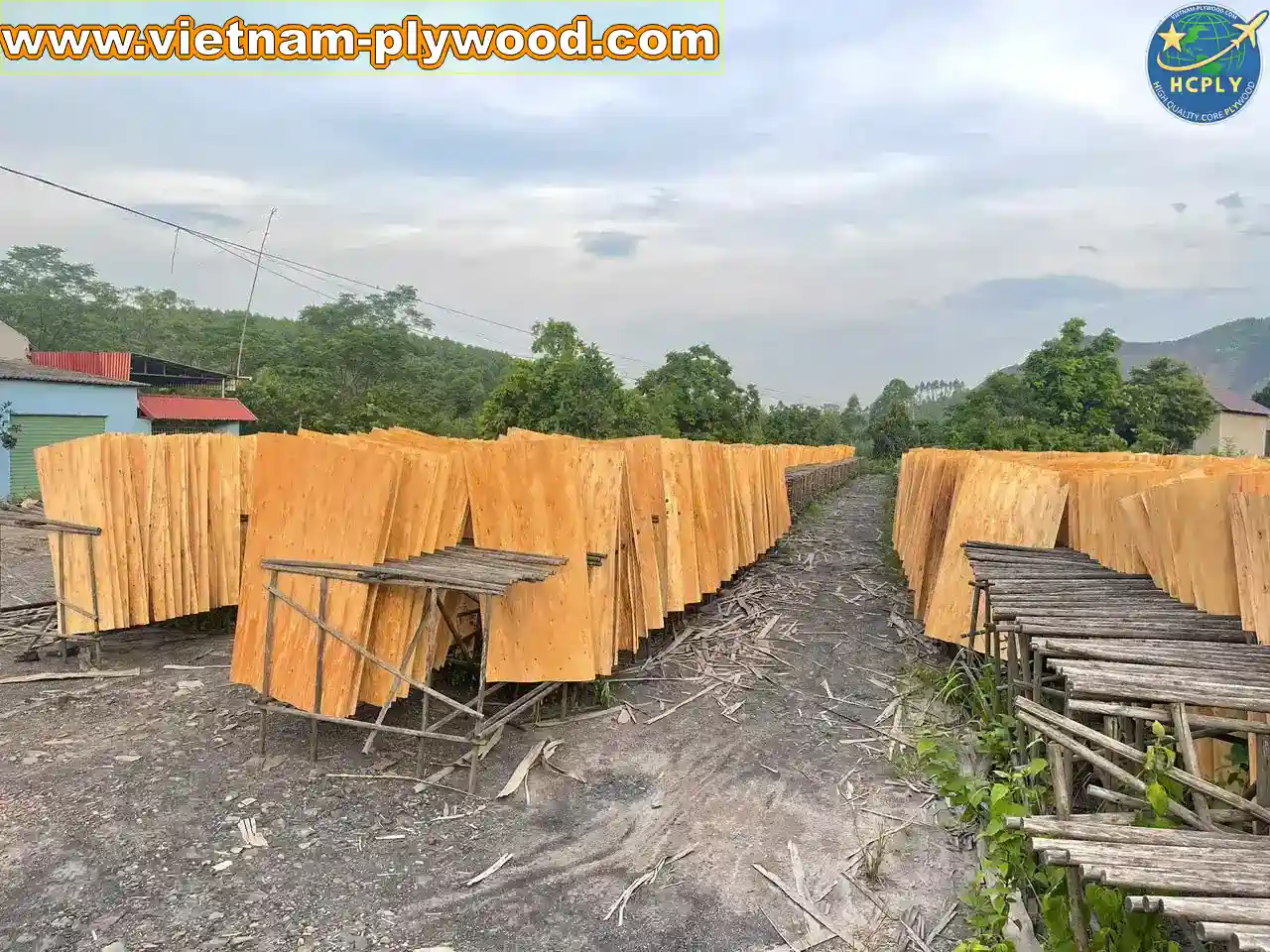

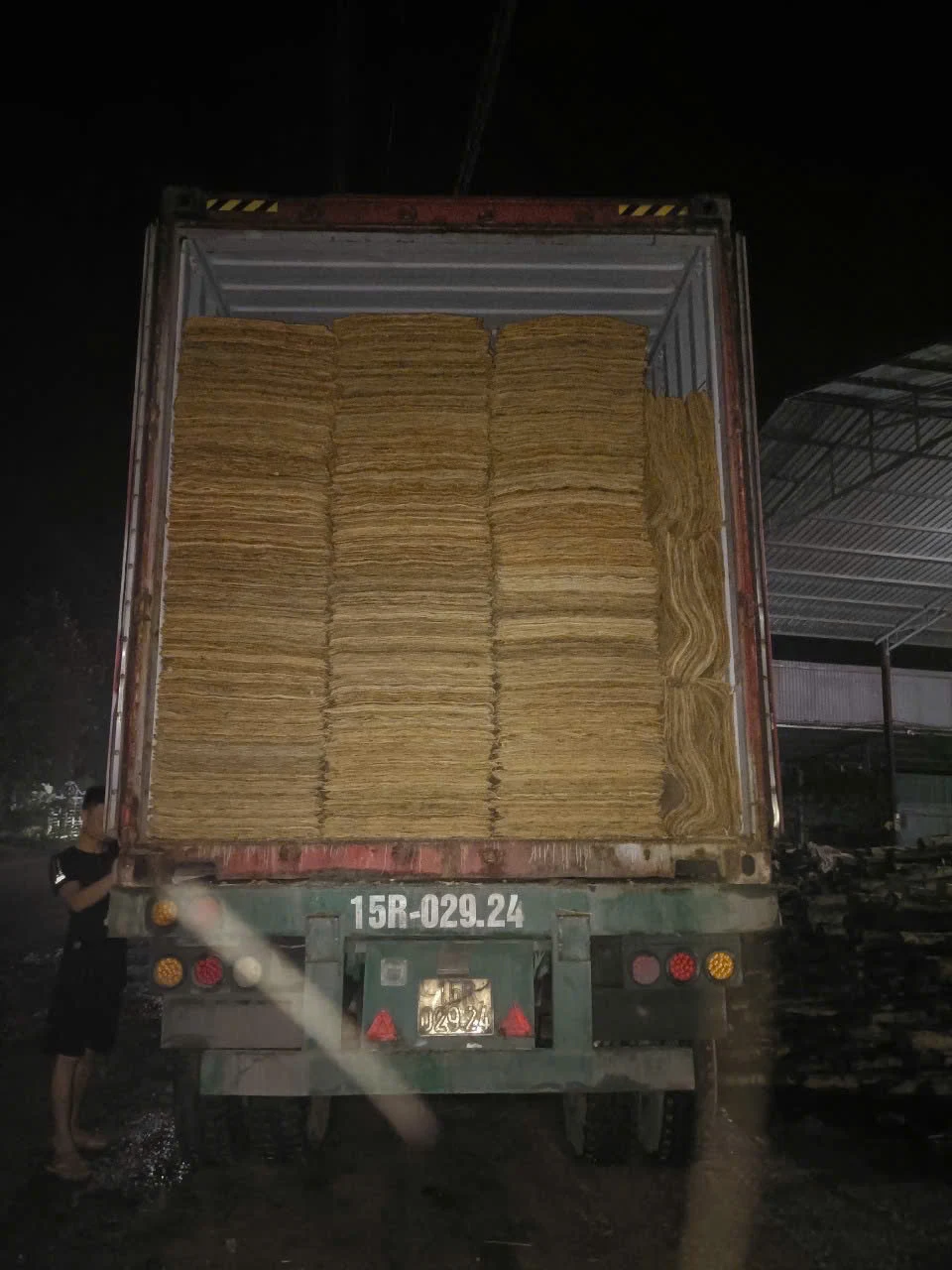
Vietnam produces more than 1.2 billion USD worth of plywood annually for export — and over 80% of that volume comes from one region: the North (Vietnam Forest Industry Association, 2024). For international buyers, understanding this geography is not academic. It directly determines what species are available, what certifications are achievable, and what price you pay FOB Hai Phong.
This guide breaks down the key structural differences between plywood suppliers in North Vietnam versus South Vietnam — covering raw material access, factory types, core species, pricing dynamics, and what each region can realistically deliver to your specification.
📊 The 80/20 Split: Why North Vietnam Dominates Plywood Export
Northern Vietnam accounts for more than 80% of the country’s plywood export volume. This is not a recent trend — it reflects decades of plantation forestry development in provinces like Phu Tho, Yen Bai, Bac Giang, Bac Ninh, and Tuyen Quang.
Key Insight: Northern Vietnam’s dominance in plywood export is structural, not seasonal. Raw material access, port proximity, and factory concentration all reinforce each other in a self-sustaining cluster.
Three factors explain the concentration:
1. Plantation proximity. Acacia, eucalyptus, and styrax plantations cluster within 100–300 km of processing centers. This keeps raw material logistics short and veneer freshness high — critical for consistent glue adhesion.
2. Port access. Hai Phong is Vietnam’s primary container export terminal for plywood. Northern factories load direct. Southern shipments to the same destination add 600–900 km of inland transport to reach Hai Phong, or route through Cat Lai port with fewer international services.
3. Factory ecosystem. Manufacturing clusters in the North created specialized suppliers for film, glue, sanding belts, and machinery. This reduces production downtime and cost for northern operators — advantages that compound over time.
The result: international buyers who contact a “Vietnam plywood supplier” online are, in most cases, dealing with a northern operation — or a southern trading company purchasing northern-made goods.
🏭 North Vietnam: Factory Types and Product Segments
The northern cluster is home to all four factory types described in the Vietnam plywood factory types segmentation guide. Each segment produces distinct product lines:
“We manage three specialized facilities because no single factory does everything well. Furniture plywood needs different equipment than film-faced formwork panels.” — David, Export Project Leader, HCPLY
| Factory Segment | Core Species | Glue | Emission | Key Markets |
|---|---|---|---|---|
| Premium furniture | Styrax, eucalyptus | Melamine (MR) | E0/E1 | EU, US, Japan, Korea |
| Commercial/packing | Acacia | Melamine (MR) | E1/E2 | India, Southeast Asia, Africa |
| Film-faced premium | Eucalyptus, acacia | Phenolic WBP | N/A | EU, Korea, Japan, Australia |
| Film-faced budget | Acacia | Melamine/phenolic blend | E2 | Southeast Asia, Middle East |
This diversity is the North’s structural advantage. A buyer sourcing both birch-face furniture plywood (E0, full stitched, styrax core) and film-faced construction plywood (AICA film, 15+ reuse, WBP) can place both orders with a single northern supplier.
Southern factories cannot replicate this range for structural reasons outlined below.
📌 Core Species: The Northern Exclusive
The most significant technical difference between North and South Vietnam plywood is species availability.
Northern core species:
- Acacia (~580 kg/m³) — dark, cost-effective, most widely used for commercial and packing grades
- Eucalyptus (650–750 kg/m³) — heaviest, strongest, premium construction and flooring applications
- Styrax (480–500 kg/m³) — pale, lightweight, northern exclusive for premium furniture grade
Styrax is the critical differentiator. It grows naturally and in cultivation only in northern mountain provinces — Phu Tho, Yen Bai, Hoa Binh, Thanh Hoa. Its density profile (480–500 kg/m³) is the closest Vietnamese equivalent to European birch core. Every premium furniture plywood order with styrax core must source from the North.
For more on how core species affect container loading capacity and pricing, see the plywood core types manufacturer guide.
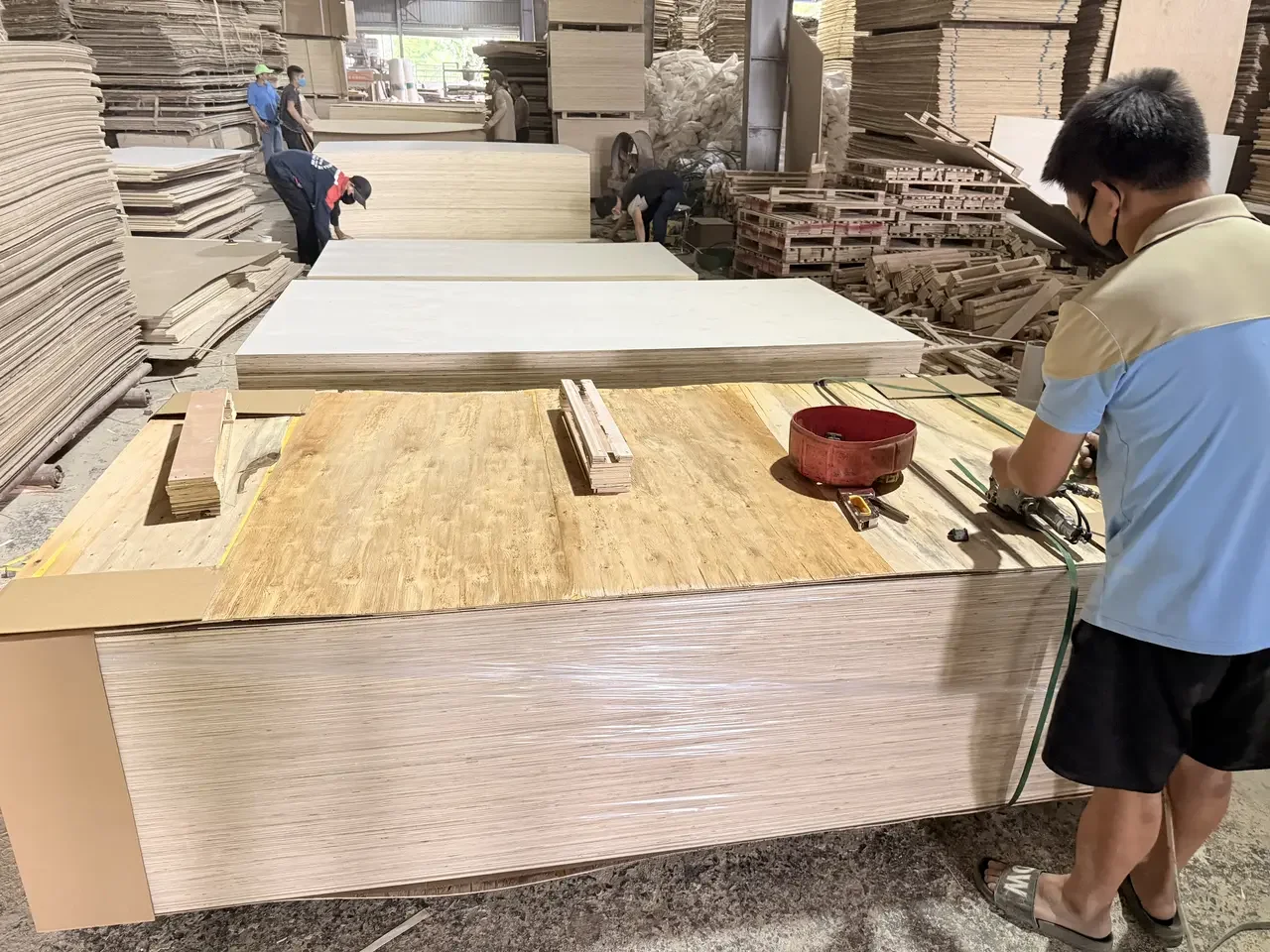
🌏 South Vietnam: What’s Actually Available
Southern Vietnam’s plywood industry operates on a fundamentally different model. Understanding this prevents sourcing errors — particularly over-relying on southern supplier claims about product specifications.
What the South produces:
- Trading companies purchasing northern-made panels and re-selling
- Limited manufacturing, primarily for domestic consumption
- Rubber wood plywood — South’s exclusive specialty
What the South cannot produce at competitive pricing:
- Styrax-core furniture plywood (species unavailable)
- Full-stitched premium panels at northern pricing (raw materials sourced from North, adding logistics cost)
- Film-faced plywood with premium AICA film at equivalent FOB prices
“We see buyers approach southern suppliers, receive samples that pass QC, then find their container-level deliveries differ from samples — because the southern company purchased from multiple northern mills rather than one controlled source,” notes David, Export Project Leader with 10+ years of experience placing orders across both regions.
Rubber Wood: The South’s Unique Offering
Rubber wood (Hevea brasiliensis) is harvested from plantation trees after their commercial latex lifespan ends — roughly 25–30 years. The timber is pale, dense, and reasonably stable for interior furniture applications.
Rubber wood facts:
- Density: comparable to eucalyptus core, higher than styrax
- Color: pale cream, similar to styrax but with distinct grain patterns
- Price: higher than styrax, higher than acacia — not cost-competitive for standard orders
- Availability: exclusively southern Vietnam (Binh Duong, Dong Nai provinces)
- Application fit: solid wood furniture, some lamination substrates — niche, not mainstream export
For most international buyers requiring furniture-grade or construction-grade plywood at export-competitive prices, rubber wood does not represent a better option than northern acacia or styrax.
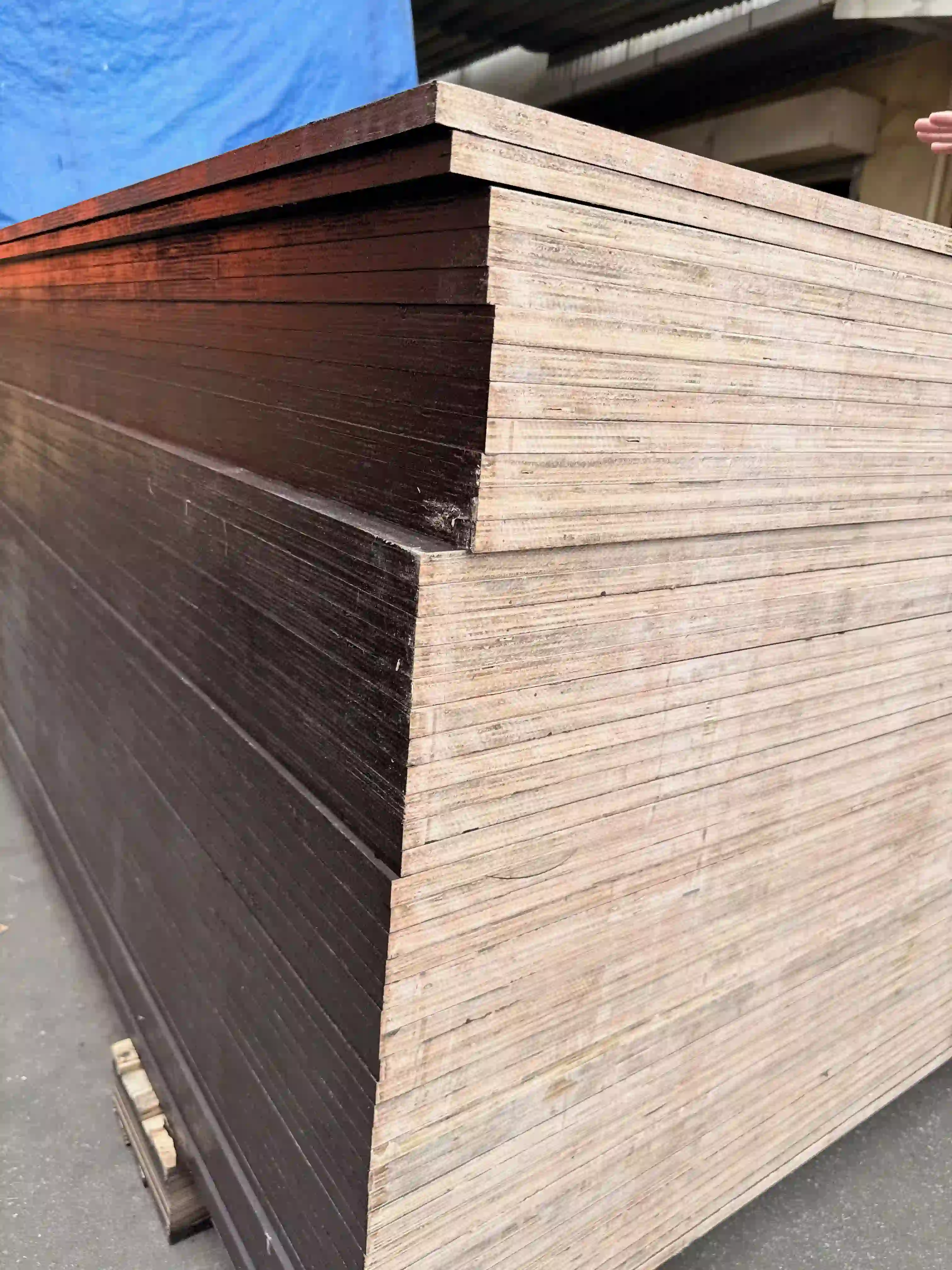
💰 Pricing: Why North Vietnam FOB Is Lower
The FOB price gap between equivalent northern and southern plywood is 10–20 USD/CBM. The structural reasons are worth understanding:
Raw material sourcing cost. Southern factories purchasing acacia or eucalyptus from northern suppliers pay transport costs across 1,000+ km. This adds USD 5–10/CBM to raw material cost before production begins.
Operating cost differential. Northern industrial provinces operate at lower overhead than Ho Chi Minh City and surrounding areas. Labor, utilities, and land costs are lower in Phu Tho or Yen Bai than in Binh Duong.
Export logistics. Cat Lai port (Ho Chi Minh City) and Hai Phong handle different freight routes and volumes. Major plywood export lanes — Europe, Northeast Asia, North America — are more efficiently served from Hai Phong. Southern exporters shipping to these markets pay higher freight or transit time.
VAT structure. Factories export directly without paying domestic VAT (8%). Southern trading companies buying from northern factories and re-selling absorb this VAT cost. As explained in the Vietnam plywood supplier types guide, this creates a structural price floor for southern traders that direct northern manufacturers do not have.
📋 Side-by-Side: North vs South Vietnam Plywood Suppliers
| Factor | North Vietnam | South Vietnam |
|---|---|---|
| Export share | 80%+ | <20% |
| Core species | Acacia, eucalyptus, styrax | Acacia, eucalyptus, rubber wood |
| Styrax availability | Yes — northern exclusive | No |
| Primary port | Hai Phong | Cat Lai (HCMC) |
| Factory types | All 4 segments | Mostly trading + limited mfg |
| FOB price level | Lower (source proximity) | 10–20 USD/CBM higher |
| Premium furniture plywood | Full range available | Limited, sourced from North |
| Film-faced (premium) | Available — AICA film | Limited availability |
| Certification stack | FSC, CARB P2, CE, EUDR, ISO | Variable — depends on northern mill used |
| Rubber wood | Not available | Southern specialty |
🔧 How This Affects Your Sourcing Decision
If you need furniture-grade plywood with E0 or CARB P2: Source from a northern manufacturer or verified northern facility. The full certification stack — FSC, CARB P2, CE, EUDR, ISO 9001 — is only consistently available at premium northern factories. Verify that your supplier’s certifications are issued to the actual production facility, not a trading entity.
If you need styrax-core panels: Non-negotiable: source from North Vietnam. No southern factory produces styrax-core plywood. If a supplier offers “lightweight furniture plywood” from the South without specifying core species, ask explicitly whether it is styrax. The answer will clarify the supply chain.
If you need film-faced construction plywood for European or Korean markets: Northern factories using AICA phenolic film achieve 15+ reuse cycles with CE and FSC documentation. Southern film-faced production typically uses lower-grade film (4–8 reuse cycles) without CE marking.
If you are price-driven and need commercial or packing grade: Both northern and southern suppliers can serve this segment. Verify core species (acacia vs rubber wood), glue type (MR, E1 or E2 emission), and whether the supplier has actual production control or is purchasing from northern mills. Even for budget grades, purchasing from the northern source factory gives you the clearest QC chain.
Get a Free Factory-Direct Quote from Northern Vietnam
No commitment required. Lucy responds within 24 hours with FOB pricing and sample availability.
🏭 The Northern Vietnam Factory-Direct Model
HCPLY manages 3 specialized production facilities in Northern Vietnam, all in Phu Tho Province — approximately 80 km from Hai Phong port. Each facility is purpose-built for its product segment:
- Premium furniture facility — styrax/eucalyptus core, full stitched, E0, sanded, birch/okoume/EV face options
- Commercial/packing facility — acacia core, MR glue, E1/E2, competitive pricing for Indian and Southeast Asian markets
- Premium film-faced facility — AICA film, phenolic WBP, 15+ reuse, CE/FSC certified
This structure means buyers access all three product segments through one contact point — with factory-direct documentation and pricing on each. No southern markup, no OEM intermediary, no specification switching between sample and production run.
For a full overview of how product specifications translate to container capacity, see the plywood container packing calculation guide.
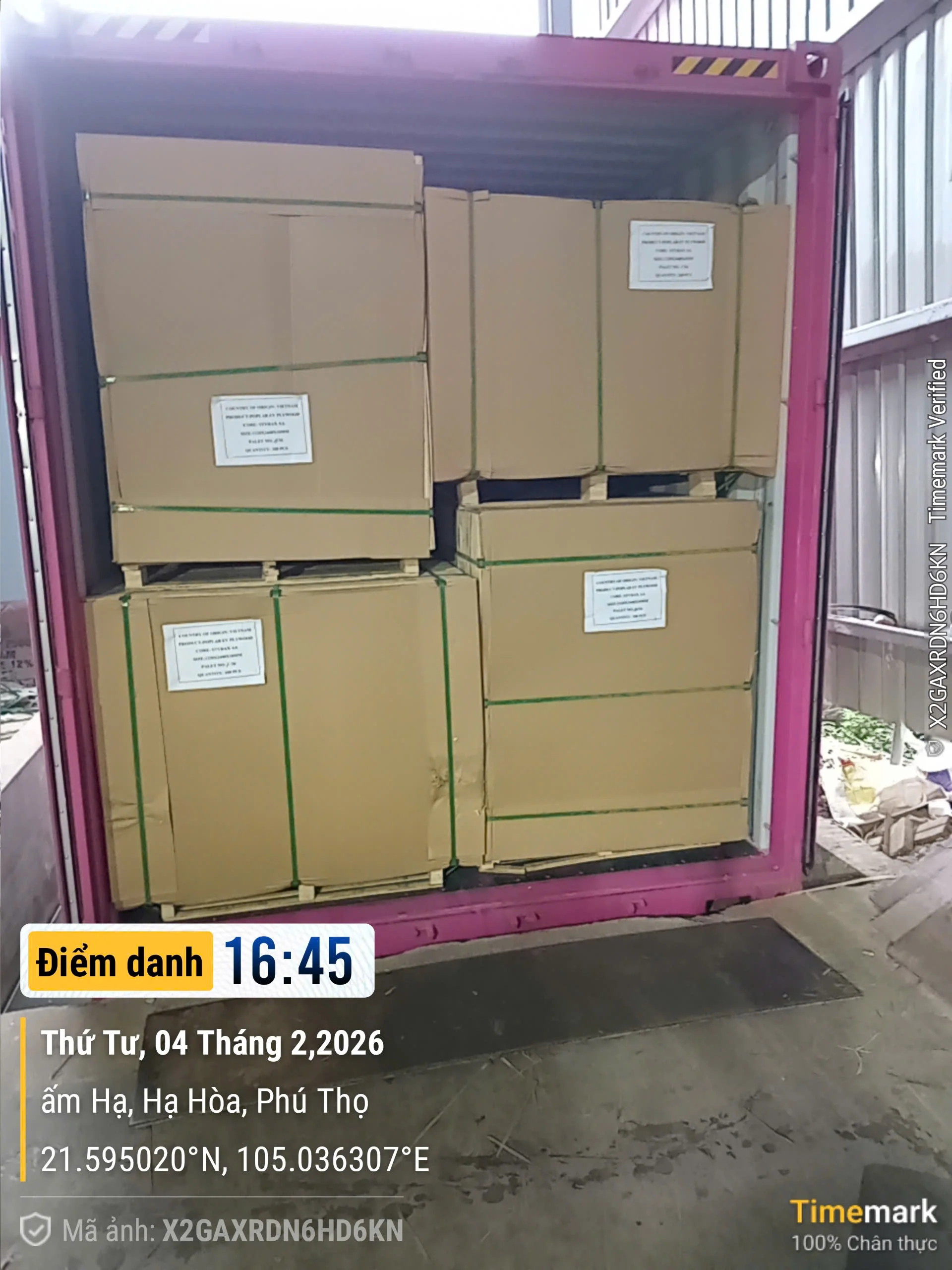
📐 Verifying Your Supplier’s Regional Origin
Many suppliers market themselves as “Vietnam plywood factory” without clarifying geographic origin. For buyers, the following checks identify northern versus southern supply chains:
-
Ask for the factory address. Northern factories are in Phu Tho, Yen Bai, Bac Ninh, Bac Giang, Tuyen Quang, Ha Noi suburbs. Southern factories are in Binh Duong, Dong Nai, Long An, or HCMC.
-
Ask the loading port. Northern suppliers load at Hai Phong. Southern suppliers load at Cat Lai or ICD Truong Tho. If a supplier claims northern origin but loads at Cat Lai, they are a trading company.
-
Request FSC certificate. The FSC certificate number must match the factory entity on your invoice and Bill of Lading. A trading company may show an FSC certificate that belongs to a third-party northern factory — valid for the audit but not binding for your order’s actual production control.
-
Request core species specification in writing. Ask for written confirmation: “Core species: styrax (Styrax tonkinensis), density 480–500 kg/m³.” A southern supplier cannot confirm styrax at factory-competitive pricing because they do not have access to the species.
✅ Key Takeaways for International Buyers
- 80%+ of Vietnam’s plywood export volume originates from Northern Vietnam — this is where established factories, certifications, and raw material access concentrate.
- Styrax core is a northern exclusive. Lightweight furniture-grade plywood (480–500 kg/m³) requires northern supply.
- Southern suppliers are predominantly trading companies reselling northern-made goods, carrying structural price premiums from raw material logistics and VAT.
- FOB price gap is 10–20 USD/CBM for equivalent specifications between northern and southern sources.
- Rubber wood is a southern specialty — niche, higher cost, not a mainstream export product.
- Verify origin through factory address, loading port, and core species specification before committing to a large order.
The vietnam plywood regional difference between North and South is not a detail — it is the foundation of a sourcing decision. For the complete picture of how Vietnamese suppliers are structured across trading companies, manufacturers, brokers, and multi-facility operators, the Vietnam plywood regional geography guide covers province-level detail on factory concentration and plantation zones. Also see our top 10 Vietnam plywood suppliers ranking and the complete guide to buying plywood from Vietnam. Browse HCPLY’s factory-direct product catalog to compare specifications.
Disclosure: This article is published by HCPLY, a Vietnam-based plywood manufacturer and export operator. While we aim to provide objective industry guidance, readers should consider our perspective as a market participant when evaluating recommendations.
Contact HCPLY Now for Factory-Direct Pricing — 3 production facilities in Northern Vietnam, direct FOB documentation, FSC and CARB P2 available.