


Independent inspection is how a buyer turns trust into evidence. A factory can describe its quality all day, but a third-party report from a firm like SGS or Intertek puts a neutral signature on what actually loaded. The question is not whether inspection is good — it is when it earns its cost, and how it sits alongside the factory’s own records.
This guide is practical, not promotional. Read it with our pre-shipment inspection guide and the complete buyer guide.
SGS and Intertek are the two names buyers mention most, but the principle applies to any accredited inspection firm: an independent party checks the goods against an agreed standard and signs a dated report. The value is in the independence and the documented criteria, not the logo. What follows is how to use that service well — and when a lighter-touch option is enough.
What a pre-shipment inspection covers
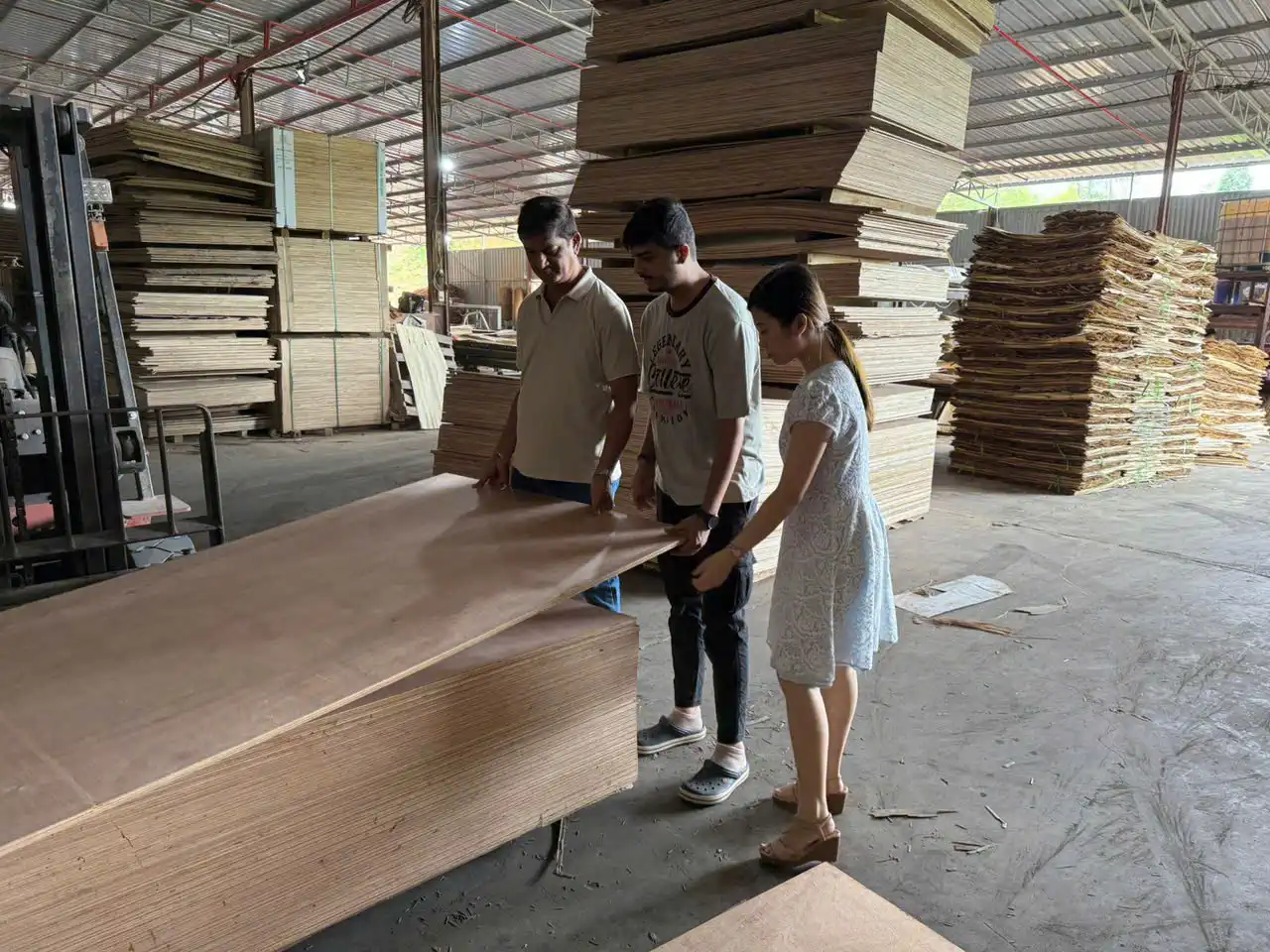
A standard pre-shipment inspection (PSI) checks the goods against your purchase order before the container seals. A typical scope includes:
- Quantity — sheet count against the packing list.
- Dimensions and thickness — measured with a gauge, against tolerance.
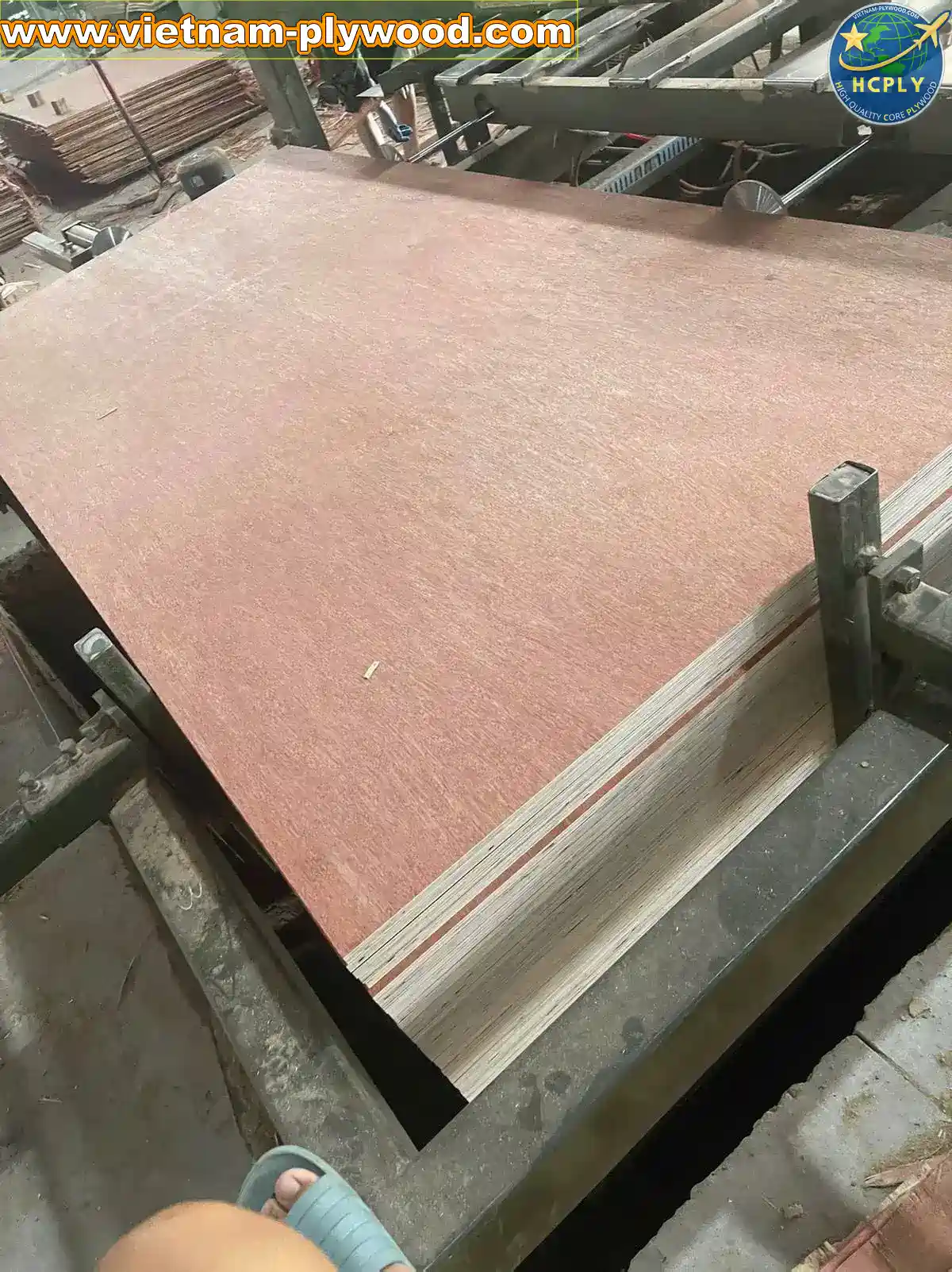
- Visual face quality — surface defects, repairs, grade conformity.
- Moisture — readings within the agreed range.
- Packing and labelling — pallets, wrapping, marks and shipping labels.
The output is a dated report with photos that you can act on before the goods leave.
How it complements factory QC
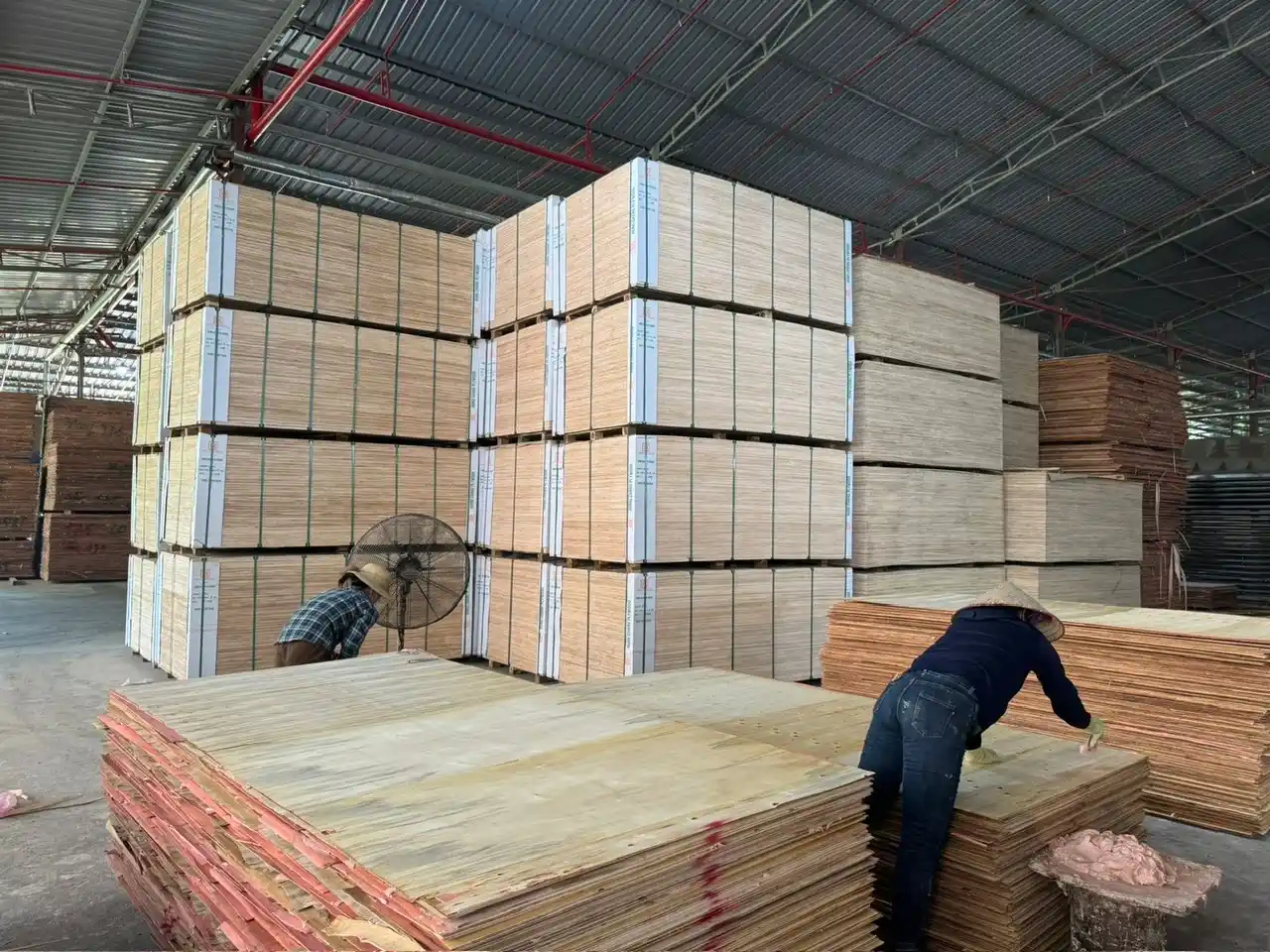
Independent inspection is strongest when it sits on top of good factory records, not instead of them. A factory that rejects defects on its own floor keeps claims low — ours stays below 2% — and can hand the inspector thickness logs, moisture readings and bondline notes to sample against. See how that runs on our quality control page. When the factory’s own data and the third-party report agree, a buyer has real confidence.
Specify the acceptance criteria first
An inspection is only as good as the standard it checks against. Before booking SGS or Intertek, agree the acceptance criteria in writing: thickness tolerance (we hold ±0.2mm for furniture grade against an industry ±0.3–0.5mm), allowable face defects, moisture range, and the sampling level. Without an agreed standard, an inspector and a supplier can both be “right” and still disagree.
When independent inspection is worth it
For a first order or a large contract, a PSI is sensible insurance. For a trial order, a lower-cost alternative is a live video walkthrough with the factory: the gauge on camera, date-stamped batch photos, and the loading recorded. A factory-direct Vietnam plywood manufacturer can offer either. For established relationships, many buyers move to periodic spot checks.
Budgeting and booking
The buyer normally commissions and pays for independent inspection, usually as a fixed fee per man-day that scales with volume and location; some suppliers share the cost on a first order. Book early so the inspection window matches the production schedule — a last-minute booking can delay loading and the vessel.
Where inspection fits in the order timeline
Timing decides whether an inspection helps or just adds delay. A during-production inspection catches a problem while there is still time to correct it, which suits a large or first order. A pre-shipment inspection happens when the order is complete and before the container seals — the most common point, because it reflects what will actually load. A loading supervision confirms the inspected goods are the goods that go into the container, closing the gap between report and shipment. Slotting the inspection into the production schedule early, rather than booking it the day before loading, is what keeps it from pushing the vessel and adding demurrage.
The video walkthrough alternative for trials
For a trial order, a full third-party inspection can cost more than the risk it covers. A live video walkthrough is a practical middle ground: the factory films the gauge measuring thickness on camera, shows date-stamped batch photos, reads the moisture meter, and records the loading. It is not a substitute for independent inspection on a large contract, but for a first small order it gives real evidence at no extra fee. A factory-direct manufacturer can offer this because it controls the floor; a reseller cannot film a line it does not run. As trust builds across orders, many buyers step down from full inspection to periodic spot checks.
A simple inspection plan
Decide the level by order stage: independent PSI for first orders and large contracts, video walkthrough for trials, spot checks once trust is established. Agree the acceptance criteria in writing first, and ask the factory for its own QC records to compare against. To arrange a factory inspection or a live video walkthrough for your order, send your details through our contact page.