

Plywood density is set by the core, not the face. A birch-faced panel on styrax core weighs roughly 25–30% less than the same panel on full birch core — and that gap shapes everything from furniture ergonomics to container loading economics.
This comparison addresses the most common question HCPLY receives from European and North American furniture buyers: why does “birch plywood from Vietnam” weigh less than Baltic birch? The answer is core species. Vietnam does not produce birch core. Styrax is the established substitute — and for most furniture applications, the technical difference is smaller than buyers expect.
📊 TL;DR: Styrax vs Birch Core — Key Numbers
| Property | Styrax Core | Full Birch Core |
|---|---|---|
| Density | 480–500 kg/m³ | 650–680 kg/m³ |
| Weight difference | Baseline | +30–40% heavier |
| Origin | Northern Vietnam (plantation) | Russia, Finland, Eastern Europe |
| Availability in Vietnam | Full production | Face veneer only — no core |
| Container loading (18mm, 40HC) | 18 pallets / ~53 CBM | N/A (not produced in VN) |
| Typical applications | Furniture, cabinets, interiors | Furniture, cabinets, flooring |
| Face grades available | D/E/F birch face veneer | D/E/F birch face veneer |
| Price position | Mid-range | Premium (source: Baltic/Scandinavian mills) |
⚠️ Important: In the Vietnamese plywood market, “birch plywood” means birch face veneer on a local core — almost always styrax. Full birch-core panels are not manufactured in Vietnam. If your specification requires Baltic birch (full birch construction), source from Finnish or Russian mills.
🔍 What Determines Plywood Density?
Plywood density: The weight (kg) per cubic metre (m³) of a finished panel, measured at standard moisture content (≈8–10%).
Density in plywood is almost entirely determined by the core species — the inner veneer layers that make up 70–85% of panel volume. Face veneer at 0.2–0.4mm thickness contributes marginally to total weight. This is why HCPLY’s technical team always specifies density by core type, never by face species.
The three commercial core species from Vietnamese factories:
- Acacia: ~580 kg/m³ — budget grade, dark coloring, most affordable
- Styrax: 480–500 kg/m³ — lightest, pale color, birch substitute for furniture
- Eucalyptus: 650–750 kg/m³ — heaviest, strongest, for construction and premium structural use
(HCPLY production data, 2026)
Full birch core from Baltic or Scandinavian sources runs 650–680 kg/m³ (PEFC Reference Density Values for Wood Species, 2023). Baltic birch panels are documented at 620–700 kg/m³ depending on moisture and ply count (Woodworkers Source, 2023). This is why a Vietnamese “birch plywood” panel on styrax core feels noticeably lighter than an equivalent Baltic birch panel — the core species differ by 150–200 kg/m³.
🌳 Styrax Core: The Birch Alternative Vietnam Actually Produces
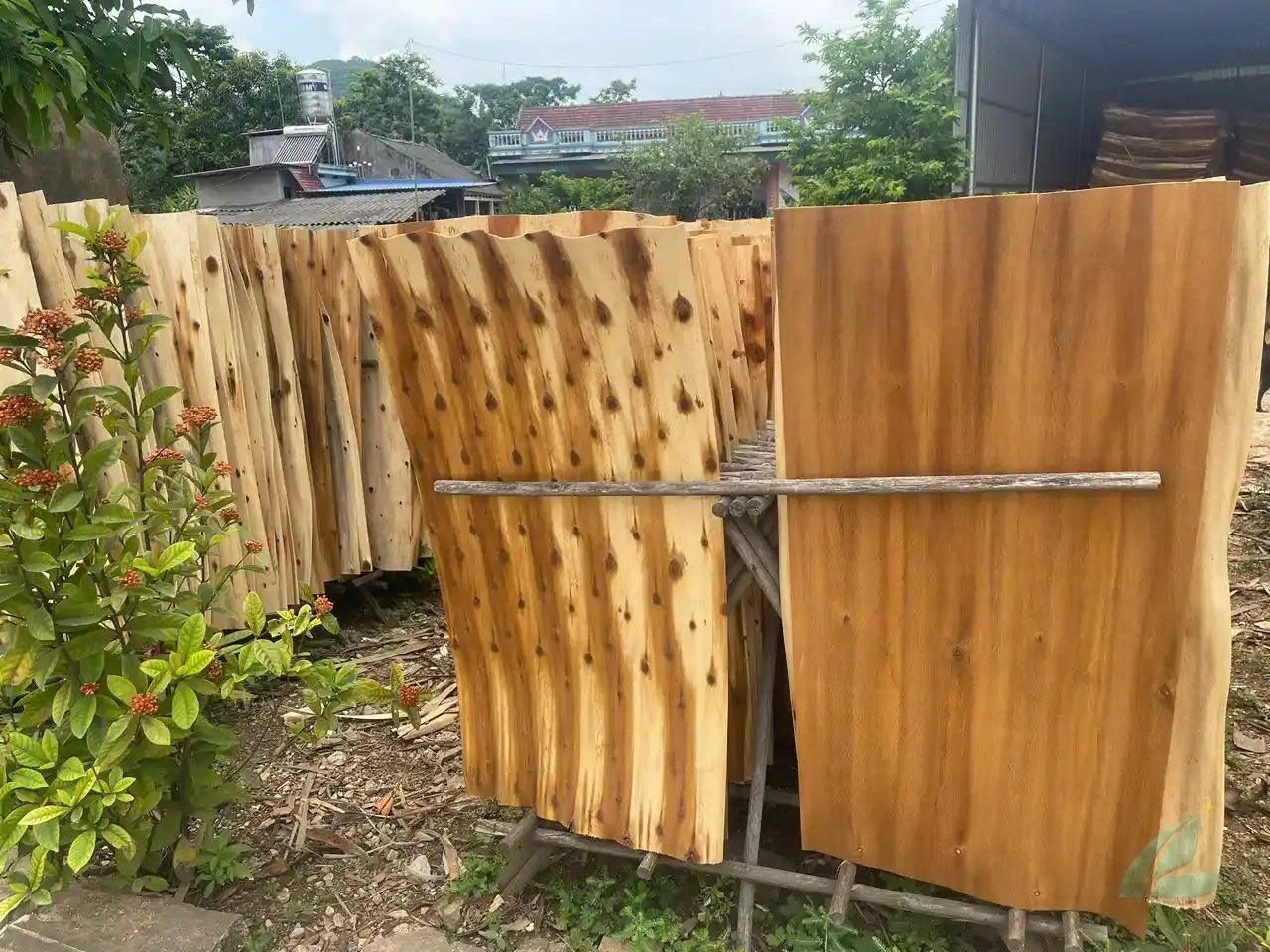
Styrax (Vietnamese: bồ đề, botanical: Styrax tonkinensis) is a fast-growing plantation species concentrated in Northern Vietnam — particularly Phú Thọ, Tuyên Quang, and Yên Bái provinces. It does not grow in the South.
📌 Why Styrax Became the Default Birch Substitute
Three physical properties make styrax the natural replacement for birch core in furniture manufacturing:
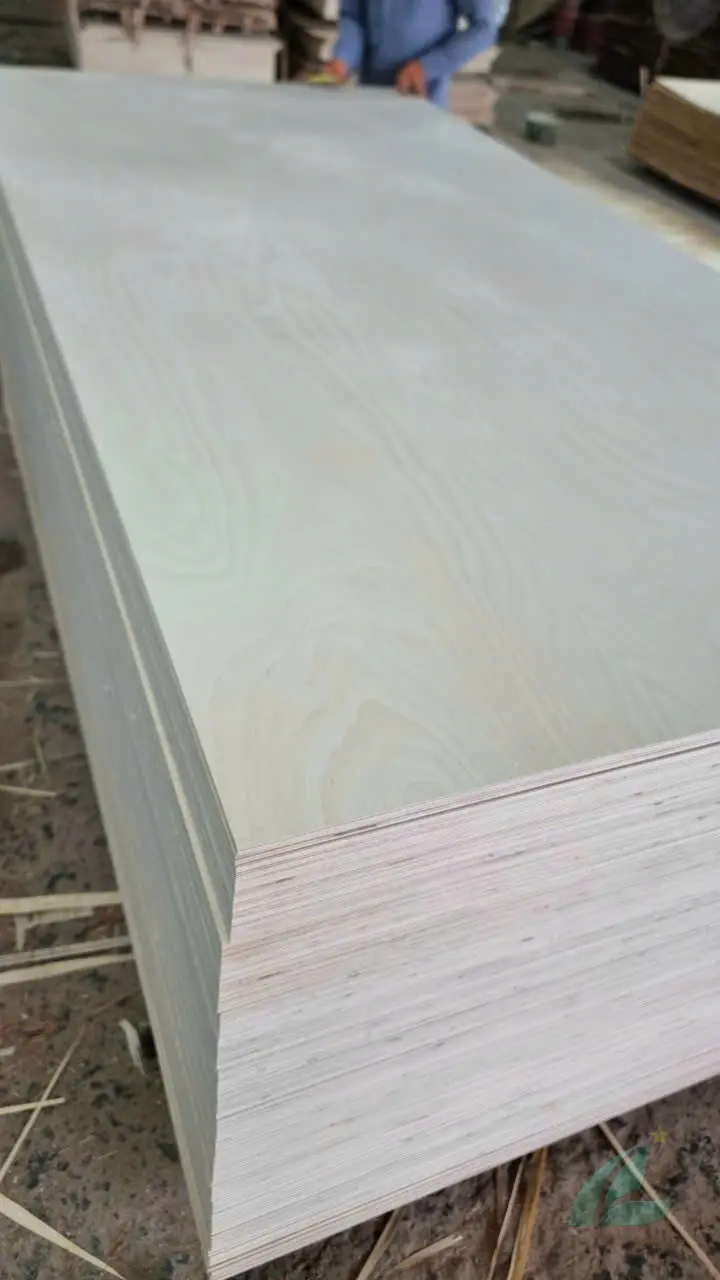
- Pale color: Styrax core is white to cream-colored, matching birch’s visual profile. This matters for visible panel edges in high-end cabinet work.
- Low density: At 480–500 kg/m³, styrax produces panels that feel “birch-like” to handling crews and end users — lighter than acacia or eucalyptus alternatives.
- Dimensional stability: Styrax core panels resist warping under humidity cycling, critical for flat-pack furniture and door panels shipped across climate zones.
Premium furniture factories in Northern Vietnam — including HCPLY’s furniture-grade production facility — use styrax as the standard core for all export-grade furniture plywood. Full stitched core construction (all layers joined edge-to-edge with no gaps) is the quality benchmark at this segment.
“For European furniture buyers asking about birch plywood, the practical answer is: styrax core with birch face performs at the same level for 95% of furniture applications, at 20–25% lower panel weight. The cases where Baltic birch genuinely outperforms are structural — multi-layer shelving with heavy point loads, or precision tooling applications where dimensional tolerance below ±0.3mm is critical.” — Lucy, International Sales Manager, HCPLY
Learn about all three Vietnamese core species — acacia, eucalyptus, and styrax compared by application.
⚖️ How Density Affects Furniture Panel Performance
Weight per Sheet (18mm, 1220×2440mm)
| Core | Density | Panel weight (18mm, 1220×2440) |
|---|---|---|
| Styrax | 490 kg/m³ (mid-range) | ~26.4 kg/sheet |
| Full birch (Baltic) | 665 kg/m³ (mid-range) | ~35.8 kg/sheet |
| Eucalyptus | 700 kg/m³ | ~37.6 kg/sheet |
Formula: Weight = Thickness(m) × 1.22 × 2.44 × Density
At 18mm, a styrax-core birch panel weighs ~26 kg — comfortably within one-person handling limits for installation. The same panel on full birch core approaches 36 kg, pushing into two-person territory for ceiling installations and tall cabinet units.
For flat-pack furniture manufacturers, panel weight directly affects per-carton shipping cost to end markets. A 10 kg/panel difference across 500 units per container is 5,000 kg — meaningful at today’s air freight rates.
Screw-Holding and Edge Strength
Higher density generally correlates with better screw-holding. Full birch core (650–680 kg/m³) holds hardware marginally better than styrax core (480–500 kg/m³) under mechanical testing. For standard cam locks, dowels, and wood screws used in furniture assembly, styrax core performs adequately — HCPLY has exported millions of CBM of styrax-core furniture plywood to EU, Korean, and Japanese markets without screw-holding failures reported under standard end-use.
Where density advantage matters: heavy bookshelf applications (>30 kg per shelf load), office desks with server equipment, and precision CNC-routed components where dimensional creep under sustained load is a concern. For these applications, HCPLY recommends eucalyptus core or full discussion of structural requirements before specification.
Surface Flatness and Sanding Response
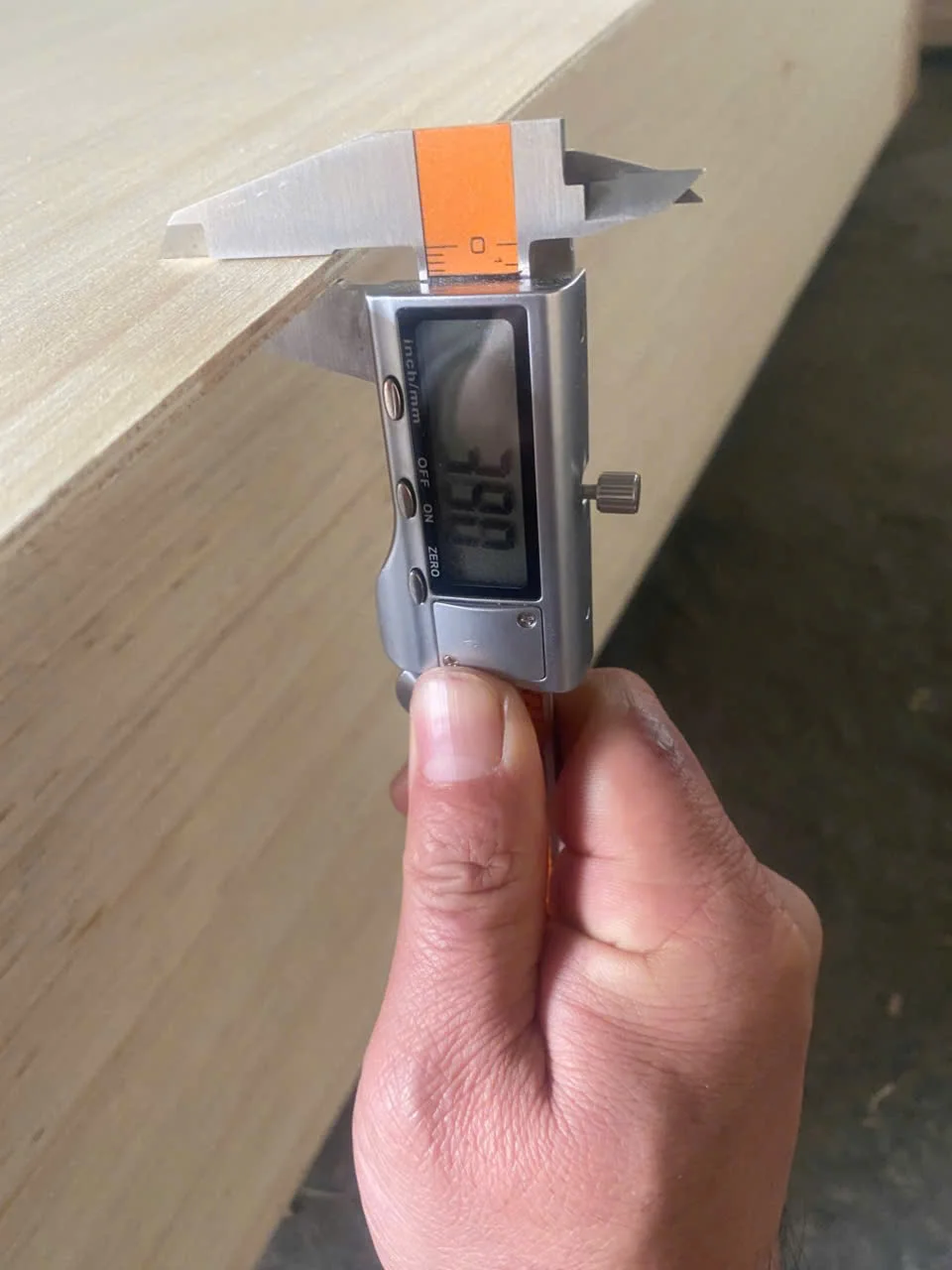
Styrax core accepts calibration sanding well due to its uniform grain structure. Premium furniture-grade panels from HCPLY’s styrax facility are double-side sanded to ±0.3mm thickness tolerance, meeting Japanese and Korean import specifications. Full birch core sands similarly.
📦 Container Loading: Where Density Has Direct Economic Impact
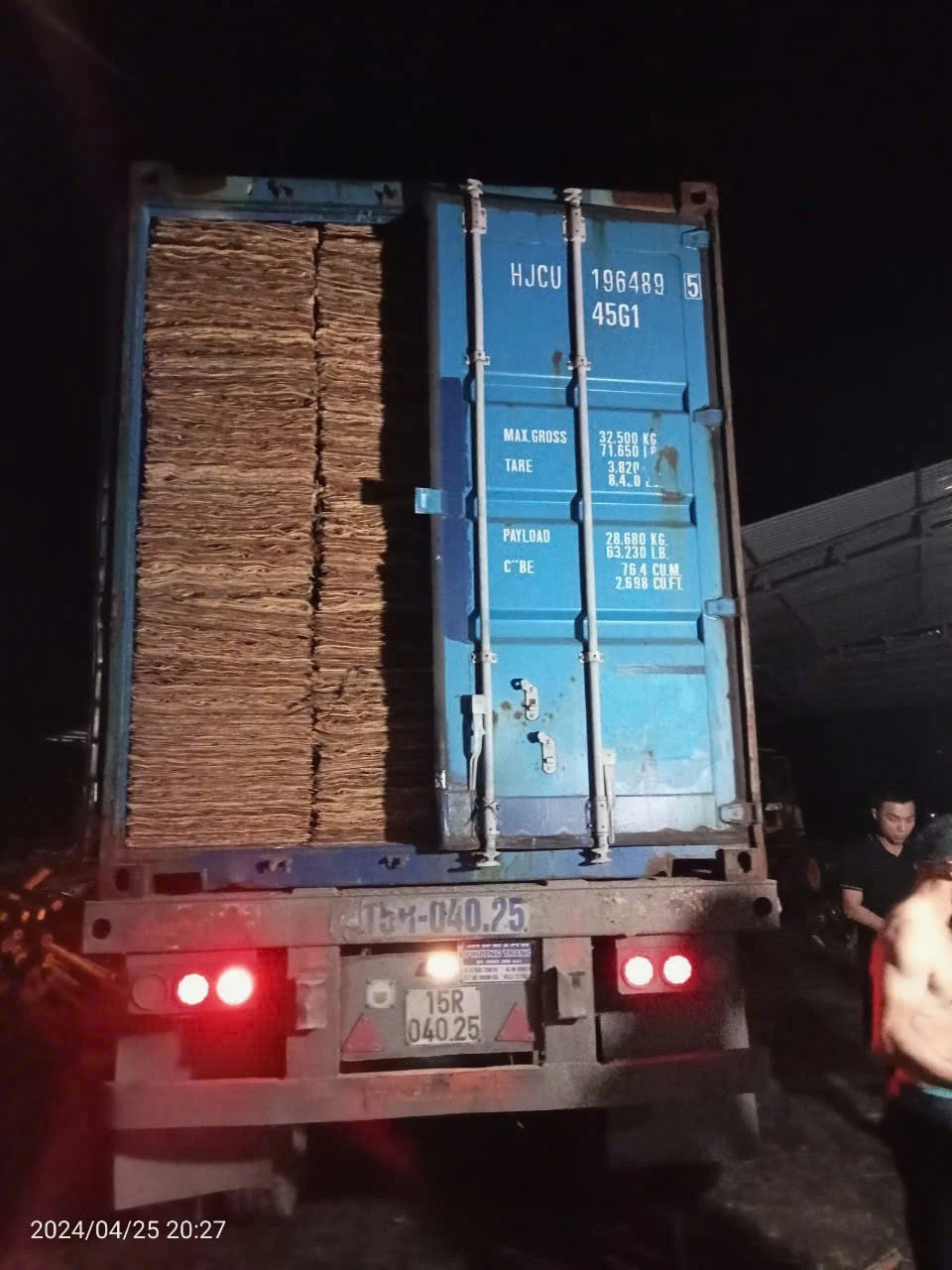
Density determines how many pallets fit in a 40HC container before hitting the 28.5 MT payload limit. This is where the styrax vs birch core density gap has the clearest commercial consequence for importers.
| Core | Density used for calc | Pallets/40HC | CBM/40HC | Weight/40HC |
|---|---|---|---|---|
| Styrax | 500 kg/m³ | 18 pallets | ~53 CBM | ~26.5 MT |
| Acacia | 580 kg/m³ | 16 pallets | ~47.5 CBM | ~27.5 MT |
| Eucalyptus | 700 kg/m³ | 15 pallets | ~44.5 CBM | ~28 MT |
(HCPLY factory packing data, 2026. Based on 1220×2440mm sheets, 1000mm pallet stack height.)
Styrax loads 18 pallets vs eucalyptus’s 15 — a 20% CBM advantage per container. Across a 10-container order, that difference equals 2 additional containers’ worth of product at the same freight cost on styrax. See the full container loading calculation methodology with thickness-by-thickness tables.
💡 Tip: If your specification allows either styrax or eucalyptus core and the application is furniture (not structural), specifying styrax maximizes container efficiency and reduces landed cost per panel. This is a commonly overlooked optimization in buyer specifications.
Read: Styrax core plywood container loading — why styrax maximizes CBM at 18 pallets
🏭 Vietnam’s Production Reality: No Birch Core Exists Here
This section matters for buyers who have received “100% birch plywood” quotes from Vietnamese suppliers. Full birch core — all-birch construction like Baltic birch — is not produced in Vietnam.
Why: Birch trees (Betula species) do not grow commercially in Vietnam. The climate and latitude do not support plantation-scale birch forestry. All birch in Vietnamese plywood is imported face veneer, peeled and processed in Europe or Russia before shipping to Vietnam.
Vietnamese production reality:
- Face veneer: Imported birch veneer (graded D/E/F — there are no A, B, or C grades in Vietnamese birch)
- Core: Styrax (standard for furniture segment), acacia, or eucalyptus — all grown locally
- Construction: Full stitched core at premium facilities; edge-jointed or loose-laid at budget facilities
When a Vietnamese supplier quotes “birch plywood,” confirm the core species. A legitimate answer is styrax, eucalyptus, or acacia. “Birch core” as the answer indicates either a misunderstanding or misrepresentation.
See how Vietnam produces birch face plywood on local cores — full explanation of the imported face + local core production model.
📐 Choosing the Right Core for Your Specification
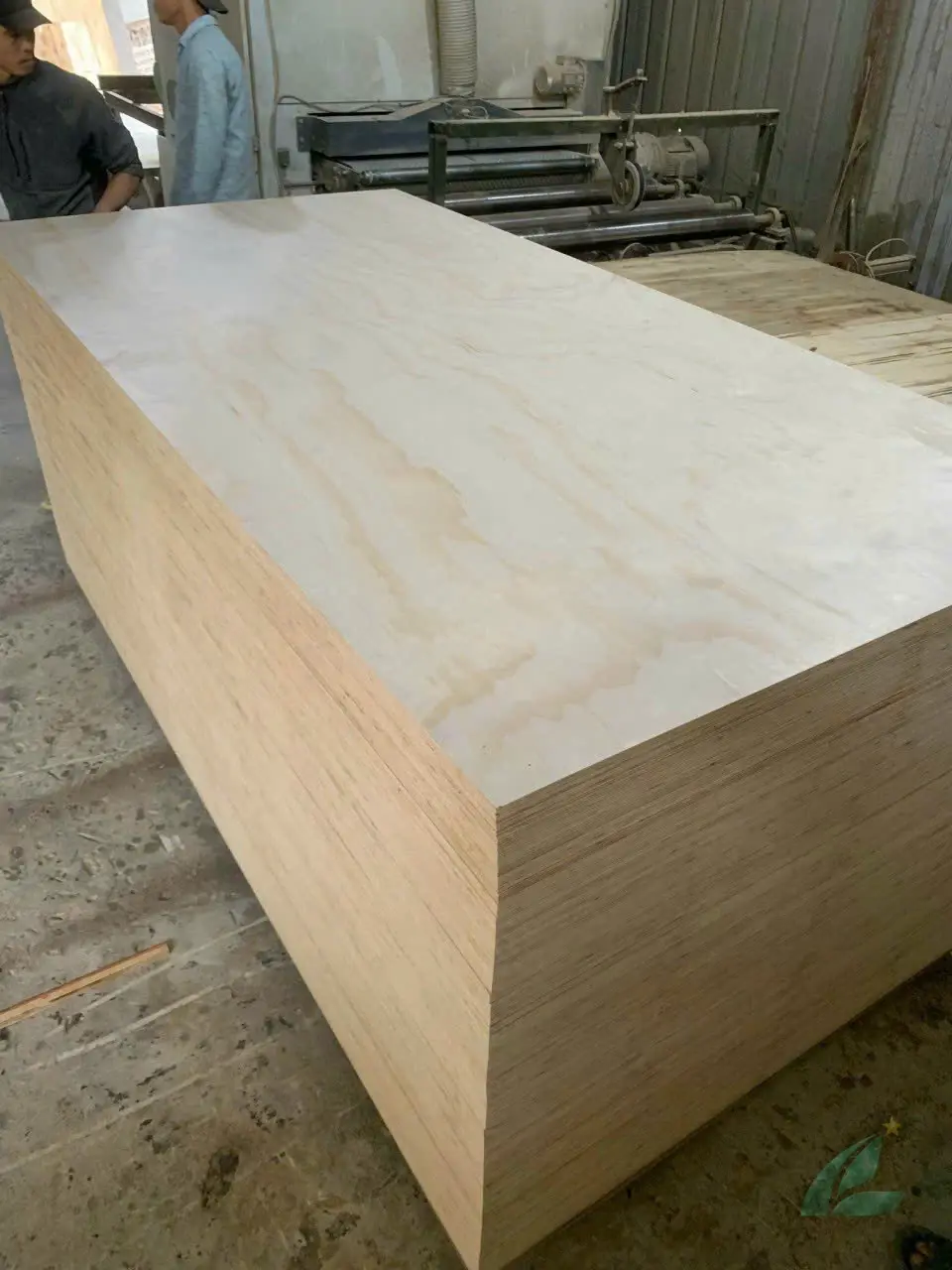
Use styrax core when:
- Application is furniture, cabinets, interior joinery, flat-pack
- Lightweight panels preferred (one-person handling, air freight, flat-pack shipment weight optimization)
- E0/CARB P2 emission compliance required (all HCPLY furniture-segment production)
- European or East Asian market destination where lightweight-premium positioning applies
- Face species: birch D/E, okoume, EV, pine, poplar
Use eucalyptus core when:
- Application is flooring substrate, structural panels, heavy-load shelving
- Maximum density and screw-holding required
- Thickness tolerance below ±0.3mm needed across panel face
- Construction or semi-structural use
Use acacia core when:
- Price sensitivity is primary driver
- Application: commercial grade furniture, packaging, film-faced plywood
- Emission: E1/E2 acceptable
- Budget markets: Southeast Asia, Africa, price-sensitive segments
HCPLY manages dedicated production facilities for each segment — the furniture facility (styrax/eucalyptus, E0, full stitched, sanded) and the commercial facility (acacia, MR, competitive pricing) operate independently with separate QC standards. Mixed-spec containers across both segments are available.
Request specifications and pricing for birch face on styrax core
✅ Conclusion: Density Is a Specification Choice, Not a Quality Shortcut
Styrax core at 480–500 kg/m³ is not a compromise — it is the technically correct choice for furniture-grade plywood destined for interior applications. The 25–30% weight advantage over full birch core (650–680 kg/m³) translates to real-world benefits: easier installation, optimized container loading, and lower landed cost per panel.
The key facts for buyers:
- Vietnam produces birch face veneer plywood, not birch core plywood
- Styrax is the established, production-proven birch core substitute used across all major Northern Vietnam premium furniture factories
- Density affects container economics significantly — 18 pallets (styrax) vs 15 pallets (eucalyptus) per 40HC
- For structural or heavy-load applications, specify eucalyptus core (650–750 kg/m³)
HCPLY exports birch-face styrax-core plywood to 30+ countries. Factory-direct pricing, FSC and CARB P2 certification, and full export documentation available on request.
Get a Free Quote for Birch Face Plywood on Styrax Core — specify thickness, size, face grade, and emission standard. Response within 24 hours.
Related reading:
- Plywood Core Types — Acacia vs Eucalyptus vs Styrax
- Styrax Core Plywood — Why Global Furniture Makers Choose It as Birch Alternative
- Plywood Weight per Sheet — Calculation by Core Type and Thickness
- Birch Plywood Vietnam — How Vietnam Makes Birch Plywood with Imported Face + Styrax Core
- Plywood Container Packing Calculation 40HC — Factory-Level Tables