

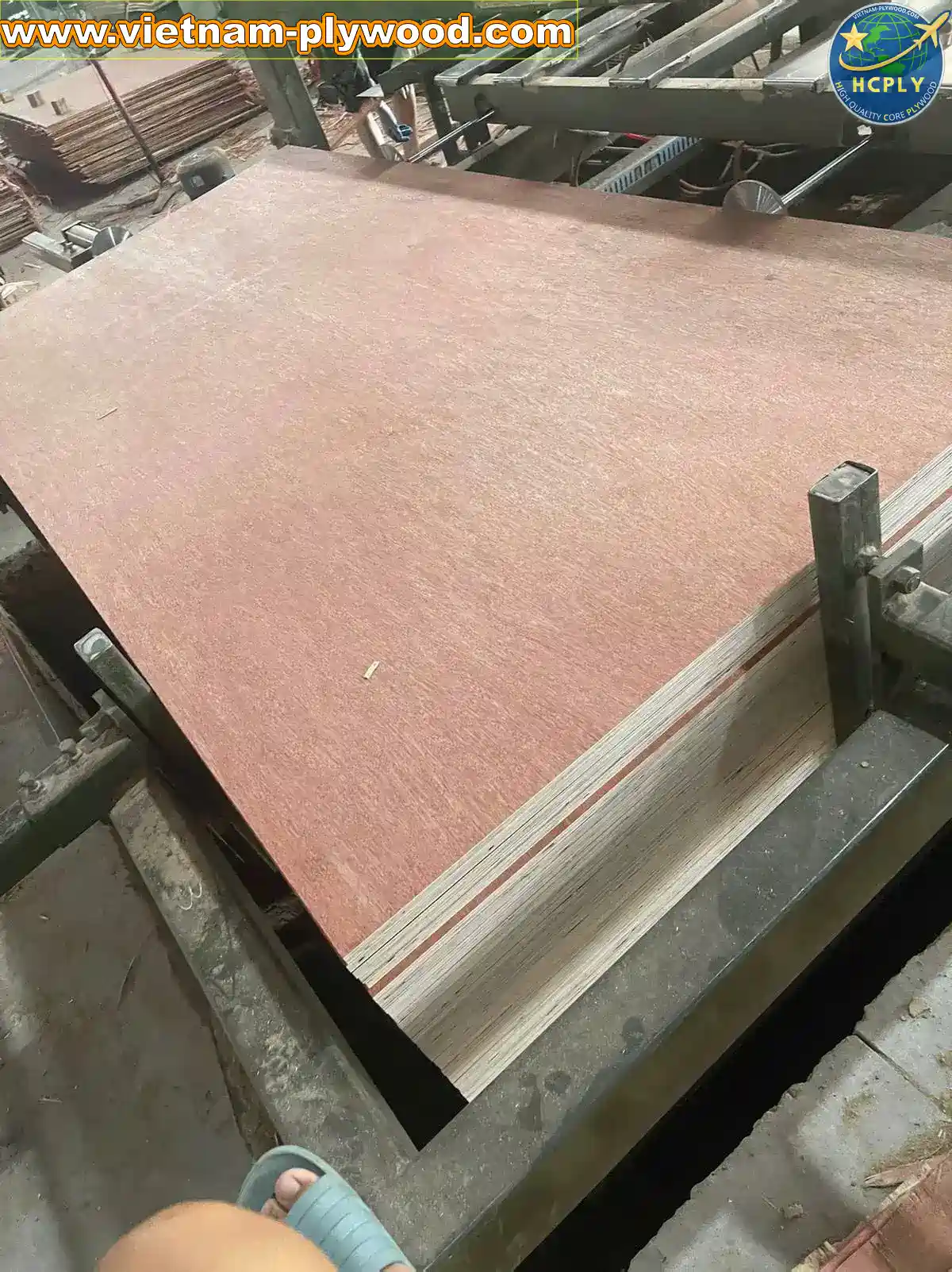
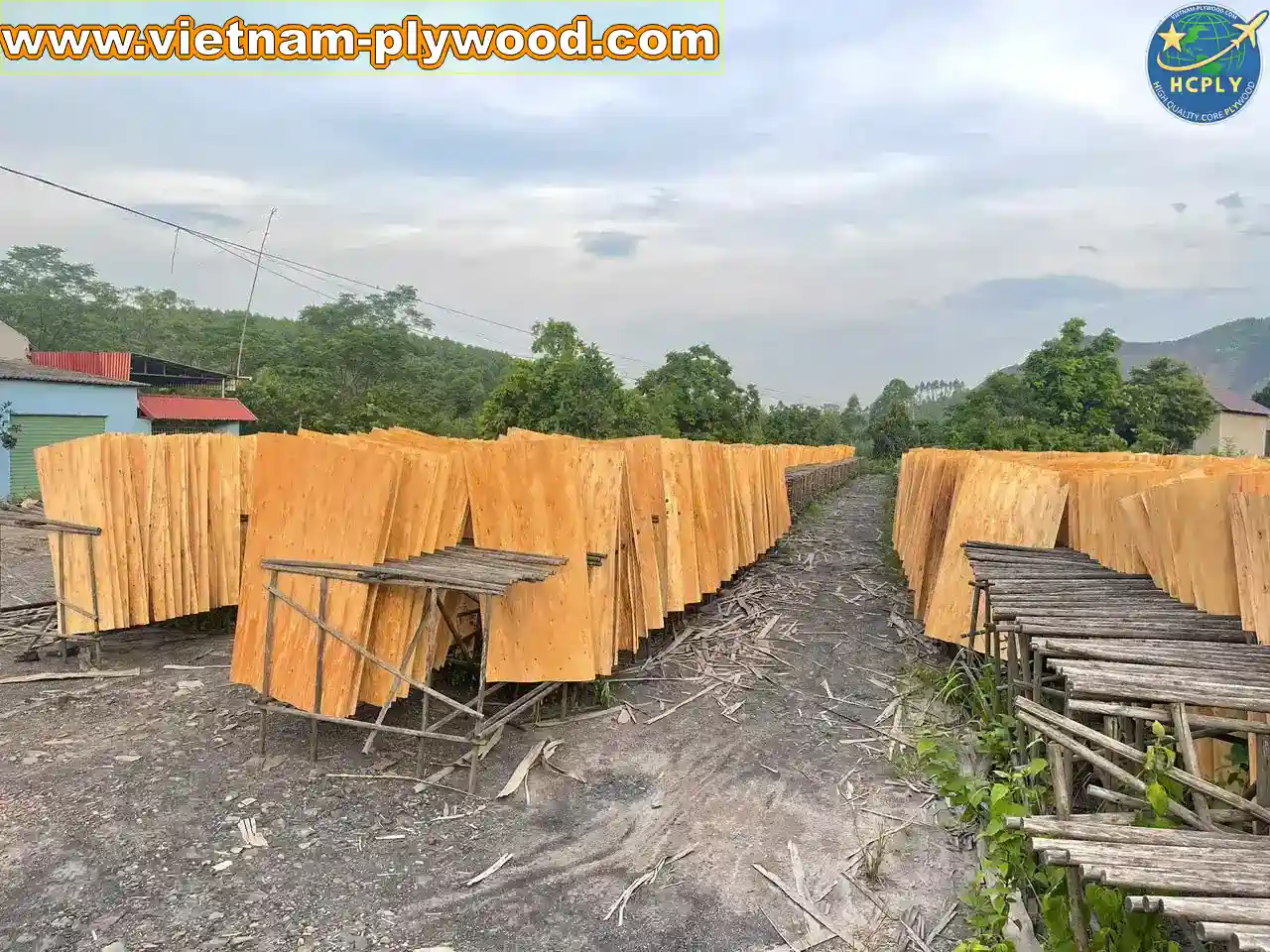

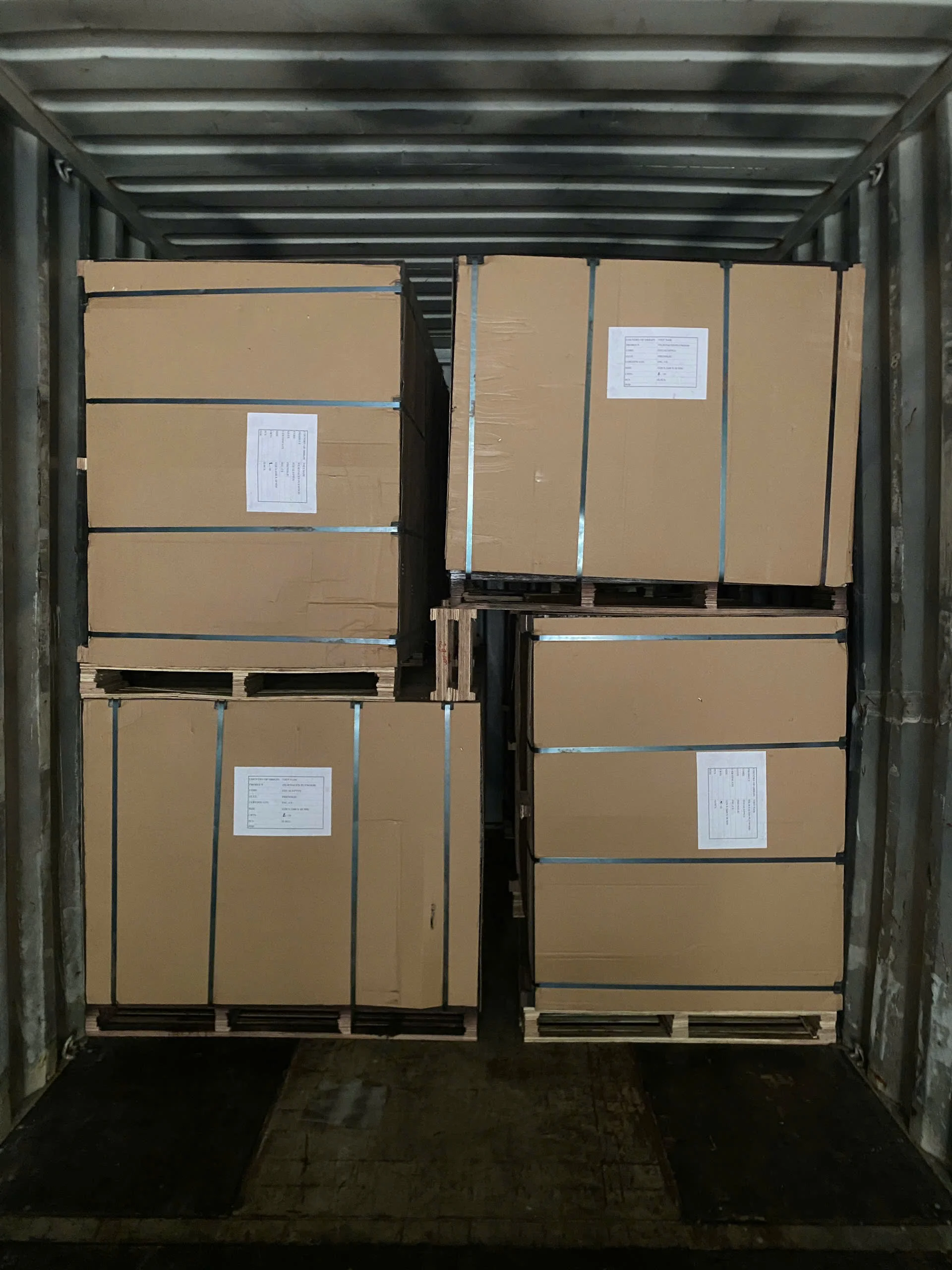
Importing plywood from Vietnam is straightforward when you know the sequence. Vietnam exported over $1.5 billion USD in plywood and wood panel products in 2024, making it one of the world’s top five plywood exporting nations (Vietnam Timber and Forest Product Association, VIFOREST, 2025). The process breaks into six phases: product specification, supplier vetting, price negotiation, documentation, customs clearance, and ongoing quality management.
This guide covers each phase with the specific details that experienced buyers use — not generic trade advice, but the actual steps that determine whether your first container arrives on time, at spec, and without costly customs delays.
📋 Phase 1: Define Your Product Specifications
Before contacting any supplier, write a clear product brief. Vague inquiries generate vague quotes — and vague quotes create invoice disputes at the back end.
Your spec sheet should include:
- Face veneer species: bintangor, okoume, birch, gurjan, eucalyptus, film-faced, or others
- Core species: acacia (~580 kg/m³), styrax (480–500 kg/m³), or eucalyptus (650–750 kg/m³). Note: styrax is exclusive to Northern Vietnam and the lightest option for maximizing CBM per container
- Glue type: Melamine (MR) for furniture and interior use; Phenolic (WBP) for construction and marine
- Emission standard: E0/CARB P2 for US/EU/Japan furniture; E1 for general Europe; E2 for packaging and construction
- Thickness: common commercial sizes are 3, 5, 9, 12, 15, 18, 21, 25mm (±0.3mm tolerance)
- Sheet size: 1220×2440mm (4×8 ft standard) or 1250×2500mm (metric European)
- Certifications required: FSC, CARB P2, CE, EUDR based on your destination market
⚠️ Important: Glue type and emission standard are two separate specifications. Melamine glue (MR) can be produced at E0 or E2. Phenolic (WBP) relates to water resistance, not formaldehyde emission. Mixing these in your spec sheet causes factories to quote the wrong product.
Locking specs before requesting quotes prevents you from comparing prices across incompatible products — the most common error among first-time importers from Vietnam.
🏭 Phase 2: Identify and Vet Suppliers
Vietnam’s plywood supply chain includes four supplier types. Understanding which type you are dealing with directly affects your price, quality consistency, and risk exposure (HCPLY production data, 2026).
| Supplier Type | Price Position | Quality Control | Risk |
|---|---|---|---|
| Trading company | +8–15% vs factory | Indirect only | Material substitution risk |
| Manufacturer-exporter | Factory direct | Direct, limited to own facility | Single-segment only |
| Broker/agent | +3–8% vs factory | Limited | Low transparency |
| Multi-facility operator (e.g. HCPLY) | Factory direct, no VAT | On-site team | Multi-segment flexibility |
“The single most important vetting question is not ‘do you have FSC?’ — it’s ‘can I visit your production facility?’ Suppliers who hesitate or redirect to a showroom instead of a factory floor warrant serious scrutiny.” — David, Export Project Leader, HCPLY (10+ years, India/South Asia specialist)
Vetting checklist:
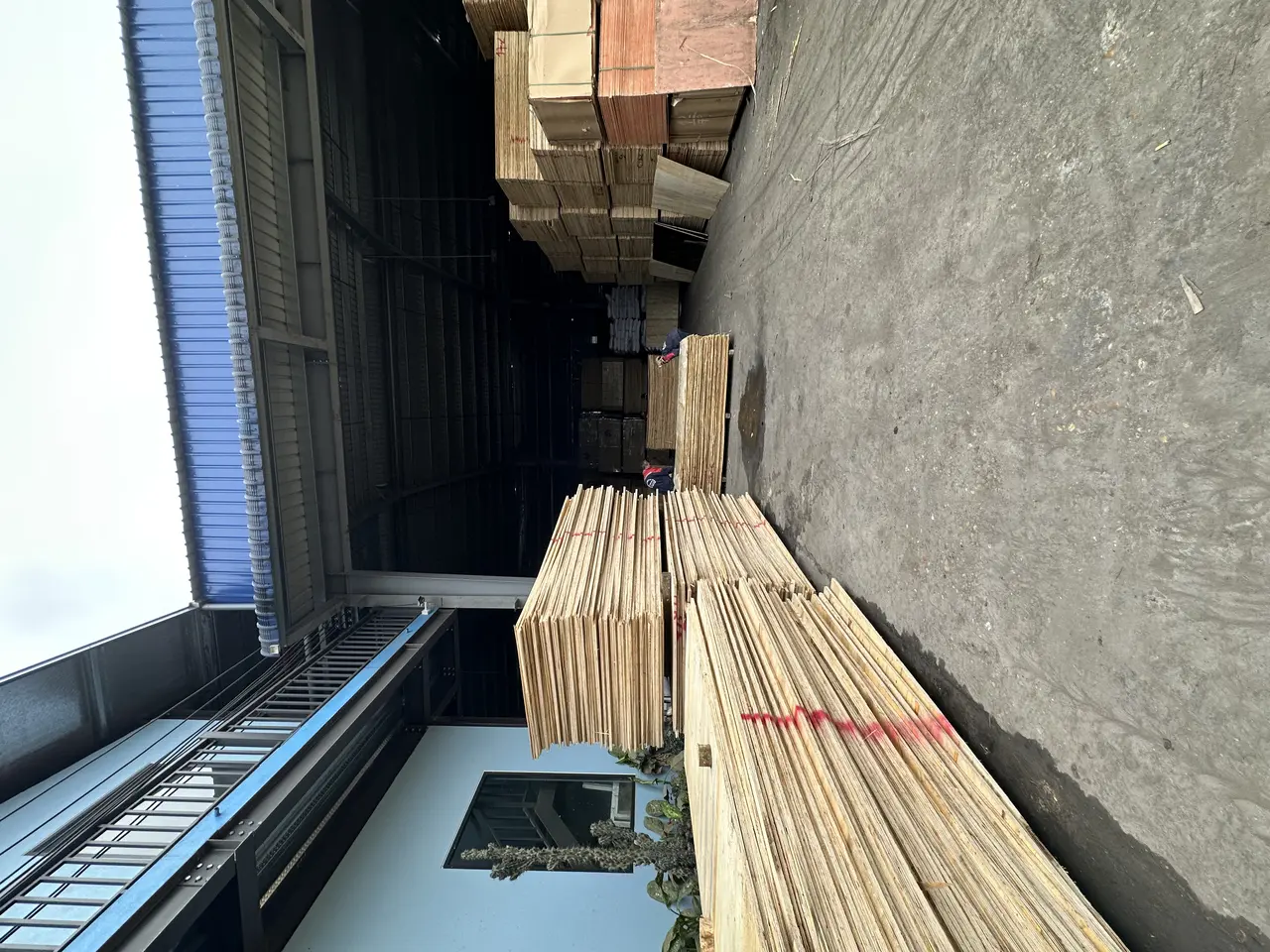
- Request factory audit photos or video (production line, hot press area, sanding line, QC station)
- Order physical samples — 2–3 sheets per spec, paid sample is acceptable
- Check if certifications are factory-level (not group certificates from a third party)
- Ask for a reference shipment B/L to verify they have exported your target volume before
- Confirm payment terms: industry standard is 30% T/T deposit + 70% balance against Bill of Lading copy
💵 Phase 3: Price Negotiation and Incoterms
Understanding FOB vs CIF
Most Vietnamese plywood is quoted FOB Hai Phong. FOB means the seller loads the goods onto the vessel; risk and cost transfer to you at that point. You then arrange freight and insurance independently.
FOB Hai Phong suits experienced importers who have established freight relationships — you control ocean freight and often save 5–12% versus CIF depending on the shipping lane.
CIF (destination port) includes freight and insurance in the seller’s quote. Useful for first orders or buyers without strong freight partnerships. The margin the supplier earns on freight is typically $50–150 per container for short lanes (Southeast Asia), rising to $250–400 for Europe and the US.
EXW (Ex-Works) is rarely practical for plywood. You would need to arrange inland transport from the factory in Phu Tho Province (Northern Vietnam) to Hai Phong port — approximately 130 km — plus container stuffing. This complexity rarely saves money for international buyers.
Free Trade Agreement Benefits
Vietnam has active FTAs with preferential plywood duty rates:
- EVFTA (EU–Vietnam): 0% duty for most plywood with EUR.1 or Form EV Certificate of Origin
- CPTPP: reduced or zero duties for Australia, Japan, Canada, Mexico, and others with Form CPTPP CO
- RCEP: preferential rates for China, South Korea, ASEAN with Form E CO
- UKVFTA: preferential access to UK market post-Brexit with Form UK CO
Always specify which CO form you need when placing the order. Factories cannot retroactively issue the correct CO if you request it after shipment.
View HCPLY’s full product range and certifications →
📄 Phase 4: Export Documentation
This phase is where most customs delays originate — not at the port, but in the documentation prepared before the vessel sails.
Standard documents for every shipment
| Document | Purpose | Issued by |
|---|---|---|
| Commercial Invoice | Price, quantity, trade terms | HCPLY/Seller |
| Packing List | Weights, dimensions, pallet count | HCPLY/Seller |
| Bill of Lading (B/L) | Title to goods | Shipping line |
| Certificate of Origin (CO) | FTA duty eligibility | Vietnam Chamber of Commerce (VCCI) |
| Phytosanitary Certificate | Wood pest-free declaration | Vietnam Plant Protection Dept |
| Fumigation Certificate | Treatment verification | Licensed fumigation company |
| Packing Declaration | ISPM-15 compliance for pallets | Seller |
Market-specific additions
- US market: CARB P2 test report + Lacey Act declaration + ISF filing (10+2) at least 24h before vessel departure
- EU market: FSC CoC certificate + EUDR due diligence statement (mandatory for EU importers as of 2025) + CE declaration where applicable (European Commission Regulation, 2023/1115)
- India: BIS certification for certain plywood categories + country-specific CO (Form AI or Form CPTPP)
- Japan: JAS compliance documentation + formaldehyde emission test report
⚠️ Note: The EUDR (EU Deforestation Regulation) requires importers, not just exporters, to file a due diligence statement via the EU TRACES system before customs clearance. Non-compliant shipments are held at port and fined. Ensure your Vietnamese supplier provides GPS coordinates of the plantation origin and supply chain documentation.
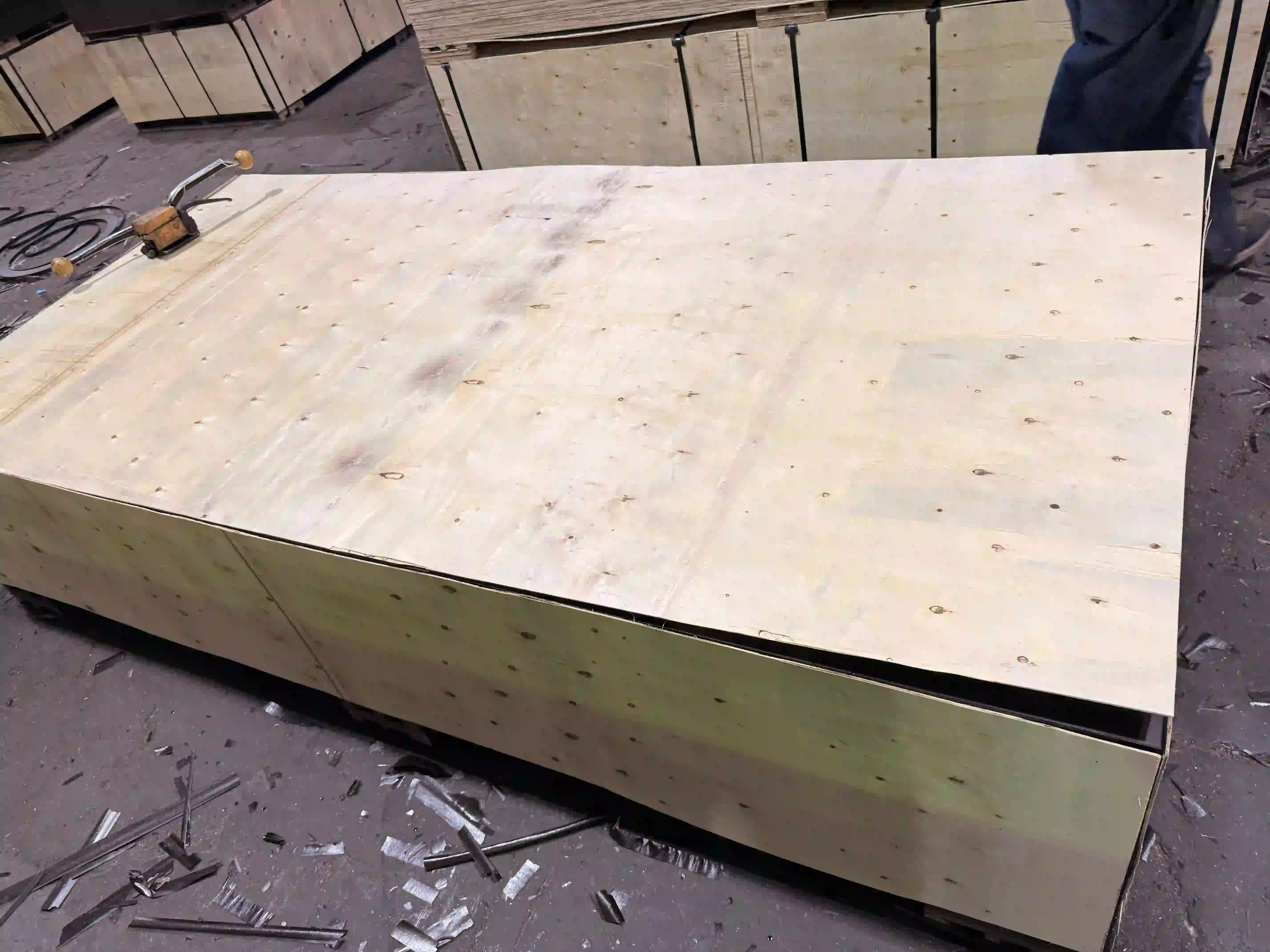
Learn more about plywood certifications for export markets →
🚢 Phase 5: Shipping, Container Loading, and Customs Clearance
Container capacity planning
A 40HC container is the standard vessel for plywood export from Vietnam. Capacity varies by core species density:
| Core | Density | Pallets/40HC | Typical CBM |
|---|---|---|---|
| Styrax | 480–500 kg/m³ | 18 | ~53 CBM |
| Acacia | ~580 kg/m³ | 16 | ~47.5 CBM |
| Eucalyptus | 650–750 kg/m³ | 15 | ~44.5 CBM |
The 40HC payload limit is 28.5 MT gross weight — this is a hard ceiling, not a target. Eucalyptus-core plywood in thick dimensions (18mm+) can approach this limit quickly. Your supplier should provide a weight calculation before confirming the packing plan.
For detailed CBM and sheet count calculations by thickness and species, see the plywood container packing calculation guide →.
Port and transit times
HCPLY ships FOB Hai Phong. Typical transit times as of 2026:
| Destination | Transit (approx.) |
|---|---|
| India (Nhava Sheva / Mundra) | 10–14 days |
| UAE (Jebel Ali) | 18–22 days |
| South Korea (Busan) | 4–6 days |
| Germany (Hamburg) | 28–35 days |
| US East Coast | 32–40 days |
| Australia (Melbourne) | 18–22 days |
Customs clearance steps (your side)
- Pre-arrival filing: Submit Entry Summary Declaration (US: ISF 10+2; EU: ENS; others vary) before vessel arrival
- Customs entry: File import declaration with HS code, country of origin, invoice value, and applicable FTA CO form
- Physical inspection: Random inspection may occur — typically 3–5% of containers for first-time importers from a new supplier. Inspection frequency drops after 3–5 clean shipments
- Duty payment: Calculate based on HS code duty rate × CIF value (or FOB + freight + insurance). Confirm applicable FTA rate with your broker before entry filing
- Release and delivery: After duty payment and inspection clearance, your freight forwarder arranges port pickup and inland delivery
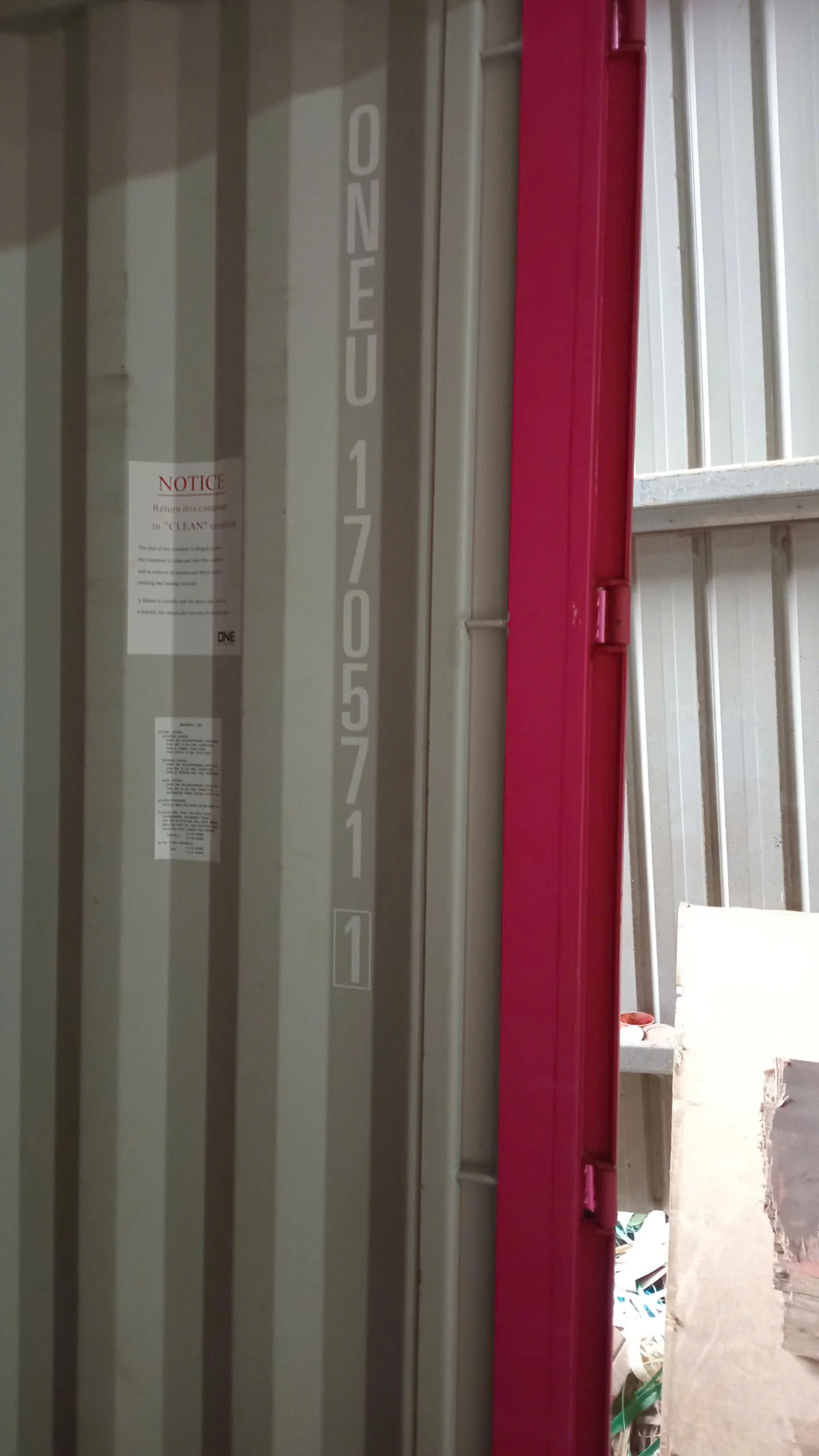
🔧 Phase 6: Quality Management and Ongoing Orders
Pre-shipment inspection
For orders above 2 containers, or for any first order with a new supplier, a pre-shipment inspection (PSI) is worth the $200–400 cost. Common PSI providers for Vietnam include SGS, Bureau Veritas, and Intertek.
HCPLY provides its own QC photos and videos as standard — thickness measurement, edge inspection, surface check, and packing verification — before every shipment. This internal QC record gives buyers documented evidence if a dispute arises at destination.
Thickness and surface acceptance criteria
| Spec | Tolerance |
|---|---|
| Thickness | ±0.3mm |
| Length/Width | ±2mm |
| Moisture content | 10–14% (standard export) |
| Face grade | Per order — A/B furniture, C/D commercial |
Birch plywood is graded D/E/F in the Vietnamese system (not A/B/C). If you are sourcing birch plywood from Vietnam, confirm grade terminology with the supplier to avoid mismatched expectations.
Building a long-term supply relationship
After 3–5 shipments with consistent quality, experienced importers typically:
- Shift from T/T with LC backup to T/T with extended payment terms (45–60 days)
- Negotiate volume pricing tiers (typically $2–6 USD/m³ savings at 10 containers/month)
- Request dedicated production runs at specific quality grades
- Add species or product categories as the relationship builds
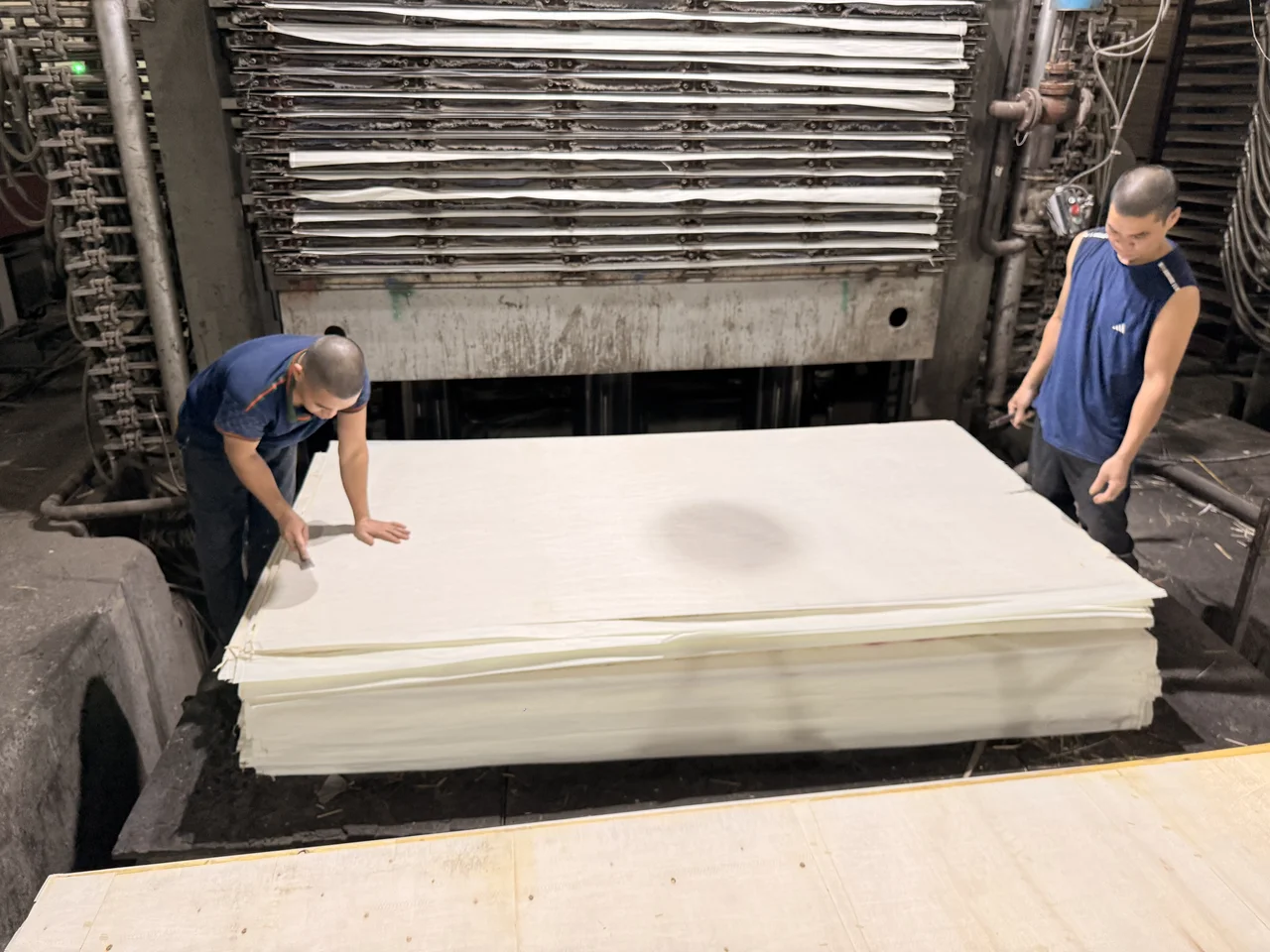
See HCPLY’s factory quality control process →
✅ Step-by-Step Import Checklist
Use this list for every new order:
Pre-order
- Written product specification (species, core, glue, emission, size, thickness, grade)
- Required certifications identified (FSC, CARB P2, EUDR, CE, BIS)
- Incoterm decided (FOB recommended)
- CO form required identified (EUR.1, Form CPTPP, Form E, Form UK, etc.)
During production
- Deposit paid (30% T/T standard)
- Production start confirmed in writing
- QC photo update requested (mid-production)
- Pre-shipment inspection booked (if applicable)
Pre-shipment
- Packing list verified (weights, dimensions, HS code)
- CO form correct and matches invoice
- Phytosanitary certificate issued
- Fumigation certificate issued
- EUDR due diligence statement filed (EU buyers)
- ISF 10+2 submitted (US buyers, 24h before departure)
Post-arrival
- Customs entry filed
- HS code and FTA duty rate verified with broker
- Inspection passed (or cleared)
- Duties paid
- Container released and delivered
✅ Conclusion
Importing plywood from Vietnam follows a predictable sequence. The variables that cause problems — incorrect specifications, missing CO forms, wrong HS codes, unprepared EUDR documentation — are all avoidable with structured preparation. Experienced importers treat the first container as a paid validation process: confirm the supplier’s quality, QC process, and documentation discipline before scaling volume.
HCPLY manages 3 specialized production facilities in Northern Vietnam and exports to 50+ countries. Every shipment includes a full document package and QC photo record as standard.
Get a free import quote from HCPLY — factory-direct pricing, no middlemen →
You can also WhatsApp David directly for fast responses on pricing and shipment scheduling.