


Every import order starts with three numbers: how many sheets you need, what that converts to in CBM, and whether it fills a 40HC container. Get one wrong and you either waste freight space or split a container with messy cargo.
This article gives you ready-use tables and a CBM calculator for standard 1220×2440mm (4×8 ft) plywood across all common thicknesses — 3mm through 25mm — using factory-level formulas. No guesswork. Tables you can screenshot and send to your freight forwarder today.
The 1220×2440mm format — equivalent to the 4×8 ft panel dominant in North American markets — remains the most widely traded sheet dimension globally, accounting for the majority of Vietnam’s plywood exports (Vietnam Timber and Forest Products Association, VIFORES, 2025).
📐 The CBM Formula for 1220×2440mm Plywood
CBM per sheet = Length (m) × Width (m) × Thickness (m)
For the 1220×2440mm sheet size, this simplifies to:
CBM per sheet = 1.22 × 2.44 × Thickness_mm ÷ 1000
Sheets per CBM = 1 ÷ CBM per sheet
The area factor for 1220×2440mm is fixed: 1.22 × 2.44 = 2.9768 m²
This means every thickness calculation uses the same area multiplier — only thickness changes.
💡 Tip: Buyers often ask suppliers for “CBM per sheet” figures. If a supplier gives you a number that doesn’t match 1.22 × 2.44 × thickness, double-check their sheet dimensions. Some suppliers quote 1250×2500mm panels as “1220×2440” equivalent — they are not identical.
📌 Why CBM matters more than sheet count
When you order 500 sheets of 18mm plywood, your freight forwarder needs CBM — not sheet count. Carriers price by volume (or weight, whichever is higher). Knowing CBM in advance lets you:
- Confirm whether your order fills one or two containers
- Calculate freight costs accurately before final pricing
- Avoid customs surprises where declared volume doesn’t match manifest
📊 Complete CBM Table — 1220×2440mm, All Standard Thicknesses
The table below covers all standard export thicknesses. Values are calculated from the exact formula used at HCPLY’s production facilities (HCPLY production data, 2026).
| Thickness | CBM per Sheet | Sheets per 1 CBM | Notes |
|---|---|---|---|
| 3mm | 0.00894 | 111.9 | Thin sheet, high sheet count per order |
| 5mm | 0.01488 | 67.2 | Common for light packing/crating |
| 9mm | 0.02679 | 37.3 | Standard furniture substrate |
| 12mm | 0.03572 | 28.0 | Most ordered thickness globally |
| 15mm | 0.04465 | 22.4 | Cabinetry, shelving |
| 18mm | 0.05358 | 18.7 | Furniture grade, most popular |
| 21mm | 0.06251 | 16.0 | Thick furniture, flooring substrate |
| 25mm | 0.07442 | 13.4 | Heavy construction applications |
⚠️ Important: These figures apply to the nominal size 1220×2440mm. Actual panel dimensions may be 1220×2440mm ±2mm per the standard tolerance (±2mm on length and width). For bulk calculations, use nominal values — the variance across a full container is negligible.
“When buyers send us an inquiry with sheet count but no CBM, we always convert it immediately. A CBM mismatch at loading is one of the most common causes of container short-loading — sheets get left behind at the warehouse because the declared volume was underestimated.” — Lucy, International Sales Manager, HCPLY
📦 Sheets per Pallet — Factory Loading Standard
Pallet height at HCPLY is standardised at 1000mm — the forklift-safe maximum for 40HC loading. Sheets per pallet is calculated as:
Sheets per pallet = ROUNDDOWN(1000 ÷ Thickness_mm)This is the factory-executed formula, not theoretical. The ROUNDDOWN ensures the stack stays within the 1000mm limit.
| Thickness | Sheets per Pallet | Pallet Height |
|---|---|---|
| 3mm | 333 | 999mm |
| 5mm | 200 | 1000mm |
| 9mm | 111 | 999mm |
| 12mm | 83 | 996mm |
| 15mm | 66 | 990mm |
| 18mm | 55 | 990mm |
| 21mm | 47 | 987mm |
| 25mm | 40 | 1000mm |
Why 1000mm matters: In a 40HC container, the internal height is 2695mm. The standard loading layout — pallets lying flat at 1000mm height — allows a second stacked layer for thin sheets (3mm, 5mm), and single-layer loading for thicker panels. Exceeding 1000mm risks pallet instability and forklift damage during unloading.
For detailed pallet arrangement inside the container, see the plywood pallet configuration and 40HC loading guide.
Get a Free Quote with CBM Calculation
🏭 40HC Container Totals — By Core Species
A 40HC container doesn’t simply fill to maximum CBM — weight is the binding constraint. The table below gives the correct 40HC capacity for 1220×2440mm plywood, broken down by core species density (HCPLY production data, 2026).
| Core Species | Density (kg/CBM) | Pallets/40HC | CBM/40HC | Weight/40HC |
|---|---|---|---|---|
| Styrax | ~500 | 18 pallets | ~53 CBM | ~26.5 MT |
| Acacia | ~580 | 16 pallets | ~47.5 CBM | ~27.5 MT |
| Eucalyptus | ~700 | 15 pallets | ~44.5 CBM | ~28.0 MT |
Hard limit: 28.5 MT payload — this is the structural maximum for a standard 40HC, not a target. Eucalyptus-core plywood approaches this limit at 15 pallets. Loading 16 pallets of eucalyptus would exceed safe payload on most routes.
Why styrax core ships the most CBM
Styrax (bồ đề) core density is 480–500 kg/m³ — the lightest of Vietnam’s three main core species. Because the payload limit (28.5 MT) is reached later, the factory can load 18 pallets instead of 15 for eucalyptus. That 3-pallet difference equals roughly 8.5 additional CBM per container — a meaningful freight cost reduction per CBM shipped (Vietnam Forest Products Association, 2025).
For a full breakdown of the styrax advantage in container packing, read styrax core plywood container loading — why styrax maximizes CBM per 40HC.
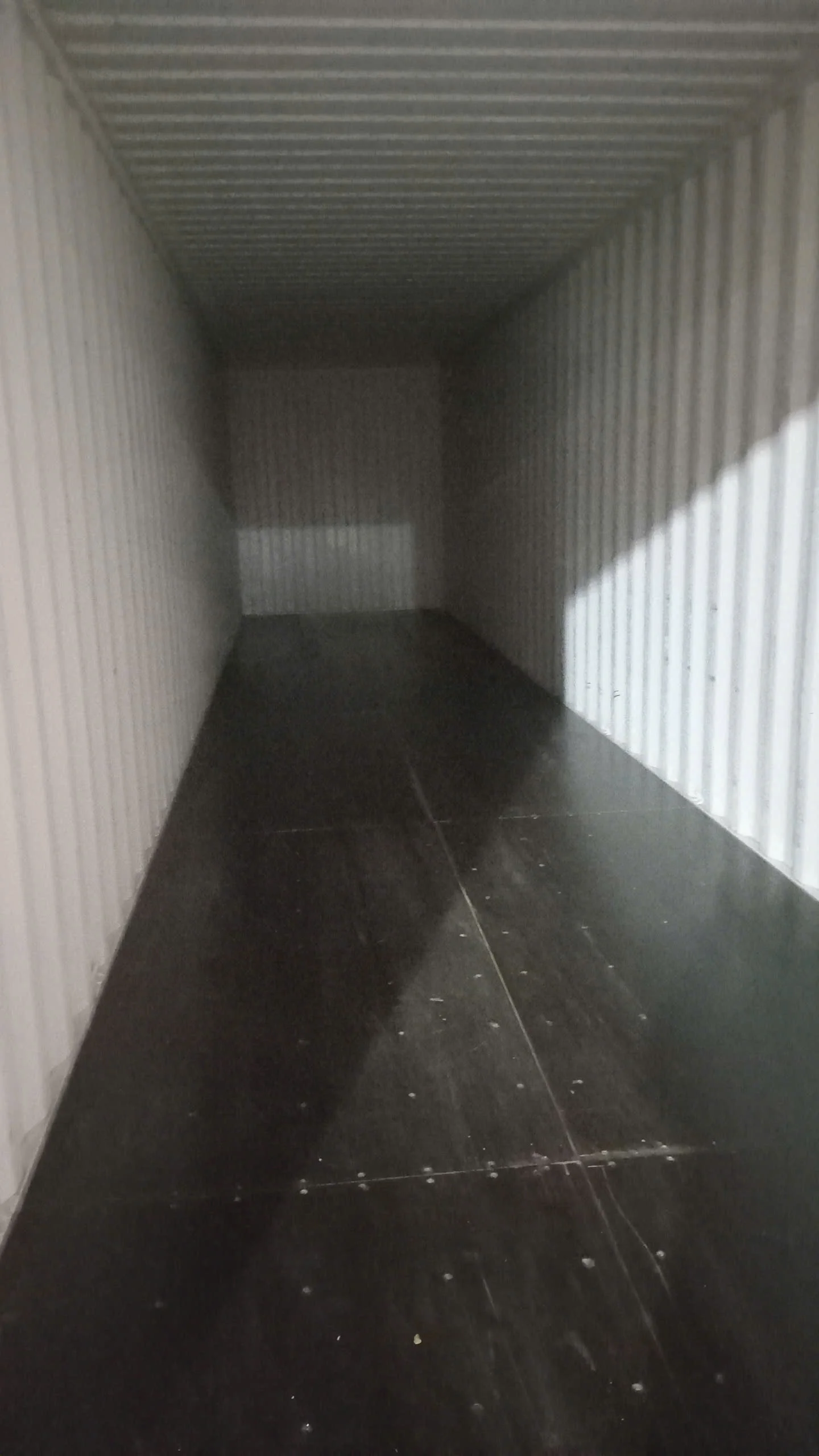
📋 Full Calculation Example — 500 Sheets of 18mm Acacia Core
Let’s walk through a real import calculation using the tables above.
Order: 500 sheets × 1220×2440×18mm, acacia core, melamine glue (MR), E1 emission
Step 1 — CBM per sheet:
1.22 × 2.44 × 0.018 = 0.05358 CBMStep 2 — Total CBM for order:
500 × 0.05358 = 26.79 CBMStep 3 — Sheets per pallet:
ROUNDDOWN(1000 ÷ 18) = 55 sheets/palletStep 4 — Pallets required:
ROUNDUP(500 ÷ 55) = 10 palletsStep 5 — Does it fit in one 40HC? Acacia core allows 16 pallets per 40HC. 10 pallets fits comfortably. The container has room for 6 additional pallets — you could add approximately 330 more sheets, or mix in a second spec.
Step 6 — Estimated weight:
26.79 CBM × 580 kg/CBM = 15,538 kg ≈ 15.5 MTWell within the 28.5 MT payload limit.
💡 Pro tip: When filling a container with multiple specs, calculate each spec separately, then add CBM and weight totals. The 28.5 MT limit applies to the combined weight of all cargo plus pallet weight (allow ~25 kg per pallet for the wooden base).
For the underlying CBM formula mechanics, see the full plywood CBM calculation formula guide.
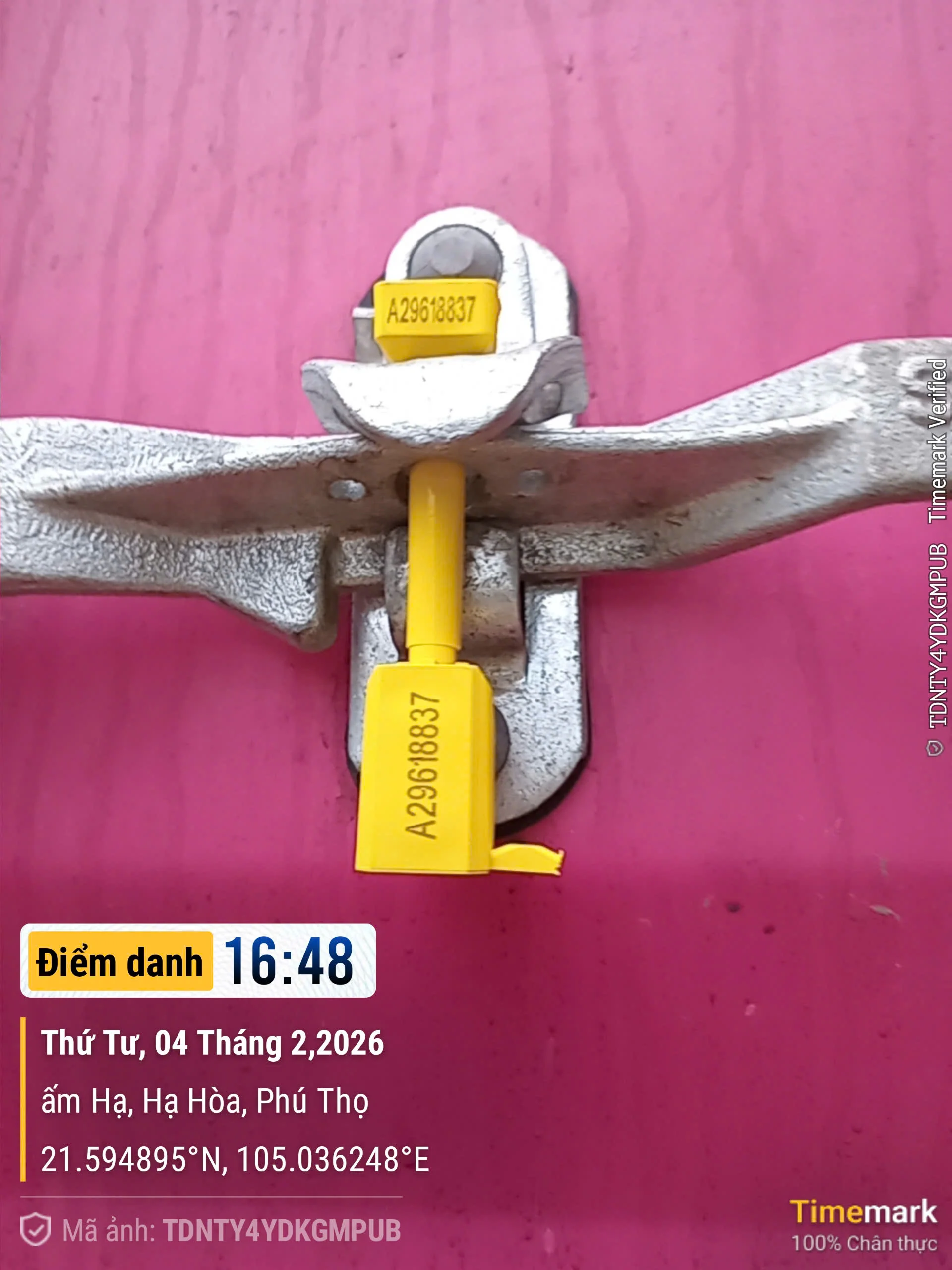
🔧 Common Calculation Mistakes Importers Make
📌 Confusing nominal thickness with actual thickness
Plywood is sold in nominal thicknesses (18mm, 12mm, etc.), but the actual dimension may be ±0.3mm due to manufacturing tolerance. For a single sheet, this is irrelevant. For a full container at 55 sheets/pallet × 16 pallets = 880 sheets, the cumulative effect at ±0.3mm per sheet is negligible on CBM but can affect pallet height. HCPLY calibrates all sheets to within ±0.2mm on premium sanded grades (HCPLY QC data, 2026).
📌 Applying one density to all core types
The density column in your FOB quote tells you which core species was used. Acacia (~580 kg/m³), styrax (480–500 kg/m³), and eucalyptus (650–750 kg/m³) load differently into a 40HC. Using “plywood density 650 kg/m³” as a blanket figure — common in freight calculators — overestimates weight for styrax and underestimates for eucalyptus.
For a side-by-side core species comparison, see plywood core types — acacia vs eucalyptus vs styrax from Vietnam factory.
📌 Ignoring pallet weight in total shipment weight
Each wooden pallet weighs approximately 20–30 kg. At 16 pallets per 40HC, that’s 320–480 kg of pallet weight not counted in your plywood CBM calculation. On a eucalyptus core shipment near the 28.5 MT limit, this difference matters for the manifest.
📌 Using CBM for a different sheet size
The 1220×2440mm figures above do not apply to 1250×2500mm sheets. The area of 1250×2500 is 3.125 m² vs 2.9768 m² — about 5% larger. If your supplier quotes 1250×2500 panels, recalculate:
CBM per sheet (1250×2500) = 1.25 × 2.50 × Thickness_mFor more on how sheet dimensions affect packing, see plywood sizes and thickness specification guide.
📊 Quick-Reference: 12mm and 18mm Full Container Sheets
The two most traded thicknesses — 12mm furniture grade and 18mm cabinetry/furniture — are worth a dedicated breakdown.
12mm, 1220×2440mm — Full 40HC
| Core | Pallets | Sheets/Pallet | Total Sheets | CBM | Weight |
|---|---|---|---|---|---|
| Styrax | 18 | 83 | 1,494 | ~44.4 CBM | ~22.2 MT |
| Acacia | 16 | 83 | 1,328 | ~39.5 CBM | ~22.9 MT |
| Eucalyptus | 15 | 83 | 1,245 | ~37.0 CBM | ~25.9 MT |
18mm, 1220×2440mm — Full 40HC
| Core | Pallets | Sheets/Pallet | Total Sheets | CBM | Weight |
|---|---|---|---|---|---|
| Styrax | 18 | 55 | 990 | ~53.0 CBM | ~26.5 MT |
| Acacia | 16 | 55 | 880 | ~47.2 CBM | ~27.4 MT |
| Eucalyptus | 15 | 53 | 795 | ~42.6 CBM | ~27.7 MT |
💡 Note: Eucalyptus core for 1220×2440mm uses a 970mm stack height (not 1000mm), giving ROUNDDOWN(970 ÷ 18) = 53 sheets per pallet. This reduces total sheets to 795 but keeps container weight within the 28.5 MT payload limit. (HCPLY factory packing data, 2026)
For complete factory-verified packing tables across all thickness and core combinations, see plywood container packing calculation — factory-level 40HC tables.
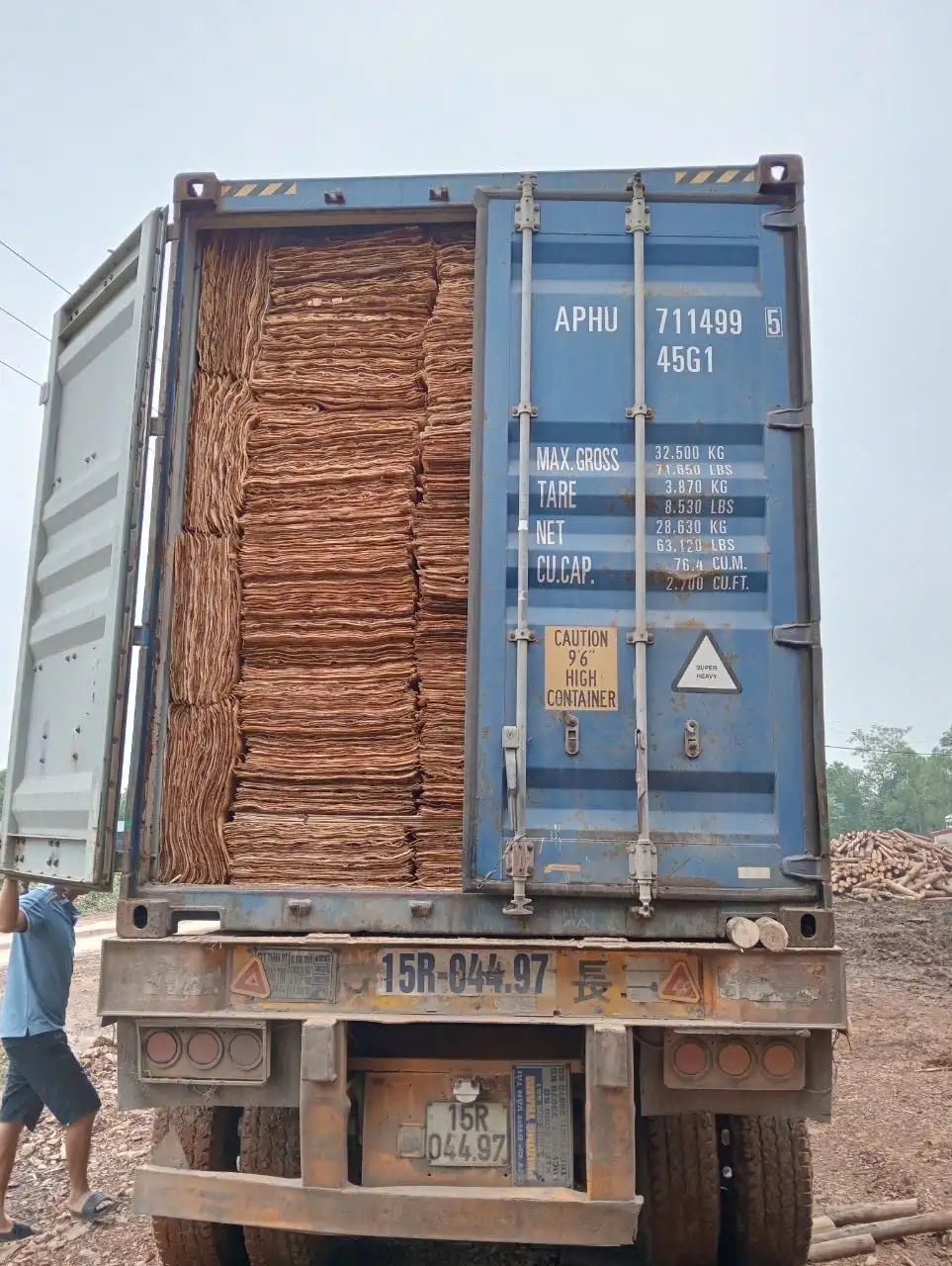
Contact HCPLY Now for Your CBM Calculation
❓ FAQ — Plywood CBM Calculator 1220×2440
How do I calculate how many sheets I need for 10 CBM of 18mm plywood?
Sheets per CBM for 18mm = 18.7. So 10 CBM × 18.7 = 187 sheets. Round up to the nearest full pallet: 187 ÷ 55 sheets/pallet = 3.4 pallets → order 4 pallets = 220 sheets to avoid splitting a pallet.
Does moisture content affect CBM calculations?
Moisture content affects weight, not CBM. Plywood shipped at 8–10% MC (kiln-dried, export standard) weighs more than plywood at 6% MC. For weight calculations, always ask your supplier for the MC-adjusted density figure. CBM is purely dimensional — length × width × thickness — regardless of moisture.
Can I mix thicknesses in one container?
Yes. HCPLY ships mixed-spec containers routinely. Calculate CBM and weight separately per spec, then sum both totals. Ensure the combined weight stays under 28.5 MT including pallets. Mixed-spec orders also affect pallet count per thickness — confirm the loading plan with your supplier before final order confirmation.
What is the standard pallet size for 1220×2440mm plywood?
The plywood panel overhangs slightly on a standard 1200×1000mm pallet (panels are 1220mm wide). HCPLY uses custom pallet dimensions to match the panel — 1240×2460mm base — which eliminates overhang and allows stable stacking at 1000mm height.
How does 1220×2440mm compare to 1250×2500mm for container packing?
A 1250×2500mm panel is 5.1% larger in area and 5.1% more CBM per sheet at the same thickness. For the same pallet count per 40HC, you’ll ship approximately 5% more CBM with 1250×2500 panels. However, pallet dimensions must also increase, which can reduce the number of pallets fitting across the 40HC floor (typical container internal width: 2352mm).
✅ Summary — What to Take From This Guide
The 1220×2440mm CBM formula is fixed: 1.22 × 2.44 × thickness_m = CBM per sheet. Everything else — pallet counts, container capacity, weight limits — flows from this starting point.
Key numbers to remember:
- 18mm plywood: 18.7 sheets/CBM, 55 sheets/pallet
- 12mm plywood: 28.0 sheets/CBM, 83 sheets/pallet
- 9mm plywood: 37.3 sheets/CBM, 111 sheets/pallet
- Styrax core 40HC: 18 pallets = ~53 CBM (lightest, most efficient)
- Payload hard stop: 28.5 MT — weight always limits before volume for heavy core species
Use these tables to confirm your order quantity before sending an inquiry. Suppliers who receive a pre-calculated CBM breakdown process quotes 30–40% faster than open-ended sheet count requests — based on HCPLY’s own ordering workflow observations (HCPLY sales data, 2026).
Get a Free Quote with CBM Calculation — Send us your sheet count, thickness, and core preference. Our team calculates the full CBM breakdown, container count, and FOB price same day.