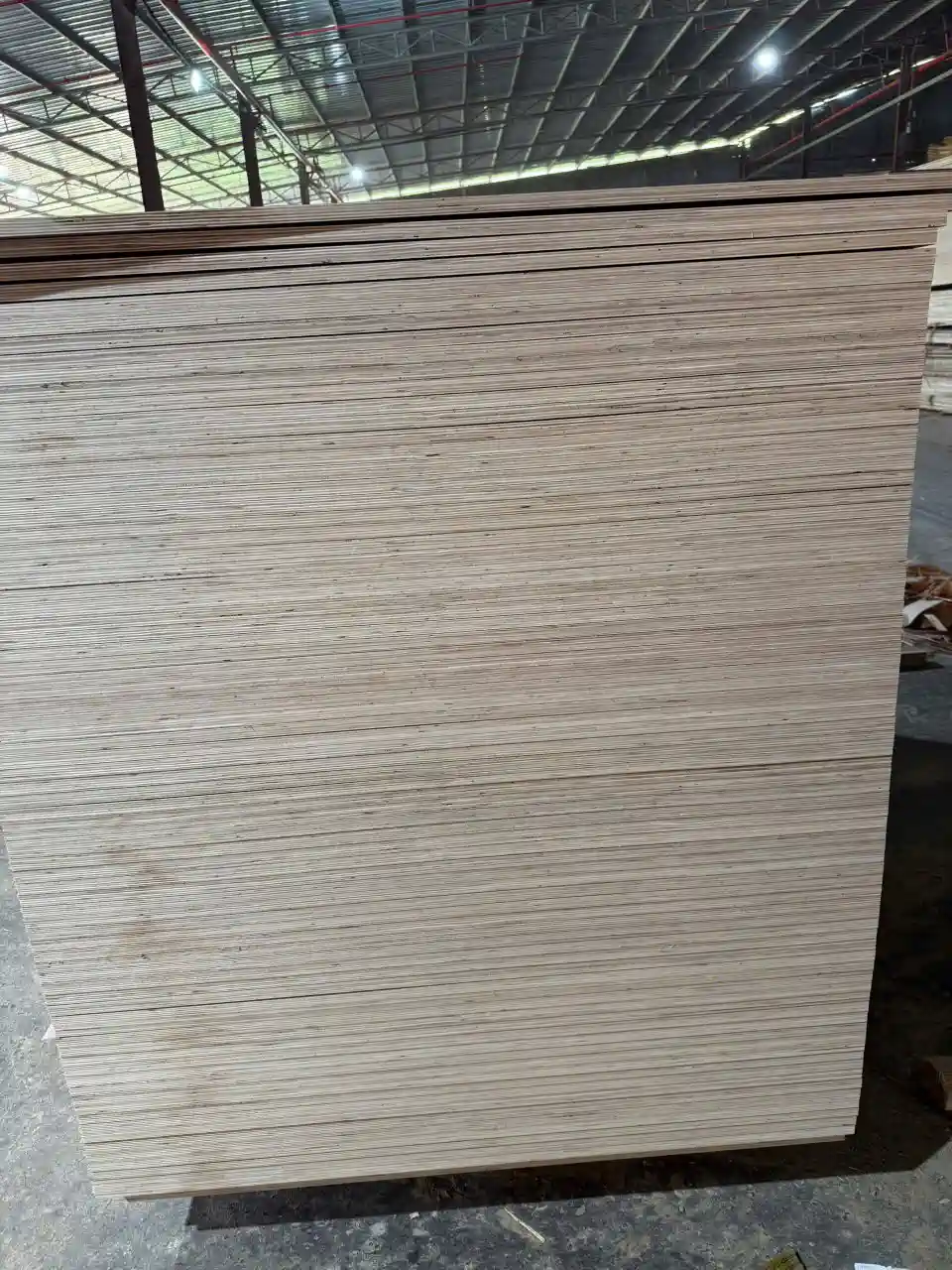
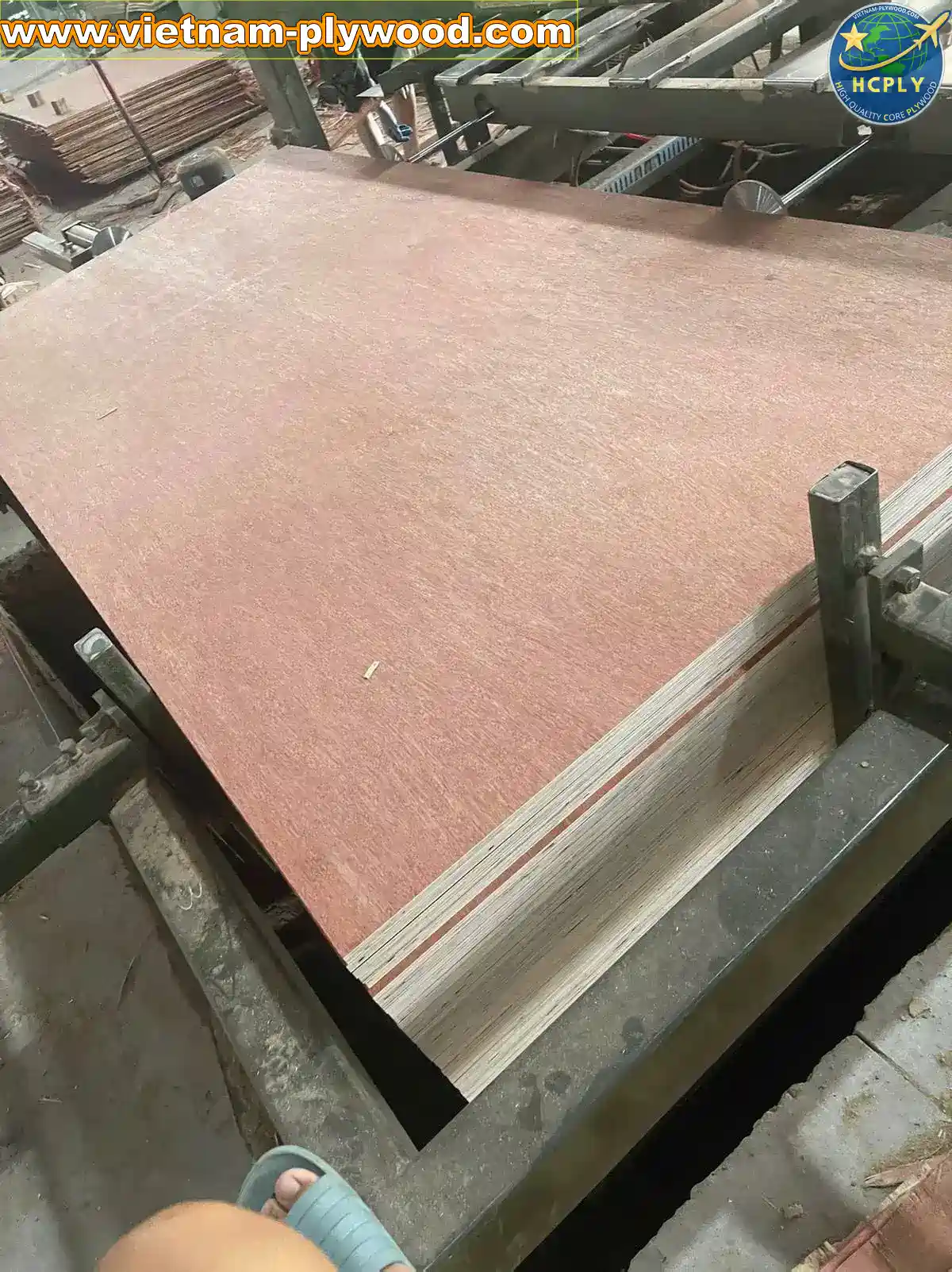
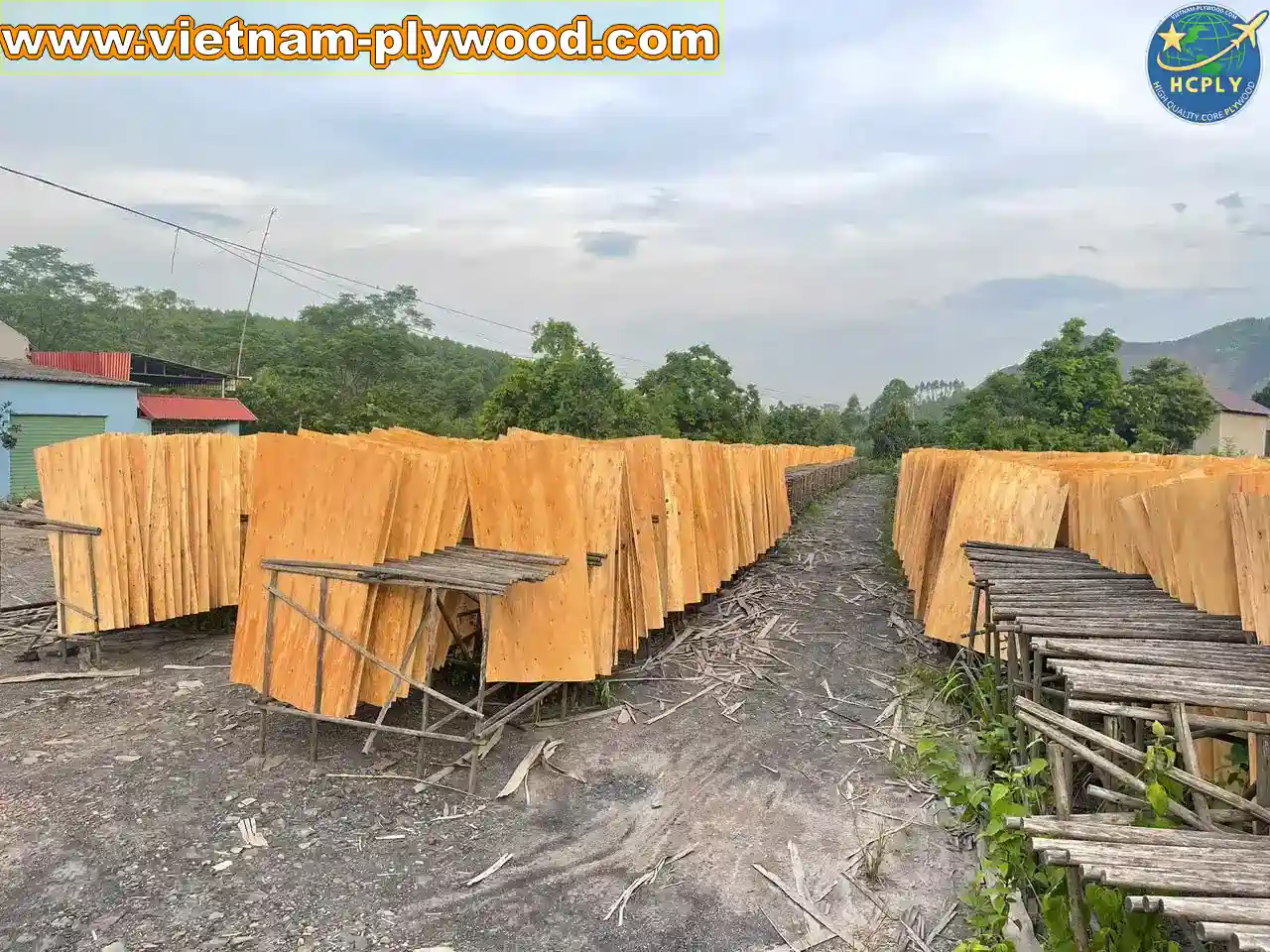

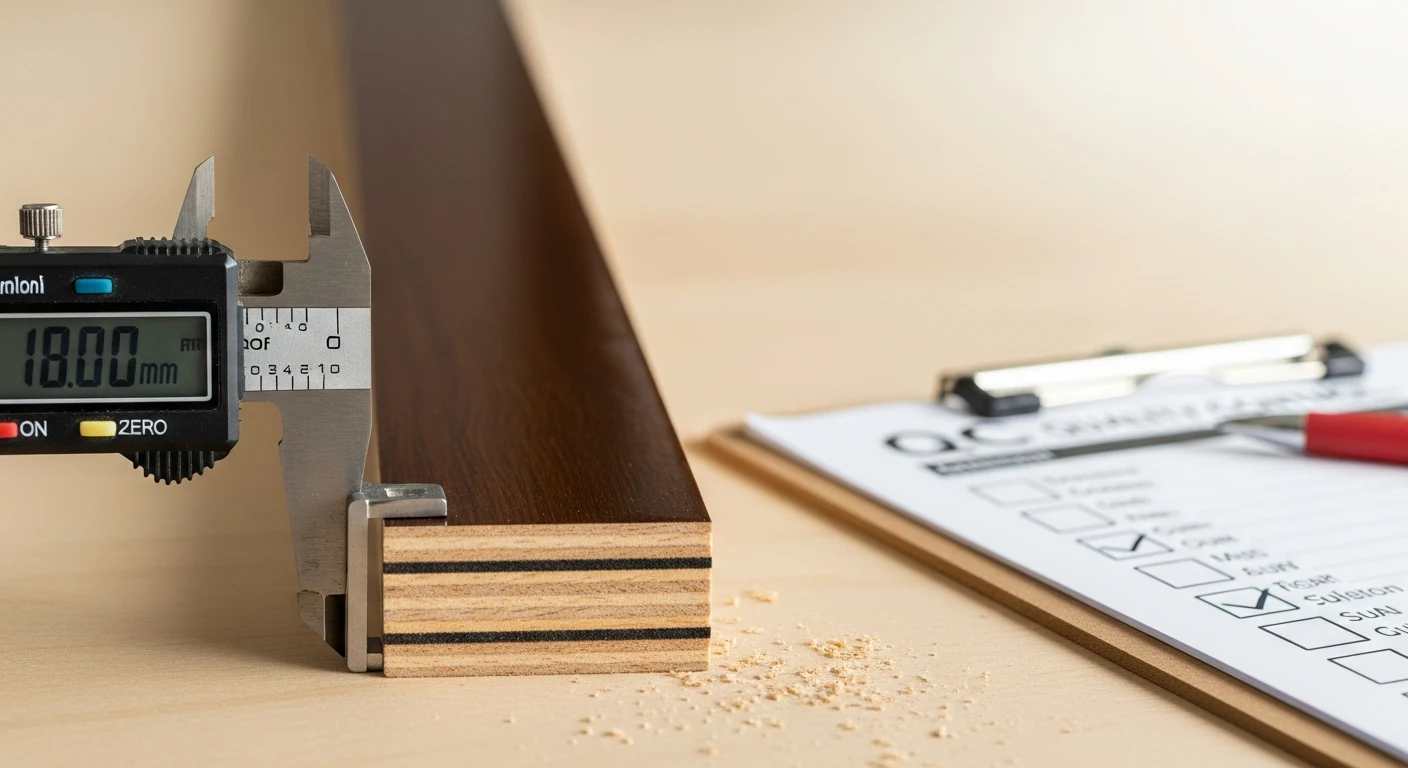
Delamination is the most common defect that turns a container of plywood into a warranty dispute. Glue failure inside the panels can be invisible until the product reaches the end user. The plywood boiling test exists to catch this problem before shipment — and in 2026, with global quality standards tightening, knowing how it works separates buyers who accept defective stock from those who don’t.
This guide explains the boiling test protocols for MR and WBP glue, how factory QC teams run the procedure, and the exact steps an importer can follow to verify results independently.
🔧 What the Plywood Boiling Test Actually Measures
The plywood boiling test is a controlled stress method: it forces rapid moisture absorption into the panel, simulating years of humidity exposure in compressed time. The goal is to reveal weak glue bonds that look fine under normal conditions but fail under real-world stress.
A sample panel is cut and submerged in boiling water at 100°C. Heat and steam penetrate the core veneer layers, expanding the wood fibers. If the glue bond is strong, the layers stay bonded. If the adhesive was poorly mixed, under-pressed, applied to wet veneer, or simply inferior grade, the layers peel apart.
The pass/fail criterion is binary: no visible delamination across the glue lines means pass. Any separation — even partial — means fail.
Key Insight: The boiling test does not measure formaldehyde emission. Glue bond strength and emission levels are independent properties. A panel with phenolic WBP glue can have high mechanical bond strength but poor emission characteristics if the resin formulation is off. Always request separate test documents for each property.
📋 MR vs WBP: Two Protocols, Two Applications
The test duration depends entirely on the glue type. Mixing these up is the most common importer error.
| Glue Type | Trade Name | Test Duration | Pass Condition | Typical Application |
|---|---|---|---|---|
| Melamine resin | MR | 12 hours | No delamination | Furniture, interior, cabinets |
| Phenolic resin | WBP | 72 hours | No delamination | Construction, marine, formwork |
MR (Melamine Resin) glue is moisture-resistant, not waterproof. The 12-hour boiling test confirms the adhesive holds under sustained humidity. MR-grade plywood is specified for protected interior environments — furniture, kitchen cabinets, wall panels. Exposure to standing water or outdoor conditions will eventually degrade the bond.
WBP (Weather and Boil Proof) phenolic glue is the standard for structural and exterior applications. Phenolic resin forms a cross-linked polymer matrix that does not soften in water. Surviving 72 continuous hours at 100°C without delamination is a significant chemical and mechanical achievement (BS EN 314-2 Class 3 requirements, confirmed 2013).
The 12-hour and 72-hour figures come from industry-standard protocols. Some suppliers quote intermediate durations (24h or 48h) as passing WBP — this is technically insufficient for the full standard. When specifying WBP for construction or marine applications, confirm the 72-hour duration in writing.
🏭 How Factory QC Runs the Boiling Test
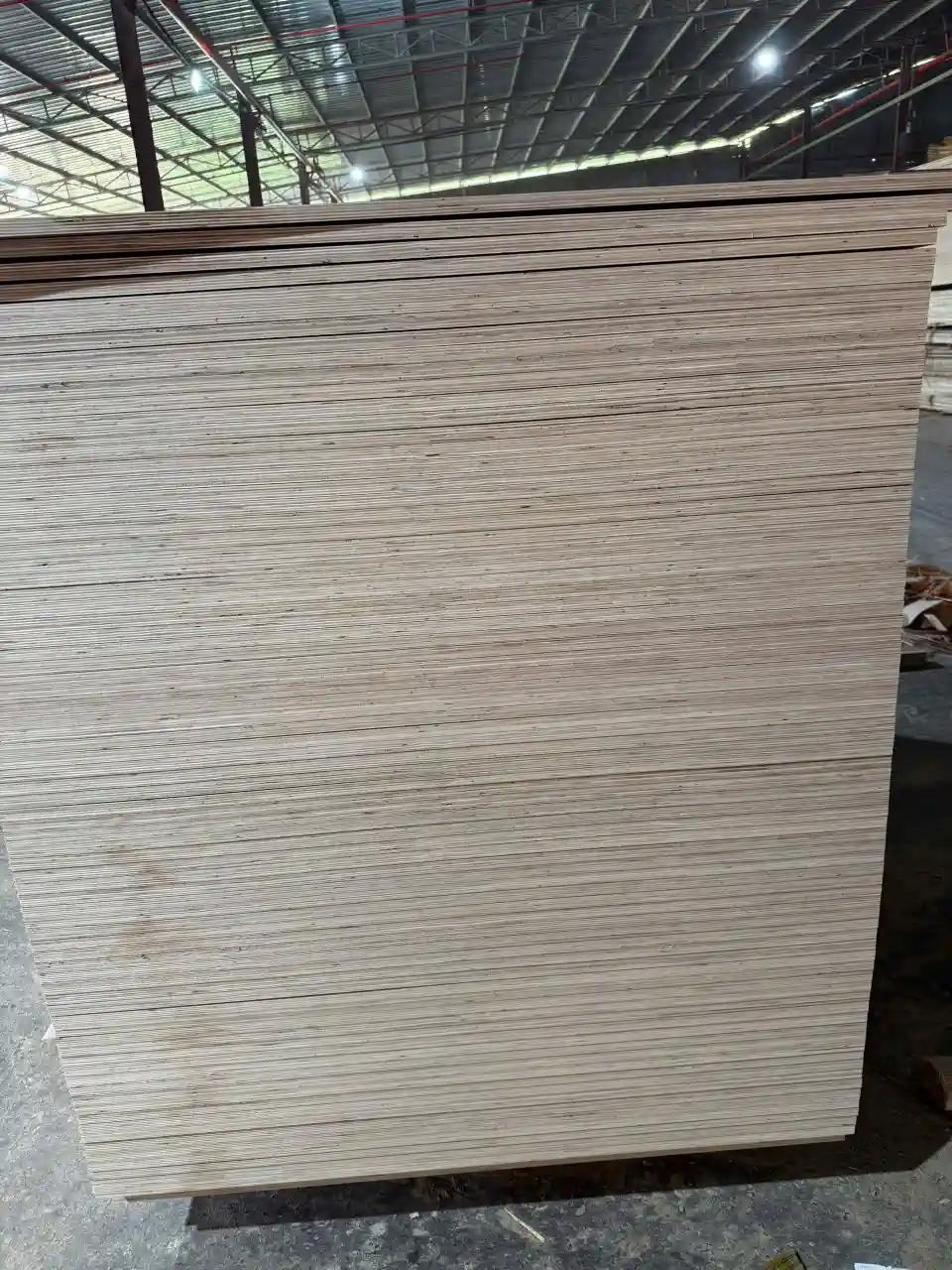
Understanding the factory plywood boiling test procedure helps importers evaluate whether a supplier’s QC reports are credible.
Sample Selection
A representative sample is cut from a production batch — typically 150mm × 150mm, full thickness. The sample must come from the center of the sheet, not the edge, because edge samples can show glue starved zones that do not represent the panel body. Reputable factories cut 3-5 samples per batch, not just one.
Boiling Procedure
Samples are placed in a water bath brought to a rolling boil (100°C). They must be fully submerged throughout the test period. Temperature consistency matters: a factory that uses an undersized pot or interrupts the boil without keeping samples in cold water between sessions is running an invalid test.
For WBP tests:
- Total boiling time: 72 hours continuous OR in cycles (boil → cold water soak → boil again), with total boil time summing to 72 hours
- After boiling: samples are dried at 60°C for 3 hours, then evaluated
- Evaluation: inspect all glue lines visually and by manual stress (flex the sample across each lamination)
For MR tests:
- Total boiling time: 12 hours
- After boiling: immediate visual inspection, no drying required for basic pass/fail
Documentation
A credible factory test report includes: batch number, production date, sample count, boiling start/end time, temperature log, evaluator name, and photographic evidence. Any report missing these fields should prompt follow-up questions.
📊 Factory QC vs Third-Party Lab Testing
Not all plywood boiling test reports carry equal weight. Understanding the difference protects importers from accepting inadequate documentation.
Factory QC reports are internal documents generated by the supplier’s own quality team. They are standard practice for every production batch in a responsible factory. HCPLY’s QC team runs boiling tests on all furniture and construction product batches, with records available per shipment. Factory reports demonstrate process control but are not independently verified.
Third-party lab reports are issued by accredited testing bodies: SGS, Bureau Veritas, Intertek, or equivalent national labs. These carry independent credibility and are required for:
- Orders to regulated markets (EU construction products, US hardwood imports under Lacey Act)
- First-time supplier qualification
- Dispute resolution with downstream buyers
- Tender documents requiring certified test evidence
⚠️ Important: Third-party lab testing costs USD 80–250 per test panel and takes 3–10 business days. For routine orders with an established supplier, factory QC reports are sufficient. For new suppliers or market entry orders, third-party testing is worth the cost.
“An importer asking for documented boiling test results before payment is not being difficult — it’s standard professional practice. Any supplier who resists providing this documentation is a risk signal.” — Lucy, International Sales Manager, HCPLY
🔍 How Importers Can Verify Glue Quality Independently
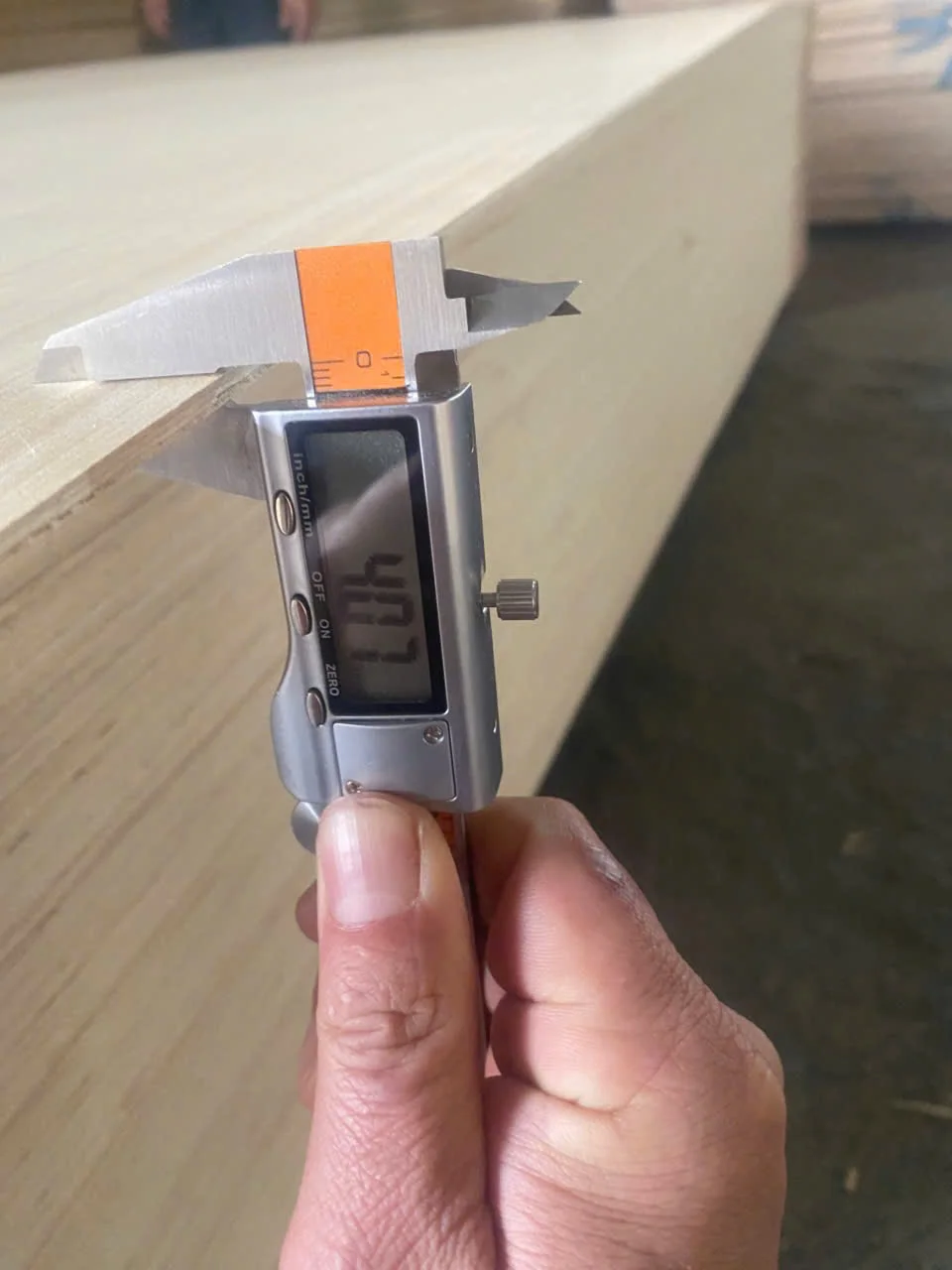
Importers do not need a laboratory to verify glue bond quality. A basic field test is possible with standard kitchen equipment.
Boiling test procedure:
- Cut a 150mm × 150mm sample from a production panel (from a random sheet, not a pre-selected one)
- Fill a pot with water and bring to a full rolling boil
- Submerge the sample fully — use a weight to keep it under the surface
- For MR panels: maintain boiling for 12 hours (add water as needed to maintain level and boil)
- For WBP panels: maintain boiling for 72 hours in cycles if needed
- After boiling: remove the sample and inspect immediately while wet
- Flex each layer gently with both hands across the glue lines
- Pass: no visible delamination, no bubbling glue lines, layers remain bonded under manual stress
- Fail: any layer separation, glue line voids, surface bubbling, or veneer peel
What a failed test looks like: Layers separate cleanly at the glue line, sometimes with a visible dry zone where adhesive coverage was incomplete. In severe cases, layers peel off during boiling without requiring any manual force.
For MR-grade plywood, delamination in under 4 hours indicates very poor glue — either wrong adhesive type, insufficient hardener ratio, or panels pressed at incorrect temperature. For WBP, any delamination in 72 hours indicates substandard phenolic resin or pressing failure.
The plywood glue types and emission standards guide covers the chemistry of MR and phenolic resins in detail, including pressing temperature and time parameters.
📦 Which Products Require Which Test Protocol
Matching the correct plywood boiling test protocol to the product specification prevents specification errors at the buying stage.
| Product | Glue Standard | Boiling Test | Market Use Case |
|---|---|---|---|
| Film-faced plywood | Phenolic WBP | 72 hours | Concrete formwork, construction |
| Anti-slip plywood | Phenolic WBP | 72 hours | Scaffolding, truck flooring |
| Furniture plywood (birch, okoume, EV) | Melamine MR | 12 hours | Interior furniture, cabinets |
| Packing plywood | MR or lower | 12 hours | Crates, pallets (dry storage only) |
| Matt plywood (substrate) | MR | 12 hours | HPL lamination substrate |
For film-faced plywood Vietnam used in concrete formwork, the WBP 72-hour test is non-negotiable. Concrete work exposes the panel to continuous moisture, alkaline wash, and mechanical stress across 15+ reuse cycles. A panel that fails the 72-hour boiling test will delaminate on the third or fourth formwork pour — creating safety risk and total product loss.
Request HCPLY test reports and pricing → — factory-direct quote with full boiling test documentation included.
⚠️ Red Flags in Supplier Boiling Test Claims
Several patterns in supplier communication indicate unreliable plywood boiling test and glue quality claims:
“WBP tested for 24 hours” — The full WBP standard is 72 hours. Suppliers who cite 24-hour results are either testing to an abbreviated protocol or misrepresenting the standard. Ask specifically: “Does this panel pass 72-hour continuous boiling without delamination?”
“WBP grade melamine glue” — WBP is a phenolic resin property, not a melamine grade. High-performance melamine can extend boiling resistance to 20+ hours, but marketing melamine as WBP is technically inaccurate. Genuine WBP requires phenolic resin chemistry.
No batch-specific documentation — Test reports with no batch number, no date, or no sample count are generic marketing documents, not per-shipment QC evidence. Ask: “Can you provide the boiling test report for production batch [X] from [date]?”
Test conducted on polished edge samples — Cutting samples from the trimmed edge of a panel (which often has denser adhesive application from press overlap) produces better results than center-cut samples. A credible supplier cuts test samples from the panel body, not the perimeter.
Understanding glue quality also requires knowing how it fits into the broader certification picture — the plywood certifications and export documentation guide covers FSC, CARB, CE, and EUDR requirements alongside factory QC documentation.
📐 Connection to Container Planning
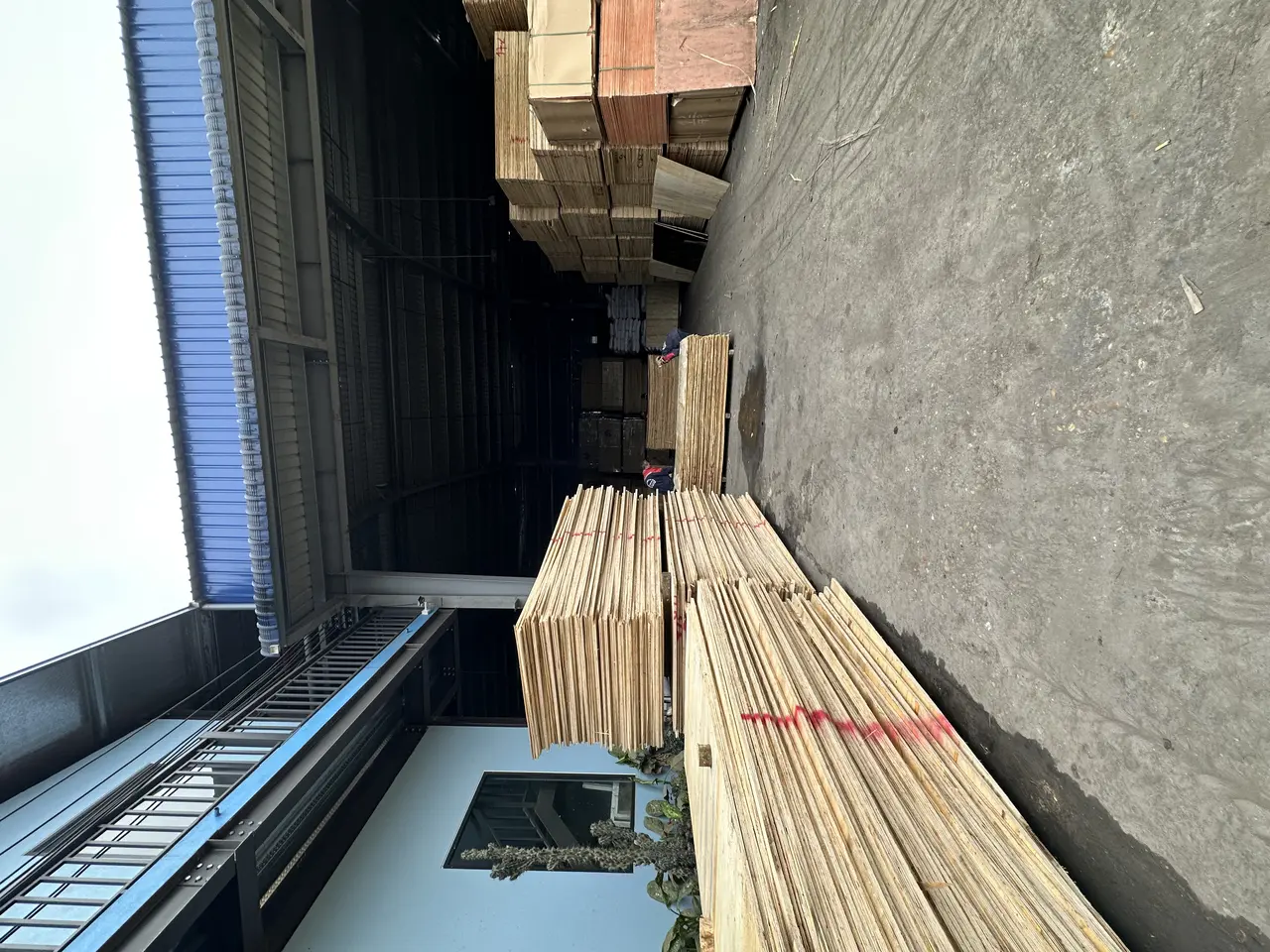
Glue type affects container planning in one important way: WBP phenolic plywood panels are heavier per CBM than MR melamine panels of the same construction because phenolic resin has a slightly higher density and WBP products often use denser core species (eucalyptus) for construction applications.
For plywood container packing calculation purposes, always confirm the glue type and core species together — these two variables together determine the actual weight per CBM and thus the pallet count that fits inside a 40HC container within the 28.5 MT payload limit.
✅ Conclusion: Boiling Test Is a Baseline, Not a Guarantee
The plywood boiling test is the most accessible glue quality check in the industry — cheap, fast, and repeatable at the importer’s own facility. Results are unambiguous: panels that hold together pass, panels that separate fail. For MR products, 12 hours. For WBP products, 72 hours. Pass means layers hold. Fail means reject the batch.
Beyond the field test, professional importers request factory batch QC reports with every shipment and commission third-party lab testing for new suppliers or regulated market entries. Separating boiling test documentation from emission test documentation is essential: these are different properties tested by different methods.
HCPLY provides batch-specific plywood boiling test records for all furniture and construction product shipments as standard documentation (HCPLY production data, 2026).
Contact HCPLY for test reports and a factory-direct quote → — verified glue documentation included as standard.