
Pine Plywood: Species Characteristics & Vietnam Manufacturing
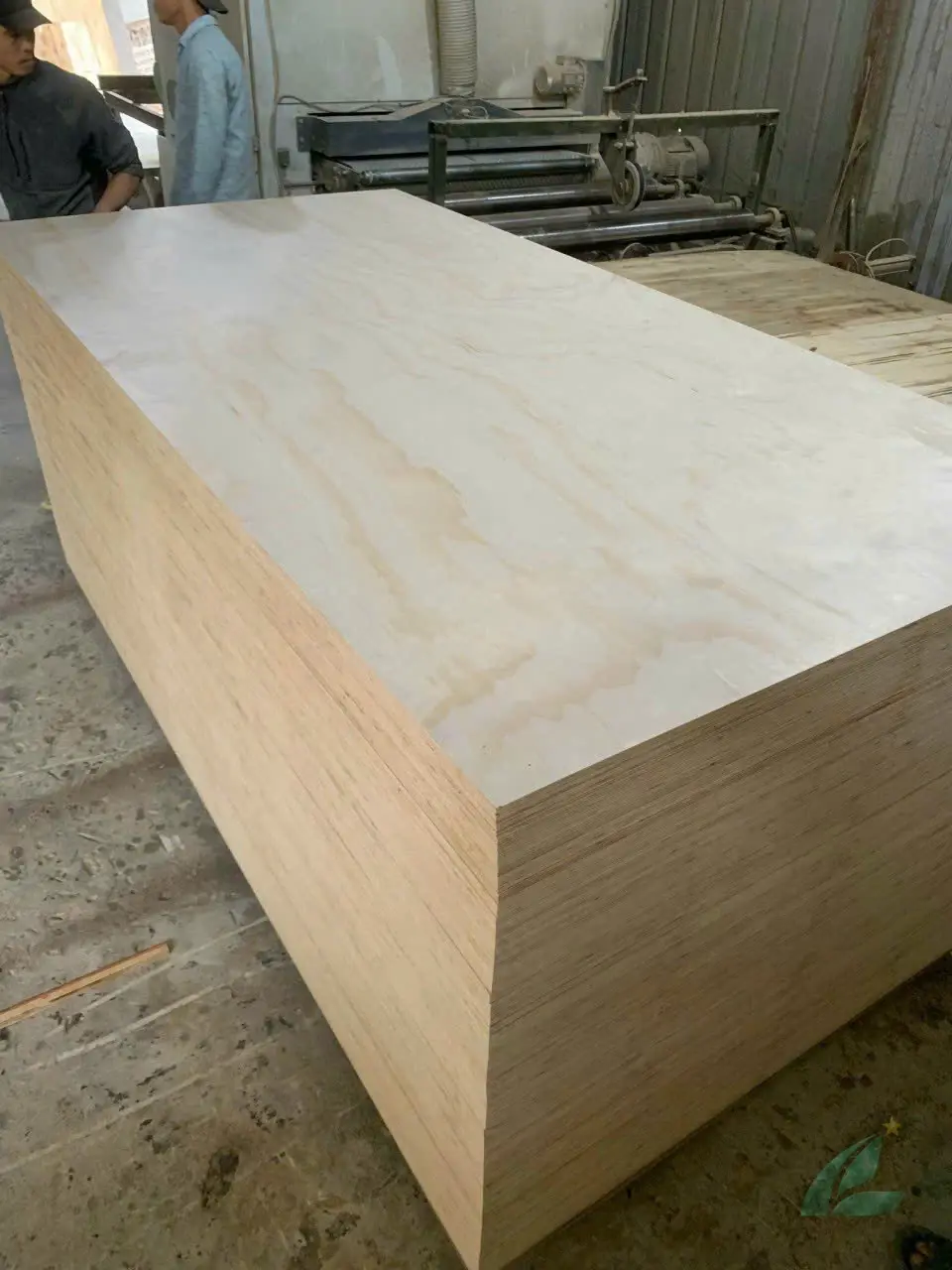
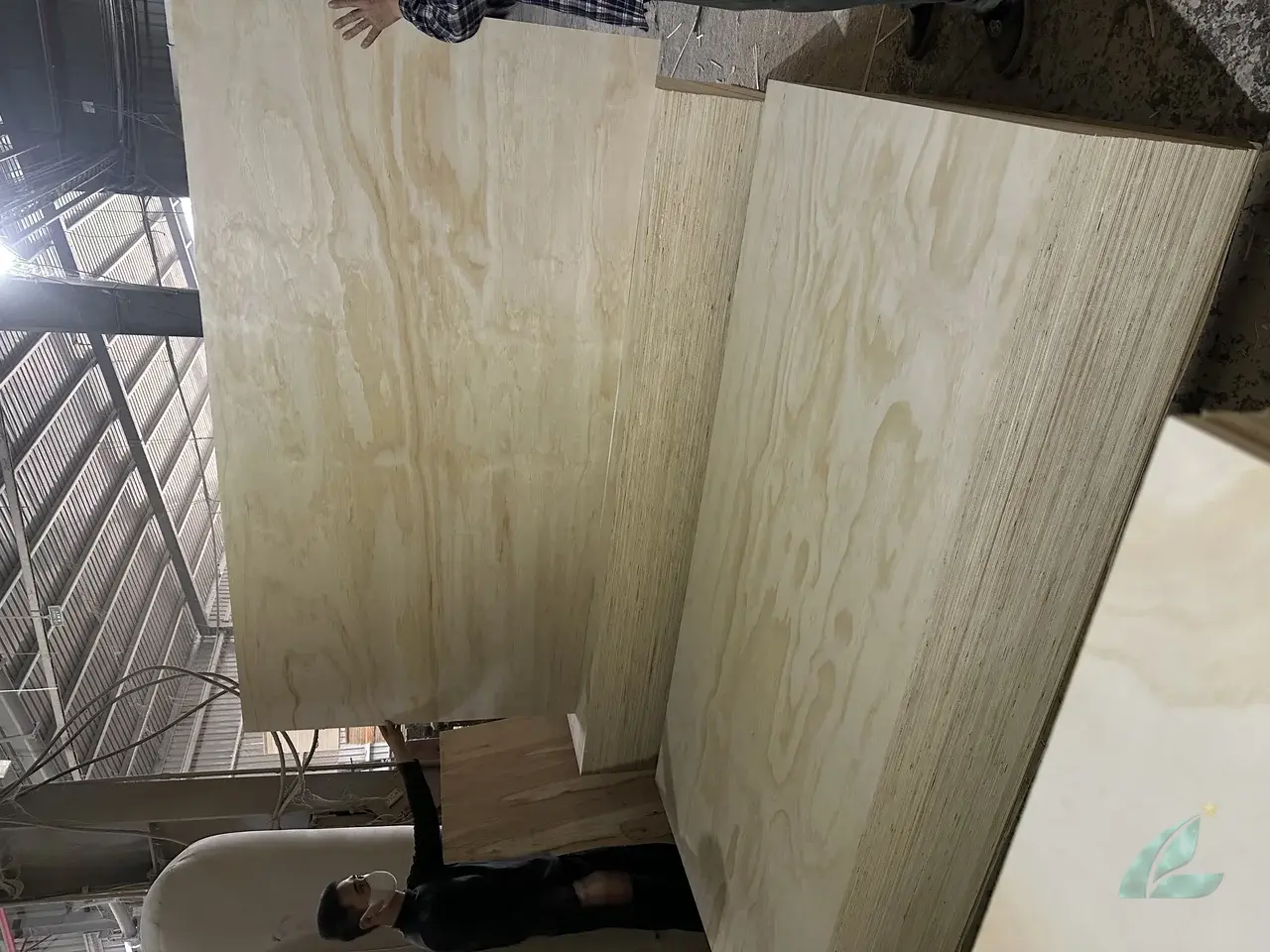
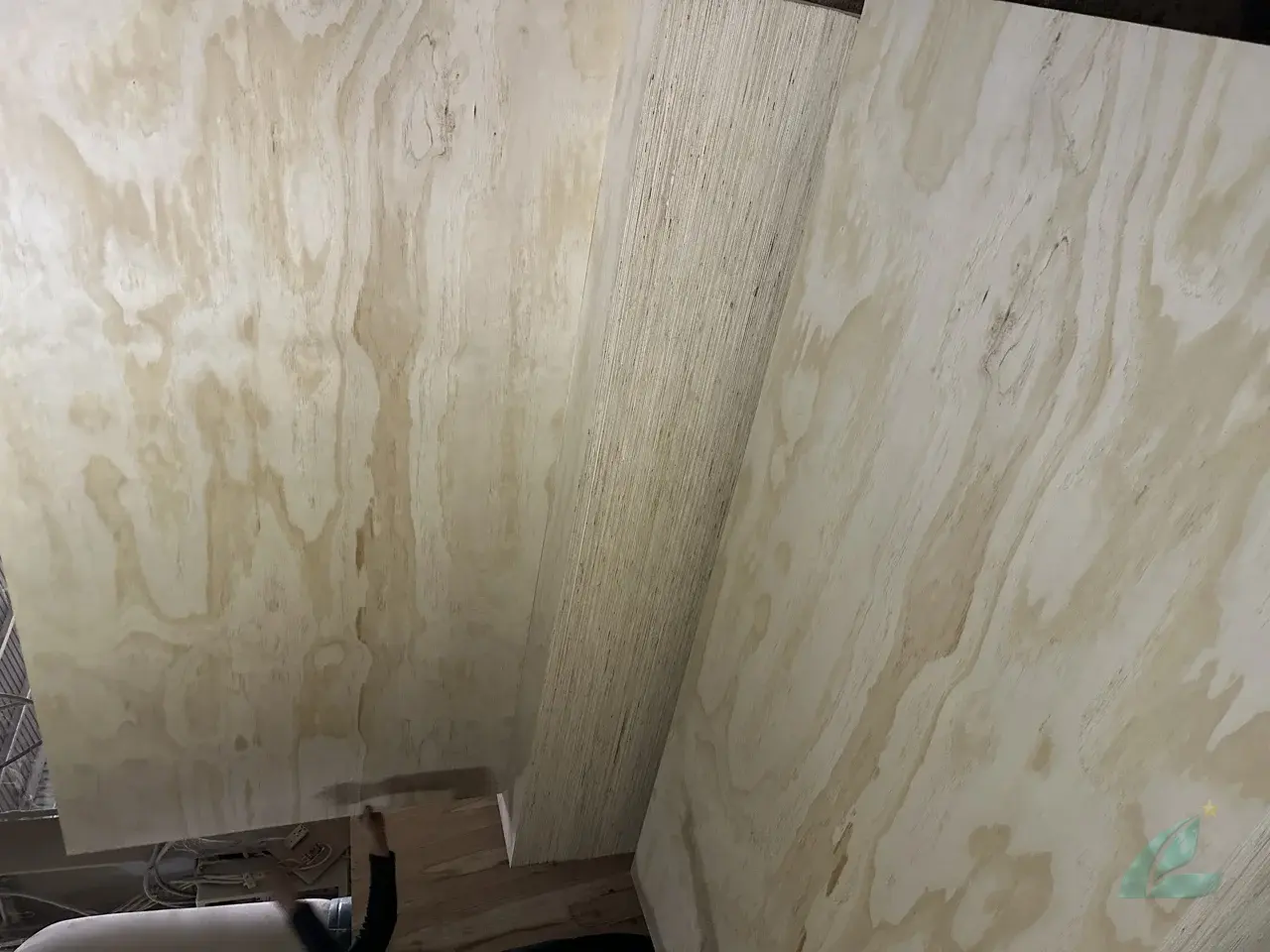
Pine plywood takes its identity from the face veneer species — either Radiata Pine (Pinus radiata, widely grown in Chile, New Zealand, and Australia) or Southern Yellow Pine (SYP, from the southeastern United States). Both species share the characteristic that makes pine face plywood commercially attractive: a warm, pale-golden grain with soft, even texture that finishes naturally with clear lacquer or accepts stain to produce consistent, attractive wood tones across a full panel surface.
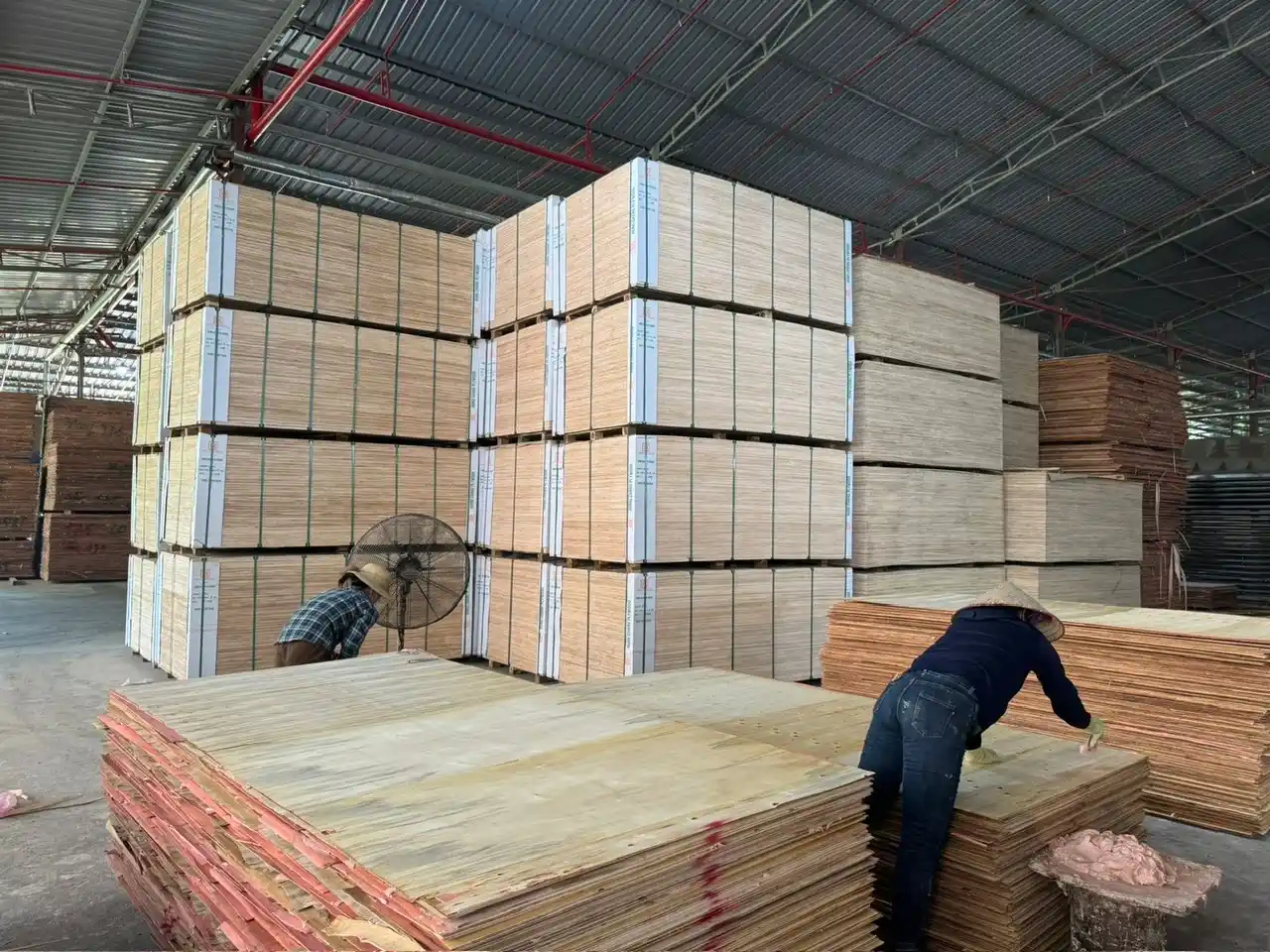
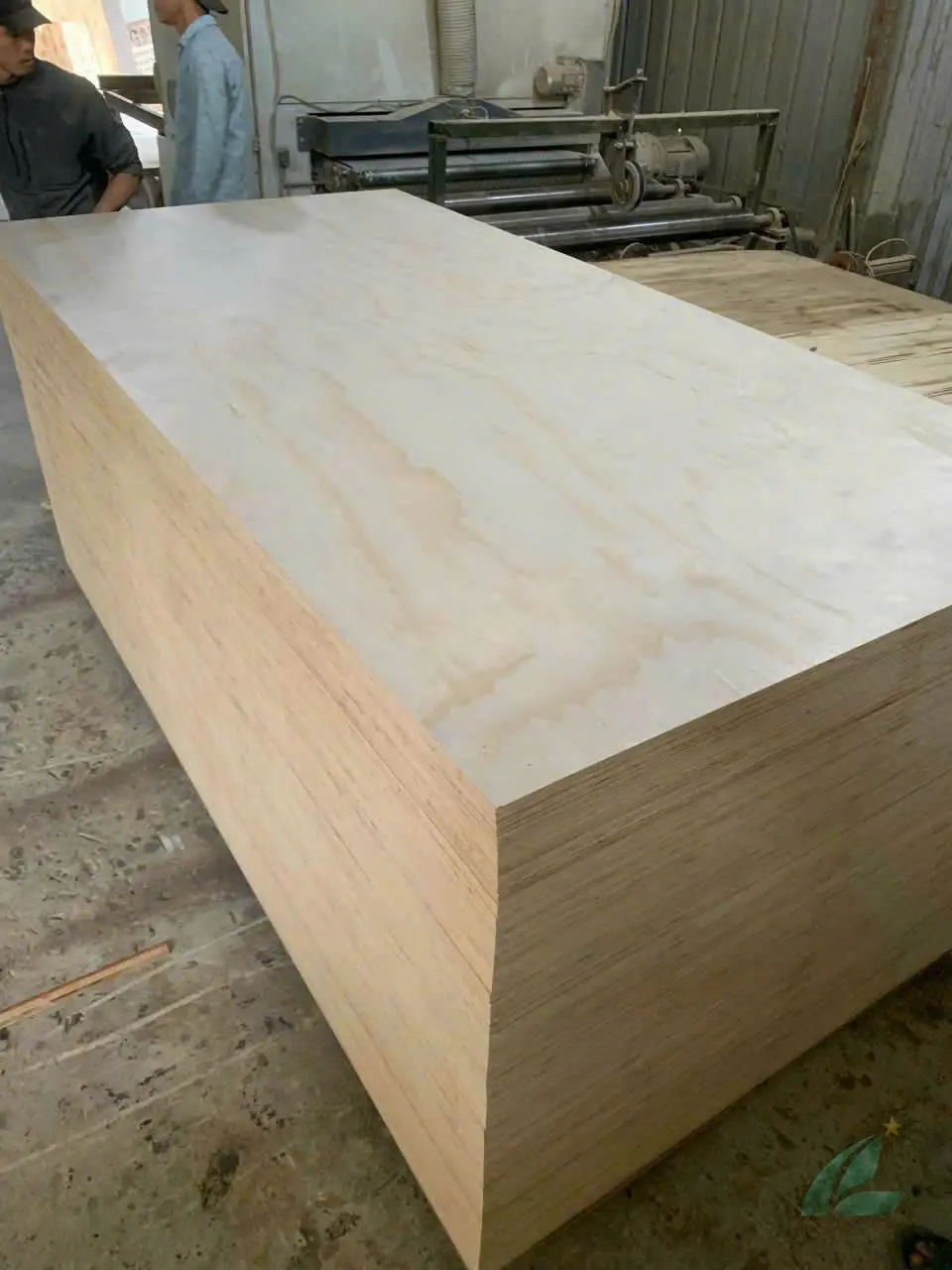
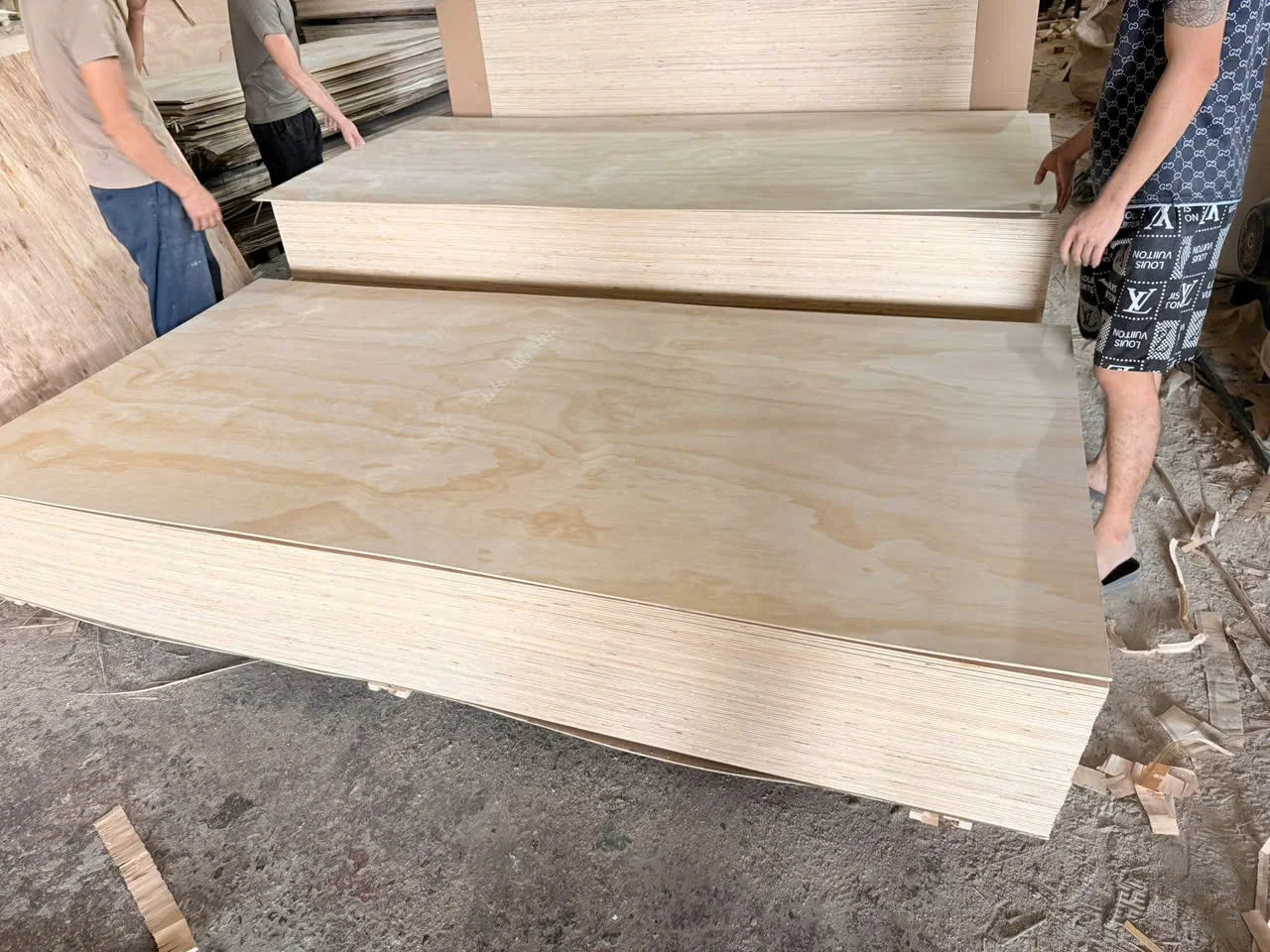
At HCPLY Vietnam, pine face veneer is sliced to 0.2–0.4mm thickness and applied to Vietnamese core species — acacia (~580 kg/m³) or styrax (480–500 kg/m³). This is a critical technical point: the density of a pine plywood panel is determined by its core, not by the thin pine face veneer. A styrax-core pine panel will weigh 480–500 kg/m³ — lighter, easier to handle, maximizing container fill to approximately 53 CBM per 40HC container (18 pallets). An acacia-core pine panel will be denser at ~580 kg/m³, loading approximately 47.5 CBM per 40HC (16 pallets), with better screw-holding properties for furniture applications.
The appeal of pine plywood Vietnam in Western markets — particularly Australia, New Zealand, and Europe — lies in this combination: the familiar, trusted aesthetic of pine wood surface, produced at Vietnamese factory efficiency with FSC-certified chain of custody, at FOB pricing that is substantially more competitive than equivalent panels sourced from domestic production in those markets. For Australian importers familiar with structural plywood grades, HCPLY pine plywood targets the decorative and non-structural segment — interior paneling, furniture components, crate material — rather than AS/NZS structural grading specifications.
For markets in Latin America (especially Chile and Brazil, where Radiata Pine is domestically grown), the value proposition of Vietnamese pine plywood shifts to volume flexibility — HCPLY can supply specific thickness ranges, custom sizes, or mixed-container loads that domestic suppliers may not accommodate for small-to-medium importers.