
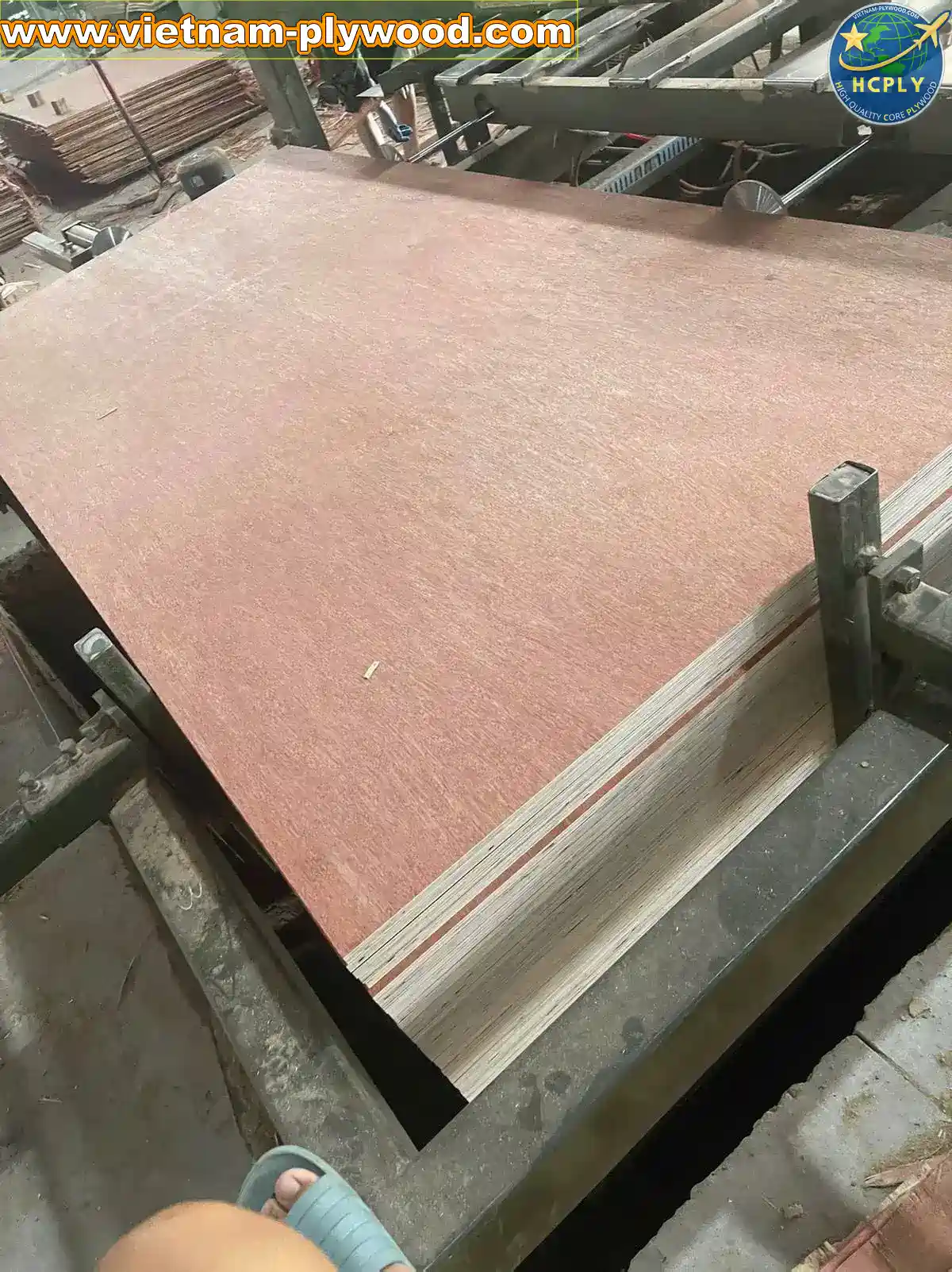

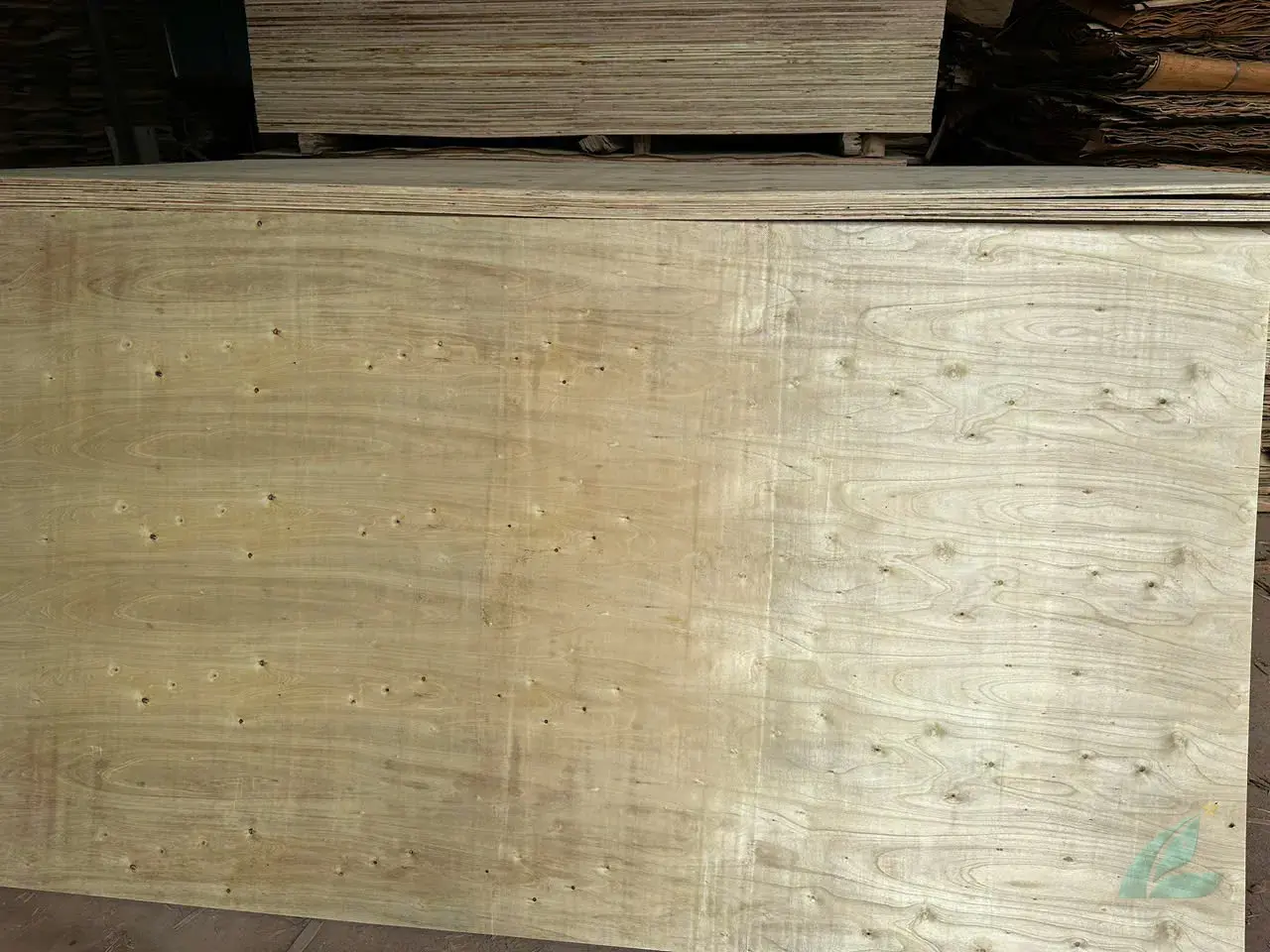
Packing plywood Vietnam is not furniture plywood sold at a discount. It is a distinct product category, manufactured specifically for one purpose: maximum structural performance at the absolute lowest cost per panel. If your application is pallets, wooden crates, shipping boxes, or dunnage boards — packing grade is the correct specification, and anything better is money wasted.
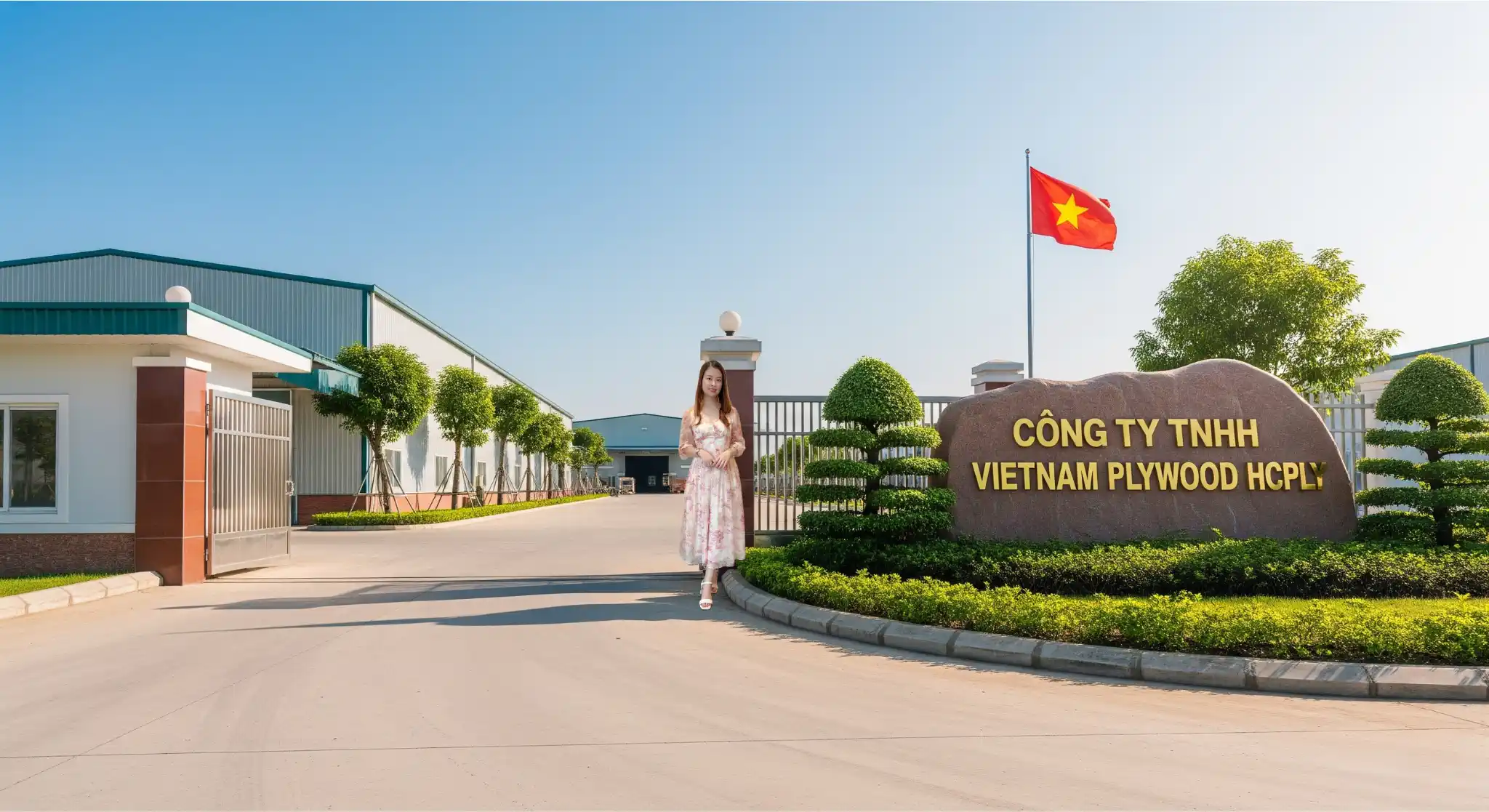
HCPLY produces packing plywood Vietnam from its commercial production facility in Phu Tho Province, Northern Vietnam, where the focus is acacia/styrax core construction, Melamine (MR) glue bonding, and ISPM 15 heat treatment certification. Starting from USD 220/CBM FOB Hai Phong, it is the most affordable panel in the HCPLY product range — and the one that most importers buying for industrial packaging operations actually need.
📦 What Is Packing Plywood? (And What It Is Not)
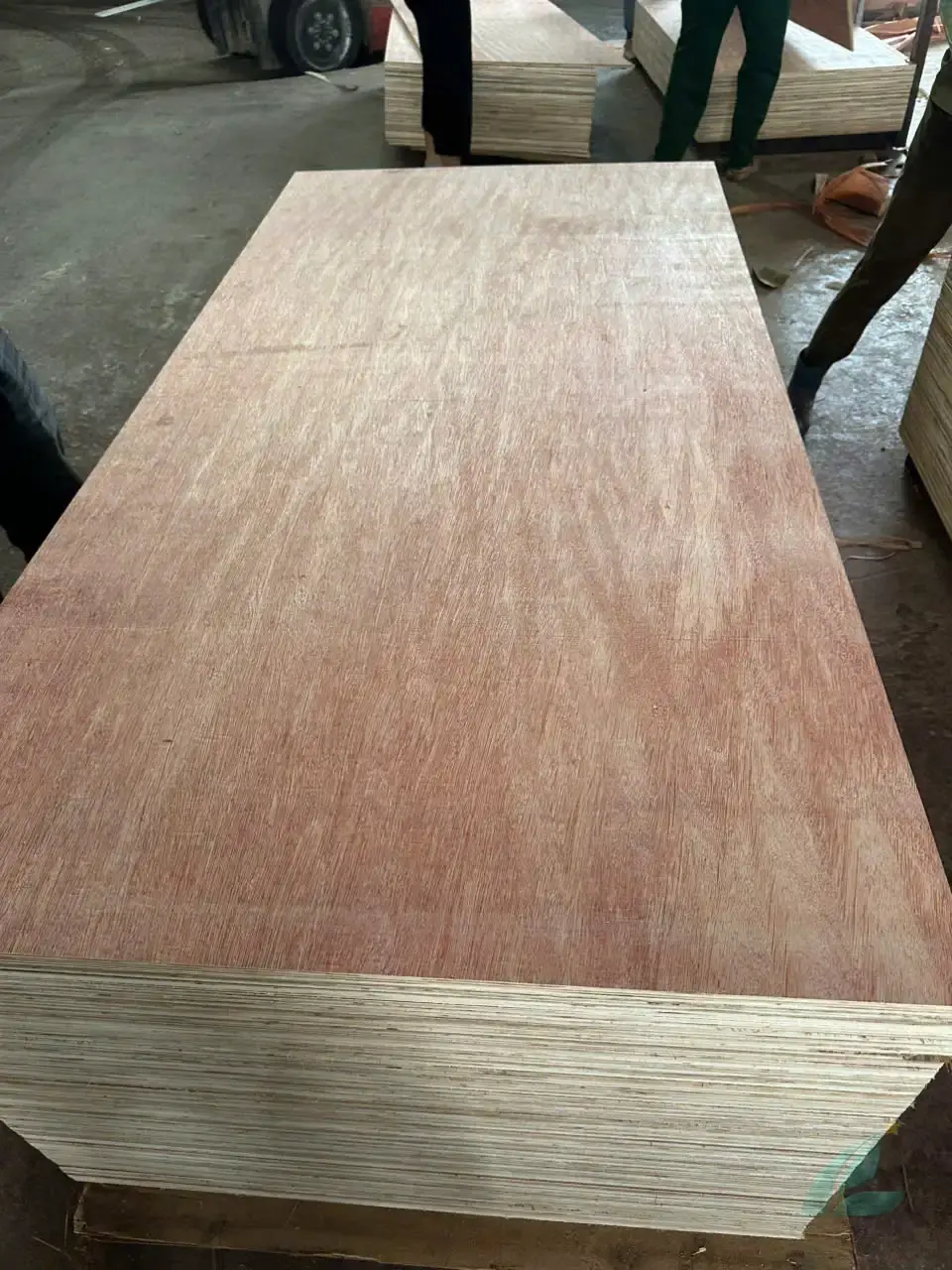
Packing plywood is plywood manufactured for industrial packaging applications — pallets, crates, shipping boxes, dunnage, and protective corner boards. The defining characteristic is that surface appearance is irrelevant. What matters is bond line integrity and load-bearing capacity at the lowest price.
To achieve that cost target, packing plywood uses face veneers that furniture-grade buyers would reject. Bintangor C/D grade and Poplar face veneers are the standard choices: they may include natural repairs, small knots, and minor splits within permitted limits. For packaging, none of that matters — the face veneer is never seen by the end consumer, never lacquered, never used as a visible surface.
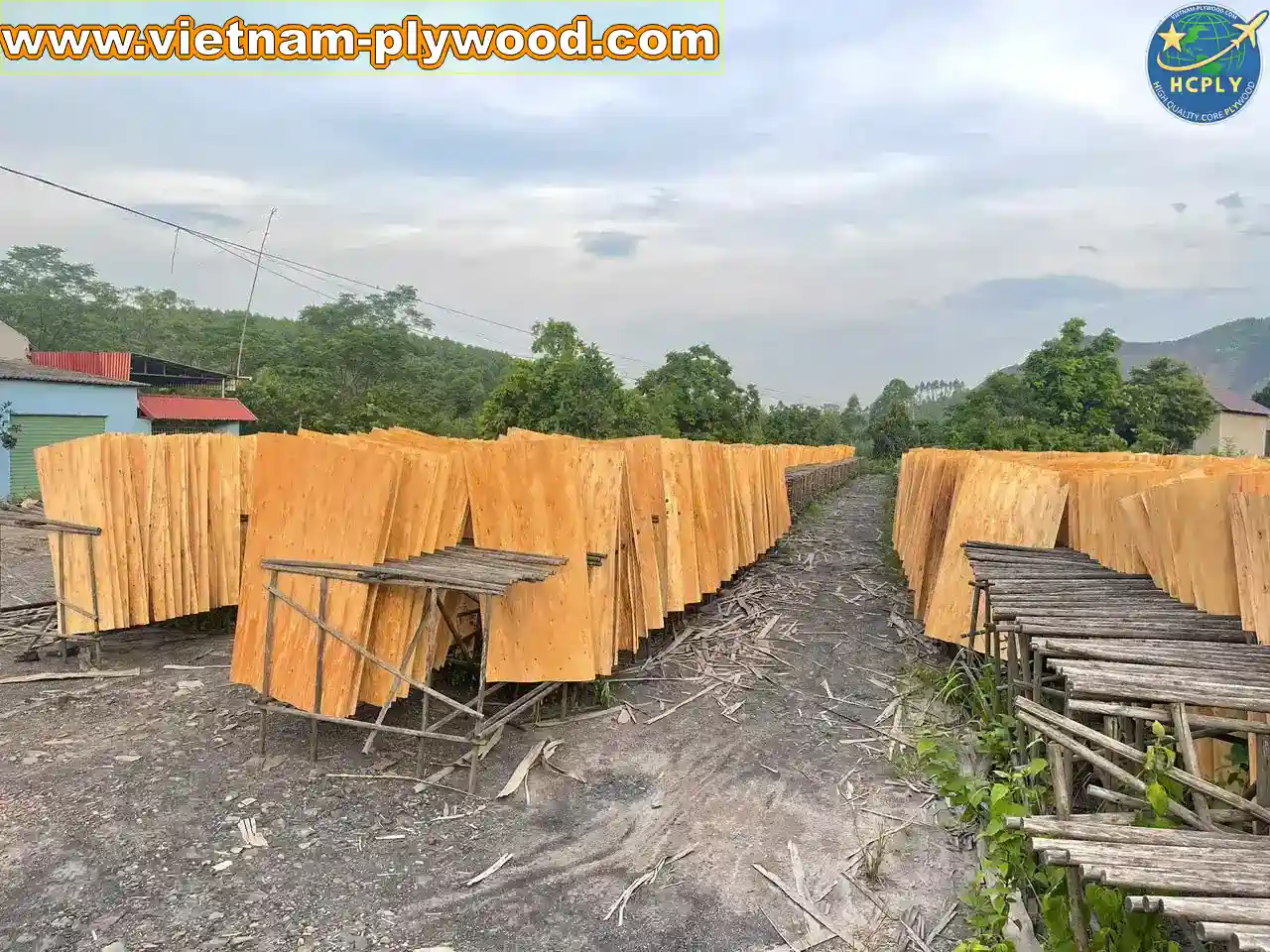
The core follows the same logic: acacia core (~580 kg/m³) or styrax core (480–500 kg/m³), both Vietnam plantation species, pressed with Melamine (MR) glue. Emission standard is E2 — correct for industrial packaging, not appropriate for residential interior use.
⚠️ Important: Packing plywood (E2, MR glue) is not suitable for residential interiors or export to markets requiring E0/E1/CARB P2 compliance. For furniture and cabinet applications, see commercial-grade bintangor plywood or other furniture-grade options.
📊 Core Specifications: Acacia vs. Styrax
Choosing between acacia and styrax core is the primary specification decision for packing plywood buyers. The difference is density — and density affects weight, container load count, and freight cost per panel.
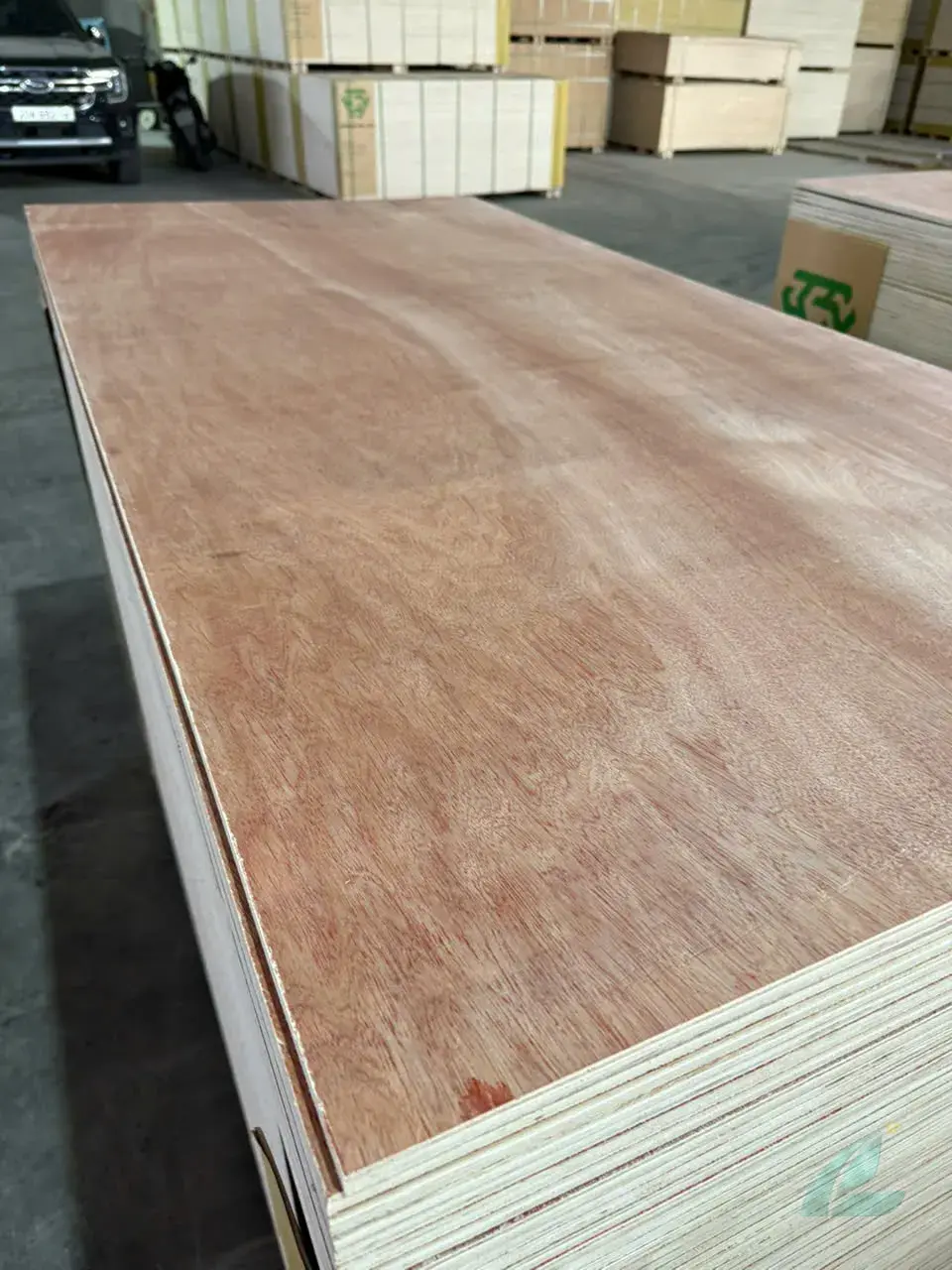
| Specification | Acacia Core | Styrax Core |
|---|---|---|
| Core density | ~580 kg/m³ | 480–500 kg/m³ |
| Face veneer | Bintangor C/D or Poplar | Bintangor C/D or Poplar |
| Glue type | Melamine (MR) | Melamine (MR) |
| Emission standard | E2 | E2 |
| Pallets per 40HC (1220×2440mm) | 16 pallets | 18 pallets |
| CBM per 40HC | ~47.5 CBM | ~53 CBM |
| Surface finish | Unsanded | Unsanded |
| Best for | Heavy-duty pallets, machinery crates | Light-duty crates, produce boxes, freight-sensitive orders |
| Price point (FOB) | Slightly higher | Most affordable |
The practical implication: styrax core loads 18 pallets per 40HC versus 16 for acacia — a 12.5% increase in panel count per container at equivalent thickness. For high-volume orders where freight cost per piece is the priority metric, styrax core delivers lower landed cost per panel (HCPLY production data, 2026).
Acacia core is stronger under compressive load and better suited for heavy machinery crates, industrial goods packaging, and applications where the panels must handle forklift tine pressure and stacking weight. Both core species are Northern Vietnam plantation-grown — not “mixed tropical hardwood” from unknown sources, which creates unpredictable density variation across shipments.
“For packaging buyers focused purely on cost per panel delivered, styrax core is almost always the right choice. The panels are structurally sufficient for light to medium-duty crates and produce boxes, and the lower density means more panels per container at the same freight cost.” — Lucy, International Sales Manager, HCPLY
📋 Full Specifications: Packing Plywood Vietnam
HCPLY packing plywood ships with the following standard specifications. Custom thickness, size, and mixed-specification containers are accepted.
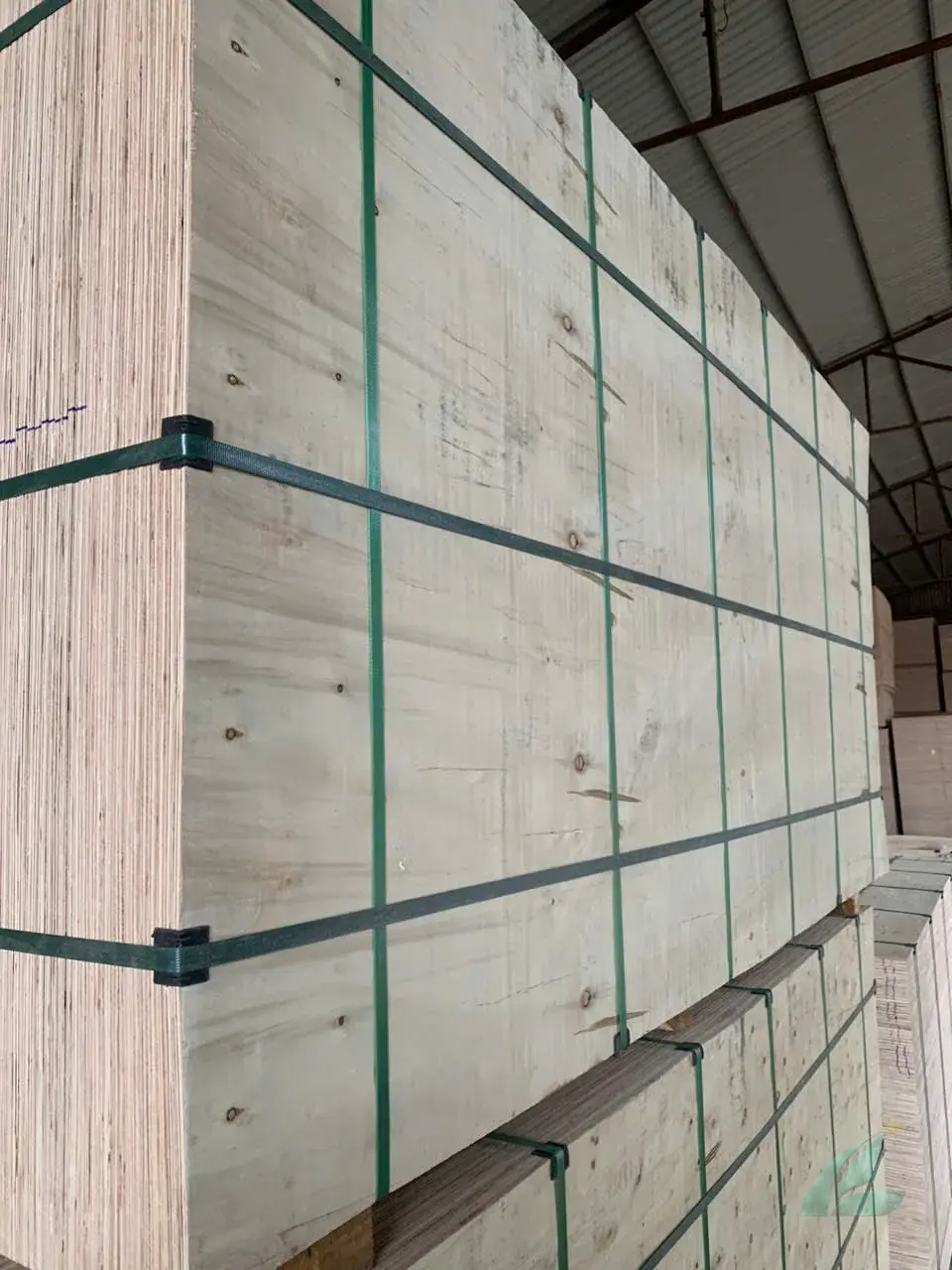
| Parameter | Value |
|---|---|
| Face / Back | Bintangor C/D or Poplar (packing grade) |
| Core | Acacia (~580 kg/m³) or Styrax (480–500 kg/m³) |
| Glue | Melamine (MR) |
| Emission | E2 |
| Thickness range | 3–25mm — common: 9, 12, 15, 18mm |
| Standard sizes | 1220×2440mm (4×8ft), 1220×1830mm (4×6ft), 915×1830mm (3×6ft) |
| Thickness tolerance | ±0.5mm |
| Moisture content | ≤14% |
| Surface finish | Unsanded |
| ISPM 15 treatment | Heat treatment (HT) — included |
| MOQ | 1 × 40HC container |
| Lead time | 10–15 working days |
| Port | FOB Hai Phong, Vietnam |
| Price reference | From USD 220/CBM FOB (2026; subject to change — contact for current pricing) |
🔧 Applications: Where Packing Plywood Is Used
Packing plywood covers a broader range of industrial applications than the name suggests. Export grade packing plywood is used wherever structural strength matters more than surface appearance — the defining criterion is simple: if appearance is irrelevant, packing grade is the correct cost choice.
Sourcing packing plywood for crates, pallets, and export boxes means selecting for bond line strength, correct glue type, and ISPM 15 compliance — not for surface grade or sanding quality.
Wooden pallets and skids — the highest-volume use. Packing plywood forms the top boards, bottom boards, and deck boards of export pallets. Thickness 9mm to 18mm depending on load weight. The strong bond line from Melamine (MR) pressing ensures boards do not delaminate under forklift handling.
Export crates for machinery and electronics — packing plywood panels form the walls, top, and base of wooden export crates. Heavy machinery crates typically use 18–21mm panels with acacia core for compressive strength. Electronics and lighter-goods crates use 12–15mm panels with styrax core to minimize total crate weight.
Dunnage boards and void filling — strips and boards cut from packing plywood sheets are used inside shipping containers to secure and brace cargo, prevent shifting, and fill voids. This application consumes off-cuts and sub-standard pieces, making it a natural outlet for mills producing packaging-grade material.
Agricultural and produce packaging — lightweight crates for fresh produce, cut flowers, and food products use 4–9mm packing plywood panels. Low weight per panel is critical here — styrax core’s 480–500 kg/m³ density is the reason it is preferred for this application category.
Budget construction formwork — in markets where film-faced plywood is too expensive for small residential projects, packing plywood is sometimes used as a single-use concrete formwork. Not recommended as a primary formwork application — see Film Faced Plywood Vietnam for reusable, purpose-built formwork panels.
🚢 ISPM 15 Compliance — What Every Importer Needs to Know
Every packing plywood shipment in international trade must comply with ISPM 15 (International Standards for Phytosanitary Measures No. 15), published by the International Plant Protection Convention (IPPC) and adopted by 185+ member countries (IPPC, 2024). Compliance is not optional — failure means detention, re-treatment at the importer’s expense, or destruction of the shipment.
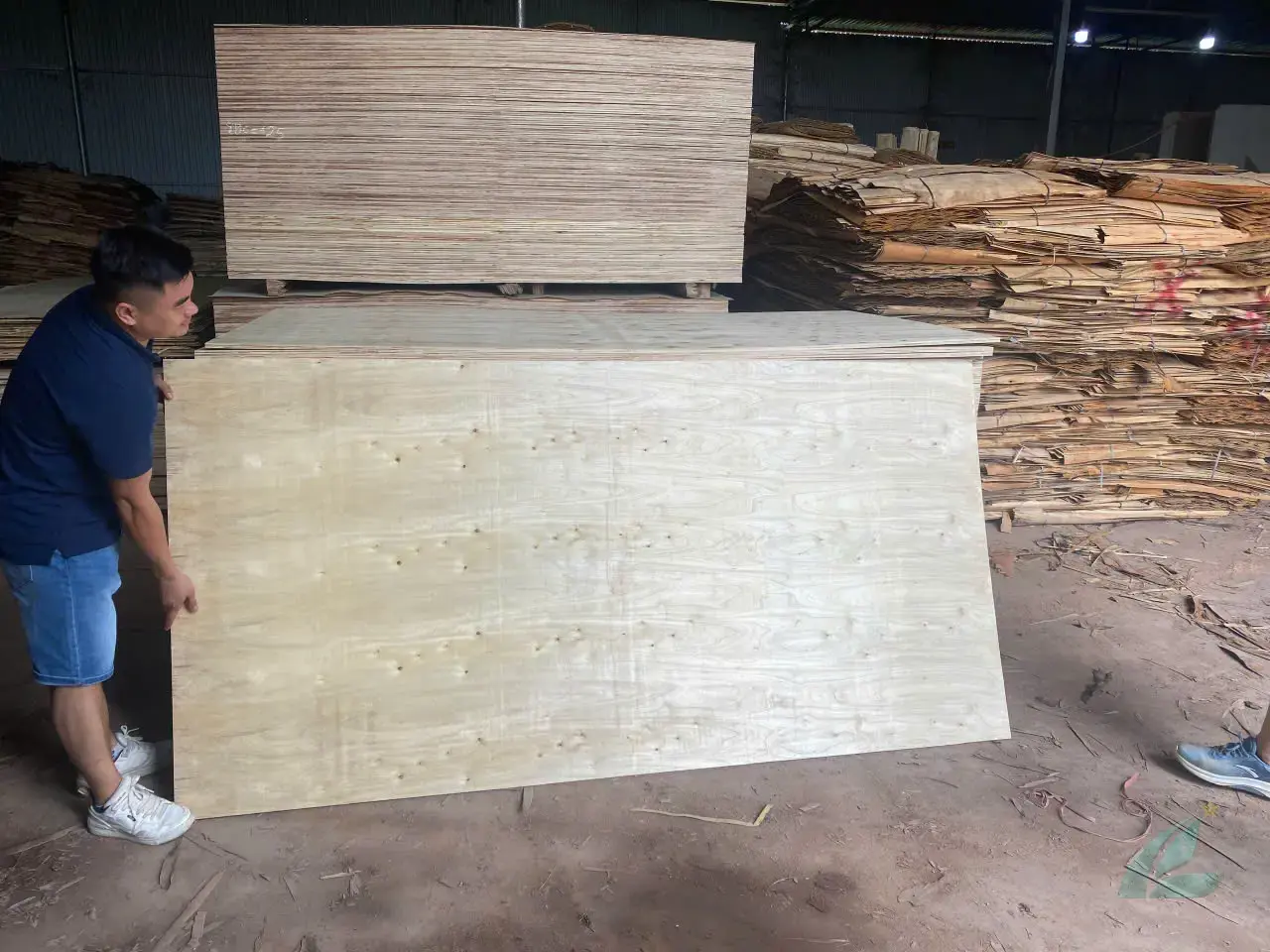
HCPLY uses Heat Treatment (HT) — the universally accepted ISPM 15 method. Under heat treatment, panels are placed in a certified kiln and the core of the wood must reach a minimum temperature of 56°C sustained for 30 continuous minutes. This kills all life stages of regulated wood pests without chemicals. The methyl bromide (MB) fumigation alternative is being phased out globally and is not used by HCPLY.
Every HCPLY packing plywood shipment includes:
- Phytosanitary Certificate — issued by Vietnam’s Plant Protection Department (PPD), confirming ISPM 15 HT compliance
- ISPM 15 bundle marking — wheat symbol + VN country code + HT treatment method + producer registration number
- Certificate of Origin (CO) — Form D for ASEAN FTA benefit where applicable, or standard CO
- Commercial Invoice, Packing List, Bill of Lading
The ISPM 15 marking on each bundle makes customs inspection straightforward at destination ports in India, Africa, Europe, and elsewhere. HCPLY includes all documentation costs in the quoted FOB price — no separate certification surcharge.
📐 Container Loading: Choosing the Right Thickness and Size
Panel size selection for packing plywood affects both cutting yield in your packaging operation and freight cost per piece. HCPLY produces three standard sizes covering the majority of industrial packaging applications.
1220×2440mm (4×8ft) — the global standard format, providing maximum cutting flexibility for standard pallet boards and crate panels. With acacia core, this size loads 16 pallets per 40HC (~47.5 CBM). With styrax core: 18 pallets (~53 CBM). See the 40HC container packing calculation guide for detailed pallet and weight tables.
1220×1830mm (4×6ft) — popular for buyers whose crate designs and pallet templates don’t require the full 8ft length. Ordering at 4×6ft reduces off-cut waste in production and may allow more usable pieces per container depending on your cut list.
915×1830mm (3×6ft) — the compact format for smaller crates, protective panels, corner boards, and agricultural packaging.
Custom sizes outside these three standards are available with the same MOQ (1 × 40HC). Buyers with specific pallet templates or crate designs can provide cut lists and HCPLY will optimize the loading plan to minimize waste.
Mixed-thickness containers are accepted — combining 9mm, 12mm, 15mm, and 18mm panels in one 40HC. HCPLY provides a bundle-level packing list so buyers can reconcile delivered panels against their purchase order.
Get a free quote with container loading details →
🔍 Packing Plywood vs. Film Faced vs. Anti-Slip: Which Grade?
Buyers occasionally compare packing plywood to other industrial-grade panels from HCPLY. The table below clarifies when each grade is appropriate.
| Feature | Packing Plywood | Film Faced Plywood | Anti-Slip Plywood |
|---|---|---|---|
| Primary use | Pallets, crates, packaging | Concrete formwork (reusable) | Truck floors, ramps, scaffolding |
| Face | Bintangor C/D or Poplar | Phenolic/melamine film | Anti-slip mesh film |
| Glue | Melamine (MR) | Phenolic (WBP) | Phenolic (WBP) |
| Emission | E2 | N/A (exterior) | N/A (exterior) |
| Moisture resistance | Interior/dry conditions | Exterior/wet conditions | Exterior/wet conditions |
| Reusability | Single-use | 6–15+ uses | Long-term floor use |
| Price from (FOB) | USD 220/CBM | USD 280/CBM | USD 290/CBM |
For one-time use packaging applications, packing plywood is the correct and most cost-efficient choice. For reusable concrete formwork, Film Faced Plywood Vietnam is the appropriate grade — the WBP phenolic glue and film surface justify the higher price through multiple reuse cycles.
🏭 Why Source Packing Plywood from Vietnam?
Vietnam has become the dominant supplier of industrial packing plywood for markets in South and Southeast Asia, the Middle East, and sub-Saharan Africa — for structural reasons that continue to hold in 2026.
Northern Vietnam’s plantation forestry base — concentrated in Phu Tho, Yen Bai, and Tuyen Quang provinces — provides direct access to acacia and styrax core veneer at the lowest cost point in the global supply chain. HCPLY’s production facility in Ha Hoa District, Phu Tho, is located within the plantation sourcing area, eliminating intermediate transport costs that inflate pricing for southern Vietnam suppliers (HCPLY production data, 2026).
The Hai Phong port connection gives Vietnam-origin packing plywood a freight advantage to Indian Ocean markets: transit times to Mundra (India) run 14–18 days, to Mombasa (Kenya) approximately 22–26 days, to Jebel Ali (UAE) 16–20 days. These transit times compare favorably to Southeast Asian alternatives where port congestion or longer sea routes increase landed cost.
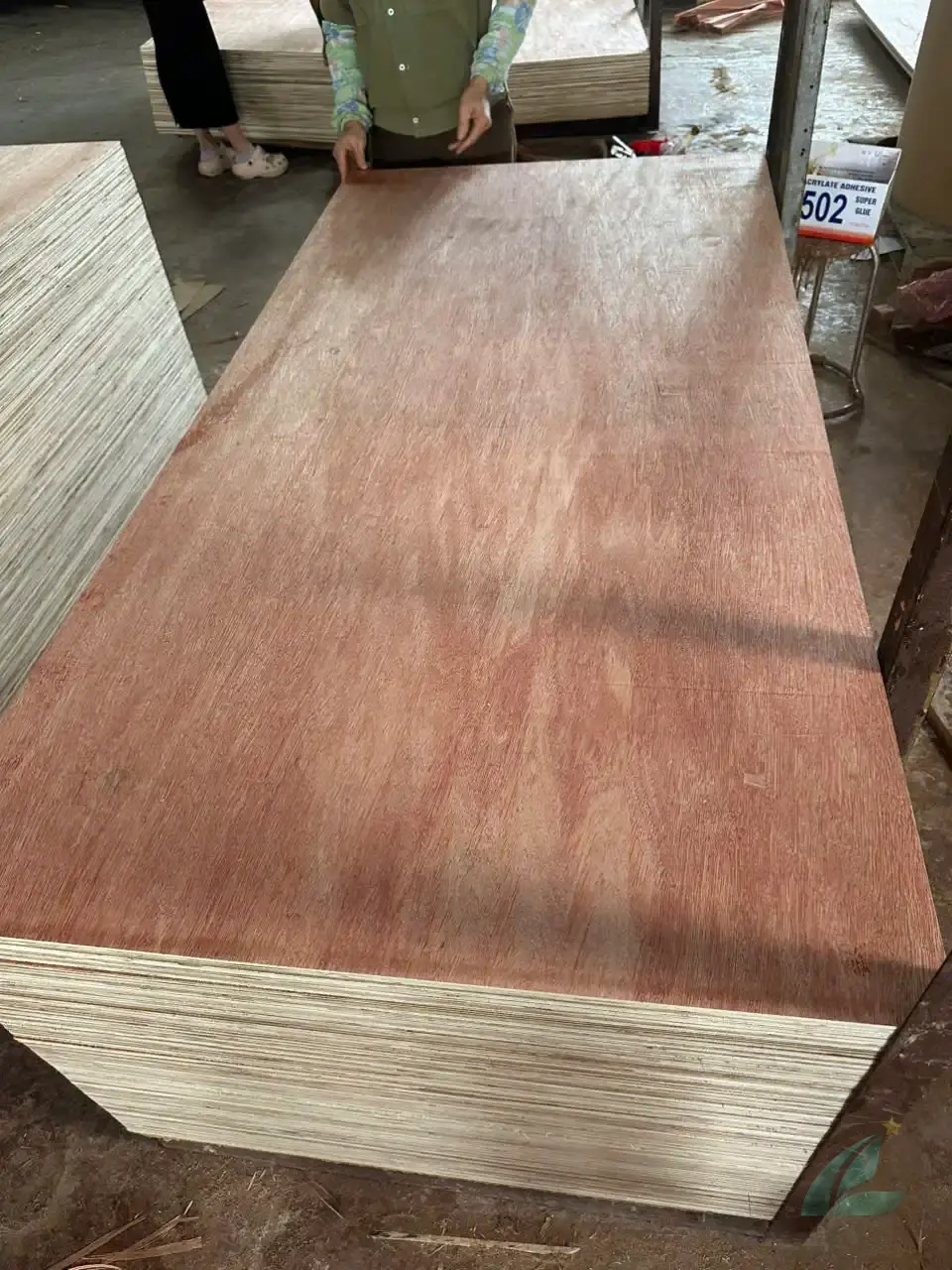
HCPLY exports packing plywood Vietnam to 50+ countries. The most active receiving markets as of 2026 are India (Mundra, Nhava Sheva, Kolkata), UAE (Jebel Ali), Bangladesh (Chittagong), Pakistan (Karachi), Kenya (Mombasa), Nigeria (Lagos), and South Africa (Durban). Complete export documentation — including CO, phytosanitary certificate, fumigation certificate, commercial invoice, and packing list — is prepared by HCPLY’s in-house export team and provided with each shipment.
💡 How to Order Packing Plywood Vietnam from HCPLY
The ordering process for packing plywood is straightforward. HCPLY responds to all inquiries within 12 hours with FOB pricing, container packing details, and a Proforma Invoice.
What to include in your inquiry:
- Thickness — 9mm, 12mm, 15mm, 18mm, or custom
- Size — 1220×2440mm (standard), 1220×1830mm, 915×1830mm, or custom
- Core preference — acacia (heavier, stronger) or styrax (lighter, more panels/container)
- Quantity — volume in CBM or number of containers
- Destination port — for freight time estimate and documentation preparation
Standard payment: 30% T/T deposit on Proforma Invoice, 70% T/T before loading. L/C at sight also accepted. Before placing a full container order, HCPLY can send physical sample panels for testing at your facility.
For detailed container weight and CBM figures by thickness, refer to the 40HC container packing calculation guide — it contains factory-level packing tables that help you verify volume and weight before confirming your order.
Contact HCPLY Now — Free Quotation Within 12 Hours →
✅ Summary: Is Packing Plywood Vietnam the Right Choice?
Export grade packing plywood from Vietnam is the correct product if your application is industrial packaging — pallets, crates, shipping boxes, dunnage, or single-use formwork. The E2 emission standard and Melamine (MR) glue are appropriate for these applications. The packing-grade face veneer eliminates cost for appearance standards that packaging buyers don’t need.
Buyers sourcing packing plywood for crates and export pallets will find HCPLY’s factory-direct supply chain — Phu Tho production facility to Hai Phong port — delivers the shortest lead time and most competitive FOB pricing in Northern Vietnam.
It is not the right product for: residential interiors, furniture manufacturing, kitchen cabinets, export to markets requiring E0/E1/CARB P2 compliance, or any application where the plywood face is visible to the end user. For those requirements, Poplar Plywood Vietnam or other appearance-grade options are the correct specification.
For packaging buyers — particularly in India, UAE, Africa, and Southeast Asia — HCPLY packing plywood Vietnam delivers factory-direct pricing, ISPM 15 compliance, 10–15 day lead time, and full export documentation from a single contact point.
Request your packing plywood quotation — free, within 12 hours →