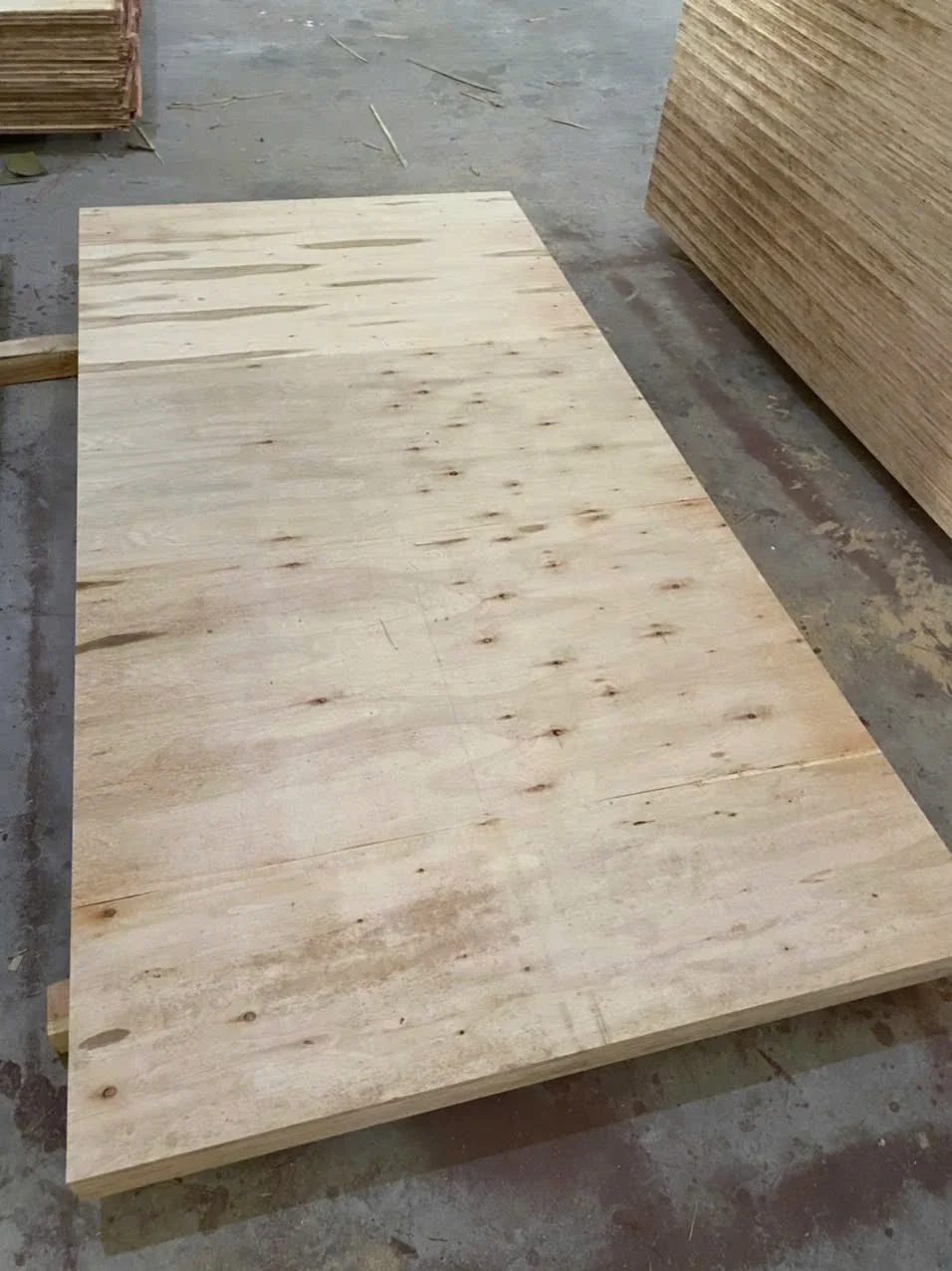
What is Matt Plywood? Defining the Unfaced Substrate
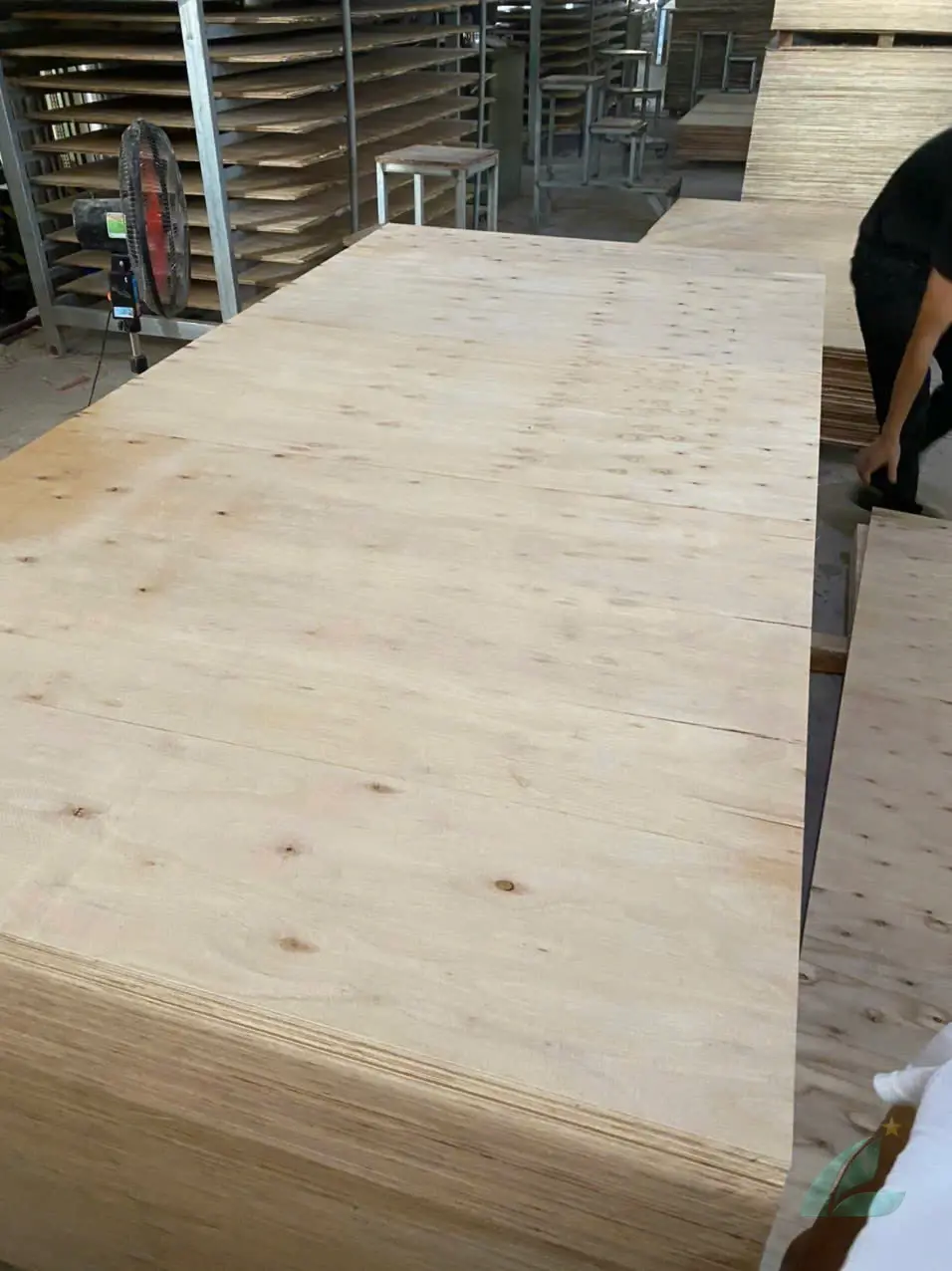
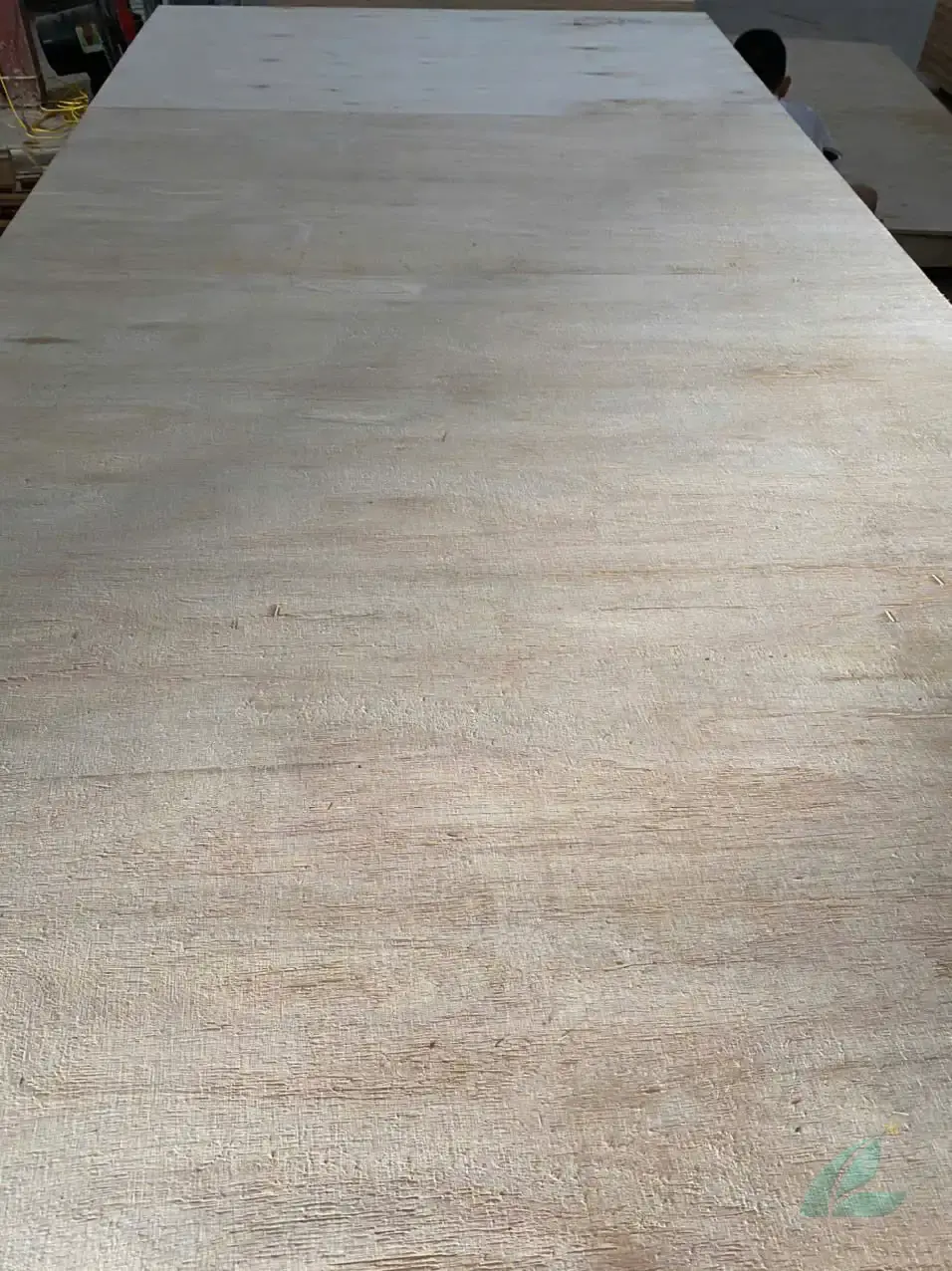
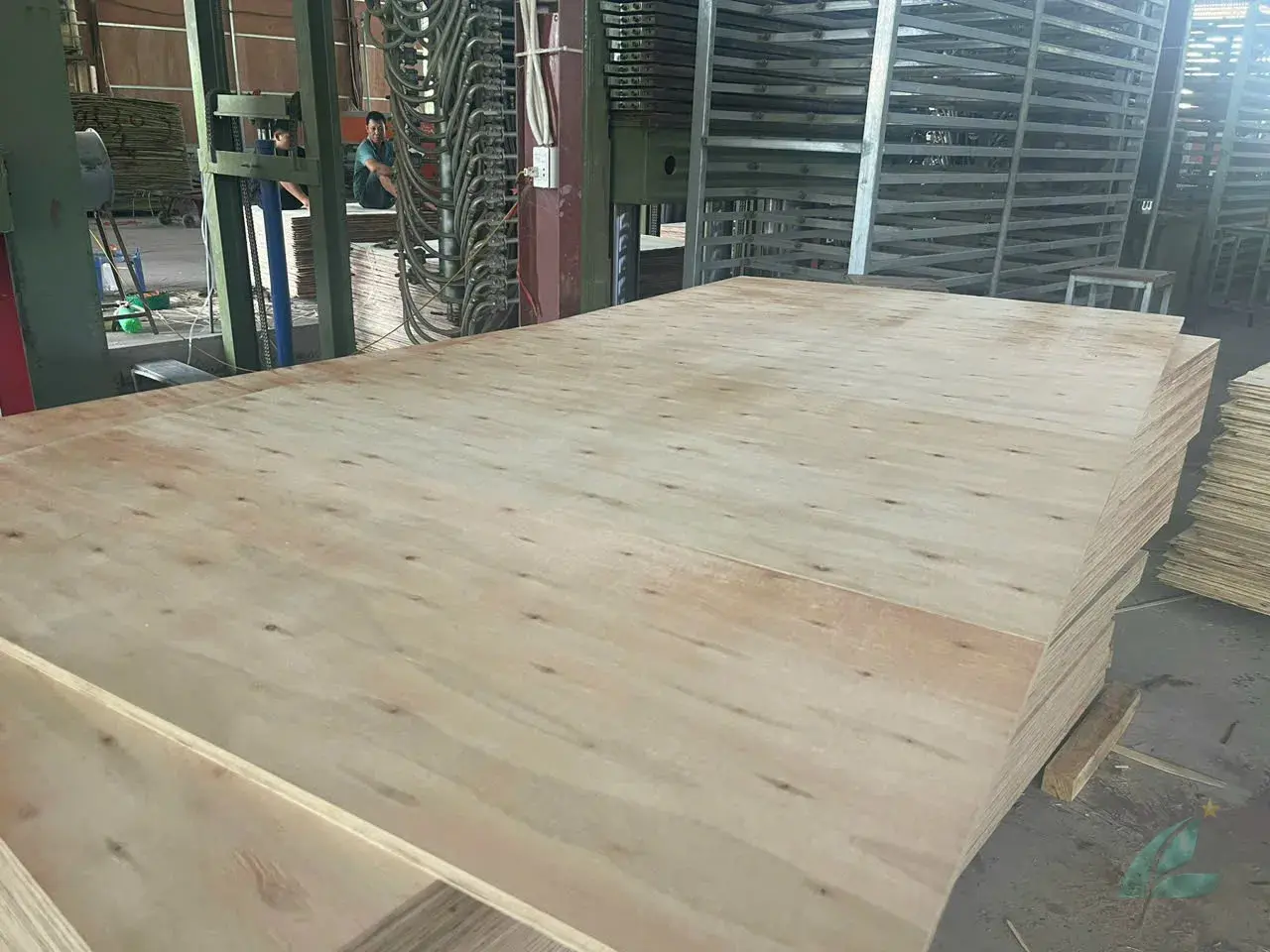
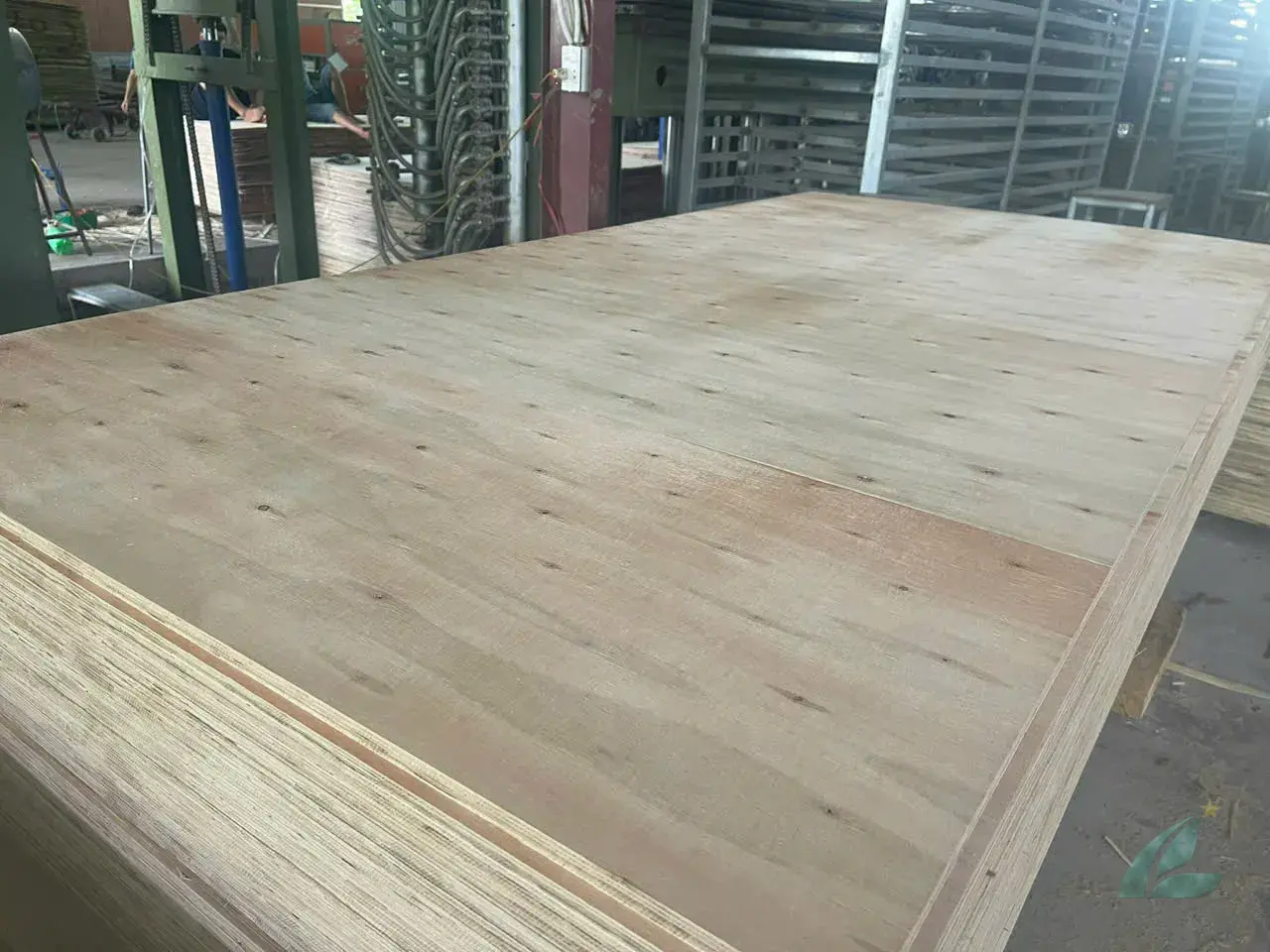
Matt plywood is not a finished product — it is a raw material. The name comes from its appearance: a panel with a smooth, matte bare-wood surface, sanded flat but carrying no decorative face veneer. Unlike birch plywood, okoume plywood, or EV plywood (which are named and valued for their face veneer species), matt plywood is defined entirely by what it does not have: a face. Its value is in its substrate quality — flatness, thickness consistency, core stability, and emission compliance — because these are the properties that determine the quality of whatever lamination process the buyer's factory will apply.
In Vietnam's plywood industry, matt plywood is also called "substrate plywood," "bare core plywood," or "unfaced plywood." The term "matt" specifically in the Vietnam export context refers to this unfaced, lightly sanded or sanded-to-substrate-quality raw panel, not to any surface finish treatment. This is an important distinction: matt plywood is not the same as "matt finish" or "matte lacquer" panels — it is an entirely unfaced raw board.
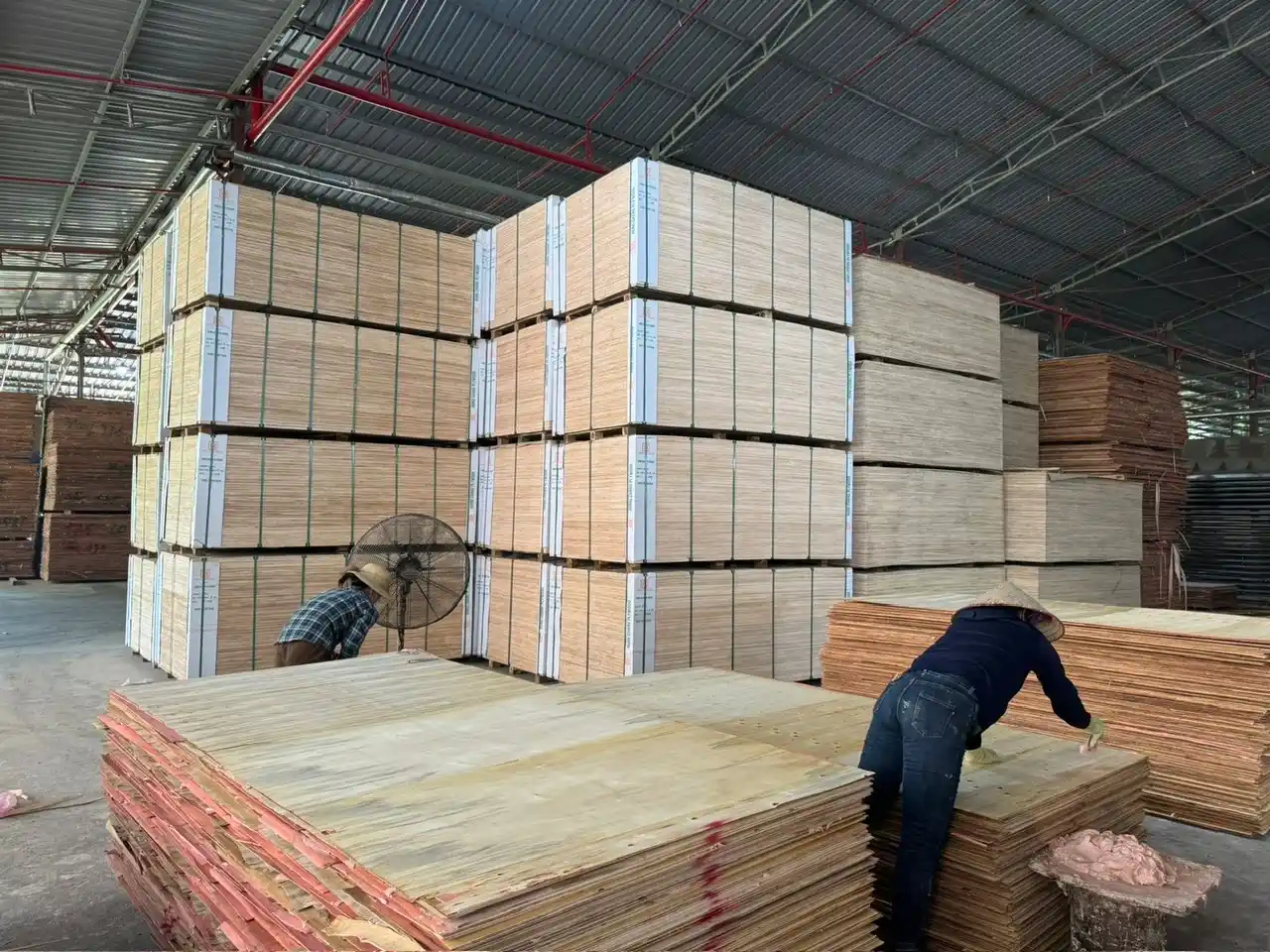
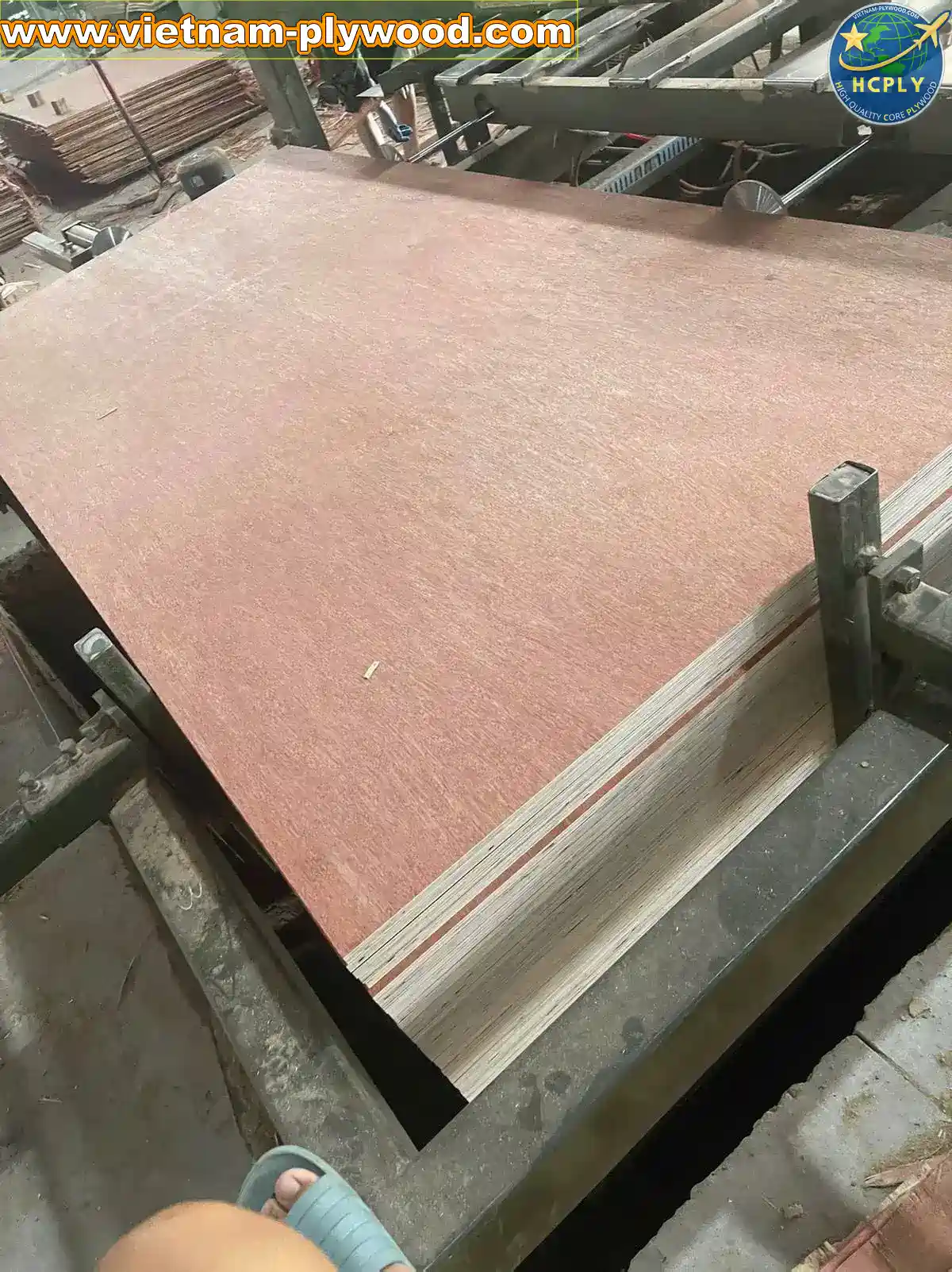
The buyers of matt plywood Vietnam are not end-use furniture consumers. They are furniture factories, lamination processors, and OEM production facilities who buy the raw panel as an input and apply their own surface treatment — pressing it with HPL (high-pressure laminate), melamine paper, natural veneer, EV veneer, PVC film, or UV coating — to produce the final decorative panel for furniture or interior use. Matt plywood is the upstream material in that production process.
At HCPLY Vietnam, matt plywood is manufactured in styrax, acacia, and eucalyptus core configurations. The core choice determines panel density, weight, and screw-holding capacity — properties that affect how the laminated finished panel will perform in assembly. The surface of all HCPLY matt plywood is calibrated sanded to the flatness and roughness standard required for professional lamination adhesion.