


Finding a reliable plywood supplier in Vietnam separates profitable import operations from costly failures. With 80%+ of online search results pointing to trading companies rather than actual manufacturers, buyers face material swaps, inconsistent thickness, and inflated pricing at every turn.
This guide breaks down the four supplier types operating in Vietnam, shows you exactly what to verify during factory inspections, and explains the pricing structures that separate factory-direct operations from middlemen.
🏭 Four Supplier Types in Vietnam
Vietnam’s plywood export industry operates through four distinct business models. Each model creates different pricing, quality control, and risk profiles for international buyers.
| Supplier Type | % of Online Results | VAT Impact | QC Control | Price Level |
|---|---|---|---|---|
| Trading Company | 80%+ | +8% domestic VAT | Indirect | Highest |
| Manufacturer-Exporter | ~10% | 0% (own factory) | Direct | Medium-High |
| Independent Broker | ~5% | 0% (ships from factory) | Limited | Low-Medium |
| Multi-Facility Operator | ~5% | 0% (factory-direct) | Full on-site | Optimal |
Trading companies dominate search results because they invest heavily in marketing and SEO. They purchase OEM products from factories, add their margin plus 8% domestic VAT, and resell to international buyers. The critical risk: some trading companies show buyers a premium factory during visits, then fulfill orders from a cheaper facility.
Manufacturer-exporters own their production lines but are limited to a single factory segment. A furniture-grade factory cannot produce competitive film-faced formwork panels because the equipment, core construction, and pressing processes differ completely.
For a detailed breakdown of each supplier type and how to identify them, read the Vietnam plywood supplier types and due diligence guide.
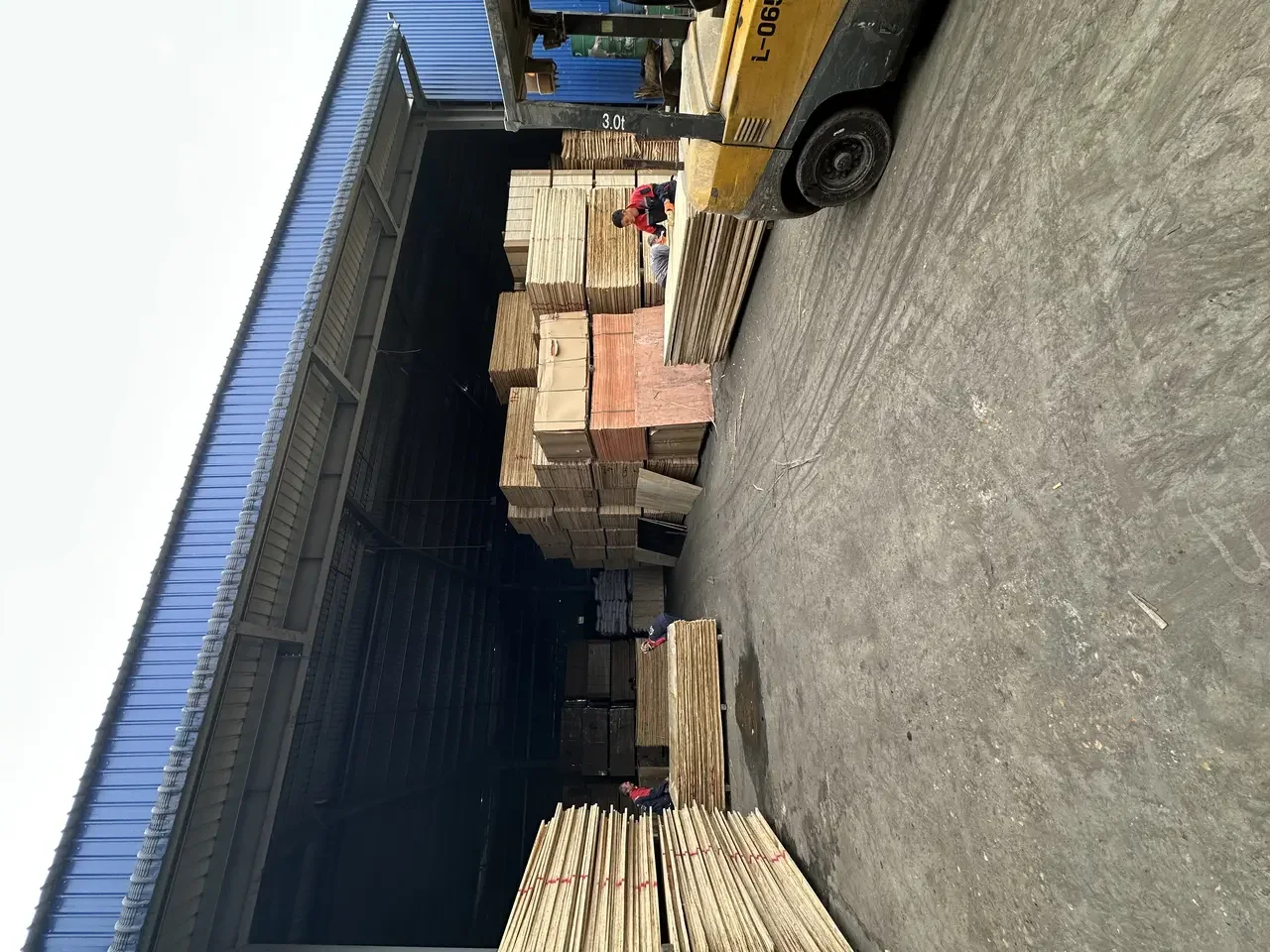
💡 Tip: Ask every supplier: “Which factory segment produces this specific product?” If they cannot name the facility or explain its specialization, they are likely reselling from multiple unknown sources.
🔍 Factory Verification Checklist
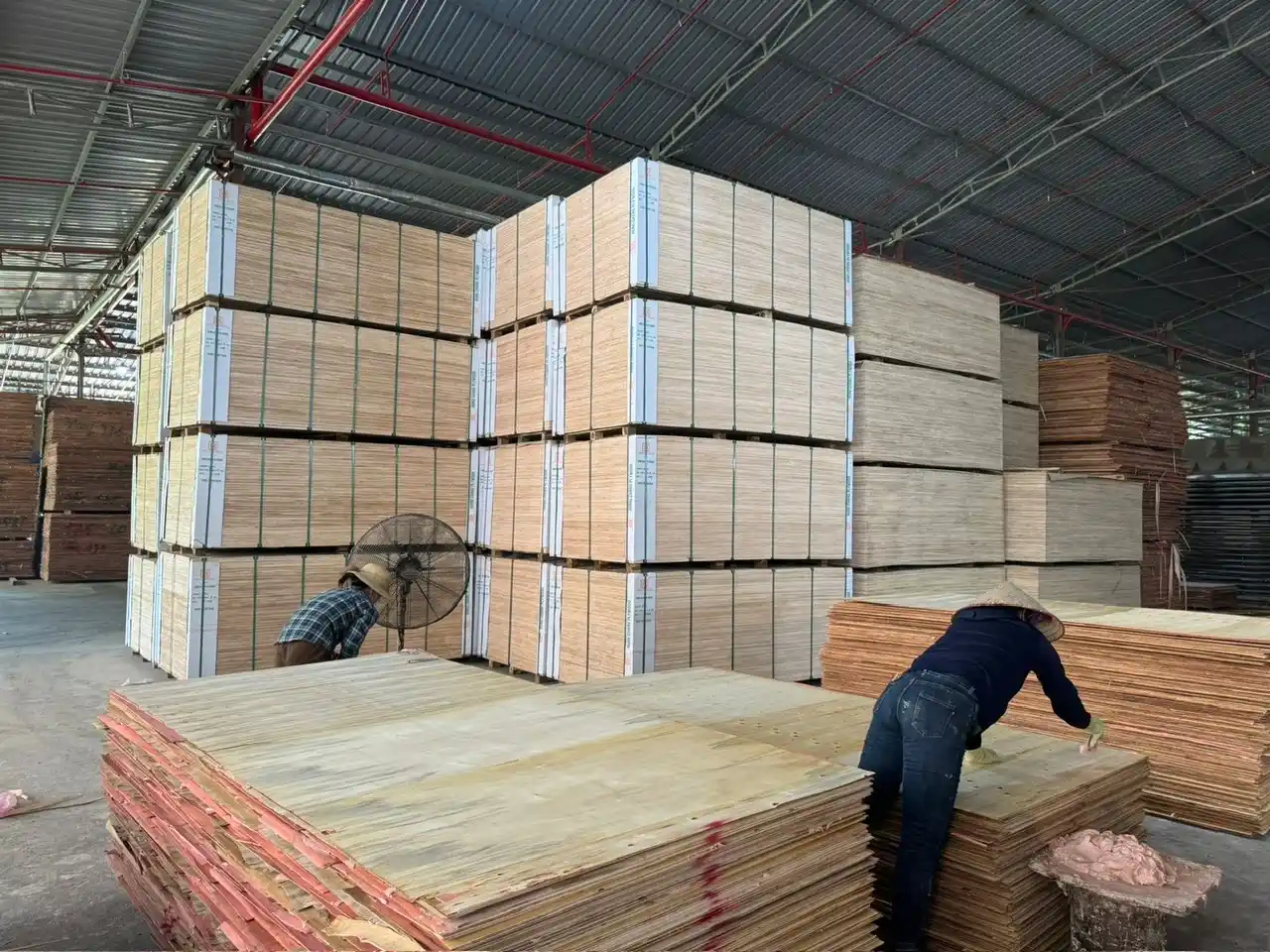
A factory visit reveals more than any product catalog or website. The production floor tells you whether a supplier controls quality or merely packages what someone else makes.
📌 What to Inspect During a Factory Visit
Production line walkthrough:
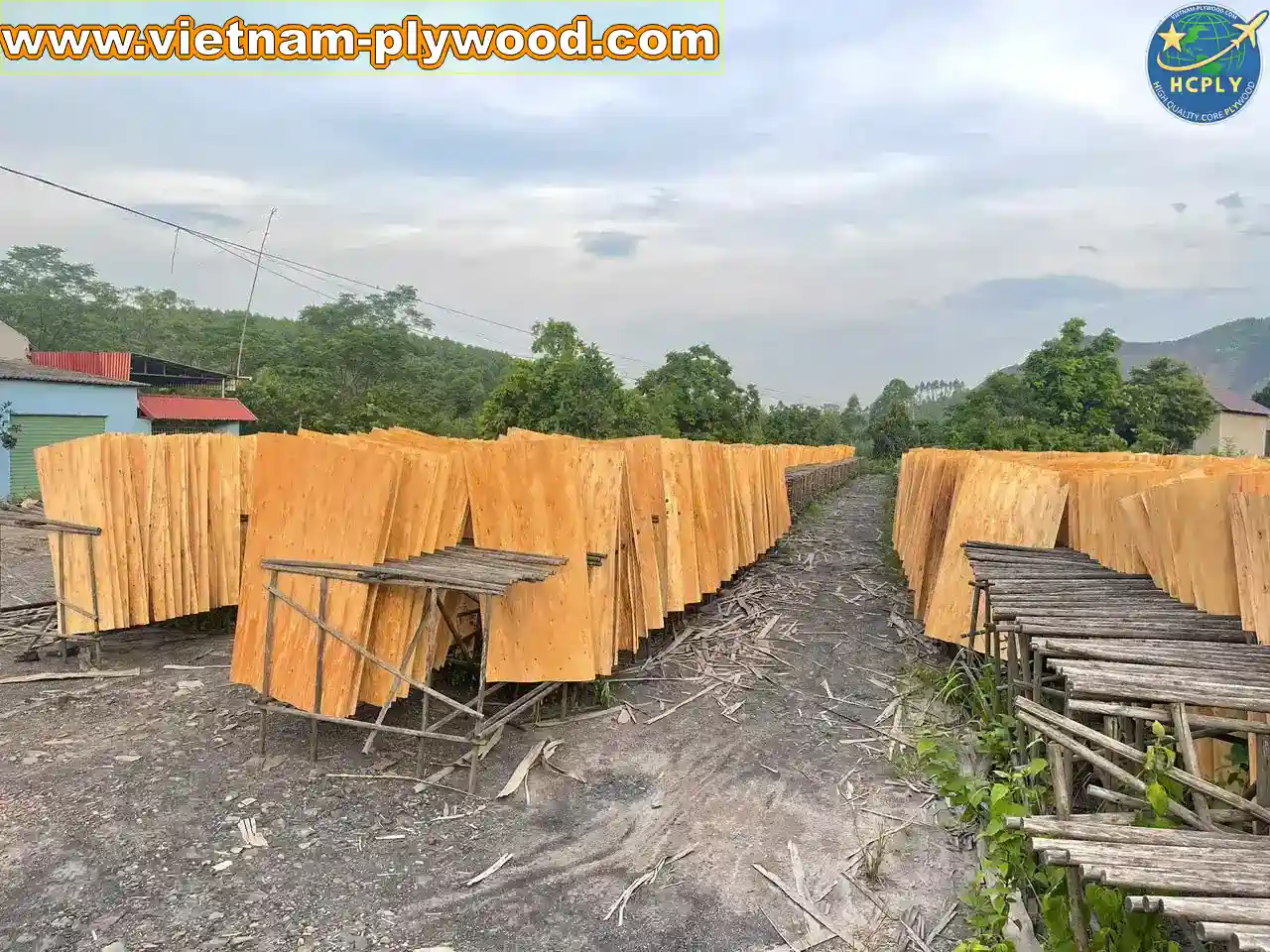
- Veneer peeling and drying sections (raw material quality)
- Core construction method: full stitched, edge-jointed, or loose-laid
- Hot press stations with temperature and pressure gauges
- Sanding lines (present in furniture factories, absent in film-faced/packing)
Core species verification:
- Acacia core: darker color, density 580 kg/m3
- Eucalyptus core: lighter, slight yellow tint, density 650 kg/m3
- Styrax core: lightest, white-ish, density 500 kg/m3, found only in Northern Vietnam
These three core species are the only options produced in Vietnam. Any supplier claiming gurjan core, birch core, or hopea core from Vietnamese factories is misrepresenting their product. Verify this through the plywood core types manufacturer guide.
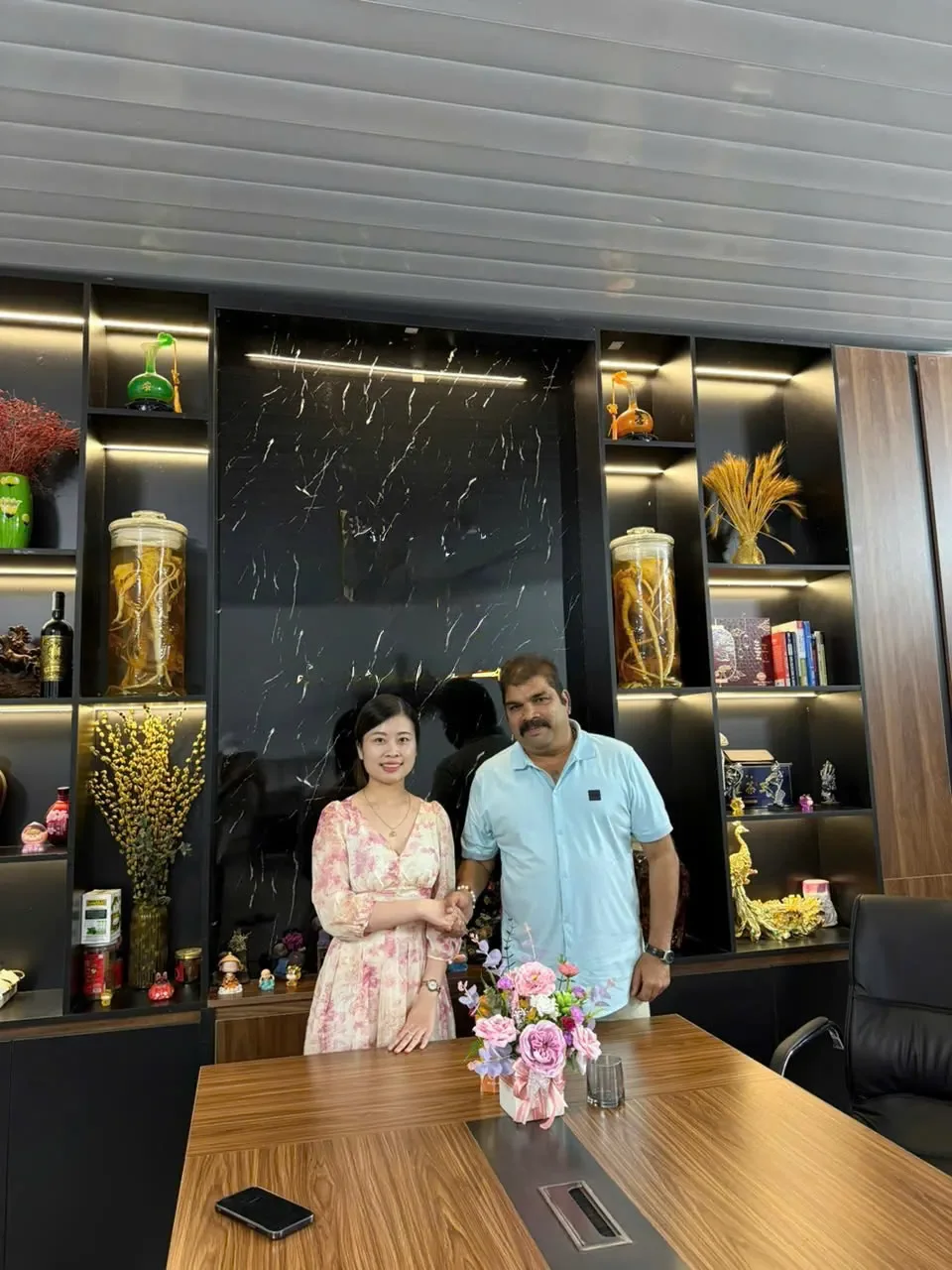
Documentation check:
- FSC chain-of-custody certificate (verify number with FSC database)
- CARB P2 emission test reports (verify with testing laboratory)
- CE marking documentation for European market access
- ISO 9001 quality management certification
Full certification requirements for export markets are covered in the plywood certifications and export documentation guide.
⚠️ Important: Previous buyers have reported fake FSC certificates from some Vietnamese suppliers. Always verify certificate numbers directly with the issuing body before placing orders.
📊 Pricing Structures and Cost Traps
The price difference between supplier types is not just margin — it reflects structural cost advantages. Understanding these structures prevents overpaying by $30-50/CBM on every container.
📌 Why Factory-Direct Saves $50/CBM
Trading companies operating within Vietnam must pay 8% domestic VAT when purchasing from factories. This tax does not apply to factory-direct exporters who ship from their own production facilities. Combined with sales team overhead, trading companies typically price $30-50/CBM higher than factory-direct operations for identical specifications.
| Cost Component | Trading Company | Factory-Direct |
|---|---|---|
| Factory gate price | Base | Base |
| Domestic VAT (8%) | +8% | 0% |
| Sales team overhead | +$10-20/CBM | Minimal |
| Typical markup | $30-50/CBM | $5-15/CBM |
A real example: a Spanish buyer previously purchasing through a Vietnamese trading company switched to factory-direct sourcing. The result was approximately $50/CBM savings on identical plywood panels — verified over multiple shipments. For a deeper analysis of what drives these price differences, see top factors affecting Vietnam plywood export prices.
For complete pricing factors and specification details that affect your quotation, see the plywood quotation guide.
📌 Core Species Drives Container Economics
Your choice of core species directly determines how many cubic meters fit in a 40HC container, which in turn affects your per-sheet CIF cost:
| Core Species | Density | Pallets per 40HC | CBM per 40HC | Approx. Weight |
|---|---|---|---|---|
| Styrax | 500 kg/m3 | 18 | ~53 CBM | ~26.5 MT |
| Acacia | 580 kg/m3 | 16 | ~47.5 CBM | ~27.5 MT |
| Eucalyptus | 650 kg/m3 | 15 | ~44.5 CBM | ~28 MT |
Styrax core loads approximately 6 more CBM per container than eucalyptus core. For furniture applications, a Polish buyer switched from acacia to styrax core on HCPLY’s recommendation — gaining 54 CBM per 40HC instead of 46-47 CBM, with better surface quality for furniture finishing.
💡 Tip: Always specify your end application before requesting a quotation. The correct core species selection saves more money through container optimization than negotiating a lower FOB price.
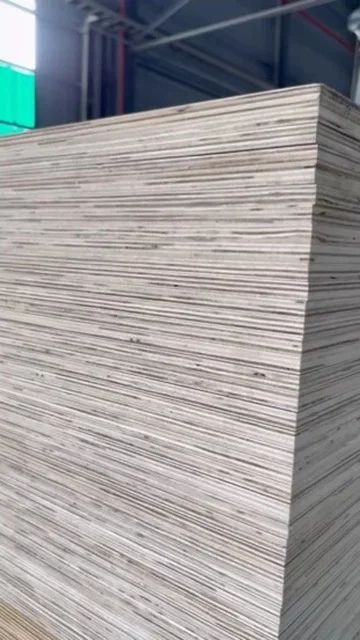
⚙️ Quality Control Red Flags
Thickness inconsistency, material swapping, and delamination are the three most common complaints from international plywood buyers. A reliable supplier addresses these through documented QC processes at every production stage.
📌 Thickness Tolerance Testing
Industry standard tolerance is plus or minus 0.3-0.5mm. Premium furniture-grade factories achieve plus or minus 0.2mm. Ask your supplier for caliper measurements on random sheets from your production run — not from pre-selected samples.
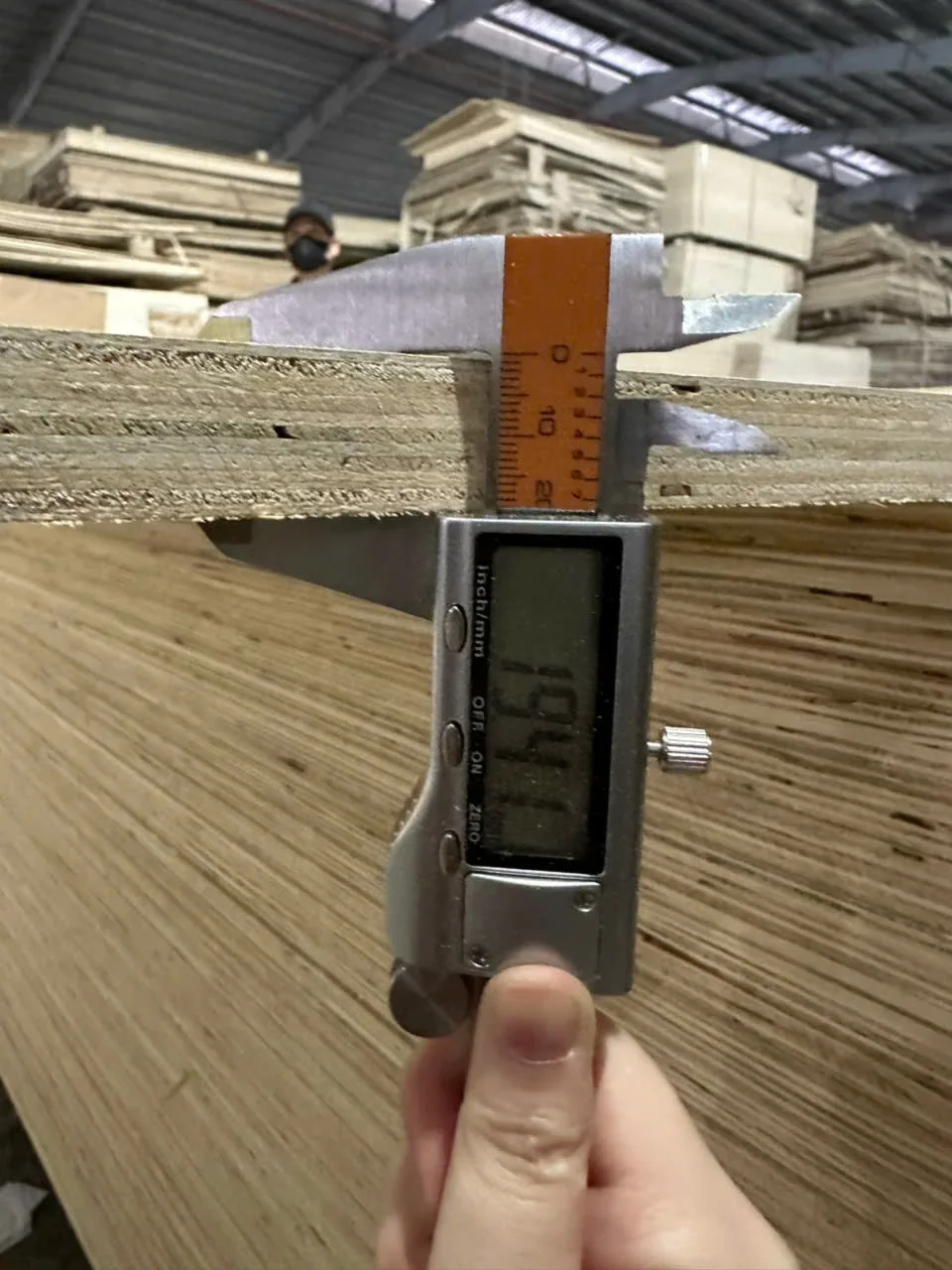
For furniture-grade applications, premium factories achieve tight thickness tolerance of ±0.2mm, which matters for CNC-machined cabinet assembly.
📌 Core Construction Quality
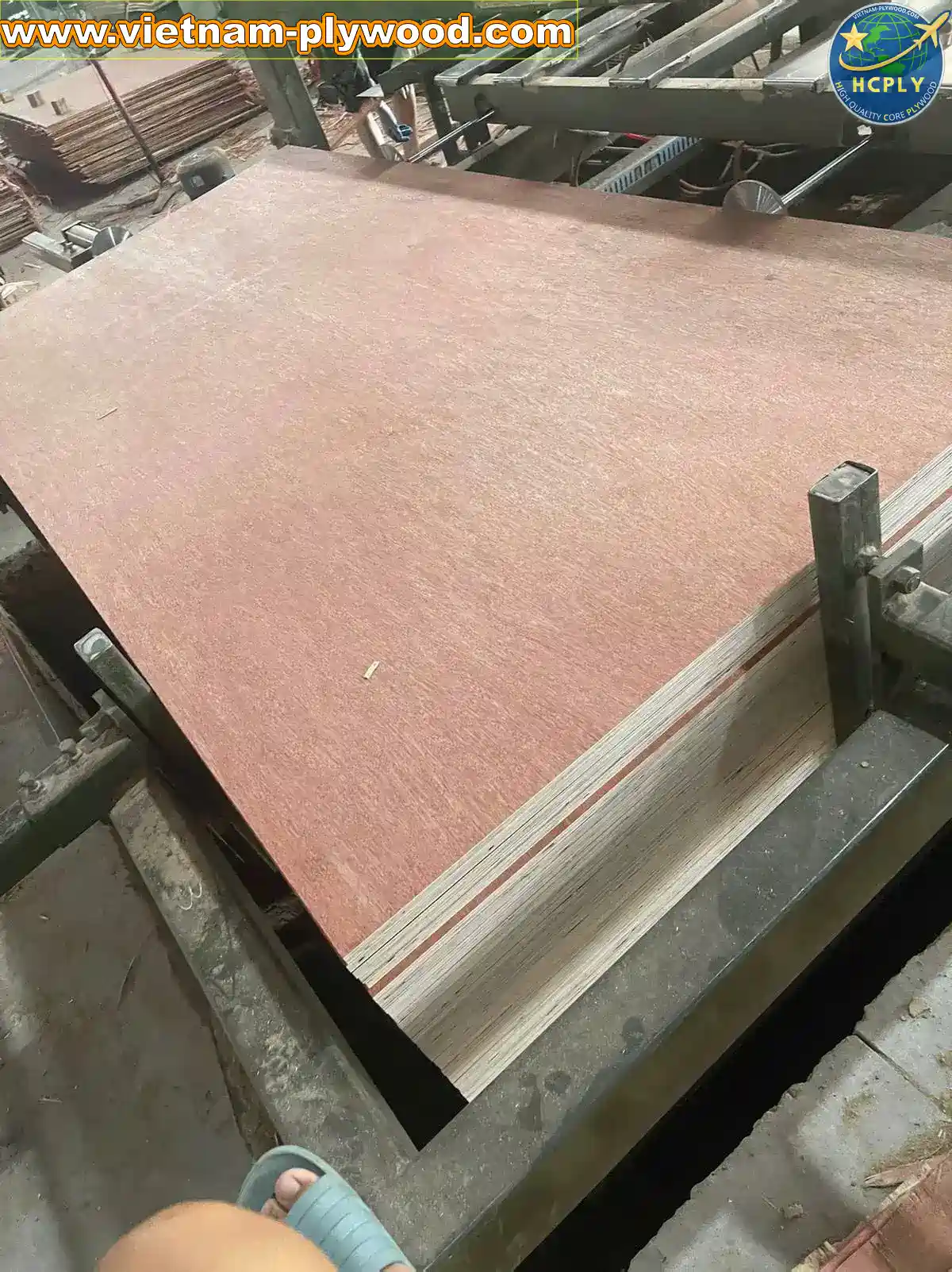
The edge of a plywood panel reveals everything about core construction quality. Compare these two approaches:
- Full stitched core: No gaps, no overlaps between veneer strips. Used in premium furniture-grade factories. Higher cost, superior flatness and strength.
- Loose-laid core: Visible gaps between veneer strips at the edge. Used in budget commercial and packing-grade factories. Lower cost, acceptable for non-structural applications.
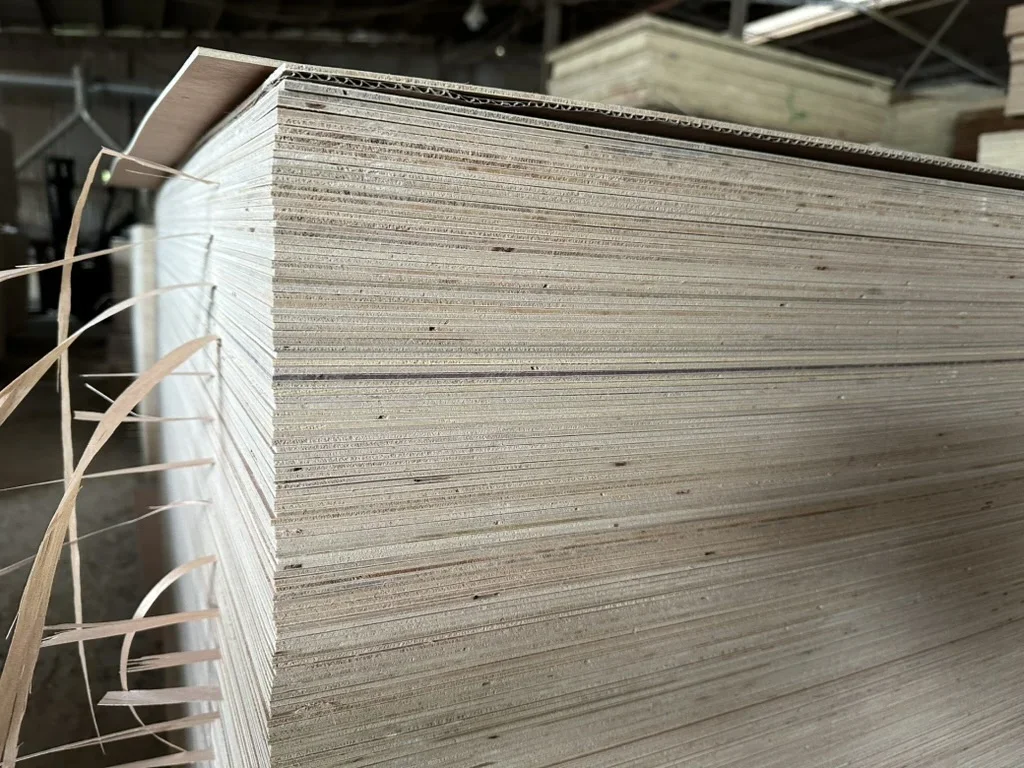
The most common material swap: a supplier quotes full stitched eucalyptus core but delivers loose-laid acacia core. The price difference between these two specifications can exceed $80/CBM. Always request pre-shipment QC photos showing the panel edge cross-section.
Understanding glue types and emission standards is equally important — Melamine (MR) and Phenolic (WBP) serve completely different applications, while E0/E1/E2 emission grades determine which markets accept your product.
📦 Export Documentation and Logistics
A reliable supplier handles export documentation without delays. Missing or incorrect paperwork causes container holds at destination ports, costing buyers thousands in demurrage fees.
📌 Required Export Documents
Every legitimate Vietnam plywood export shipment includes:
- Commercial Invoice and Packing List — quantities, specs, pricing
- Bill of Lading (B/L) — shipping line confirmation
- Certificate of Origin (CO) — Vietnam origin verification
- Phytosanitary Certificate — wood product health clearance
- Fumigation Certificate — pest treatment confirmation
- FSC/CARB P2/CE certificates — as required by destination market
Standard lead time from order confirmation to container-ready is 15-25 days. Suppliers who cannot commit to this timeline or who lack experience with your destination country’s import requirements add risk to your supply chain.
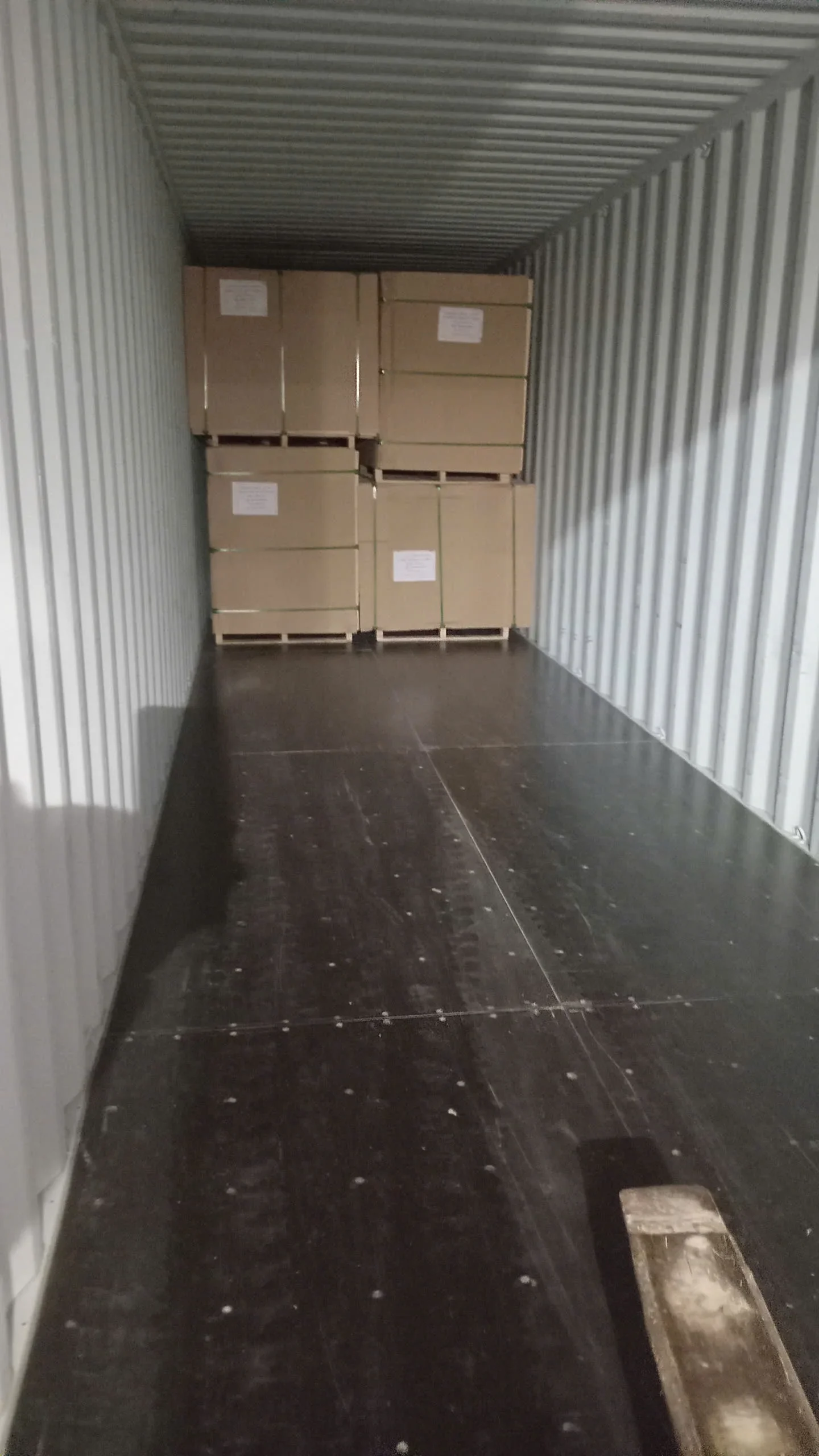
For detailed container packing calculations including sheets per pallet, CBM optimization, and weight limits, refer to the 40HC container packing calculation guide.
📐 How to Evaluate Sample Orders
Never commit to volume orders without a trial shipment. A single 40HC container reveals your supplier’s actual quality, communication speed, and documentation accuracy.
📌 Trial Container Strategy
- Specify exact requirements — core species, face veneer, glue type, emission standard, thickness, sheet size
- Request mixed specifications — test 2-3 different products in one container to evaluate range
- Demand real-time QC photos — thickness caliper readings, edge cross-sections, surface inspection photos with your order reference visible
- Compare delivered specs to quoted specs — measure thickness, check core species, verify face veneer grade
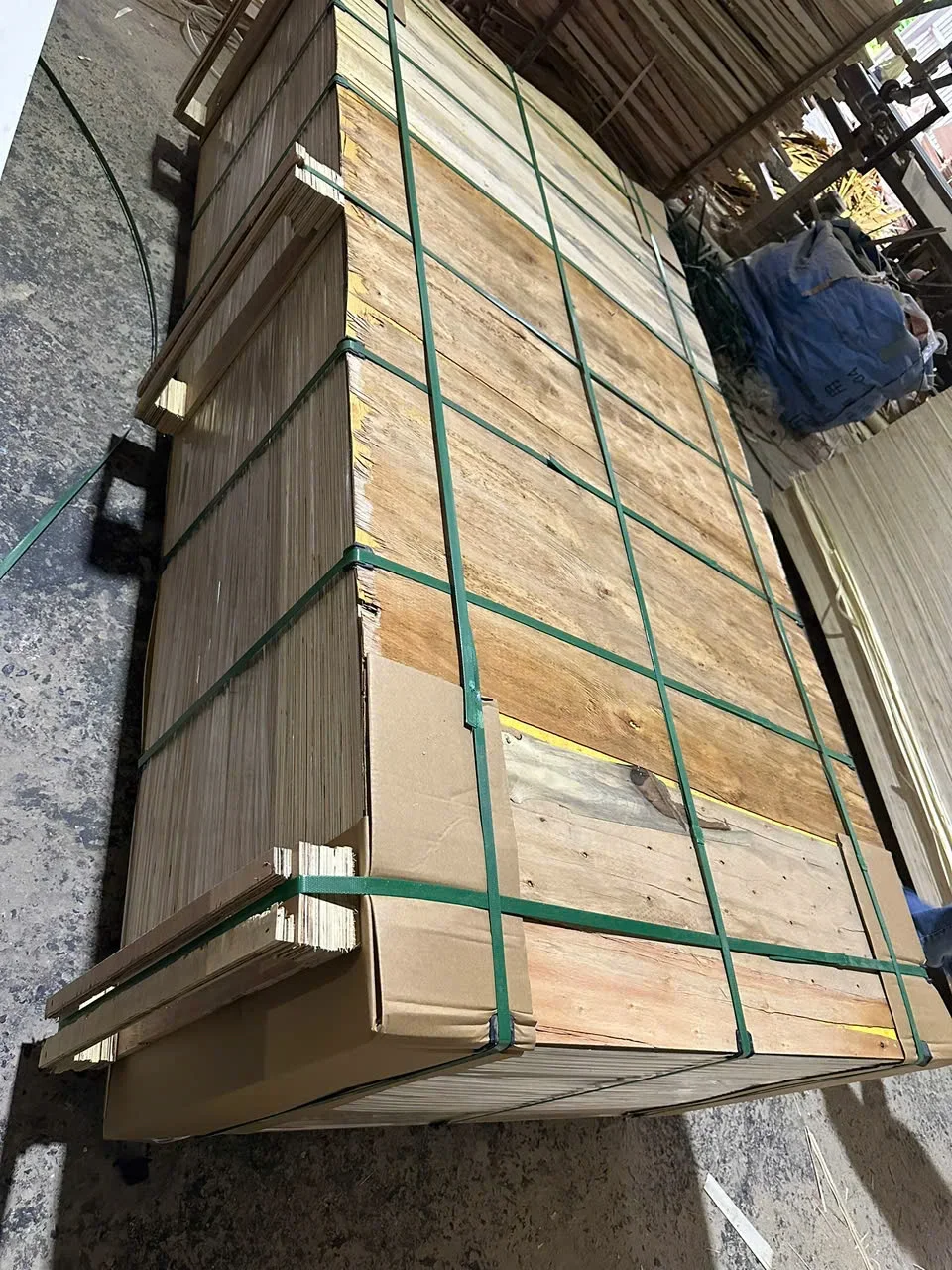
A reliable supplier welcomes this scrutiny. The claim rate at well-managed factories stays below 2% because quality issues are caught at the factory, not at the destination port.
“The most common mistake new buyers make is comparing price without checking the core species. Styrax and eucalyptus cores produce very different panels at very different price points.” — David, HCPLY Export Project Leader
For available plywood product specifications and pricing across all face veneer types, visit the Vietnam plywood product catalog.
✅ Supplier Selection Decision Framework
After evaluating multiple suppliers, score each one against these criteria before placing your first order:
| Criteria | Weight | What to Check |
|---|---|---|
| Factory access | High | Will they show the actual production line? |
| Certification validity | High | Can certificates be verified with issuing bodies? |
| QC documentation | High | Do they provide real-time inspection photos? |
| Pricing transparency | Medium | Can they explain the cost breakdown by component? |
| Mixed-spec flexibility | Medium | Can one container hold multiple product types? |
| Communication speed | Medium | Response time under 24 hours? |
| Export documentation | High | Full set of documents ready for your market? |
Buyers who have completed this verification process with HCPLY consistently report satisfaction across all criteria. Read verified experiences from international buyers in the Vietnam plywood supplier reviews.
For direct communication with our export team, including factory visit scheduling and sample requests, contact HCPLY for a free quotation.
Disclosure: This article is published by HCPLY, a Vietnam-based plywood manufacturer and export operator. While we aim to provide objective industry guidance, readers should consider our perspective as a market participant when evaluating recommendations.
🔗 Additional Resources
- How to buy plywood from Vietnam — complete guide — full buying process from specs to delivery
- Vietnam plywood factory types and industry segmentation — understand which factory segment matches your product needs
- Plywood sizes and thickness specifications — standard dimensions, custom cutting options, and tolerance ranges
- Vietnam plywood manufacturing process — step-by-step production from veneer peeling to final QC
- About HCPLY Vietnam plywood factory — our 3 specialized production facilities, certifications, and team