

Furniture plywood is not a single product. It is a specification decision. A buyer who orders “furniture grade plywood” without defining face species, core construction, emission class, and sanding requirement will receive something — but not necessarily what their production line needs.
This furniture grade plywood specification guide covers every variable — face species, core construction, emission class, and sanding grade — drawn from HCPLY’s factory production data and export records across 50+ countries. The goal: give procurement teams the framework to write a precise specification that eliminates quality disputes before the container ships.
When buyers ask for E0 plywood, they are describing one dimension of the spec. This guide explains all the others.
🪵 What Qualifies as Furniture Grade Plywood?
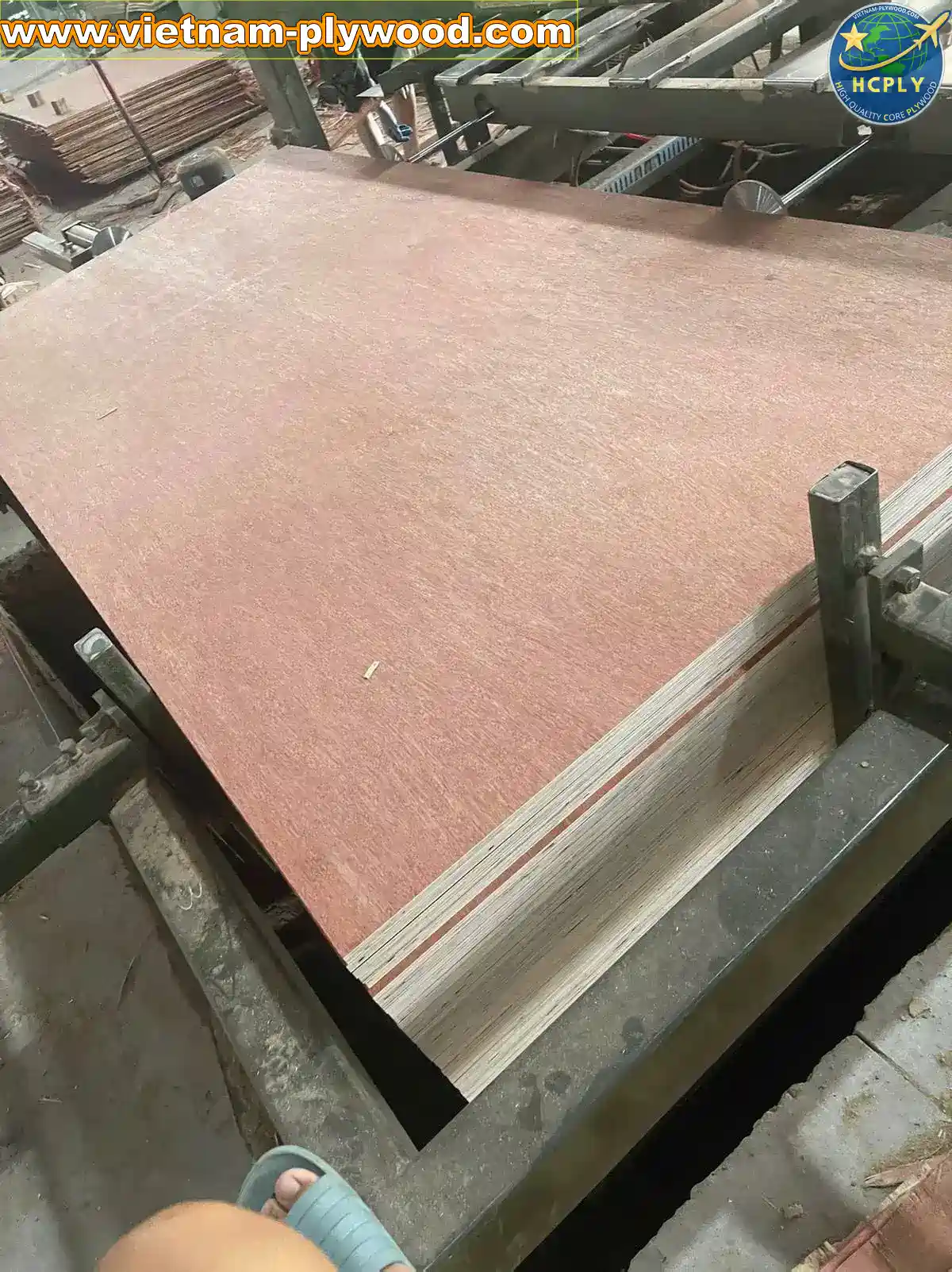
Furniture grade plywood is a veneer-core panel engineered for visible interior applications — cabinetry, wardrobes, bed frames, tables, and shelving. Four properties distinguish it from commercial or construction grade:
- Smooth, consistent face veneer — A or B grade face, free of open knots, splits, or surface defects
- E0 or E1 formaldehyde emission — safe for prolonged indoor human exposure
- Sanded surfaces — wide-belt calibrated to ±0.3mm tolerance (HCPLY production data, 2026)
- Moisture-resistant glue — melamine (MR) minimum; phenolic (WBP) for high-humidity environments
These four criteria are non-negotiable. A panel meeting three out of four is not furniture grade.
Key Insight: The #1 ordering mistake from international buyers is specifying face species without specifying emission class. A birch-faced panel with E2 glue is technically a birch plywood — but it cannot be used in EU, US, Korean, or Japanese furniture without violating indoor air quality regulations.
📋 Face Veneer Options: Which Species for Furniture?
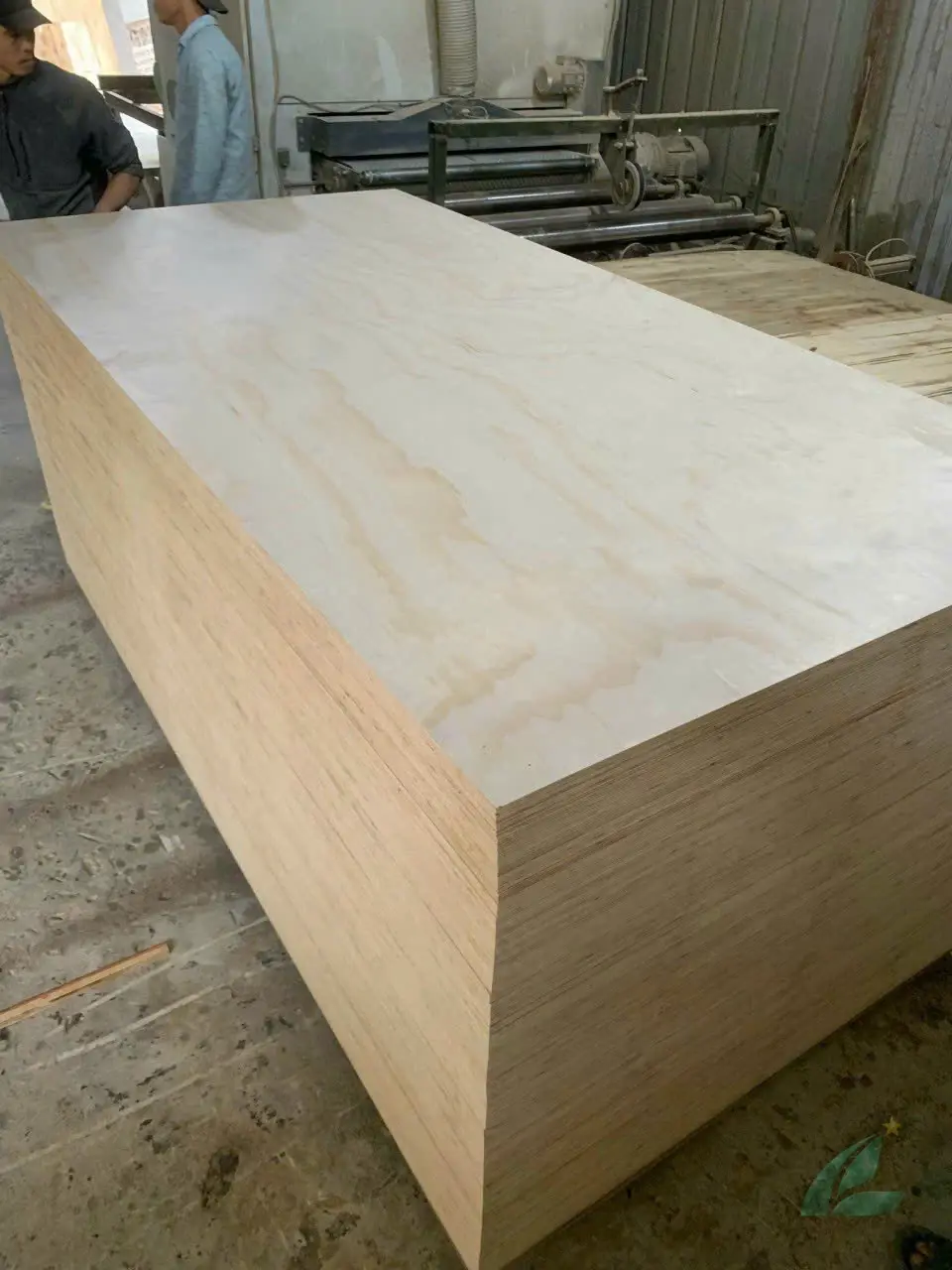
Face veneer species controls three things: appearance, price, and target market. Here are the viable face options for furniture plywood from Vietnam:
📌 Birch — Premium Export Grade
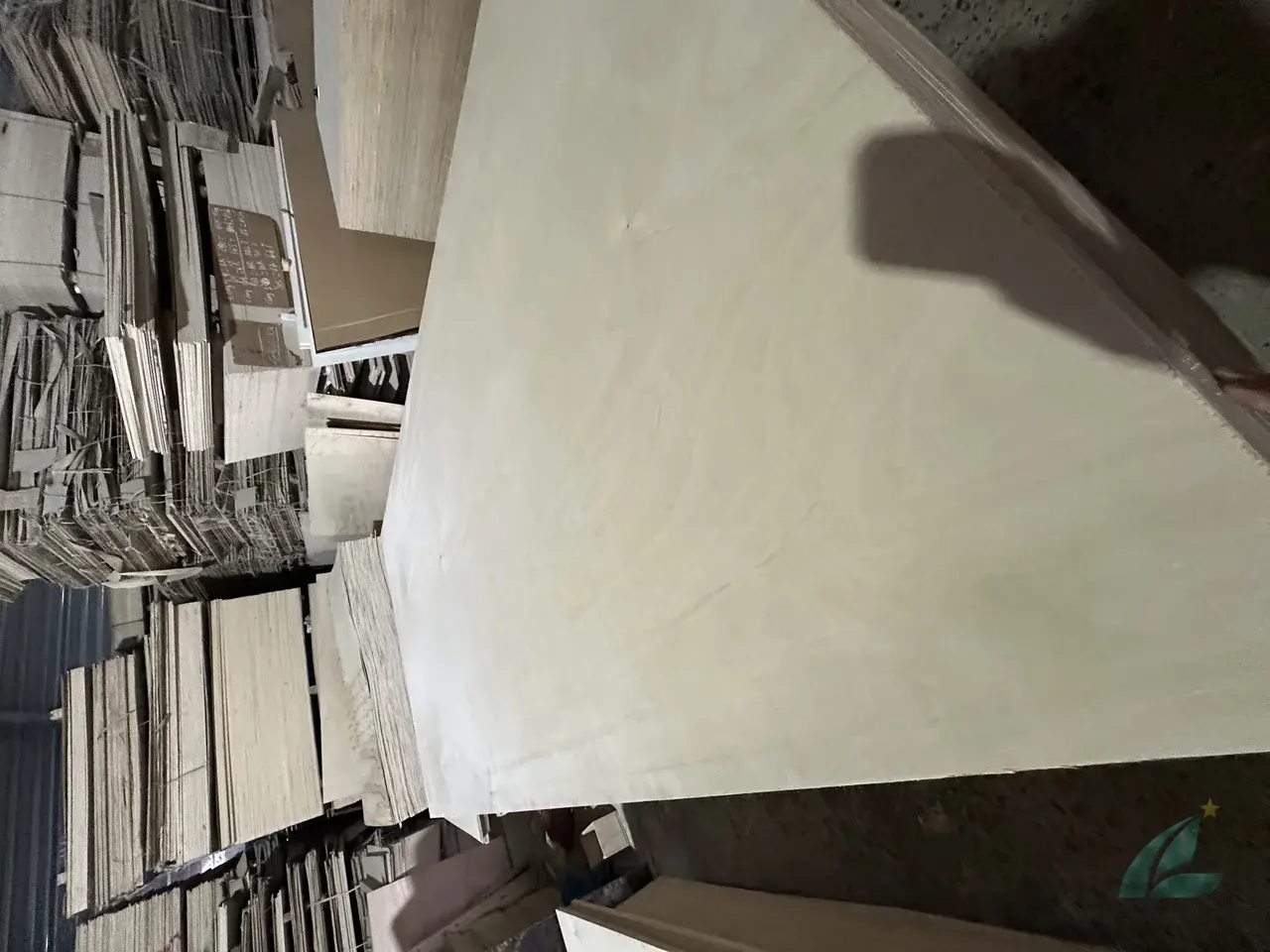
Birch plywood Vietnam is graded D/E/F (not A/B/C — Vietnam sources imported birch veneer from Russia/Finland graded under a different system). Grade D is the best available in the Vietnam production context.
- Density: 0.2–0.4mm face thickness, pale cream color
- Markets: EU, US, South Korea, Japan — anywhere premium furniture requires consistent grain
- Pairing: Always with styrax core for lightweight panels; eucalyptus core for structural load-bearing furniture
- Sanding: Mandatory — both faces calibrated
📌 Okoume — Lightweight Furniture Grade
Okoume plywood Vietnam uses a light pink veneer with even grain structure. Its primary advantage over birch is weight: okoume face on a styrax core produces one of the lightest furniture panels available.
- Markets: Europe (furniture manufacturers seeking lightweight flat-pack panels), Middle East decorative cabinets
- Grade: A/B face, tight surface
- Limitation: Softer surface than birch; not suitable for high-traffic horizontal surfaces
📌 EV (Engineered Veneer) — Consistent Grain for Modern Interiors
EV plywood Vietnam uses reconstituted engineered veneer — poplar fibers recomposed into uniform grain patterns. No natural defects, no color variation panel to panel.
- Application: Modular furniture where visual consistency across hundreds of panels matters
- Markets: Modern interior fit-out contractors, flat-pack furniture OEMs
- Note: EV is often used as interior face (inside cabinet boxes) while a higher-grade face takes the visible exterior
📌 Bintangor A-Grade — Budget Furniture for Asian Markets
Bintangor A-grade face suits budget furniture production in India, Malaysia, and Southeast Asia. It is the lowest-cost face option that still qualifies as “furniture grade” when properly sanded and paired with E1 emission glue.
⚠️ Important: Bintangor is NOT used in premium furniture factories in Vietnam. It is categorized as commercial/packing face. Premium furniture facilities (Segment A factories) do not produce bintangor-faced panels — processes and QC standards are incompatible.
🏗️ Core Species Selection: The Decision That Drives Everything
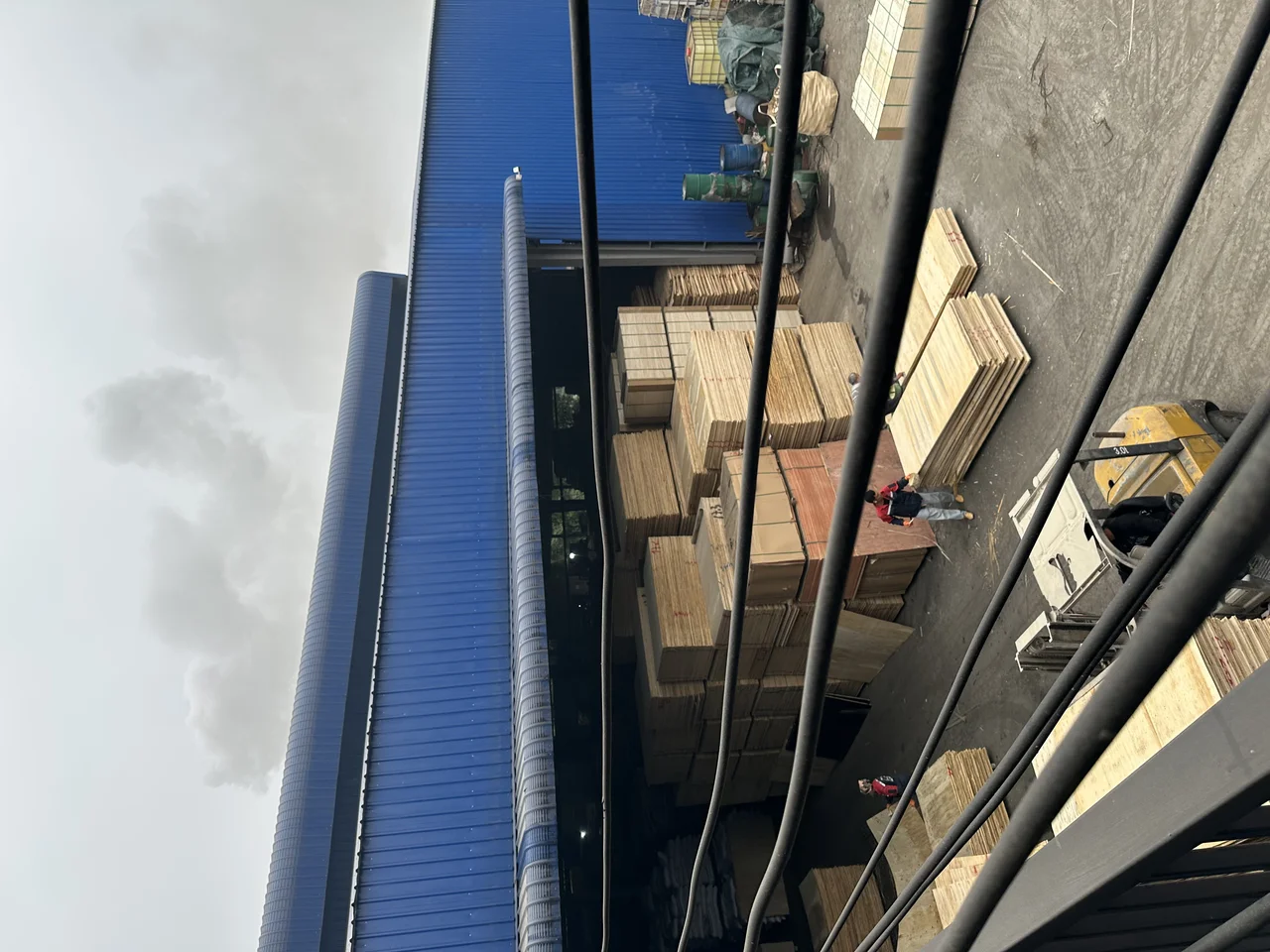
Core species determines density, weight, structural performance, and container loading capacity. Vietnam produces three core species, and each is suited to a different furniture application:
| Core | Density | Furniture Use | Weight per 18mm Panel (1220×2440) |
|---|---|---|---|
| Styrax | 480–500 kg/m³ | Premium furniture, wardrobes, flat-pack | ~25.5 kg |
| Acacia | ~580 kg/m³ | Budget commercial furniture, heavy-duty boxes | ~29 kg |
| Eucalyptus | 650–750 kg/m³ | Structural furniture, flooring substrates | ~34–38 kg |
Styrax core is the industry standard for premium furniture plywood from Vietnam. At 480–500 kg/m³, it is lighter than European birch core (~600 kg/m³), reducing container freight cost and making flat-pack furniture physically lighter for end consumers (HCPLY production data, 2026).
Eucalyptus core is chosen when structural rigidity outweighs weight considerations — kitchen cabinet shelving supporting heavy loads, flooring underlayment, or export to markets with strict panel rigidity tests.
Acacia core suits budget furniture lines. The ~580 kg/m³ density is mid-range, and the darker color is covered by face veneer. At 16 pallets per 40HC container versus 18 pallets for styrax, acacia-core shipments carry slightly less volume for the same freight cost (HCPLY container data, 2026).
Core Construction: Stitched vs. Loose-Laid
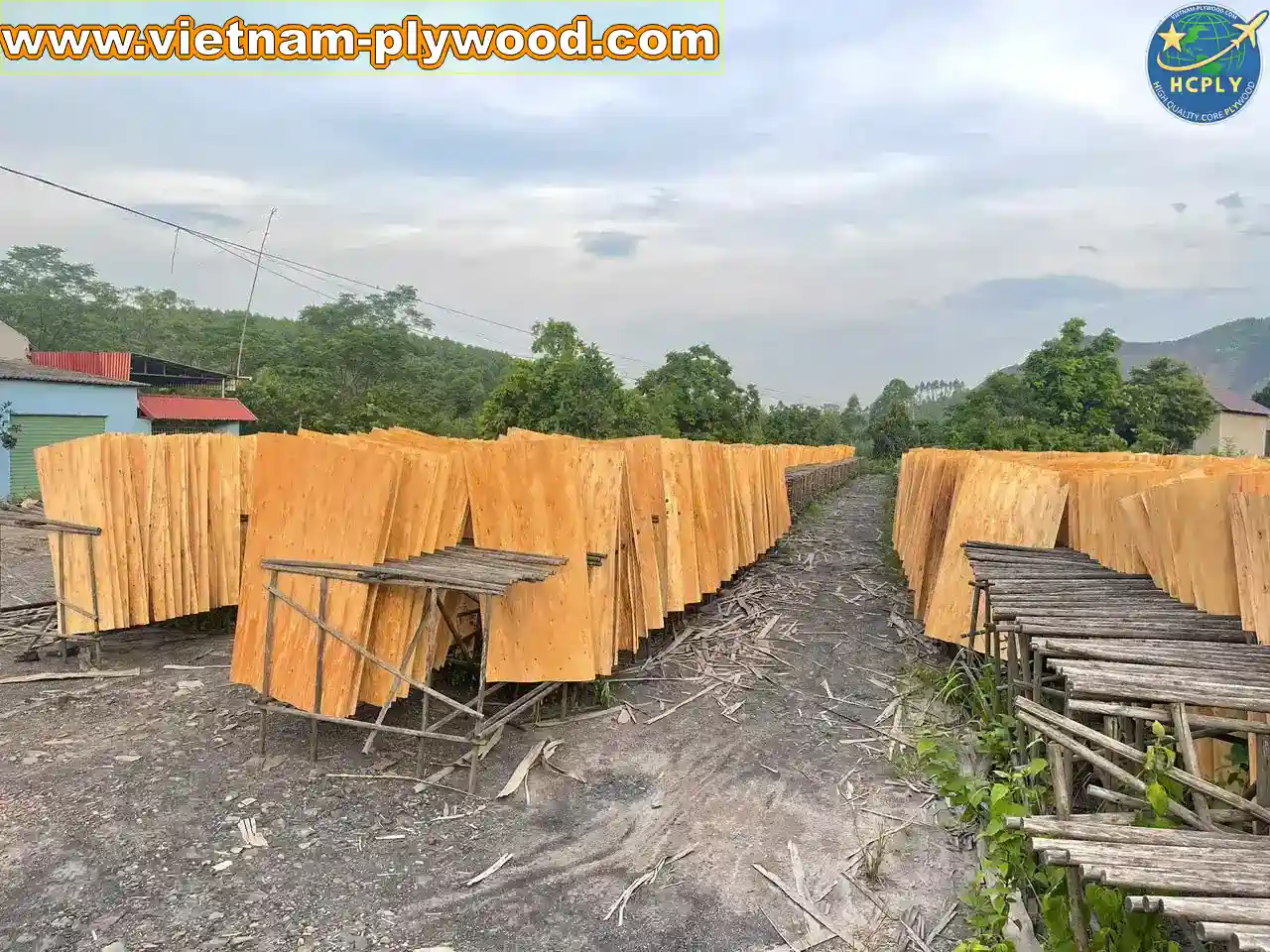
For furniture applications, full stitched core construction is the correct specification. Veneer sheets are sewn together edge-to-edge — no gaps, no overlaps. This produces flat panels that do not warp after lamination or finishing.
Loose-laid core (commercial grade) has inter-veneer gaps up to 5mm. Under hot-pressing this compresses, but internal voids remain. Cabinet doors made from loose-laid core show surface telegraphing (visible dips and ridges) after painting — a defect unacceptable in any furniture application.
🔬 E0 Emission Requirement: Why It’s Non-Negotiable for Furniture
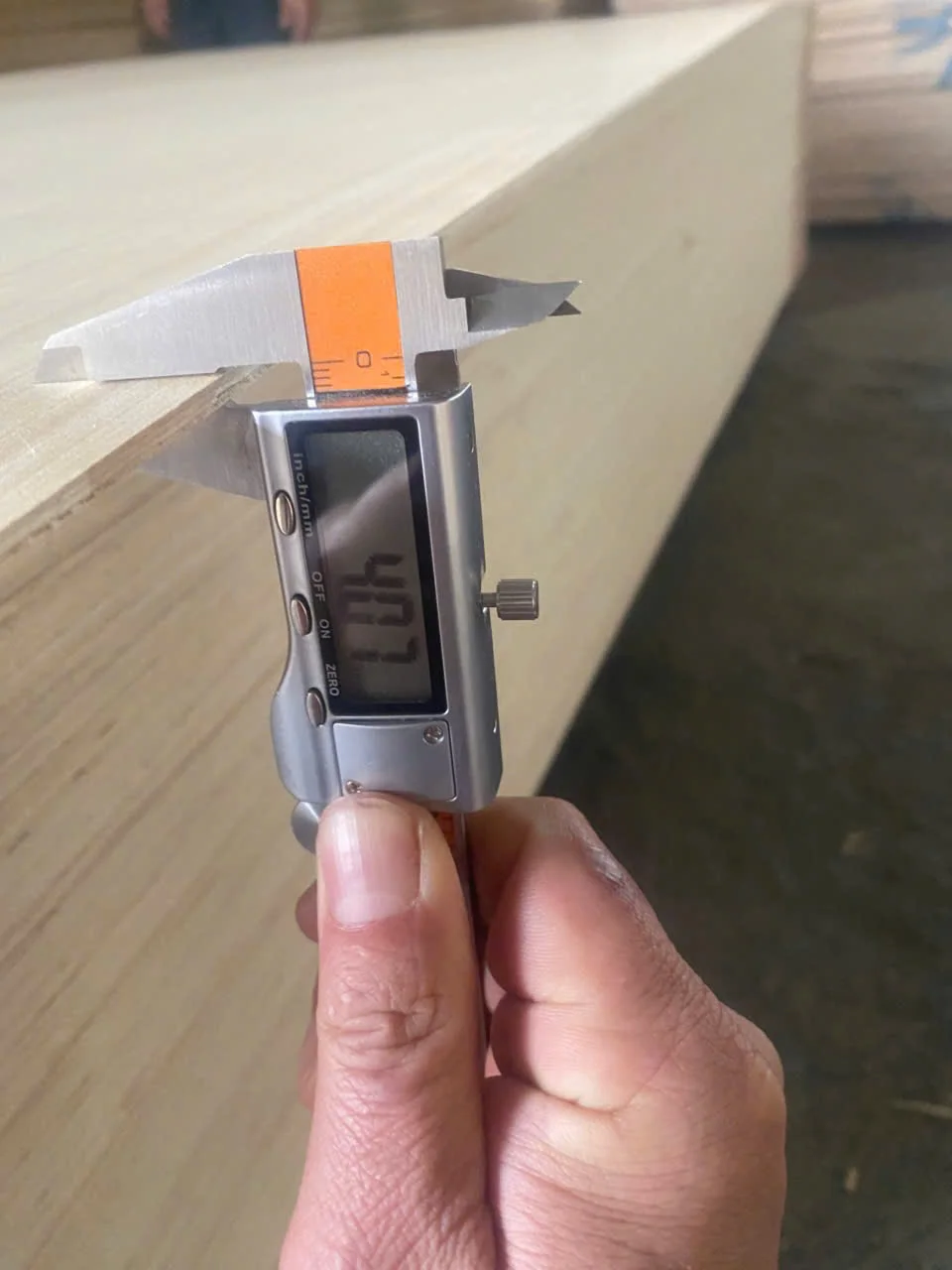
Formaldehyde emission from furniture plywood affects indoor air quality in homes, offices, and schools. Regulatory bodies across all major furniture import markets enforce minimum standards:
| Market | Required Standard | Limit | Test Method |
|---|---|---|---|
| USA | CARB P2 / TSCA Title VI | 0.005 ppm | ASTM E1333 |
| EU | E1 minimum, E0 preferred | ≤1.5 mg/L (E1) / ≤0.5 mg/L (E0) | EN 717-1 |
| Japan | F4-star (≈E0) | ≤0.3 mg/L | JIS A 1460 |
| South Korea | E0 required | ≤0.5 mg/L | KS M 1998 |
| China (domestic) | E0 per GB/T 39600-2021 | ≤0.050 mg/m³ | GB 18580-2017 |
The US EPA finalized identical limits to CARB P2 under TSCA Title VI, making CARB P2-certified plywood automatically compliant nationally (US EPA, 2024). In February 2026, EPA proposed additional updates to testing methodology under TSCA — the core emission limits remain unchanged.
Practical implication for B2B buyers: If your furniture targets the EU, US, Japan, or Korea — specify E0 plywood, CARB P2 certified. HCPLY’s premium furniture facility produces all panels to E0 standard. Third-party test reports are available with each shipment.
⚠️ Note: Do not confuse glue type with emission standard. Melamine (MR) is a glue that provides moisture resistance. E0 is an emission standard. A melamine-glued panel can be E0, E1, or E2 depending on resin formulation and pressing conditions. Both must be specified separately.
See our quality certifications — FSC, CARB P2, CE, ISO 9001
🔧 Sanding Specification: Grade, Grit, and Tolerance
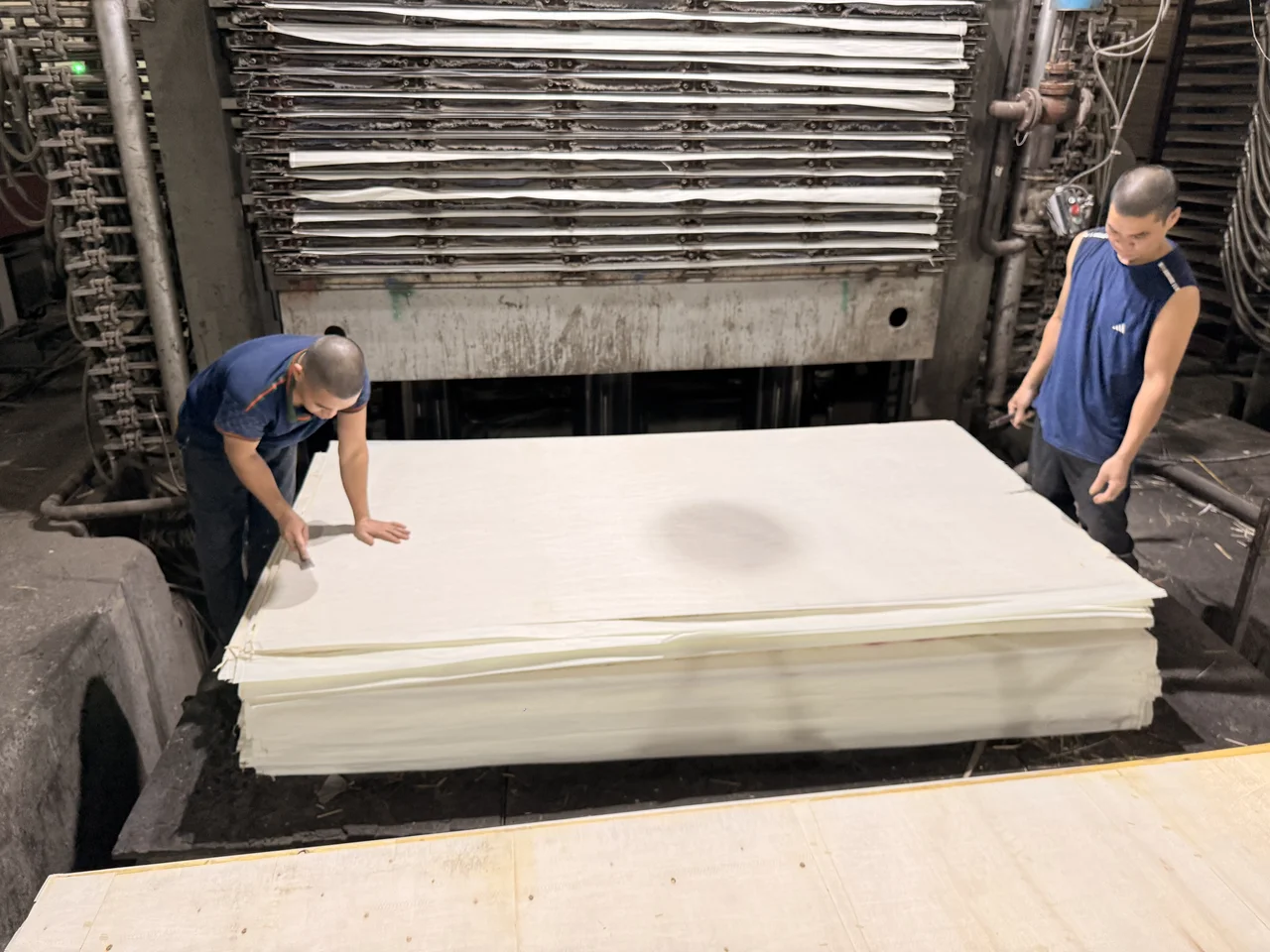
Sanding is what separates furniture plywood from construction plywood in terms of production cost and panel quality. The sanding process has two stages at HCPLY’s premium furniture facility:
Stage 1 — Calibration sanding (80-grit): Sets the panel to target thickness. Removes pressing inconsistencies. Achieves ±0.3mm thickness tolerance across the full panel surface.
Stage 2 — Finish sanding (120–150 grit): Produces the smooth face required for direct lamination (HPL, PVC, melamine paper), painting, or staining.
Sanded vs. Calibrated — What’s the Difference?
| Grade | Process | Surface | Thickness Tolerance | Use |
|---|---|---|---|---|
| Sanded (S2S) | 2-stage wide-belt | Smooth, stainable | ±0.3mm | Visible furniture surfaces |
| Calibrated only | 1-stage calibration | Smooth, not finish-ready | ±0.3mm | Lamination substrate |
| Unsanded | None | Rough, fibrous | ±0.8–1.5mm | Packing, construction |
For matt plywood Vietnam — which is an unfaced raw substrate for HPL or PVC lamination — calibration sanding is applied without finish sanding. The surface needs to be flat, not cosmetically smooth.
“When a buyer specifies ‘sanded’ without clarifying S2S or calibrated, we confirm before production. The difference in grit affects lamination adhesion and direct-stain appearance — getting it wrong costs everyone time.” — Lucy, International Sales Manager, HCPLY
📊 Complete Furniture Plywood Specification Matrix
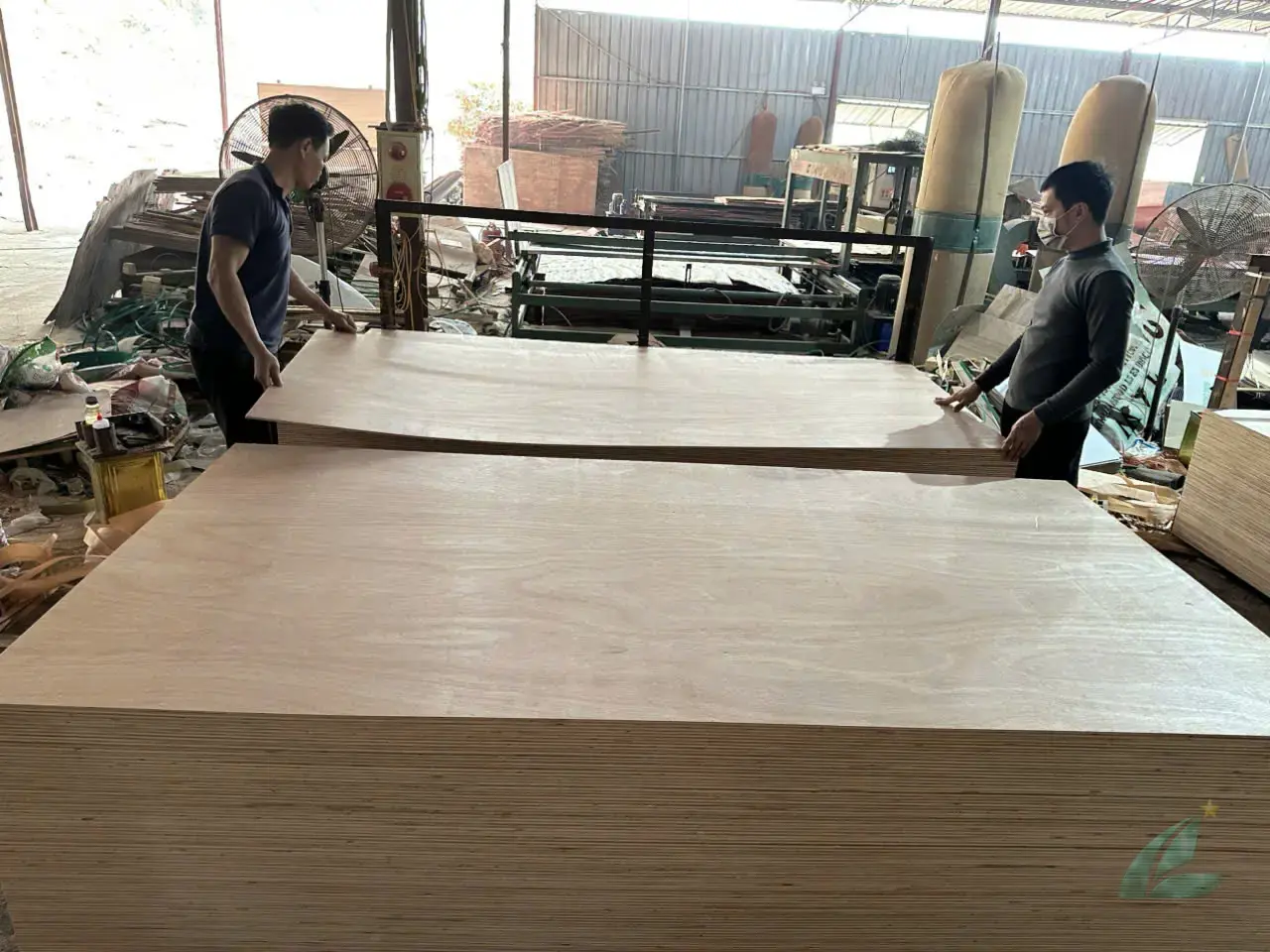
The table below maps market requirements to specification combinations used in HCPLY’s production:
| Market | Face | Core | Glue | Emission | Sanding |
|---|---|---|---|---|---|
| EU Premium | Birch D/E, Okoume A | Styrax | Melamine | E0 / CARB P2 | S2S 150-grit |
| US Market | Birch D/E, EV | Styrax | Melamine | CARB P2 | S2S 150-grit |
| Korea / Japan | Birch D/E, EV | Styrax | Melamine | E0 | S2S 150-grit |
| India Commercial | Bintangor A, Okoume | Acacia | Melamine | E1 | S1 80-grit |
| Southeast Asia Budget | Bintangor A/B | Acacia | Melamine | E1/E2 | Light or none |
Standard sizes for furniture applications: 1220×2440mm (4×8ft) and 1250×2500mm (metric preferred for European cabinet production). Custom sizes available for high-volume orders.
Common thicknesses for furniture: 12mm, 15mm, 18mm, 21mm, 25mm. Cabinet carcasses typically use 18mm; drawer bottoms and cabinet backs use 9–12mm.
🔗 Related Products from HCPLY
Based on the specification matrix above, these product pages provide detailed data sheets, grade options, and pricing information:
- Birch Plywood Vietnam — D/E/F grade, E0/CARB P2, styrax or eucalyptus core, 4–30mm
- Okoume Plywood Vietnam — A/B grade, E0/E1, lightweight styrax core, 3–30mm
- EV Plywood Vietnam — Engineered veneer, CARB P2, consistent grain, 3–25mm
- Matt Plywood Vietnam — Unfaced substrate, calibrated sanding, E0–E2 options, 3–40mm
For container loading calculations based on your selected thickness and core, see the plywood container packing calculation guide for 40HC containers.
✅ Furniture Plywood Specification Checklist
Before submitting a purchase order for furniture plywood, confirm every line:
- Face species: birch / okoume / EV / pine / poplar / bintangor A
- Face grade: D (birch) / A or B (others)
- Core species: styrax (lightweight) / eucalyptus (structural) / acacia (budget)
- Core construction: full stitched (furniture) / edge-jointed (commercial)
- Glue: melamine MR (interior) / phenolic WBP (moisture-critical)
- Emission: E0 / CARB P2 (US/EU/Japan/Korea) or E1 (commercial Asia)
- Sanding: S2S finish sanded (furniture) / calibrated only (lamination substrate)
- Thickness: 9 / 12 / 15 / 18 / 21 / 25mm
- Size: 1220×2440mm or 1250×2500mm
- Certifications required: FSC / CARB P2 / CE / ISO 9001
A complete furniture grade plywood specification prevents every common dispute between buyer and supplier. Incomplete specifications are the single largest source of quality claims in B2B plywood trade (HCPLY export records, 2026).
📦 How to Order Furniture Plywood from HCPLY
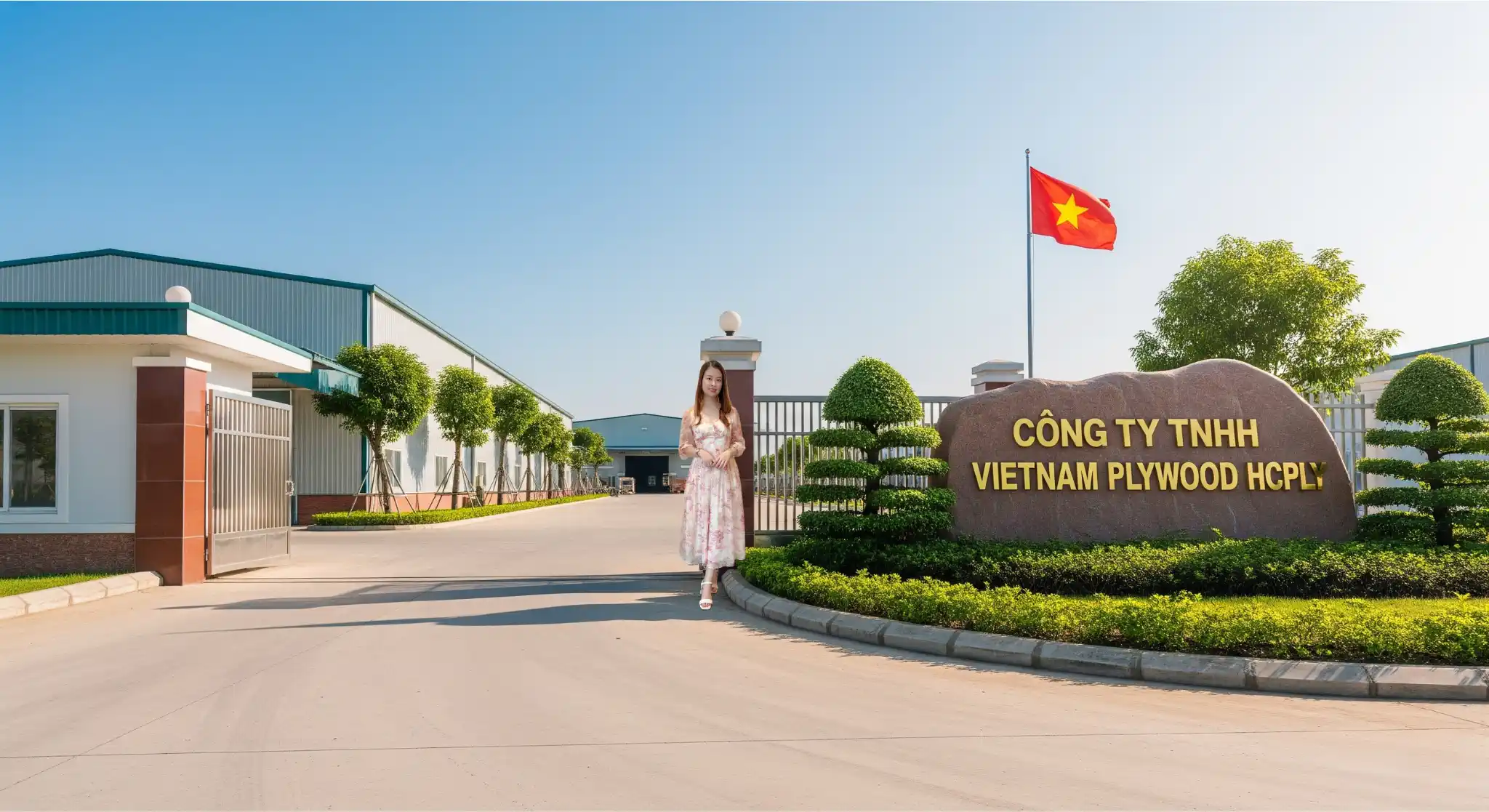
HCPLY manages 3 specialized production facilities in Northern Vietnam. The premium furniture facility produces all panels described in this guide — E0 emission, full stitched core, S2S sanded. MOQ is 1 × 40HC container. Mixed specifications within one container are accepted.
Factory-direct export means no VAT overhead, with full documentation: FSC certificate, CARB P2 test report, phytosanitary certificate, fumigation certificate, bill of lading, and commercial invoice.
Lead time: 15–20 days from order confirmation.
Free samples available on request before full order commitment.
Furniture plywood quality failures always trace back to the same source: incomplete specifications at the ordering stage. A precise written spec — face species, grade, core, construction, glue, emission, sanding, thickness, and certification — eliminates substitution risk, simplifies QC inspection, and gives both parties a clear reference point for dispute resolution.
The framework in this guide reflects specifications used in actual export orders processed through HCPLY in 2026. Use it as your baseline, then adapt to your production line’s specific requirements.