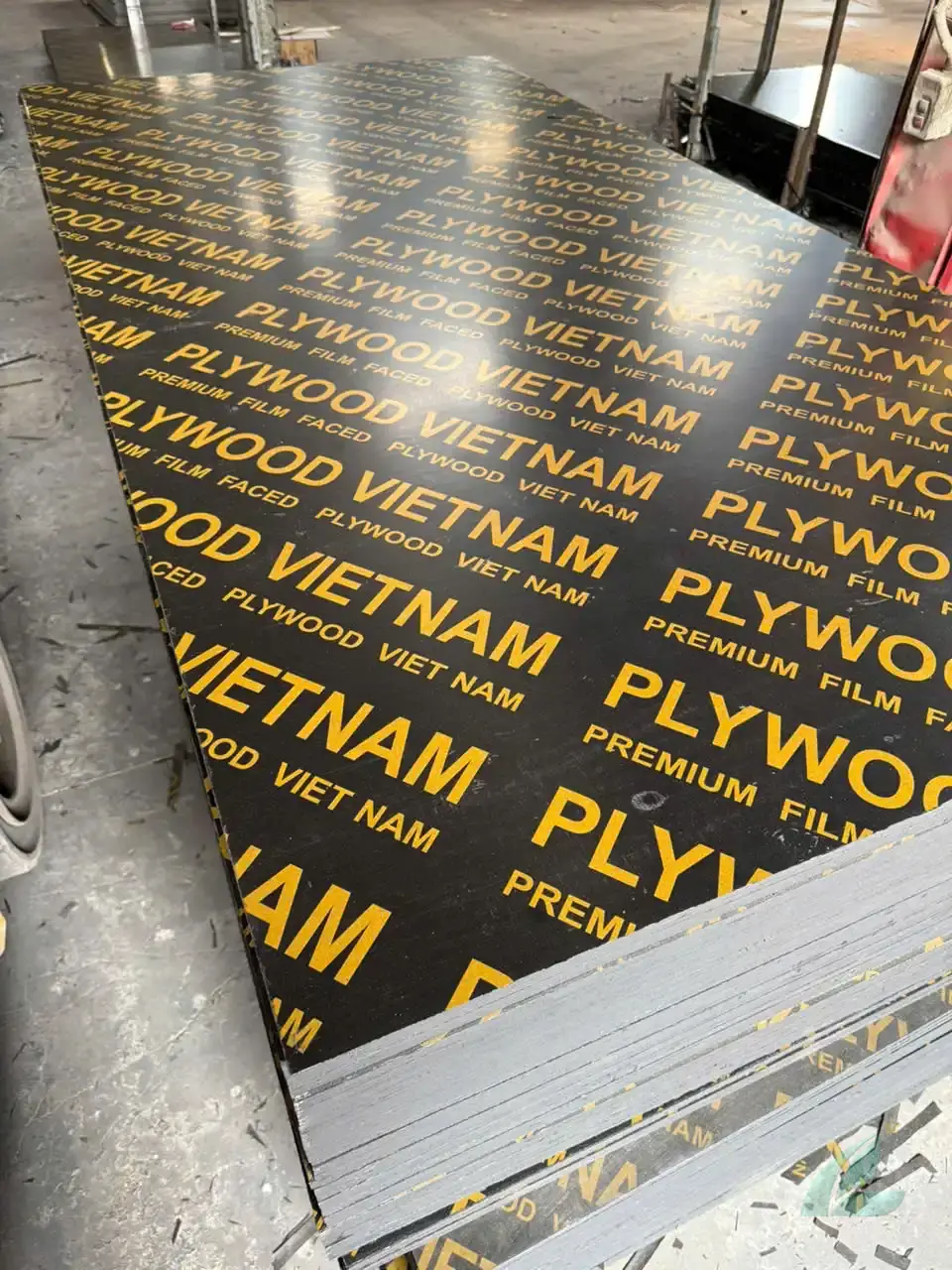
Film Faced Plywood: What It Is and How It Works
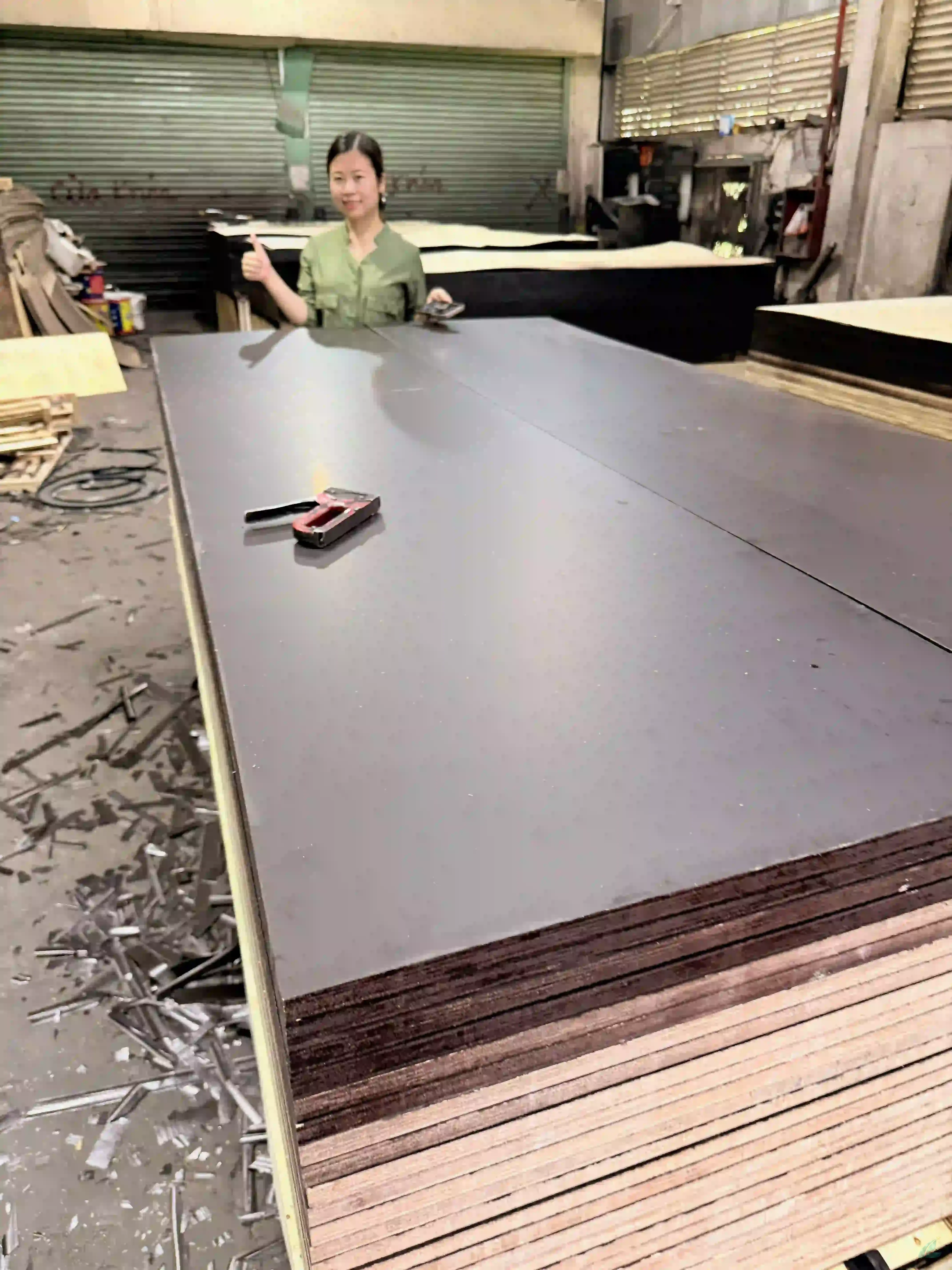
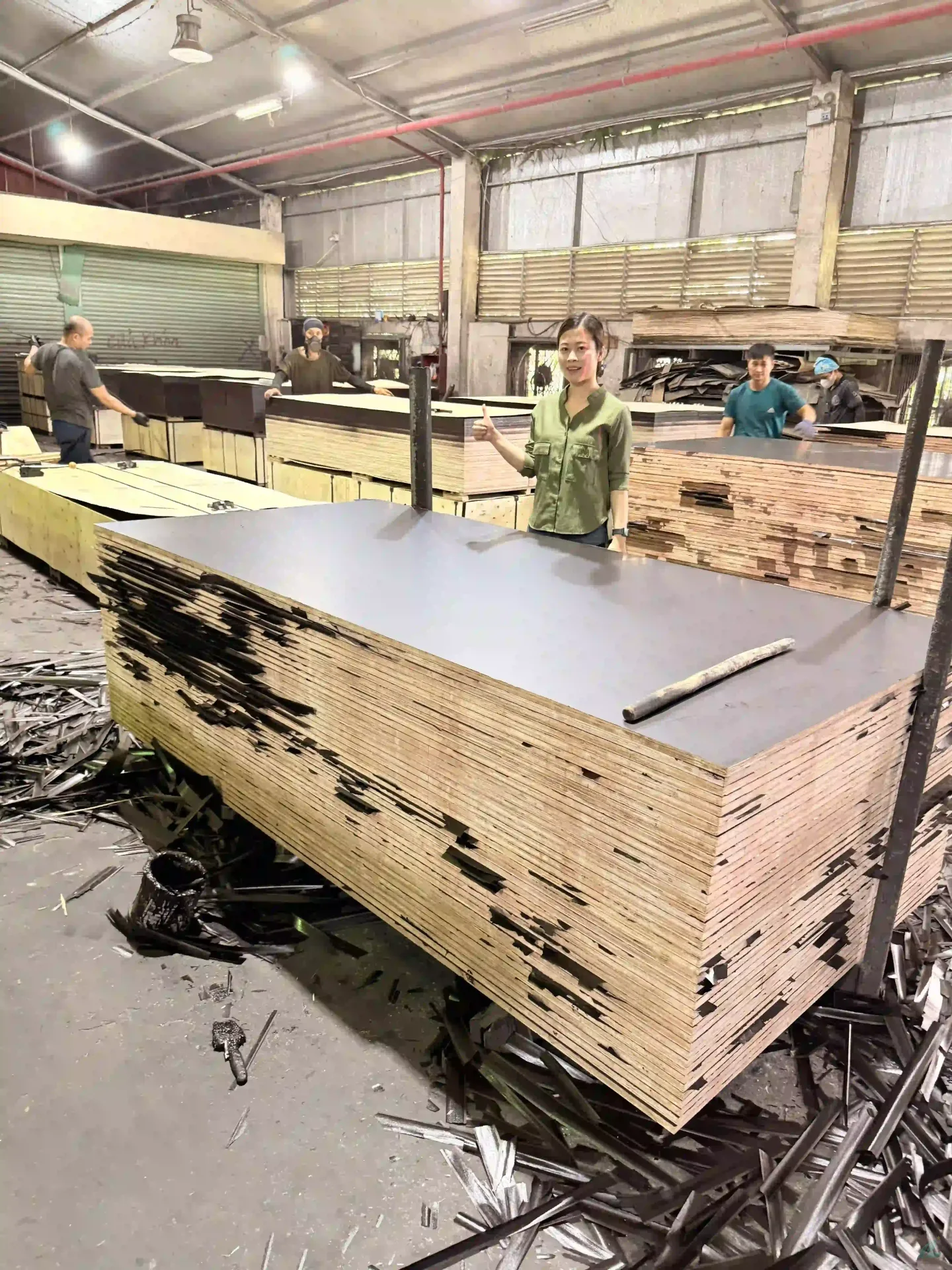
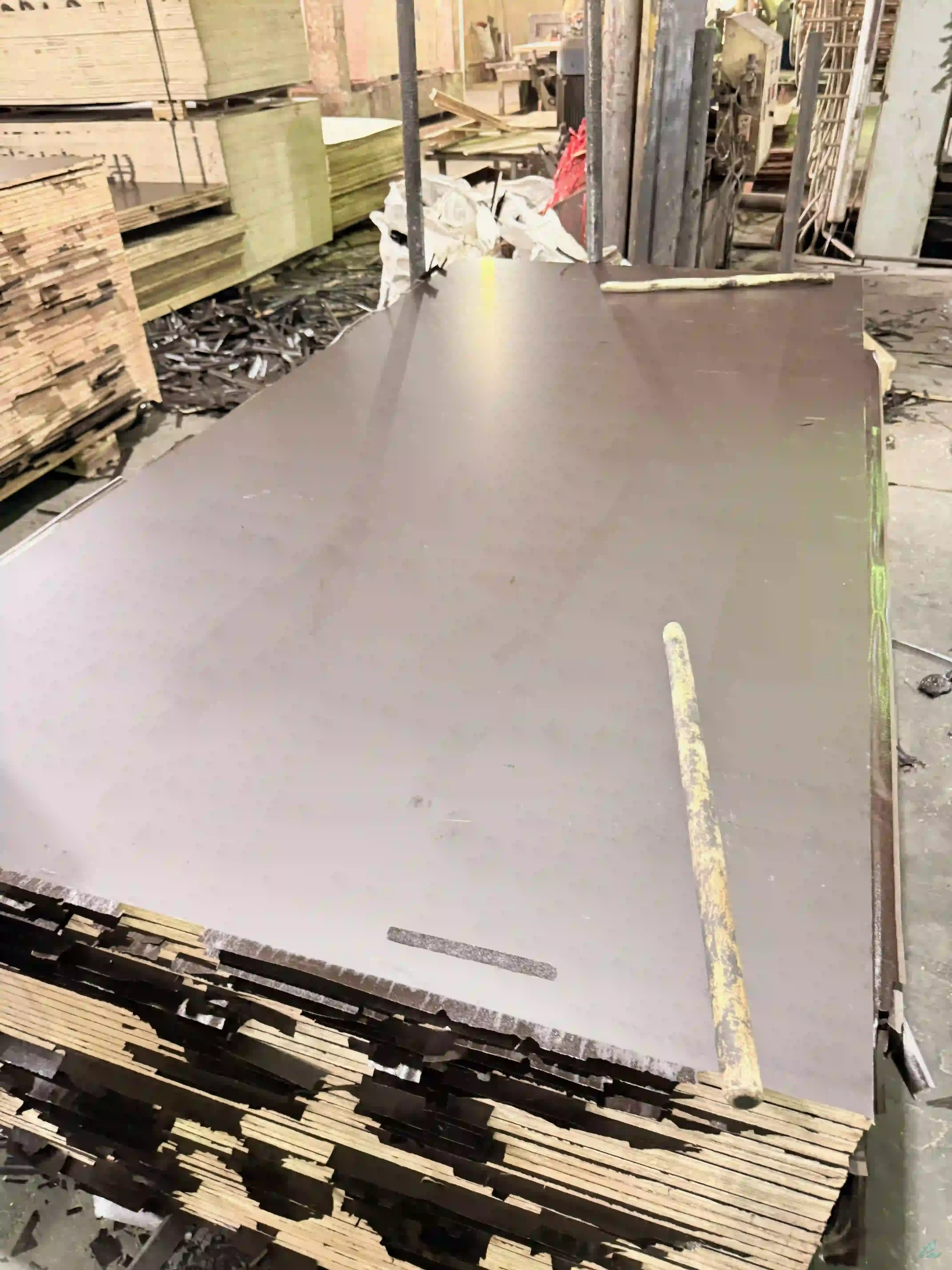
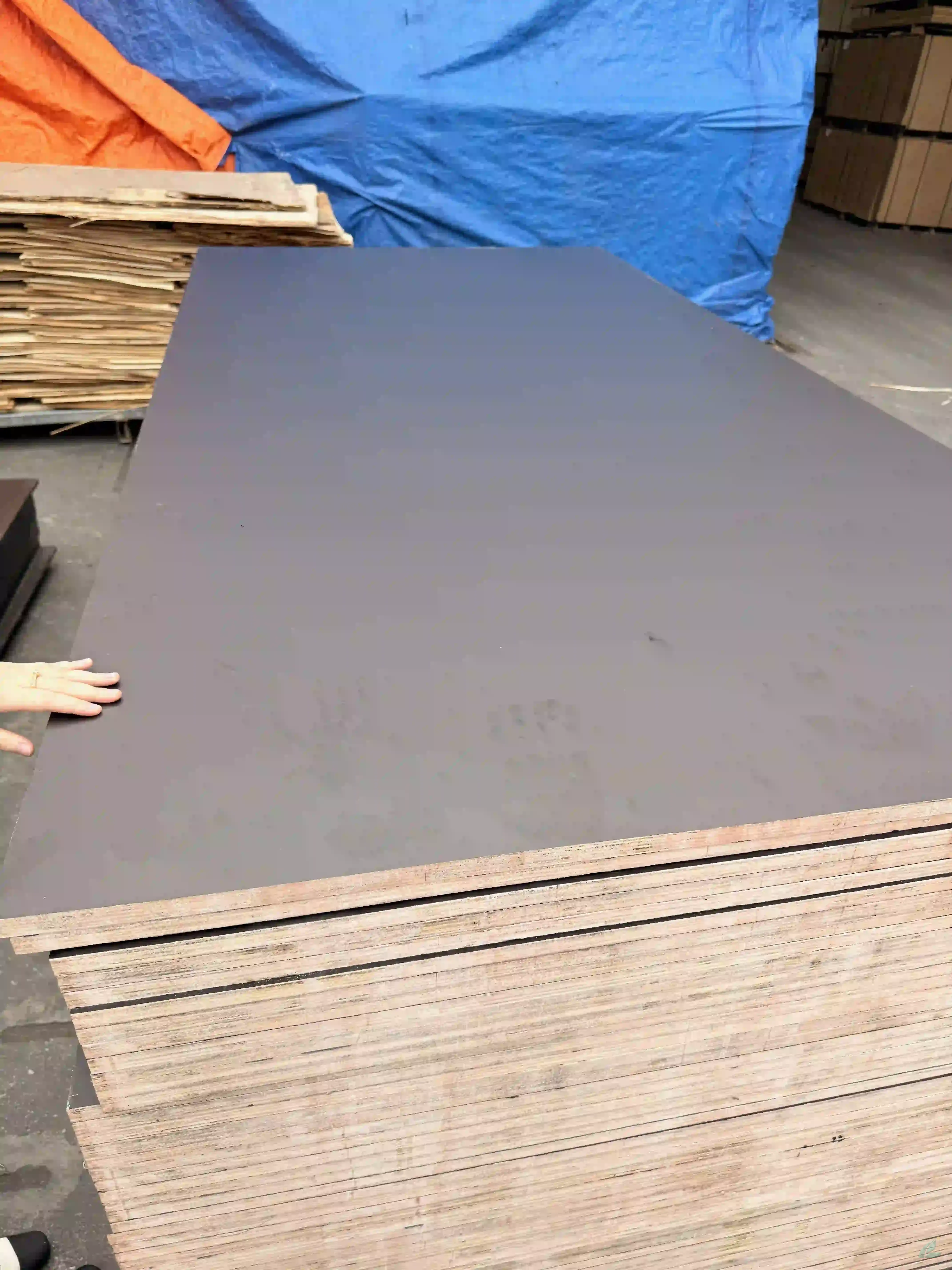
Film faced plywood is a structural panel bonded with Water Boiled Proof (WBP) phenolic glue, then faced on both surfaces with a smooth phenolic or melamine film overlay. Unlike furniture-grade plywood (which is sanded and finished for aesthetics), film faced plywood is left unsanded beneath the film coating — the film itself provides the functional surface. This is not a limitation; it is the design intent. The phenolic film creates a sealed, non-porous surface that does not absorb water, concrete slurry, or chemical agents, making it ideal for repeated contact with wet concrete during formwork operations.
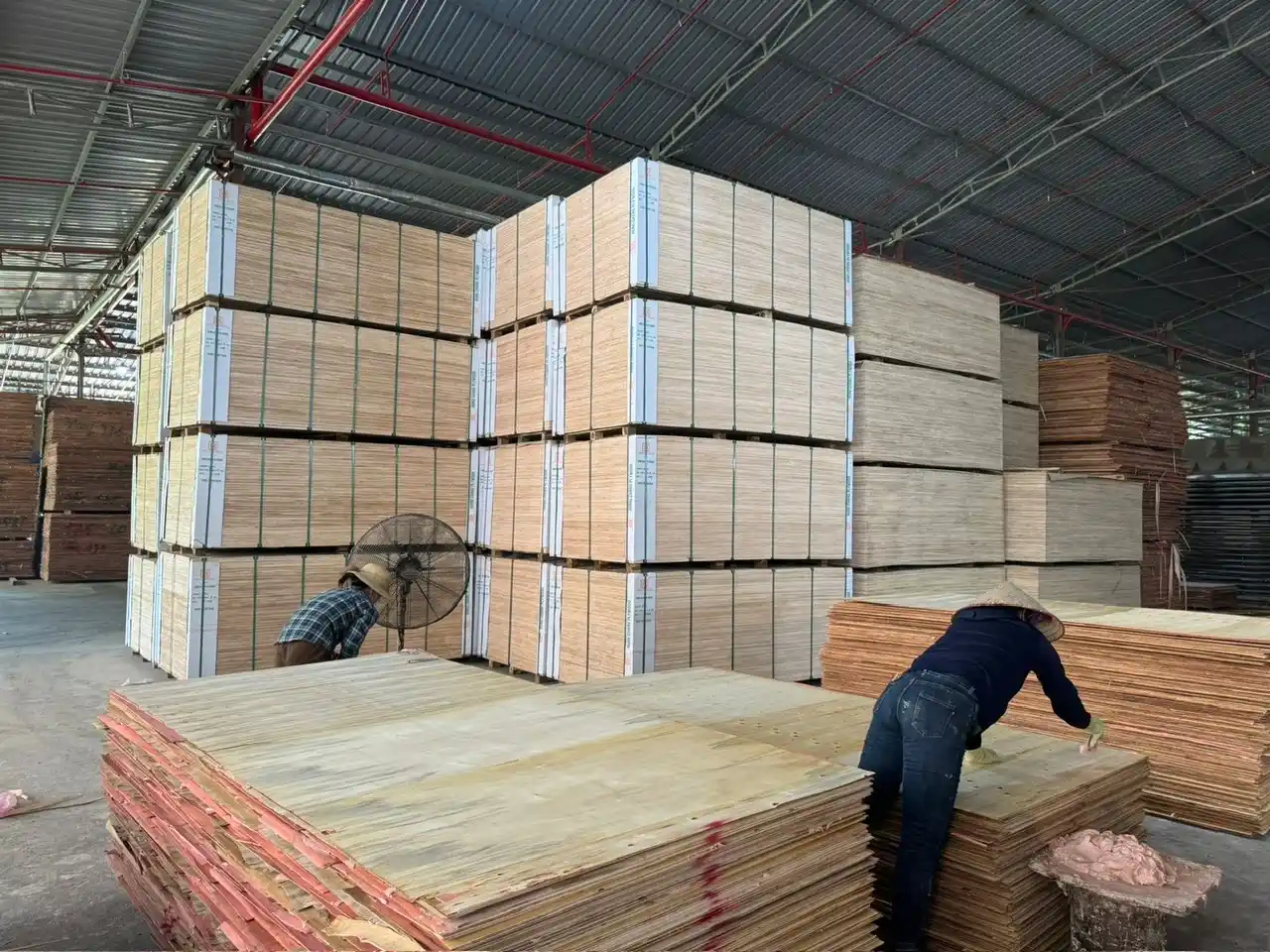
The core of film faced plywood from HCPLY Vietnam is composed entirely of tropical hardwood veneer — acacia (~580 kg/m³) or eucalyptus (650–750 kg/m³) depending on the specification ordered. Core veneers are kiln-dried to ≤12% moisture content before pressing to minimize post-pressing expansion. The core construction uses WBP phenolic adhesive throughout — the same adhesive chemistry as the film itself — creating a panel where all bond lines share the same waterproof standard. The film overlay is applied hot-pressed onto both face and back surfaces to achieve complete adhesion across the full panel area.
The practical outcome is a panel that can be nailed, screwed, and concrete-loaded, then cleaned and reused 6–10 times in standard formwork conditions. With careful oiling (release agent applied to film surface before each pour), premium HCPLY panels in controlled site conditions can achieve 18 or more uses — a critical factor in the economics of large construction projects where formwork cost is a significant budget line item.
Film colour — black or brown — is a buyer preference. Brown film (standard phenolic) is the most common and cost-effective. Black film, often using imported Dynea overlay, provides a harder, more abrasion-resistant surface and is preferred by buyers in Australia, Europe, and for high-specification projects where panel longevity is prioritized over initial cost.