Table of contents
EUDR Mandatory 2026 Explained for European Plywood Importers | HCPLY – Vietnam Plywood



Europe’s timber trade is entering a period of uncertainty — and confusion.
Across meetings, emails, and sourcing discussions, one question keeps coming back from European importers: Is EUDR really mandatory in 2026, or will it be delayed again? The lack of clear, practical answers has created anxiety in the market, leading some buyers to panic, while others choose to ignore the regulation altogether.As a large-scale plywood manufacturer, supplier, and exporter, HCPLY – Vietnam Plywood works directly with European buyers every day and follows EU regulatory developments closely at factory level. This article is written to cut through rumors, social media noise, and half-truths — and explain what EUDR really means in practice, what is confirmed, what is still evolving, and what European importers should prepare for calmly, not fear.
If you import plywood from Vietnam, this is the clarity you need before asking for prices, contracts, or long-term supply commitments.
🔹 1️⃣ Why Everyone Is Confused About EUDR
The question “Is EUDR really mandatory in 2026?” has become one of the most confusing — and emotionally charged — topics among European plywood importers.
As a large-scale plywood manufacturer, supplier, and exporter, HCPLY – Vietnam Plywood speaks daily with EU buyers, sourcing managers, compliance teams, and distributors. What we see clearly is not resistance to regulation — but confusion created by mixed signals, rumors, and incomplete information around EUDR mandatory 2026.
❓ Where the Confusion Comes From
European buyers are hearing three different narratives at the same time:
- ❌ “EUDR is 100% enforced in 2026 — everyone must comply or shipments will be blocked”
- ⚠️ “EUDR might be delayed, so no need to worry yet”
- 🤷 “EUDR only applies to raw timber, not plywood”
None of these statements alone fully reflects reality — and that gap is where uncertainty grows.
🌍 A Regulation Unlike Previous EU Rules
Unlike EUTR, which focused on legality, EUDR mandatory 2026 introduces a new dimension: deforestation-free proof linked to geolocation and supply chain traceability. This makes EUDR more complex, more data-driven, and more dependent on supplier capability, not just buyer paperwork.
Many importers mistakenly assume EUDR works like CE or FSC — a simple certificate.
In reality, EUDR changes how factories, suppliers, and exporters operate at ground level.
🏭 Why Buyers Ask Factories First — Not Lawyers
European buyers are no longer asking:
“Do you have EUDR?”
They are asking:
- How does your factory manage raw material traceability?
- Can your plywood production be linked to verified legal forest sources?
- Are your suppliers prepared for EUDR mandatory 2026 documentation requirements?
This is why confusion increases: buyers realize EUDR is not theoretical — it is operational.
✅ The Manufacturer’s Perspective Matters Most
As HCPLY – Vietnam Plywood, a leading Vietnamese plywood manufacturer with large production capacity and long-term EU export experience, we approach EUDR from factory reality, not speculation.
Confusion exists because:
- Regulations are discussed without factory context
- Online sources simplify complex legal frameworks
- Many suppliers avoid clear answers to protect short-term sales
This article — and this block — exists to remove panic, replace rumors with facts, and help European buyers think clearly before making sourcing decisions under EUDR mandatory 2026.
Understanding why confusion exists is the first step to making the right compliance strategy, not an emotional one.
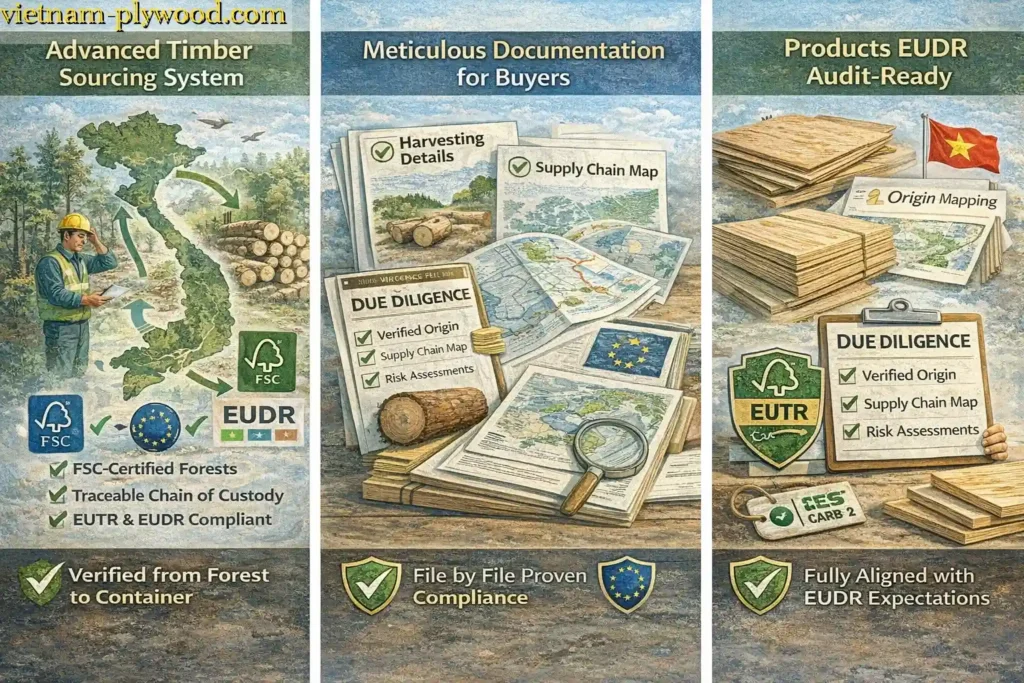
🔹 2️⃣ What the EU Has Officially Confirmed About EUDR Mandatory 2026
Despite the noise, rumors, and contradictory opinions circulating online, there are several points about EUDR mandatory 2026 that the European Union has officially confirmed — and serious importers must clearly separate confirmed facts from speculation.
As a large-scale plywood manufacturer, supplier, and exporter, HCPLY – Vietnam Plywood follows EU regulatory publications, implementation guidelines, and industry briefings at factory level, not through social media summaries. Below is what is official, written, and publicly confirmed by EU institutions.
✅ EUDR Mandatory 2026 Is a Legal Regulation — Not a Proposal
The EU Deforestation Regulation (EUDR) has already been formally adopted and published in the Official Journal of the European Union. This means:
- EUDR is not optional
- EUDR is not a draft
- EUDR is not dependent on individual EU countries’ approval
From a legal standpoint, EUDR mandatory 2026 exists as binding EU law.
📅 Confirmed Application Timeline
What the EU has officially confirmed regarding timing:
- Large operators and traders: obligations apply from 30 December 2025
- SMEs: extended transition until mid-2026
- Enforcement applies after the transition period, not retroactively
This timeline confirms why EUDR mandatory 2026 has become the focal point of importer discussions — but it also explains why enforcement will not be “overnight chaos.”
🌍 Confirmed Scope: Plywood Is Clearly Included
The EU has officially confirmed that EUDR applies to products derived from regulated commodities, including:
- Timber
- Veneer
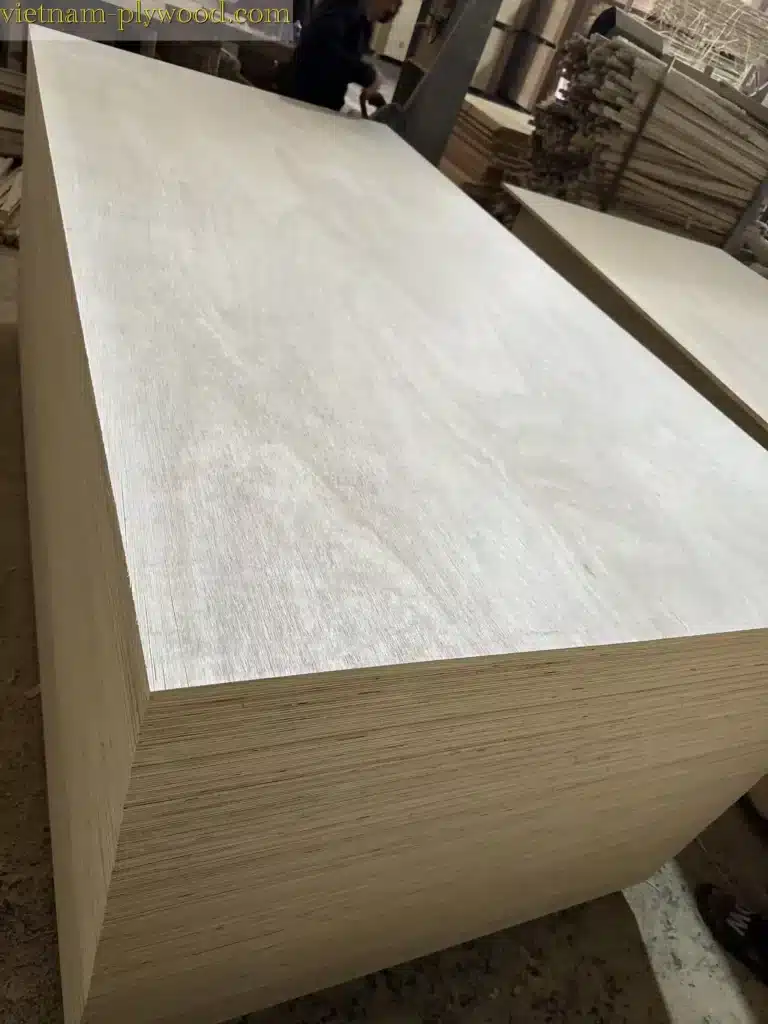
- Plywood
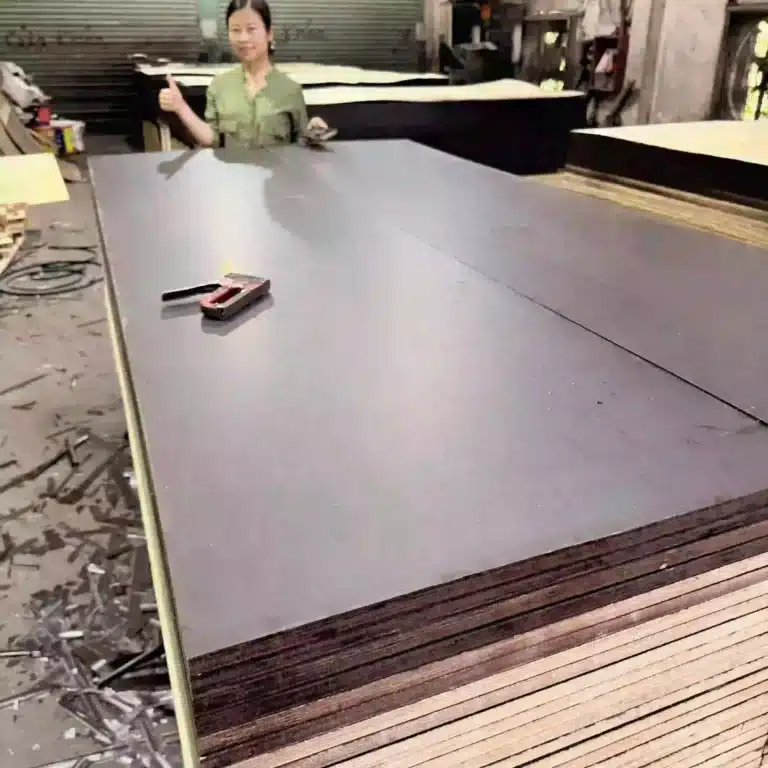
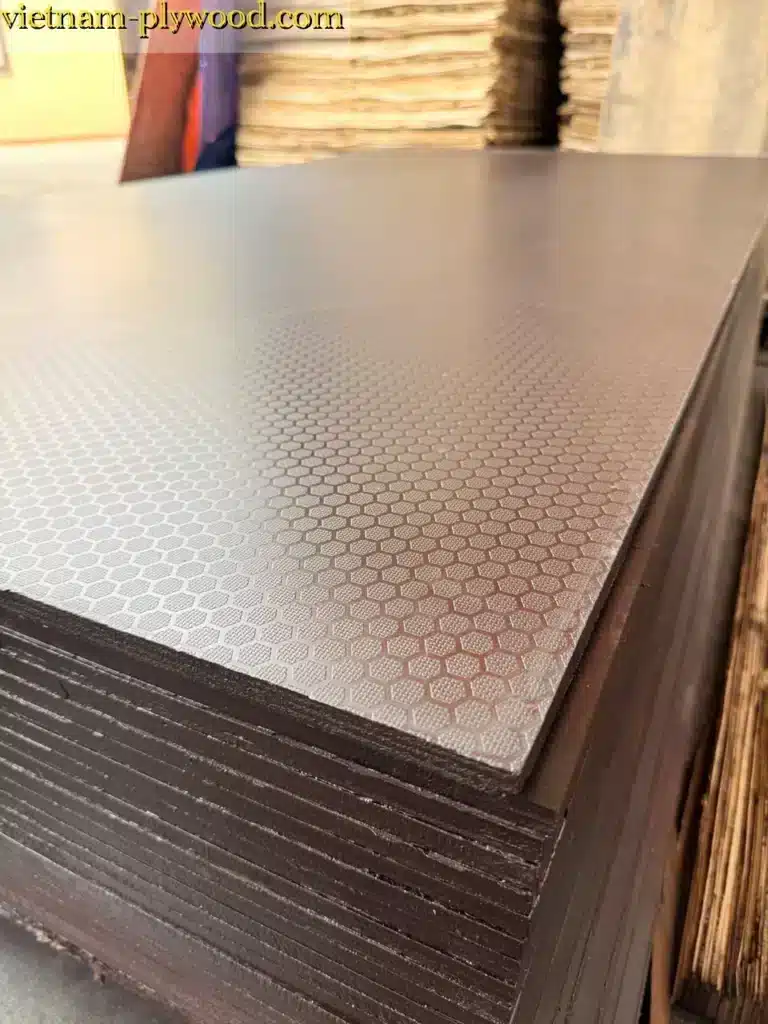
- Film faced plywood
- Engineered wood panels
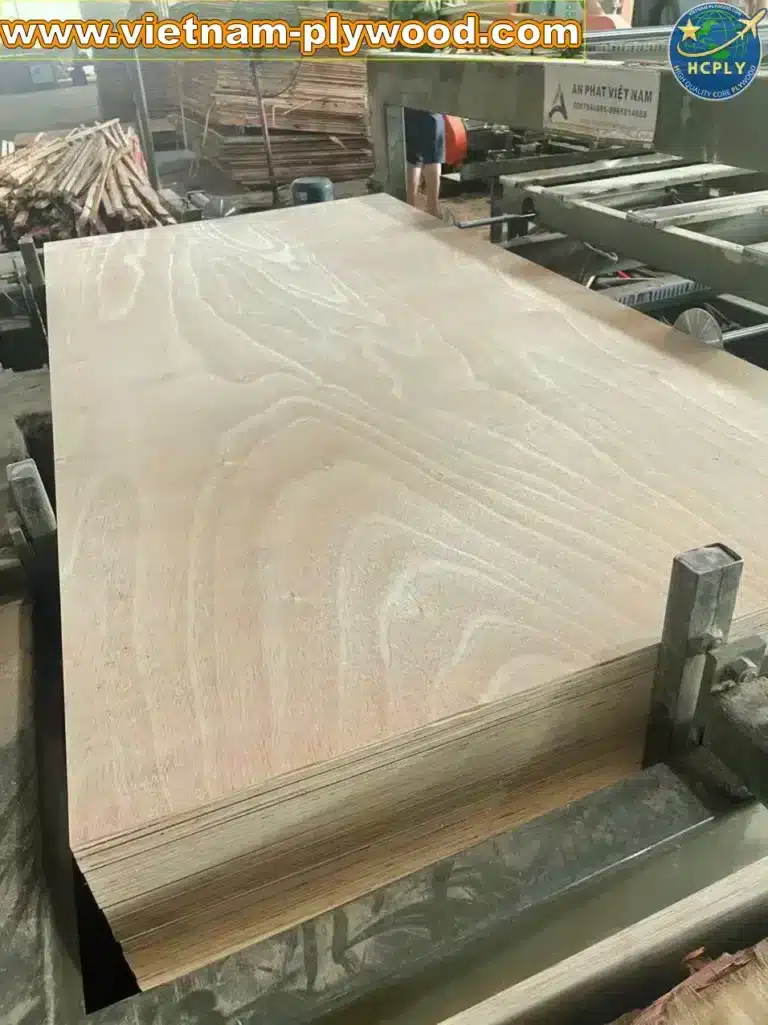
There is no exemption for plywood, no matter whether it is structural, interior, or packaging grade. For European importers sourcing from Vietnam, plywood is 100% within EUDR scope.
📌 Confirmed Core Requirement: “Deforestation-Free”
Unlike EUTR, which focused on legality, EUDR mandatory 2026 introduces a new confirmed requirement:
- Products must be deforestation-free
- Timber must not originate from land deforested after 31 December 2020
- Proof must be documented, not assumed
This is a confirmed legal obligation — not a future interpretation.
🧭 Confirmed Responsibility Lies With the EU Importer
Another key confirmation that buyers often misunderstand:
- EU importers are legally responsible
- Suppliers support compliance, but liability sits with the importer
- Customs authorities may request documentation before or after clearance
This is why serious buyers now evaluate supplier readiness, factory systems, and traceability — not just price.
🏭 Why Manufacturer-Level Understanding Matters
At HCPLY – Vietnam Plywood, we confirm that EUDR mandatory 2026 is not a paper-only regulation. The EU has confirmed that compliance depends on:
- Traceable raw material sourcing
- Factory-level documentation
- Consistent production records
- Export-ready compliance support
This is why European buyers increasingly choose large, established Vietnamese manufacturers with stable sourcing systems — not traders or short-term suppliers.
🔑 Key Takeaway
What the EU has officially confirmed is clear:
✔ EUDR mandatory 2026 is real
✔ Plywood is included
✔ Legal adoption is complete
✔ Transition periods exist
✔ Responsibility is enforceable
What remains unclear — and often confused — is how strictly and how fast enforcement will happen, which leads directly to the next critical question.
👉 In the next block, we will clarify what has NOT been finalized yet, and why that uncertainty is often misunderstood as “delay” or “cancellation.”
As a leading plywood manufacturer, supplier, and exporter, HCPLY – Vietnam Plywood provides clarity based on facts — not fear — so European buyers can prepare calmly, correctly, and competitively.
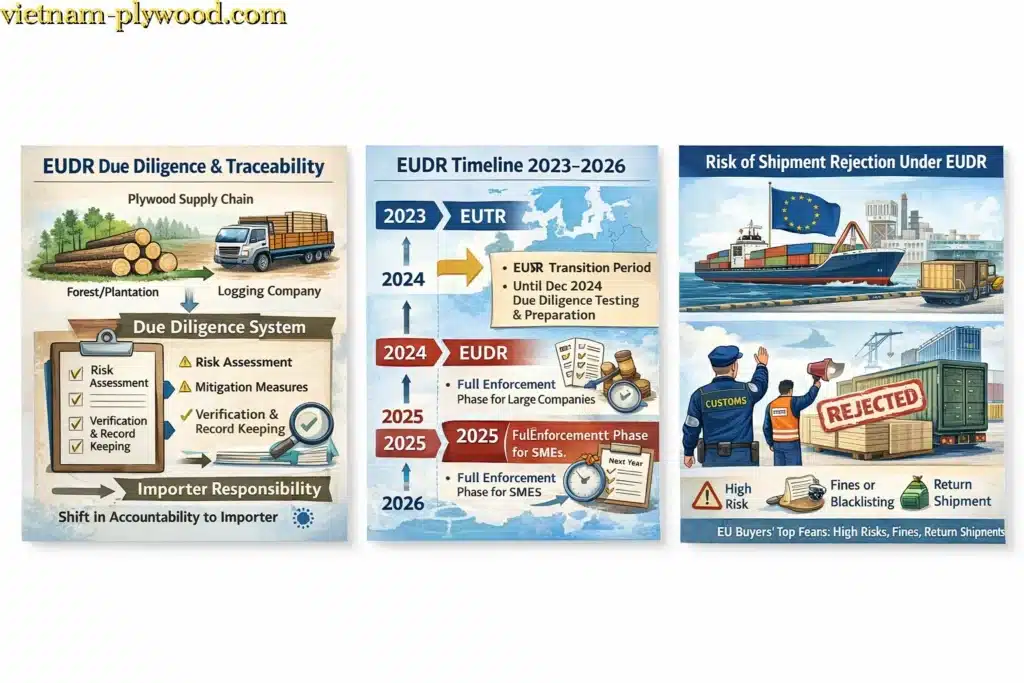
🔹 3️⃣ What European Importers Should Prepare — and What They Should Stop Worrying About
From daily cooperation with European buyers, HCPLY – Vietnam Plywood Manufacturer & Supplier sees a clear pattern: importers who work directly with top-tier plywood manufacturers prepare calmly, while those relying on fragmented supply chains panic.
European importers should prepare for:
- Choosing a large-scale plywood manufacturer and exporter with stable raw material sourcing.
- Requesting clear factory-level documentation, not last-minute paperwork.
- Aligning long-term contracts with manufacturers who understand EUDR mandatory 2026 at operational level.
- Reducing dependence on traders who cannot control upstream forest data.
European importers should stop worrying about:
- Vietnam as a sourcing country — the risk is supplier selection, not origin.
- Sudden shipment bans — enforcement focuses on compliance quality, not volume.
- Price collapse — compliant plywood manufacturers will remain competitive due to scale and efficiency.
As a leading plywood manufacturer, supplier, and exporter in Vietnam, HCPLY supports European partners not only with export-grade plywood, but with stable compliance logic, transparent sourcing, and long-term supply continuity.
EUDR mandatory 2026 is not a barrier — it is a filter.
And it clearly favors strong manufacturers, reliable suppliers, and professional exporters.
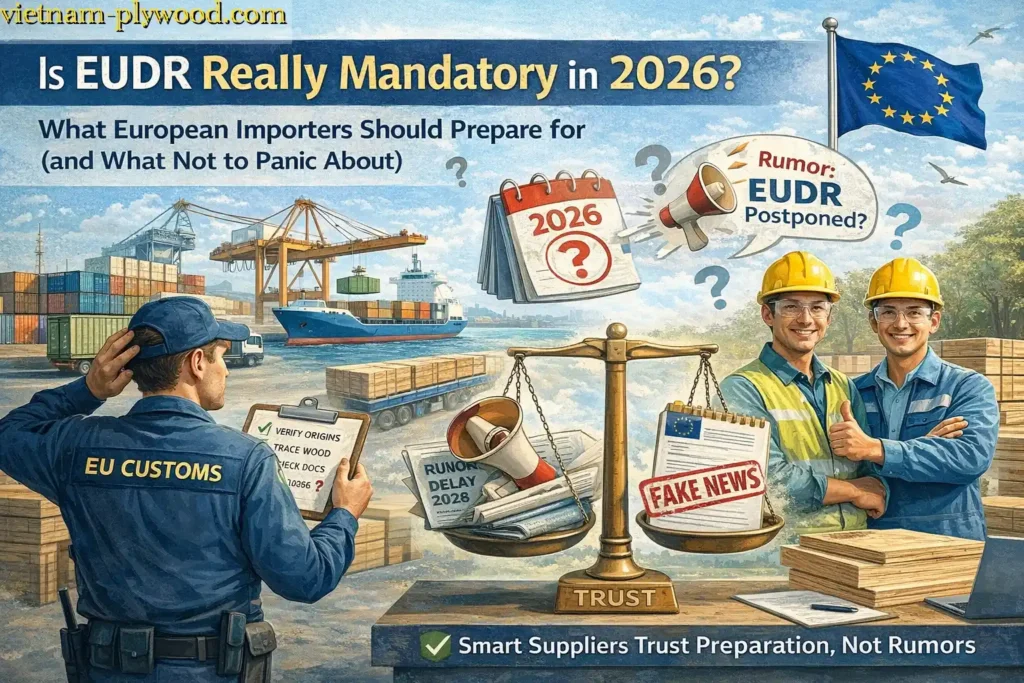
🔹 4️⃣ Why Many Experts Expect Delays — and Why That Doesn’t Mean Ignore EUDR Mandatory 2026
Across Europe, industry experts, trade associations, and even regulatory advisors openly discuss one possibility: EUDR mandatory 2026 may face implementation delays. This conversation is real — but it is also widely misunderstood.
As a large-scale plywood manufacturer, supplier, and exporter, HCPLY – Vietnam Plywood works directly with European buyers, auditors, and compliance consultants. What we see clearly is this: expecting delays does NOT mean ignoring EUDR mandatory 2026.
⏳ Why Experts Expect Possible Delays to EUDR Mandatory 2026
There are practical, documented reasons behind delay expectations:
- 📊 EU-wide data systems are still being finalized, especially geolocation verification platforms
- 🌍 Different sourcing countries have unequal readiness levels, creating enforcement imbalance
- 🏢 Customs authorities require training and harmonization across all EU member states
- 📑 Operational guidelines continue to evolve, especially for composite wood products like plywood
These realities lead many experts to believe phased enforcement or transitional flexibility is likely — not cancellation.
⚠️ Delay Does NOT Mean Cancellation or Weak Enforcement
This is where many importers misunderstand EUDR mandatory 2026.
A delay does not mean:
- ❌ The regulation disappears
- ❌ Buyers can ignore compliance
- ❌ Suppliers can operate without traceability
- ❌ Risk disappears after 2026
Instead, delays usually mean:
- ✅ More selective enforcement
- ✅ Risk-based inspections
- ✅ Higher scrutiny on non-prepared operators
- ✅ Stricter checks on unknown suppliers
🧠 Why Ignoring EUDR Mandatory 2026 Is the Real Risk
From a manufacturer’s perspective, waiting for clarity is safer than waiting for deadlines.
European buyers who delay preparation face:
- 🚨 Higher compliance costs later
- 🚨 Limited supplier options
- 🚨 Rushed documentation with weak credibility
- 🚨 Greater exposure to shipment delays and audits
Meanwhile, buyers already aligned with large, transparent manufacturers gain stability.
🏭 How Leading Manufacturers Respond to Expected Delays
At HCPLY – Vietnam Plywood, we do not speculate — we prepare.
As a leading plywood manufacturer, supplier, and exporter in Vietnam, our response to EUDR mandatory 2026 is built on scale and structure:
- 🪵 Stable raw material sourcing
- 📍 Traceable veneer and core origins
- 📄 Factory-level documentation readiness
- 🤝 Long-term EU buyer cooperation
Delays simply give prepared manufacturers more time to strengthen systems, not an excuse to stop.
🔑 Key Message for European Importers
EUDR mandatory 2026 is not a “date problem” — it is a readiness problem.
Delays, if they happen, will reward prepared buyers and prepared manufacturers, while punishing reactive sourcing strategies.
European importers who partner early with HCPLY – Vietnam Plywood, a large-capacity, export-focused plywood manufacturer and supplier, position themselves ahead of both regulation and competition.
👉 In the next block, we will clearly separate legal obligation vs market expectation — one of the most critical distinctions buyers must understand under EUDR mandatory 2026.




🔹 5️⃣ Difference Between “Legal Obligation” and “Market Expectation” Under EUDR Mandatory 2026
One of the biggest sources of confusion around EUDR mandatory 2026 is the misunderstanding between what the law legally requires and what the market will realistically demand.
As a large-scale plywood manufacturer, supplier, and exporter, HCPLY – Vietnam Plywood sees this gap clearly when working with European importers. Buyers who fail to distinguish these two layers often either panic too early — or prepare too late.
⚖️ Legal Obligation Under EUDR Mandatory 2026
From a strictly legal standpoint, EUDR mandatory 2026 places obligations on EU importers and operators, not directly on non-EU factories.
Legally required under EUDR mandatory 2026:
- Importers must submit due diligence statements
- Products must be deforestation-free (post-31/12/2020 rule)
- Traceability data must be available upon request
- Risk assessment and mitigation must be documented
📌 Key point:
The law defines who is legally liable — but it does not explain how buyers can realistically comply without strong suppliers.
📈 Market Expectation Is Already Moving Faster Than the Law
In real trade conditions, the market does not wait for full enforcement dates.
From our daily factory-level cooperation with EU buyers, HCPLY – Vietnam Plywood confirms that market expectations under EUDR mandatory 2026 are already stricter than minimum legal text.
What the market is already asking for:
- Clear raw material sourcing explanations
- Factory-level traceability systems
- Stable, repeatable documentation — not one-off files
- Suppliers who understand EUDR logic, not just “provide papers”
This is why European buyers increasingly shift orders before 2026, not after.
🏭 Why Serious Buyers Focus on Manufacturers, Not Lawyers
Legal advisors explain regulations.
Manufacturers prove execution.
Under EUDR mandatory 2026, buyers understand that:
- Customs will not manage their supply chains
- Lawyers cannot generate forest data retroactively
- Only large, structured manufacturers can support real compliance
As a top Vietnam plywood manufacturer and exporter, HCPLY – Vietnam Plywood operates with:
- Controlled raw material sourcing
- Scalable production capacity
- Consistent export documentation systems
- Competitive pricing supported by volume, not shortcuts
🔍 Legal Compliance vs Commercial Reality (Quick Comparison)
| Aspect | Legal Obligation | Market Expectation |
|---|---|---|
| Who is liable | EU Importer | Supplier + Importer |
| Timing | From 2026 | Already happening |
| Focus | Documents | Systems + transparency |
| Risk | Fines | Lost supply, lost buyers |
| Supplier type | Any | Large, stable manufacturers |
✅ The Real Lesson for Importers
EUDR mandatory 2026 is not just a legal deadline — it is a market filter.
Importers who understand this difference:
- Secure long-term supply earlier
- Avoid last-minute compliance stress
- Work directly with capable manufacturers
- Maintain competitive pricing and stability
That is why more European buyers choose HCPLY – Vietnam Plywood — a leading plywood manufacturer, supplier, and exporter — not because we “promise compliance”, but because our factory structure already supports it.
👉 In the next block, we will explain what customs authorities and buyers will enforce first in reality, not in theory — and why that matters more than headlines.
🔹 6️⃣ What Customs & Buyers Will Enforce First Under EUDR Mandatory 2026
When discussing EUDR Mandatory 2026, one critical mistake many European importers make is assuming that everything will be enforced at once, at maximum strictness, from day one.
In reality, enforcement always starts with what customs officers and buyers can realistically verify first — not with theoretical perfection.
As a large-scale plywood manufacturer, supplier, and exporter, HCPLY – Vietnam Plywood works closely with European buyers who are already aligning their internal checks with what authorities will prioritize under EUDR Mandatory 2026.
🛃 What Customs Authorities Will Enforce First
Customs will not begin by inspecting every GPS coordinate or forest boundary in detail. Initial enforcement will focus on documentation logic and consistency.
Customs checks will prioritize:
- ✅ Existence of EUDR Due Diligence Statements
- ✅ Clear identification of product type (plywood, veneer, film faced plywood)
- ✅ Declared country of harvest and processing
- ✅ Logical link between raw material origin and finished plywood
- ✅ Consistency across invoice, packing list, and declaration
For plywood shipments, customs officers are trained to identify risk patterns, not to audit forests on day one.
📦 What European Buyers Will Enforce First
In practice, buyers will enforce EUDR Mandatory 2026 before customs do.
European buyers will focus on:
- 🧾 Whether the supplier can provide traceable sourcing explanations
- 🏭 Whether the manufacturer understands its own raw material chain
- 📑 Whether documentation is prepared before shipment, not after arrival
- 🤝 Whether the supplier communicates clearly instead of avoiding questions
Buyers are already filtering suppliers long before 2026 — and they are doing it quietly.
🧠 What Will NOT Be Enforced First
To reduce panic, it is essential to understand what will not be the first enforcement layer:
- ❌ No immediate forest-by-forest inspections
- ❌ No instant shipment bans for minor data formatting issues
- ❌ No blanket rejection of Vietnam plywood
- ❌ No requirement for suppliers to “guarantee EU law” — responsibility stays with the importer
This is why EUDR Mandatory 2026 is about preparation, not fear.
🏭 Why Manufacturer Readiness Matters More Than Paper
Customs and buyers will quickly identify whether a supplier is:
- A real plywood manufacturer with controlled sourcing
- Or a trader repeating generic compliance phrases
As HCPLY – Vietnam Plywood, a leading plywood manufacturer, supplier, and exporter with large production capacity, we support European partners with:
- Stable raw material sourcing explanations
- Factory-level production logic
- Export-ready documentation consistency
- Long-term compliance mindset — not temporary promises
📌 Key Insight for Importers
Under EUDR Mandatory 2026, the first enforcement layer is credibility.
If your supplier cannot clearly explain:
- Where the wood comes from
- How plywood is manufactured
- How documents connect logically
Then no certificate can protect the shipment.
This is why serious European buyers are already aligning with large, transparent Vietnamese manufacturers — not waiting for 2026 to react.
👉 In the next block, we will move deeper into reality and explain what will actually be checked in practice — not in theory — under EUDR Mandatory 2026.
🔹 7️⃣ What Will Be Checked in Reality (Not Theory) Under EUDR Mandatory 2026
When EUDR Mandatory 2026 moves from discussion to inspection, reality will look very different from online assumptions.
As a large-scale plywood manufacturer, supplier, and exporter, HCPLY – Vietnam Plywood works with EU buyers who already conduct internal mock checks. What they verify first is not perfection — but credibility.
🔍 What Is Checked in Reality
- 🧾 Logical consistency between invoices, packing lists, and declarations
- 🌍 Clear explanation of timber origin at country and supplier level
- 🏭 Factory production logic that matches declared materials
- 📑 Repeatable documentation, not one-time files
- 🔗 Traceability that makes sense to non-technical inspectors
❌ What Is NOT Checked First
- No deep satellite forest analysis for every shipment
- No demand for impossible historical GPS perfection
- No instant rejection of plywood from Vietnam
EUDR Mandatory 2026 enforcement starts with whether the story makes sense — and whether the manufacturer can stand behind it.
As HCPLY – Vietnam Plywood, with large capacity and export-focused systems, our factory documentation is built to pass reality checks, not internet theories.
🔹 8️⃣ The Risk of Waiting Until 2026 Under EUDR Mandatory 2026
The biggest risk under EUDR Mandatory 2026 is not regulation — it is delay.
European importers who wait until the last moment will face:
- 🚨 Limited supplier options
- 🚨 Higher compliance costs
- 🚨 Rushed, low-quality documentation
- 🚨 Unstable pricing and supply disruptions
Meanwhile, proactive buyers already secure long-term capacity with reliable manufacturers.
As a leading plywood manufacturer and exporter, HCPLY – Vietnam Plywood confirms:
👉 Preparation spreads cost and risk.
👉 Waiting concentrates both.
🔹 9️⃣ Smart Importers vs Reactive Importers Under EUDR Mandatory 2026
🟢 Smart Importers
- Choose large-scale plywood manufacturers early
- Ask process questions, not just certificates
- Lock stable pricing and volume
- Treat EUDR Mandatory 2026 as a strategy, not a deadline
🔴 Reactive Importers
- Chase the cheapest offer
- Rely on traders without control over sourcing
- Panic close to enforcement dates
- Lose leverage and supplier priority
HCPLY – Vietnam Plywood works with smart importers who value continuity, transparency, and competitive pricing backed by scale.
🔹 🔟 How Serious Suppliers Are Preparing Quietly for EUDR Mandatory 2026
The most prepared suppliers talk the least — and build the most.
At HCPLY – Vietnam Plywood, preparation happens at factory level:
- 🪵 Controlled veneer and core sourcing
- 🏭 Documented production flows
- 📄 Consistent export records
- 📊 Internal traceability systems
- 🤝 Long-term buyer cooperation
Serious manufacturers prepare quietly because readiness is operational — not marketing.
🔹 1️⃣1️⃣ Vietnam Suppliers: Who Is Ready – Who Is Not Under EUDR Mandatory 2026
Vietnam is not the risk. Supplier selection is.
✅ Ready Suppliers
- Large-scale plywood manufacturers
- Direct control over production
- Stable raw material sourcing
- Proven EU export history
❌ Not Ready
- Trading companies without factories
- Short-term sourcing models
- Inconsistent documentation
- Price-driven operations
As a top Vietnam plywood manufacturer, supplier, and exporter, HCPLY – Vietnam Plywood stands in the first category — with capacity, compliance logic, and competitive pricing aligned.
🔹 1️⃣2️⃣ Transition to Factory-Level Proof (Next: Article 3)
Understanding EUDR Mandatory 2026 is only the first step.
The real question is:
👉 How does a plywood factory prove readiness in practice?
In the next article, we go inside the factory:
- How raw material traceability works
- What documents matter most
- How EU buyers verify suppliers
- What factory-level proof actually looks like
Continue with Article 3: “EUDR Compliance at Factory Level: How European Buyers Verify Plywood from Vietnam”
Written from the perspective of HCPLY – Vietnam Plywood — a leading manufacturer, supplier, and exporter trusted by European importers who plan ahead, not panic.
🔗 Explore Our Export-Ready Plywood Products — Trusted Under EUDR Mandatory 2026
Understanding EUDR Mandatory 2026 is only meaningful when paired with the right manufacturing partner.
As HCPLY – Vietnam Plywood, we are a leading plywood manufacturer, supplier, and exporter in Vietnam, operating large-scale factories with controlled raw material sourcing, stable production capacity, verified quality systems, and competitive factory-direct pricing. Our export-ready plywood products are already supplied to demanding EU, UK, and global markets.
Below are our core product lines — each produced under strict factory control and suitable for professional importers preparing for EUDR Mandatory 2026:
🪵 Premium Export Plywood from Vietnam (Click to Explore)
- 👉 Gurjan Plywood Vietnam
Heavy-duty gurjan face plywood with strong eucalyptus or mixed hardwood core, widely trusted by European furniture and interior buyers. - 👉 Film Faced Plywood Vietnam
Black & brown film faced plywood for construction, formwork, and infrastructure projects, produced at scale with consistent bonding strength. - 👉 Okoume Plywood Vietnam
Lightweight, smooth-surface okoume plywood for furniture, doors, and decorative applications, exported directly from our Vietnam factory. - 👉 Birch Plywood Vietnam
High-quality birch plywood alternative with stable structure and competitive pricing, manufactured for demanding EU markets. - 👉 Poplar Plywood Vietnam
Cost-efficient poplar plywood with clean white core, ideal for interior furniture and panel applications. - 👉 Bintangor Plywood Vietnam
Attractive bintangor face plywood for furniture and paneling, produced in large volumes with export-grade quality control. - 👉 Pine Plywood Vietnam
Durable pine plywood with consistent thickness and moisture control, suitable for furniture and packaging markets. - 👉 Core Veneer & Eucalyptus Veneer Vietnam
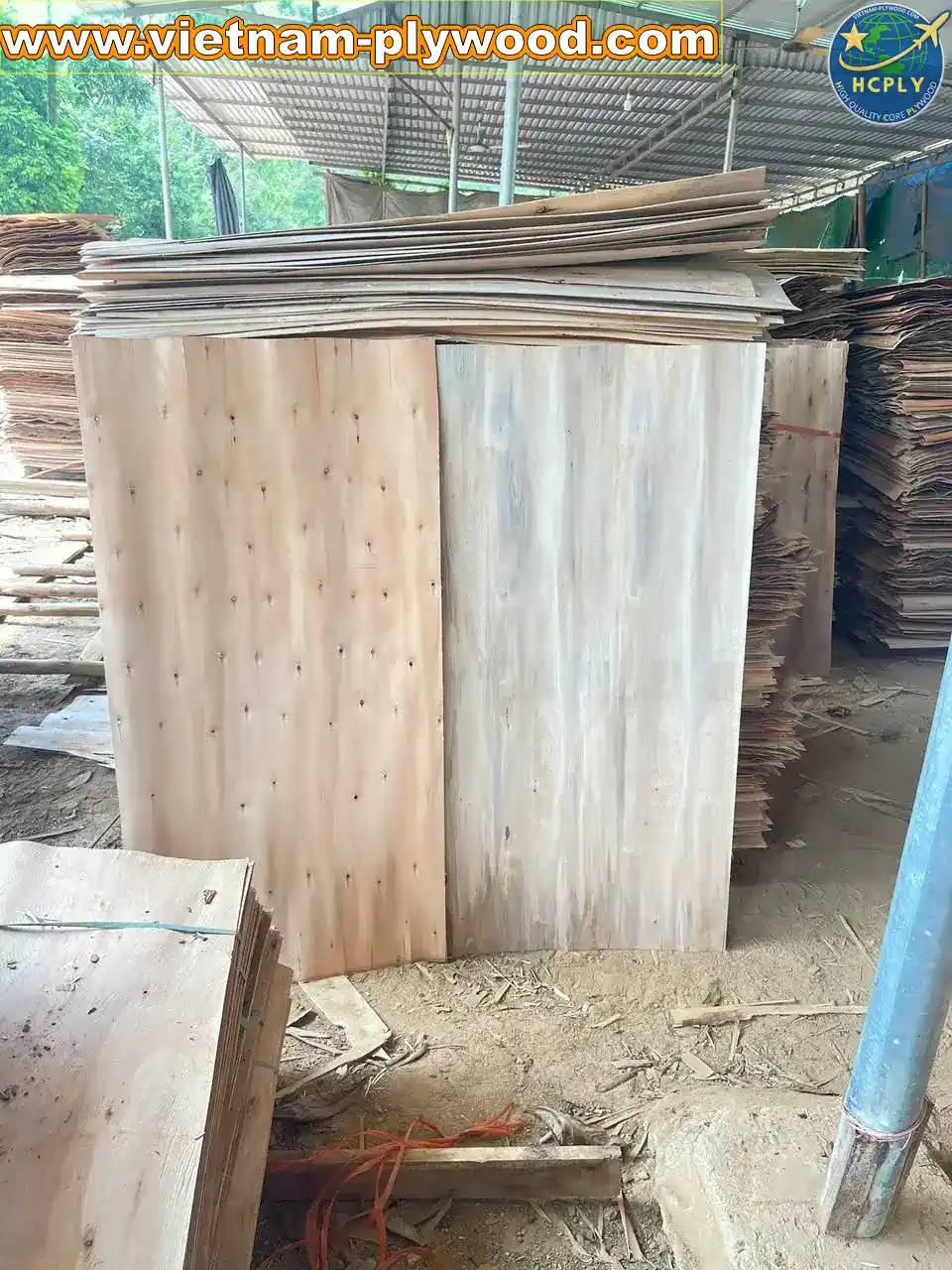
Factory-produced eucalyptus and mixed hardwood core veneers — the foundation of stable, traceable plywood manufacturing.
✅ Why European Buyers Choose HCPLY – Vietnam Plywood
- ✔ Large-scale plywood manufacturer, supplier, and exporter
- ✔ Stable factory capacity with long-term raw material sourcing
- ✔ Export-grade quality control and documentation systems
- ✔ Competitive pricing backed by production scale — not shortcuts
- ✔ Clear understanding of EUDR Mandatory 2026 from factory level
If you are preparing your supply chain for EUDR Mandatory 2026, the smartest step is choosing a manufacturer that already operates with transparency, capacity, and export discipline.
👉 Explore our full product range and request factory-direct quotations today
👉 Partner with HCPLY – Vietnam Plywood — where compliance, quality, and competitiveness meet.