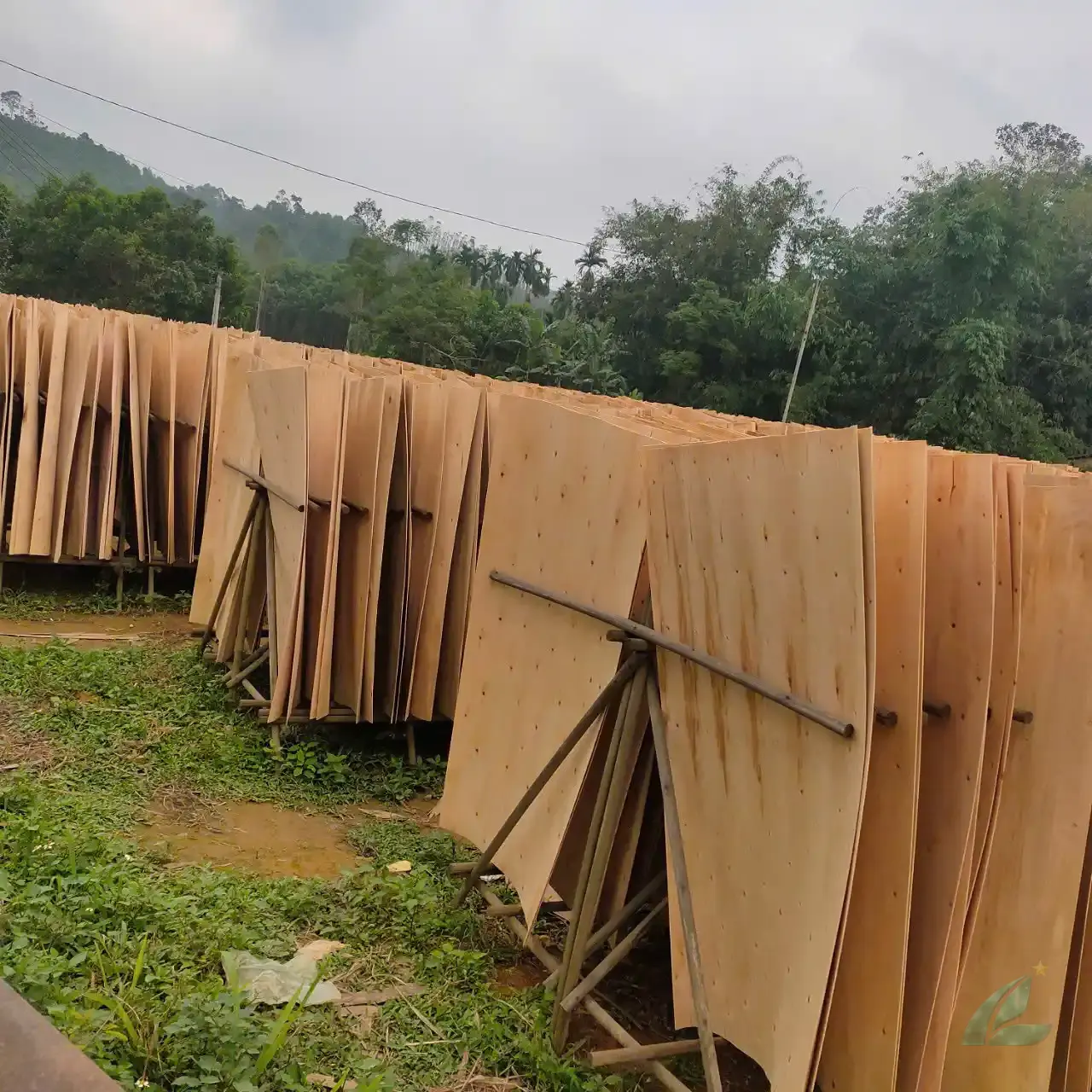
Core Veneer Vietnam — What It Is and Who Buys It
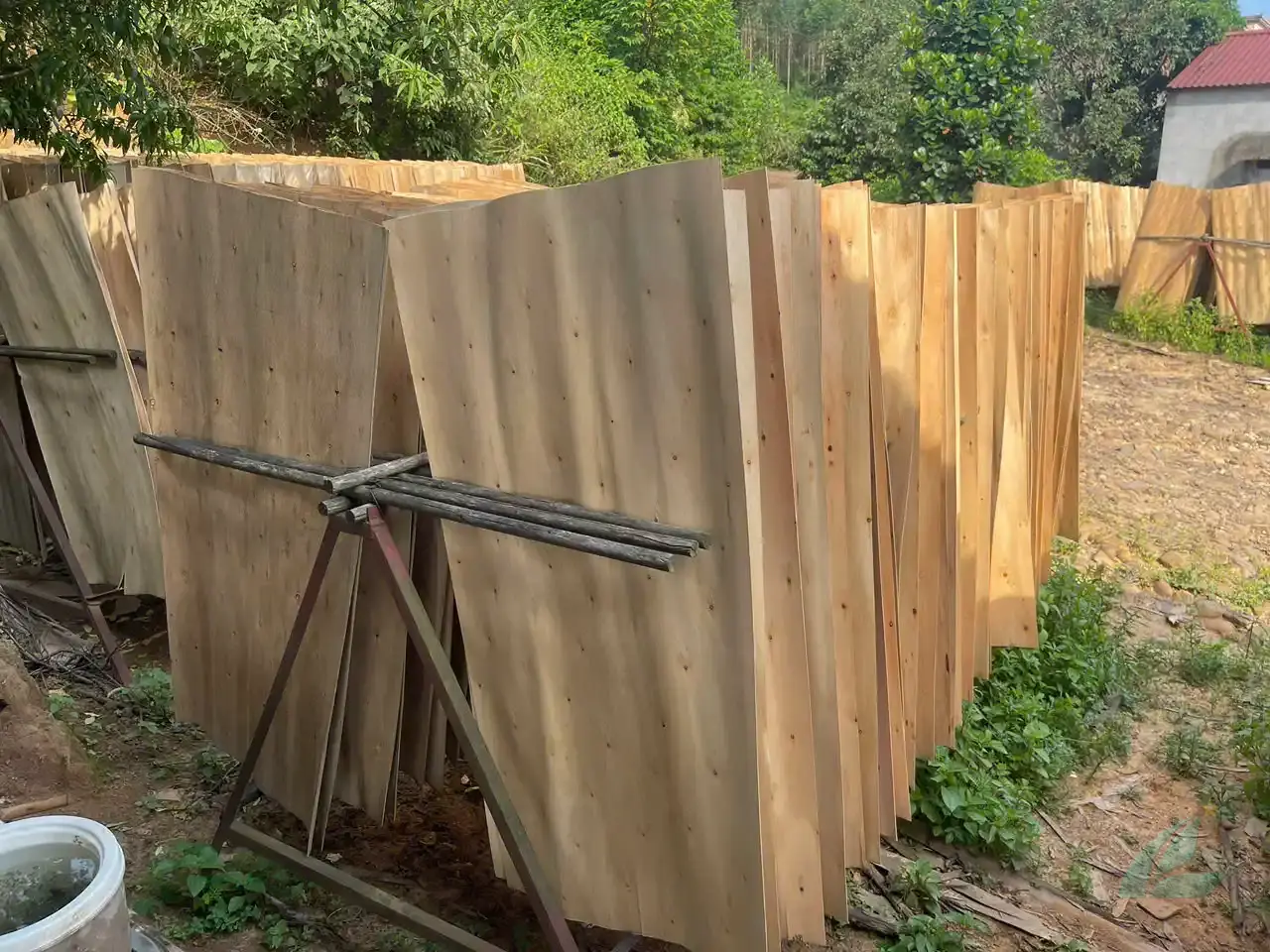
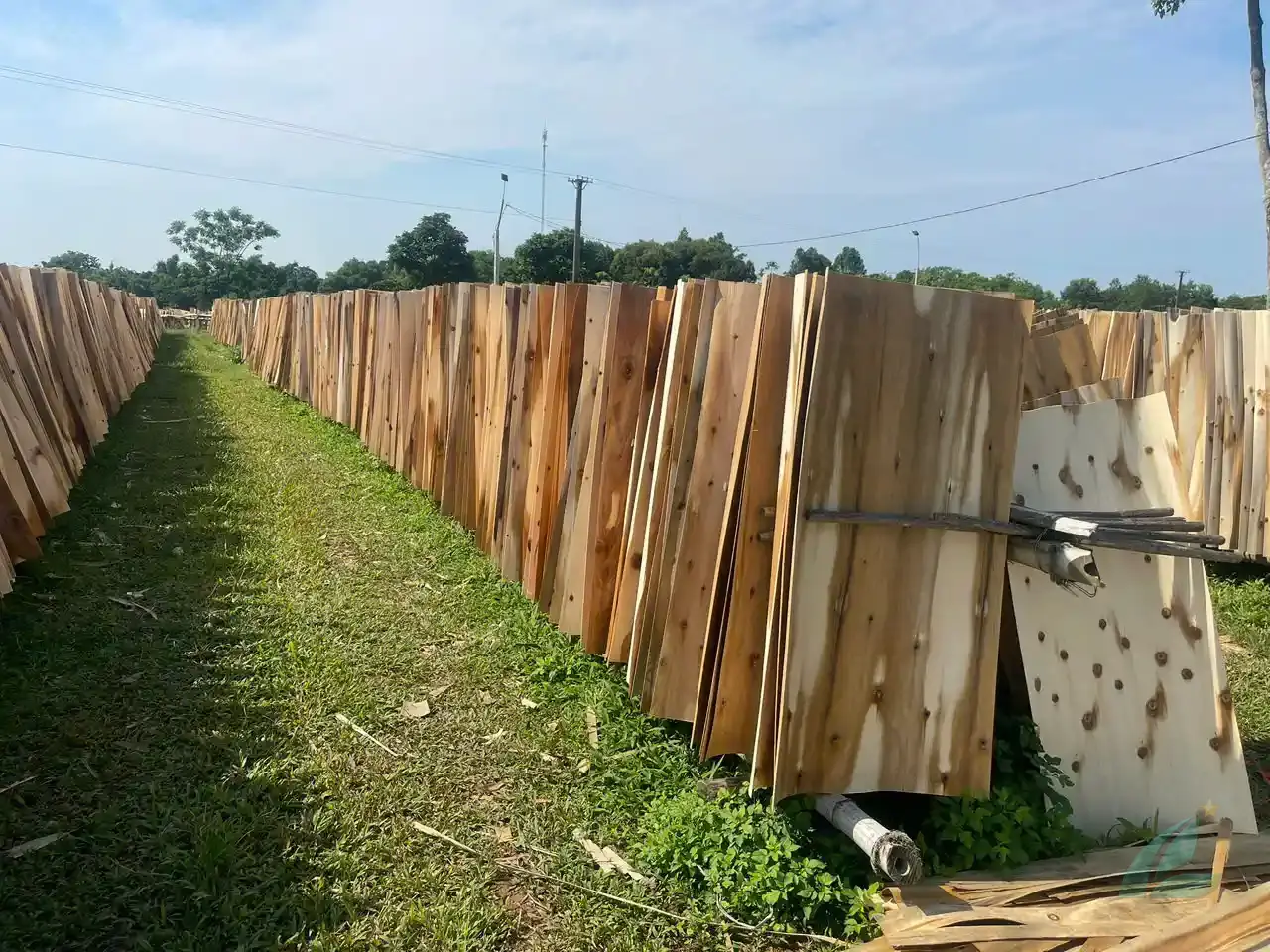
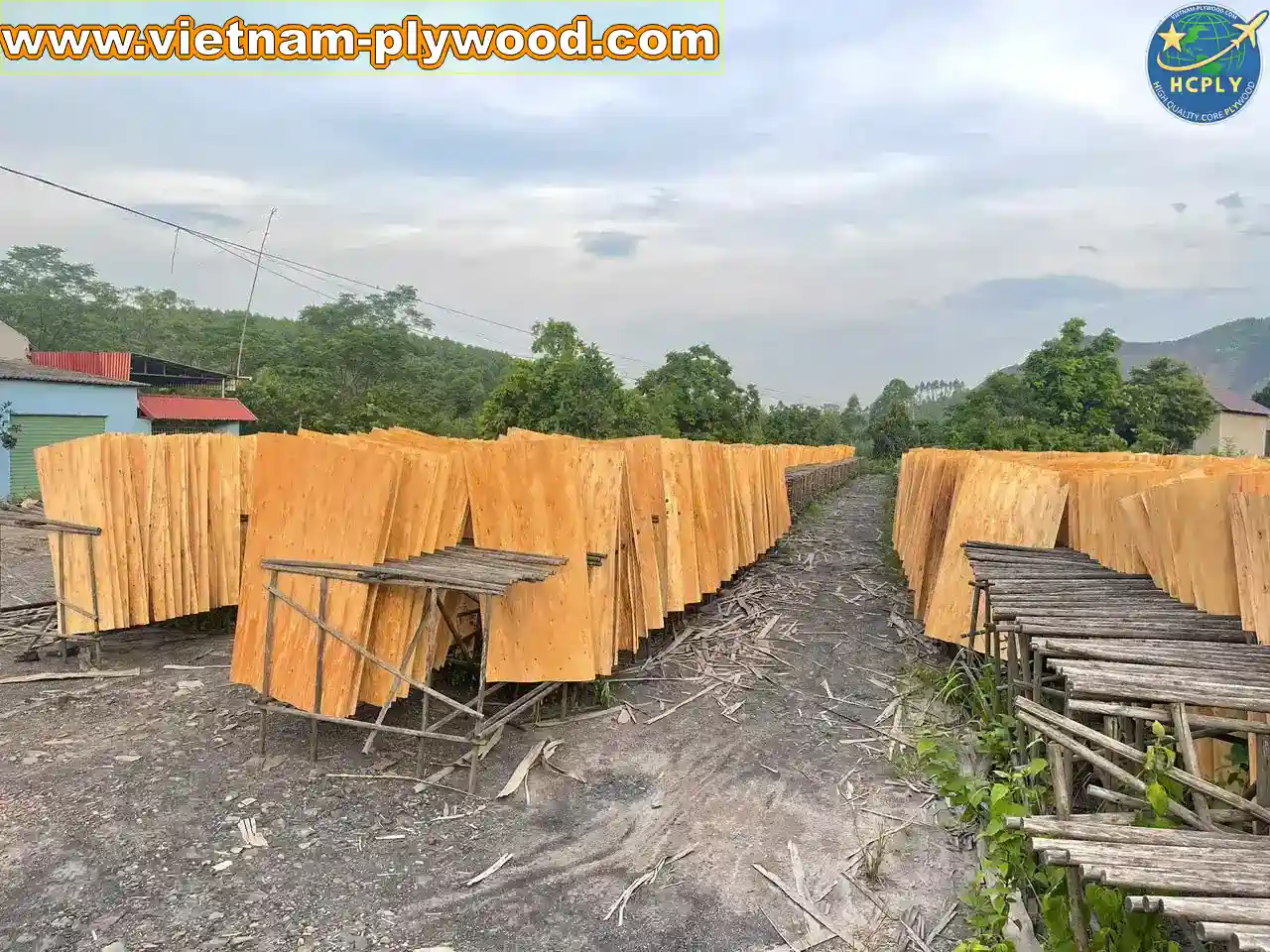
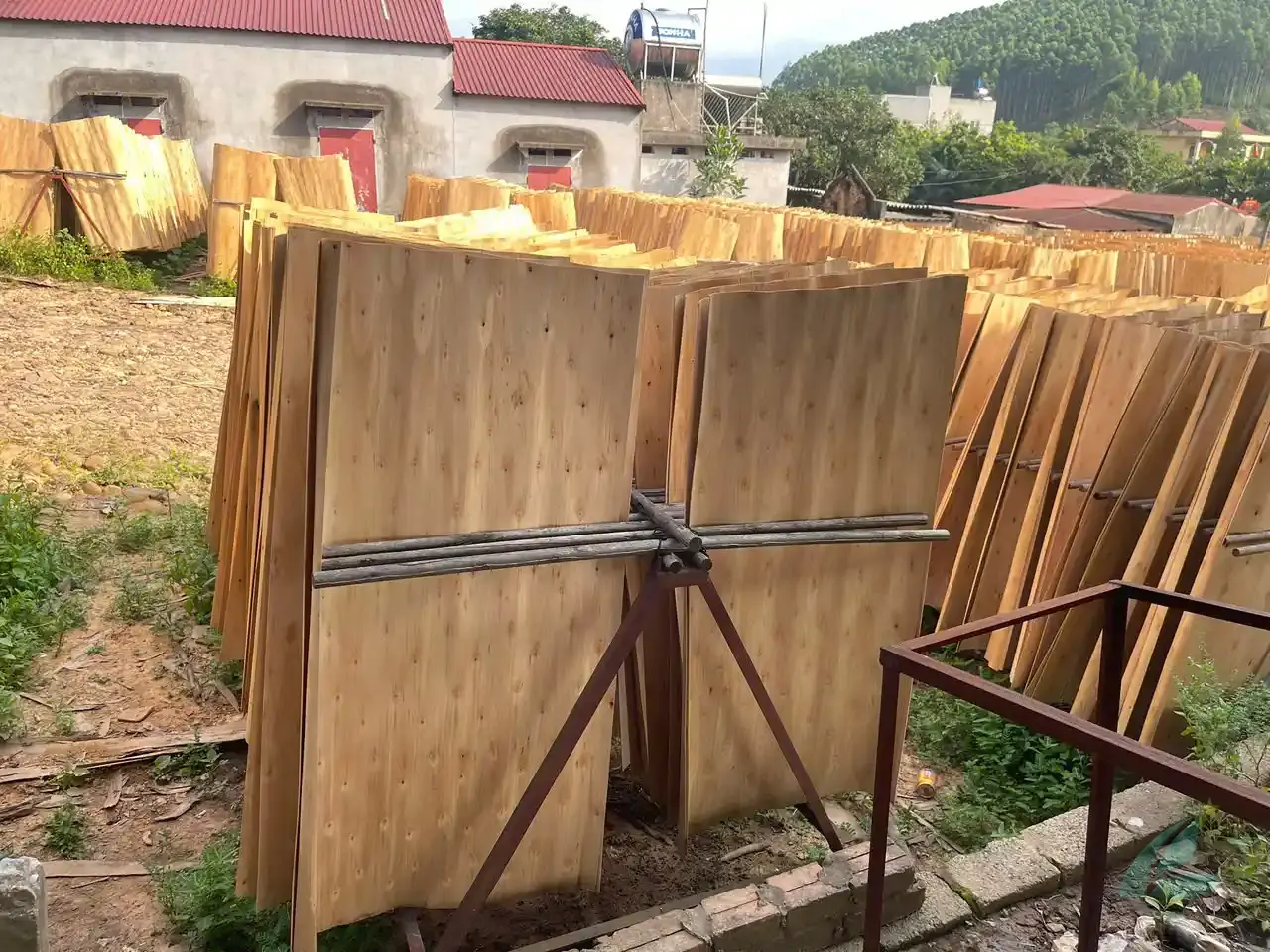
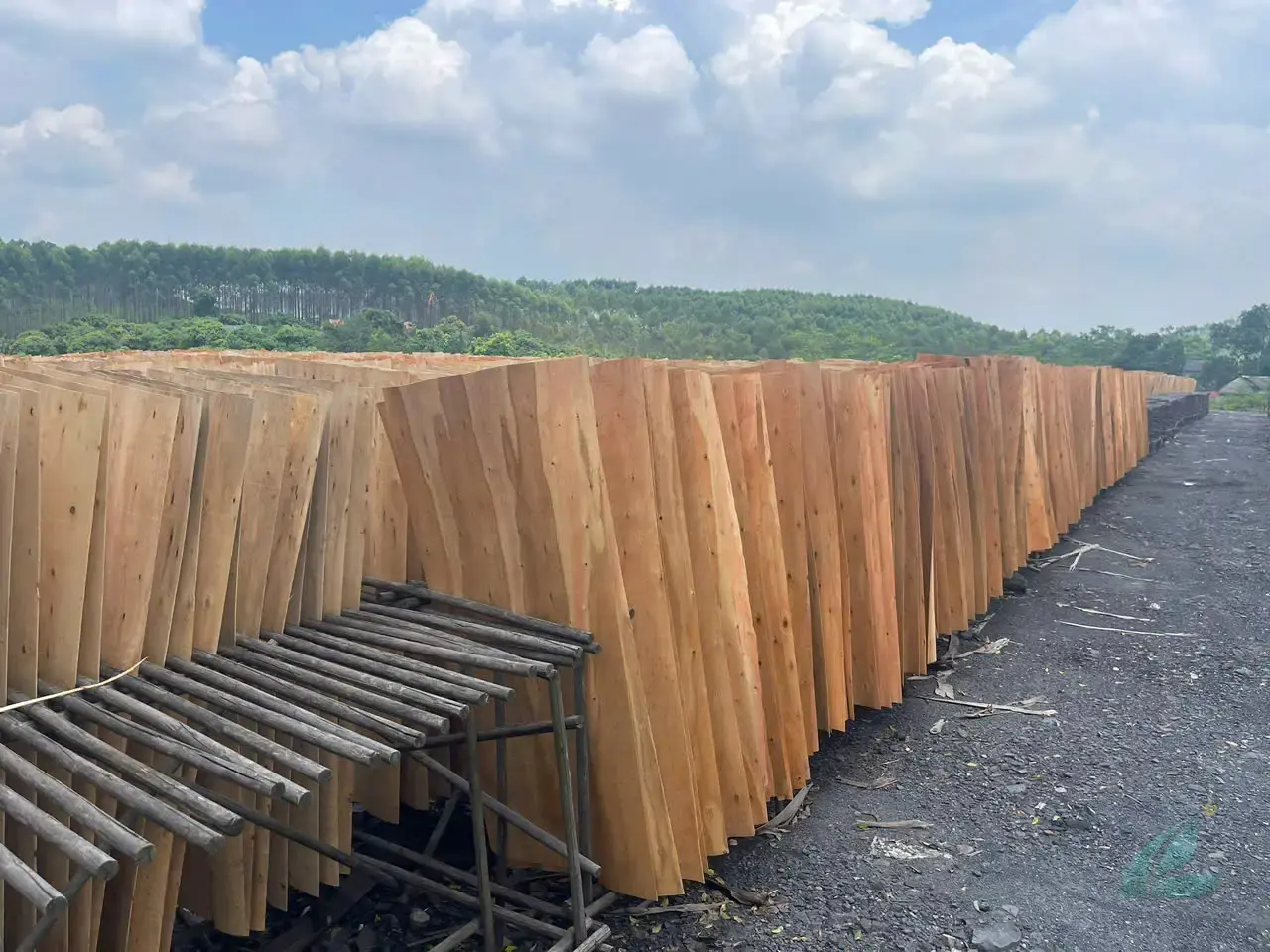
Core veneer is not a finished plywood product. It is raw veneer sheet material — rotary-cut wood sheets produced specifically for use as the inner layers (core plies and cross-band plies) inside plywood panels. The buyers of core veneer Vietnam are plywood manufacturers, not end-use furniture buyers or construction companies. Understanding this distinction is essential for anyone inquiring about this product.
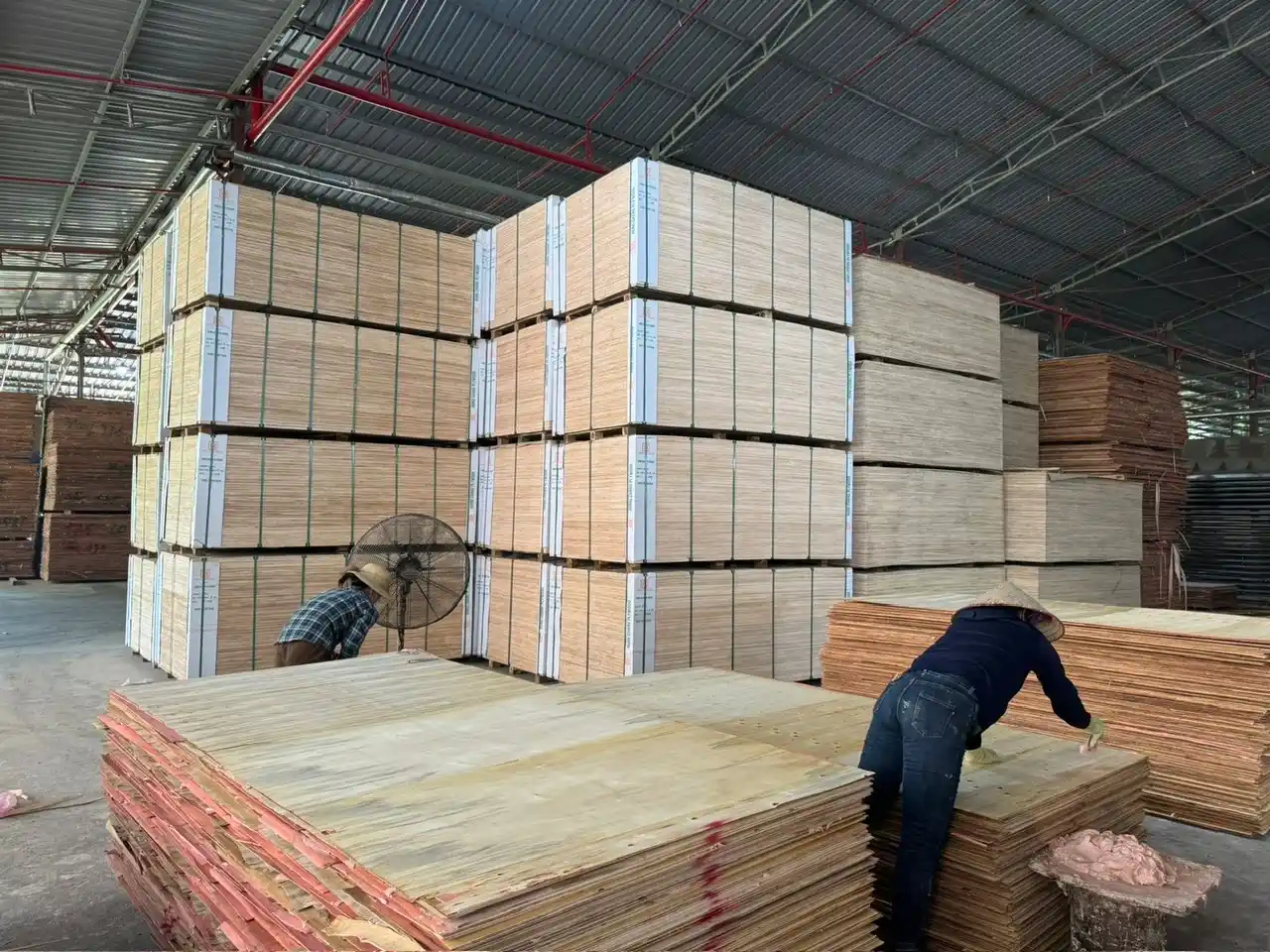
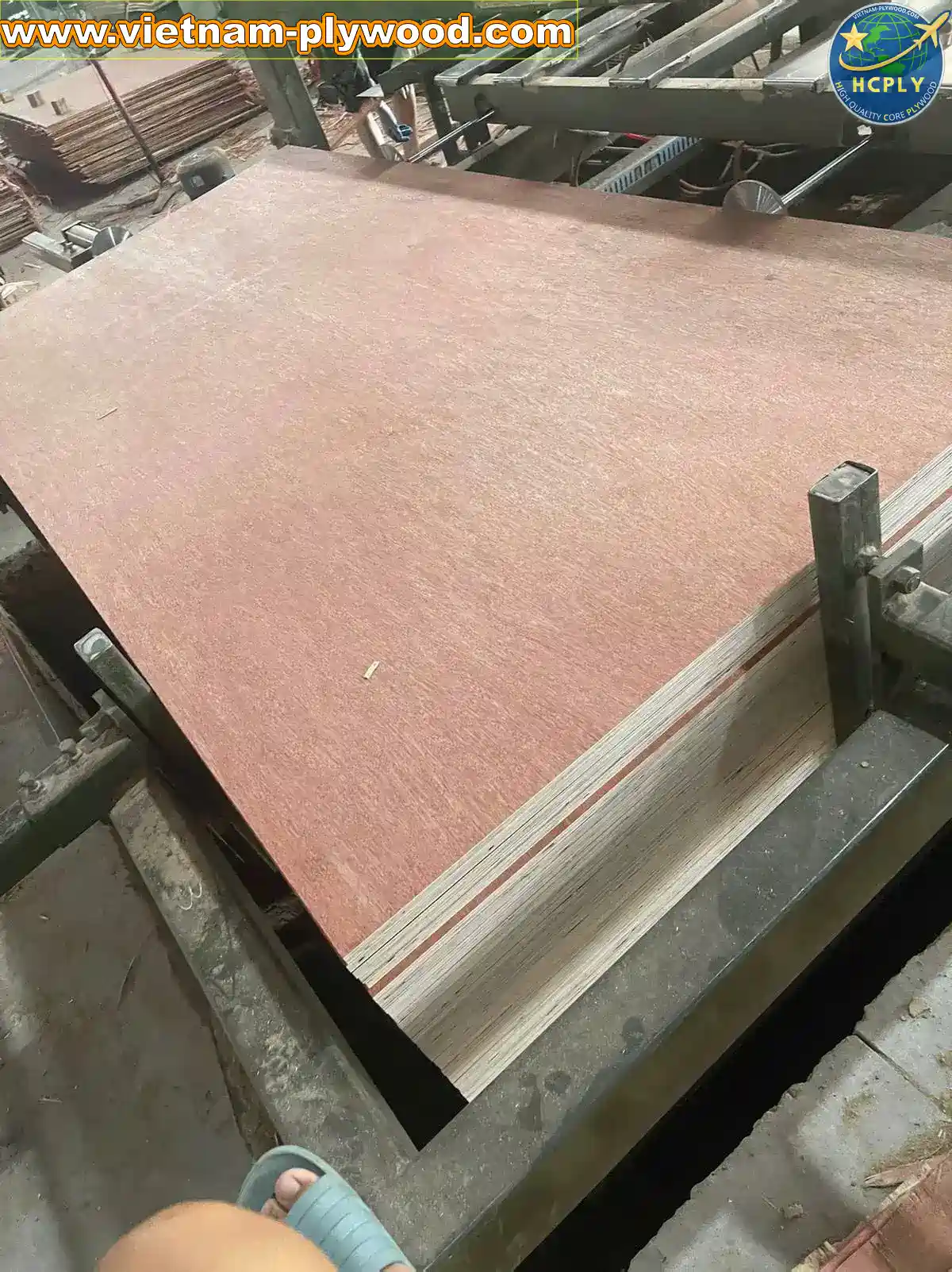
When a plywood factory presses a panel — whether commercial furniture plywood, film faced formwork plywood, or marine plywood — the panel consists of multiple layers of veneer bonded together under heat and pressure. The outermost layers are face and back veneer (the visible surface). The inner layers are core and cross-band veneers — this is the product that HCPLY supplies as core veneer Vietnam.
HCPLY's core veneer is produced from three plantation-grown species native to Vietnam's northern provinces: eucalyptus (Eucalyptus camaldulensis and related species, density 650-750 kg/m3), acacia (Acacia mangium and hybrids, ~580 kg/m3), and styrax (Styrax tonkinensis, 480-500 kg/m3). Each species produces veneer with distinct density, color, and mechanical properties that affect the finished plywood panel's weight, strength, and cost.
The typical buyer of HCPLY core veneer Vietnam is a plywood manufacturer located in a country that either lacks domestic timber resources or can source Vietnamese core veneer more competitively than producing it locally. Major importing countries include India (plywood factories in Gujarat and West Bengal), Malaysia, Thailand, and emerging production centers in Africa and the Middle East. These buyers import core veneer, add their own face and back veneers, and press finished plywood panels at their own facilities — a model that allows them to maintain brand identity while benefiting from Vietnam's competitive plantation veneer pricing.