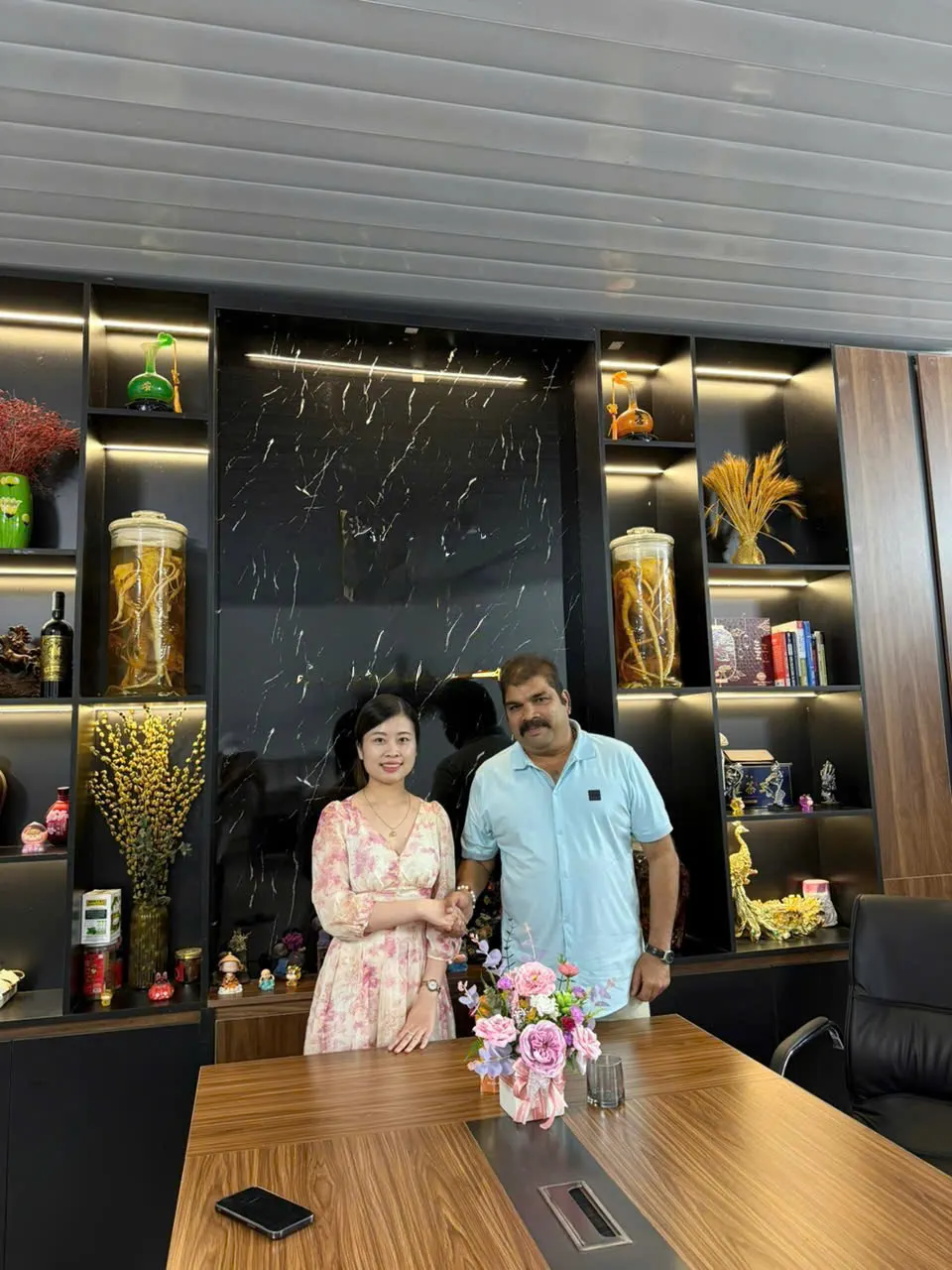

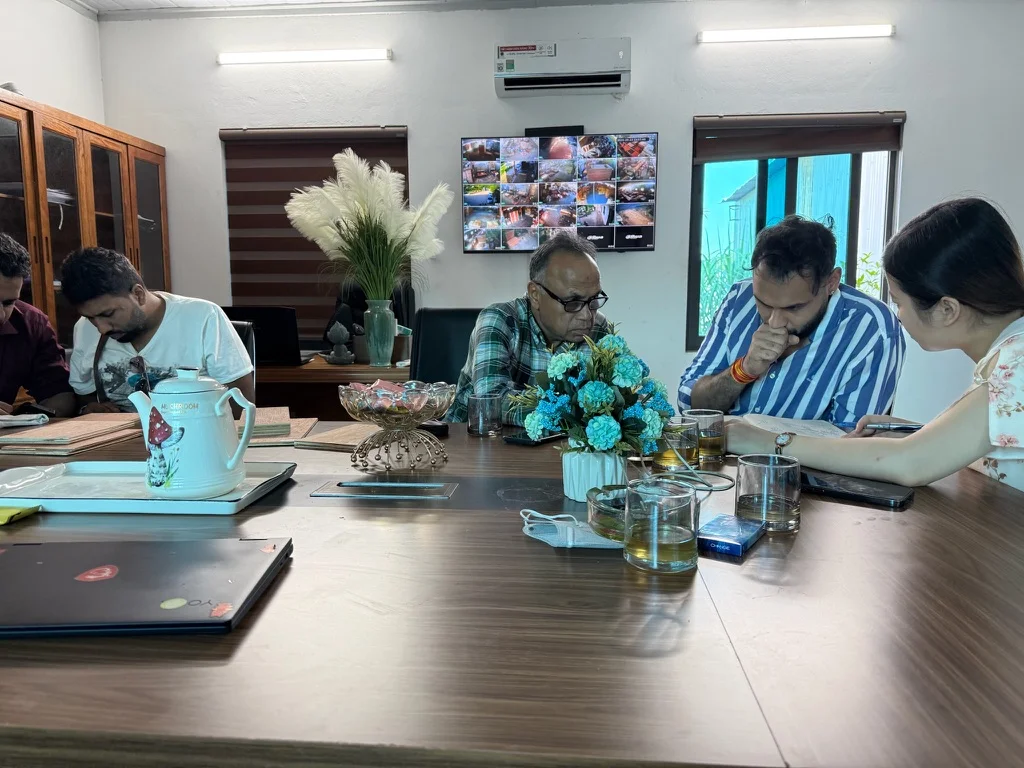
Every serious plywood buyer asks the same question before committing to a new supplier: can I come and see the factory myself?
The answer is yes — and this article explains exactly what that looks like. Where the factory is located, how to arrange the visit, what you will walk through, what documents you can review on-site, and what questions are worth asking while you are there.
Knowing what to expect helps you get more from your visit. It also tells you whether a supplier is genuinely prepared to receive buyers or is managing distance on purpose.
📍 Where Is the Factory Located?
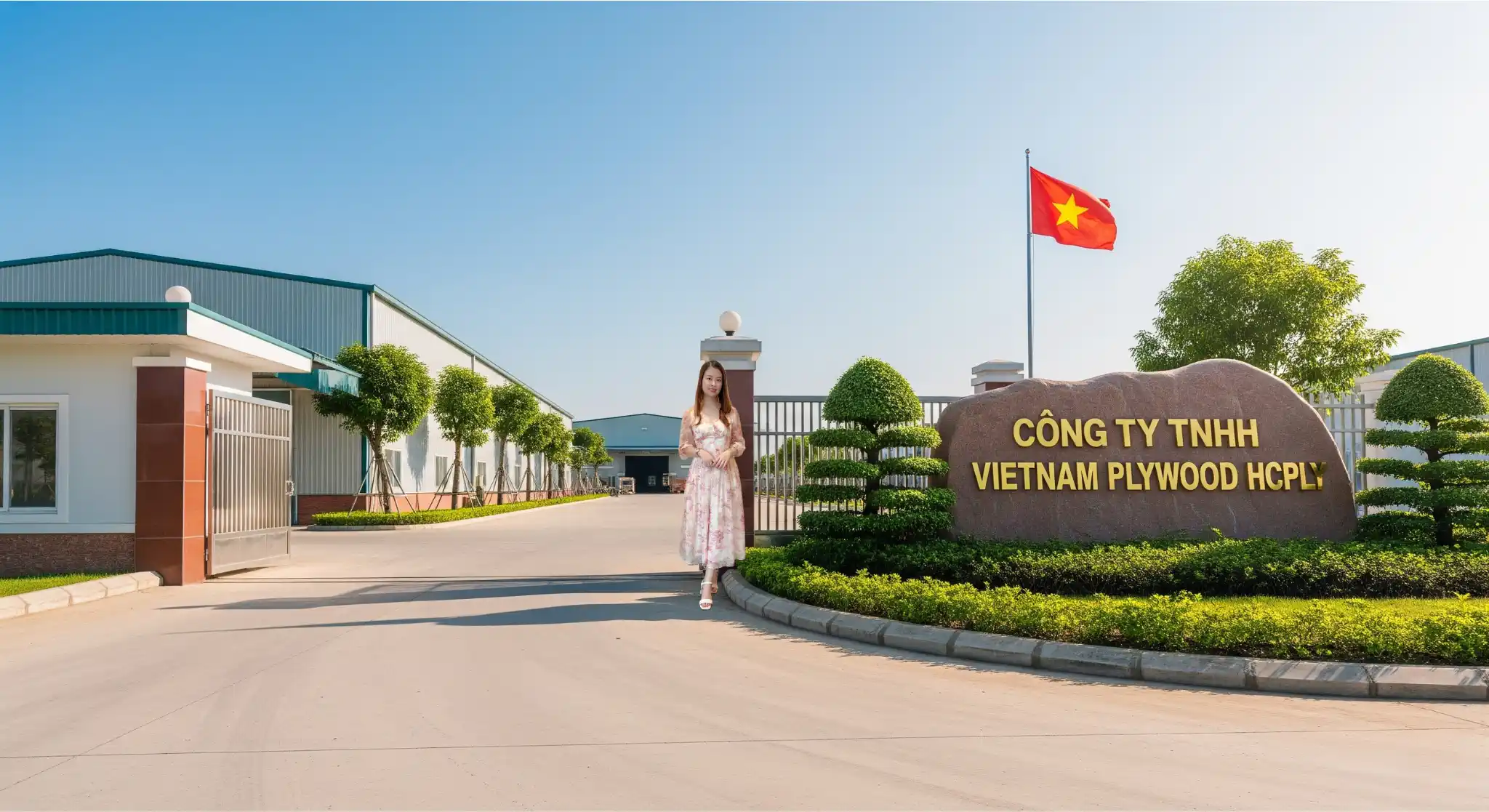
Our production facilities are located in Ha Hoa District, Phu Tho Province, Northern Vietnam. The facilities are purpose-built for three distinct product segments: premium furniture plywood, commercial and packing plywood, and premium film-faced plywood.
Phu Tho is the core of Vietnam’s plywood industry. The province sits in the Northern midlands, surrounded by plantation forests supplying acacia, eucalyptus, and styrax — the three primary core species used in Vietnamese plywood production. Northern Vietnam accounts for over 80% of the country’s plywood exports, and Phu Tho is where most of the volume originates.
Distance from major hubs:
- Hanoi city centre: approximately 90 km, 2 hours by road
- Noi Bai International Airport: approximately 80 km, 1.5–2 hours
- Hai Phong port (export): approximately 150 km, 2.5–3 hours
Most visiting buyers fly into Hanoi, spend the first evening there, then drive to Phu Tho the following morning. The return trip the same day is straightforward. For buyers combining the factory visit with customer meetings in Hanoi, a 2-day schedule works well.
We can arrange transport from your Hanoi hotel or from the airport. Inform us of your arrival flight when you book the visit.
🗓️ How to Arrange a Visit
The process is direct. There is no complex approval chain.
- Send a visit request — email [email protected] or message Lucy on WhatsApp at +84-975807426. Confirm your preferred dates and number of visitors.
- Receive a visit confirmation — We confirm the schedule, send logistics details, and issue an invitation letter if you need one for visa purposes.
- Arrive at the factory — Our team meets you at the gate. The visit typically runs 3–4 hours for a full walkthrough plus office review of documents and test reports.
Optimal visit day: Tuesday through Thursday. Monday mornings involve weekly production planning, Fridays often involve end-of-week container loading. Mid-week gives you the clearest picture of standard operations.
Advance notice: 5–7 working days is sufficient for most visits. If you are coordinating with other suppliers in Vietnam on the same trip, let us know early so we can hold your preferred date.
Visa requirements: Most nationalities require a Vietnam e-visa, which can be arranged online through the official Vietnam Immigration portal (evisa.xuatnhapcanh.gov.vn). Processing takes 3 working days. We provide an invitation letter on request. Citizens of countries with visa exemption agreements with Vietnam do not need one.
💡 Tip: If this is your first time visiting factories in Vietnam, plan at least 2–3 factory visits on the same trip. Comparing factories side-by-side after seeing them in person gives you a far sharper picture of quality tier differences than any brochure comparison.
🏭 What You Will See During the Factory Tour
A standard factory visit covers the full production sequence from raw material intake to finished goods ready for container loading.
📌 Raw Material Yard and Veneer Dryers
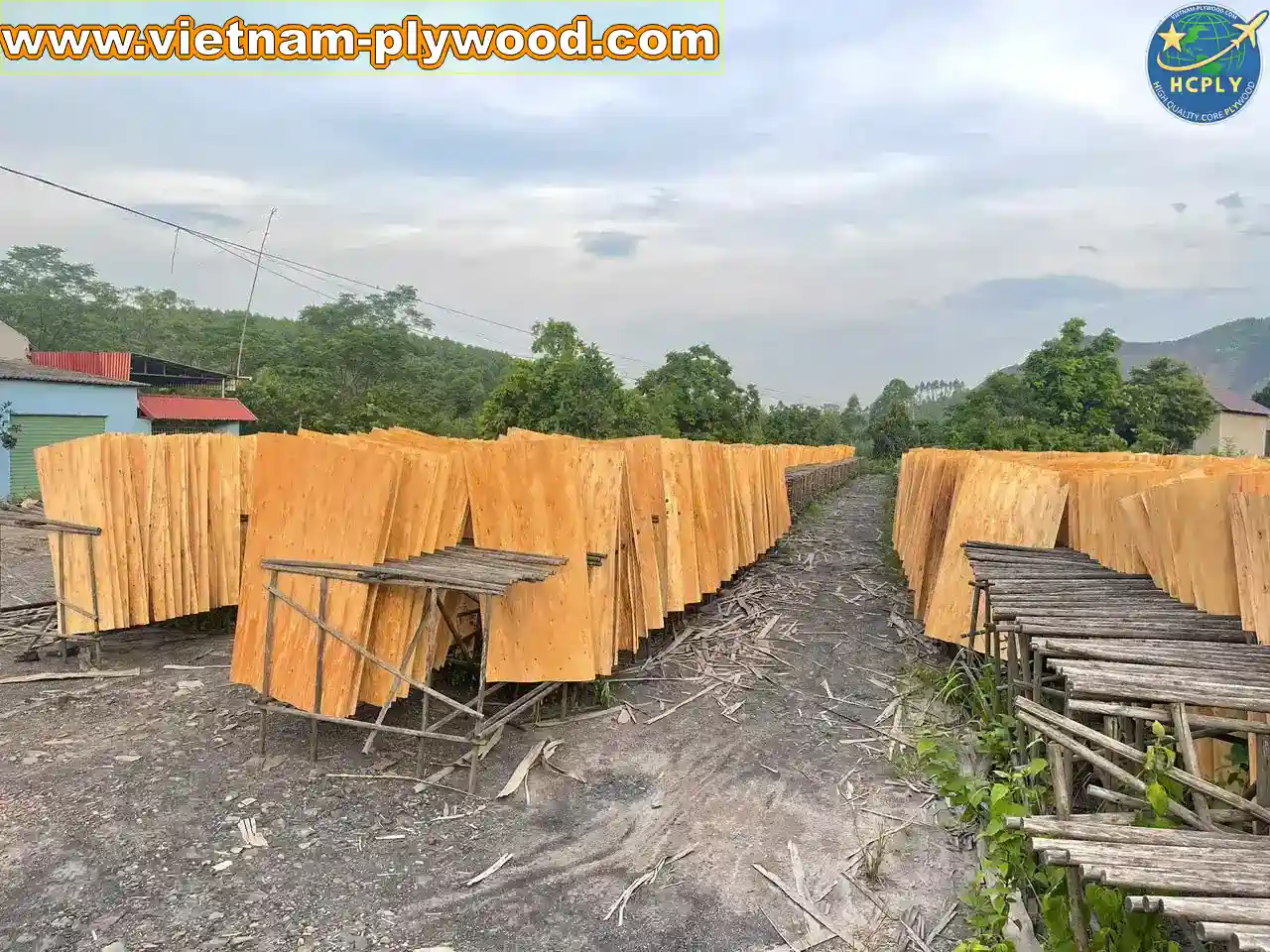
The visit starts at the raw material area. This is where incoming core veneer sheets are stacked, labelled by species (acacia, eucalyptus, styrax), and moved into the drying lines. Veneer moisture content at this stage is 20–35% depending on species and season. The target after drying is 6–8% — the range at which glue adhesion is reliable and panel flatness is maintained.
You can ask to see the moisture meter readings at this station. A properly run factory tracks veneer moisture systematically, not by feel.
📌 Gluing, Layup, and Core Construction
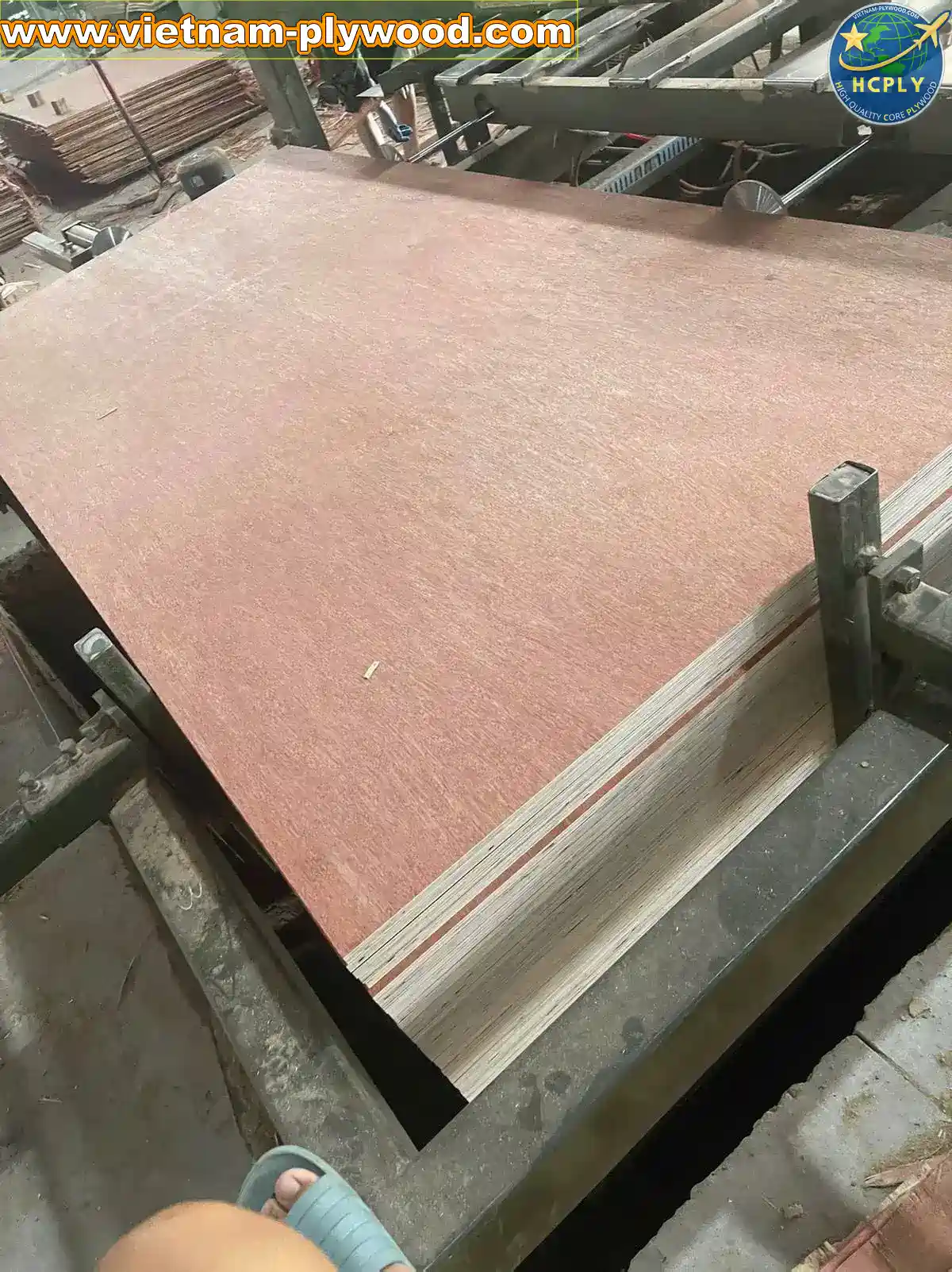
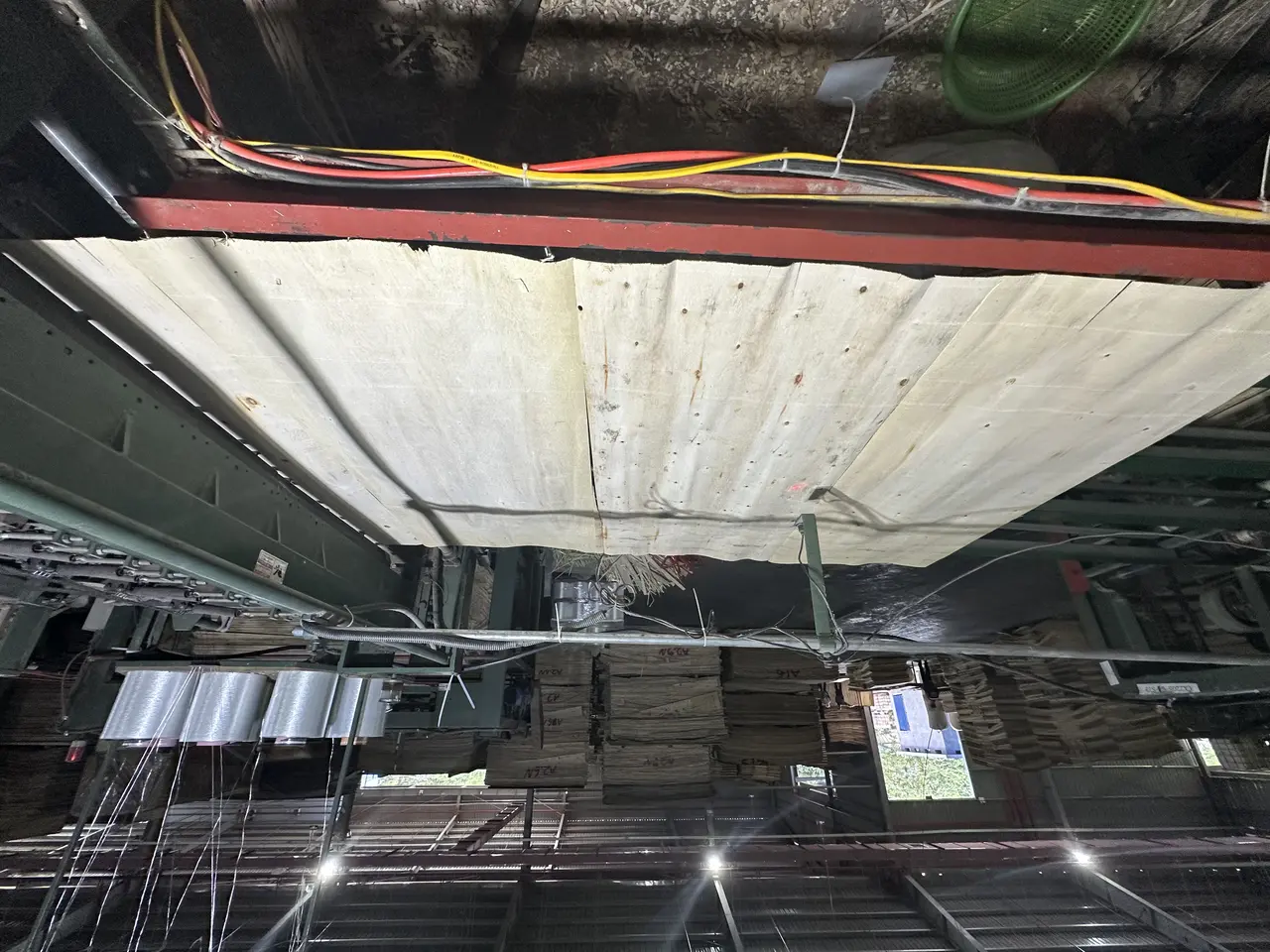
This is one of the most revealing parts of the visit. The layup area is where veneer sheets are glued and assembled into panel stacks before pressing. Watch how the core veneer pieces are joined. The furniture-segment facility uses full-stitched core construction — veneer pieces sewn together with no gaps or overlaps. The commercial facility uses edge-jointed construction for its price point.
“Buyers who see the core construction step directly understand why two sheets with the same face species and thickness can have very different prices,” says Lucy, International Sales Manager at HCPLY with 6+ years of export experience. “The face veneer is 10% of the panel. The other 90% is what separates quality tiers.”
This is the exact point explained in more detail in the plywood core construction guide covering stitched vs loose-lay methods.
📌 Hot Press Lines
Pressing is where the panel is formed under heat and pressure. The presses run at temperatures and durations calibrated to glue type — melamine (MR) presses use different parameters than phenolic (WBP) presses. The hot press area is loud and warm; plan for this during your visit.
You can ask to see the press temperature and cycle time logs. This is production data that reliable factories track and can show you. Inconsistent press parameters cause internal delamination — the defect most buyers encounter only after receiving shipment.
📌 Sanding Lines and Surface Calibration
After pressing and cooling, furniture-grade panels go through wide-belt sanding. The sanding line calibrates thickness to ±0.3mm tolerance and finishes the surface for the face species grade. Film-faced and packing panels skip sanding entirely.
Watch the sanding line speed and grit progression. A well-calibrated line runs consistently without burn marks or thickness deviation visible at the sheet edges.
📌 QC Grading Station
This is the quality gate before finished goods move to the warehouse. Each panel is visually inspected against the grade specification — face defect count, surface condition, edge squareness. The QC team uses standardized grade cards that match the specifications in customer purchase orders.
You can bring your own grade samples or photos of acceptable versus rejectable panels from previous orders. Comparing your standard against the factory grading card on-site prevents specification misunderstandings before production begins.
📌 Finished Goods Warehouse and Container Loading
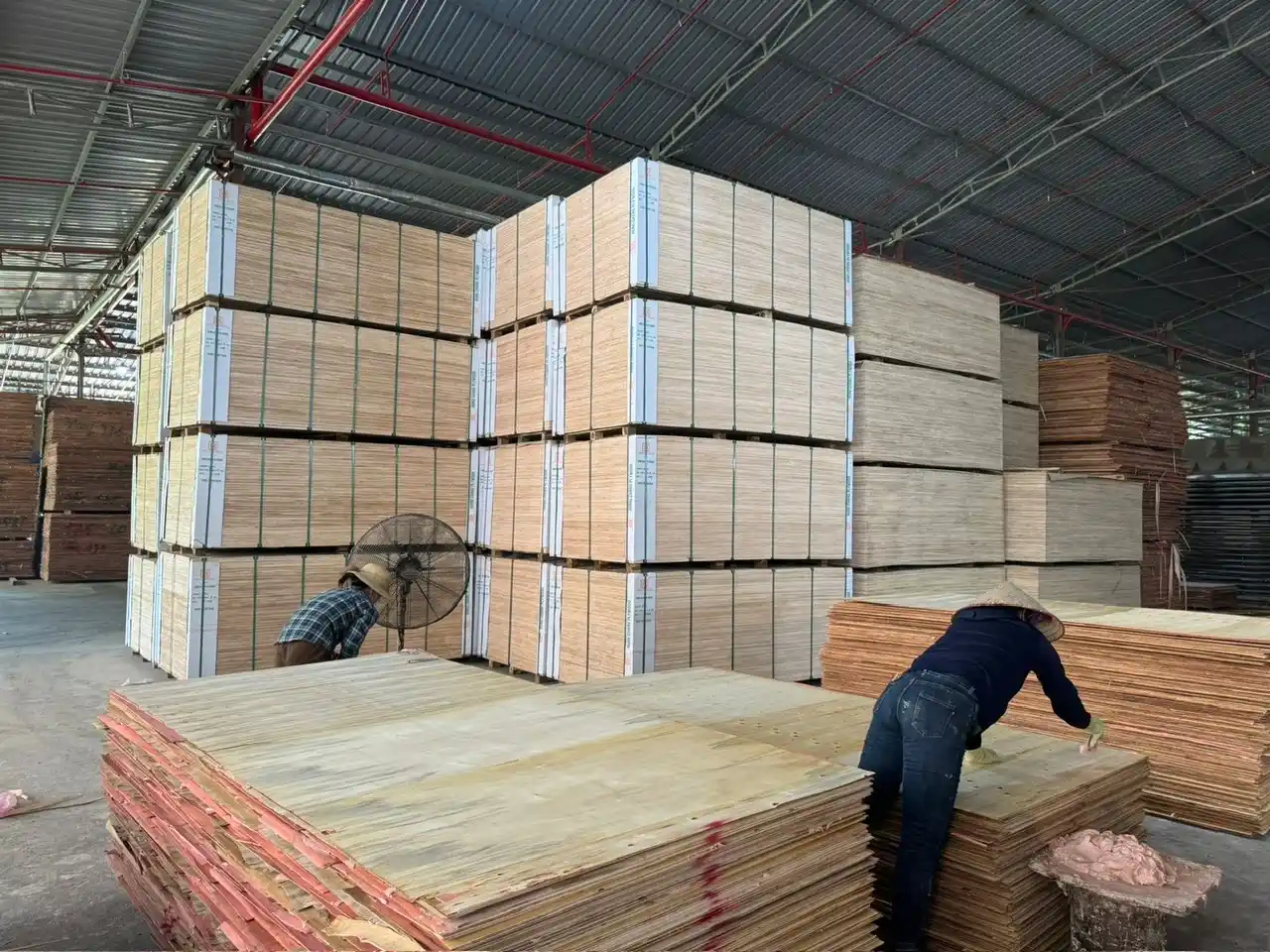
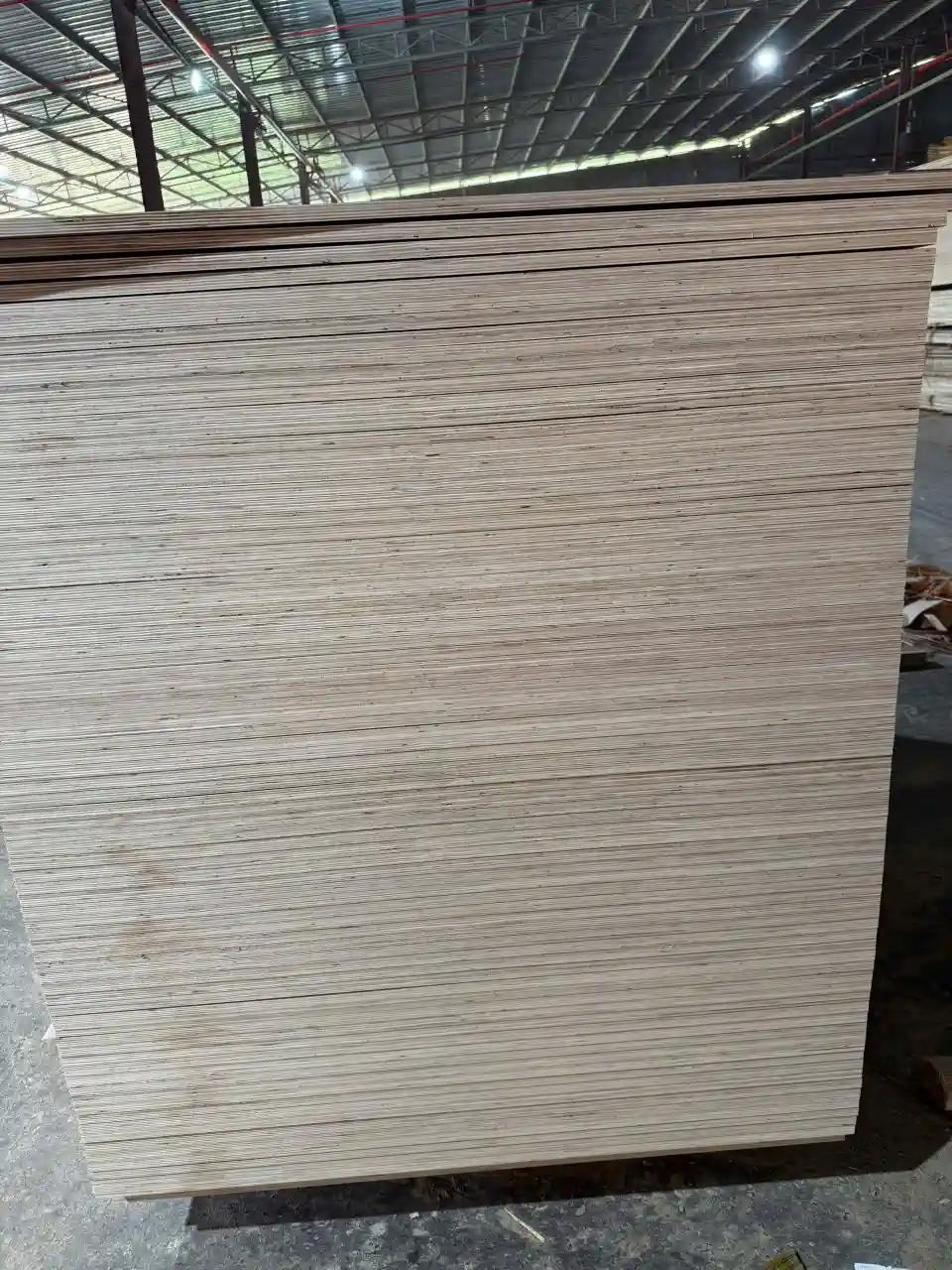
The tour ends at the finished goods warehouse and loading yard. This is where you see how pallets are stacked, strapped, and labelled before loading into 40HC containers. Containers load from Hai Phong port — the primary export port for Northern Vietnamese plywood, approximately 150 km from the factory.
For context on container loading volumes and pallet counts, the plywood packing calculation guide explains exactly how many pallets and CBM fit per 40HC depending on core species and thickness.
📋 Documents You Can Review On-Site
Beyond the production walkthrough, the office review is where you confirm certifications are genuine and current.
Ask to see originals or certified copies of:
| Document | What to Check |
|---|---|
| FSC Chain-of-Custody Certificate | Certificate number, scope, expiry date, issuing body (should be a recognized FSC-accredited certifier) |
| CARB P2 Declaration | Third-party test lab name, test date, product scope |
| ISO 9001 Certificate | Scope description, registration number, certification body |
| CE Declaration of Performance | Product code, performance class, declaration signatory |
| EUDR Due Diligence Statement | Geolocation data for timber origin, operator details |
| Third-party formaldehyde test reports | E0 or CARB P2 emission results, lab name, test date |
| Business License | Confirms the supplier is a registered legal entity with manufacturing scope |
⚠️ Important: Any supplier who cannot produce original certificates during an in-person visit should be treated with caution. Certificates on websites can be out of date or applied to different product lines than what you are actually buying. Always verify the certificate scope covers the specific product you plan to order.
For a complete guide on what each certification means for your import compliance, see the plywood certifications and export documentation guide.
🔍 Questions Worth Asking During Your Visit
A productive factory visit is structured around specific questions, not just observation. The answers — and how they are given — tell you as much as anything you see on the production floor.
On production capacity:
- What is the current monthly output for furniture-grade vs commercial-grade panels?
- How many 40HC containers does this facility load per month?
- What is the current lead time from order confirmation to container loading?
On quality systems:
- Who conducts the incoming veneer moisture check — production workers or a separate QC team?
- What happens to panels that fail the final grading station? Can you see the reject pile?
- Has this facility had a third-party factory audit in the past 12 months? Can you see the report?
On your specific order:
- Which facility produces the product category you are planning to order? (Not all facilities produce all product types.)
- Can you meet the production manager or QC supervisor responsible for your product line?
- What is the process for pre-shipment inspection — does the factory handle this, or do you engage a third party?
These questions are directly drawn from the plywood supplier evaluation checklist used by experienced importers conducting due diligence on new sources.
🌐 Virtual Visits — For Buyers Who Cannot Travel
Not every buyer can travel to Vietnam for a site visit, particularly for first orders. We accommodate remote due diligence in several ways:
Live video walkthrough — Lucy or David conducts a scheduled live video call from the factory floor, walking through the same production zones as an in-person visit. Questions are answered in real time. Available on WhatsApp, WeChat, Zoom, or any platform you prefer. You can also browse our factory tour videos to see the production process before scheduling a live session.
Photo and video documentation package — Upon request, we provide a documentation package including: current production photos, container loading video from a recent shipment, QC station photos with grade samples visible, and scanned copies of current certificates.
Third-party pre-shipment inspection — For orders above 1 × 40HC, buyers can engage an independent inspection company (SGS, Bureau Veritas, Intertek, or others) to conduct a pre-shipment check at the factory before container loading. We cooperate fully with all recognized inspection agencies.
“We have worked with buyers from 20+ countries, and most of our largest accounts have never visited in person,” says Lucy. “What they have done is request our video documentation and then run a third-party inspection before their first shipment. That is a completely sound way to start a relationship.”
The plywood QC and factory inspection guide covers what a pre-shipment inspection should include and how to specify it when engaging a third party.
✅ Before You Visit: Preparation Checklist
A factory visit is most productive when you arrive prepared. Experienced importers bring:
- Sample specification sheet — your exact product requirement (species, thickness, glue type, emission standard, face grade, panel size)
- Sample panels from current supplier — for direct comparison with factory production panels during the visit
- Measurement tools — a caliper or thickness gauge if you want to spot-check tolerance yourself. The QC team uses calibrated instruments and welcomes parallel checks.
- A list of 5–10 specific questions — see the section above
- Camera — photos of production areas, QC stations, and certificate originals are normal and expected
Understanding the full context of the product range before visiting also helps. The Vietnam plywood factory types guide explains how different factory segments operate in Vietnam and what separates a premium furniture facility from a commercial grade operation — critical context for interpreting what you see during the tour.
🔗 Arrange Your Visit Now
Our factory in Phu Tho Province is open to international buyers by appointment, seven days a week. There is no purchase commitment required.
To schedule a visit, contact Lucy directly:
- Email: [email protected]
- WhatsApp: +84-975807426
- WeChat / Zalo: available on request
For buyers arranging a Vietnam sourcing trip covering multiple suppliers, our factory is well placed within the plywood hub. Most buyers visiting Northern Vietnam’s plywood belt plan visits to 3–4 factories over 2–3 days. We can share logistics context for that routing on request.
Arrange Your Factory Visit Today — Contact Us
No commitment. No obligation. Just a real look at where your plywood comes from.
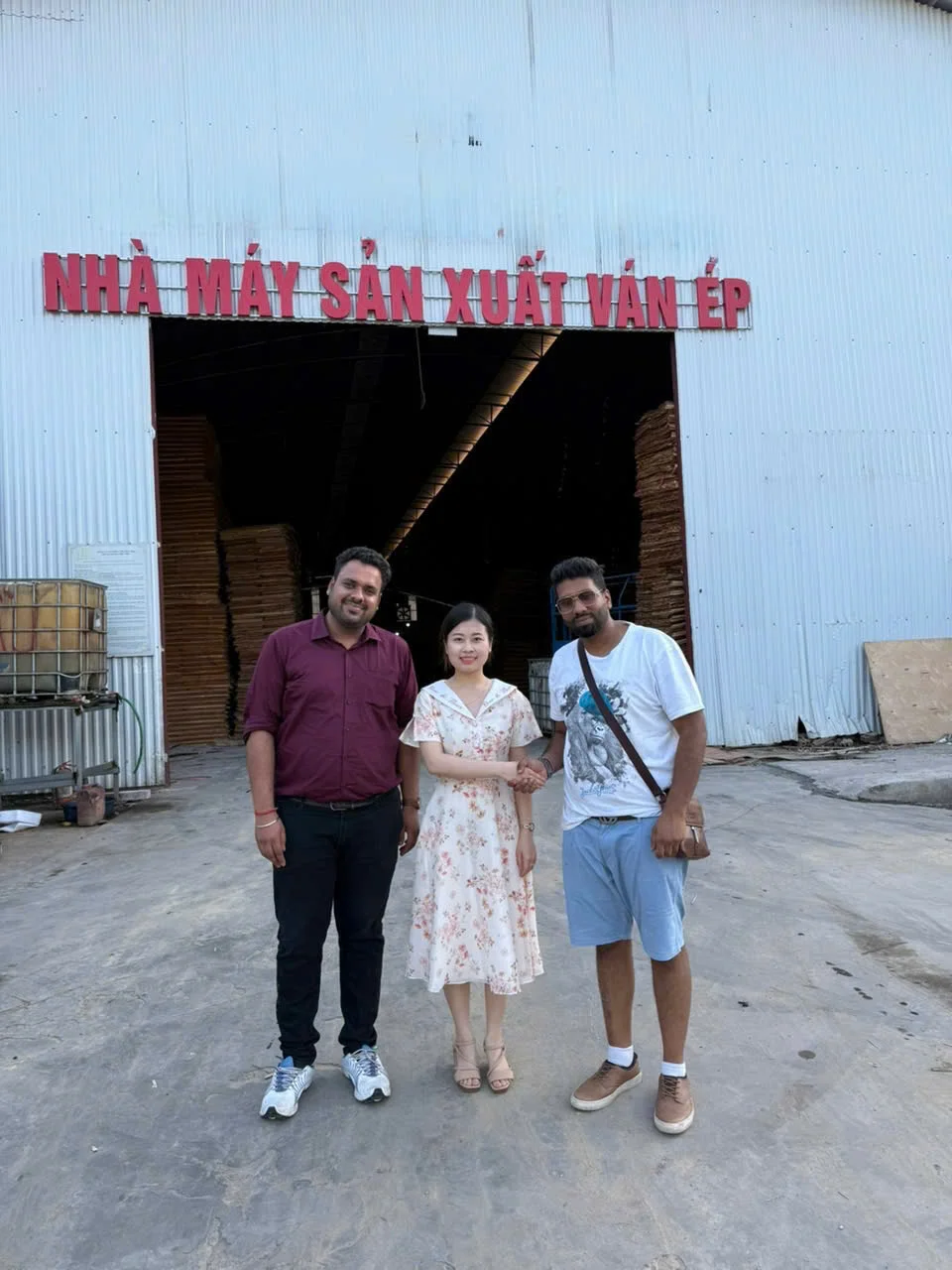
View Our Factory and Client Visit Gallery to see what previous visiting buyers have experienced.
📊 Factory Visit: Key Facts
| Detail | Information |
|---|---|
| Location | Ha Hoa District, Phu Tho Province, Vietnam |
| Distance from Hanoi | ~90 km, ~2 hours by road |
| Visit duration | 3–4 hours (full walkthrough + office) |
| Booking lead time | 5–7 working days |
| Facilities covered | Up to 3 production segments (furniture, commercial, film-faced) |
| Languages | English, Vietnamese (translator available for other languages) |
| Certifications on-site | FSC, CARB P2, ISO 9001, CE, EUDR |
| Virtual visit option | Yes — live video walkthrough available |
| Purchase commitment required | No |
For a broader understanding of where different suppliers fit within Vietnam’s export supply chain, the Vietnam plywood supplier types guide explains how different supplier models operate and how to evaluate them during due diligence. Learn more about our factory operations and team, browse our product catalog, or start with the complete guide to buying plywood from Vietnam. Read verified buyer reviews from importers who have visited our facilities.
Disclosure: This article is published by HCPLY, a Vietnam-based plywood manufacturer and export operator. While we aim to provide objective industry guidance, readers should consider our perspective as a market participant when evaluating recommendations.