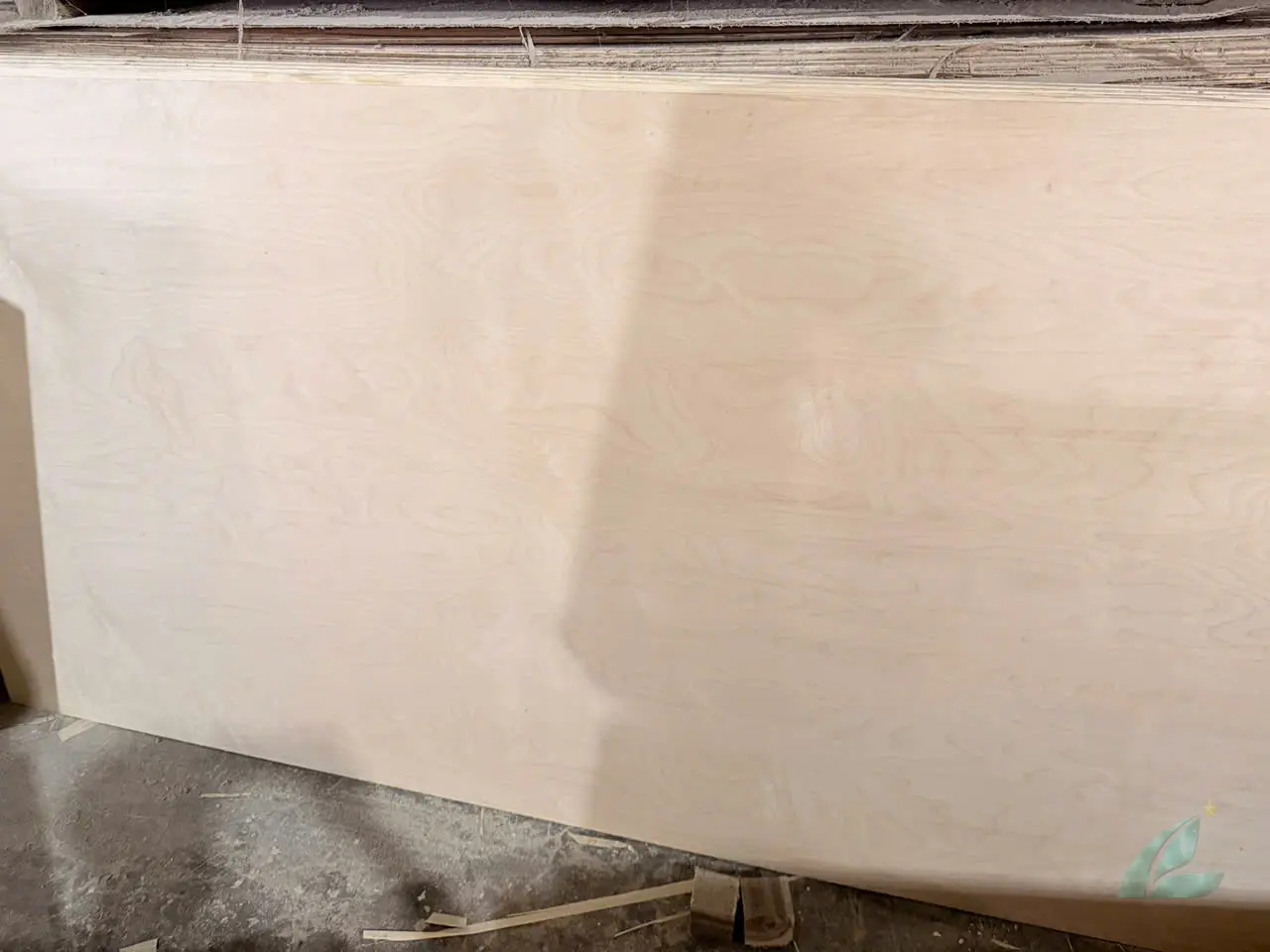
Birch Plywood Vietnam: Species & Face Veneer Characteristics
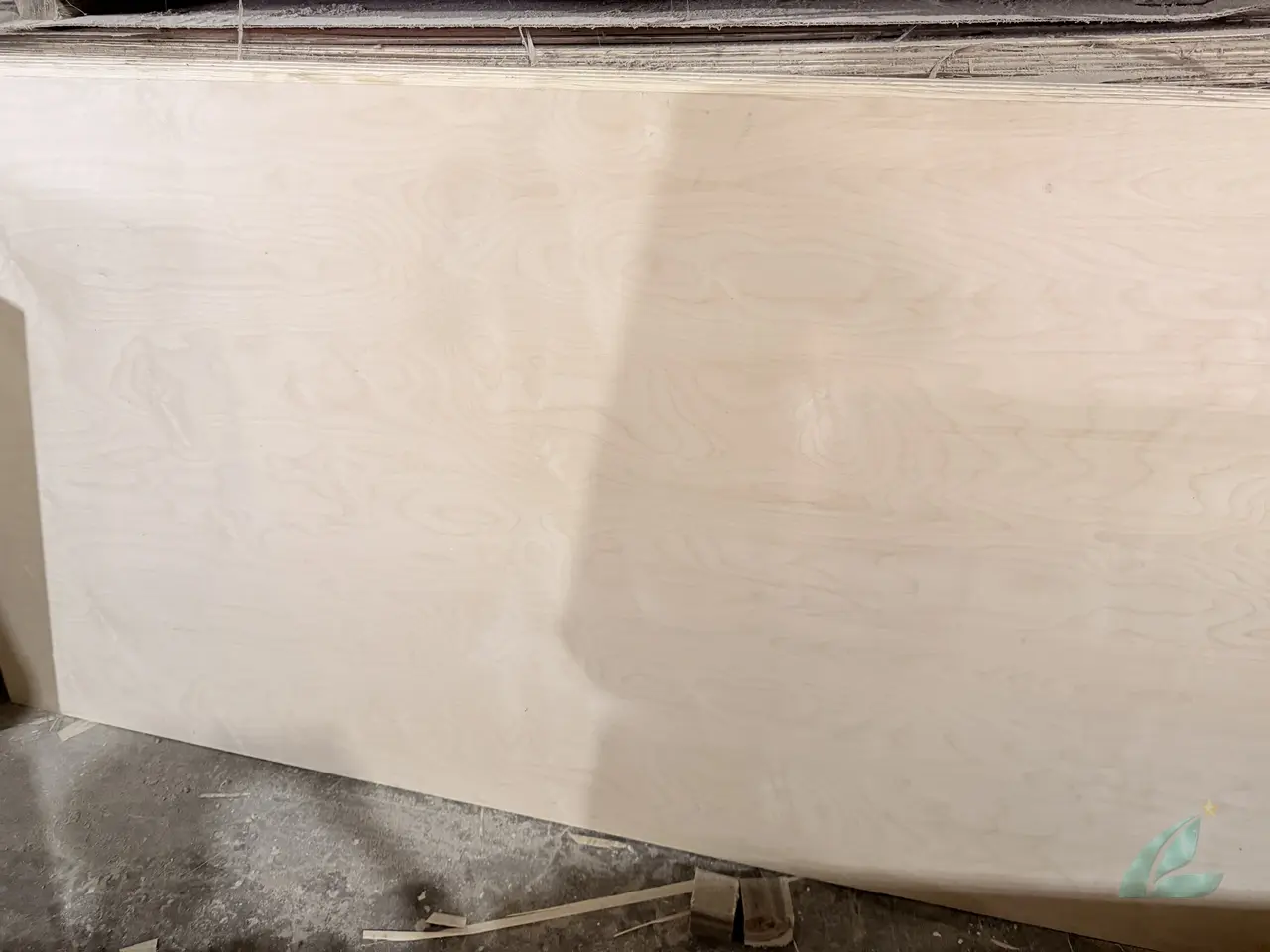
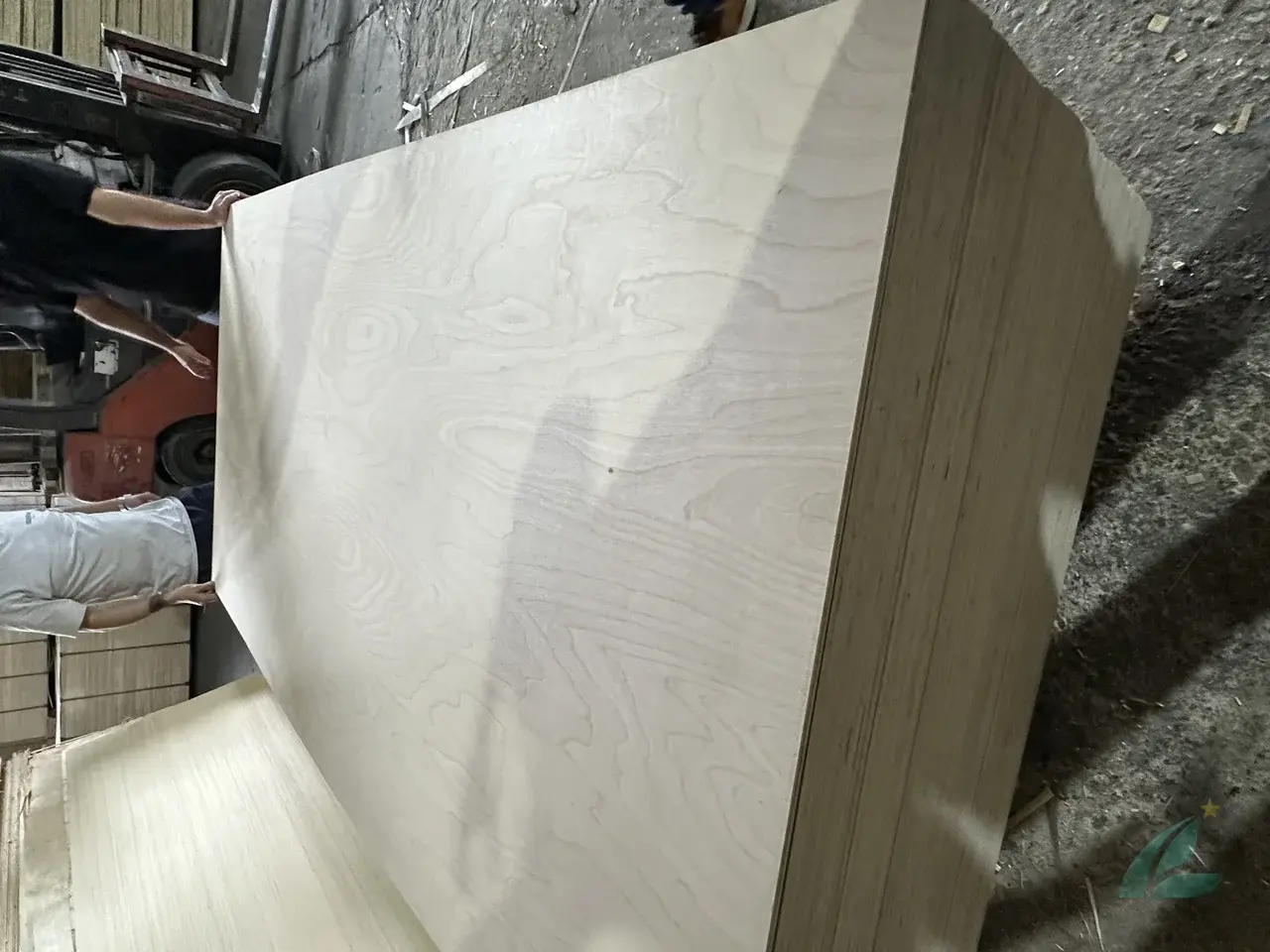
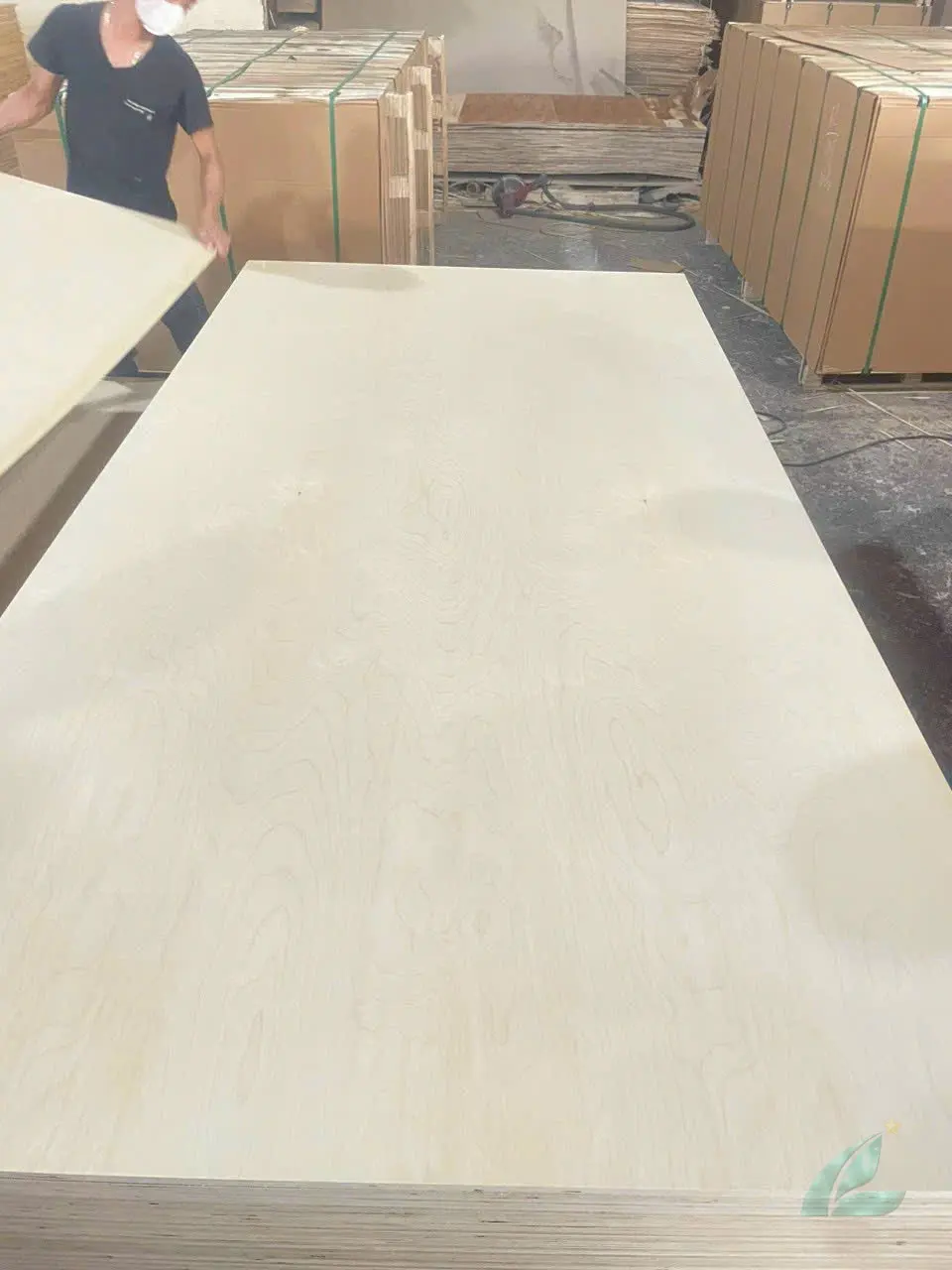
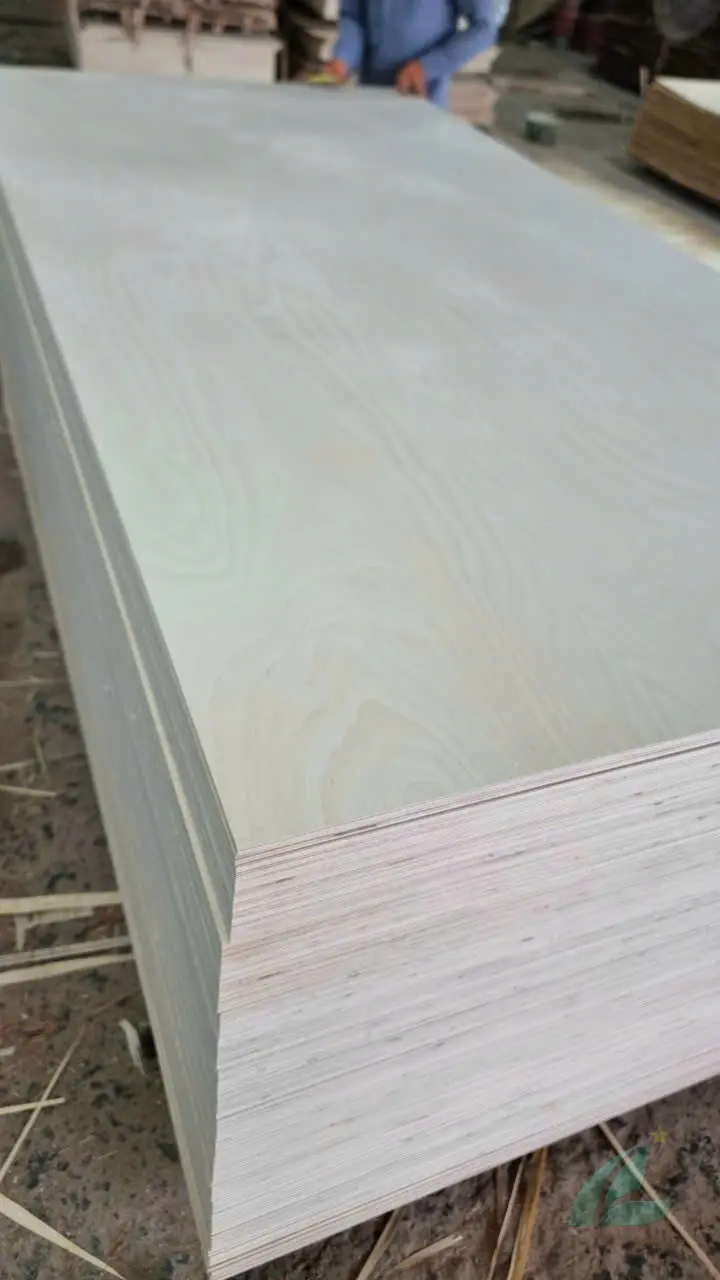
Birch plywood earns its market position as the most expensive face veneer manufactured in Vietnam — a status built on the distinctive visual and mechanical properties of birch wood itself. Birch (Betula spp.) is a fine-grained hardwood with a characteristically pale, cream-to-light-yellow surface that presents an exceptionally clean, uniform appearance. Unlike the reddish tones of gurjan or bintangor, birch delivers a neutral, Scandinavian-aesthetic face that accepts paint, lacquer, and melamine overlay without color interference — making it the preferred choice for furniture factories targeting Northern European design preferences.
In Vietnam, birch face veneer is imported from Europe or Northeast Asia (primarily Russia, Finland, and China) and applied over Vietnamese-grown core species. This distinction is critical for buyers to understand: Vietnam does not grow birch trees domestically. The birch component of HCPLY birch plywood Vietnam is the face veneer — typically 0.2–0.4mm thick — bonded to a core of styrax, acacia, or eucalyptus. The overall panel density depends entirely on core species selection, not the birch face.
Birch veneer grading in Vietnam follows the D/E/F classification system — fundamentally different from the A/B system used for most other species. D grade is the best available quality in Vietnam-manufactured birch plywood: minimal knots, tight grain, smooth sanded surface. E grade permits small knots and minor grain irregularities. F grade is commercial quality with visible knots and surface variation. Buyers familiar with Baltic Birch grading (B/BB, BB/CP, etc.) should request grade comparisons when placing initial orders — HCPLY's export team can provide sample panels in each grade for visual evaluation.
For furniture manufacturers, drawer box producers, and shopfitting companies in the EU, UK, Australia, and North America, HCPLY birch plywood offers the appearance quality and emission compliance (CARB P2, E0) of Baltic birch at factory-direct Vietnamese pricing — typically 20–35% below European birch plywood at equivalent grade and thickness.