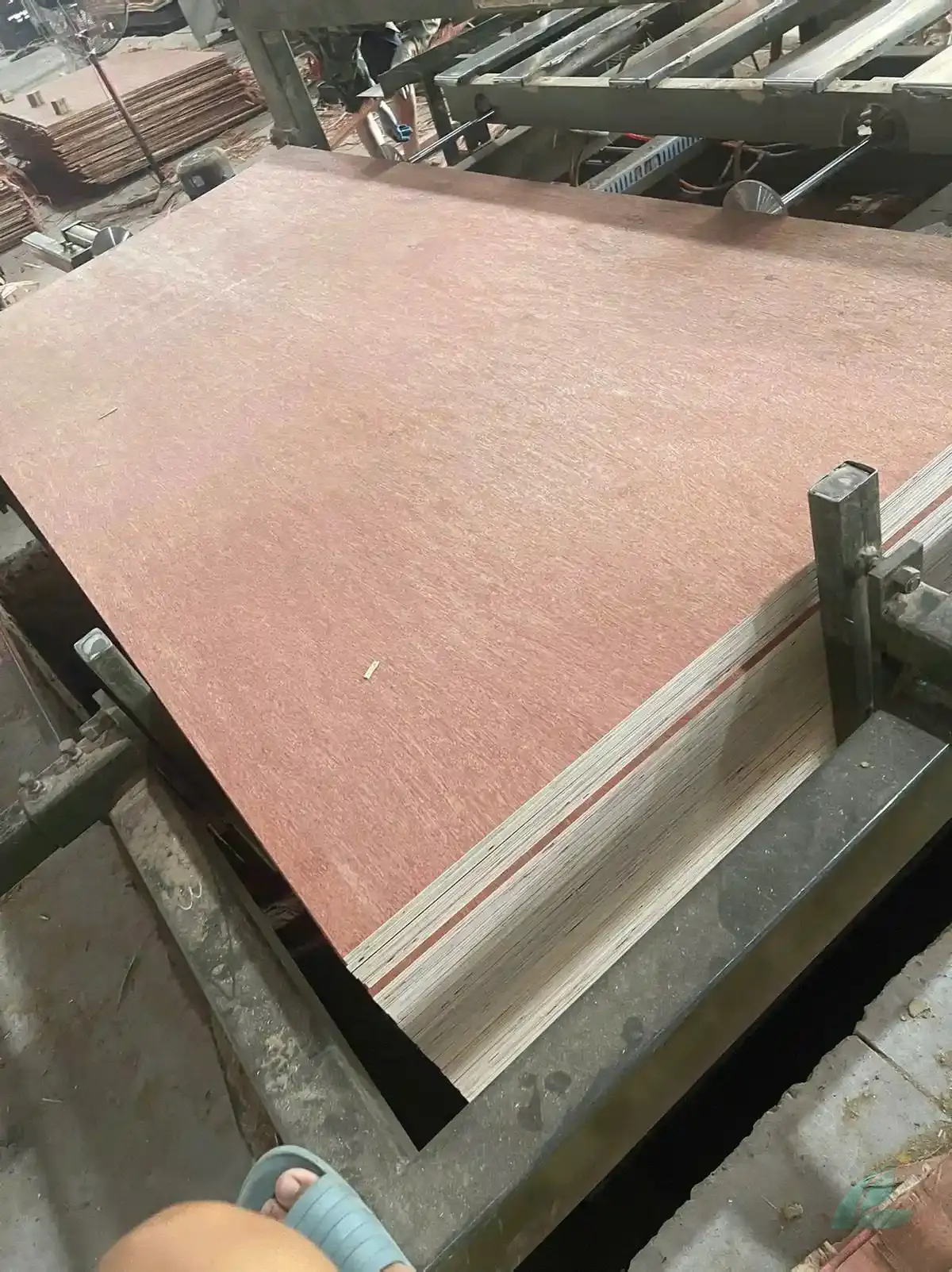
Bintangor Plywood: Origin & Species Characteristics
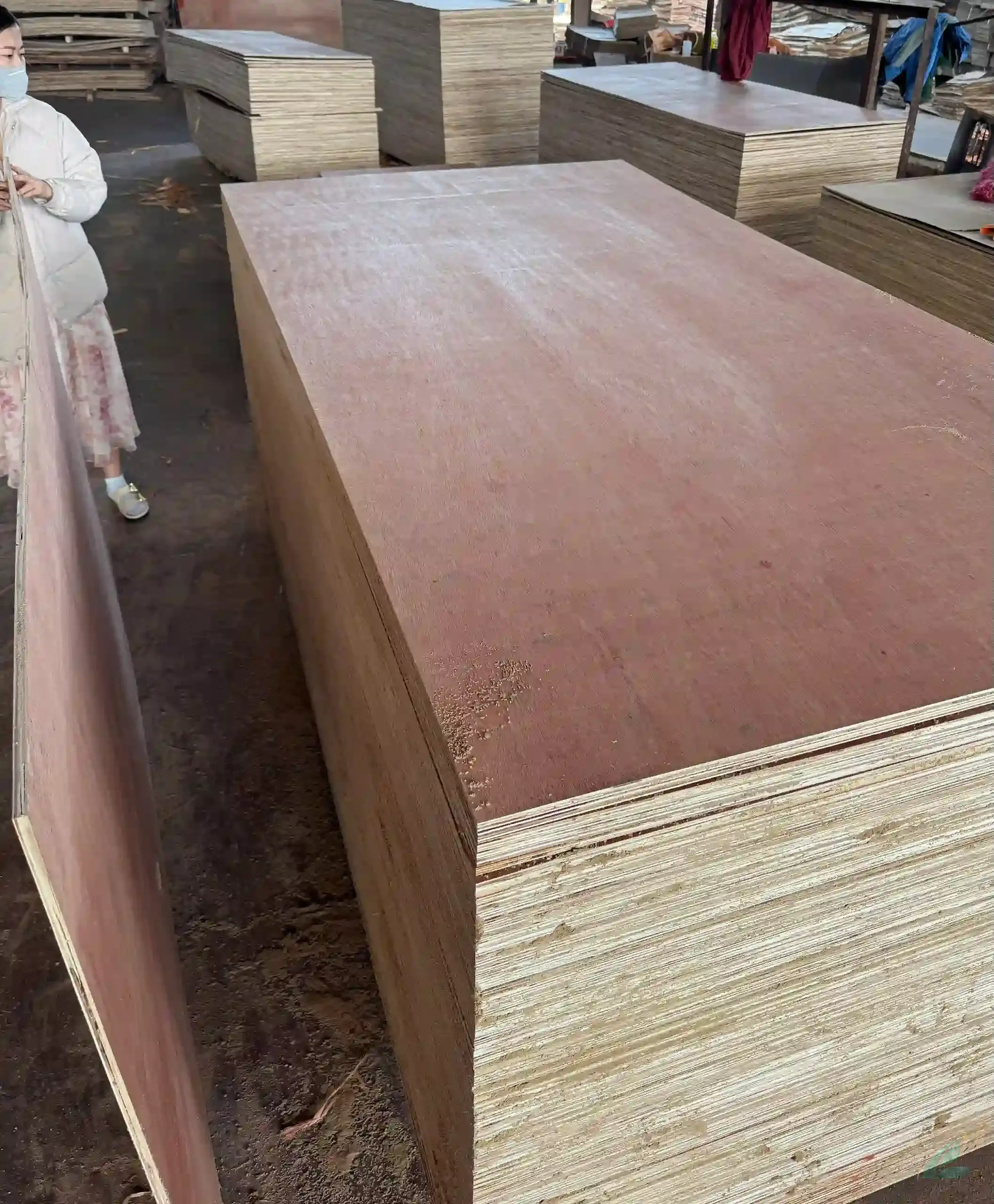
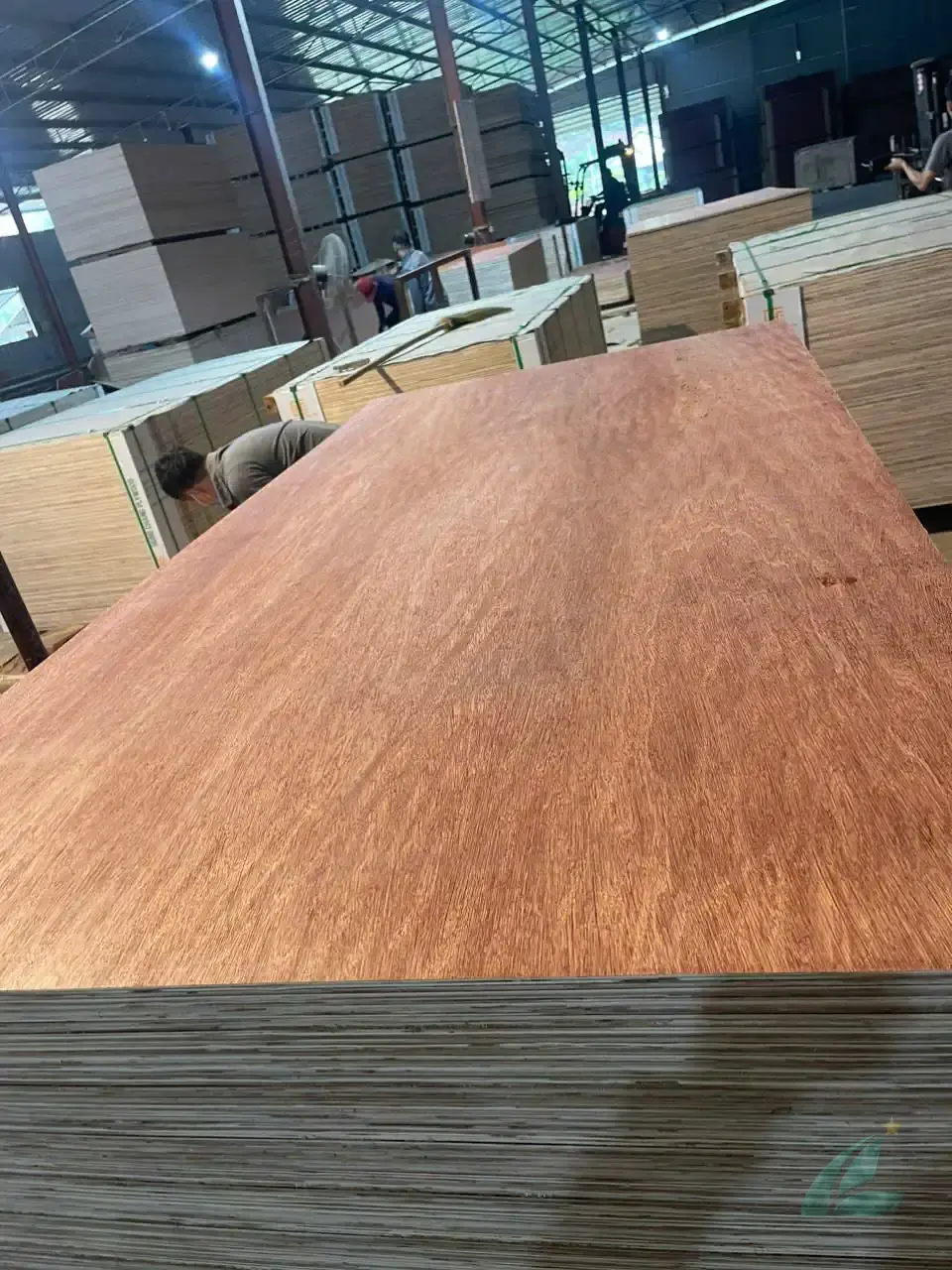
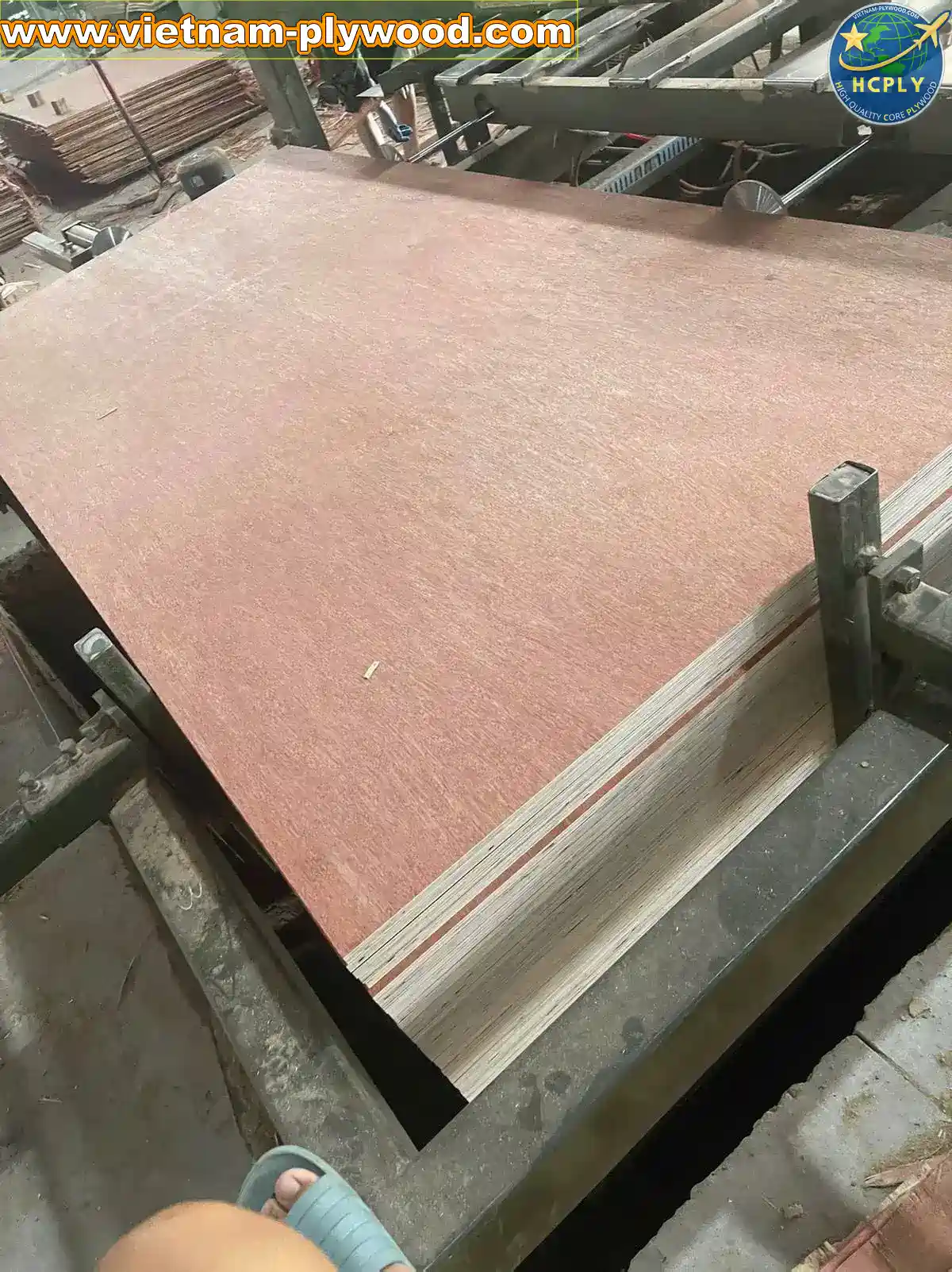
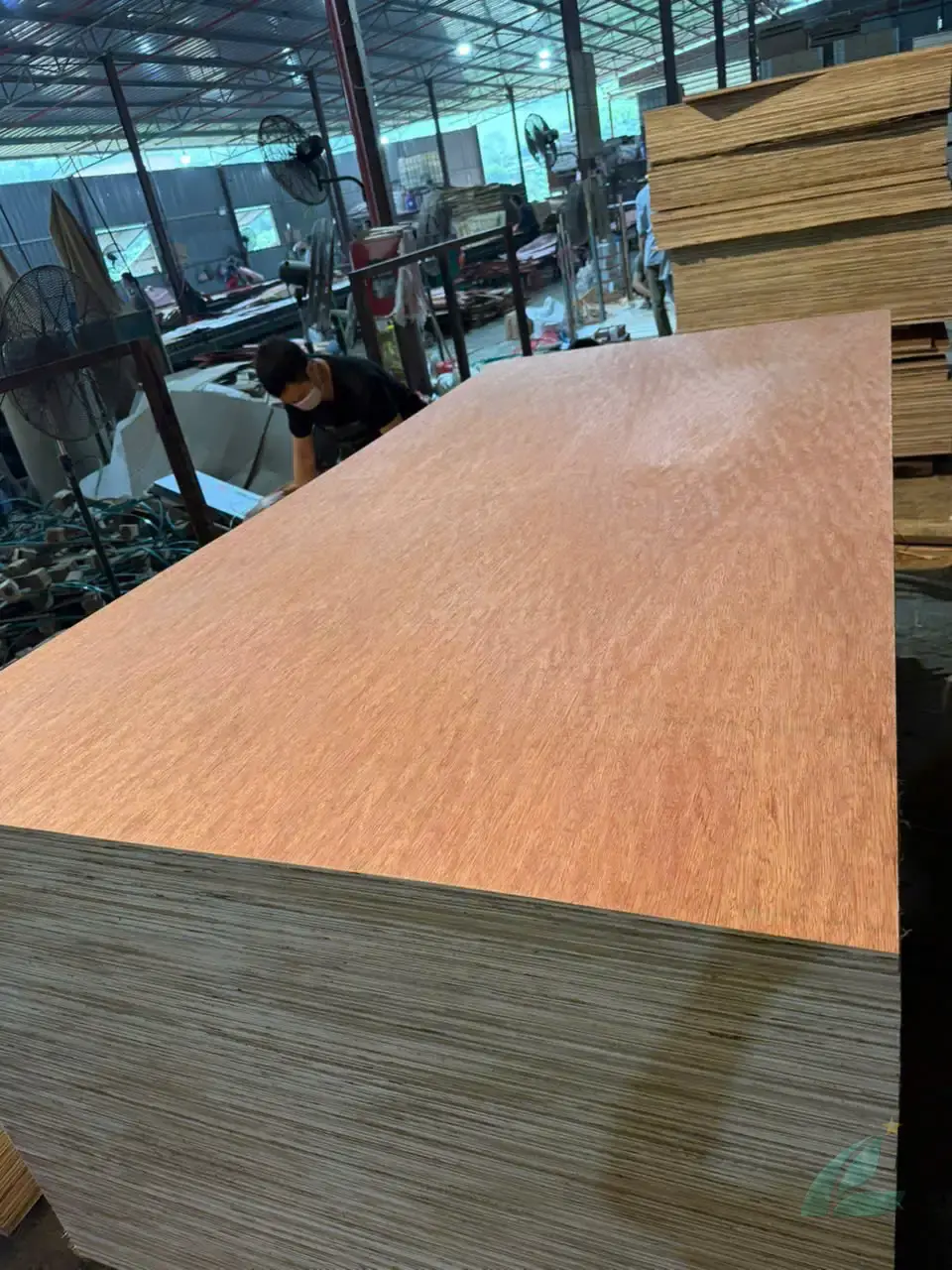
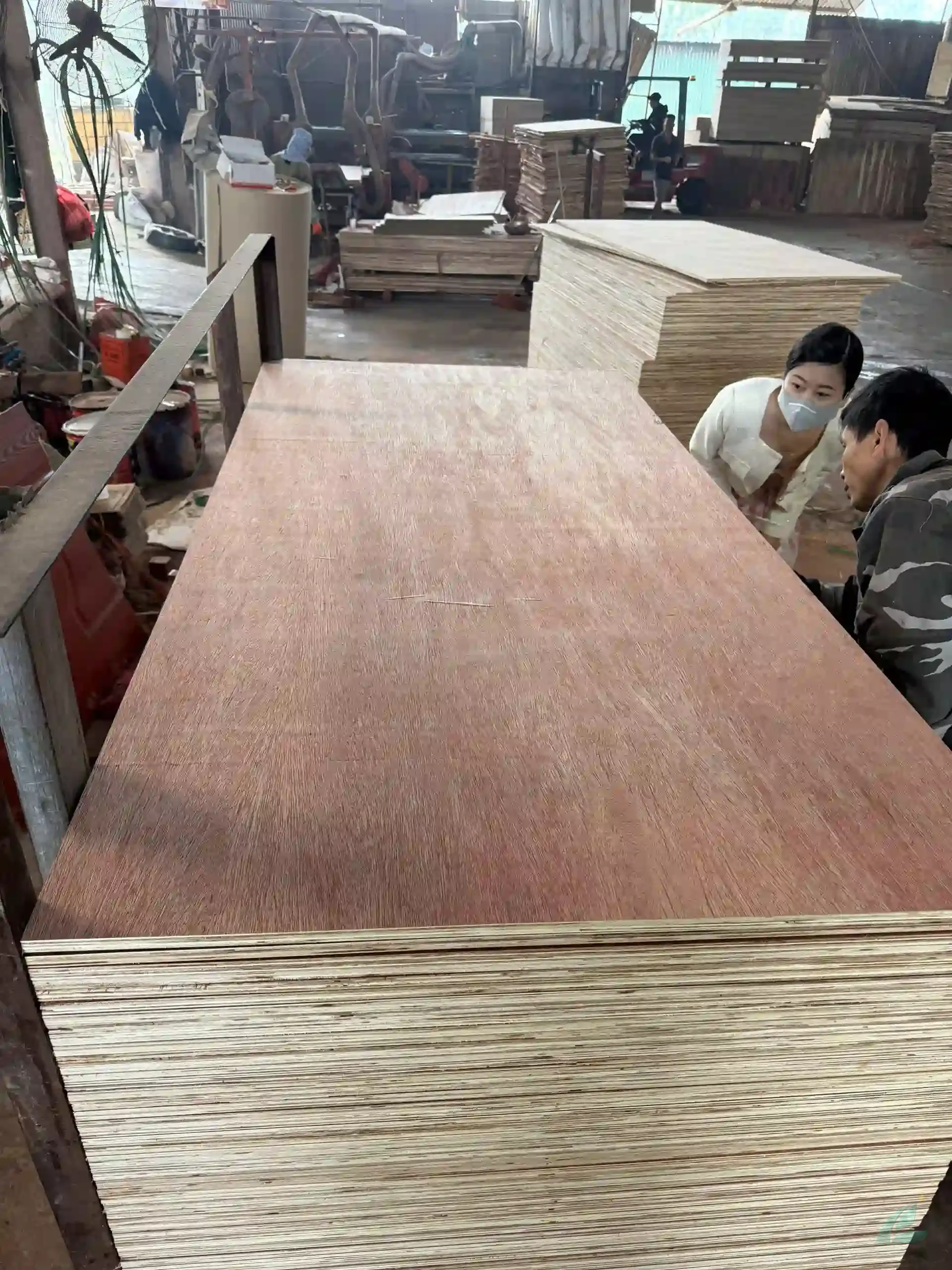
Bintangor plywood takes its name from the Calophyllum genus — a family of tropical hardwood trees widely distributed across Southeast Asia, particularly in Vietnam, Malaysia, Indonesia, and the Philippines. Within the plywood trade, "bintangor" refers to the face and back veneer sliced from these trees, recognized for their characteristic pale reddish-tan to light brown coloration, fine interlocked grain, and smooth sanding properties that make them one of the most versatile and economical face veneers in commercial plywood production.
What distinguishes bintangor commercially is its combination of workability and cost. The veneer cuts smoothly from the log, sands to an even surface with minimal grain tear-out, and accepts paint, lacquer, UV coating, and adhesive-backed laminates without surface preparation issues common with coarser-grained species. This makes bintangor the default choice for furniture factories, interior fit-out contractors, and packaging manufacturers who need a presentable, workable panel surface at a price point below gurjan or birch.
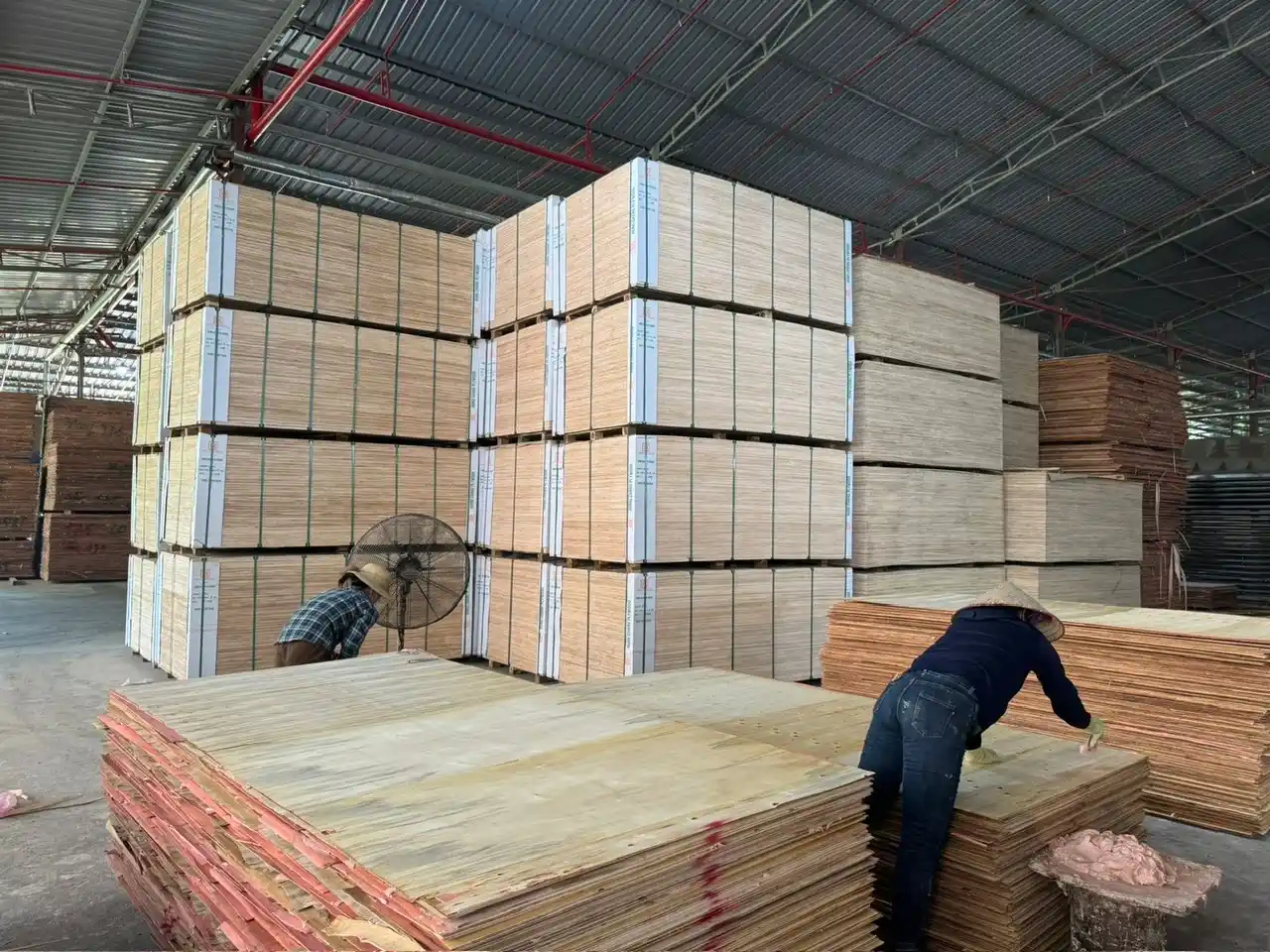
It is important to understand that panel density in bintangor plywood depends entirely on the core — not the 0.2–0.4mm face veneer. At HCPLY, acacia-core bintangor panels reach approximately 580 kg/m³, while styrax-core panels are lighter at 480–500 kg/m³. This distinction matters significantly for buyers calculating freight costs, floor load limits for warehouse storage, or weight limits for furniture components.
Bintangor is classified in the A/B, B/B, or B/C grade range. A/B grade provides one clear show face (suitable for painted or laminate-coated furniture) with a utility back. B/B provides two usable faces — common for shelving, visible back panels, or two-face visible applications. B/C suits applications where only one face is visible, such as cabinet backs, subfloor panels, or packaging crates.
For buyers in India, South Korea, UAE, the Philippines, and across Southeast Asia, bintangor plywood from HCPLY represents the most accessible entry point to factory-direct Vietnam plywood — certified, documented, and consistently produced to export standards.