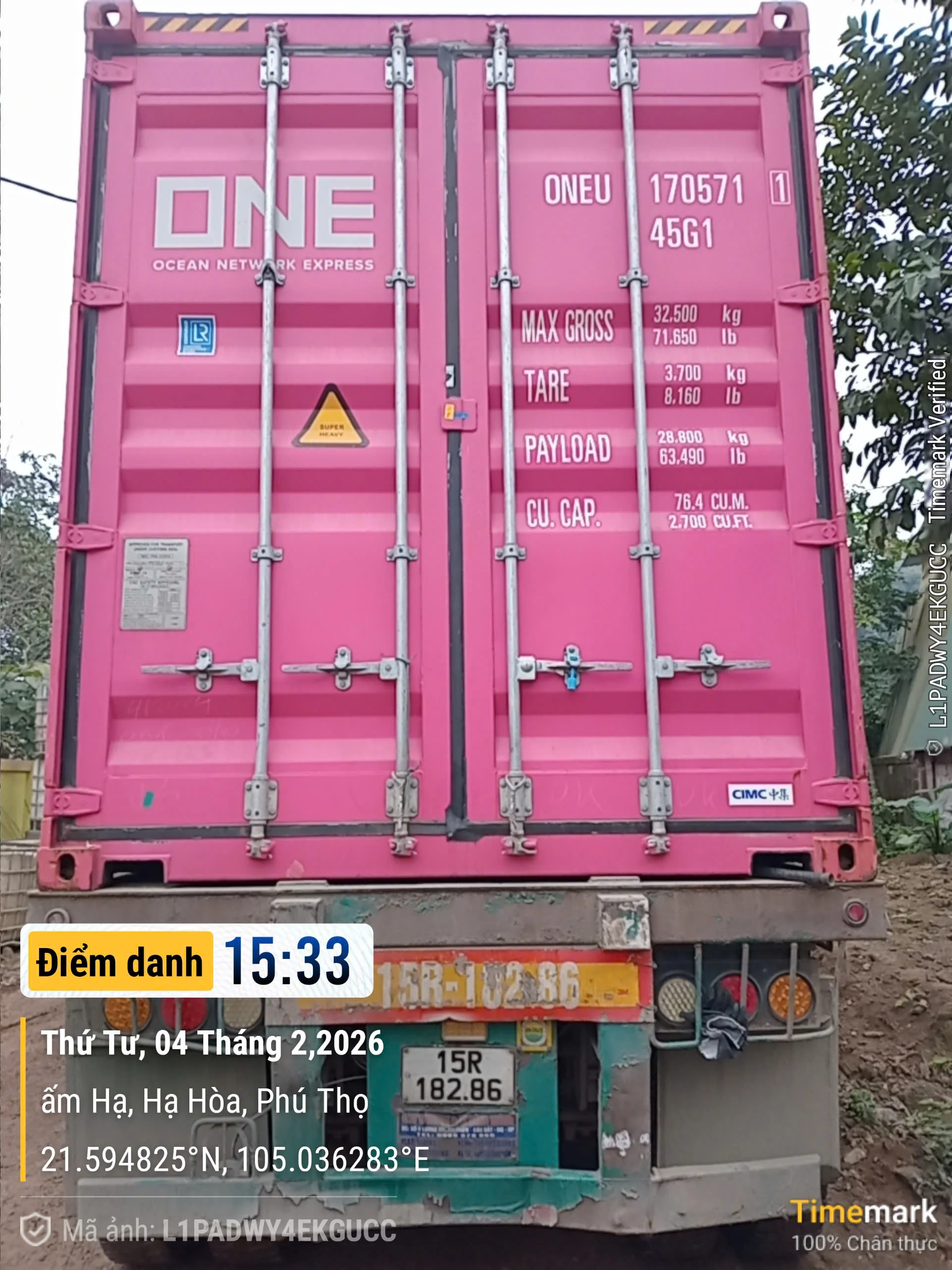
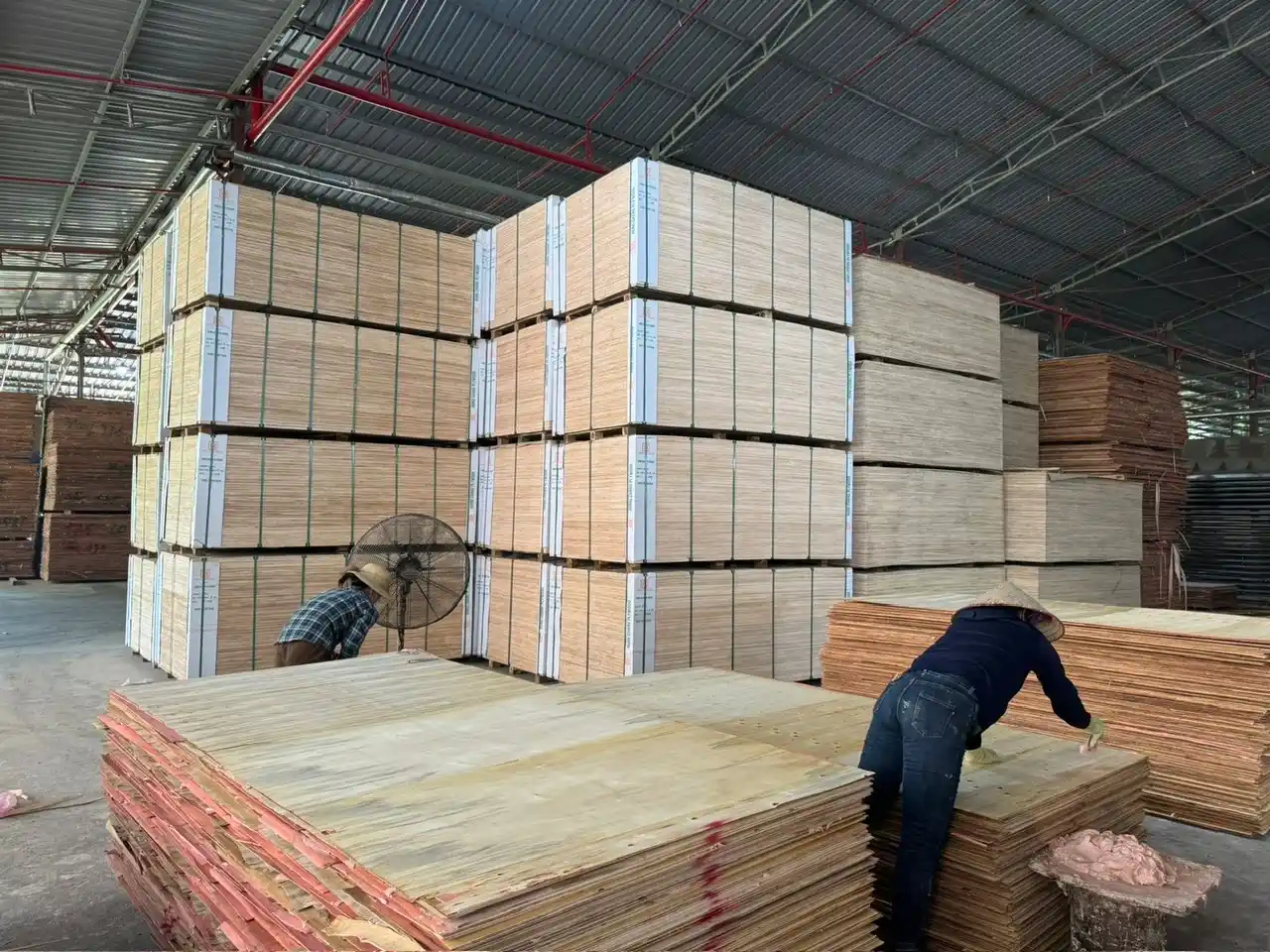
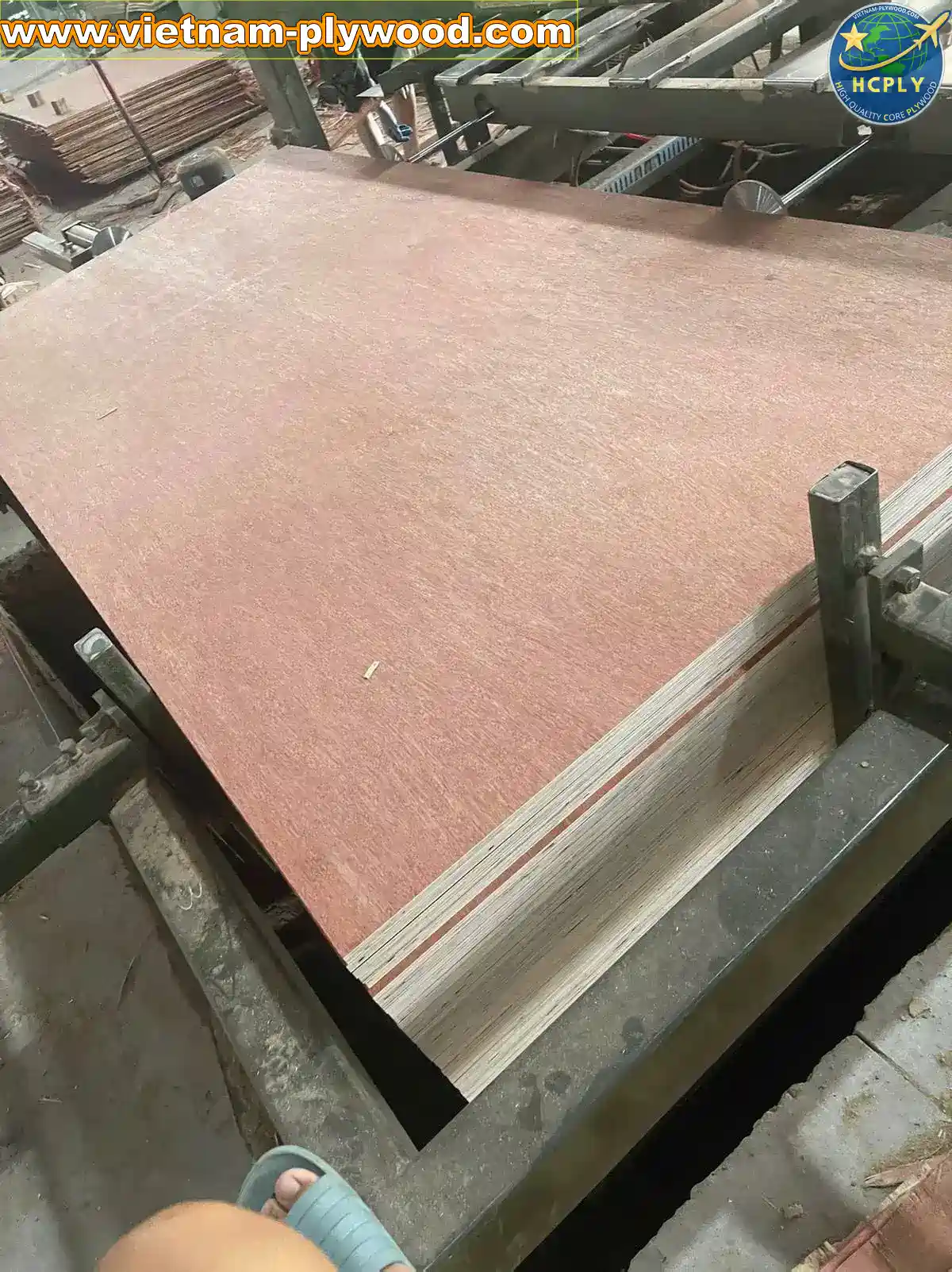

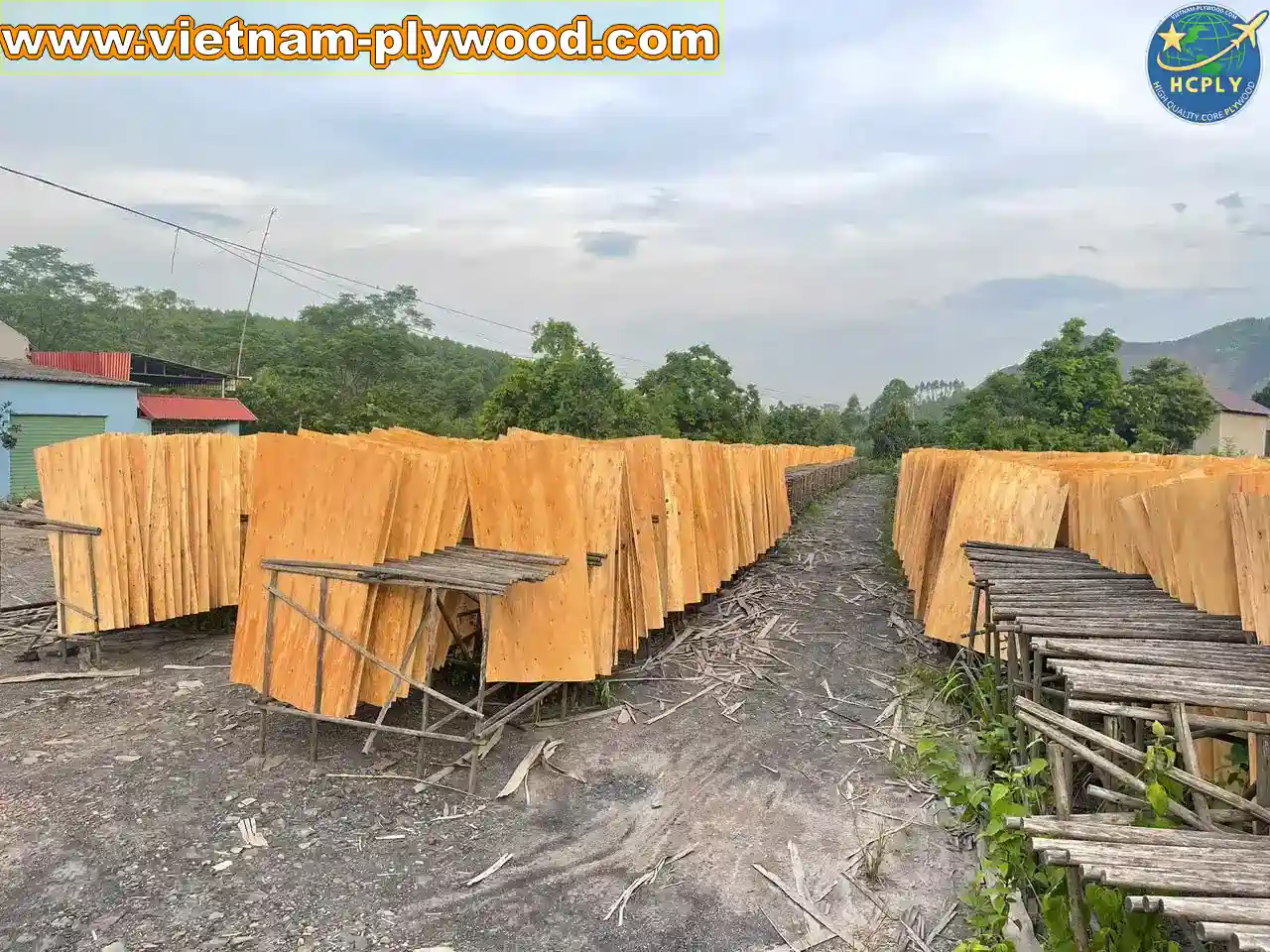


European buyers sourcing plywood from Vietnam face a specific set of compliance hurdles that buyers in other regions do not. EUDR due-diligence requirements, CE marking, FSC chain-of-custody, and E0/E1 emission standards all apply simultaneously — and each one can block a shipment at customs if the supplier cannot produce the right documentation.
This guide covers exactly what to look for when evaluating a Vietnam plywood supplier for the European market, based on direct export experience across Germany, Poland, France, Italy, Spain, and the Netherlands.
📋 Why European Buyers Are Turning to Vietnam Plywood
Vietnam has displaced China as the preferred plywood source for many European importers. Sourcing plywood from Vietnam for the European market now means evaluating both price competitiveness and compliance credentials simultaneously. The shift from China accelerated after the EU imposed anti-dumping duties on Chinese-origin plywood, while Vietnamese plywood under the EU-Vietnam Free Trade Agreement (EVFTA) qualifies for 0% import tariff with a valid EUR.1 origin certificate (European Commission, EVFTA Guide, 2020).
Three factors explain the growing demand:
Price competitiveness. Vietnamese plywood is priced 15–30% below comparable European or Russian production, depending on species and specification. Factory-direct exporters without VAT pass-through — like HCPLY — add another 8% cost advantage over trading companies that purchase domestically with VAT before re-exporting.
Product range. Northern Vietnam factories produce furniture-grade panels (birch face, okoume face, EV face) and construction-grade products (film-faced, anti-slip) from the same sourcing contact. This eliminates the need for multiple supplier relationships.
Improving compliance credentials. Vietnamese manufacturers who target European buyers have systematically invested in FSC chain-of-custody, CE marking under EN 13986, and EUDR traceability systems. As of 2026, leading exporters hold FSC, CARB P2, CE, ISO 9001, EUDR, and EUTR documentation simultaneously.
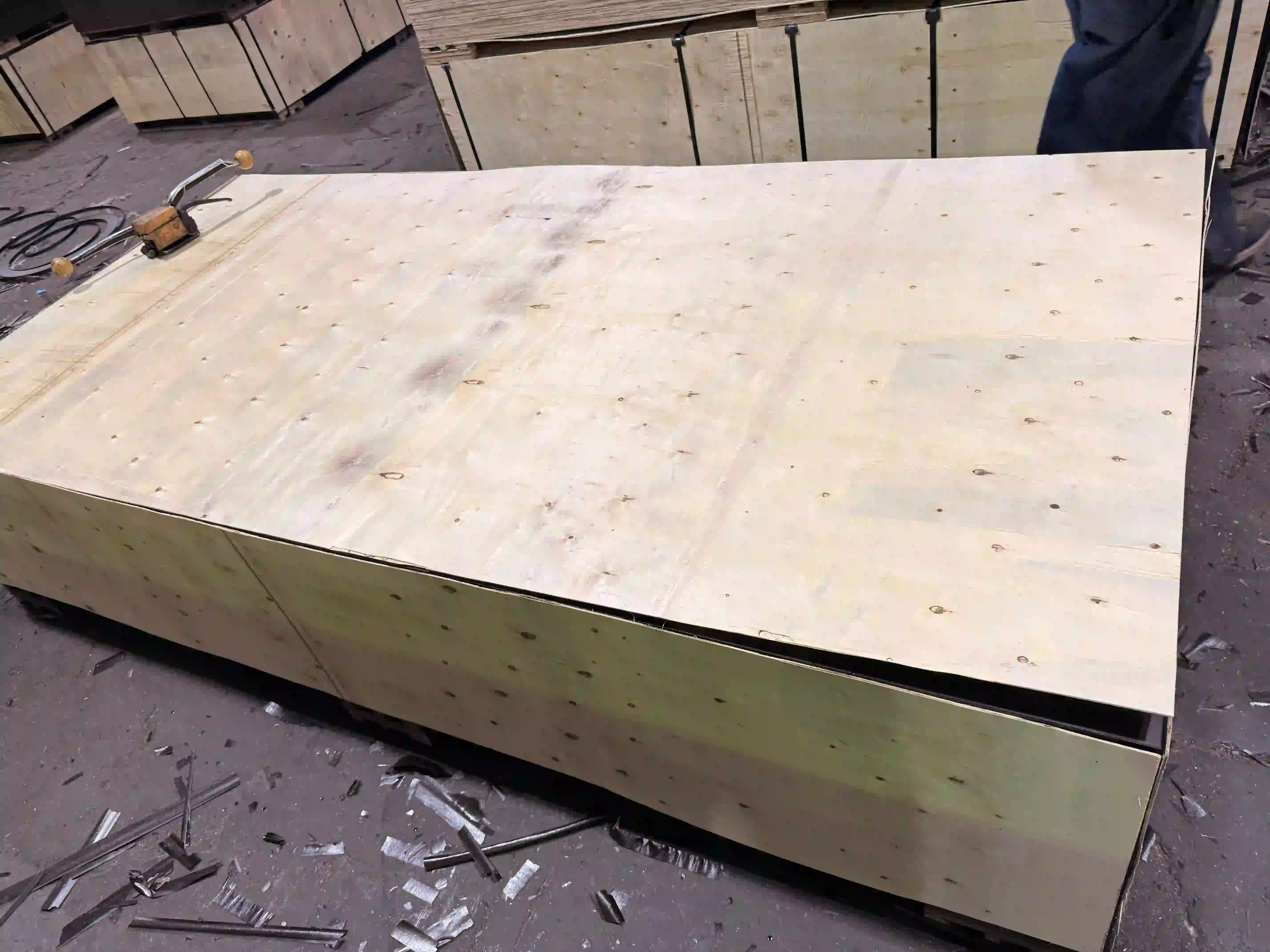
🔧 The 5 Compliance Requirements for Selling Plywood in Europe
Every Vietnam plywood supplier for Europe must satisfy five non-negotiable compliance requirements. Ask for documentary evidence of each before placing an order.
📌 1. FSC Chain-of-Custody Certification
FSC (Forest Stewardship Council) certification tracks timber from certified forest to finished product. European buyers — particularly retail chains and specification architects — increasingly list FSC as a contractual requirement, not a preference. A supplier cannot retrospectively certify a shipment already in production; FSC documentation must be maintained continuously at factory level.
Verify the certificate number directly on the FSC public certificate database (info.fsc.org) rather than relying on a PDF copy. Certificates can be suspended or expired without the buyer being notified.
📌 2. CE Marking (EN 13986)
CE marking under EN 13986 is mandatory for plywood used in construction products within the European Economic Area. The mark confirms the panel meets structural, fire, and formaldehyde emission thresholds defined by the standard. Without CE marking, the product cannot legally be placed on the EU construction market.
📌 3. E0 or E1 Formaldehyde Emission Standard
EU regulations restrict formaldehyde emissions from wood-based panels for interior applications:
- E0: ≤0.5 mg/L (equivalent to CARB P2 — required for premium furniture)
- E1: ≤1.5 mg/L (standard interior grade — acceptable for most EU applications)
- E2: ≤5.0 mg/L — NOT acceptable for EU interior or residential use
⚠️ Important: Glue type (melamine MR or phenolic WBP) is separate from emission class. A panel can use melamine glue and still achieve E0 if hot-press parameters and resin formulation are controlled. Always specify both glue type and emission class separately in your purchase order.
📌 4. EUDR Due-Diligence Documentation
The EU Deforestation Regulation (EUDR) requires operators placing plywood on the EU market to submit a due-diligence statement confirming the product is deforestation-free after 31 December 2020. Large companies must comply from 30 December 2026; SMEs from 30 June 2027 (European Commission, EUDR Regulation (EU) 2023/1115).
Compliant suppliers must provide:
- Geolocation coordinates of the forest plot (polygon or point data)
- Country and region of timber origin
- Evidence of legal harvesting
- Risk assessment documentation
Ask your supplier specifically which EUDR IT system they use to generate the due-diligence statement. Suppliers who respond vaguely or claim “EUDR is not required yet” are not ready for post-2026 shipments.
📌 5. EUTR / Legal Timber Declaration
The EU Timber Regulation (EUTR) remains in force alongside EUDR and requires importers to exercise due-diligence to confirm timber products are legally harvested. In practice, FSC certification and EUDR documentation together satisfy EUTR requirements — but the obligation sits with the importer, not the supplier.
📦 Product Selection for European Markets
The European market is not homogeneous. Germany, Scandinavia, and the Netherlands prioritize emission standards and sustainability certification. Poland, Spain, and Italy are more price-sensitive while still requiring E1 minimum. The UK post-Brexit follows its own UKTR (UK Timber Regulation), broadly similar to EUTR.
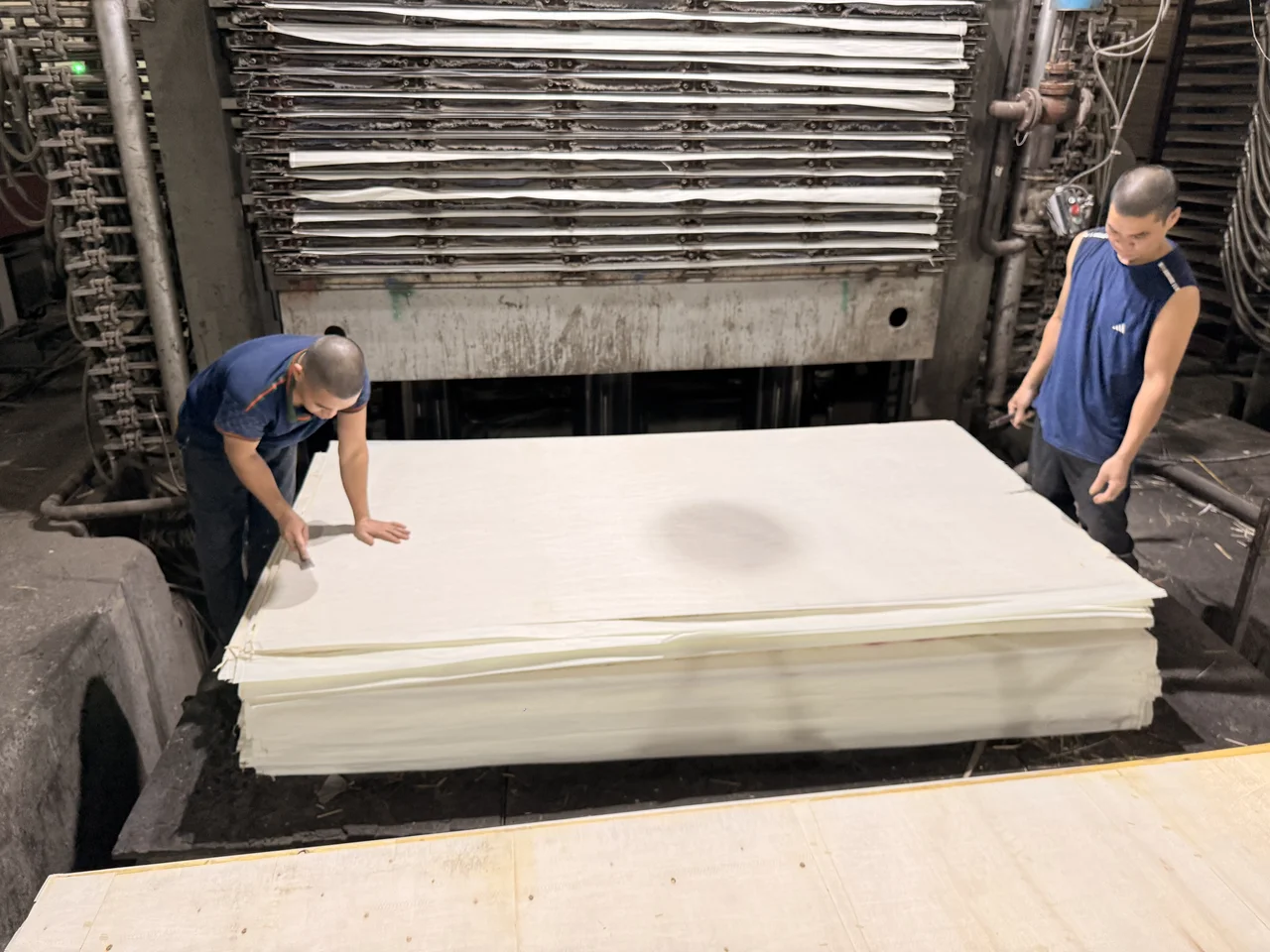
The table below maps European market segments to typical product specifications:
| Market Segment | Face Veneer | Core | Glue | Emission | Certification |
|---|---|---|---|---|---|
| Premium furniture (DE, NL) | Birch D/E, Okoume, EV | Styrax | Melamine MR | E0 | FSC + CE |
| Commercial interior (PL, ES, IT) | Okoume, Bintangor | Acacia, Styrax | Melamine MR | E1 | FSC |
| Construction formwork (EU-wide) | Film-faced phenolic | Eucalyptus | Phenolic WBP | N/A | CE + FSC |
| Packaging / industrial | Packing grade, Poplar | Acacia | Melamine MR | E1/E2 | None required |
💡 Tip: For furniture-grade panels shipped to Germany or the Netherlands, specify E0 emission with full stitched core construction (no gap, no overlap in inner layers). This eliminates the delamination complaints that arise from loose-laid or edge-jointed core panels when humidity fluctuates in European warehouses.
For buyers sourcing construction-grade film-faced plywood, ask for AICA-film specification (minimum 135 gsm) rather than generic phenolic film. AICA film panels achieve 15–20 reuses on concrete formwork; cheaper Vietnamese film gives 4–8 reuses. The per-use cost difference is significant.
View our full product range from Vietnam →
🏭 How to Evaluate a Vietnam Plywood Supplier for Europe
Most Vietnam plywood suppliers presenting online claim European certifications. Evaluating a Vietnam plywood supplier for European compliance requires more than reading a website — the gap between claimed and actual compliance is wide. Use this five-step process before sending a trial order.
Step 1: Verify Certificates Online
Do not accept PDF certificates at face value. Check:
- FSC: info.fsc.org (search by company name or certificate code)
- CE: request Declaration of Performance (DoP) document — any CE-marked supplier must have this
- CARB: carb.ca.gov ATCM third-party certifier database
Expired, suspended, or misrepresented certificates are the most common compliance trap for European buyers.
Step 2: Request a Factory Audit Report or Visit
Credible suppliers welcome factory visits or accept third-party inspection agencies (SGS, Bureau Veritas, Intertek). Suppliers who resist on-site visits or audits are a red flag. Northern Vietnam — specifically Phu Tho, Ha Noi, Bac Giang — concentrates most of the export-quality production.
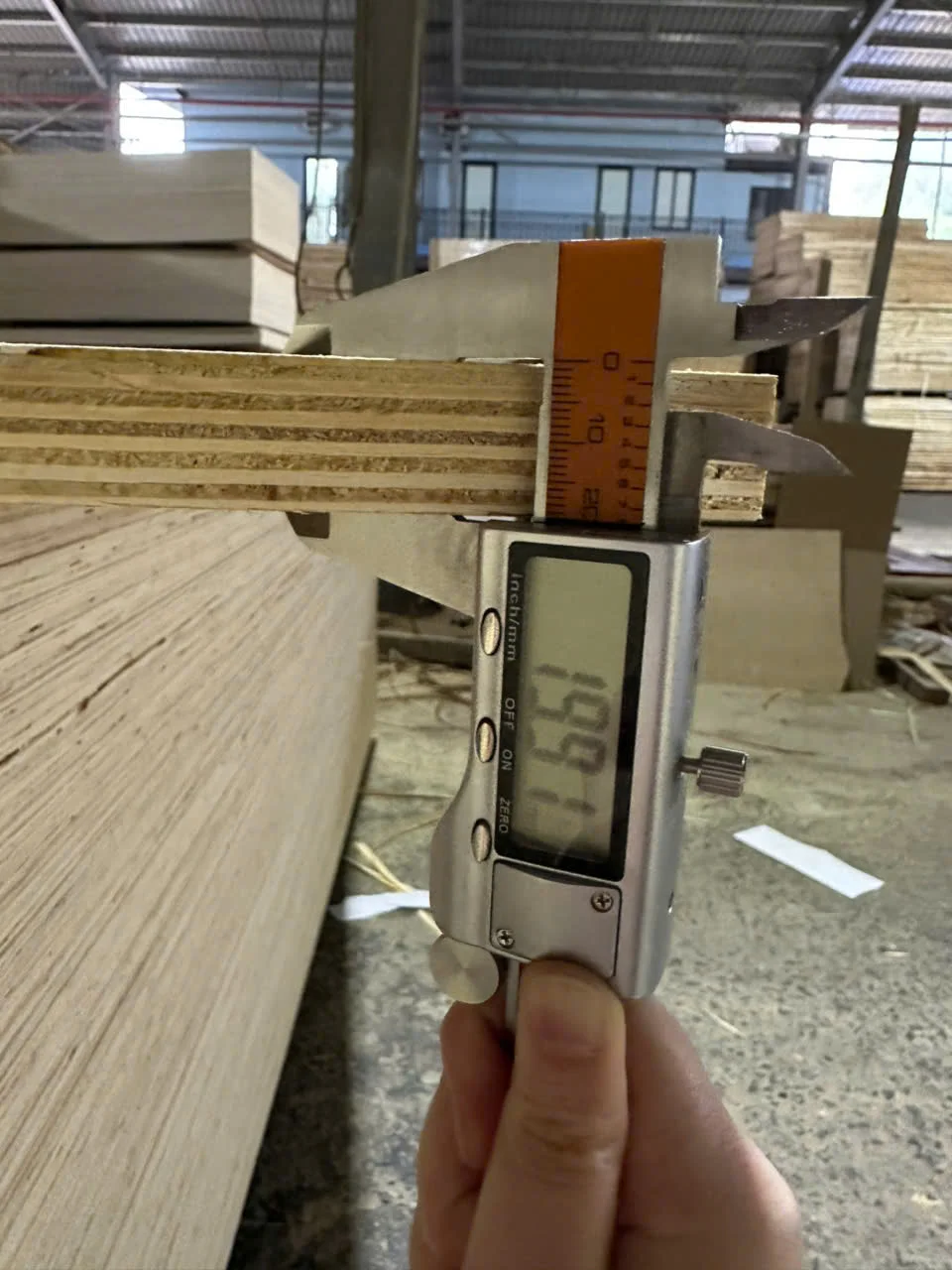
HCPLY’s QC team is embedded on-site across three specialized production facilities. Buyers can receive real-time QC photos and videos during production — before the container is sealed.
Step 3: Confirm EUDR Readiness
Ask directly: “Can you provide the geolocation data of the timber harvest plot for our EUDR due-diligence statement?” A supplier who cannot answer this question specifically is not EUDR-ready. Given the 2026 compliance deadline for large operators, this is a practical filter, not a theoretical one.
Step 4: Request Pre-Production Samples
For first orders, always request samples before production begins — not from a sample box but cut from the actual production run. Specify the exact veneer grade, core species, emission class, and glue type in writing. This creates a legally binding product specification.
Step 5: Understand the Supplier Model
A key variable when selecting a Vietnam plywood supplier for Europe is the supplier model. Vietnam has four types of plywood exporters, and knowing which type you are dealing with determines the price range, certification depth, and service level:
- Trading companies (~80% of search results): buy from factories with VAT, pass markup to buyer. Certificate quality varies.
- Manufacturer-exporters: own one factory, limited product range, strong quality control on their own segment.
- Brokers: small operations, very low price, limited QC ability.
- Multi-facility export operators (HCPLY model): one contact point, multiple specialized factories, factory-direct pricing without VAT, full QC control across segments.
For a detailed breakdown of supplier types and how to audit each, read our Vietnam plywood supplier types due diligence guide.
📊 Vietnam Plywood for European Buyers: Specification Summary
As a Vietnam plywood supplier for Europe, HCPLY manages 3 specialized production facilities in Northern Vietnam — each purpose-built for a different product category:
- Premium furniture facility — styrax/eucalyptus core, full stitched construction, E0, sanded. Face options: birch, okoume, EV, pine, eucalyptus. Certifications: FSC, CARB P2, CE, ISO 9001, EUDR.
- Commercial/packing facility — acacia core, E1/E2, competitive pricing. Face options: bintangor, okoume, packing grade.
- Premium film-faced facility — AICA film (135+ gsm), phenolic WBP, 15–20 reuses. Certifications: FSC, CE.
Export capacity: 50-100 containers per month | Lead time: 15–20 days production | MOQ: 1 × 40HC container | Port: FOB Hai Phong
Full export documentation is standard on every shipment: CO (EUR.1 for EVFTA 0% duty), FSC certificate, Phytosanitary Certificate, Fumigation Certificate, Commercial Invoice, Packing List, Bill of Lading.
“European buyers ask me the same question every time: ‘Can you guarantee the certification is real, not paper?’ Our answer is always: check it yourself online, then visit the factory. That transparency is what keeps our European clients coming back.” — Lucy, International Sales Manager, HCPLY
Request an FSC & EUDR-compliant sample pack for your European order →
Related reading:
- For EUDR specifics, see okoume plywood sustainability and FSC/EUDR compliance.
- Our comprehensive European plywood buyers guide covers certification and sourcing in detail.
- See also how to find reliable Vietnam plywood suppliers.
- For the full import workflow, see how to import plywood from Vietnam.
Disclosure: This article is published by HCPLY, a Vietnam-based plywood manufacturer and export operator. While we aim to provide objective industry guidance, readers should consider our perspective as a market participant when evaluating recommendations.
🔗 Related Guides for European Importers
Understanding the full picture before your first import helps avoid costly mistakes. These guides cover the essential steps:
- Plywood Certifications & Export Documentation — FSC, CARB, CE, EUDR Guide — full breakdown of every certification European buyers need
- Vietnam Plywood Supplier Types — Buyer’s Due Diligence Guide — how to audit a supplier before committing
- Plywood Quotation Guide — Everything You Need Before Requesting a Price — what to specify so your quote is accurate
✅ Conclusion: Choosing a Vietnam Plywood Supplier for Europe
A qualified Vietnam plywood supplier for Europe holds active, verifiable FSC and CE certificates, can produce EUDR-compliant due-diligence documentation with geolocation data, and ships factory-direct without the VAT markup of domestic trading companies. These three criteria alone eliminate the majority of suppliers who claim European compliance but cannot demonstrate it under audit.
Vietnam’s 0% EVFTA tariff, combined with competitive factory pricing and an expanding certification footprint, makes it the strongest sourcing alternative for European plywood buyers in 2026. The requirement gap is documentation and traceability — which separates serious exporters from paper-compliance operations.
HCPLY exports to 20+ countries including Germany, Poland, France, Italy, Spain, and the Netherlands. Our team handles EUR.1 origin certificates, FSC co-C documentation, and EUDR due-diligence statements as standard on every container.
Contact HCPLY for a factory-direct quote for your European order →