

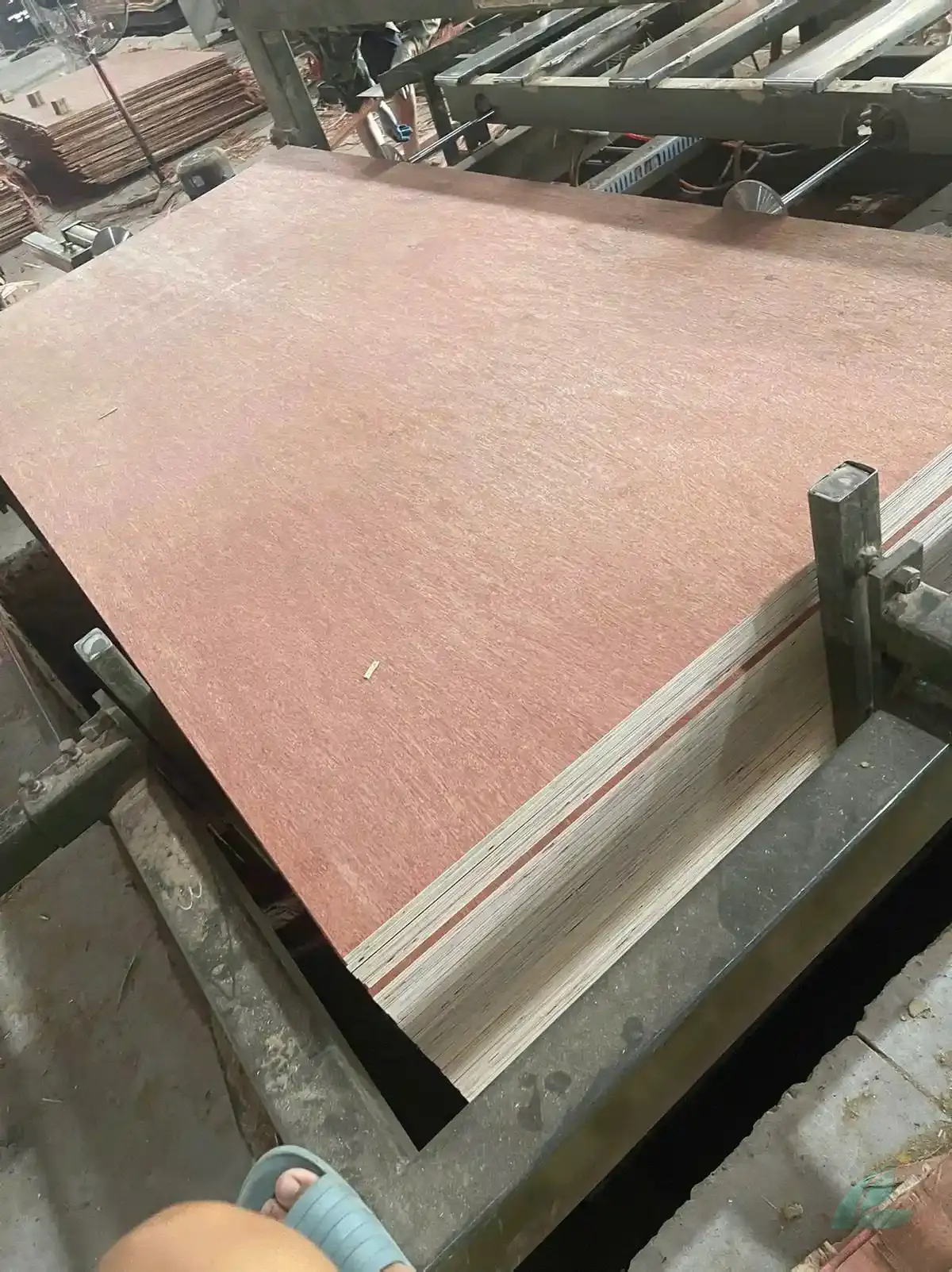
Choosing the right face veneer for export plywood is one of the highest-impact decisions an importer makes. Get it wrong and you face unsaleable stock, rejected shipments, or furniture clients walking away. Get it right and you gain margin, repeat orders, and market confidence. Every export destination has a preferred veneer — and Vietnam supplies most of them.
This guide covers 10+ face veneer options for Vietnam export plywood, compared by export relevance, with specs and market fit so you specify correctly on your first order.
🌳 What Is Face Veneer in Plywood — and Why It Matters
Face veneer: the thin outer layer of wood (0.2–0.4mm in Vietnam production) bonded to both surfaces of a plywood panel. It determines appearance, surface grade, and perceived product value. Selecting the right face veneer plywood in Vietnam means understanding species characteristics, market expectations, and certification requirements — all at once.
The face veneer species is how Vietnamese plywood gets its name. A panel with birch face veneer over a styrax core is called “birch plywood” — not “styrax plywood.” This naming convention is industry-standard and applies globally (HCPLY production data, 2026).
Face veneer selection has direct consequences for:
- Surface grade — A/B graded panels require defect-free face veneer
- Emission certification — premium faces like birch are typically paired with E0 emission standard for EU/US markets
- Sanding requirements — furniture-grade faces are always sanded; packing and film-faced are not
- Market acceptance — specific veneers dominate specific import markets
⚠️ Important: Face veneer does NOT affect plywood density. Density is determined by the core species. Do not calculate container weights using face veneer density — always use core species data.
📊 Face Veneers Compared — 2026 Export Specification Guide
| Face Veneer | Price Tier | Primary Markets | Grade | Sanded? | Best Application |
|---|---|---|---|---|---|
| Bintangor | Lowest | India, SEA, Middle East | A/B | Optional | Commercial, packaging |
| Okoume | Low | Europe, SEA | A/B | Yes | Lightweight furniture |
| EV (Engineered) | Low–Medium | Europe, North America | A/B | Yes | Cabinet interiors, furniture |
| Gurjan | High | India, South Asia | A/B | Yes | Premium furniture, decorative |
| Pine | Medium | Europe, Australia | A/B | Yes | Furniture, decorative |
| Poplar | Medium | Europe, luxury packaging | A/B | Yes | Premium interiors |
| Eucalyptus | Medium | Construction, general | A/B | Optional | Furniture, construction |
| Birch | Highest | Europe, US, Korea, Japan | D/E/F | Yes | Premium furniture, cabinets |
| Matt (unfaced) | N/A | Global (processing) | N/A | No | Lamination substrate |
| Film-faced | — | Construction markets | — | No | Concrete formwork |
| Anti-slip | — | Construction, transport | — | No | Scaffolding, truck floors |
🪵 Bintangor — The Volume Leader for Asian Markets
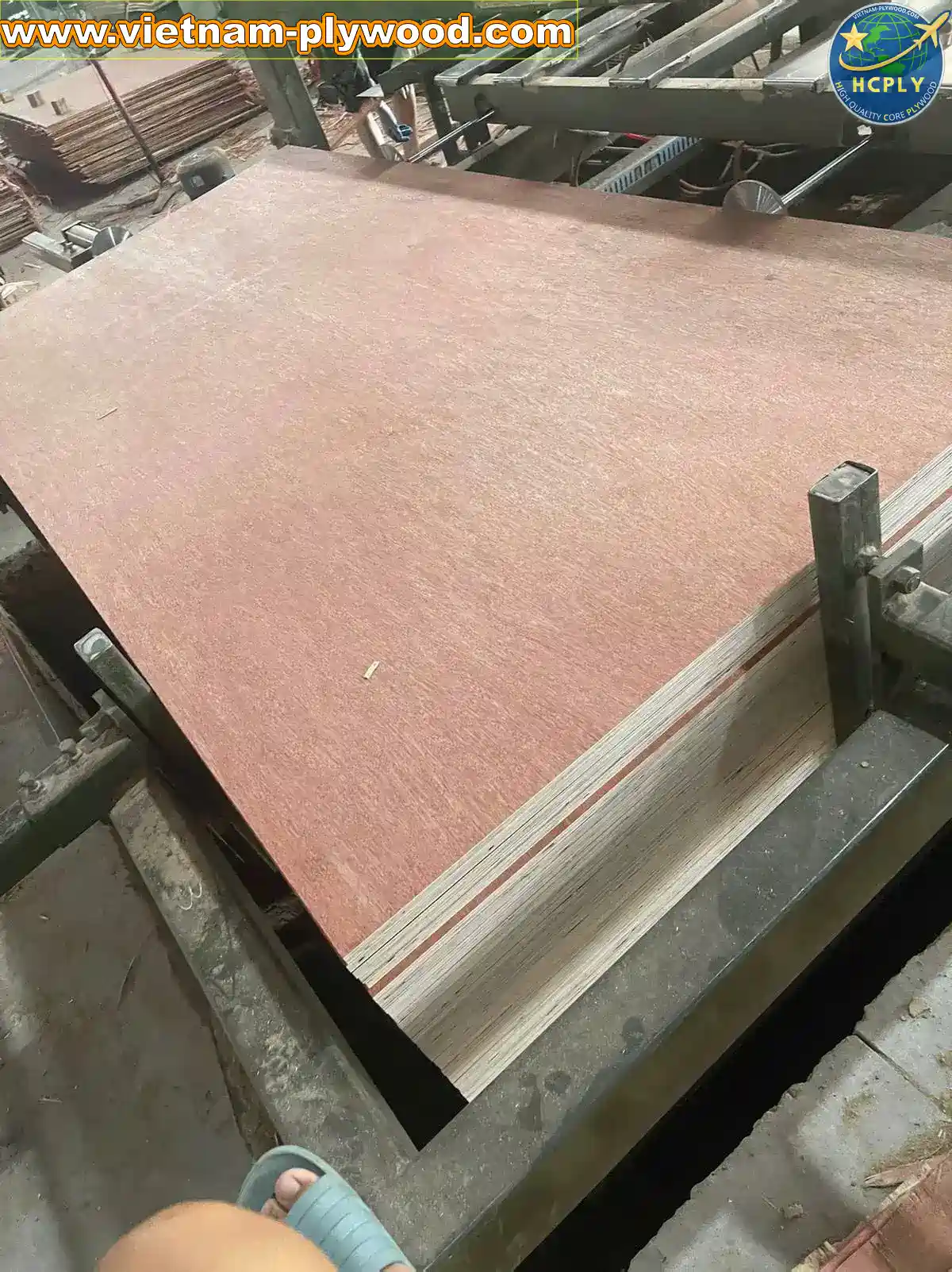
Bintangor is the most widely used face veneer in Vietnamese plywood exports. It comes in plain, red, and bleached variants, with a light reddish-brown color and consistent grain that suits painted or laminated surfaces.
Key facts:
- Price: lowest among all face veneers — most cost-competitive option
- Grades: A/B available
- Core options: acacia, styrax, eucalyptus
- Glue: melamine (MR) or phenolic (WBP) depending on application
- Emission: E1/E2 for commercial; E0 available for premium spec
Where it dominates: India (commercial and budget furniture segment), Southeast Asia, Middle East (packaging, cabinets, construction fitout). Bintangor is the backbone of Vietnam’s mass-market export volume.
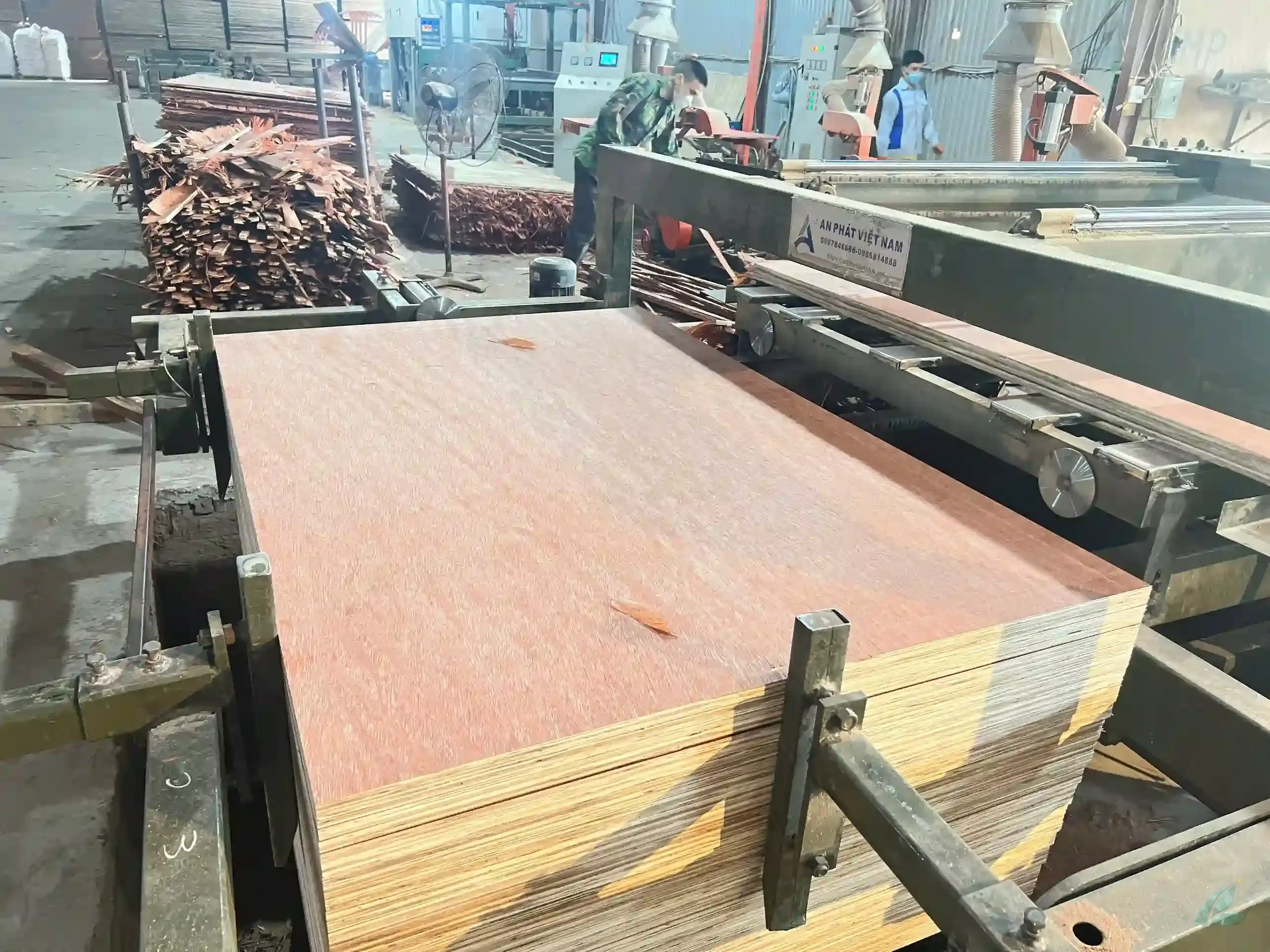
Limitation: Bintangor is NOT used in premium furniture factories — it signals budget grade. For high-end markets like Germany or Korea, buyers will not accept bintangor face for interior furniture.
See Bintangor Plywood full specs →
🌿 Okoume — Lightweight, European-Preferred
Okoume comes from West African plantation trees and produces a light pink to salmon-colored face with a fine, even grain. It is lighter than bintangor and preferred by European importers for furniture panels where weight matters.
Key facts:
- Price: low (slightly above bintangor)
- Grades: A/B
- Core options: styrax, eucalyptus
- Glue: melamine (MR), phenolic (WBP) for marine
- Emission: E0/E1 for EU market, CARB P2 available
Where it dominates: European furniture imports — lightweight cabinet doors, shelving, interior panels. Also used for marine plywood when combined with WBP phenolic glue.
“Okoume’s low density and stable grain make it the right face for furniture panels shipped to Germany or France — buyers there expect it,” says Lucy, International Sales Manager at HCPLY.
See Okoume Plywood full specs →
⚙️ EV (Engineered Veneer) — Consistency Without Knots
EV, short for Engineered Veneer, is a reconstituted wood face made from fast-growing species (typically poplar) that is sliced, dyed, and re-assembled to produce a uniform grain pattern without natural defects.
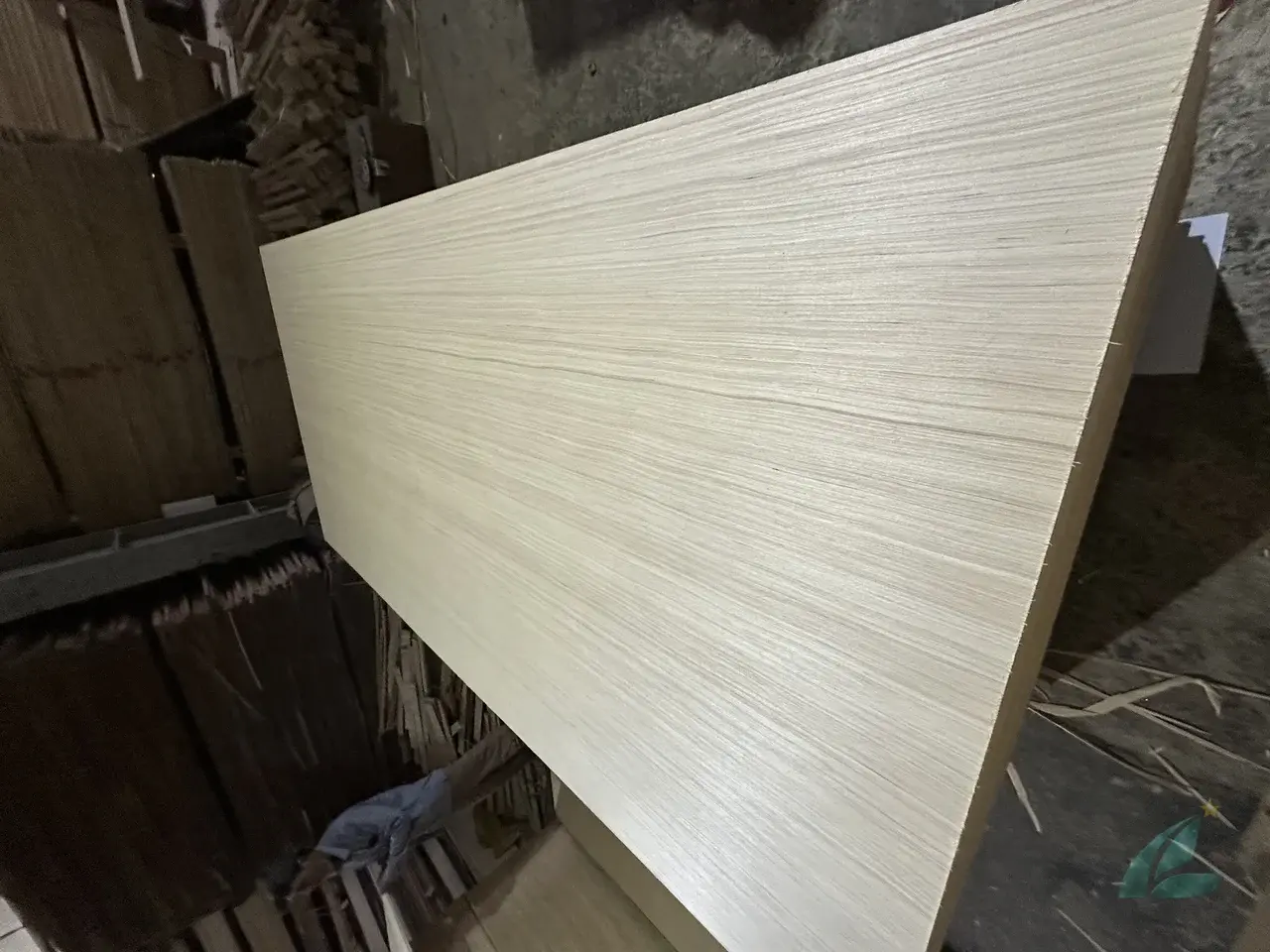
Key facts:
- Price: comparable to okoume
- Grades: A/B — near-perfect consistency due to manufacturing process
- Core options: styrax, acacia, eucalyptus
- Glue: melamine (MR), E0/E1 emission (CARB P2 available)
- Sanded: yes — smooth finish for direct painting or lamination
Where it performs: Modern furniture factories that demand defect-free surfaces at lower cost than birch. Frequently used for cabinet interiors, shelving backs, drawer bases. Popular in North America and parts of Europe where consistent grain matters more than natural wood character.
Advantage over natural veneer: EV eliminates the natural variation of wood — no pin knots, no color streaks. For furniture manufacturers running automated painting lines, this consistency reduces reject rates.
🌲 Gurjan — Premium Grade for South Asian Markets
Gurjan (also called keruing) is a hardwood face veneer sourced from Southeast Asian forests. It produces a rich, dark reddish-brown surface with visible grain — a premium look that commands higher prices in the Indian market.
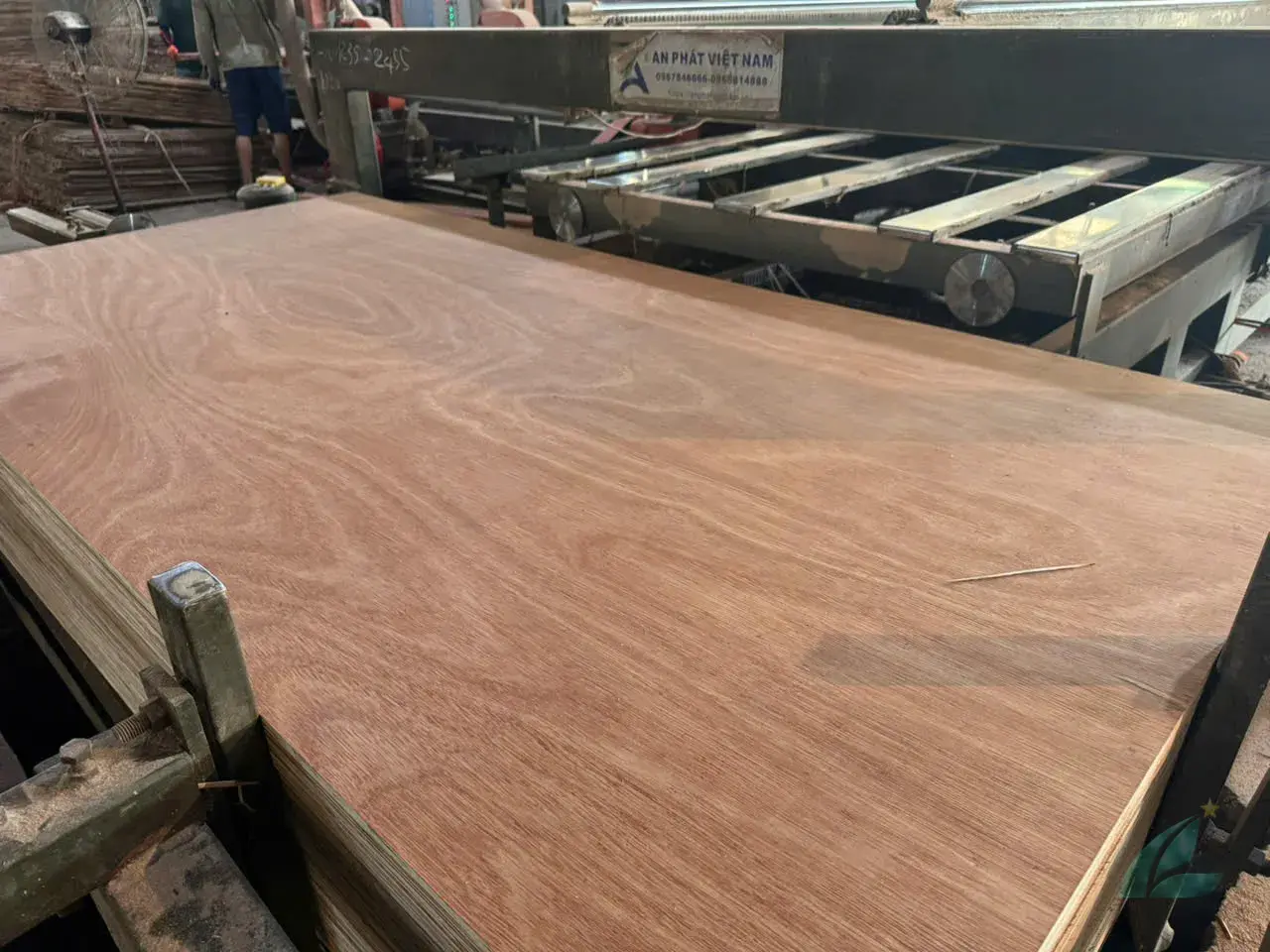
Key facts:
- Price: high (second only to birch among natural veneers)
- Grades: A/B
- Core options: acacia, eucalyptus
- Glue: WBP phenolic (primary), melamine (MR) available
- Emission: E1 standard; E0 available
- Sanded: yes — for furniture and decorative applications
Where it dominates: India. Gurjan face plywood is the premium segment of India’s domestic furniture market. Indian distributors and furniture manufacturers specify gurjan for high-value cabinetry, paneling, and decorative applications. Marine-grade gurjan is also shipped to coastal markets in Southeast Asia.
See Gurjan Plywood full specs →
🌾 Birch — The Premium Export Choice for Europe, US, Korea
Birch is the most expensive face veneer in Vietnam’s plywood export lineup. Birch veneer is imported (Vietnam has no domestic birch forest) and graded under a D/E/F scale — not A/B/C.
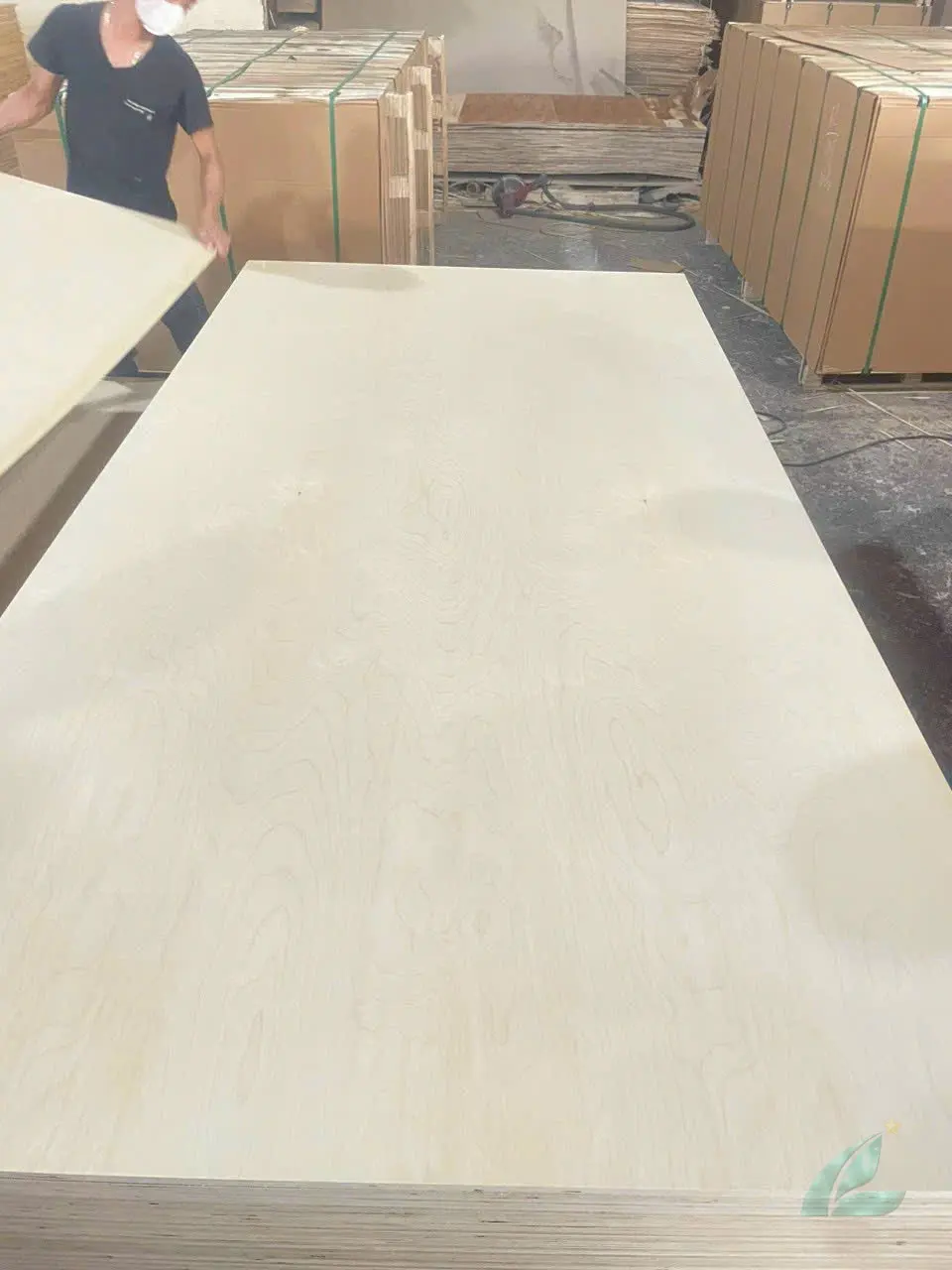
⚠️ Note: Birch plywood from Vietnam is graded D/E/F. Grade D is the highest quality available in Vietnamese production. If a supplier offers “A/B grade birch,” verify carefully — this misrepresents the actual grading standard.
Key facts:
- Price: highest among all face veneers
- Grades: D/E/F (D = best quality in Vietnam export range)
- Core options: styrax (most common — lightweight birch-alternative core), eucalyptus
- Glue: WBP or MR | Emission: E0 or CARB P2 (required for US/Korea/Japan)
- Sanded: always — fine, smooth surface for premium applications
Where it dominates: Europe (Germany, Poland, Spain), South Korea, Japan, US — premium furniture, kitchen cabinets, shop fixtures. Importers in these markets specify birch for its pale cream color, fine grain, and surface hardness.
Critical note on core: Birch plywood from Vietnam uses styrax core — NOT birch core. Vietnam has no domestic birch timber for core production. Styrax (480–500 kg/m³) is the recognized lightweight substitute that keeps panels within weight limits suitable for EU furniture manufacturing standards.
See Birch Plywood full specs →
🌱 Pine, Poplar, and Eucalyptus Faces — Market-Specific Options
Pine face: Light color with visible knot character. Popular in Europe (Scandinavia, Germany) and Australia for rustic-style furniture and decorative applications. Priced in the medium range. Available with acacia or styrax core.
Poplar face: Pale white surface, very uniform appearance. Used for premium interior panels and luxury packaging. Styrax or acacia core. Medium price. European and luxury packaging markets.
Eucalyptus face: Light yellow surface from Vietnamese plantation eucalyptus. Medium price. Used for furniture and general construction panels where appearance is secondary to strength.
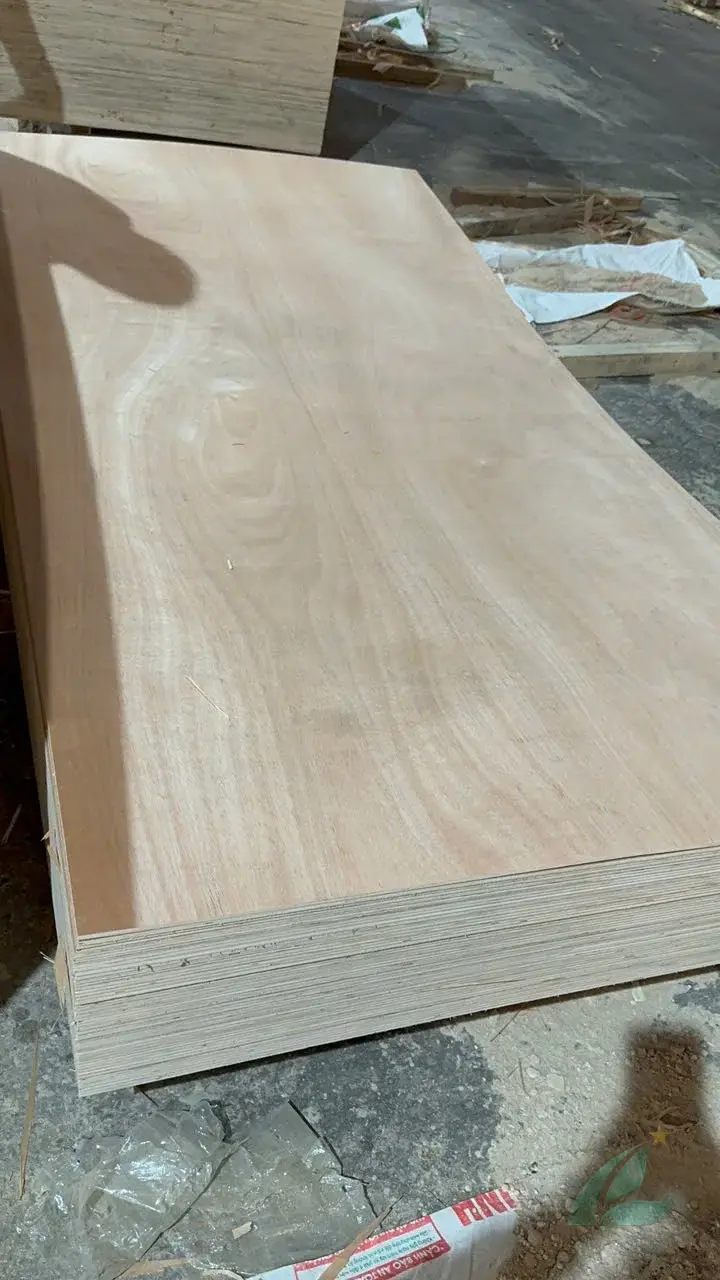
These three face veneers are less common among the best face veneers for high-volume export orders but are critical for specific destination markets. If your buyers are in Europe or Australia, pine and poplar options often determine whether a deal closes.
View all Vietnamese plywood products →
🏗️ Matt and Film-Faced — When the Face IS the Function
Two face types serve structural rather than aesthetic purposes:
Matt plywood (unfaced raw core): No face veneer at all. The raw core surface is used as a substrate for HPL lamination, PVC wrapping, or melamine paper bonding. Furniture manufacturers and panel processors order matt plywood to apply their own finish. Core options: styrax, eucalyptus, acacia. This is NOT a decorative panel.
Film-faced plywood: A phenolic or melamine film — not wood veneer — is bonded to eucalyptus or acacia core. AICA film (220+ gsm) gives the panel a smooth, waterproof surface reusable 15+ times in concrete formwork applications. This is a construction product, not furniture.
See Film-Faced Plywood specs →
📋 How to Specify Face Veneer Correctly When Ordering
Ordering plywood by face name alone is not sufficient. A complete specification requires:
- Face species — e.g., okoume, birch D grade
- Core species — acacia, eucalyptus, or styrax
- Core construction — full stitched, edge-jointed, or loose-laid
- Glue type — Melamine (MR) or Phenolic (WBP)
- Emission standard — E0, E1, E2, or CARB P2
- Thickness — e.g., 18mm
- Sheet size — 1220×2440mm or 1250×2500mm
- Sanding — sanded both sides / one side / unsanded
- Certification — FSC, CARB, CE, EUDR (if required)
A bintangor face panel specified with full-stitched styrax core, E0 emission, and FSC certification is a fundamentally different — and more expensive — product than one with loose-laid acacia core and E2 emission. The face name is just the starting point.
“We quote based on full specs, not just face veneer name. Two buyers asking for bintangor plywood can get prices differing by 40% based on core construction and emission standard.” — Lucy, International Sales Manager, HCPLY
Get a full specification quote →
🔍 Matching Face Veneer to Your Export Market
| Destination | Recommended Face | Emission Req. | Certification |
|---|---|---|---|
| Germany, France | Okoume, Birch D, Pine | E0/E1 | FSC, EUDR |
| India (premium) | Gurjan | E1 | FSC optional |
| India (commercial) | Bintangor | E1/E2 | — |
| South Korea | Birch D, Film-faced | E0 | CARB P2 |
| USA | Birch D, EV | CARB P2 | FSC, Lacey Act |
| Japan | Birch D | E0 (F4★) | FSC optional |
| Middle East | Bintangor, Film-faced | E1 | CE optional |
| Southeast Asia | Bintangor, Packing | E1/E2 | — |
| Australia | Pine, Eucalyptus | E0/E1 | FSC |
This table reflects current HCPLY shipment data across 20+ countries as of Q1 2026, market certification requirements from FSC International, and CARB regulatory guidelines (California Air Resources Board, 2026). Understanding export plywood veneer requirements by destination is the fastest way to avoid costly specification errors on your first container.
Related reading:
- For details on bintangor quality classification, see our bintangor face grading A/B quality guide.
- Compare all veneer types in our face veneer grades guide.
- For a head-to-head comparison, see poplar vs birch vs okoume face veneers.
- For the full species reference, see our complete guide to plywood face veneer types.
✅ Conclusion: Match Veneer to Market — Get Specs Right First
The best face veneer for export plywood from Vietnam is not a single answer — it is the species that matches your destination market, application, and buyer expectations.
Birch D grade for European furniture. Gurjan for Indian premium cabinets. Bintangor for Asian commercial volumes. Okoume for lightweight European panels. EV when consistency matters more than natural character.
Disclosure: This article is published by HCPLY, a Vietnam-based plywood manufacturer and export operator. While we aim to provide objective industry guidance, readers should consider our perspective as a market participant when evaluating recommendations.
Request face veneer samples and a full product quote →
No commitment required. HCPLY provides samples, data sheets, and inspection reports before order confirmation.
Related reading: Plywood Container Packing Guide — 40HC Calculations | Vietnam Plywood Reviews — 669 Client Testimonials