

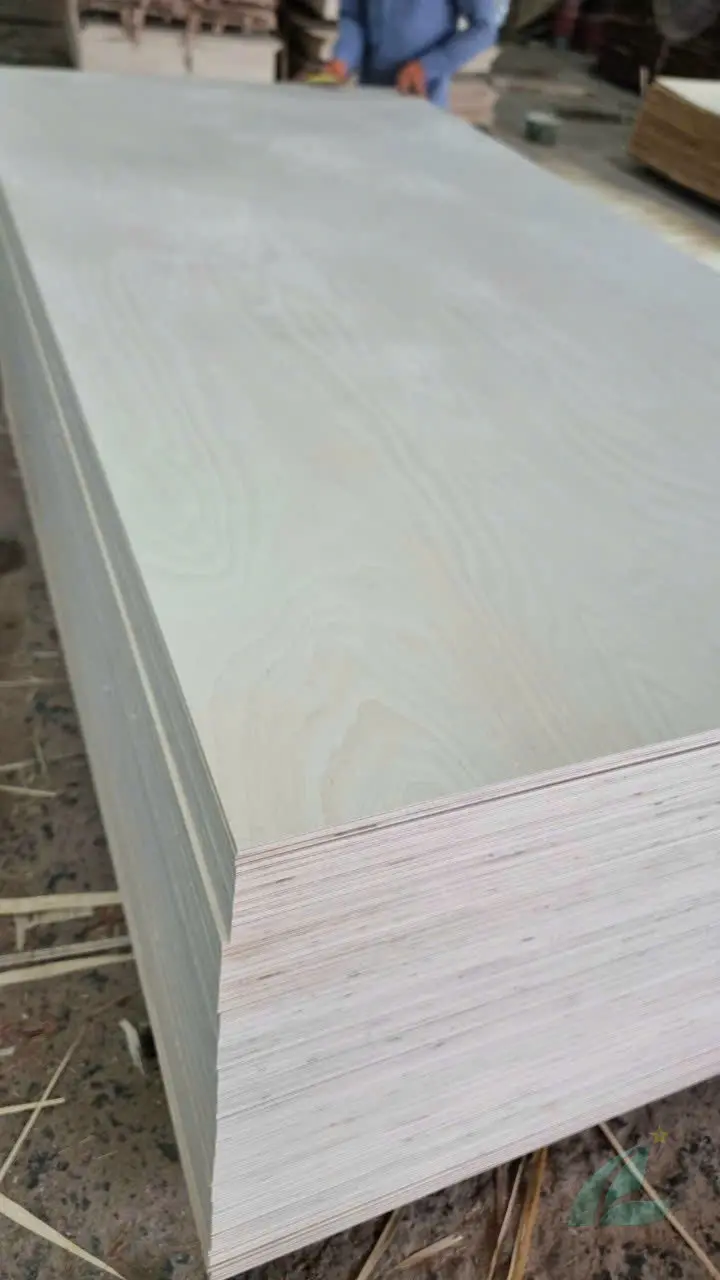
Buyers looking for birch plywood manufacturers in Vietnam tend to meet the same pattern: dozens of suppliers making identical claims about quality, certificates and fast delivery. Telling a genuine furniture-grade mill from a seller of commercial-grade panels means knowing what to look for — and which questions expose the difference.
This guide covers the four factors that matter when you evaluate birch plywood manufacturers in Vietnam: mill segment, core species, face grading and certificate authenticity, plus what changed in 2026. It draws on HCPLY’s experience shipping birch-faced plywood to Europe, South Korea, the US and India.
What Changed for Birch-Faced Plywood Buyers in 2026
Birch-faced plywood from Vietnam is a combination of an imported birch face and a Vietnamese core. In 2026 that combination matters more than before, because both EU and US rules look at every part of the panel.
| Topic | Position in October 2026 | What to do |
|---|---|---|
| EUDR (EU) | Applies from 30 December 2026 to plywood importers; only other micro/small operators have until 30 June 2027. Face, back and core species are all in scope. | Ask for the origin dossier for the Vietnamese core and the birch veneer. Vietnam is low risk under Implementing Reg. (EU) 2025/1093, but simplified due diligence needs every commodity in the panel from low-risk countries. |
| EU measures on Russian and Belarusian wood | Since 2022, imports into the EU of CN 44 wood products — plywood (4412) included — that originate in or are exported from Russia (from 9 April 2022, Reg. 2022/576) or Belarus (from 3 March 2022, Reg. 2022/355) are prohibited. | This is why many European buyers now source birch-faced panels elsewhere. State the veneer origin on the order and keep it in the dossier. |
| REACH formaldehyde (EU) | Since 6 August 2026, furniture and wood-based articles must not exceed 0.062 mg/m³ under the Appendix 14 chamber test. | Interior birch-faced panels for Europe are made to the buyer’s emission requirement; SGS testing to Appendix 14 / EN 717-1 is available on request. CARB results in ppm cannot be converted to mg/m³. |
| US AD/CVD case on hardwood and decorative plywood from Vietnam (A-552-851 / C-552-852) | Final determinations 21 July 2026 (AD 90.12%, CVD 47.68% for all others); ITC injury vote 9 September 2026; order not yet published as of 2 October 2026. | US buyers of decorative birch-faced panels should check scope and status with their customs broker before ordering. |
| US circumvention ruling (2023) | Panels finished in Vietnam with a Chinese face, back or core are subject to the China duties; other Vietnamese panels need importer and exporter certifications. | Confirm the origin of every veneer layer and that the certification paperwork comes with the shipment. |
⚠️ Important: Duties and sanctions are not a reason to buy one product over another. They are reasons to state the origin of every veneer on the order and to keep that information in the shipment file.
For the US case in more detail, see the anti-dumping status of Vietnam plywood in the US.
Why Vietnam Has Become a Major Birch Plywood Source
Vietnam does not grow birch. The face veneer is imported and pressed over Vietnamese core species to make birch-faced panels — which is why Vietnam is now sourced as a Russian birch alternative. Product names follow the face: “birch plywood” from Vietnam means a birch face on a Vietnamese core, not a panel made entirely of birch.
For pre-finished options, see birch UV coated plywood from Vietnam. The core comes from northern Vietnam’s plantations — acacia, eucalyptus and, above all, styrax (bồ đề). Styrax grows only in the north and is the preferred core for furniture-grade birch-faced plywood because it is light and pale. See the styrax core density vs birch core comparison for detail.
Key Insight: Northern Vietnam accounts for more than 80% of the country’s plywood exports, and furniture-grade birch-faced production is concentrated in provinces such as Phu Tho, Yen Bai and Tuyen Quang.
For buyers, the practical result is flexible specifications — face, core, stitching, sanding, size — and mill-direct pricing.
Factory Segments: Not All Manufacturers Are Equal
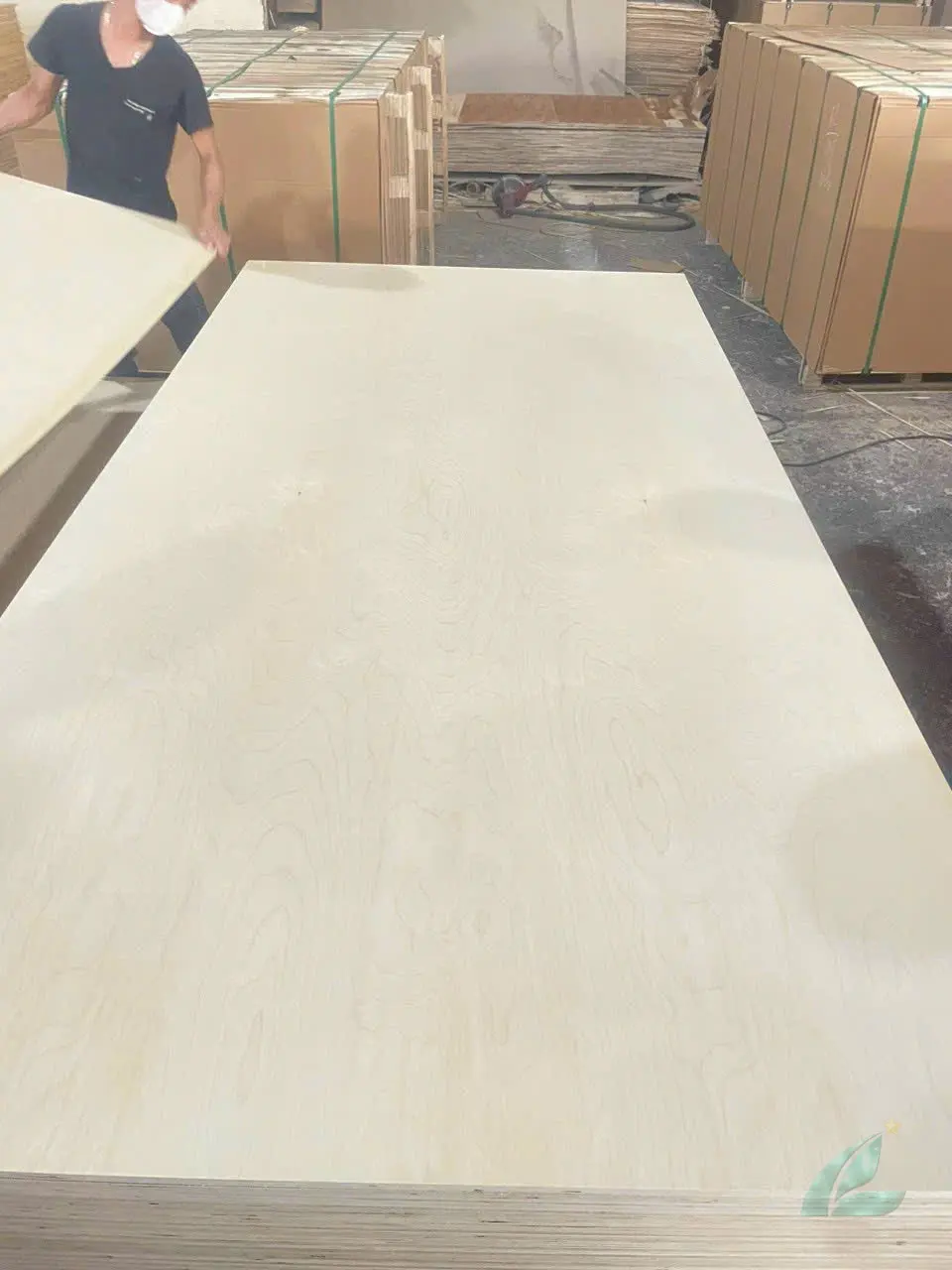
Vietnam’s plywood mills fall into four segments: premium furniture, commercial/packing, premium film-faced and budget film-faced. For birch-faced panels, the first two matter. The segment a mill belongs to decides whether its product fits your specification — whatever its website says.
Segment A: Premium furniture mills
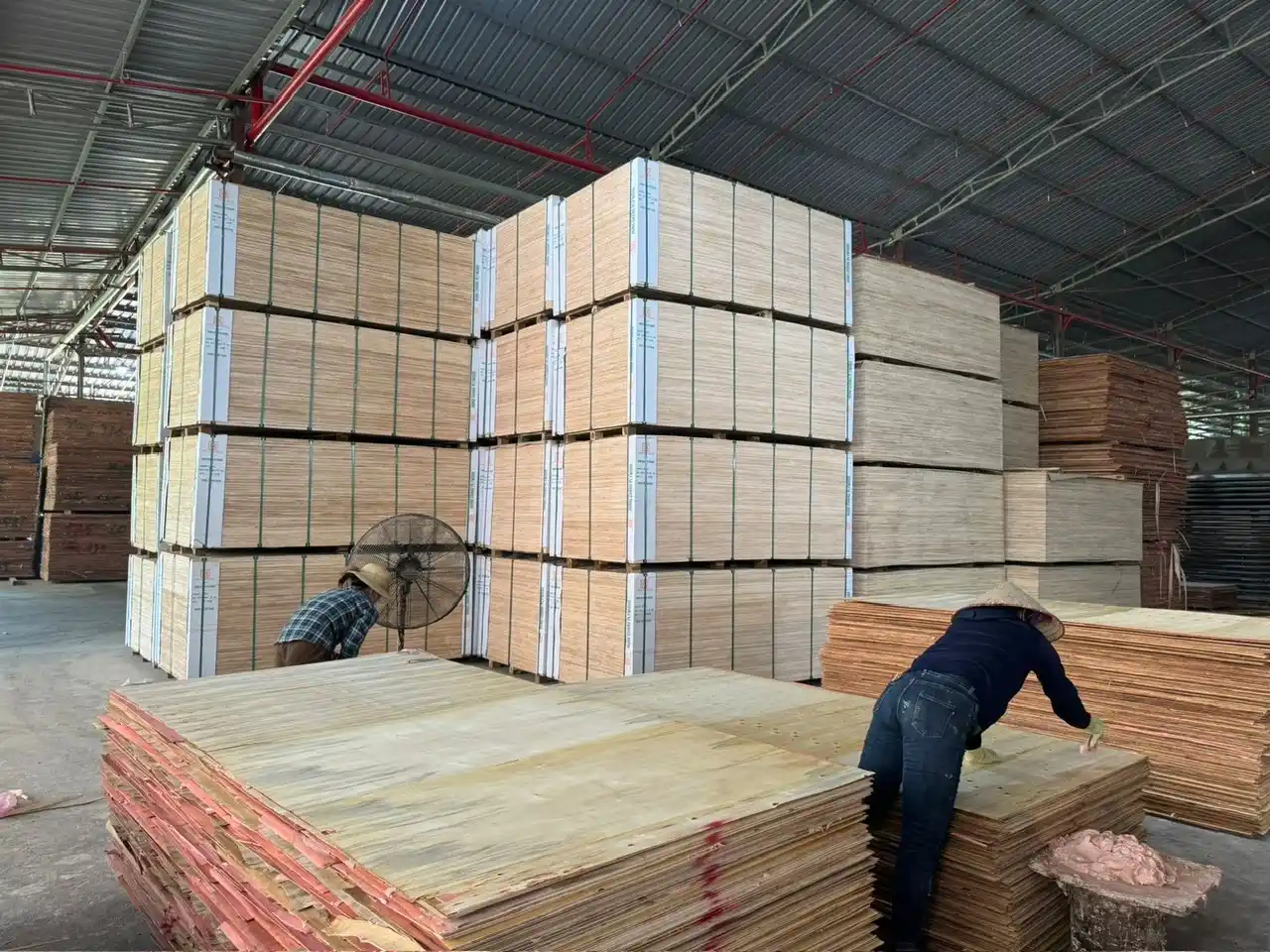
These mills use styrax or eucalyptus grade-A core, a stitched core (normally the outer 2–4 layers, every layer on request), melamine glue with E0/E1 emission, and always sand the panels. They hold the certificates their markets need — typically FSC, CARB P2, ISO 9001 — and supply the EUDR origin dossier. They sell to EU furniture factories, South Korean interior contractors and US cabinet makers. They do not make packing or commercial panels; their process and costs do not suit it.
Segment B: Commercial/packing mills
These mills use mainly acacia core, loose-laid or edge-jointed, melamine glue with E1 or E2 emission, little or no sanding, and hold few certificates. They serve price-sensitive markets: commercial fit-out, packaging and industrial use in Southeast Asia and Africa. A birch-faced panel from this segment may carry the same face veneer as a premium panel but will behave differently in use.
The critical mistake: ordering birch plywood from a Segment B mill against a Segment A specification. The price looks attractive; the product then fails inspection or in service.
“The most common sourcing error we see from first-time buyers is comparing our E0, full-stitched, sanded birch price against a loose-laid, E2 commercial price. These are different products with the same name. We always show buyers a cross-section cut so they can see the core construction before committing.” — Lucy, International Sales Manager, HCPLY
Read the full guide to Vietnam plywood supplier types →
Core Species: The Factor Most Suppliers Don’t Explain
Vietnamese birch-faced plywood uses one of three main cores: acacia, eucalyptus or styrax (or a mix). The core sets the panel’s weight and density — and therefore its shipping cost per sheet.
| Core Species | Density (kg/m³) | Pallets/40HC | 18 mm sheets/40HC | Best For |
|---|---|---|---|---|
| Styrax | 480–500 | 18 | 990 | Premium furniture, EU/US markets |
| Acacia | ~580 | 16 | 880 | Commercial, budget-tier |
| Eucalyptus | 650–750 | 15 | 795 | High-density, structural applications |
For furniture-grade birch-faced plywood, styrax is usually the right core. It is light, its pale cream colour sits well with a birch face when panels are cut, and its low weight lets more panels fit in each container. Many European furniture buyers choose it for exactly those reasons.
⚠️ Important: Vietnam has no birch core. Any supplier offering “birch core” or “full birch construction” from Vietnam is either describing a styrax core under the wrong name or using an imported core. In both cases, check a cut sample — and remember that an imported core has its own origin for EUDR and US duty purposes.
Acacia core is cheaper but heavier and darker inside. When a furniture factory cuts a birch-faced acacia panel, the dark edge shows, which may not suit premium furniture. Eucalyptus core, at 650–750 kg/m³, reduces the container load and raises freight cost — acceptable for structural work, less suitable for furniture.
See how core species affect container loading →
Grading Accuracy: D+/D/E/F vs the A/B System
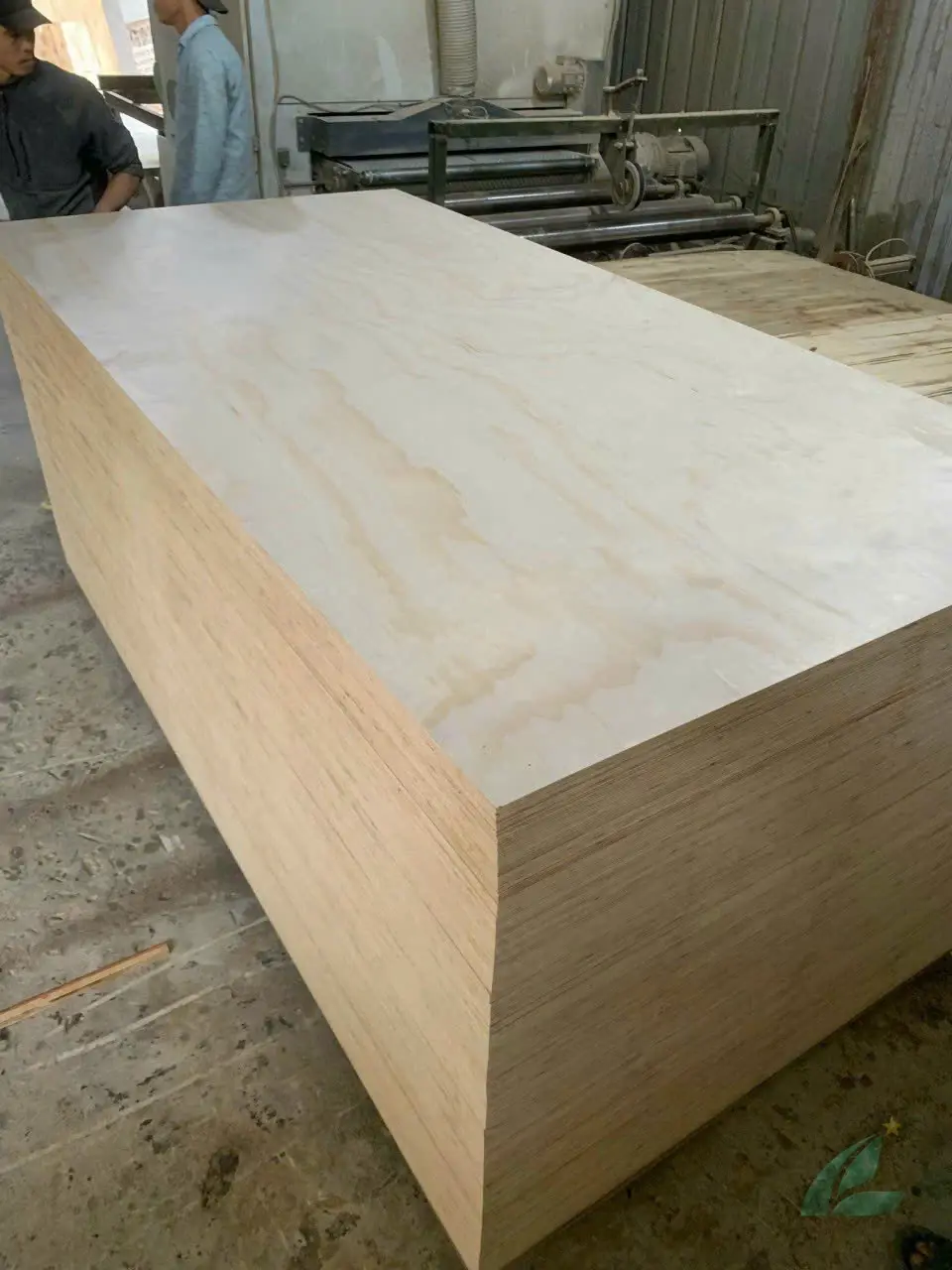
Birch face veneer in Vietnam is graded D+, D, E and F — a mill face-grade scale, not the A/B/C system and not GOST or Baltic grading. Other face species are graded A/B, and film-faced panels are graded by film weight. Mixing these systems is the most common specification error in birch plywood orders.
| Grade | Description | Typical Application |
|---|---|---|
| D+ | Best in the Vietnamese range | Premium furniture, visible faces |
| D | Standard furniture birch face: sound face, limited repairs, tight knots | Furniture, cabinetry, visible surfaces |
| E | More knots and repairs permitted | Interior furniture, less visible panels |
| F | Most repairs and open knots permitted | Painted surfaces, backs, structural use |
Buyers used to Baltic birch grading (B/BB/CP/C) often ask for “B/BB”. That is workable if both sides agree the conversion. HCPLY quotes D+/D as roughly B/BB and D/D as roughly BB/BB, and in every case the grade is fixed against a sample the buyer approves. A supplier that simply offers “Grade A birch” from Vietnam without a conversion or a sample has not explained what you will receive.
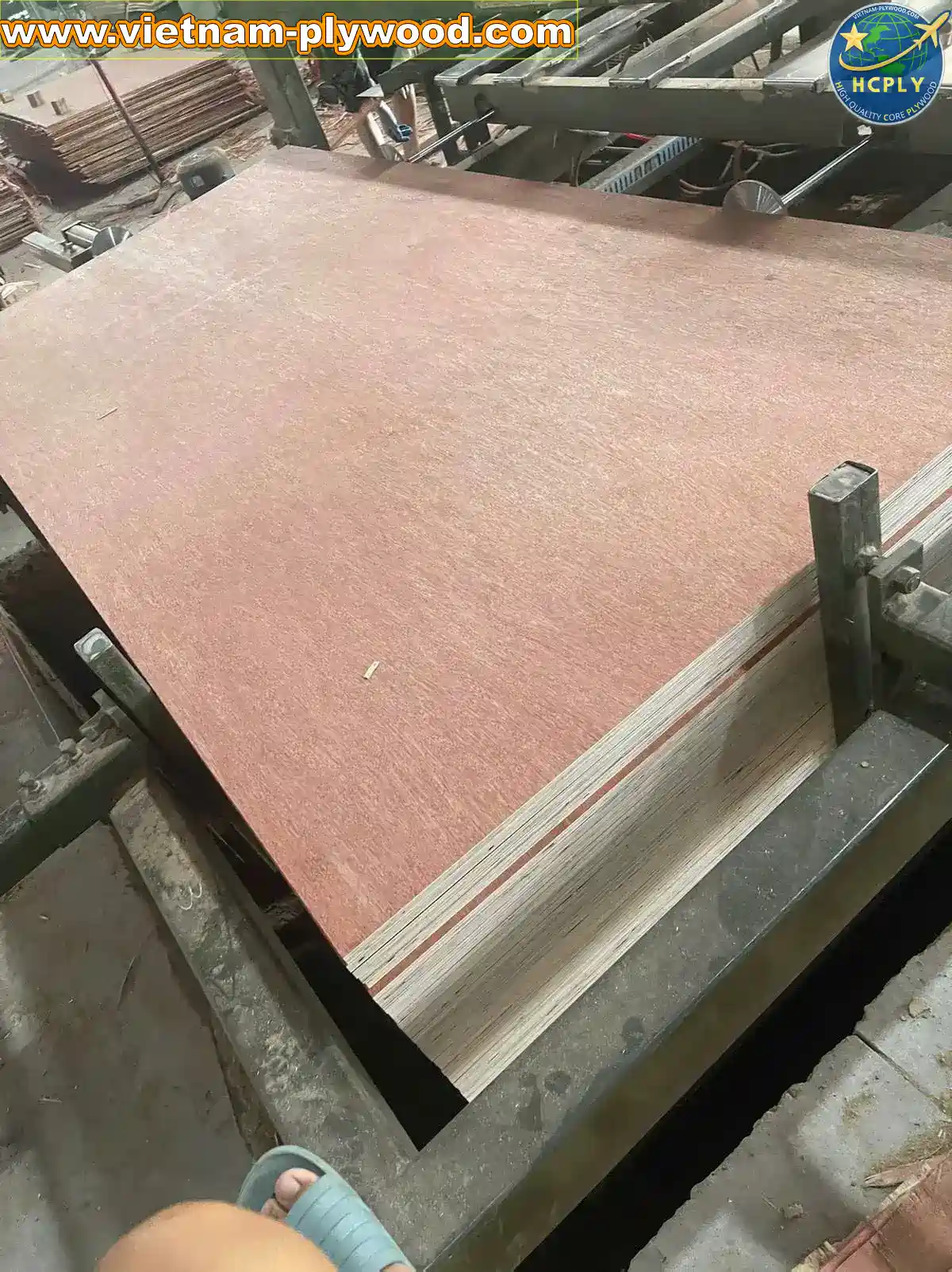
Checking is straightforward: ask for a physical sample of the exact grade before you commit to a container. A D-grade face has a clean, consistent surface with tight, sound knots and no open repairs. After sanding it should feel uniformly smooth under your hand. See birch plywood grade D/E/F explained for photos of each grade.
Certification Stack: What to Require from Any Manufacturer
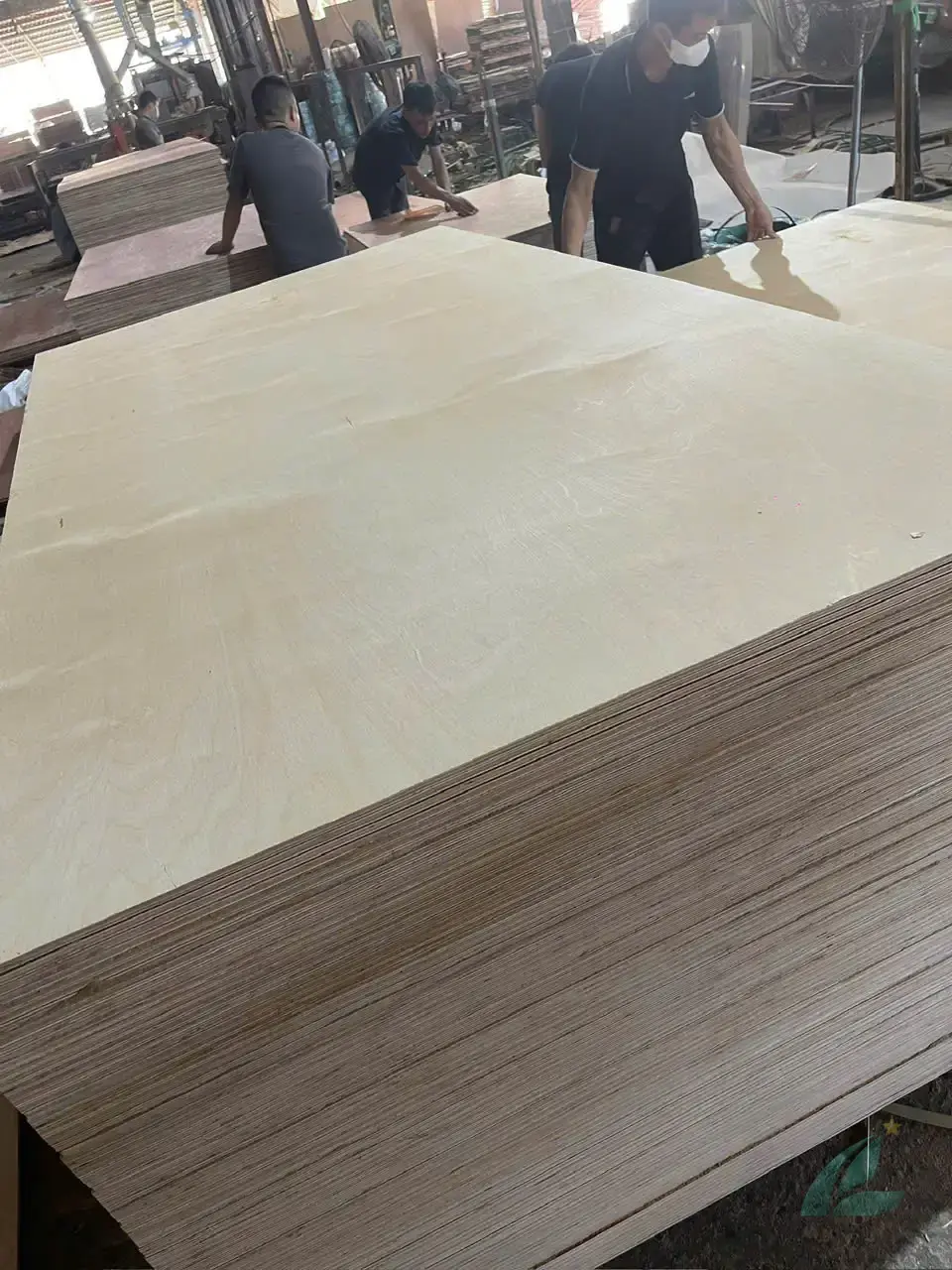
Certificate needs depend on your destination market. A serious mill can produce each of these on request — not just show a logo on a website.
For the European Union:
- FSC chain of custody — where your customers require certified material; the FSC claim must appear on the sales documents.
- EUDR origin dossier — species (common and scientific names), quantity, country and plot geolocation with production dates, as a GeoJSON file. There is no “EUDR certificate”.
- Formaldehyde evidence — documentation that fits the REACH limit of 0.062 mg/m³; SGS testing to Appendix 14 / EN 717-1 if you require it.
- CE marking (EN 13986) — relevant for construction products such as film-faced panels, not normally for furniture panels.
For the United States:
- CARB P2 / TSCA Title VI — formaldehyde compliance for composite wood products.
- Lacey Act information — species and country of harvest for each wood component.
For all markets:
- ISO 9001 — the mill’s quality management system.
- Test reports for the agreed configuration — the panel you are actually ordering.
The key point: certificates should be current and belong to the mill producing your order. A supplier presenting an old FSC certificate with no renewal is a red flag. Ask for the certificate number and check it in the FSC database yourself. Certificate files are sent before the order is confirmed.
Through its partner mills, HCPLY supplies FSC, CARB P2 / TSCA, CE (where applicable) and ISO 9001 documentation, plus the EUDR dossier for EU-bound orders. The certificates are held by the producing mills.
The Vietnam Birch Plywood Production Model
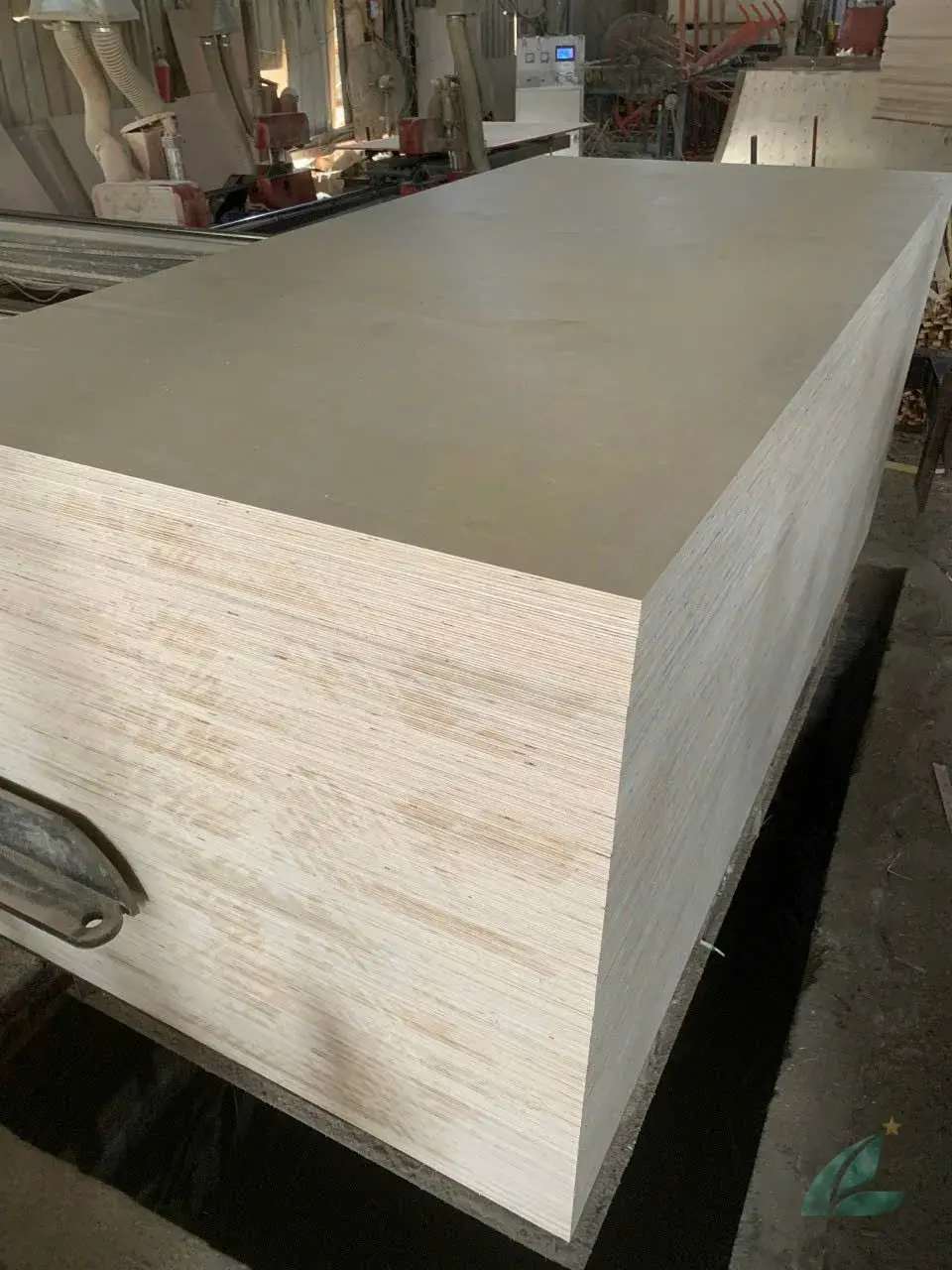
How a furniture-grade birch-faced panel is made:
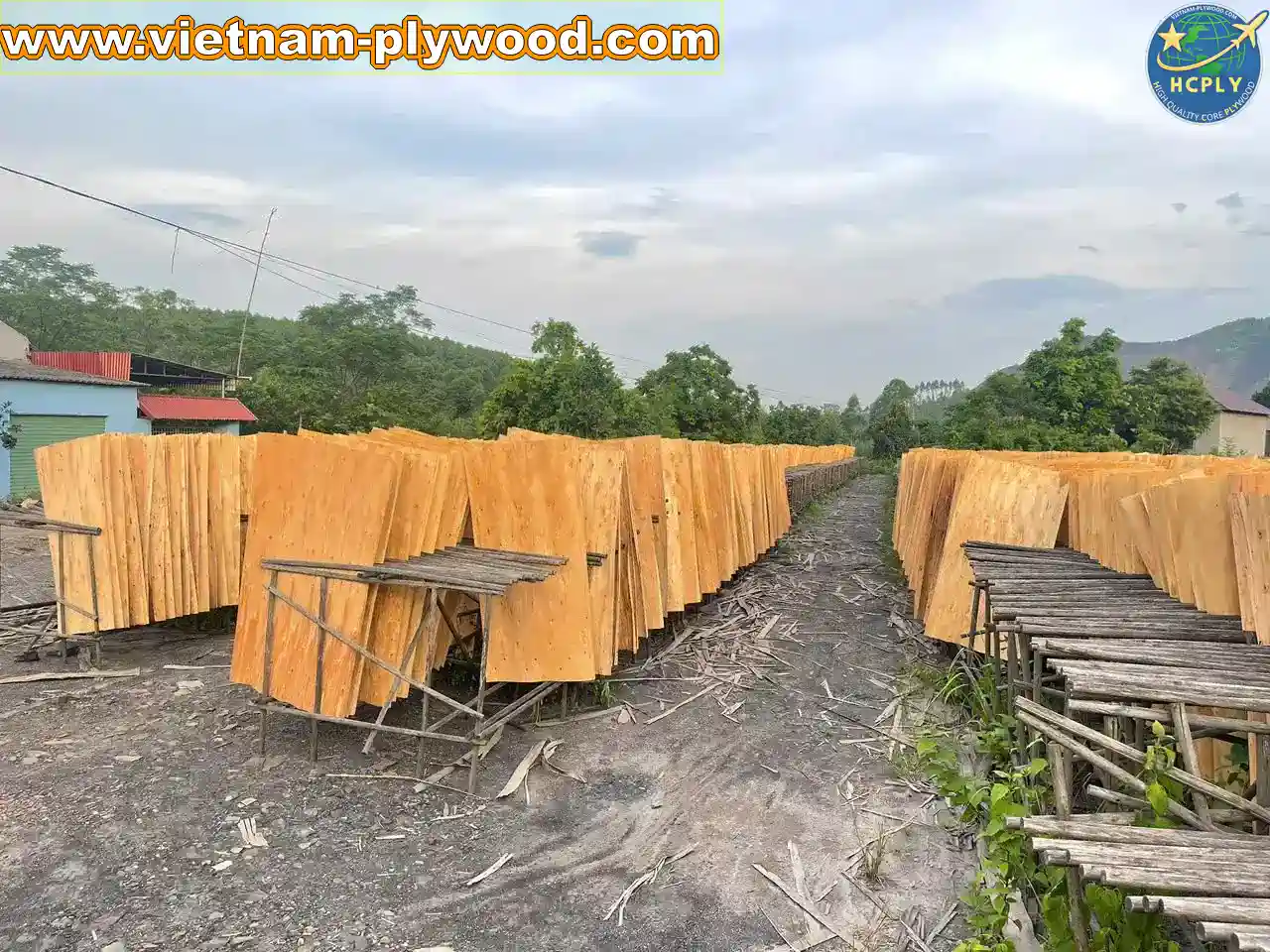
- Core veneer — styrax logs peeled into core veneer, typically 1.4–2.0 mm thick, then dried.
- Core assembly — veneer stitched across and along the grain, normally the outer 2–4 layers; every layer when the buyer asks.
- Birch face — imported birch veneer, typically 0.3 mm for European orders, selected to the agreed grade.
- Glue spread — melamine (MR) glue, with E0 emission by default.
- Hot press — about 110–120 °C for MR glue, with time set by thickness.
- Wide-belt sanding — calibration sanding for thickness, then finish sanding.
- Quality inspection — thickness, surface under raking light, edges and core.
- Export packing — wrapped and strapped pallets about 1,000 mm high; customer labels and edge marking on request.
Standard specifications for birch-faced plywood from the partner mills:
| Specification | Details |
|---|---|
| Face veneer | Birch, imported; face grade D+/D/E/F, fixed by approved sample |
| Core | Styrax (furniture) or eucalyptus (structural) |
| Glue | Melamine (MR) |
| Emission | E0 by default; E1; CARB P2 / TSCA Title VI for the US |
| Thickness range | 4–30 mm |
| Standard sizes | 1220 × 2440 mm, 1250 × 2500 mm |
| Thickness tolerance | ±0.2–0.3 mm (sanded furniture panels) |
| Sanding | Both sides, standard |
| UV-ready | Both faces prepared for the buyer’s own UV coating, on request |
| Container (styrax, 18 mm) | 18 pallets, 990 sheets, ~53 CBM, ~26.5 MT |
Each shipment carries the standard document set: commercial invoice, packing list, bill of lading, certificate of origin (EUR.1 for EU lots), fumigation, insurance on CIF terms, and the certificate documents for the order (FSC claim, CARB/TSCA, test reports), plus the EUDR dossier for EU lots. Draft documents are sent for approval after packing.
See the complete birch plywood product specifications →
How to Evaluate Any Vietnam Birch Plywood Manufacturer
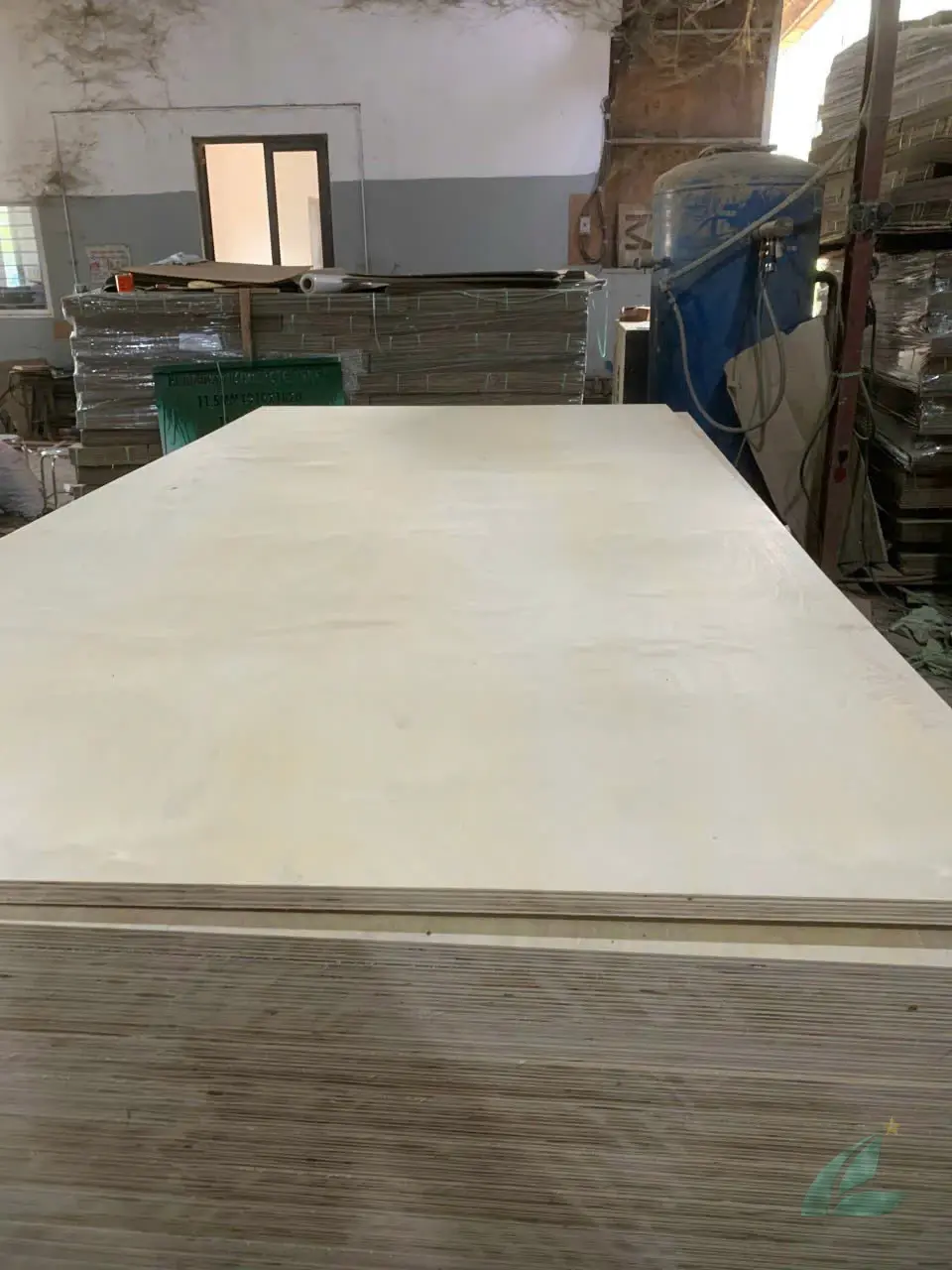
Before placing an order, run through this checklist with any supplier:
Production:
- Ask for the mill address and confirm it is in northern Vietnam (Phu Tho, Yen Bai, Tuyen Quang).
- Ask for photos of the hot press, sanding line and QC station.
- Ask for a video of the line running — a genuine mill can send one within 24 hours.
Sample:
- Ask for a physical sample (at least A4) in the exact grade, thickness and core you plan to order.
- Cut the sample and inspect the core — stitched layers versus gaps and overlaps.
- Check the face under raking light for repairs, patches and grain consistency.
Documents:
- Ask for the FSC certificate number and check it on info.fsc.org.
- Ask for the CARB test report with lab name and test date (US market).
- Ask for the ISO 9001 certificate and its validity date.
- Ask where the birch veneer comes from, in writing, and whether the EUDR dossier covers it (EU) or the origin certifications come with the shipment (US).
Commercial:
- Ask directly whether the price includes domestic VAT on a resale before export.
- Confirm MOQ and lead time: one 40HC; 15–45 days of production after the deposit, depending on quantity and schedule.
- Confirm payment terms (30% deposit, 70% against a B/L scan, or irrevocable L/C at sight) and shipment terms (FOB Haiphong, CFR or CIF).
- Confirm whether mixed specifications can go in one container.
For a broader version, see the plywood supplier evaluation checklist.
Compare all face veneer options for your application →
Birch Plywood vs Alternatives: When to Choose Birch
Birch is the most expensive face veneer available from Vietnam. Knowing when it is justified, and when a more cost-effective face does the job, saves money without lowering quality.
Choose birch when:
- the application needs a consistent, clean face for visible furniture panels;
- the product needs tight thickness tolerance for CNC routing or machining;
- your brand positioning calls for a recognised premium face species.
Consider okoume or EV veneer when:
- the application is interior furniture where a light pink face (okoume) or a uniform engineered grain (EV) is acceptable;
- budget matters — okoume and EV cost less than birch and are available with the same E0 emission;
- your market (for example the Middle East or Southeast Asia) does not ask for birch by name.
Consider bintangor when:
- the application is commercial or packing grade and face consistency matters less;
- price per sheet is the main criterion.
The emission requirement is a separate decision from the face: E0, CARB P2 or the EU REACH limit can be met with any of these faces. Choosing the right supplier decides whether the price of a Vietnamese birch-faced panel turns into a real landed-cost saving.
Compare birch and other face veneers in detail →
Summary: Choosing the Right Birch Plywood Manufacturer in Vietnam
Birch plywood manufacturers in Vietnam differ by mill segment, core species, grading practice and certificate authenticity. Buyers who source successfully verify rather than assume.
The checks that separate reliable mills from the rest:
- production in northern Vietnam (Phu Tho, Yen Bai, Tuyen Quang);
- styrax core confirmed — not acacia, and no “birch core” claims;
- birch face grades on the D+/D/E/F scale, with any B/BB conversion written down and a sample approved;
- FSC and CARB certificates checkable by number, held by the mill making your order;
- veneer origin documented for EUDR (EU) and for US origin certifications;
- mill-direct export with the full document set.
The mills HCPLY works with in Phu Tho province make birch-faced plywood on styrax core with a stitched core, melamine glue with E0 emission and calibrated sanding as standard for furniture orders.
Disclosure: This article is published by HCPLY, a Vietnam-based plywood export operator working with specialised partner mills. While we aim to provide objective industry guidance, readers should consider our perspective as a market participant when evaluating recommendations.
Request birch plywood samples and an FOB quotation from HCPLY →
Mill-direct supply, no domestic resale markup. Samples available before you commit.