

Three Asia-Pacific markets account for the largest share of Vietnam’s plywood export value — yet each operates under different certification regimes, quality thresholds, and buyer expectations. Getting the specification wrong costs more than a rejected container: it costs the relationship.
Plywood export to Korea, Japan, and Australia demands market-specific compliance from day one. South Korea imported $889 million USD of Vietnamese plywood in 2023, making it the single largest destination by value (Vietnam Wood, 2024). Japan sets the strictest formaldehyde rules in the world. Australia’s structural plywood standard — AS/NZS 2269 — is unfamiliar to most Asian factories. This guide maps each market so buyers and sellers align before the first purchase order is issued.
📊 Why These Three Markets Lead Asia-Pacific Demand
South Korea, Japan, and Australia share several traits that drive demand for high-specification Vietnamese plywood: active construction pipelines, established furniture manufacturing, and regulatory frameworks that filter out low-quality supply.
Vietnam exports to Korea and Japan alone represent over 50% of total plywood export volume in some years (Vietnam Wood Export Data, 2024). The three markets collectively reward suppliers who can demonstrate compliance documents from day one — not after a failed shipment.
Key Insight: Korea, Japan, and Australia together generated more than 60% of the unit-price premium on Vietnamese plywood exports in 2023, according to trade statistics reviewed by HCPLY’s export team. High certification requirements restrict competition and protect margin.
Each market rewards the same core capabilities: consistent thickness tolerance, verified formaldehyde emission levels, and traceable certification documents. The differences lie in which specific standards apply and how strictly buyers enforce them pre-order.
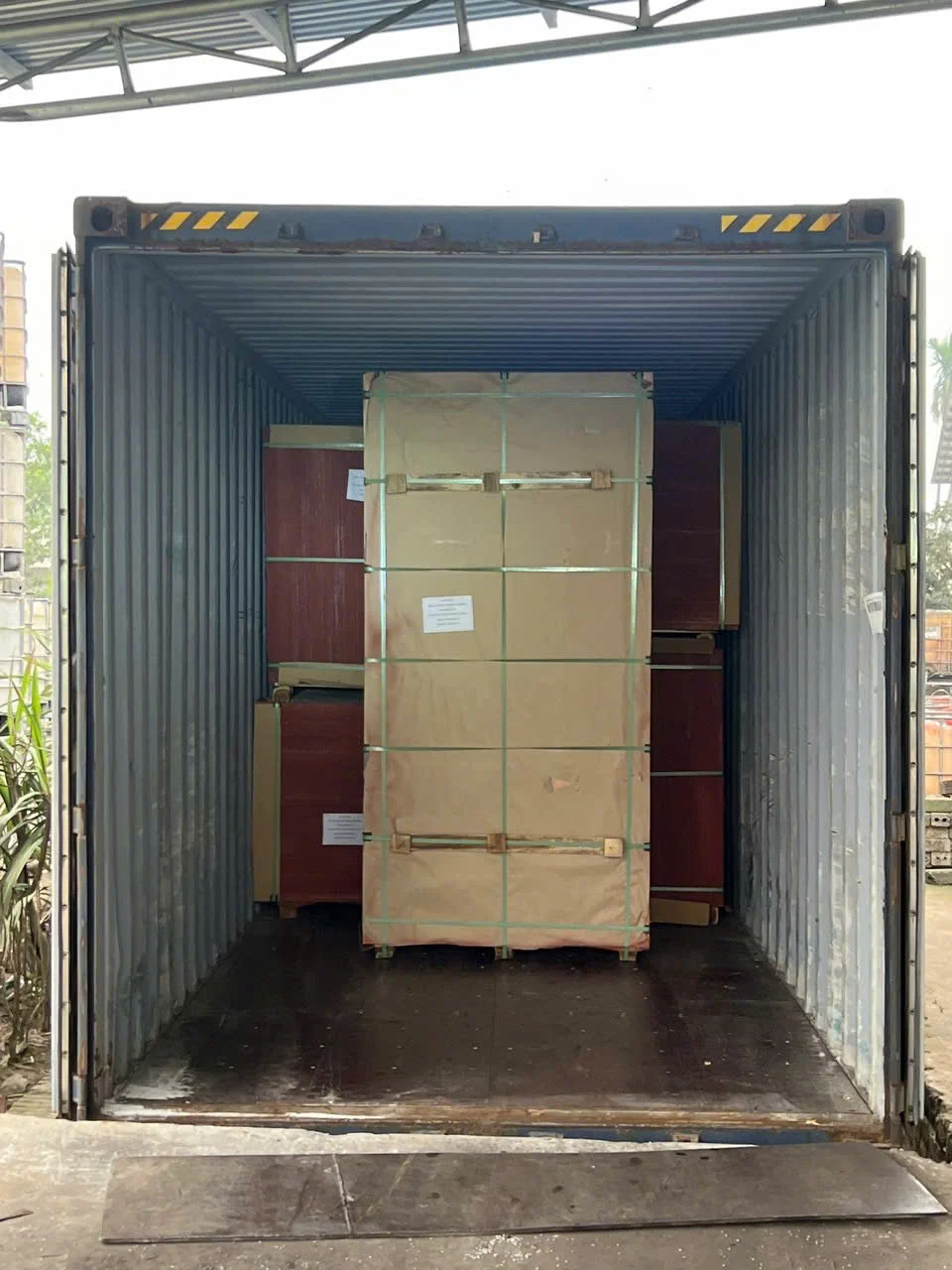
🇰🇷 South Korea: Volume Leader with Strict E0 Demand
📌 Market Size and Trade Context
South Korea is Vietnam’s largest single plywood export market. In the first six months of 2024, Vietnam exported 434,560 m³ of plywood to Korea worth $105.97 million USD — an 11.9% volume increase year-on-year (Vietnam Customs H1 2024 data). The Korean government’s anti-dumping investigations on Chinese plywood accelerated the shift to Vietnamese supply during 2019–2023.
Current anti-dumping tariff rates on Vietnamese plywood in Korea range from 4.2% to 13.04% depending on the specific exporter and period (Forest Trends, 2025). Buyers should confirm their supplier’s individual rate before finalizing CIF pricing.
📌 Technical Requirements for Korean Market
Formaldehyde emissions are the first gate. Korean buyers reference E0 standard (≤0.5 mg/L) for furniture applications. Film-faced plywood for construction uses phenolic WBP glue and passes different bonding durability tests. Suppliers must present test reports from accredited third-party labs — Korean buyers routinely reject shipments where emission certificates are more than 12 months old.
| Product | Glue | Emission | Typical Use |
|---|---|---|---|
| Furniture plywood | Melamine (MR) | E0 | Cabinet manufacturing |
| Film-faced plywood | Phenolic (WBP) | N/A (construction) | Concrete formwork |
| Birch-faced plywood | Melamine (MR) | E0 | Premium furniture |
| Packing plywood | Melamine (MR) | E1/E2 | Industrial packaging |
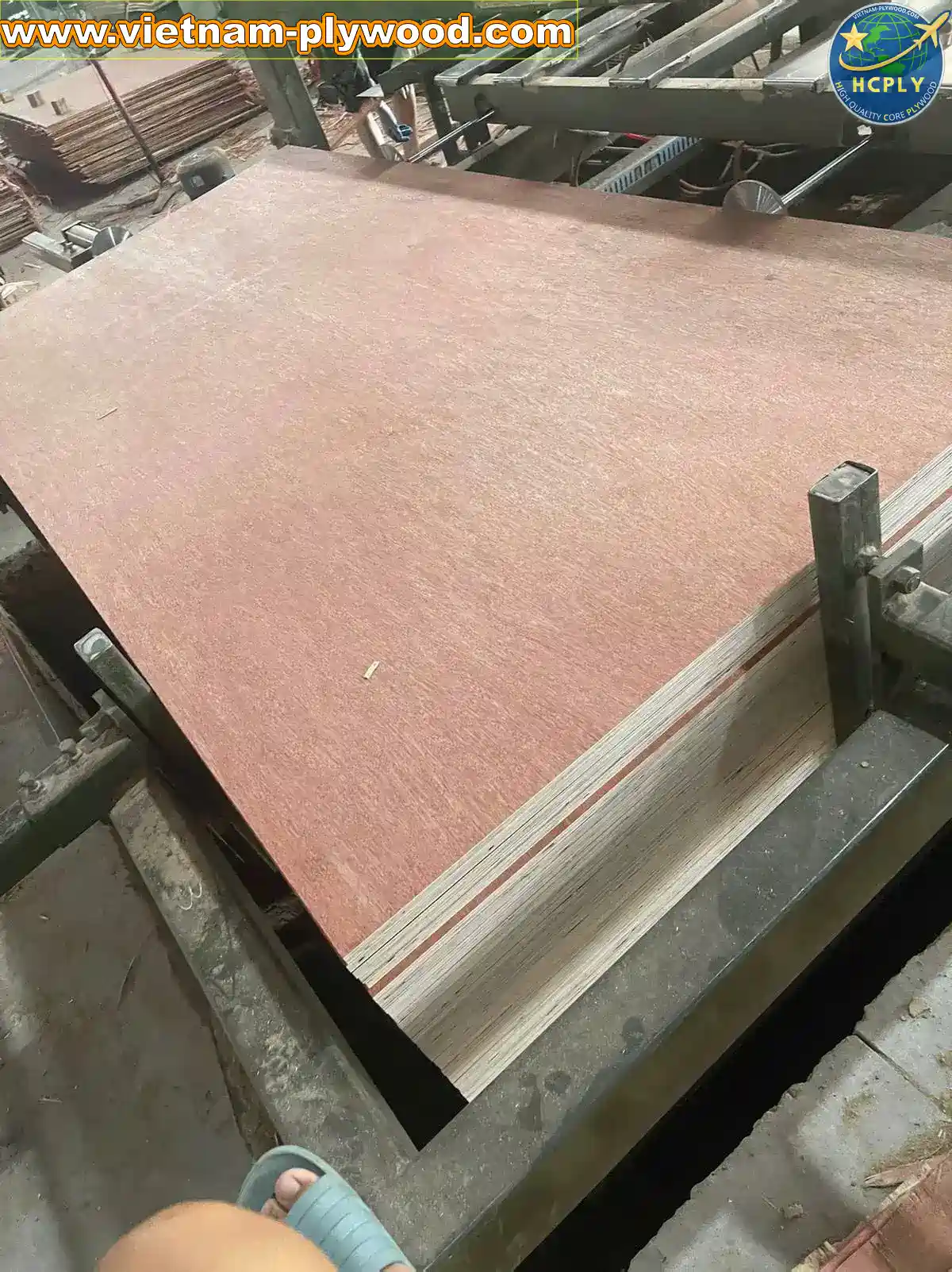
Thickness tolerance is tightly enforced. Korean furniture factories typically specify ±0.2mm calibration on sanded furniture panels, stricter than the Vietnamese standard of ±0.3mm. HCPLY’s production lines achieve ±0.2mm on sanded product categories — confirm this specification explicitly when ordering.
Core construction matters. Korean furniture buyers know the difference between full-stitched styrax core and loose-laid acacia core. Full stitched cores with no gaps command 8–12% price premium but eliminate the delamination complaints that damage long-term relationships.
Get E0-certified plywood samples for the Korean market
📌 Preferred Products for Korea
- Film-faced plywood — dominant in construction sector, AICA film, phenolic WBP, reuse 15+ times
- Birch-faced plywood — premium furniture factories, D/E/F grade, styrax core, E0 emission
- Eucalyptus-faced plywood — heavy-duty commercial applications
- Furniture panels — bintangor, okoume, EV face with E0 certification
🇯🇵 Japan: Strictest Formaldehyde Standard in the World
📌 F4-Star: Japan’s Unique Certification Requirement
Japan operates under a domestic formaldehyde emission system called F☆☆☆☆ (F4-star), defined under JIS A 1460 and administered through the JAS (Japanese Agricultural Standard) framework. The F4-star threshold requires an average value of ≤0.3 mg/L and maximum ≤0.4 mg/L — stricter than Europe’s E0 class (≤0.5 mg/L).
Materials meeting F4-star have no restrictions on indoor application area under Japan’s Indoor Air Quality Law. Lower grades face mandatory use-area limitations. For practical purposes, any plywood intended for Japanese indoor use must achieve F4-star.
⚠️ Important: A Vietnamese supplier claiming “E0” certification does not automatically meet F4-star. F4-star requires testing under JIS A 1460 specifically. Buyers importing to Japan must request JIS A 1460 test reports, not simply E0 documentation.
JAS certification itself — covering bonding durability, veneer grade, and construction — is administered through Registered Overseas Certified Bodies (ROCB) approved by Japan’s MAFF. While not legally mandatory for all imported plywood, JAS certification removes the largest barrier to specification in Japanese construction and interior projects (USDA FAS Japan Wood Import Report, 2019).
📌 Technical Requirements for Japanese Market
Thickness tolerance is where Vietnamese suppliers most commonly fail Japanese quality audits. Japanese buyers specify ±0.1–0.2mm calibration for furniture applications — tighter than standard Vietnamese production. Factories must invest in wide-belt sanding calibration to consistently hit this range.
“Japanese buyers do not renegotiate on thickness tolerance. We learned early that investing in precision calibration equipment was the only path to sustainable Japan supply relationships.” — Lucy, International Sales Manager, HCPLY
Surface quality expectations are higher than any other market. Face veneer must be free of pin knots, repairs, and mineral streaks on visible faces. Sanding must produce a surface ready for direct lacquer application without additional preparation.
Lead time discipline matters as much as product specification. Japanese buyers build production schedules around confirmed delivery windows. A Vietnamese supplier shipping 5 days late — even once — creates production line disruption that ends the relationship.
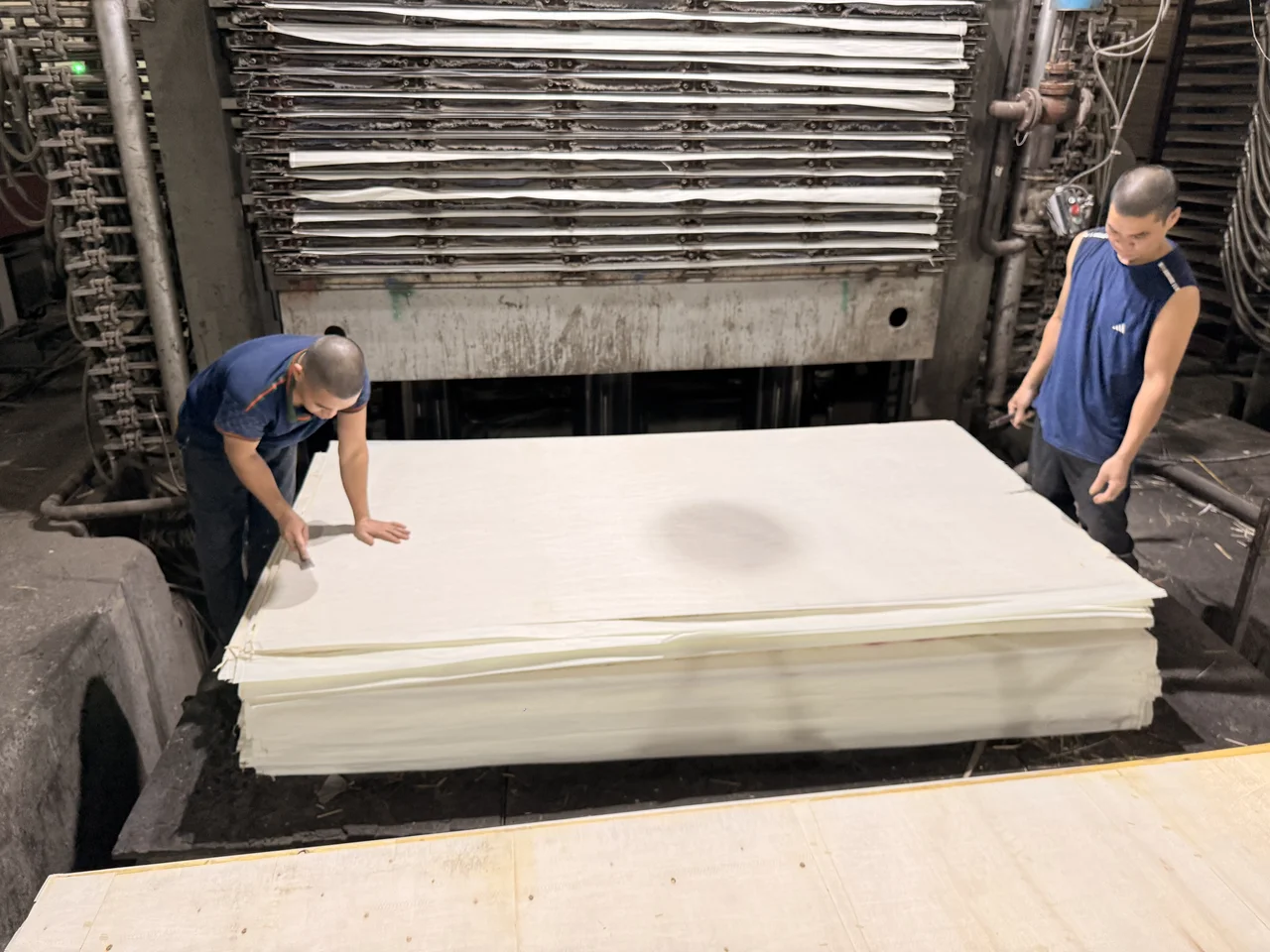
📌 Preferred Products for Japan
- Furniture-grade panels with styrax core — lightweight, pale color, excellent for lamination
- E0/F4-star birch-faced plywood — premium furniture and cabinetry
- EV plywood — consistent engineered veneer, no natural defects, ideal for Japanese quality standards
- Film-faced plywood for construction — phenolic WBP, AICA film grade preferred
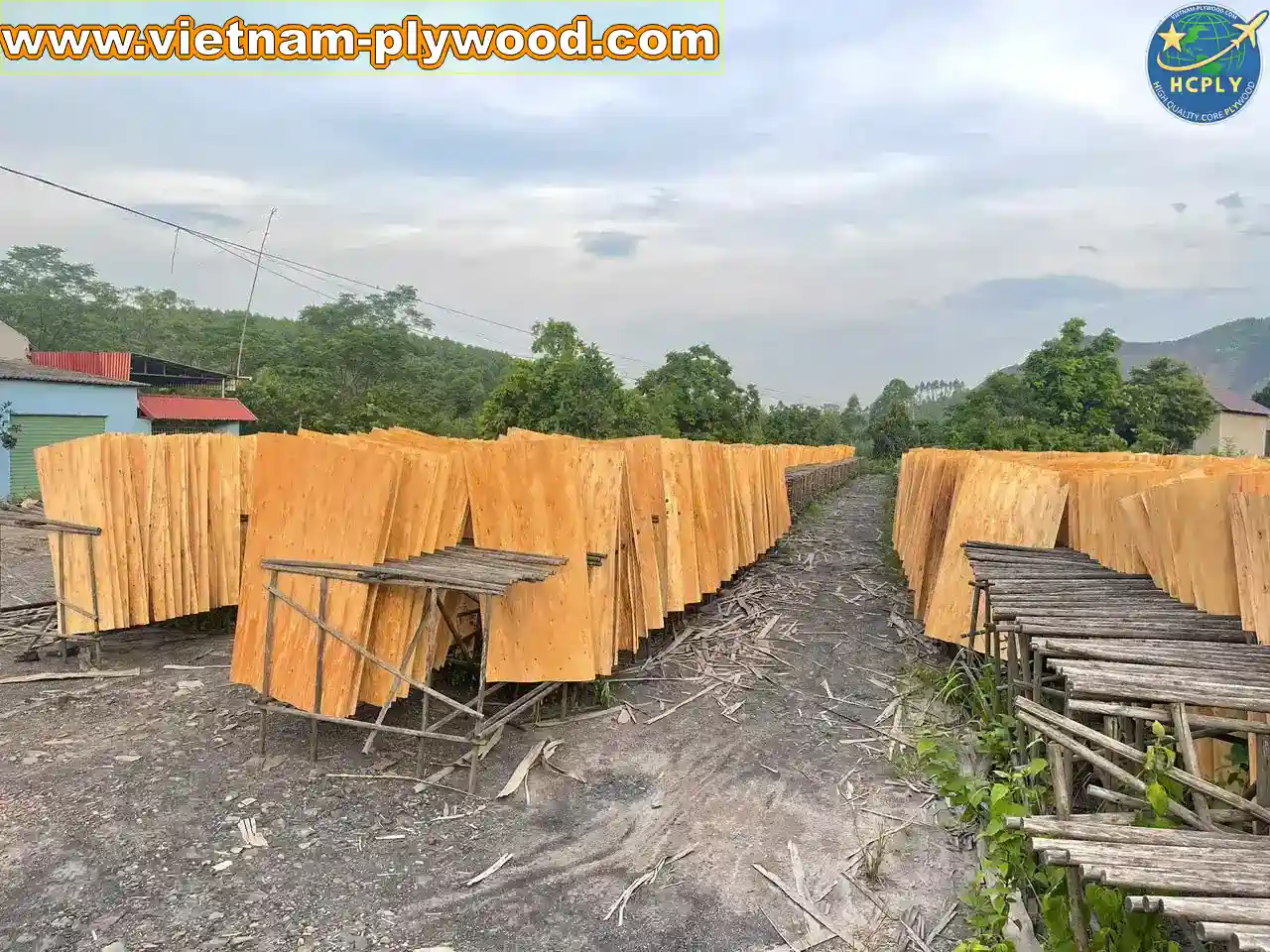
Japan also imports substantial volumes of Vietnamese core veneer for domestic plywood production — a segment that requires consistent moisture content (6–8%) and uniform thickness at 1.2–2.0mm.
🇦🇺 Australia: AS/NZS 2269 and Growing Import Demand
📌 Market Context
Australia’s bilateral trade with Vietnam reached $18.3 billion in 2024 (Cosmo Sourcing, 2024). Plywood imports from Vietnam have grown steadily as Australian construction activity expanded and as domestic timber production declined. The Australia-ASEAN-New Zealand FTA (AANZFTA) eliminates most import duties on Vietnamese plywood that meets Rules of Origin requirements.
Australia imported 1.3 million m³ of plywood in recent trade years, drawing from Vietnam, Indonesia, Chile, and domestic production (IndexBox, 2024). Vietnamese suppliers compete primarily on price-to-specification ratio and certification package.
AS/NZS 2269: Structural Plywood Standard
AS/NZS 2269 governs structural plywood in Australia and New Zealand. The standard specifies veneer bond quality (Type A bond — equivalent to WBP phenolic), veneer grade combinations, dimensional tolerances, and structural performance by stress grade (F7, F11, F14, F17, F22).
Key points for Vietnamese suppliers:
- Bond type must be Type A (phenolic WBP) for structural plywood
- Veneer grades are expressed as face/back combinations (e.g., A/B, C/D)
- AS/NZS 2269 stress grades require third-party testing — a factory claiming F11 without test reports will not satisfy Australian building certifiers
Plywood is exempt from ISPM 15 phytosanitary treatment because it qualifies as a processed wood product manufactured with heat and pressure (DAFF Australia). This simplifies documentation significantly compared to sawn timber.
Certification and Biosecurity Documentation
Australian importers must satisfy the BICON (Biosecurity Import Conditions) system requirements for each product type. For plywood:
- A manufacturer’s declaration that the product is plywood (processed, not raw timber)
- Phytosanitary certificate from Vietnam’s Plant Protection Department (confirming pest-free status)
- FSC chain-of-custody certificate is not legally required but increasingly demanded by Australian specifiers and major timber merchants
“Australian buyers ask about FSC more than any other market except Europe. It is not mandated, but large commercial buyers — particularly government project chains — now include FSC in their procurement specifications.” — Lucy, International Sales Manager, HCPLY
HCPLY holds FSC certification across all three production facilities — covering furniture, commercial, and film-faced plywood segments. View HCPLY’s full certification list.
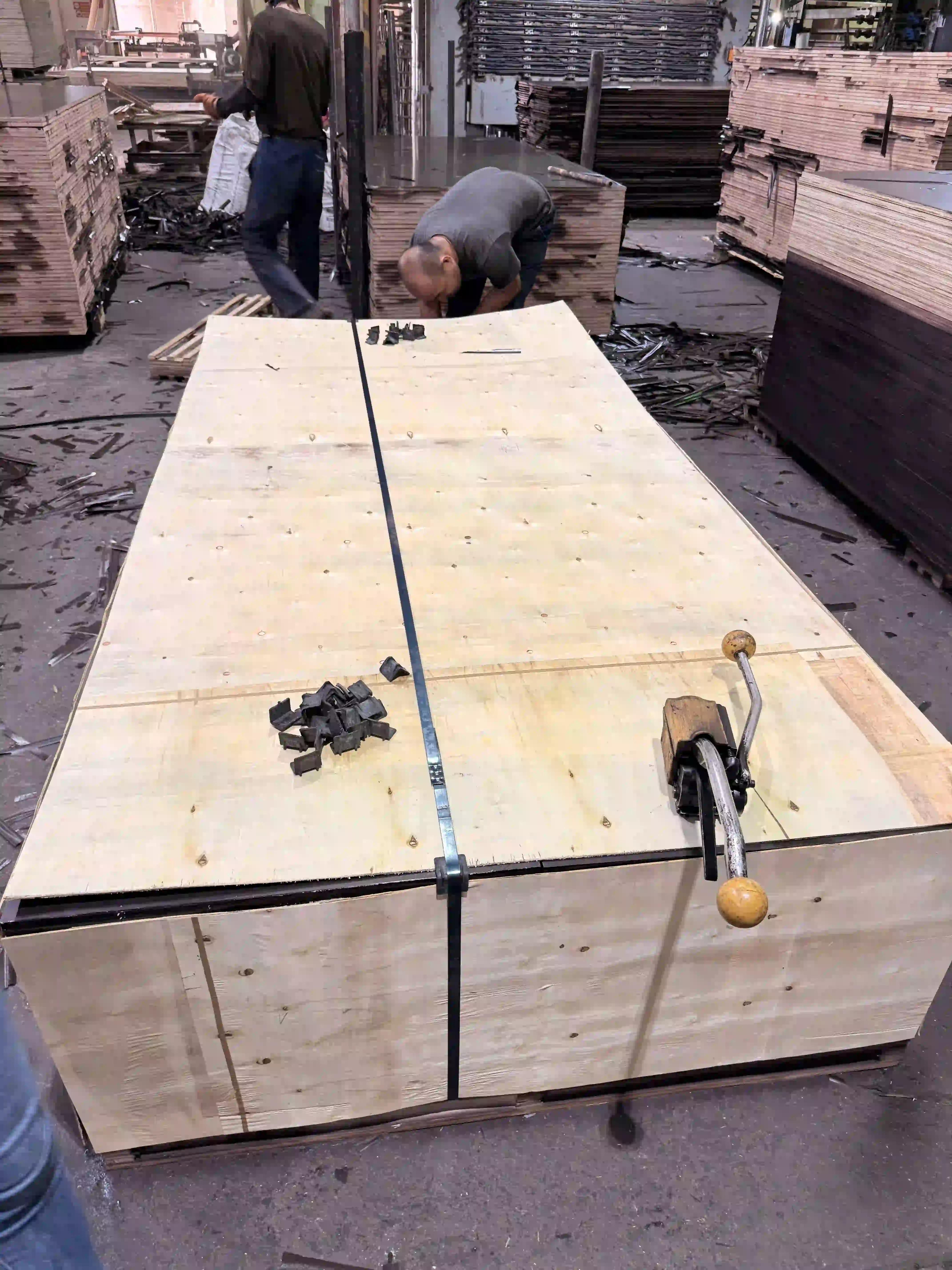
Preferred Products for Australia
- Structural plywood (AS/NZS 2269 Type A bond) — F11/F14 stress grades for flooring and roofing substrate
- Film-faced formwork plywood — major infrastructure projects in Sydney, Melbourne, Brisbane
- Pine-faced plywood — popular for interior fitout and furniture in residential construction
- Eucalyptus-faced plywood — eucalyptus plywood for heavy-duty flooring substrate and industrial applications
📋 Market Comparison: Korea vs Japan vs Australia
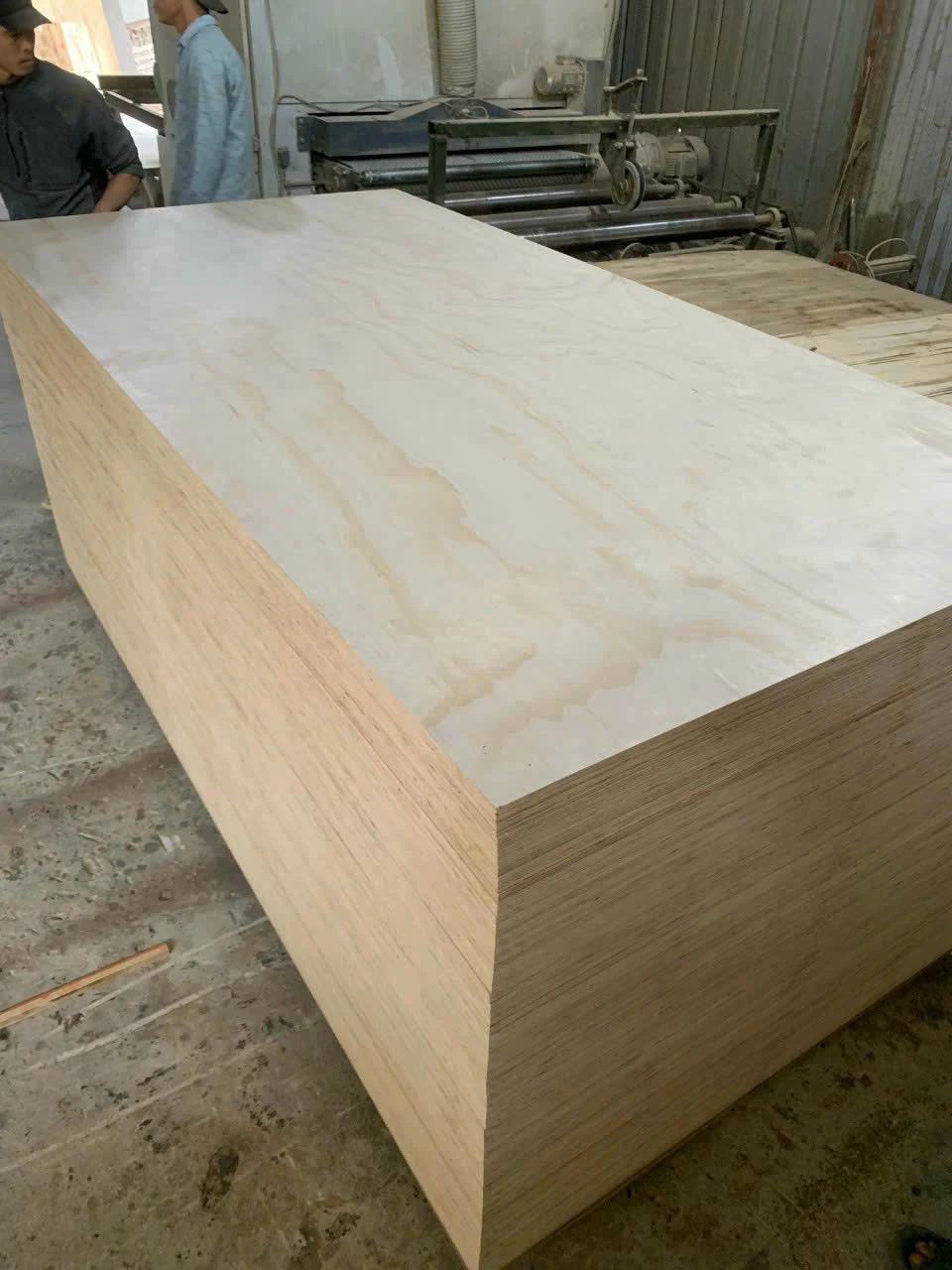
The table below summarizes the critical differences for buyers managing plywood export to Korea, Japan, and Australia from a single supplier.
| Criteria | South Korea | Japan | Australia |
|---|---|---|---|
| Key emission standard | E0 (≤0.5 mg/L) | F4-star (≤0.3 mg/L average) | No national standard (E0 preferred) |
| Thickness tolerance | ±0.2mm (furniture) | ±0.1–0.2mm | ±0.3mm (structural) |
| Structural standard | KS F 3101 | JAS / JIS | AS/NZS 2269 |
| FSC requirement | Optional | Optional | Strongly preferred |
| Anti-dumping on China | Yes — shifted to Vietnam | Indirect pressure | Historical duties |
| MOQ per shipment | 1 × 40HC | 1 × 40HC | 1 × 40HC |
| Lead time sensitivity | Medium | Very high | Medium |
🔧 How to Qualify as a Certified Supplier for These Markets
Documentation Package
Each market requires a minimum documentation set that must be available before shipment, not assembled afterward:
- Emission test report — JIS A 1460 for Japan (F4-star), KS or ISO standard for Korea, E0 report for Australia
- FSC Certificate — chain-of-custody number, valid expiry
- CARB P2 Certificate — optional for Korea/Japan/Australia but adds credibility for furniture applications
- Manufacturer’s Mill Certificate — product species, glue type, construction, thickness
- Phytosanitary Certificate — issued by Vietnam Plant Protection Department per shipment
- CO (Certificate of Origin) — Form AJ (ASEAN-Japan), Form AK (ASEAN-Korea), Form AANZ (AANZFTA)
HCPLY prepares the full documentation package for each shipment. For Australia under AANZFTA, the Form AANZ Certificate of Origin enables 0% import duty on qualifying plywood specifications.
Container Optimization for These Routes
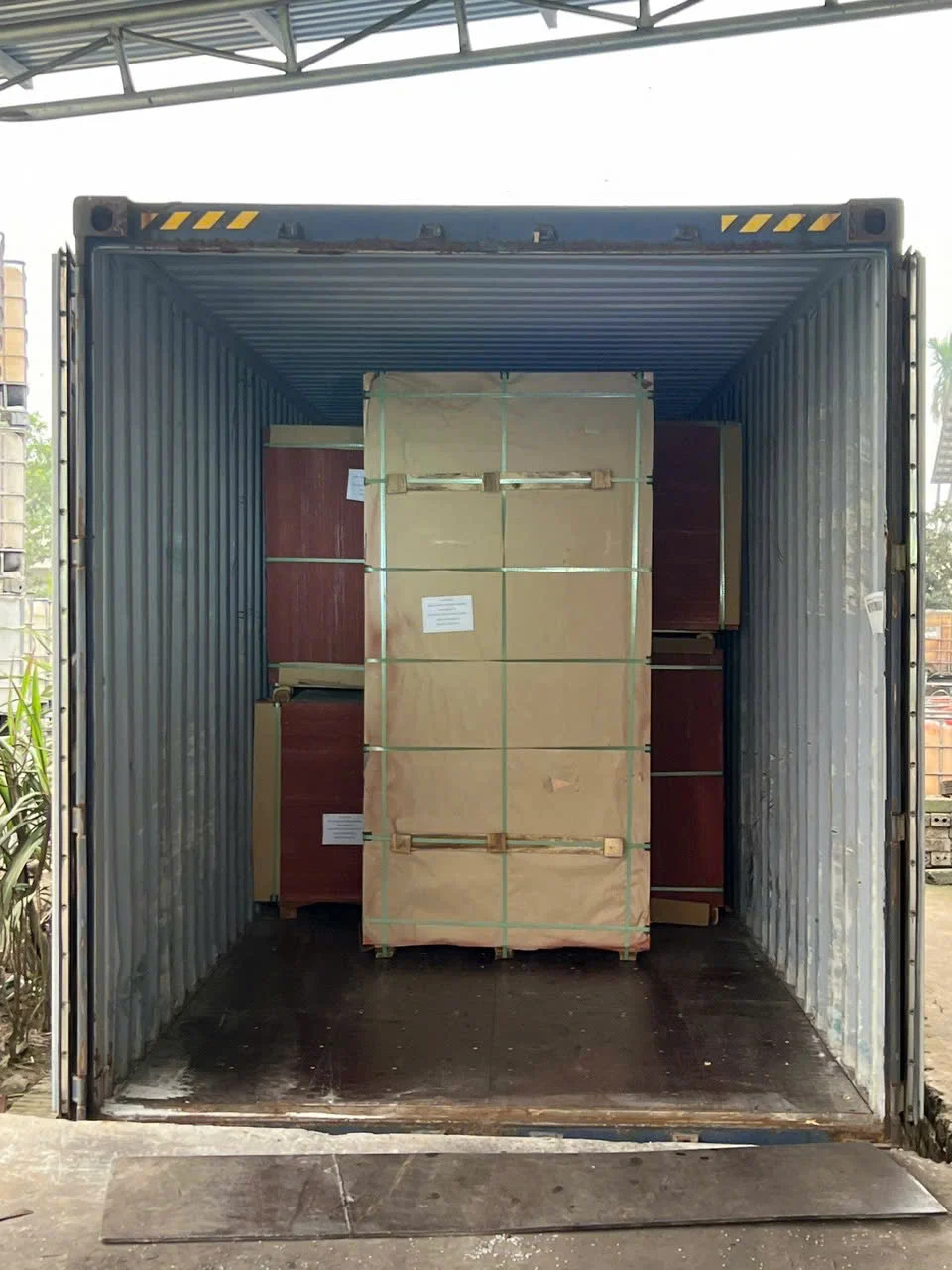
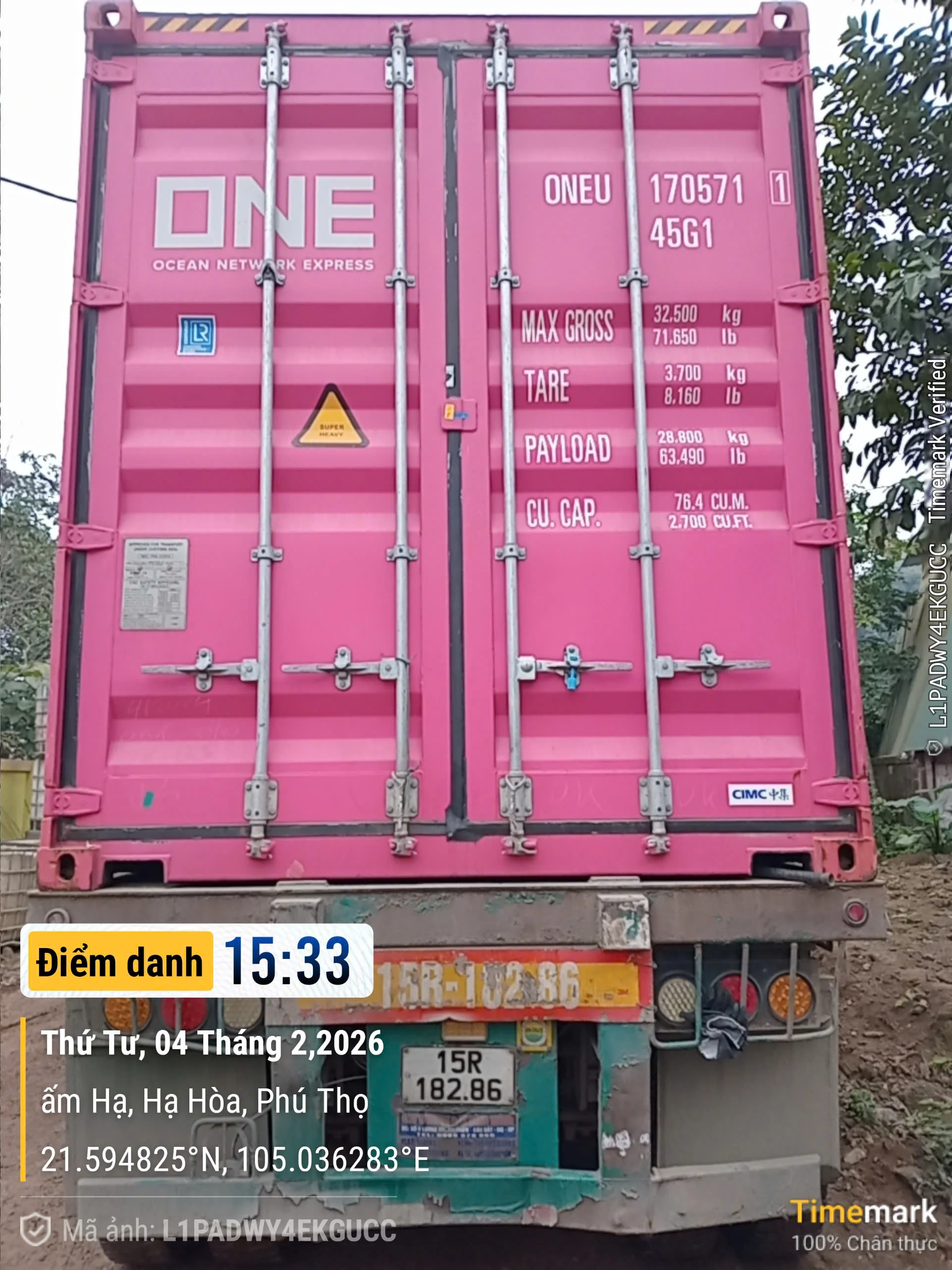
Understanding container packing efficiency affects the landed cost calculation. For a 40HC container to Busan, Yokohama, or Melbourne:
- Styrax core panels (480–500 kg/m³): 18 pallets, ~53 CBM, ~26.5 MT — maximum volume efficiency
- Acacia core panels (580 kg/m³): 16 pallets, ~47.5 CBM, ~27.5 MT
- Eucalyptus core panels (650–750 kg/m³): 15 pallets, ~44.5 CBM, ~28 MT
For detailed 40HC packing tables by thickness and core species, see the plywood container packing calculation guide.
✅ Choosing the Right Supplier for Korea, Japan, and Australia
Not every Vietnamese plywood factory is qualified to serve these three markets. Buyers should verify:
- Emission certification scope — does the supplier hold F4-star test reports (Japan), not just E0?
- Sanding calibration precision — can they consistently achieve ±0.2mm or better?
- Full-stitched core production — or are they shipping loose-laid cores to premium-market prices?
- FSC chain-of-custody — certificate number, valid period, species coverage
- Export documentation readiness — CO, Phyto, Mill Cert available within 3 days of shipment booking
HCPLY manages 3 specialized production facilities in Northern Vietnam — covering premium furniture, commercial/packaging, and high-grade film-faced segments. Each facility targets specific market requirements rather than trying to satisfy all segments from one production line. This specialization is why HCPLY products consistently meet Korean E0, Japanese F4-star equivalent, and Australian AS/NZS 2269 Type A bond requirements.
Request a certified quote for your Korea, Japan, or Australia shipment — include your target market, thickness range, and certification requirements. HCPLY will prepare a compliant offer within 24 hours.
📌 Key Takeaways
- Korea is the volume leader: $889M in 2024, E0 mandatory for furniture, anti-dumping tariffs vary by supplier
- Japan sets the highest formaldehyde bar: F4-star (JIS A 1460), not simply E0, is required for interior use
- Australia uses AS/NZS 2269 for structural plywood, FSC increasingly mandatory for commercial projects, plywood is ISPM 15 exempt
- All three markets benefit from Vietnam-ASEAN FTA tariff concessions — verify your supplier’s Form AJ/AK/AANZ eligibility
- Thickness calibration precision separates qualified suppliers from disqualified ones in Japan and Korea
As of 2026, Vietnam holds its position as the dominant Asian plywood supplier to all three markets. Buyers who lock in certified, factory-direct supply relationships now gain supply chain resilience as demand from all three economies continues to grow.
View HCPLY’s full product range and certifications or contact the export team directly for a market-specific consultation.