Anti-Slip Plywood: Construction and Surface Technology
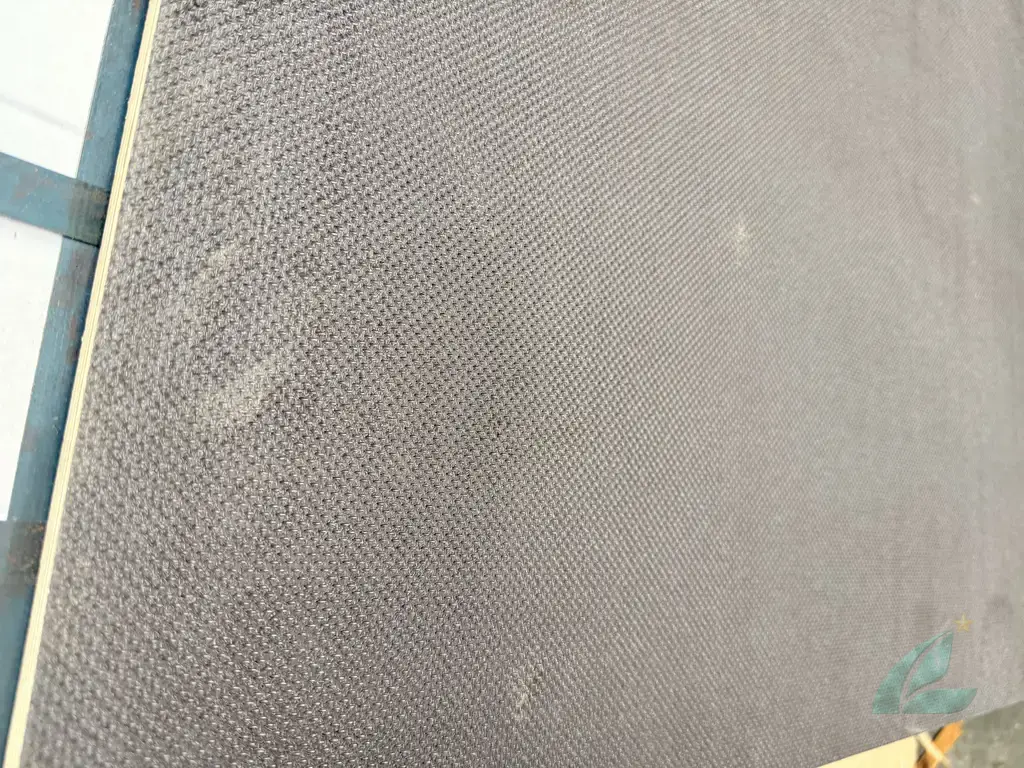
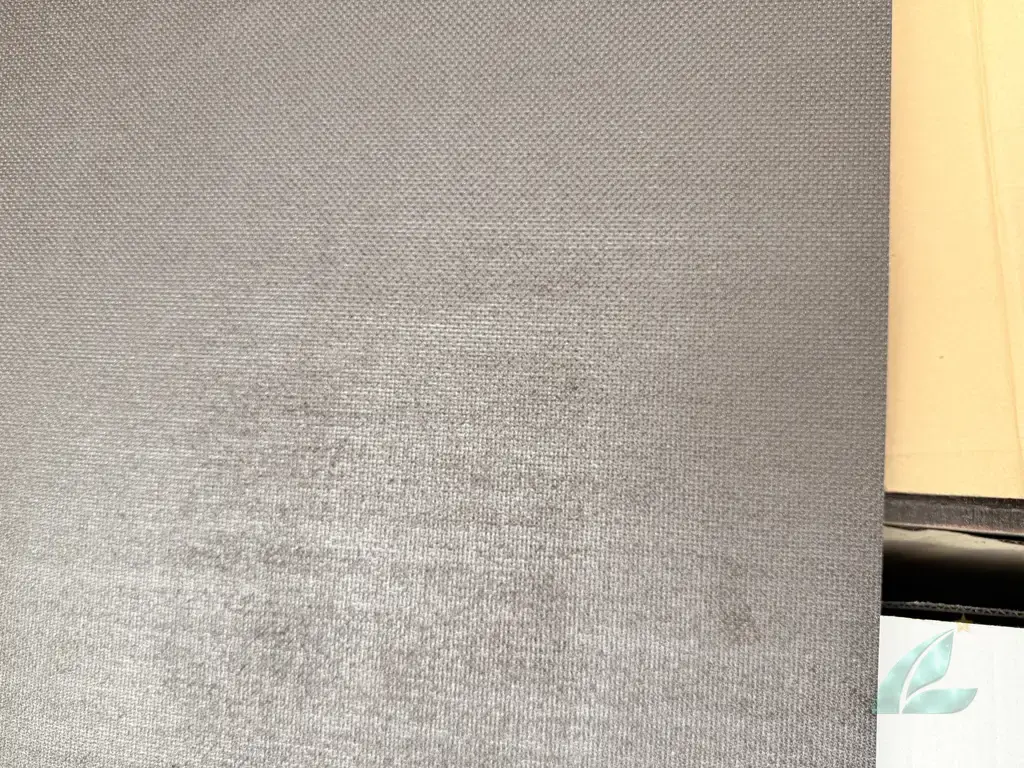
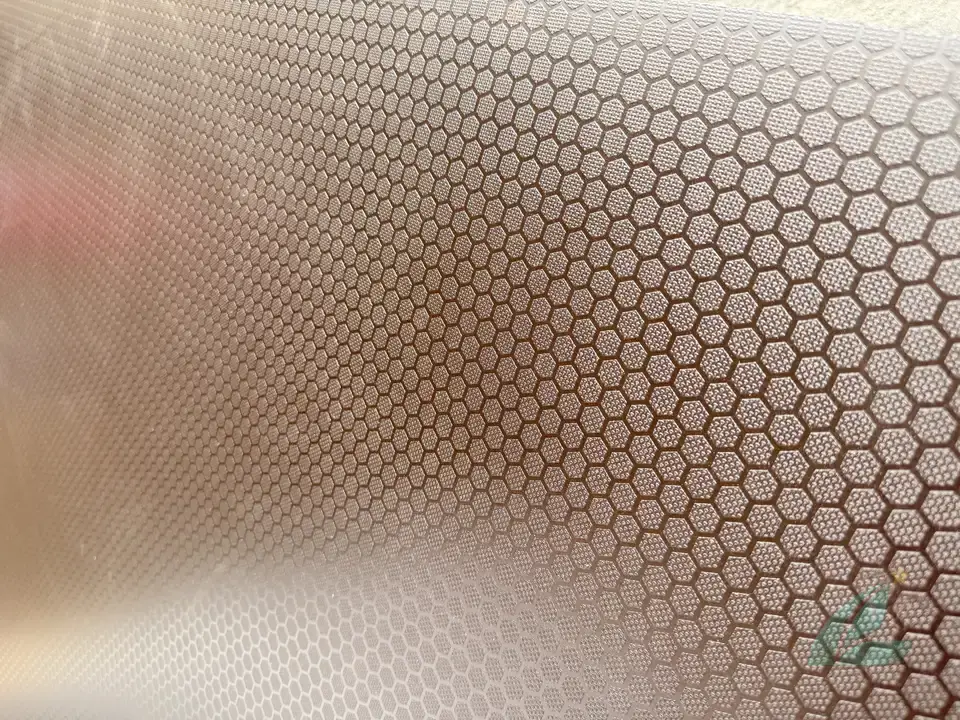
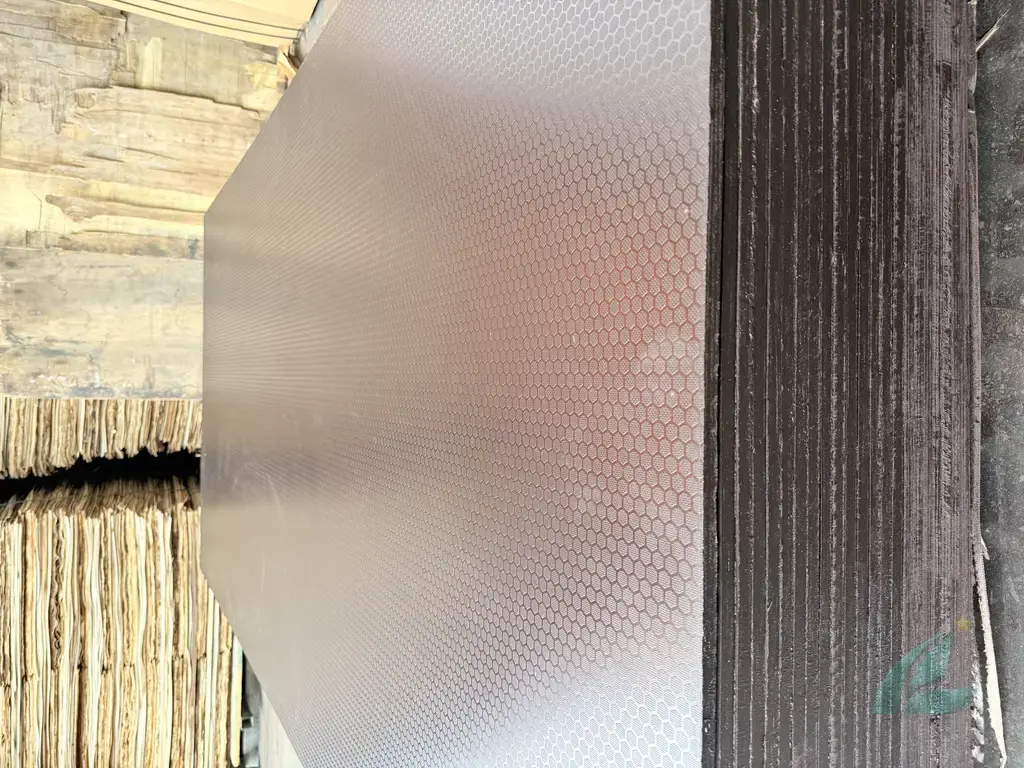
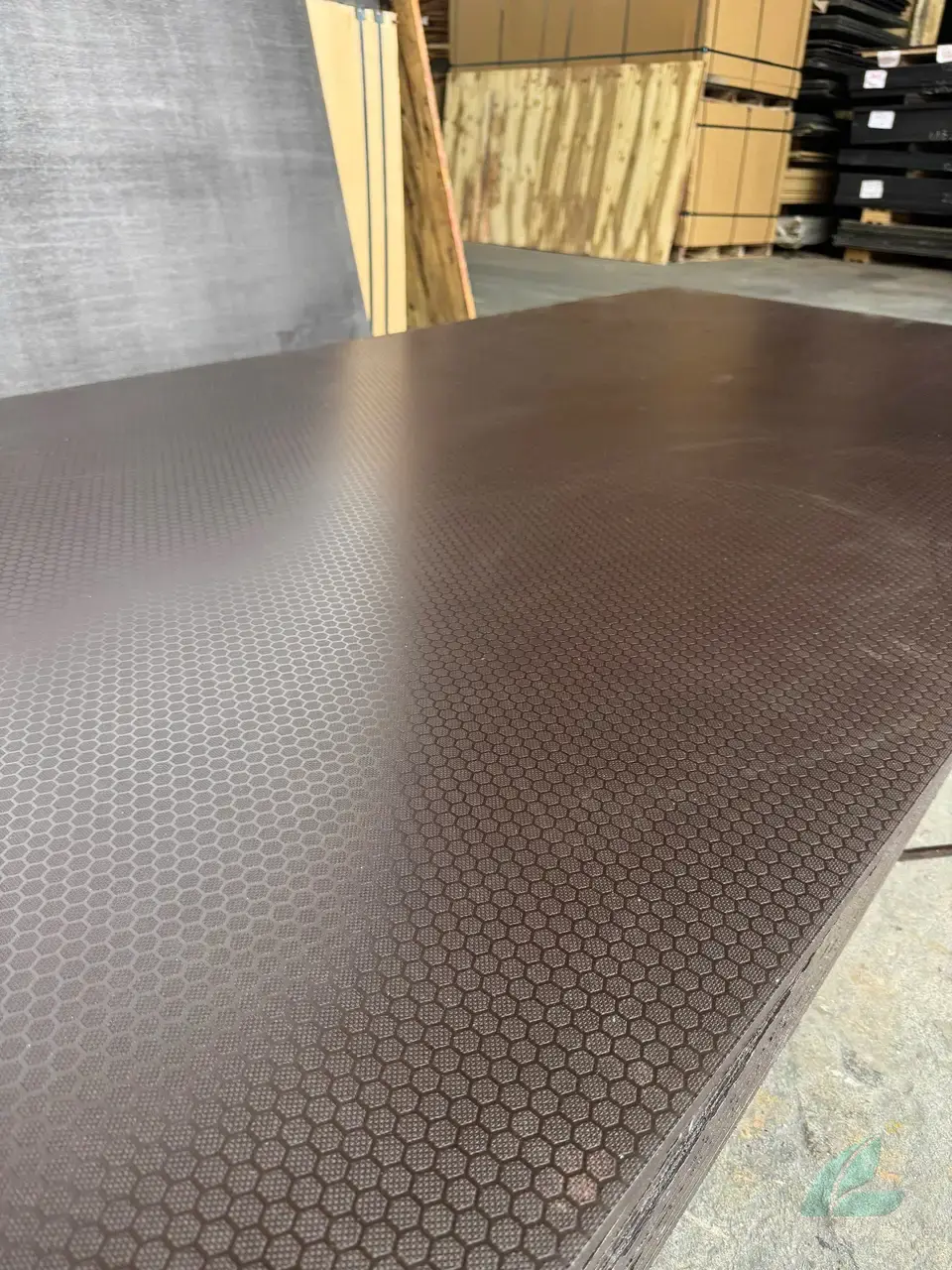
Anti-slip plywood is a specialized variant of film faced plywood in which the phenolic film surface is embossed with a raised hexagonal or wire-mesh pattern before being hot-pressed onto the plywood core. The result is a panel that combines the waterproof durability of WBP-bonded film faced plywood with a textured surface that provides measurable traction under wet, oily, or contaminated conditions.
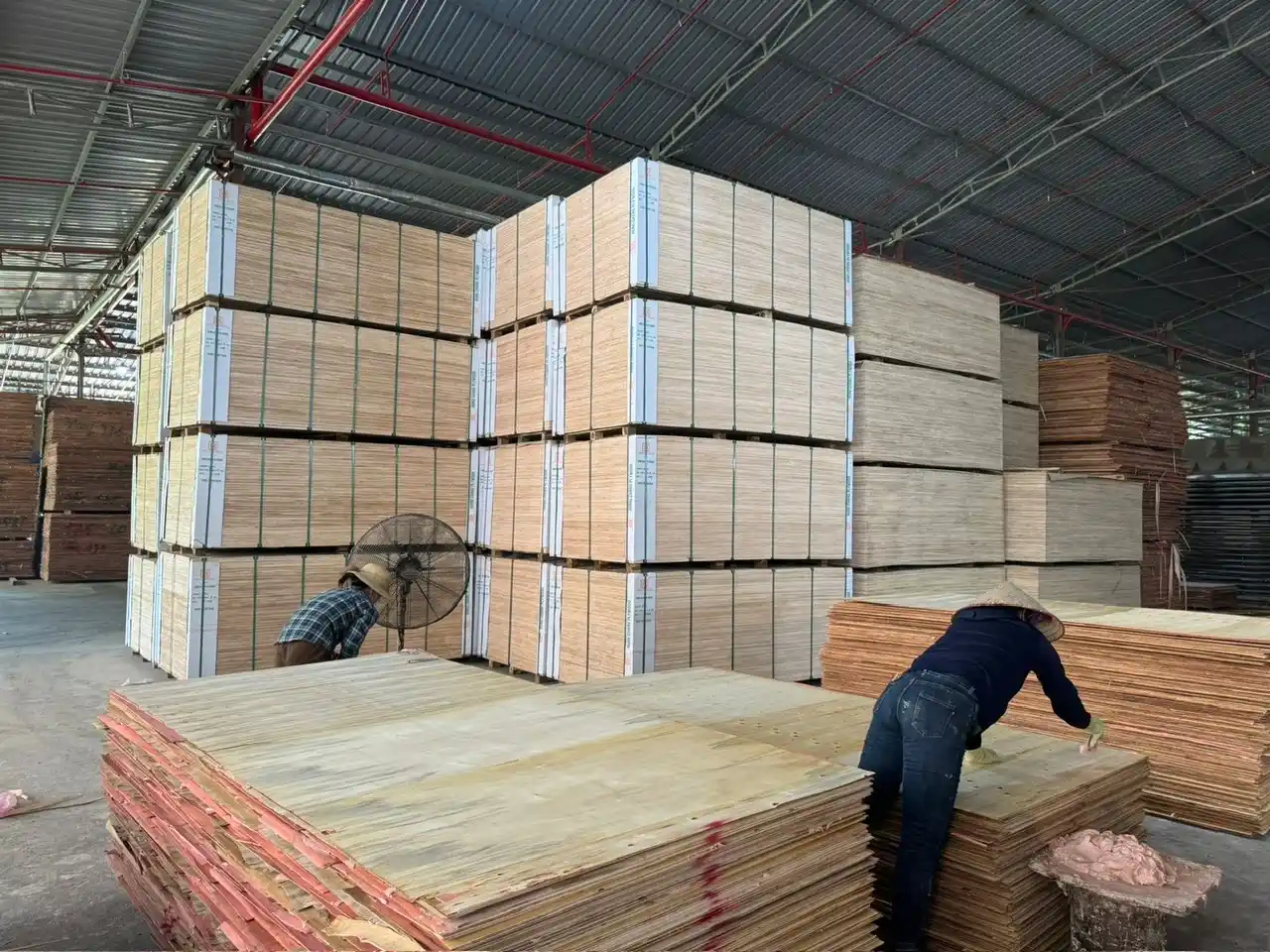
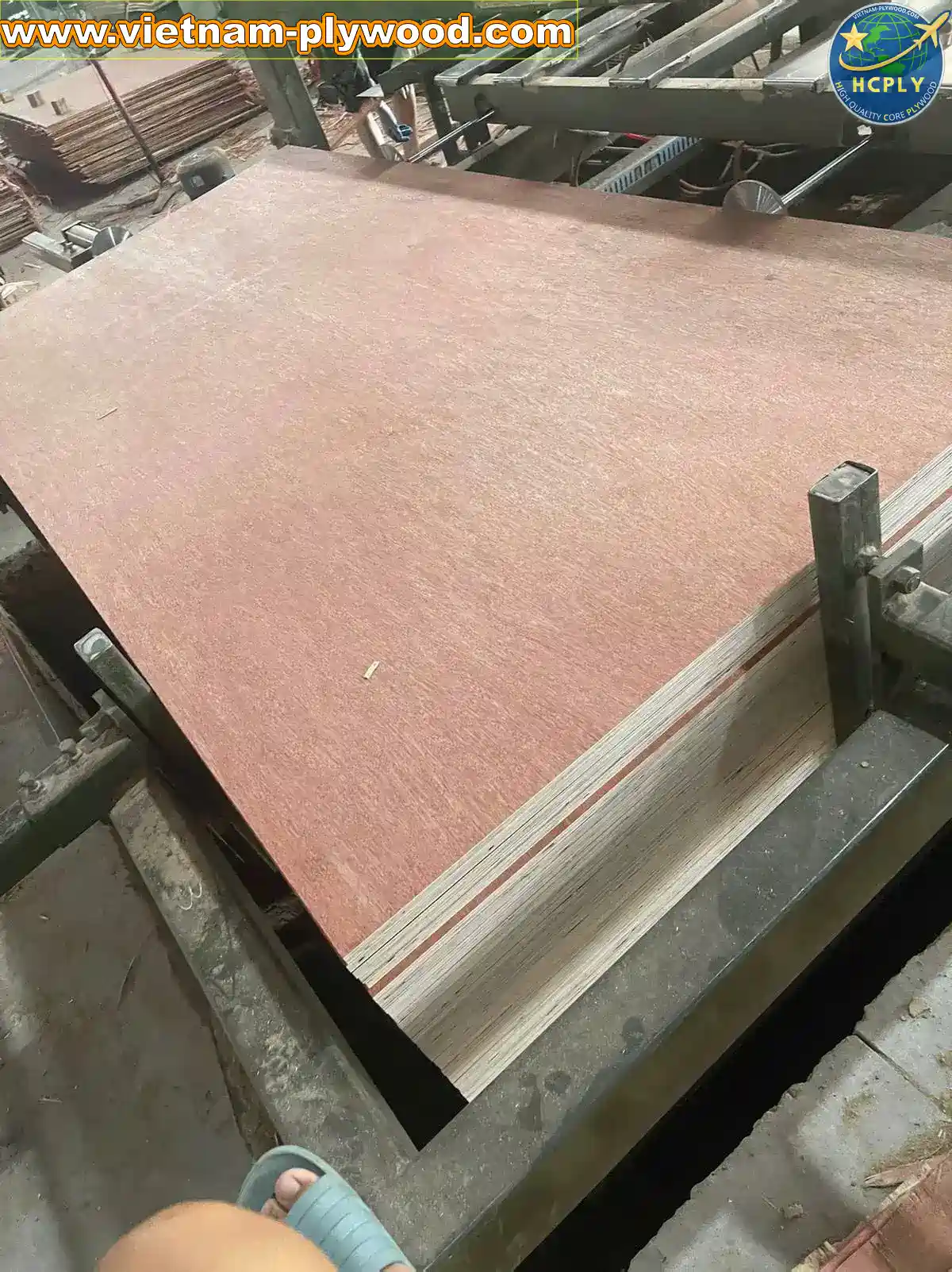
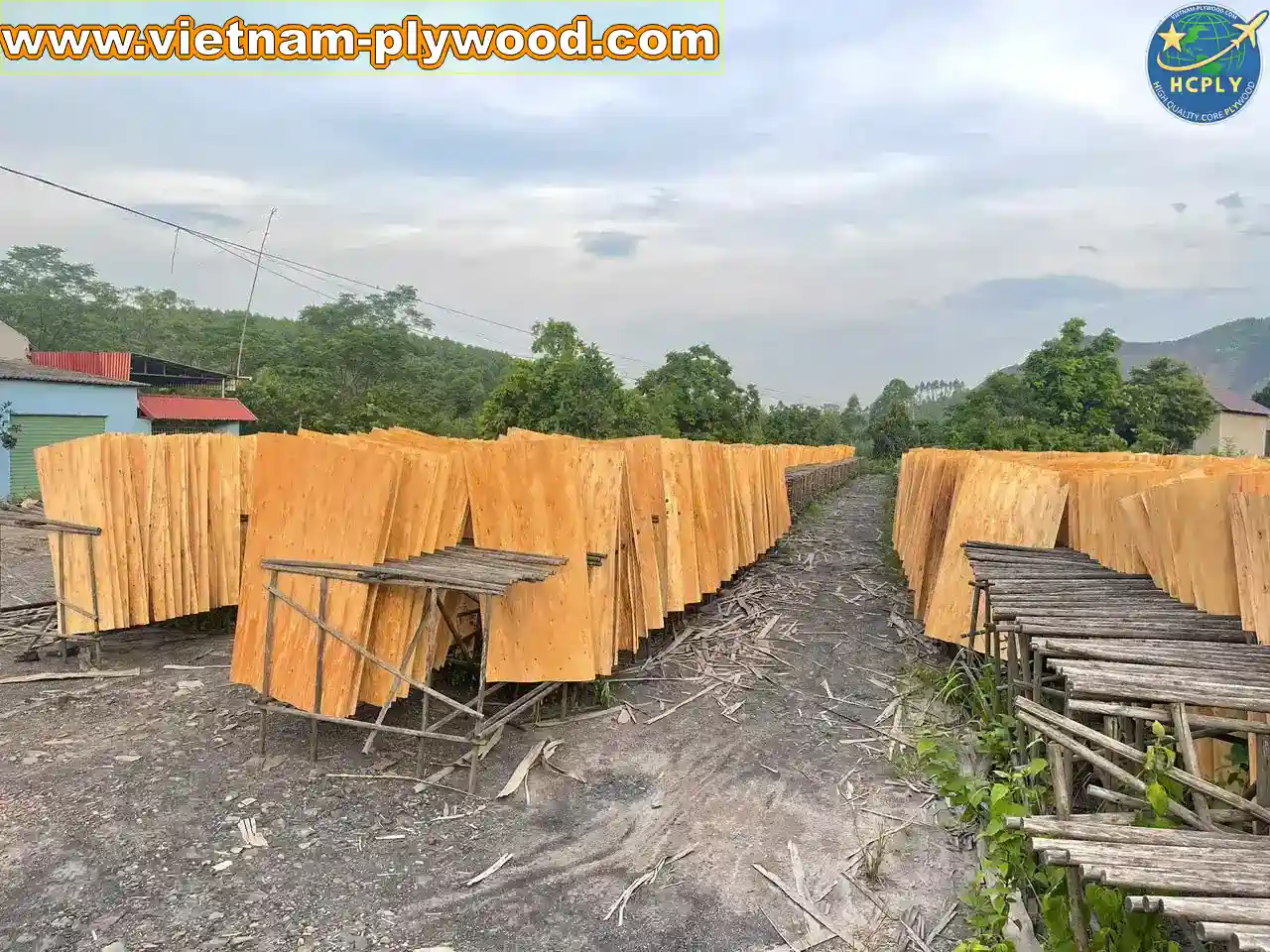
The core construction of anti-slip plywood from HCPLY Vietnam is identical to standard film faced plywood: acacia (~580 kg/m³) or eucalyptus (650–750 kg/m³) core veneer, kiln-dried to ≤12% moisture content, bonded with WBP phenolic adhesive throughout all core-to-core and face-to-core bond lines. The panels are unsanded — the anti-slip film overlay serves as the functional surface and does not require a sanded substrate. Sanding is reserved for furniture-grade plywood where the substrate itself is the final surface; in anti-slip plywood, the embossed film is the designed product surface.
The hexagonal mesh pattern on the film creates a network of raised edges across the panel face. These raised edges bite into shoe soles, cargo packaging, and vehicle load surfaces to resist sliding. In truck and trailer flooring applications — the most common use globally — the pattern prevents cargo pallets and loose loads from shifting during transit, reducing damage claims and improving road safety. On construction scaffolding, the same pattern provides critical grip for workers in boots, especially in rain or humid conditions typical of tropical construction sites.
Back surface treatment varies by order: some buyers specify a smooth film back (standard film faced, for mounting to structural framing), while others request an anti-slip surface on both sides for reversible use in container flooring and event staging applications. HCPLY accommodates both configurations.