


If you import plywood from Vietnam into the United States, 2026 is a year you cannot afford to misread. A cascading sequence of US trade enforcement actions — a petition filed in May 2025, a preliminary injury determination in July, a CVD affirmative determination in January 2026, and a final ruling expected in May — has placed the entire Vietnam hardwood plywood trade in a state of regulatory uncertainty. Whether your shipments are already on the water or you are planning procurement for Q3 2026, the decisions you make in the next 90 days could determine whether your landed cost per container rises by 10% or by 150%.
This guide explains the anti-dumping plywood Vietnam investigation in plain English. No trade law jargon. No vague disclaimers that leave you more confused than when you started. We cover exactly what is under investigation, what the preliminary determinations mean in practice, which products are in scope and which are excluded, and — critically — what the 2023 circumvention ruling means for every buyer who sources Vietnam plywood for US import today.
“Every US buyer we work with in 2026 is asking about the anti-dumping plywood Vietnam investigation. Our answer is always the same: verify your supplier’s sourcing first. Documented supply chains using Vietnamese domestic wood are in a fundamentally different position than factories sourcing Chinese inputs.” — Ms. Lucy Pham, International Sales Manager, HCPLY
⚠️ Important: This article is educational content providing general information about publicly available US trade proceedings. It is current as of February 24, 2026. Trade law is complex and fact-specific — consult a licensed trade compliance attorney or customs broker for binding advice on your specific shipments.
📊 The 2026 US Investigation: What’s Actually Happening
The US Department of Commerce and the US International Trade Commission (USITC) are conducting parallel investigations into allegedly unfair trade practices in the hardwood and decorative plywood industry. The proceedings target imports from three countries simultaneously: Vietnam, China, and Indonesia.
The petition was filed on May 22, 2025 by a coalition of five US domestic plywood manufacturers: Columbia Forest Products, Commonwealth Plywood, Manthei Wood Products, States Industries, and Timber Products Company. These companies collectively represent a substantial share of US hardwood plywood production. Their core argument: Vietnamese and Indonesian plywood is being sold in the US at below-market prices (dumping), and Vietnamese exporters receive government subsidies that further distort pricing (countervailable subsidies). The combination, they allege, is causing material injury to the US domestic plywood industry.
This is not a new phenomenon. China has faced hardwood plywood AD/CVD duties since 2013. The current investigation represents the domestic industry’s attempt to close a trade diversion gap — where production shifted from China to Vietnam and Indonesia to circumvent those existing Chinese duties.
Three enforcement mechanisms are in play:
- Anti-Dumping (AD): Targeting below-fair-value sales from Vietnam and Indonesia
- Countervailing Duties (CVD): Targeting government subsidies to Vietnamese exporters
- Circumvention: Targeting Vietnamese processing of Chinese-origin inputs (already adjudicated — 2023 ruling)
The ITC made its preliminary affirmative injury determination on July 7, 2025 — meaning the commission found reasonable indication that the US domestic industry is materially injured or threatened with material injury. This cleared the way for Commerce to proceed with its own investigations.
Commerce issued its CVD preliminary affirmative determination on January 22, 2026, finding that Vietnamese exporters receive countervailable subsidies above the de minimis threshold. The AD preliminary determination and the final CVD determination are both expected in May 2026.
⚖️ AD vs CVD — What’s the Difference?
US trade law provides two separate but complementary tools to address unfair imports. Understanding the difference matters because they have different calculation methods, different timelines, and different legal remedies.
📌 Anti-Dumping (AD)
Anti-dumping law (Title VII of the Tariff Act of 1930) addresses sales of imported merchandise at less than fair value — commonly understood as selling below the price charged in the home market or below cost of production.
Commerce calculates a “dumping margin” for each investigated exporter by comparing US sale prices to the exporter’s home market price or constructed value. Exporters with margins above the de minimis threshold (2% for most countries) face AD duties equal to that margin.
For Vietnam, the petition alleged AD dumping margins of 112.33% to 133.72%. These are the petitioner’s calculated margins — Commerce will conduct its own verification during the investigation. Final margins could differ significantly from preliminary or alleged figures.
📌 Countervailing Duties (CVD)
CVD law addresses government subsidies — financial contributions by a foreign government that confer a benefit and are specific to an industry or enterprise. Subsidies can include: below-market loans from state banks, grants, preferential tax treatment, land provided below market value, and government equity infusions.
Commerce alleged 26 subsidy programs applicable to Vietnamese plywood exporters. The January 22, 2026 preliminary determination confirmed that subsidies above de minimis were found. The subsidy rate will be refined in the final determination (expected May 2026).
Why both matter: AD and CVD duties are cumulative. A product facing both AD and CVD duties pays both rates, stacked on top of normal MFN customs duties. For reference, Chinese hardwood plywood faces combined AD + CVD duties exceeding 200% — which is precisely why production shifted to Vietnam in the first place, and why the current investigation was filed.
| Measure | Targets | Calculation | Current Status (Feb 2026) |
|---|---|---|---|
| AD | Below-fair-value sales | Export price vs. normal value | Preliminary expected May 2026 |
| CVD | Government subsidies | Net subsidy rate | Preliminary affirmative Jan 22, 2026 |
| Circumvention | Chinese inputs assembled in VN | Origin determination | Final ruling 2023 — active enforcement |
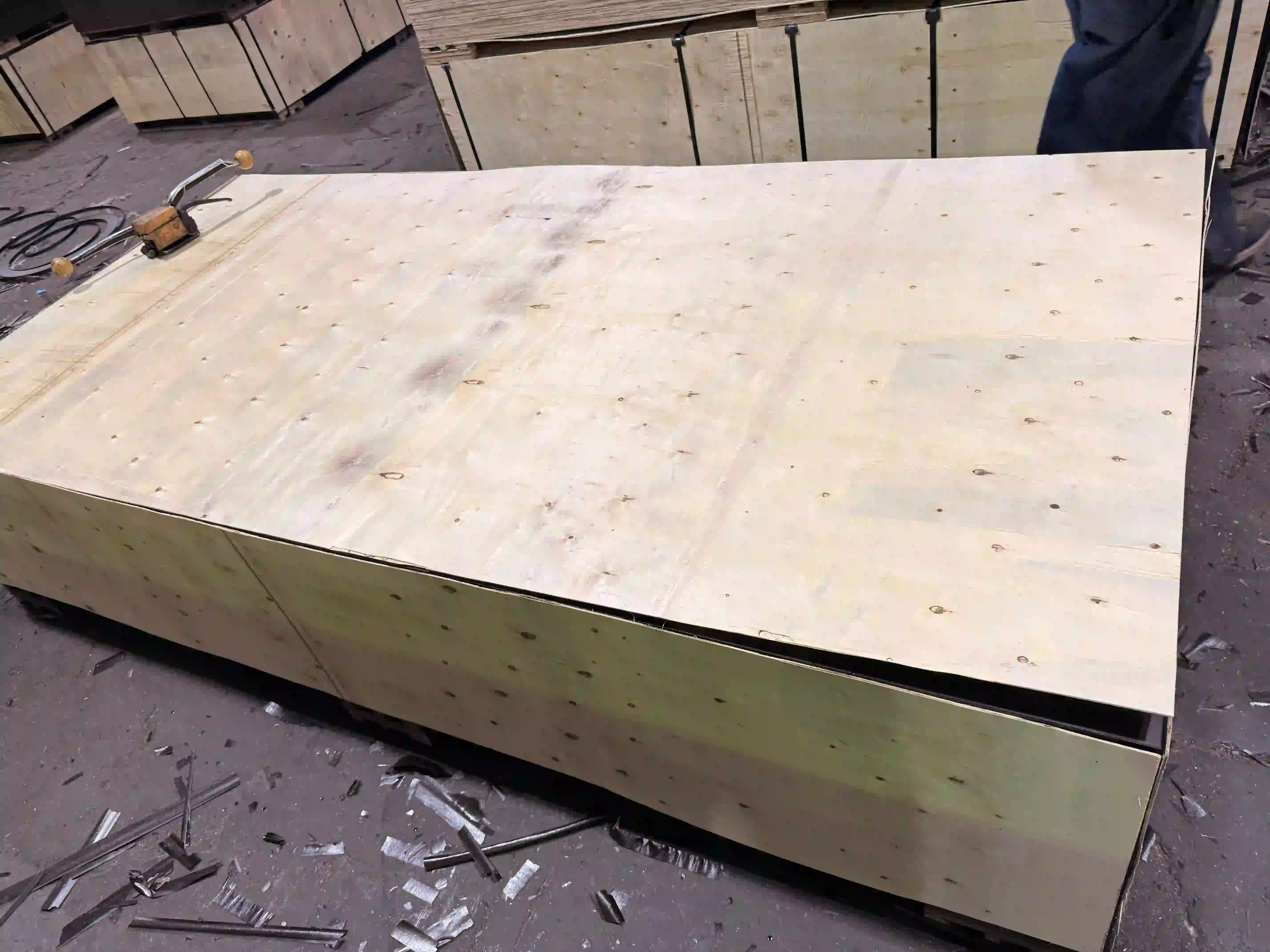
US buyer? Request HCPLY’s supply chain verification package — sourcing declarations, plantation records, FSC certificate, and no-Chinese-inputs confirmation. Contact us for documents within 5 business days.
📋 Investigation Timeline: Key Dates for 2026
Understanding where we are in the process is essential for procurement planning. AD/CVD investigations follow a legally mandated timeline with specific deadlines.
| Date | Event | Significance |
|---|---|---|
| May 22, 2025 | Petition filed by coalition | Triggered 20-day ITC initiation review |
| June 12, 2025 | Commerce initiated investigations | Official start — 65-day ITC preliminary deadline |
| July 7, 2025 | ITC preliminary determination: AFFIRMATIVE | ITC found reasonable indication of material injury. Commerce proceeds. |
| October 2025 | Commerce CVD questionnaires due | Mandatory respondents submit detailed subsidy data |
| January 22, 2026 | CVD preliminary determination: AFFIRMATIVE | Preliminary cash deposit rates ordered for covered imports |
| ~May 11–12, 2026 | CVD final determination (estimated) | Final CVD duty rates set. Critical deadline for contracts. |
| ~May–June 2026 | AD preliminary determination (estimated) | First Commerce figure on dumping margins |
| ~September 2026 | AD final determination (estimated) | Final AD duty rates determined |
| ~October 2026 | ITC final injury determination | If affirmative: AD/CVD orders issued. Duties become permanent. |
💡 What Preliminary Means vs Final
Preliminary determinations are legally significant but not the end of the road. Here is what each stage means in practice:
Preliminary CVD (January 22, 2026): Importers of covered Vietnamese plywood must now post cash deposits (or bonds) equal to the preliminary CVD rate at the time of entry. If the final rate is lower, importers get refunds. If higher, they pay the difference. This cash deposit requirement is in effect NOW.
Final determination (May 2026): The actual permanent duty rate. Importers who posted deposits between the preliminary and final dates will have their entries liquidated at the final rate. If rates go up, additional duties are owed. The gap between preliminary and final rates is a real financial exposure.
ITC final injury determination: Even if Commerce finds dumping and subsidies, the ITC must independently find material injury. If the ITC finds no injury (rare but possible), no orders are issued. Given the July 2025 preliminary affirmative, this is unlikely to be the outcome here.
⚠️ Note: During the investigation period, all imports of covered merchandise should be entered with appropriate cash deposits. Failure to post deposits on affected entries can result in substantial liability when entries are finally liquidated at the official duty rate. Work with a licensed customs broker on every shipment.
📐 Scope: Which Products Are Covered?
Not all plywood from Vietnam is covered. Scope is a critical technical question — and the answers matter enormously for product classification.
📌 What IS in Scope
The investigation covers hardwood and decorative plywood defined as: panels consisting of two or more layers or plies of wood veneer with a face or back (outer) veneer of hardwood, softwood, or bamboo, glued or bonded together over a core of hardwood. The product is commercially known as hardwood plywood, decorative plywood, and similar names.
Key scope criteria:
- Face or back veneer of hardwood, softwood, or bamboo
- Core of hardwood species
- Bonded with adhesive (MR, WBP, or similar)
- HTS codes: primarily 4412.10, 4412.31, 4412.32, 4412.39, 4412.91, 4412.99 (consult your customs broker for your specific classification)
Most Vietnamese furniture-grade plywood — including birch plywood, okoume, bintangor, and eucalyptus face products — uses hardwood cores and will fall within scope. Approximately 100 Vietnamese companies were identified in the initial investigation as relevant exporters.
What Is EXCLUDED
| Product | Exclusion Basis |
|---|---|
| Structural plywood | Softwood core AND softwood face/back per structural standards |
| Fully assembled furniture | Substantially transformed end product |
| Certain specialty panels | Case-by-case scope ruling required |
Gray areas requiring scope rulings:
Film-faced plywood: Film-faced plywood used for concrete formwork has a hardwood core but a film (phenolic resin paper) face — not a wood veneer face. Whether this falls in scope depends on how Commerce interprets “face or back veneer.” If your supplier ships film-faced products to the US, request a formal scope ruling before the final determination.
Anti-slip plywood: Similar analysis as film-faced — the surface overlay determines whether the product has a “veneer” face. Request specific guidance.
Core veneer: Core veneer sold as raw material (not a finished plywood panel) is outside scope as it is not a complete panel. However, customs classification must be verified for each product.
⚠️ Key point: Scope is determined product by product, not company by company. Even if your specific supplier is not a named respondent, their products may still be covered. Customs officials apply the scope definition at the port of entry. Do not assume exclusion without a formal scope ruling.
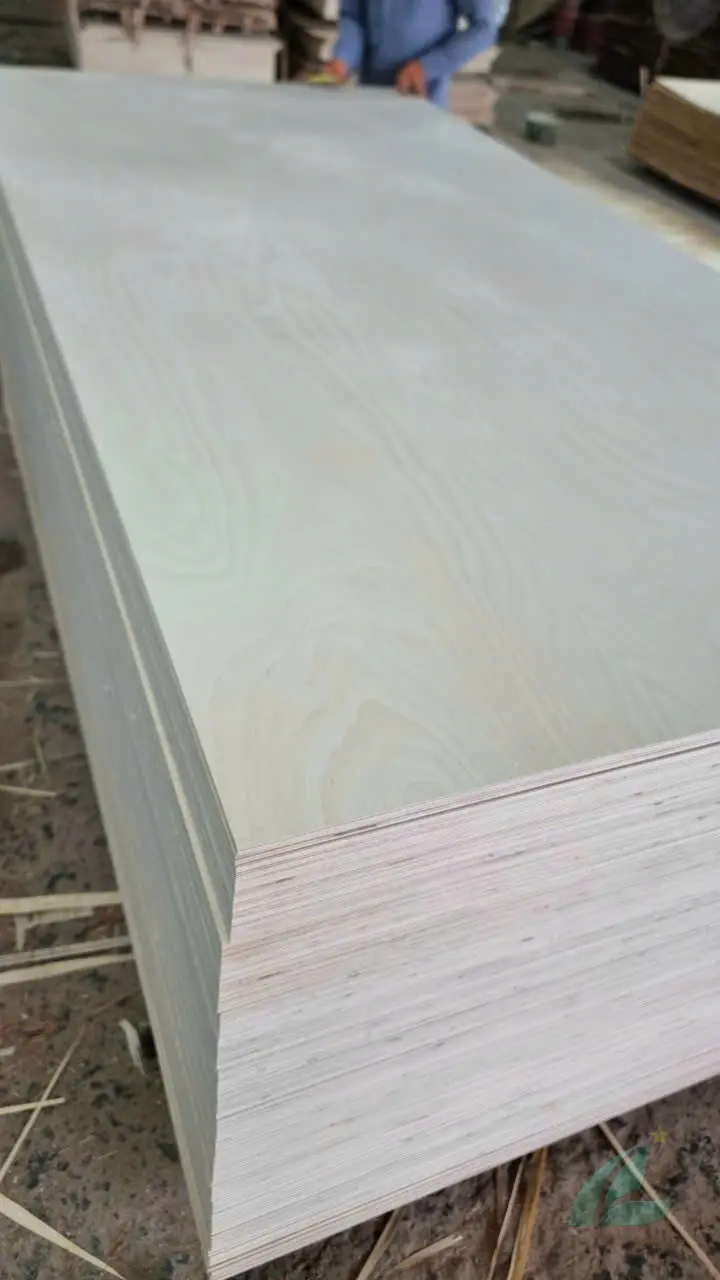
🛡️ Circumvention: The Hidden Risk That 37 Companies Learned the Hard Way
Before the current investigation even began, a separate enforcement action was already reshaping the Vietnam plywood supply chain. Understanding the 2023 circumvention ruling is essential for every US buyer — because it is already law, it is being enforced today, and it sets the template for how the current investigation will be interpreted.
What Happened in 2023
In 2023, the US Department of Commerce ruled on a circumvention inquiry into hardwood plywood from Vietnam. The finding: Vietnamese companies that manufacture plywood using Chinese-origin inputs (face veneer, core veneer, or other components) are circumventing the existing China AD/CVD orders. Their products are treated as Chinese-origin for duty purposes.
The consequence: 37 Vietnamese plywood companies were found to be circumventing. Their exports to the US were made subject to the China-wide AD/CVD rate — 183% AD plus 23% CVD — a combined rate exceeding 200%. This was not a slap on the wrist. For most of the 37 companies, it effectively ended their US export business overnight.
Why This Matters for Buyers Today
The circumvention ruling is already enforced at US ports. Here is the practical risk for importers:
You are importing plywood from a Vietnamese supplier who sources Chinese face veneer. The product ships under a Vietnamese Certificate of Origin. It arrives in the US. Customs examines it. The veneer is identified as Chinese origin. Your shipment is reclassified as subject to China-wide duty rates — 200%+ — not Vietnamese rates. You owe back duties on that shipment plus potentially all prior shipments from that supplier.
This is not a hypothetical. It has happened to real importers. The duty liability fell on the importer of record — meaning the US buyer, not the Vietnamese supplier.
Red Flags That Signal Circumvention Risk
| Red Flag | Why It Matters |
|---|---|
| Supplier cannot provide plantation or log purchase records | No domestic sourcing trail |
| Face veneer is unusually thin (0.1mm or below) | Common marker of Chinese-sourced veneer |
| Supplier recently expanded capacity dramatically | Possible shift from Chinese inputs |
| Very low price for face veneer species (e.g., birch at Chinese commodity prices) | Price point inconsistent with Vietnamese domestic sourcing |
| Supplier is not in the USITC respondent list but matches profile | May not have been verified for domestic sourcing |
| No FSC chain-of-custody available | FSC requires traceable sourcing — its absence is a signal |
How to Verify Supplier Sourcing
A properly documented Vietnamese supplier should be able to provide:
- Plantation or log purchase records — tracing wood species to Vietnamese source
- FSC chain-of-custody certificate — third-party verification of legal, traceable sourcing
- Core veneer production records — showing domestic core species (acacia, eucalyptus, styrax)
- Face veneer purchase invoices — showing Vietnamese domestic vendors, not Chinese imports
- Production mill certifications — ISO 9001 quality management with auditable records
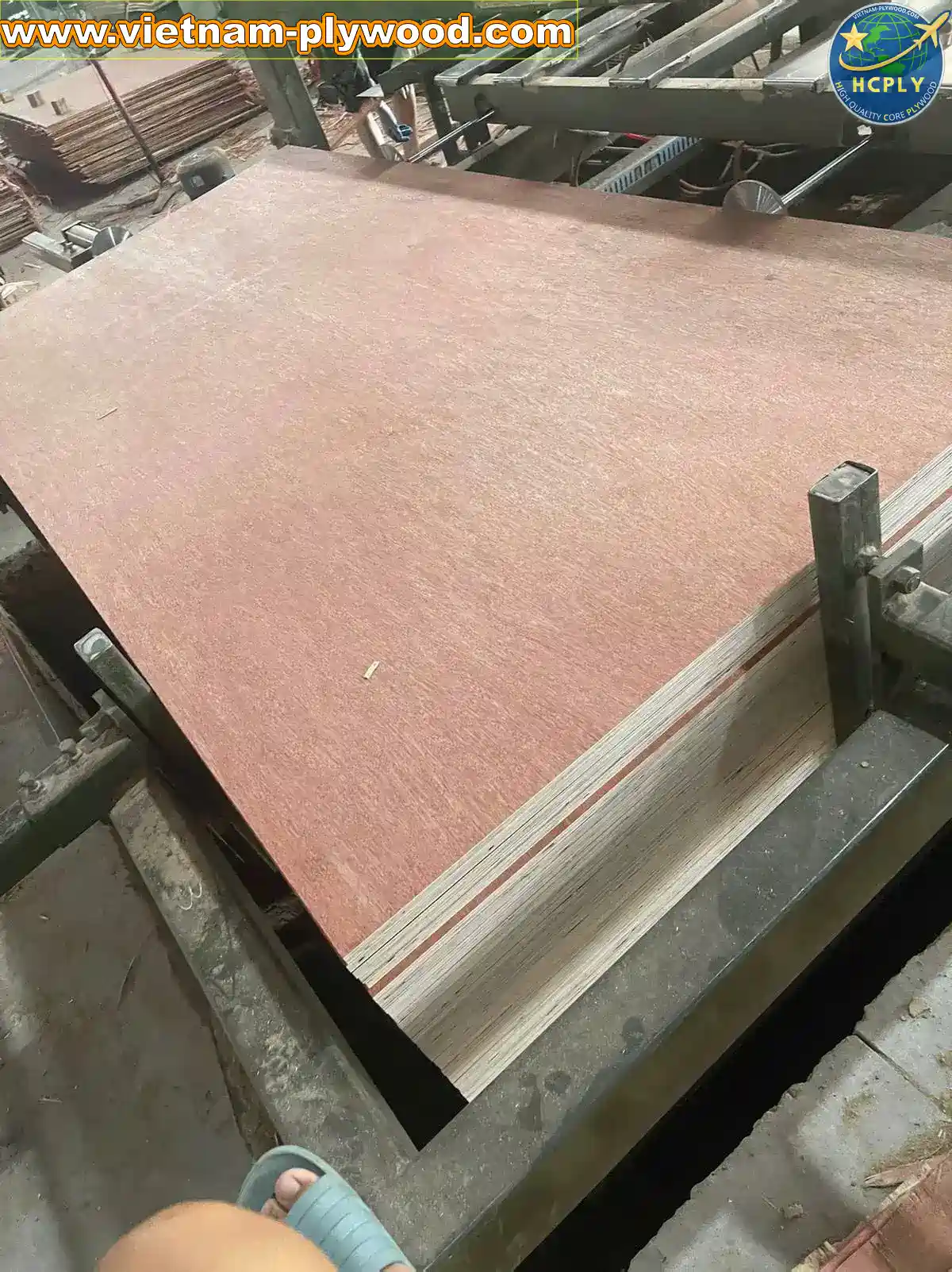
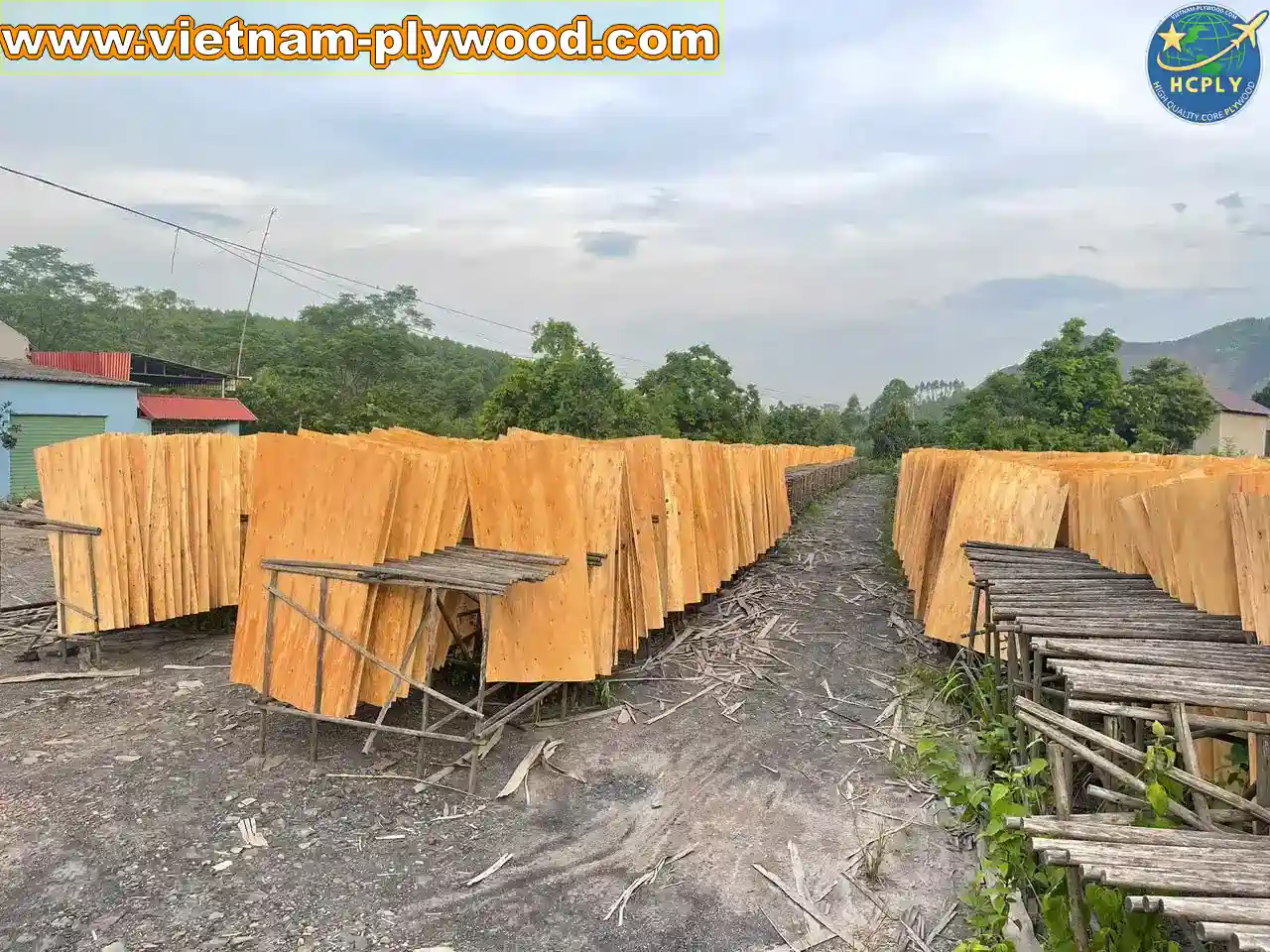
At HCPLY, we use 100% domestically sourced Vietnamese wood species — acacia, eucalyptus, and styrax cores with face veneer from verified Vietnamese suppliers. We carry FSC chain-of-custody certification and can provide full supply chain documentation on request. No Chinese inputs are used in any production stage.
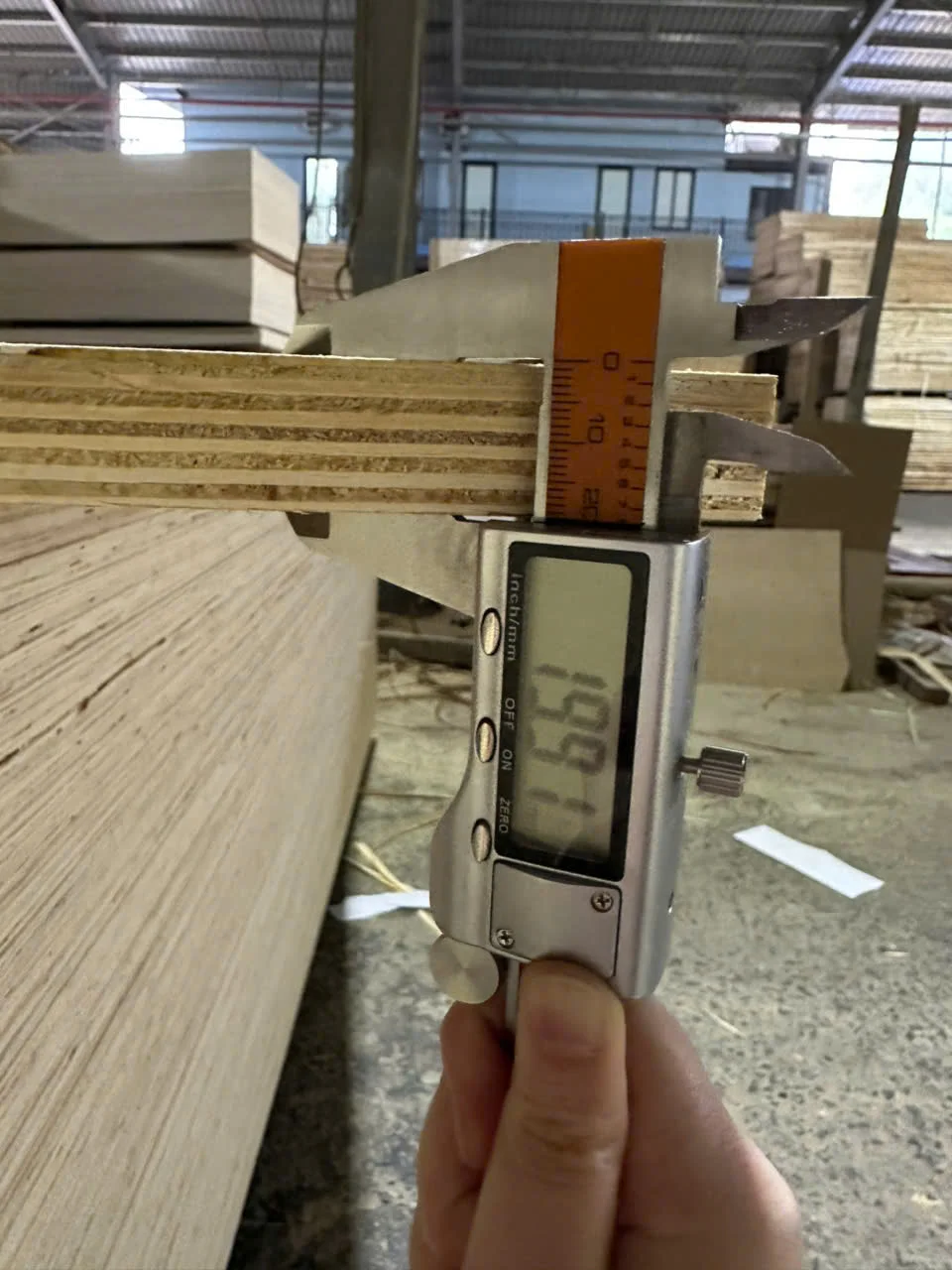
📦 Preliminary CVD Rates and What They Mean Financially
The January 22, 2026 preliminary CVD determination is the most concrete data point available as of this writing. Here is what we know and how it translates to real costs.
What Commerce Found
Commerce found that Vietnamese hardwood plywood exporters receive countervailable subsidies above the de minimis threshold (typically 1% for most countries). The 26 alleged subsidy programs include:
- Preferential loans from state-owned banks (Vietnam Development Bank, Agribank)
- Land use fee exemptions and reductions
- Export assistance grants
- Income tax incentives for export-oriented enterprises
- Preferential electricity rates in industrial zones
Mandatory respondents (typically the two largest exporters) were investigated in detail. Other Vietnamese exporters receive an “all-others” rate based on calculated margins.
What Preliminary Rates Mean in Practice
The preliminary CVD rate is not a final number. It is the basis for cash deposit requirements applied to entries during the investigation period. Here is a simplified calculation for planning purposes:
Example: 1 × 40HC container of Vietnamese furniture-grade plywood
| Cost Component | Estimate |
|---|---|
| FOB value (typical) | $18,000–$25,000 |
| Normal US import duty (MFN rate, ~8%) | $1,440–$2,000 |
| Preliminary CVD cash deposit (varies — consult broker) | To be determined at entry |
| Total landed cost increase if CVD applies | Significant — calculate per your specific classification |
⚠️ Heads up: Use these calculations as directional planning only. Your actual cash deposit amount depends on the specific CVD rate assigned to your exporter, your product classification, and your entry date. Always confirm with a licensed customs broker before each shipment.
AD alleged margins (112.33%–133.72%) would be transformative if applied at final rates. A Vietnamese plywood shipment with $20,000 FOB value facing a 120% AD rate would owe $24,000 in additional duties — more than doubling the landed cost. This is why the difference between preliminary and final rates, and between specific exporter rates and all-others rates, matters enormously.
Exporters who cooperated fully with Commerce’s questionnaires and passed verification will receive individual rates based on actual data. Exporters who did not cooperate or were not verified will receive the “adverse facts available” (AFA) rate — which Commerce sets at a punitive level to deter non-cooperation.
🔧 Coalition Members: Who Filed and Why
The petition was filed by five US domestic plywood manufacturers acting collectively as the “Coalition for Fair Trade in Hardwood Plywood.” Understanding who filed and why helps clarify the scope of the investigation and the domestic industry’s claims.
Columbia Forest Products — The largest US hardwood plywood manufacturer, headquartered in Portland, Oregon. Known for PureBond formaldehyde-free technology. Significant supplier to US kitchen cabinet and furniture OEMs.
Commonwealth Plywood — A major Canadian producer with significant US market presence (North American supply chain considerations informed their participation).
Manthei Wood Products — A Wisconsin-based manufacturer supplying industrial and specialty plywood segments.
States Industries — Oregon-based producer focused on decorative panels for furniture, cabinet, and architectural applications.
Timber Products Company — Headquartered in Springfield, Oregon, with manufacturing across the Pacific Northwest.
The Domestic Industry’s Argument
The coalition’s core argument is that Vietnamese and Indonesian plywood imports, supported by government subsidies and sold below fair value, have caused:
- Price suppression: US manufacturers cannot raise prices to cover cost increases
- Lost market share: Import penetration grew sharply after Chinese duties took effect in 2013
- Reduced capacity utilization: US mills operating below optimal efficiency
- Reduced employment: Job losses and wage suppression in US plywood manufacturing
Whether these claims will be upheld in the final ITC injury determination is the central question. The ITC preliminary determination in July 2025 found “reasonable indication” of material injury — a lower standard than the final affirmative required to issue permanent orders.
💡 What US Buyers Should Do RIGHT NOW
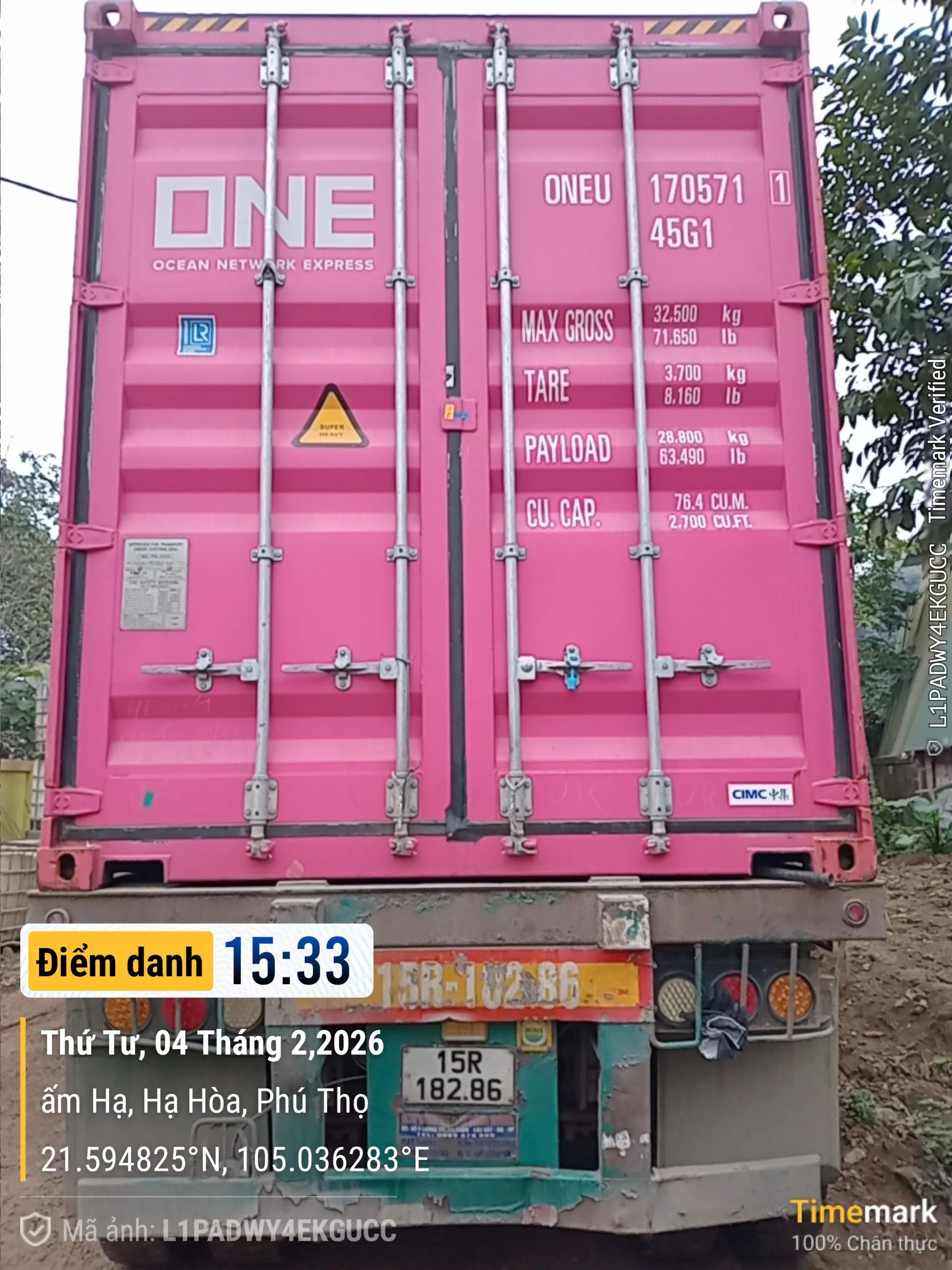
The investigation creates specific actionable decisions for US buyers. Here is a prioritized 5-step plan based on where the investigation stands as of February 2026.
Step 1: Audit Your Supplier’s Sourcing Immediately
Before any other action, contact your Vietnamese plywood supplier and request formal documentation of their raw material sourcing. Specifically:
- Written declaration that no Chinese-origin inputs (veneer, core, adhesive from Chinese suppliers) are used
- Plantation or log purchase records from the past 12 months
- FSC chain-of-custody certificate (if they have one)
- Core species identified: must be Vietnamese domestic acacia, eucalyptus, or styrax — not Chinese poplar or Chinese birch
If your supplier cannot provide this documentation within 10 business days, treat that as a red flag. See the circumvention section above.
Step 2: Classify Your Products Precisely
Work with your customs broker to confirm HTS classification for every product you import. Determine whether your specific products fall within the investigation scope. If there is ambiguity (film-faced, anti-slip, specialty panels), consider filing a formal scope ruling request with Commerce. This takes time but provides legal certainty.
Step 3: Understand Your Cash Deposit Obligation
For shipments entering US customs after the preliminary CVD determination date (January 22, 2026), you may be required to post cash deposits. Confirm with your customs broker:
- Whether your specific products and exporter are subject to the preliminary determination
- What cash deposit rate applies to your entries
- How to ensure entries are processed correctly to avoid later liquidation surprises
Step 4: Build Contingency Into 2026–2027 Contracts
Do not sign fixed-price contracts for Vietnamese plywood covering the period beyond May 2026 without duty contingency clauses. Standard approaches:
- Duty escalation clause: Price adjusts automatically if final duties exceed a threshold
- Force majeure / material change clause: Either party may renegotiate if duties are imposed
- Shorter contract terms: 6-month rather than 12-month purchase agreements until final determination
Consult a trade attorney to draft appropriate protective language for your purchase contracts.
Step 5: Consider Sourcing Diversification
This step is strategic, not urgent. But it is worth modeling now:
- Domestic US production: Columbia Forest Products and peers are actively marketing to buyers seeking duty-free alternatives
- Other origin countries: Malaysia, Indonesia (also under investigation), Brazil, Eastern Europe — each with different duty exposure and product profiles
- Vietnam — low circumvention-risk suppliers: Some Vietnamese exporters are positioned to receive low individual rates due to cooperation and transparent sourcing. Identifying these suppliers now, before final orders, is valuable.
At HCPLY, we are actively documenting our supply chain for US buyer due diligence. Buyers can contact us to receive our full sourcing documentation package — see the supplier due diligence guide for what questions to ask any supplier.
🏭 Vietnam Plywood Industry Response
The Vietnamese plywood industry’s response to the investigation has been fragmented — reflecting the diversity of the sector itself. Understanding how different types of Vietnamese suppliers are positioned helps US buyers identify lower-risk partners.
The Transparency Advantage
Vietnamese exporters that cooperated fully with Commerce questionnaires and passed on-site verification are positioned to receive individual company rates — often significantly lower than the “all-others” rate. Cooperation requires producing extensive documentation: financial statements, sales records, cost accounting, and production records going back years. Exporters with ISO 9001-certified management systems and FSC chain-of-custody were better prepared for this documentation burden.
For the broader Vietnam plywood industry — which spans from small family workshops to large integrated mills — compliance readiness varies enormously. The investigation is effectively a market segmentation event: transparent, document-ready exporters will emerge with lower duty rates and stronger buyer confidence. Less transparent operations face higher rates and buyer flight.
HCPLY’s Position
HCPLY is an independent sales office managing production across multiple strategic factory partners — all using 100% Vietnamese domestic wood species. Our supply chain:
- Core species: Acacia (~580 kg/m³), Eucalyptus (650–750 kg/m³), Styrax (480–500 kg/m³) — all Vietnamese plantation-sourced
- Face veneer: Vietnamese domestic suppliers — bintangor, okoume, eucalyptus, and other species
- No Chinese inputs at any production stage
- FSC chain-of-custody certification maintained
- ISO 9001 quality management at factory level
- Full QC inspection documentation from log to container
We recognize that US buyers need more documentation than ever. We have prepared a supply chain verification package that includes: sourcing declarations, plantation records summary, FSC certificate, core species analysis, and factory audit summary. This is available to serious US buyers upon request via contact form.
Transparency is not a burden for us — it is our competitive advantage. In a market where circumvention risk is real and buyer liability is real, documented supply chains command premium access. We see the AD/CVD investigation as an opportunity to demonstrate what factory-direct, traceable sourcing actually means in practice.
🔗 Related Regulatory Developments: Tightening Compliance
The US AD/CVD investigation does not exist in isolation. 2025–2026 has seen a convergence of multiple regulatory initiatives targeting wood products supply chains globally. US buyers should be tracking all of these simultaneously.
EUDR — EU Deforestation Regulation
The EU Deforestation Regulation (EUDR) requires that all wood products sold in the EU — including plywood — must come from deforestation-free supply chains, with full geolocation data tracing to the forest of origin. The regulation applies to EU importers and took effect for large companies in late 2025.
If you sell plywood in both the US and EU markets, your sourcing documentation must satisfy both systems simultaneously. Vietnamese suppliers who have invested in FSC chain-of-custody are better positioned for EUDR compliance — but FSC alone is not sufficient. EUDR requires geolocation data that most FSC certificates do not currently capture.
TSCA Title VI / CARB P2 — Formaldehyde Emissions
US EPA’s TSCA Title VI regulations and California’s CARB Phase 2 standards impose strict formaldehyde emission limits on composite wood products imported into the US. Importers are legally responsible for ensuring compliance — not just their suppliers.
For Vietnamese plywood headed to the US, E0 or CARB P2 emission certification is effectively mandatory for any furniture or interior application. See the quality certifications section for our current certification status.
Lacey Act — Legal Timber Sourcing
The US Lacey Act prohibits import of products made from illegally harvested timber. Importers must file Plant and Plant Product declarations at entry. Vietnamese suppliers should provide species documentation — both face and core — to ensure Lacey Act compliance.
The broader trend: Every major US, EU, and UK import market is moving toward more rigorous supply chain documentation requirements for wood products. What previously required only a Certificate of Origin now requires traceable sourcing documentation, third-party certification, and in some cases geolocation data. Suppliers who invest in this infrastructure now will have a structural competitive advantage as regulations tighten further.
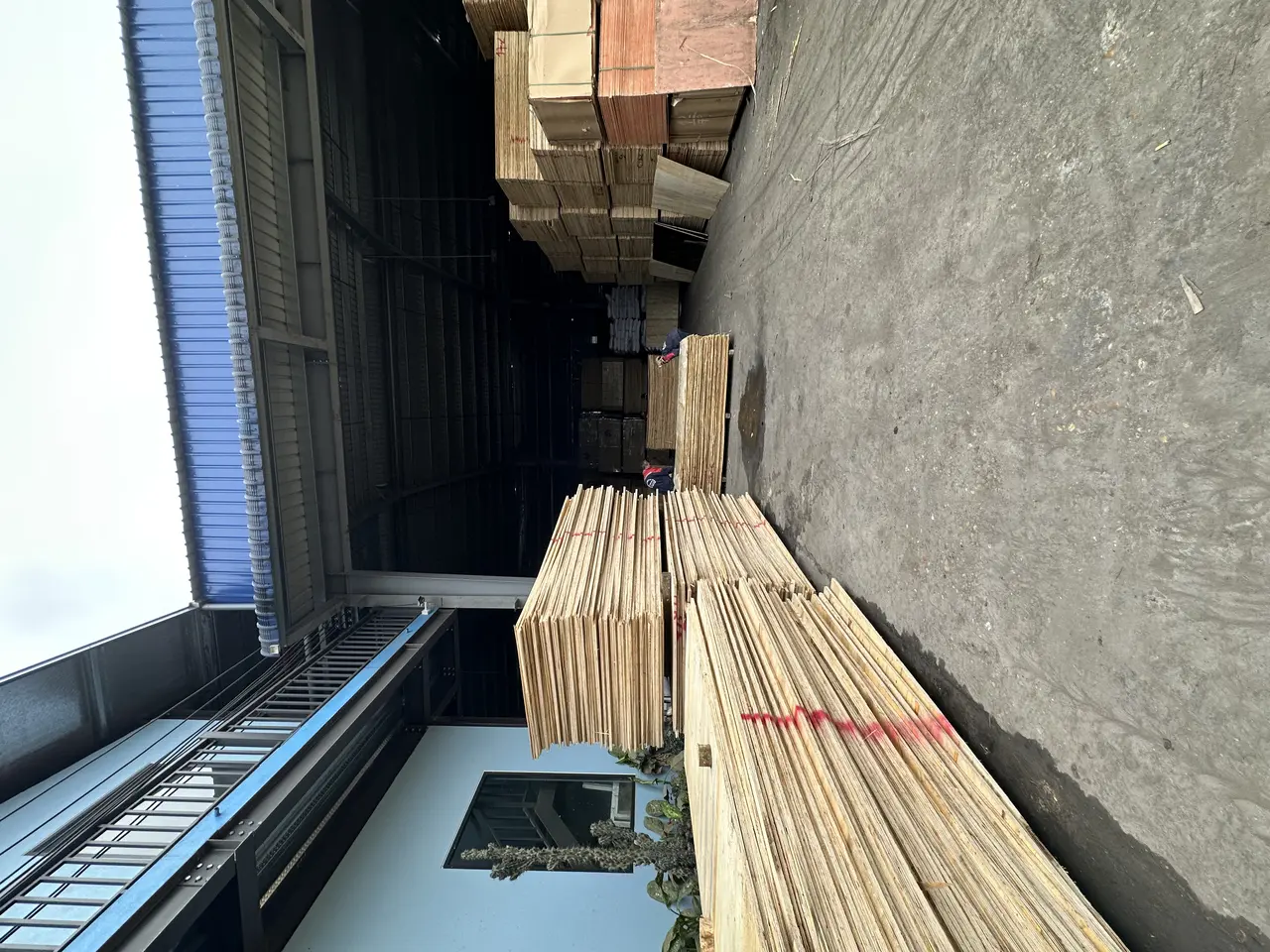
The intersection of the container logistics chain and regulatory compliance is where importers face the most operational complexity. Getting a container to the US port is only half the equation — ensuring it clears customs without duty exposure or regulatory penalty is the other half.
📊 Summary: The Five Things Every US Plywood Buyer Must Know
Before we wrap up, here is a concise summary of the five most important points from everything above:
-
The preliminary CVD determination (January 2026) is real and actionable now. Cash deposit requirements may apply to your current imports. Do not wait for the final determination to address this.
-
Alleged AD margins (112–133%) are not the final rates — but plan for multiple scenarios. Final rates could be lower (individual company rates for cooperating exporters) or higher (AFA rates for non-cooperators). Do not model your 2026 procurement assuming zero duties.
-
The 2023 circumvention ruling is already law. 37 companies already pay China-wide rates (200%+) for using Chinese inputs. The same standard will apply in the current investigation. Verify your supplier’s sourcing now.
-
Not all Vietnamese plywood is in scope. Structural plywood, furniture, and certain specialty products are excluded. Confirm your classification with a licensed customs broker.
-
Transparent, document-ready suppliers are the lowest-risk partners. In an enforcement environment, supplier selection is risk management. Choose suppliers who can provide supply chain documentation — not just a price list.
Planning US plywood imports in 2026? Contact HCPLY for a supply chain verification package — sourcing declarations, FSC certificate, and full documentation proving no Chinese inputs in any production stage.
The US AD/CVD anti-dumping plywood Vietnam investigation is the most significant trade enforcement development in the sector since the 2013 China orders. It is still unfolding — the final determinations are months away, and the ITC injury review will follow. But the preliminary determinations are legally effective today, cash deposits are being collected today, and the circumvention framework is actively enforced today.
For buyers who have sourced from Vietnam for years, this is the moment to do the supply chain due diligence that should have been done all along. For buyers considering Vietnam as an alternative to other origins, understanding the regulatory timeline is essential for pricing and procurement decisions.
At HCPLY, we believe that factory-direct Vietnam plywood export with full transparency is sustainable precisely because it does not depend on regulatory arbitrage. Our domestic sourcing model, FSC certification, and documented quality control processes are designed for exactly this kind of scrutiny. We welcome buyer due diligence — and we can start with a supply chain verification package delivered within 5 business days of your request.
⚠️ Legal Disclaimer: This article provides general educational information about publicly available US trade proceedings. It does not constitute legal advice. Trade compliance is highly fact-specific. Consult a licensed trade attorney and licensed customs broker for guidance on your specific import situation. Federal Register notices for this investigation are publicly available at federalregister.gov and usitc.gov.
Sources consulted for this article: US Federal Register (June 2025, January 2026), USITC preliminary determination (July 2025), US Department of Commerce Federal Register notices, ITC EDIS public documents, and publicly available trade press coverage of the investigation.