


Every year, plywood shipments worth millions of dollars sit in customs holding areas because one document is missing, one number does not match, or one certificate carries the wrong date. For professional importers buying plywood from Vietnam, understanding exactly what documents needed for your shipment is the difference between a 3-day clearance and a 3-week delay.
This guide covers the 7 plywood import documents required for international trade — written from the exporter’s production floor, not a freight forwarder’s template folder. Whether you call it plywood export paperwork or import documentation, every paper described below serves a specific customs, legal, or financial function.
📋 Document 1 — Commercial Invoice
The commercial invoice is the foundation of every plywood import transaction. Customs authorities in every destination country use this document to assess duties, verify declared values, and cross-reference against other shipping papers.
A properly prepared commercial invoice for plywood exports must include:
| Field | What It Contains | Why It Matters |
|---|---|---|
| Seller & buyer details | Full legal names, addresses, tax IDs | Customs identity verification |
| Invoice number & date | Unique reference, issuance date | Document tracking, LC matching |
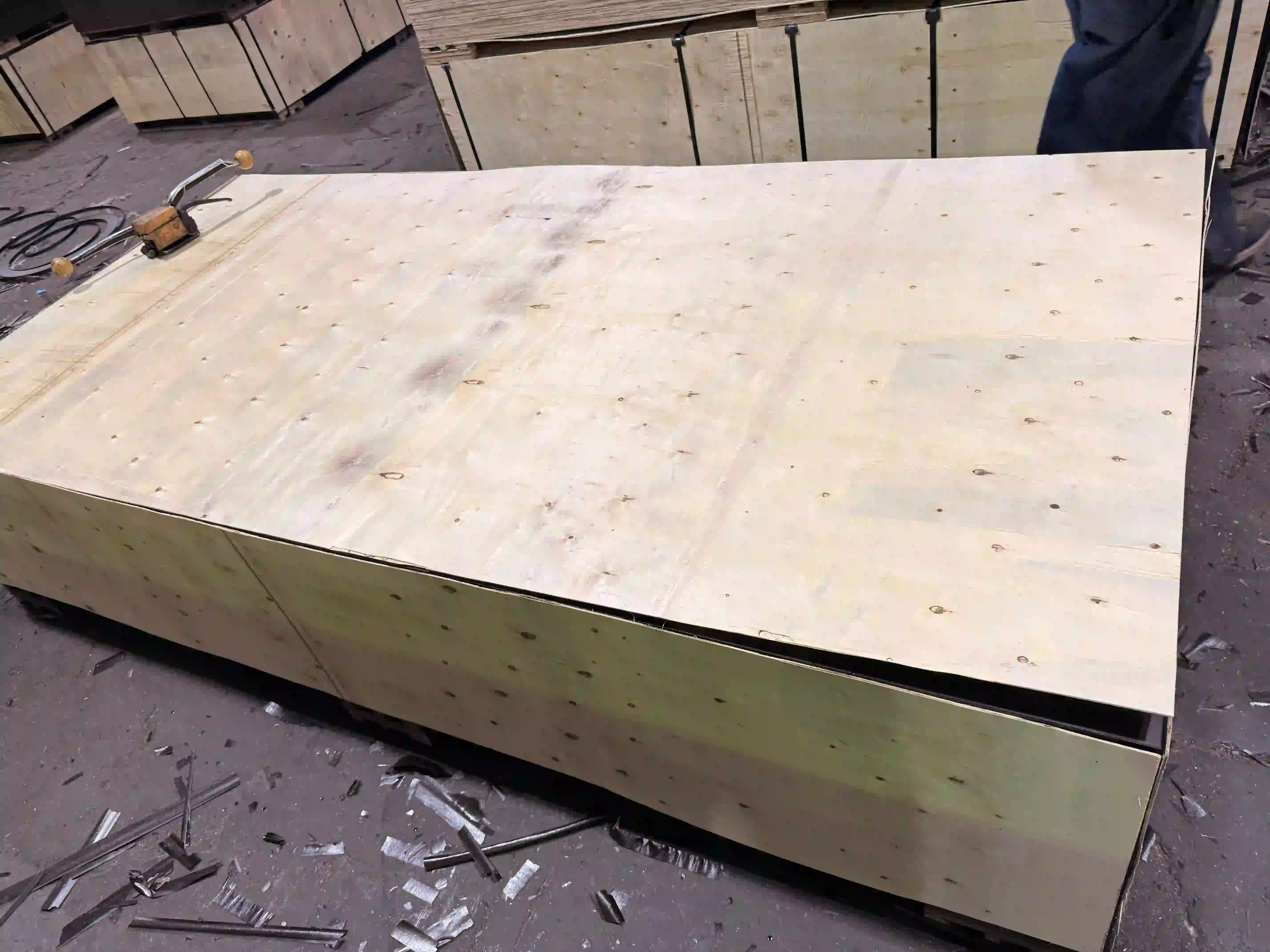
| Product description | Species, thickness, size, grade, glue type | Tariff classification under HS 4412 |
| Quantity & unit price | Sheets, CBM, price per CBM or per sheet | Duty calculation basis |
| Trade terms | FOB Hai Phong, CIF destination | Determines cost allocation |
| Total value | Currency, amount | Customs valuation |
⚠️ Common mistake: Listing “plywood” without species or grade detail. US Customs requires genus and species identification for Lacey Act compliance (USDA APHIS, 2024). A vague description triggers additional inspection and delays averaging 7-14 business days.
HCPLY issues commercial invoices specifying face veneer species, core species, glue type and emission standard, exact dimensions, and per-CBM pricing — because ambiguous invoices create clearance problems for our buyers (HCPLY export documentation data, 2026).
📦 Document 2 — Packing List
Among all plywood import documents, the packing list is the physical inventory of your shipment. While the commercial invoice covers value, the packing list covers content — what is physically inside each container, on each pallet, in each bundle.
What a plywood packing list must specify:
- Number of pallets per container
- Sheets per pallet (calculated from thickness and 1000mm stack height)
- Net weight and gross weight per pallet
- Total CBM per container
- Bundle markings and pallet numbering
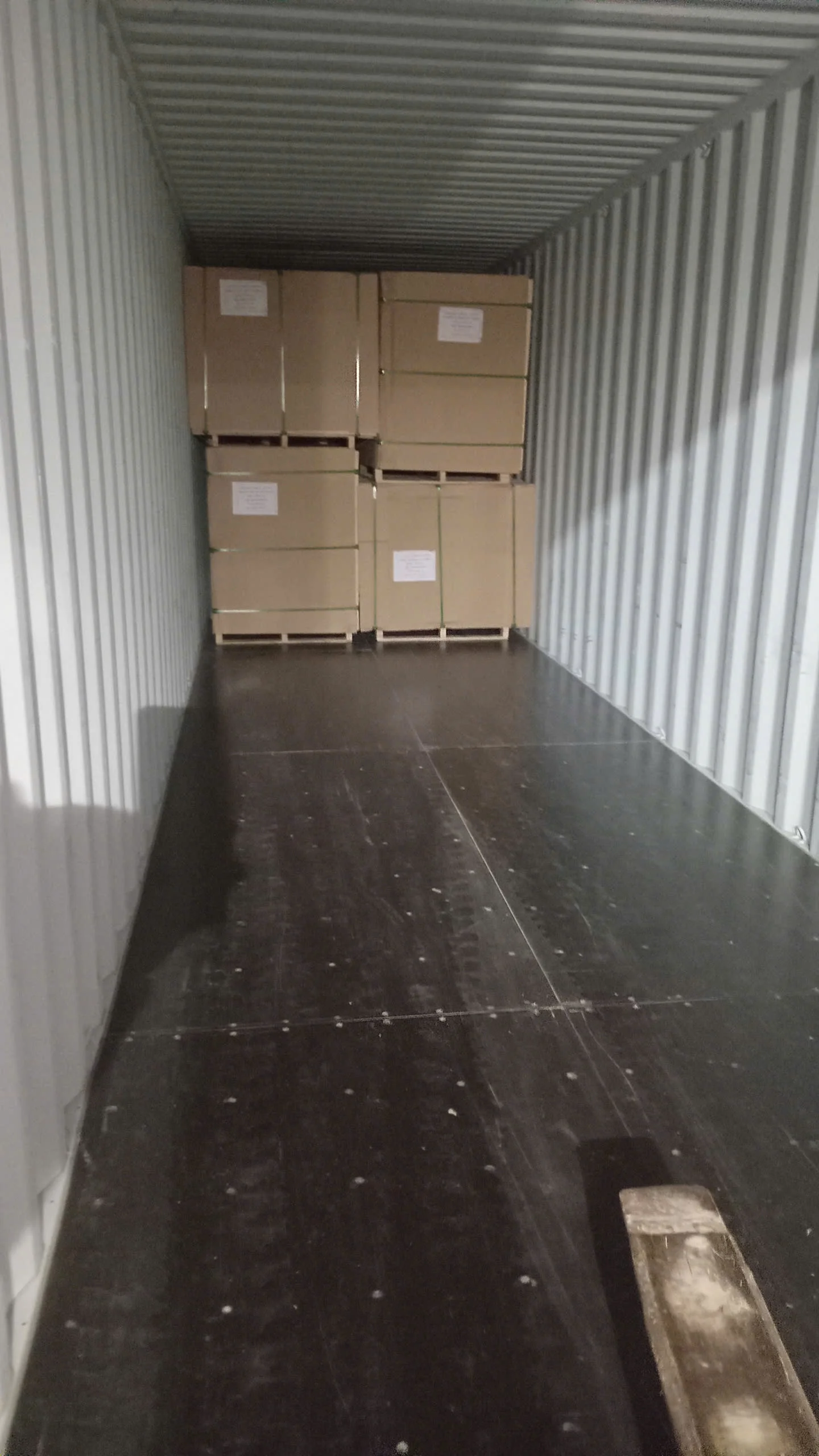
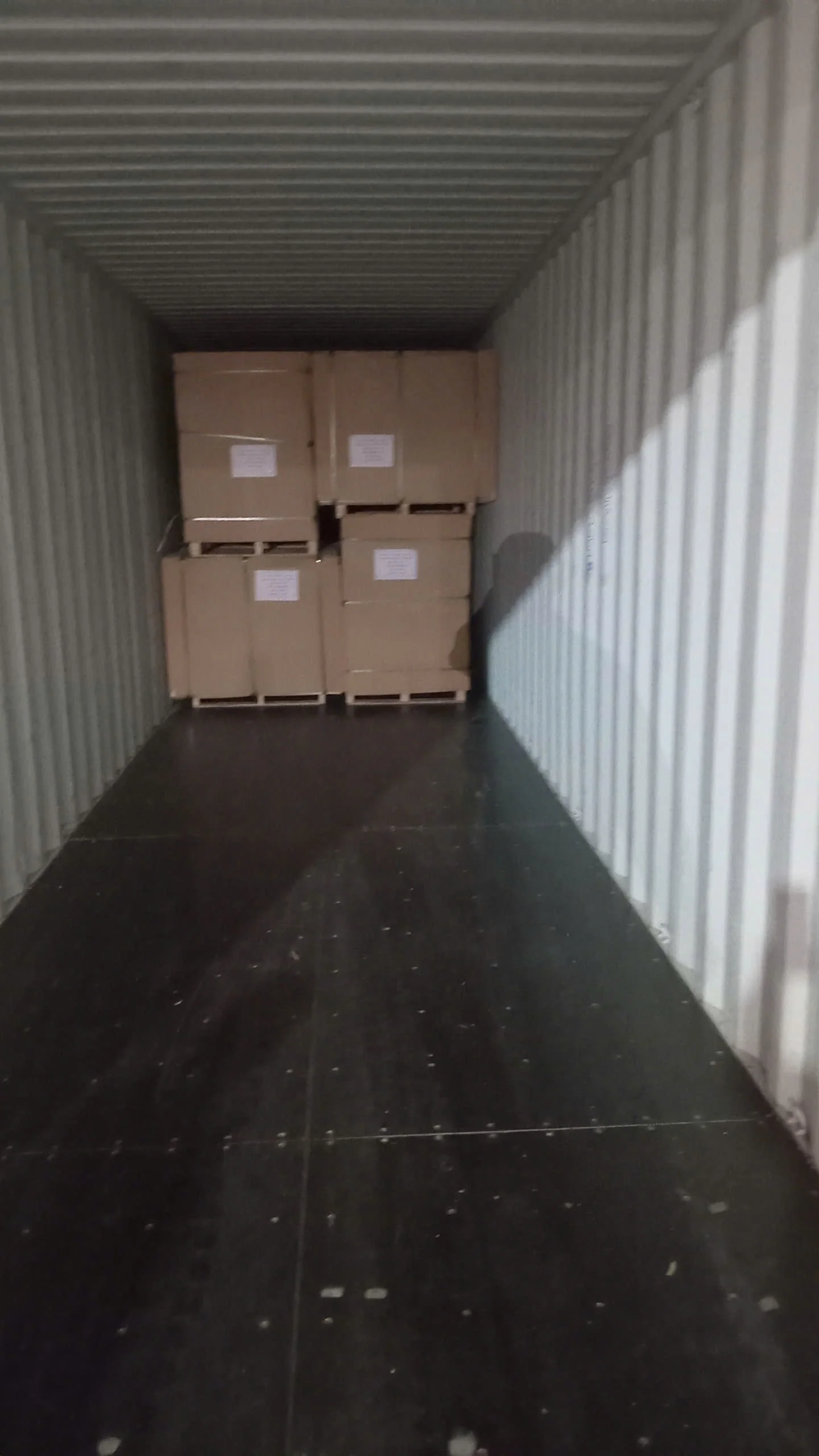
For plywood, the packing list directly ties to container packing calculations. A styrax-core shipment at 18mm thickness fits 18 pallets in a 40HC container — approximately 53 CBM at 500 kg/CBM density (HCPLY production data, 2026). Every number on the packing list must match this calculation exactly.
📌 Verification tip: Cross-check total weight on the packing list against the bill of lading weight. Discrepancies exceeding 2% trigger customs inspection in most ASEAN and EU ports.
🚢 Document 3 — Bill of Lading (B/L)
The bill of lading is simultaneously a receipt, a contract, and a title document. For plywood shipped FOB or CIF, the B/L issued by the shipping line serves three functions:
- Receipt — confirms the carrier received goods in stated condition
- Contract of carriage — defines transport terms between shipper and carrier
- Document of title — enables transfer of ownership (negotiable B/L)
Key fields importers must verify:
- Shipper: Exporter’s legal name (must match commercial invoice)
- Consignee: Importer’s legal name or “To Order” for negotiable B/L
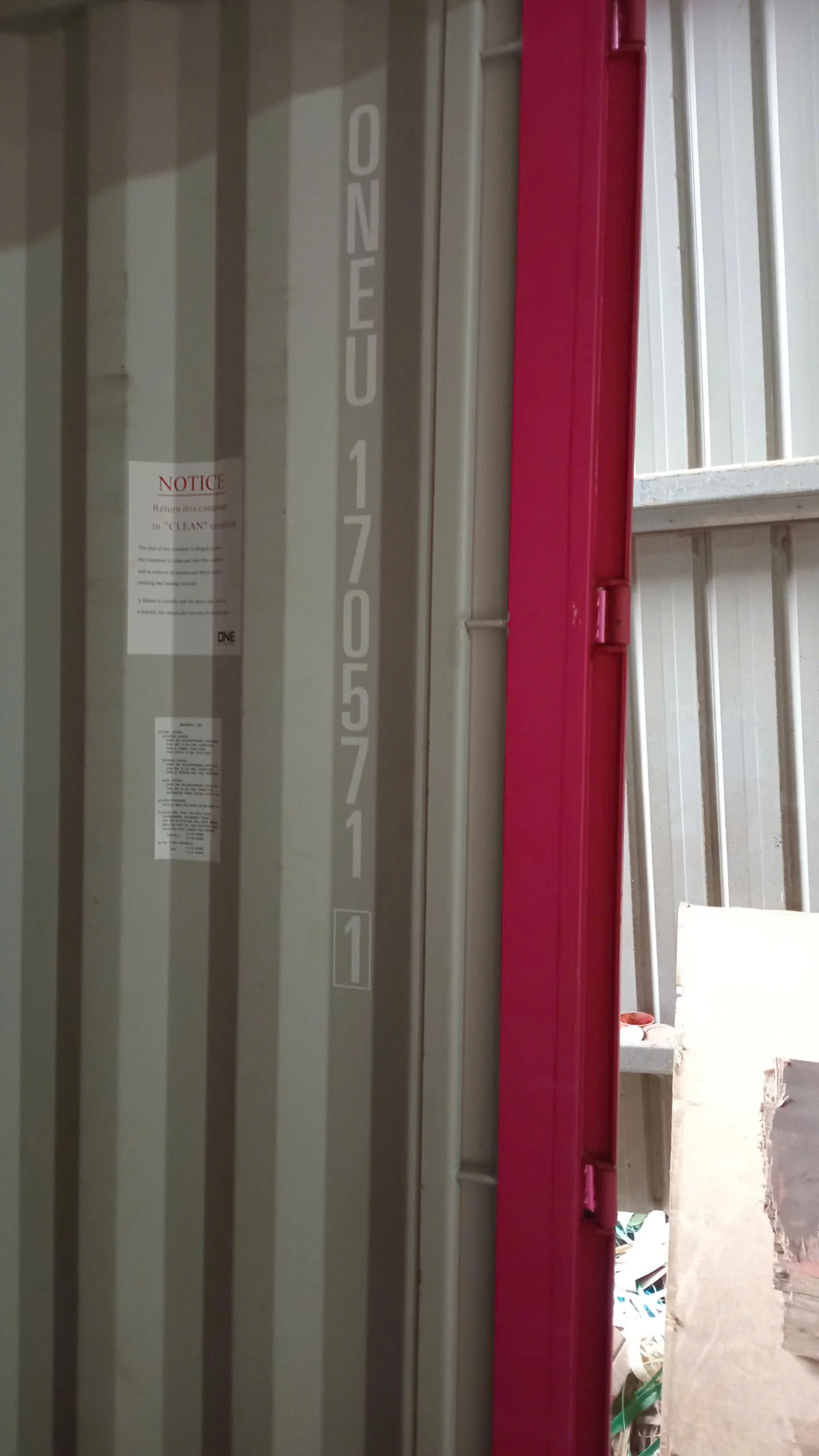
- Container number & seal number: Physical verification markers
- Port of loading: Hai Phong for Northern Vietnam exporters
- Description of goods: Must align with commercial invoice description
- Freight terms: “Freight Prepaid” (CIF) or “Freight Collect” (FOB)
“Every document in a plywood shipment must tell the same story. When the bill of lading says 47.5 CBM of acacia-core plywood but the packing list shows 53 CBM of styrax-core, customs flags the entire shipment.” — Lucy, International Sales Manager, HCPLY
For FOB shipments, the exporter arranges loading and provides the B/L to the buyer. For CIF shipments, the exporter also arranges freight and insurance, providing a full document set.
🌍 Document 4 — Certificate of Origin (CO)
A certificate of origin proves where the plywood was manufactured — not just where it was shipped from. This distinction matters because tariff rates, anti-dumping duties, and trade agreement benefits all depend on verified origin.
Types of origin certificates for Vietnam plywood exports:
| Certificate | Issued By | Purpose |
|---|---|---|
| Form B | VCCI (Vietnam Chamber of Commerce) | General preferential tariff |
| Form E | MOIT (Ministry of Industry and Trade) | ASEAN-China FTA preferential rate |
| Form AK | MOIT | ASEAN-Korea FTA |
| Form RCEP | MOIT | Regional Comprehensive Economic Partnership |
| EUR.1 | MOIT | Vietnam-EU FTA (EVFTA) |
| Form AI | MOIT | ASEAN-India FTA |
| Form CPTPP | MOIT | CPTPP member countries |
⚠️ Anti-dumping alert: The US Department of Commerce imposed anti-dumping duties on hardwood plywood from China in 2018 and expanded preliminary countervailing investigations to Chinese and Indonesian plywood in January 2026 (Federal Register, 2026). Correct CO proving Vietnam origin is critical for US-bound shipments to avoid misclassification and penalty duties.
HCPLY provides the correct form type matched to destination country. Buyers importing under preferential FTA rates save 3-8% on applied tariffs compared to MFN rates — a direct cost reduction on every container (HCPLY trade compliance records, 2026).
🔬 Document 5 — Phytosanitary & Fumigation Certificates
These two plywood import documents address pest and disease control — a requirement driven by international plant protection standards. They are among the most commonly delayed plywood export paperwork items because treatment must happen close to the loading date.
Phytosanitary Certificate
Issued by Vietnam’s Plant Protection Department (PPD) under the Ministry of Agriculture. Confirms the wood products have been inspected and are free from harmful pests.
Key fact: Finished plywood panels (HS 4412) are generally exempt from phytosanitary certificate requirements because the hot-pressing process at 110-135°C effectively eliminates biological threats (FAO ISPM 15, 2019). However, the wooden pallets and crating used to ship plywood must comply with ISPM 15 standards — heat-treated (HT) to 56°C core temperature for 30 minutes and stamped with the IPPC mark.
Fumigation Certificate
Confirms that wood packaging materials have been fumigated using methyl bromide (MB) or heat treatment (HT). Required by most importing countries for wooden packaging.
What documents needed from your supplier:
- Phytosanitary certificate referencing the shipment’s B/L number
- Fumigation certificate with treatment method (HT preferred over MB due to Montreal Protocol restrictions)
- IPPC stamp visible on all wooden pallets
HCPLY uses heat-treated pallets exclusively — eliminating fumigation delays and meeting the strictest import standards in the EU, US, Australia, and Japan (HCPLY logistics data, 2026).
✅ Document 6 — Quality & Compliance Certificates
The specific quality certificates required depend entirely on your destination market. Within the full set of plywood import documents, compliance certificates carry the highest regulatory risk — they are legal requirements that determine whether your plywood clears customs.
Market-specific certificate requirements
| Market | Required Certificates | Regulatory Basis |
|---|---|---|
| United States | CARB P2, Lacey Act declaration (PPQ 505) | EPA TSCA Title VI, Lacey Act |
| European Union | CE marking (EN 13986), EUDR due diligence | EU Construction Products Regulation, EUDR 2023/1115 |
| Japan | JAS, F☆☆☆☆ (F4 star) | Japan Agricultural Standard |
| South Korea | KS (Korean Standards), SE0 emission | KATS certification |
| India | BIS (Bureau of Indian Standards) | Indian Quality Control Orders |
| Australia | AS/NZS 2269, E0 emission | Australian Building Code |
The US Lacey Act — Special Attention Required
Every plywood import into the United States classified under HS 4412 requires a Lacey Act declaration (PPQ Form 505) stating the scientific name of the wood species, country of harvest, quantity, and value (USDA APHIS, 2024). Filing a false declaration carries criminal penalties including fines up to $500,000 and imprisonment.
📌 Practical guidance: Request your supplier’s species declaration before shipment. For example, HCPLY specifies “Acacia mangium” (core) + “Betula spp.” (face) on all birch plywood invoices — the exact scientific nomenclature customs requires.
HCPLY holds FSC, CARB P2, CE, ISO 9001, and EUDR compliance across all three production facilities. Every certificate is issued per shipment, with batch numbers traceable to specific production lines (HCPLY certification records, 2026).
Request HCPLY Certification Copies for Your Market
📊 Document 7 — Insurance Certificate
For CIF (Cost, Insurance, Freight) terms, the insurance certificate is part of the mandatory document package. Under FOB terms, the buyer arranges insurance independently, but the document requirements remain identical.
What the insurance certificate must include:
- Policy number and insurer name
- Insured value (typically 110% of CIF value, per ICC standard practice)
- Coverage type: Institute Cargo Clause A (all risks) recommended for plywood
- Named perils covered: water damage, breakage, theft, total loss
- Certificate must be endorsed in blank or to the order of the buyer
Why plywood specifically needs full coverage
Plywood is classified as a moisture-sensitive cargo. Water ingress through container condensation or deck exposure causes delamination, mold, and surface staining that renders entire pallets unsaleable. Claims on plywood shipments represent 4.2% of all wood product marine cargo claims globally (International Union of Marine Insurance, 2023).
| Insurance Type | Coverage | Recommended For |
|---|---|---|
| ICC Clause A | All risks | CIF plywood shipments |
| ICC Clause B | Named perils | Budget-conscious buyers |
| ICC Clause C | Major casualties only | Not recommended for plywood |
⚠️ Warning: Some traders provide insurance certificates from uncertified underwriters. Verify your certificate names a recognized insurer (Lloyd’s, TK Club, Gard, etc.) before accepting CIF terms.
📐 Complete Document Checklist — What Documents Needed Per Shipment
Your plywood export paperwork package varies slightly between FOB and CIF terms. Use this checklist to verify your plywood import documents are complete before cargo arrives at destination port:
| # | Document | FOB | CIF | Who Prepares |
|---|---|---|---|---|
| 1 | Commercial invoice | ✅ | ✅ | Exporter |
| 2 | Packing list | ✅ | ✅ | Exporter |
| 3 | Bill of lading | ✅ | ✅ | Shipping line |
| 4 | Certificate of origin | ✅ | ✅ | VCCI / MOIT |
| 5 | Phytosanitary certificate | ✅ | ✅ | Plant Protection Dept |
| 6 | Fumigation certificate | ✅ | ✅ | Treatment provider |
| 7 | Quality certificates | ✅ | ✅ | Testing lab / certifier |
| 8 | Insurance certificate | ❌ | ✅ | Insurer |
| 9 | Lacey Act declaration (US only) | ✅ | ✅ | Importer |
| 10 | Letter of credit (if LC terms) | ✅ | ✅ | Buyer’s bank |
Additional documents by market
- EU: EUDR due diligence statement, CE declaration of performance
- India: BIS certificate, ISI marking documentation
- US: TSCA Title VI CARB P2 compliance label, EPA importer certification — see also FSC certification requirements for sustainability documentation
- Japan: JAS certificate, Japan Quarantine clearance
🔧 5 Most Costly Document Mistakes — And How to Prevent Them
After processing 600+ export containers annually, HCPLY’s documentation team has identified the plywood import documents errors that cost importers the most time and money:
Mistake 1: Species name mismatch
The commercial invoice states “hardwood plywood” but the Lacey Act declaration requires “Acacia mangium.” Customs holds the shipment until species verification is complete — average delay: 12 business days.
Prevention: Request species-specific invoicing from your supplier at order confirmation stage.
Mistake 2: Weight discrepancy between documents
Packing list shows 26.5 MT but the B/L records 27.1 MT. Even 2% variance triggers physical inspection at most ports.
Prevention: Final weighbridge ticket at port must be the reference weight across all documents.
Mistake 3: Wrong Certificate of Origin form
Using Form B (general) instead of Form E (ASEAN-China FTA) means paying full MFN tariff instead of the preferential rate — a 5-12% cost difference per container.
Prevention: Confirm FTA eligibility and correct form type before shipment, not after arrival.
Mistake 4: Expired or missing fumigation certificate
Fumigation certificates have a 21-day validity window in most markets. A shipment delayed by weather that arrives after expiry needs re-treatment at destination — costing $800-1,500 per container.
Prevention: Time fumigation treatment within 14 days of expected loading date. Use heat treatment (HT) which has longer validity.
Mistake 5: Insurance certificate value below invoice value
CIF insurance covering only the FOB value (excluding freight) is insufficient. Banks reject non-compliant insurance certificates under LC terms.
Prevention: Insure at 110% of CIF value as standard practice. Confirm coverage amount before B/L issuance.
❓ How Professional Exporters Handle Document Preparation
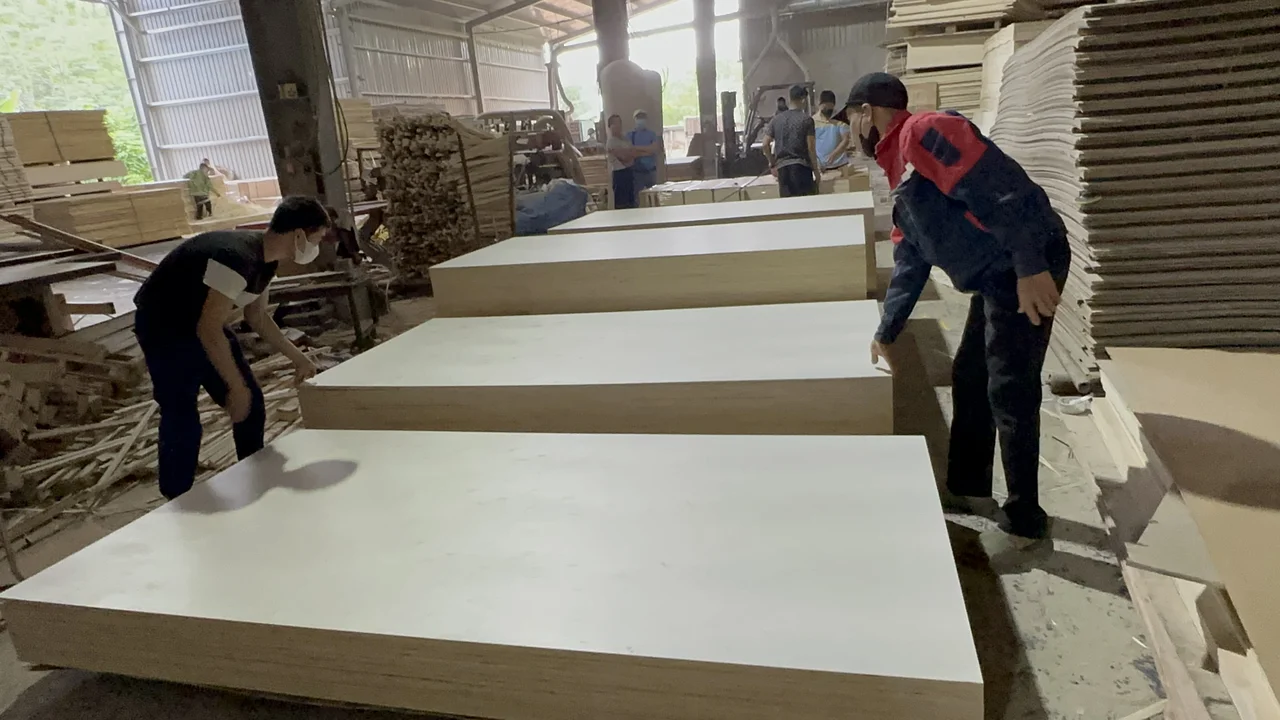
HCPLY manages documentation across all three specialized production facilities with a standardized export paperwork protocol:
- Pre-shipment: Commercial invoice and packing list issued 3 days before loading, cross-checked against container packing calculations
- Loading day: Container photos, seal number recorded, weighbridge data captured
- Post-loading: B/L, CO, phytosanitary, fumigation, and all quality certificates compiled within 5 working days
- Document delivery: Full set sent via courier (DHL/FedEx) + scanned copies via email within 7 working days of vessel sailing
“Document accuracy is not administrative overhead — it is the last quality checkpoint before goods leave the factory gate. At HCPLY, every document is reviewed against the packing list, the weighbridge ticket, and the production batch record before release.” — Lucy, International Sales Manager, HCPLY
For buyers importing plywood from Vietnam for the first time, we provide a pre-shipment document preview — you review draft copies before the container ships, catching any discrepancy before it becomes a customs problem.
Get a Free Quote with Full Document Support
Disclosure: This article is published by HCPLY, a Vietnam-based plywood manufacturer and export operator. While we aim to provide objective industry guidance, readers should consider our perspective as a market participant when evaluating recommendations.
🔗 Related Resources
Explore these HCPLY guides for a complete understanding of plywood importing from Vietnam: